2027 Online Biomedical Sciences Degree Programs That Accept 60, 75, or 90 Transfer Credits

Co-Founder and Chief Data Scientist
If you already have college credit, the biggest question is not whether an online biomedical sciences program accepts 60, 75, or 90 transfer credits; it is how many will count toward the degree. The National Student Clearinghouse Research Center reported that undergraduate transfer enrollment increased 4.4% in fall 2024, making credit mobility a current issue for many students. This guide is for transfer and degree-completion students who want to compare programs, estimate remaining credits, avoid costly surprises, and choose a path that fits their career goals.
Key Things You Should Know
- Most bachelor's degrees in biomedical sciences require about 120 credits, so transferring 60, 75, or 90 applicable credits typically leaves about 60, 45, or 30 credits before graduation.
- A school may accept credits as electives but not apply them to biology, chemistry, lab, upper-division, or major requirements, so the official degree audit matters more than the advertised transfer maximum.
- Programs that accept up to 90 credits often still require at least 30 credits in residence, plus upper-division science coursework, which can limit how much time and tuition you actually save.
How Many Transfer Credits Can You Apply Toward an Online Biomedical Sciences Degree?
For a 120-credit online bachelor's degree in biomedical sciences, accepting 60, 75, or 90 transfer credits means the school is willing to bring prior coursework into your record. Applying those credits means the courses satisfy specific graduation requirements, such as general education, electives, biology, chemistry, physics, statistics, or upper-division biomedical science courses.
The difference is important because biomedical sciences is a structured major. A student with 90 prior credits in unrelated subjects may still need several semesters of biology and chemistry, while a student with 60 well-matched associate degree credits may be closer to finishing.
The table below shows how common transfer-credit scenarios usually affect remaining coursework in a 120-credit bachelor's degree. Use it as a planning framework, not as a guarantee, because each university evaluates credits differently.
| Transfer scenario | Typical credits remaining | What it may mean for a biomedical sciences student | Main caution |
| 60 transfer credits | About 60 credits | Often fits students with an associate degree or two years of college coursework. | You may still need most upper-division biomedical science courses. |
| 75 transfer credits | About 45 credits | Can shorten the degree if science prerequisites and general education courses match the new program. | Extra credits may become electives if they do not match major requirements. |
| 90 transfer credits | About 30 credits | Can be the fastest route when the program allows 90 credits and your remaining courses are mostly major requirements. | Residency and upper-division rules may prevent all 90 credits from reducing the degree. |
A practical way to interpret transfer-credit limits is to ask two separate questions: "How many credits can the university accept?" and "How many credits will reduce the courses I still need?" The second answer is the one that affects completion time and tuition.
Which Online Biomedical Sciences Degree Programs Accept 60, 75, or 90 Transfer Credits?
Online biomedical sciences options are less common than online business, psychology, or healthcare administration degrees because the major often includes lab science requirements. Still, several online or degree-completion programs in biomedical sciences, biological sciences with biomedical concentrations, or closely related health science fields may work for students bringing 60, 75, or 90 credits.
The table below summarizes transfer-friendly options to investigate. Policies can change, so verify the current catalog, residency rule, lab format, and transfer evaluation before enrolling.
| School or program type | Online biomedical sciences fit | Common transfer-credit possibility | Best fit | What to verify |
| Liberty University Online Bachelor of Science in Biomedical Sciences | Direct biomedical sciences bachelor's pathway | May allow up to 75% of a bachelor's degree to transfer, which is commonly up to 90 credits for a 120-credit degree | Students with substantial prior college credit who need a structured online science major | Which biology, chemistry, and upper-division science courses must be completed through Liberty |
| University of Northern Colorado online Biomedical Sciences degree-completion pathway | Direct biomedical sciences completion option | Often suitable for students entering with significant lower-division coursework, commonly around 60 or more credits | Students who have completed general education and foundational science coursework | Minimum UNC credits, upper-division major credits, and lab science requirements |
| Arizona State University Online biological sciences or biomedical sciences-focused pathway | Closely aligned life-science route with biomedical preparation | May work for 60-credit transfers and some higher-credit transfers, subject to residency and course-equivalency rules | Students seeking a broader biological sciences degree with biomedical relevance | Limits on lower-division community college transfer credits and required ASU credits |
| Online health sciences or life sciences degree-completion programs | Related but not always equivalent to biomedical sciences | Many bachelor's completion programs accept up to 90 credits | Students whose credits are mostly allied health, general education, or applied science | Whether the degree supports your graduate school, lab, pre-health, or employer goals |
If your credits are not science-heavy, a related online healthcare field may be more efficient than forcing them into a biomedical sciences major. For example, students whose coursework is more management-focused may want to compare an online healthcare administration degree with a biomedical sciences degree before deciding.
Do not choose a school only because it advertises a high transfer maximum. A 90-credit policy is useful only if the credits apply to the exact degree plan you intend to complete.
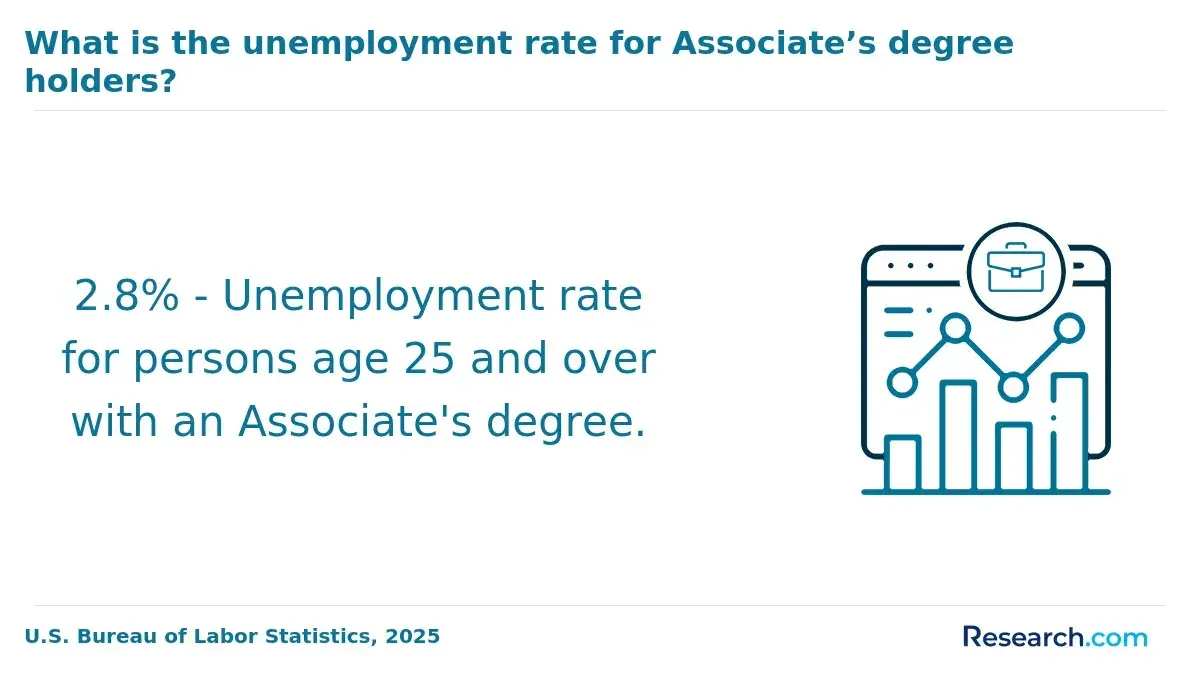
How Can You Tell Whether Transfer Credits Will Actually Apply Toward Your Biomedical Sciences Degree?
The most reliable answer comes from an official transfer credit evaluation and a degree audit. Admissions conversations are useful, but the degree audit shows how each course applies to general education, major prerequisites, major core courses, upper-division requirements, electives, and total credit requirements.
When reading a transfer evaluation, focus on where each course lands in the degree plan. These categories determine whether your prior credits shorten the degree or simply appear on your transcript.
- General education credit: Courses such as English composition, humanities, social science, math, and communication may clear broad graduation requirements.
- Major prerequisite credit: Introductory biology, general chemistry, organic chemistry, statistics, physics, or anatomy and physiology may prepare you for upper-division biomedical courses.
- Major core credit: Courses may count directly toward biomedical sciences requirements only if the content, credits, level, and lab expectations match.
- Upper-division credit: Junior- and senior-level coursework may be required even if you already have many lower-division credits.
- Free elective credit: These credits count toward the 120-credit total but may not reduce the science courses you still need.
A common red flag is an evaluation that says "90 credits accepted" but shows many courses as electives. That may still help you reach the total-credit requirement, but it may not reduce the biomedical science sequence you must complete.
What Types of Previous College Credits Can Transfer Into an Online Biomedical Sciences Degree?
Biomedical sciences programs usually give the most useful transfer credit for coursework that is regionally accredited, college-level, graded, and aligned with the new degree's science curriculum. Courses from community colleges, four-year universities, dual-enrollment programs, and some allied health programs may transfer, but they do not all carry the same value for a biomedical major.
The table below explains how different types of prior credits are commonly treated. This matters because the source and subject area of your credits can affect whether you save major-course time, elective time, or no time at all.
| Prior credit type | Transfer potential | Biomedical sciences value | Common limitation |
| Community college associate degree credits | Often strong for general education and lower-division science | High if courses include biology, chemistry, math, and lab sciences | May not satisfy upper-division major requirements |
| Four-year college science credits | Often strong when course descriptions and labs match | High for biology, chemistry, microbiology, genetics, anatomy, physiology, and research methods | Older science credits may require review |
| Allied health coursework | Varies by school and accreditation | Moderate if coursework overlaps with anatomy, physiology, terminology, or clinical science | May apply as electives instead of biomedical major courses |
| Technical, vocational, or certificate coursework | Limited unless credit-bearing and transcripted by an accredited college | Usually lower for a science-heavy bachelor's degree | May not meet academic lab science standards |
| AP, IB, CLEP, or DSST exams | Possible when scores meet school policy | Useful for general education or introductory subjects | May not replace required lab courses |
Students with allied health credits should ask whether those courses will count as science requirements or electives. For example, someone comparing biomedical sciences with online rad tech programs should understand that radiography coursework may be valuable professionally but may not replace upper-level biomedical science classes.
How Do Residency and Upper-Division Requirements Affect Biomedical Sciences Transfer Students?
Residency requirements are the credits you must complete at the university awarding the degree. Upper-division requirements are junior- and senior-level credits that must be completed at the 300- or 400-level, often within the major. Together, these rules explain why a 90-credit transfer maximum does not always mean only 30 easy credits remain.
The table below shows how these rules can reshape a transfer plan even when a school has a generous transfer policy.
| Requirement | Typical expectation | Why it matters for biomedical sciences | Question to ask |
| Institutional residency | Often around 30 credits at the degree-granting school | May require you to take a full final year through the university | What is the minimum number of credits I must complete here? |
| Major residency | Some upper-level major credits must be taken at the school | May limit transfer of advanced biology or biomedical courses | How many biomedical sciences major credits must be completed in residence? |
| Upper-division total | Many bachelor's degrees require a minimum number of 300- or 400-level credits | Community college credits may not satisfy this requirement | How many upper-division credits will I still need? |
| Lab science format | May require approved in-person labs, virtual labs, lab kits, or transfer labs | Can affect scheduling, cost, and eligibility for graduate or pre-health programs | Are online labs accepted for my intended next step? |
A student with 75 credits may sometimes finish nearly as quickly as a student with 90 credits if the 75 credits match prerequisites and the 90 credits are mostly electives. In transfer planning, credit quality can matter more than credit quantity.
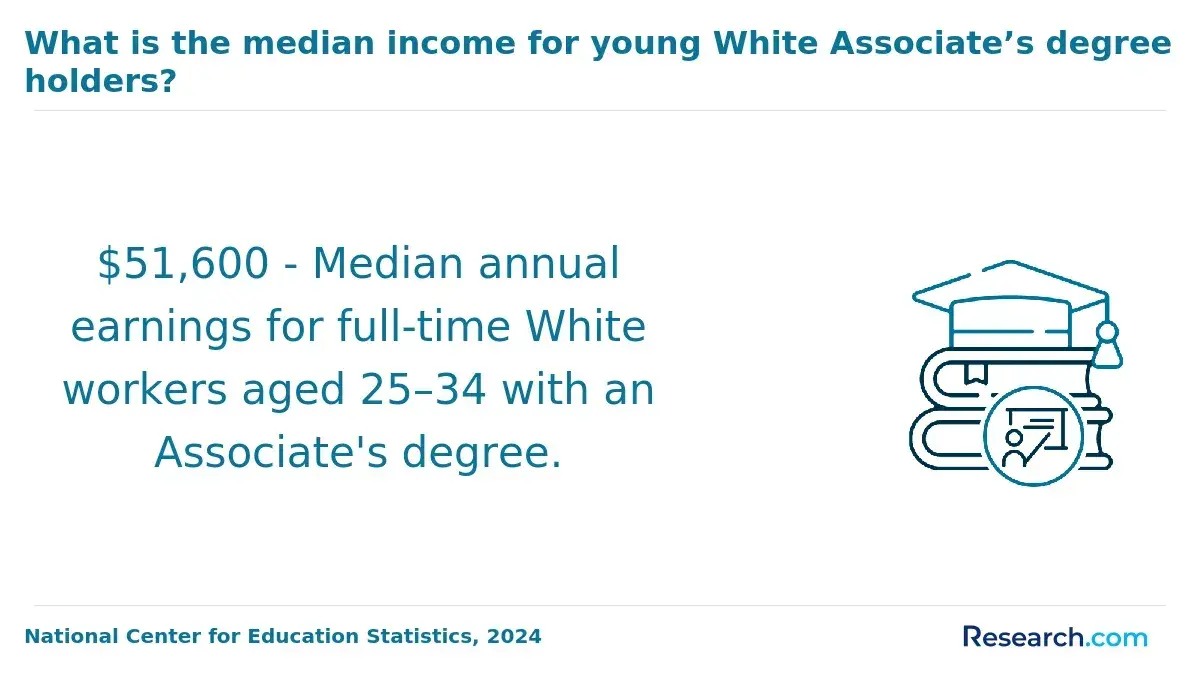
How Does the Transfer Credit Evaluation Process Work for an Online Biomedical Sciences Degree?
The transfer credit evaluation process determines how your previous coursework fits the new biomedical sciences curriculum. Because science sequences build on prerequisites, the evaluation should happen before you commit to a school, not after your first term begins.
Use the following steps to compare programs accurately and avoid enrolling based on an informal estimate.
- Request unofficial reviews from several schools so you can compare likely transfer outcomes before paying enrollment deposits.
- Send official transcripts from every college, including dual-enrollment, community college, military, and prior university records.
- Collect syllabi for science courses, especially biology, chemistry, anatomy, physiology, microbiology, genetics, and lab-based courses.
- Ask for a degree audit showing exactly which requirements are complete and which courses remain.
- Confirm whether accepted credits are general education, major prerequisites, major core, upper-division, or electives.
- Ask the advisor to estimate remaining terms at your intended pace, such as one, two, or three courses per term.
- Get the evaluation in writing before making a final enrollment decision.
If you are also considering shorter workforce credentials, remember that not all fast credentials are designed to transfer into a science bachelor's degree. For example, 8 week medical billing and coding courses may be useful for entering healthcare administration or revenue-cycle roles, but they may not satisfy biomedical sciences major requirements unless they are transcripted for college credit and accepted by the university.
How Long Does It Take to Finish an Online Biomedical Sciences Degree With 60, 75, or 90 Transfer Credits?
Completion time depends on remaining credits, term length, course availability, science prerequisites, lab requirements, and how many courses you can handle while working. The National Center for Education Statistics reported in 2024 that more than half of U.S. undergraduates took at least one distance education course in fall 2022, which reflects why flexible online pacing matters for degree-completion students.
The table below gives realistic planning ranges for students who transfer applicable credits into a 120-credit bachelor's degree. The timeline assumes the remaining courses are available online and that prerequisites do not create extra delays.
| Applicable transfer credits | Credits remaining | Full-time pace | Part-time pace | Timing risk |
| 60 | About 60 | About 2 academic years | About 3 to 4 years | Science sequences may need to be taken in order |
| 75 | About 45 | About 1.5 academic years | About 2.5 to 3 years | Upper-division courses may not run every term |
| 90 | About 30 | About 1 academic year | About 1.5 to 2 years | Residency or capstone rules may set a minimum enrollment period |
Biomedical sciences students should pay special attention to course sequencing. If organic chemistry is required before biochemistry, and biochemistry is required before an advanced biomedical course, transferring more elective credits may not shorten the sequence.
How Much Can Transfer Credits Reduce the Cost of an Online Biomedical Sciences Degree?
Transfer credits can reduce cost by lowering the number of credits you must pay for at the new university. However, the savings depend on how many credits apply, the school's per-credit tuition, fees, lab costs, textbooks, technology charges, and whether you need extra prerequisite courses.
College Board's 2024 pricing data reported average published tuition and fees of $11,610 for in-state students at public four-year institutions for 2024-25. That figure is not specific to online biomedical sciences programs, but it shows why avoiding unnecessary repeat credits can be financially meaningful.
The table below shows how to think about remaining tuition exposure. Instead of using a single national price, it uses a formula you can apply to each school's published per-credit tuition.
| Applicable transfer credits | Credits still billed by the new school | Tuition formula | Cost issue to check |
| 60 | About 60 | 60 × per-credit tuition, plus required fees | Whether labs, proctoring, or science course fees add cost |
| 75 | About 45 | 45 × per-credit tuition, plus required fees | Whether some transferred courses apply only as electives |
| 90 | About 30 | 30 × per-credit tuition, plus required fees | Whether residency rules require additional school-based credits |
The best cost comparison is not the advertised annual tuition. Ask each school for a remaining-degree cost estimate based on your transfer audit. That estimate should include tuition, fees, lab materials, books, transfer evaluation charges, and graduation fees.
Can Prior Learning, Military Training, Exams, or Certifications Count Toward an Online Biomedical Sciences Degree?
Some online universities award credit for prior learning, standardized exams, military training, professional certifications, or portfolio assessment. These credits are more likely to help with electives or general education than with advanced biomedical science courses, because major science requirements often require specific lab-based academic content.
Before relying on alternative credit, ask the school how it will appear on your transcript and whether it counts toward residency, major, or upper-division requirements. The most common sources include the following.
- Military training: Schools may evaluate Joint Services Transcript recommendations, but biomedical science applicability depends on course equivalency.
- CLEP, DSST, AP, or IB exams: These may satisfy general education or introductory requirements when scores meet university policy.
- Professional certifications: Healthcare certifications may earn elective credit at some institutions, but they rarely replace advanced biology or chemistry requirements.
- Portfolio or prior learning assessment: Some adult-focused programs allow students to document college-level learning, though science lab requirements may be excluded.
- ACE-recommended coursework: Certain nontraditional courses may transfer if the receiving university accepts them and applies them to the degree.
Be especially cautious with noncredit healthcare training. A medical assistant accelerated program may support entry-level clinical employment, but it may not reduce a biomedical sciences bachelor's degree unless it produces college credit accepted by the university.
Do Older College Credits Expire When Transferring Into an Online Biomedical Sciences Degree?
Older credits do not always expire, but biomedical sciences programs may review science and math courses more carefully than humanities or general education courses. Biology, chemistry, anatomy, physiology, microbiology, and statistics can change in content and technology over time, so some schools may require recent coursework for major prerequisites or pre-health preparation.
The table below summarizes how older credits are commonly treated. Use it to decide which transcripts and syllabi to prepare before requesting an evaluation.
| Course age issue | Likely treatment | Why it matters | What to do |
| Older general education courses | Often still transferable | May clear writing, humanities, social science, or elective requirements | Submit transcripts and ask whether catalog-year rules apply |
| Older biology or chemistry courses | May require department review | Could affect prerequisite placement and major readiness | Provide syllabi, lab descriptions, and textbook information if requested |
| Older math or statistics courses | Varies by program | Some majors require current quantitative preparation | Ask whether placement testing or course repetition is required |
| Older clinical or allied health credits | May transfer as electives | Professional practice standards may have changed | Ask whether credits count toward the major or only total credits |
If your long-term plan involves graduate or professional healthcare education, check those requirements separately. For example, nursing pathways and post-licensure options such as a 1 year PMHNP program online may have their own rules for prerequisite age, licensure, clinical experience, and accreditation.
Other Things You Should Know About Biomedical Sciences
It can be, but only if the curriculum includes the prerequisites your target graduate program requires. If you are considering medical, physician assistant, pharmacy, public health, biotechnology, or laboratory science programs, confirm required labs, chemistry sequences, GPA rules, and whether online labs are accepted.
Usually, transfer credits count toward completed requirements but do not calculate into the new institution's GPA. However, graduate schools and professional programs may review all college transcripts and recalculate GPA using every course attempted.
Yes, but the credits may mostly satisfy general education and electives. If the associate degree did not include biology, chemistry, math, and lab science courses, you may still need a substantial portion of the biomedical sciences major.
The biggest mistake is enrolling based on the maximum transfer-credit number instead of the official degree audit. A program that accepts 90 credits may still require many remaining science courses if your prior credits do not match the major.
References
- MS in Biomedical Sciences (BMS) https://www.elms.edu/academics/nsmt/professional-science-masters-degree-in-biomedical-sciences/