2027 Online Behavioral Health Master's Degree Program Costs: Tuition & Fees

Co-Founder and Chief Data Scientist
Considering enrollment in an online behavioral health master's program often raises crucial questions about the total cost, especially for working adults balancing budgets. Tuition and fees can vary widely, with some programs charging over $30,000 in total expenses.
According to recent data, the average graduate tuition for online behavioral health degrees rose by 4.5% annually over the past five years, reflecting steady cost increases. This article will break down typical tuition and fees, helping prospective students understand the financial commitment involved and make informed decisions about affordability and value before enrolling.
Key Things to Know About the Online Behavioral Health Master's Degree Program Costs
- Tuition for online behavioral health master's programs typically ranges from $15,000 to $35,000, varying widely by institution and program length.
- Additional fees, such as technology and course materials, can add 10-20% to the total cost, influencing the overall financial commitment.
- Many programs offer financial aid and scholarships; however, students should budget for possible living expenses during practicum placements, which are often required.
How Much Does an Online Behavioral Health Master's Degree Cost?
The total tuition cost for an online behavioral health master's degree program generally falls between $15,000 and $45,000. The average tuition across these programs is about $30,000, offering a useful benchmark for students comparing options. This range captures the diversity of program structures and offerings available in the U.S., helping prospective students assess affordability. When researching these programs, it can also be helpful to compare them with costs for related degrees, such as an online masters in speech pathology, to better understand overall graduate education expenses.
Several factors influence the average tuition and fees for online behavioral health graduate programs. Comprehensive curricula that include specialized training, certifications, and supervised fieldwork tend to increase total costs. Accreditation standards and institutional reputation also impact pricing, as programs with strong clinical training components and extensive student support services generally have higher tuition. Prospective students should weigh these factors carefully to evaluate the full financial commitment involved in earning a behavioral health master's degree.
Do Certain Specializations in an Online Behavioral Health Master's Program Cost More Than Others?
Though base tuition for an online behavioral health master's program often remains consistent across concentrations, the total cost can vary notably depending on the chosen specialization. Several key factors contribute to these specialization-related cost differences.
- Credit Hour Requirements: Some behavioral health specializations require more credit hours to complete due to deeper clinical or technical content, extending the program length and increasing tuition expenses.
- Specialized Fees: Tracks that involve labs, clinical placements, or specialized equipment often have additional fees for software licenses, supervision, or materials, which can raise total costs.
- Practicum and Internship Costs: Licensure-focused specializations typically include mandatory practicum or internship hours, often leading to extra charges for site placements, liability insurance, or supervision fees.
- Certification Preparation Expenses: Certain concentrations incorporate exam fees or require purchase of specialized study materials to prepare for certification exams, adding to overall program costs.
These elements explain why higher tuition rates for behavioral health specializations are common, despite a uniform base rate across a program's offerings. Prospective students should carefully evaluate these cost drivers when comparing different online behavioral health master's programs.
For those considering advanced study options related to psychology and behavioral disciplines, it's useful to explore diverse pathways such as an accelerated psychology bachelor's degree, which can impact future specialization costs and career trajectories.
What Additional Fees Are Charged in Online Behavioral Health Master's Programs?
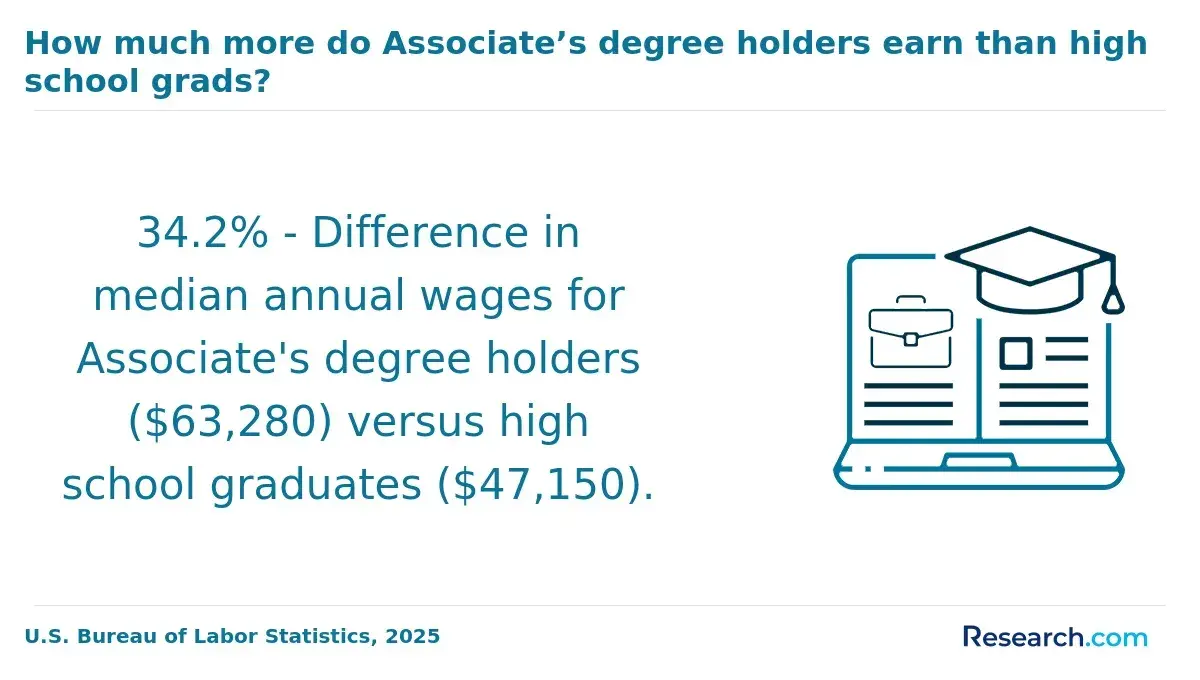
Published tuition rates often omit various additional fees that online learners in behavioral health master's programs frequently encounter, which can raise the overall expense by 10-20%. These charges typically extend beyond per-credit tuition, encompassing both program-specific and administrative costs. Below is an outline of common fee types and their impact on total program costs.
- Technology Fees: These fees generally fund access to the institution's learning management system and online support services and are typically assessed each academic term, adding a recurring expense to the budget.
- Online Learning Platform Fees: Charged to maintain students' access to essential virtual tools and resources, these fees ensure a seamless digital learning experience and are usually billed per term or course.
- Digital Course Material Fees: Covering e-textbooks and specialized software, these costs are often charged on a per-course basis and supplement traditional tuition expenses significantly.
- Lab or Simulation Fees: Less common in fully online programs but required in certain curricula, these fees support practical skill-building activities and are generally levied per course or module.
- Practicum or Clinical Placement Fees: Critical for supervised fieldwork coordination, these fees are usually one-time or applied per placement, representing a necessary investment in hands-on training.
- Graduation Fees: Assessed once upon degree completion, these administrative costs cover diploma processing and related services.
- Student Services Fees: These fees fund advising, career counseling, and technical assistance, helping sustain support services available throughout the program.
- Proctoring or Exam Fees: To ensure secure testing environments, online programs may charge fees for proctored exams, generally billed per exam event.
When discussing additional fees with a recent graduate from an online behavioral health master's program, he described the process as a series of unexpected financial hurdles that required careful management. He noted, "While I anticipated tuition costs, the cumulative effect of smaller fees was surprising-things like specialized software access and several one-time administrative charges added up quickly." He also recounted the challenge of budgeting for practicum placement fees, which demanded upfront payment, saying, "It wasn't just about paying tuition; arranging the required clinical hours came with its own costs and logistical stress." This experience highlights the importance of proactive planning and detailed inquiry about all potential fees before enrolling.
Part-time enrollment in an online behavioral health master's program typically charges tuition per credit hour rather than a flat semester rate, with fewer courses taken each term. This arrangement often lowers immediate tuition payments but usually extends the program's overall length. Consequently, total costs may not decrease proportionally due to longer attendance and accumulating fees over time.
Several key factors influence the overall financial impact of part-time study:
- Per-Credit Tuition Rates: Part-time students often face higher per-credit fees compared to flat full-time rates, which can offset savings from reduced course loads.
- Program Fees: Fixed charges such as registration, technology, or student service fees are sometimes applied every term regardless of credits taken, increasing expenses over extended enrollment periods.
- Extended Time to Degree: Stretching coursework across more semesters or quarters increases cumulative tuition and ancillary costs, potentially balancing out initial monthly affordability.
- Financial Aid Eligibility: Some aid programs limit or alter support for part-time students, affecting net costs and overall affordability for the degree.
- Opportunity Costs: Balancing work and study over longer durations may impose indirect costs in time and earnings, influencing total return on investment.
Many students pursuing part-time options weigh these factors carefully, as spreading expenses can help avoid loan debt, particularly when supported by employer assistance that covers fewer credits at once. Evaluating tuition structure alongside personal circumstances is crucial before committing to a part-time behavioral health path. Those exploring accelerated options might also consider a bachelor degree online in 2 years as part of their long-term educational strategy.
Tuition for online behavioral health master's programs often differs from traditional campus-based pricing, with many institutions applying the same tuition rates to both in-state and out-of-state students. For example, average annual tuition for in-state online graduate students hovers around $9,000, while out-of-state students may face costs closer to $12,000. Several factors influence these tuition policies, including the following key elements:
- Tuition Parity: Many online programs implement uniform tuition rates regardless of a student's residency, reflecting the absence of in-person facility usage and streamlining costs.
- Regional Reciprocity: Some states and institutions offer reduced tuition rates to residents of neighboring states through agreements, allowing those students to pay in-state fees despite residing out-of-state.
- Fee Structures: Online behavioral health programs often incorporate additional technology or service fees that apply equally to all students, potentially offsetting overall tuition savings.
- Variable Additional Costs: Certain expenses, such as fees for clinical placements or licensure exam preparation, may differ based on a student's state of residence due to varying local regulations or requirements.
Prospective students should carefully examine the specific policies of each program and consult admissions offices to understand how residency impacts total tuition and fees before enrolling.
When comparing online master's degree programs in behavioral health, public universities generally present a more affordable option than private institutions. For example, in-state tuition at public schools often falls between $400 and $700 per credit, whereas private universities typically charge around $800 to $1,200 per credit regardless of residency. Several factors influence these pricing variations, summarized as follows:
- Base Tuition Differences: Public universities benefit from government funding, allowing them to offer lower base rates, especially for residents. Private institutions tend to maintain consistent fees without subsidies, leading to higher tuition costs overall.
- In-State vs. Out-of-State Tuition: Residency status is a significant determinant of cost for public universities. Out-of-state students may encounter tuition fees comparable to private institutions, reducing the cost advantage of enrolling at a public university if residency requirements aren't met.
- Program-Specific Fees: Beyond tuition, additional charges such as technology or laboratory fees can vary widely. These supplementary costs can impact the total expenditure and should be reviewed carefully when evaluating affordability.
- Impact of Public Funding: State support helps subsidize tuition for public universities, often benefiting in-state students more directly. This funding can influence curriculum design and credit requirements, contributing to varied expense structures compared to private institutions.
Speaking with a professional who completed an online behavioral health master's degree at a public university, she reflected on the complex balance between cost and quality. While navigating residency requirements and unexpected fees was occasionally stressful, the overall affordability made the rigorous program manageable without excessive financial strain. She noted that having access to public subsidies "really made a difference," but carefully assessing all associated fees upfront was crucial to avoid surprises. This experience highlighted how public universities can provide meaningful budgetary relief for many students pursuing advanced behavioral health training online.
Accelerated online behavioral health master's programs typically feature a heavier course load and shorter duration compared to traditional online formats, with tuition often billed per term rather than per credit. For instance, an accelerated program might cost around 10% more per credit but finish in half the time, resulting in comparable or slightly higher overall expenses. These cost dynamics reflect several important factors, outlined below.
- Per-Credit Tuition: Accelerated programs sometimes charge a premium per credit due to the intensive instruction and additional resources required, which contrasts with the generally stable per-credit rates in traditional online or hybrid behavioral health degrees.
- Additional Fees: Although fees like technology, enrollment, or practicum supervision are similar across program types, they can impact total costs more noticeably in accelerated programs because these expenses are spread over fewer terms.
- Financial Aid Eligibility: Students enrolled in accelerated tracks may face challenges with grant and loan disbursement timing, potentially limiting access to financial aid options that traditional students often receive over longer terms.
- Potential Savings: Completing a degree faster reduces living expenses and opportunity costs, offering financial benefits especially for working professionals balancing education with employment commitments.
When comparing the total tuition and fee structure of an accelerated online behavioral health master's program versus traditional online or hybrid alternatives, it is important to evaluate these nuanced cost differences alongside the value of expedited completion. Prospective students seeking more affordable options might explore resources detailing the cheapest online edd programs, which share similar considerations in cost versus duration trade-offs.
Prior learning assessment (PLA) allows universities to evaluate a student's previous professional experience, certifications, or prior coursework to award academic credit toward a graduate behavioral health program. Commonly, PLA involves verifying documented job roles in health services, relevant certifications, internships, or military training to determine if they meet specific program requirements. When accepted, these credits reduce the number of graduate-level courses students must complete, effectively shortening their time-to-degree. Research indicates that students who utilize PLA can save an average of 30% on their total tuition expenses, highlighting the financial benefits of graduate tuition reduction through prior credit evaluation.
Although PLA can significantly lower tuition costs by decreasing required course credits, institutions typically cap the maximum credits awarded through PLA at roughly one-third to one-half of degree requirements to maintain consistent core learning outcomes. Online behavioral health master's programs generally follow similar PLA policies as their campus counterparts, though some online schools offer more flexible or streamlined evaluation processes. Prospective students should carefully review PLA policies and prepare detailed documentation to maximize credit recognition and optimize affordability. For those interested in comparing related fields, exploring options like a master's degree in cybersecurity online may also offer insights into cost-saving pathways through PLA.
Tuition accounts for only part of the total cost of attendance in an online behavioral health master's degree program. Students should prepare for additional expenses like technology fees, textbooks, and possible licensing or certification costs. On average, online graduate students receive approximately $8,000 in financial aid per academic year. Below are key funding sources that can help offset the overall cost.
- Federal Loans: Accessible by completing the Free Application for Federal Student Aid (FAFSA), federal loans offer lower interest rates and flexible repayment options. These loans generally provide more favorable terms than private alternatives, helping reduce financial strain during and after study.
- Private Loans: Private lenders offer additional borrowing options but often require strong credit and tend to have higher interest rates. They serve as a supplementary resource when federal aid does not fully cover expenses.
- Grants and Scholarships: Non-repayable financial support is available, though scholarships specifically targeting online behavioral health students can be competitive and limited. Many campus-specific awards may not extend to distance learners, so eligibility verification is important.
- Employer Tuition Reimbursement: Common in health-related fields, these programs allow employers to cover part or all of tuition costs. Eligibility usually depends on continued employment during and after the program and varies by employer policy.
- Military and Veteran Benefits: Qualifying students can access tuition assistance and living stipends through military education benefits, substantially lowering overall costs. These benefits often include funding beyond tuition, such as housing allowances.
Salary expectations play a vital role in assessing the financial return of pursuing a master's degree in behavioral health. Data from the U.S. Bureau of Labor Statistics and other labor market sources indicate that graduates typically earn between $45,000 and $70,000 annually, with the median salary near $55,000. These figures vary based on multiple factors that influence compensation levels.
Important considerations affecting salary include:
- Industry Sector: Employment in private healthcare or specialized counseling often offers higher pay compared to nonprofit or government roles due to differing budget structures and demand.
- Geographic Location: Salaries tend to be greater in metropolitan areas and regions with a higher cost of living, reflecting local economic conditions.
- Years of Experience: Earnings generally rise as behavioral health professionals accumulate more experience and develop specialized skills within the field.
- Specialization: Concentrations such as addiction counseling, clinical social work, or mental health program management may attract distinct salary premiums depending on market demand.
- Leadership Responsibilities: Positions that include supervisory duties or oversight of programs usually provide increased compensation reflecting added responsibility.
What Graduates Say About Their Online Behavioral Health Master's Degree Program Costs
- Miriam: "Completing my master's degree in behavioral health online was a game changer financially-the tuition was significantly lower than traditional programs, and I saved a lot by avoiding commuting and relocating. The flexibility of the online format allowed me to work part-time, which helped me manage fees without incurring debt. Now, as a practicing clinician, I see a direct return on investment through the expanded job opportunities and salary increase. - "
- Collin: "The cost of the program was a consideration for me, but the online nature greatly reduced overall expenses like housing and transportation, making it manageable. The small fees and tuition I paid felt like a worthwhile investment because I gained practical knowledge that directly enhanced my skills in the field. Reflecting back, I appreciate how the program balanced affordability with quality, helping me advance my career effectively. - "
- Dylan: "From a professional standpoint, the value of an online master's in behavioral health goes far beyond just the tuition. The accessible format allowed me to continue working full-time, which offset fees and allowed me to maintain financial stability. This degree opened doors to leadership roles and better positions, improving my ROI both financially and personally. I'm truly satisfied with the cost-benefit ratio. - "
Other Things You Should Know About Behavioral Health Degrees
In 2027, most online Behavioral Health master’s programs require separate payments for textbooks and course materials, as these are not typically included in tuition. Students should budget for these additional costs to avoid unexpected expenses and ensure they have necessary resources for their studies.
No. Supervised practicum and internship expenses are usually billed separately from tuition. Many programs require 600 to 900 clinical hours, plus costs for background checks, liability insurance, and site placement paperwork. Some universities charge an additional practicum fee per term.
Scholarships and employer tuition reimbursement policies primarily cover tuition costs but may not always include fees like technology, administrative, or lab fees. It is important for students to confirm with their financial aid office or employer which costs are eligible for reimbursement or scholarship application.
In 2027, the average tuition fees for online Behavioral Health master's programs range from $15,000 to $35,000 per year. Fees can vary greatly depending on the institution and residency status, with some prestigious programs potentially exceeding this range. Students should check specific schools for accurate figures.
- Master’s Behavioral Sciences Degrees | University of Phoenix https://www.phoenix.edu/online-behavioral-sciences-degrees/masters.html
- 25 Counseling Scholarships for Graduate Students https://teach.com/online-ed/counseling-degrees/best-online-counseling-programs/scholarships/
- Most Affordable Online Master’s in Mental Health Counseling https://www.onlinemastersdegrees.org/most-affordable/counseling-programs/
- The Current State of Prior Learning Policies https://www.wiche.edu/key-initiatives/recognition-of-learning/pla-policies/
- Best Online Master's In Mental Health Counseling 2025 https://www.psychology.org/rankings/best-mental-health-counseling-programs/
- Online Master's in Clinical Mental Health Counseling https://online.walsh.edu/programs/counseling/clinical-mental-health-counseling
- Best Online Master's In Mental Health Programs https://www.affordablecollegesonline.org/degrees/counseling-programs/mental-health-counseling/
- Accelerated Online Master's in Counseling Degrees https://onlinecounselingprograms.com/online-counseling-degrees/accelerated/
- 25 Most Affordable Online MPH Programs - MPH Online https://www.mphonline.org/most-affordable-online-mph-programs/
- Mental Health Professional Average Salary Information - Psych Resources https://www.cmfgroup.com/knowledge-center/psychologist-mental-health-professional-malpractice/salary-information/