2027 Online BA in Psychology - Addictions vs. a Future Master's in Public Health: Compare Curriculum, Cost, and Career Fit
Audited and Verified:
Our Editorial and Data Verification Process
Research.com uses government datasets, official education statistics and primary institutional information to support its career and degree guides. Our review process checks factual accuracy, occupational definitions, source dates and the requirements associated with the credentials discussed.
How This Article Was Fact-Checked
Our editorial team verifies salary estimates, employment projections, education requirements and program information against original data providers and official organizations. Salary figures are checked against the relevant occupational definitions and reporting periods. Information about licensure, accreditation and required in-person training is reviewed separately.
Fact-checked and verified on:

Co-Founder and Chief Data Scientist
An online psychology BA with an addictions focus can prepare you to understand substance use and support recovery services.
A future Master of Public Health (MPH) points toward a different scale of work: prevention, population data, and health programs. If you are deciding whether the BA is a useful first step - or whether your existing bachelor's degree could take you directly to an MPH - the difference matters financially and professionally. This guide compares the two pathways and shows how to check which one fits your target job without mistaking either degree for a clinical license.
Key Things You Should Know
- Choose the addictions-focused BA for undergraduate psychology preparation and potential nonclinical support roles; choose a future MPH for population-level prevention, program evaluation, and public health work.
- A CEPH-accredited MPH generally requires at least 42 semester credits; that graduate commitment comes after a bachelor's degree, so compare the full pathway rather than tuition for one program.
- Neither degree alone authorizes independent addiction counseling or psychotherapy. Check the target state's credential rules and the specific employer's requirements before enrolling.
What Is an Online Bachelor's in Psychology - Addictions Versus an MPH?
An online BA in psychology with an addictions focus is an undergraduate psychology degree. Its concentration may examine substance use, behavior, recovery, and social context alongside general psychology and research methods. The exact concentration name and whether it appears on a transcript depend on the school. Compare actual requirements, not just the label, when reviewing undergraduate psychology programs with an addictions focus.
An MPH is a graduate public health degree concerned with health across communities and populations. Depending on its concentration, it may emphasize epidemiology, health policy, community health, or program planning. Addiction can be its subject matter without being the degree's sole focus.
These are not normally competing degrees at the same entry point. A student who still needs a bachelor's degree may use the BA to build a foundation before applying to an MPH. Someone who already has an acceptable bachelor's degree may not need a second one - even if the first major was not psychology. The deciding question is which qualification and experience the intended role actually requires.
Which Degree Leads to More Career Options in Addiction and Public Health?
The MPH can open access to a broader range of population-health functions, while the BA may be a more direct foundation for entry-level addiction-service support. Neither automatically qualifies a graduate for every job bearing "counselor," "analyst," or "specialist" in its title. This comparison separates likely work from credentials that may still be required.
| Target work | Addictions-focused psychology BA | Future MPH |
| Recovery-service support | Relevant academic background for some intake, referral, outreach, and program-support roles; employers may require training or experience | Useful for managing or evaluating services, but not necessarily the most direct entry credential |
| Community addiction prevention | Understanding of behavior and substance use; applied experience remains important | Stronger fit for designing, coordinating, and evaluating population-level initiatives |
| Public health data and policy | Research-methods foundation, potentially supplemented by statistics or work experience | More directly aligned coursework; technical requirements still vary by role |
| Addiction treatment | Does not independently establish counseling authority | Does not independently establish counseling authority |
If you work in a community organization, distinguish the tasks you want next. Supporting referrals and maintaining respectful client boundaries call for different preparation than evaluating a county prevention initiative or reporting program outcomes. For a treatment-oriented goal, investigate addiction counseling academic preparation against your state's rules rather than assuming either compared degree is sufficient.
How Do Curriculum and Coursework Compare Between Both Degrees?
The BA generally asks, "How do people think, develop, and behave, and how can we study those questions?" The MPH asks, "How do we measure and improve health across groups?" Course titles and required experiences differ by institution, so use a degree plan - not a concentration description - to judge depth.
| Learning area | Psychology BA - addictions focus | MPH |
| Core subject matter | Psychological theory, development, behavior, and substance-use topics | Population health, social determinants, prevention, and health systems |
| Methods | Psychology statistics, research design, and interpretation of behavioral evidence | Epidemiology, biostatistics, and assessment of health programs or populations |
| Applied work | Possible nonclinical internship, research project, or capstone, depending on the program | Program-defined applied practice and integrative work in accredited programs |
For an eventual MPH application, protect time for statistics, research methods, clear writing, and a project that shows you can interpret evidence responsibly. An addictions elective is valuable subject knowledge, but it is not a substitute for those skills.
When comparing psychology program admissions and curriculum comparisons, check which courses are required, how often they run, and whether you can access a suitable supervised project. Client or agency data cannot be used for a class project without appropriate permission and privacy safeguards.
For either degree, first verify that the institution holds recognized accreditation and that the status applies to the school awarding your degree. For an MPH, also check whether the specific public health program or school is accredited by the Council on Education for Public Health (CEPH). Confirm its status for your intended enrollment period directly with the accreditor and program.
Do not look for APA accreditation as a seal of approval for a general psychology BA: APA accreditation covers specified professional psychology programs and training, not ordinary undergraduate psychology majors.
Likewise, accreditation of an MPH does not turn it into counseling training. If your actual aim is licensed mental health counseling, compare the applicable professional-program recognition and state board rules instead; affordable accredited mental health counseling study options address a different qualification from the BA-MPH route.
An online BA applicant generally needs to meet the institution's undergraduate admission rules. Transfer students should obtain a written degree audit showing not only which credits are accepted, but which fulfill general education, psychology, statistics, concentration, and residency requirements. Accepted credits do not necessarily shorten the major.
An MPH applicant generally needs a completed bachelor's degree and must meet that program's academic and application requirements. A psychology major is not universally required; applicants from health, education, sociology, business, or other fields may bring relevant preparation. Programs differ in their expectations for statistics, work experience, recommendations, and statements of purpose. Ask whether any missing course is a formal prerequisite or simply recommended preparation.
If the target is actually a counseling credential, do not assume MPH admission rules or curriculum apply. Comparing condensed accredited counseling study routes can help frame that separate decision, but the state board and individual program remain the authorities on eligibility.
A bachelor's degree commonly requires around 120 semester credits, but the credits remaining after transfer - and their fit with major requirements - matter more than a school's advertised completion time. An MPH is additional graduate study. CEPH-accredited MPH programs generally have a minimum of 42 semester credits; the schedule for completing them depends on the program, enrollment pace, and applied requirements.
Online does not necessarily mean self-paced. Before relying on an accelerated schedule, check course sequencing, live meetings, group work, applied-practice hours, site approval, and any campus visits. This is especially important if you work or provide care: a flexible lecture schedule does not make a placement flexible. Planning an intensive online psychology degree is most useful after an advisor confirms your remaining requirements and course availability.
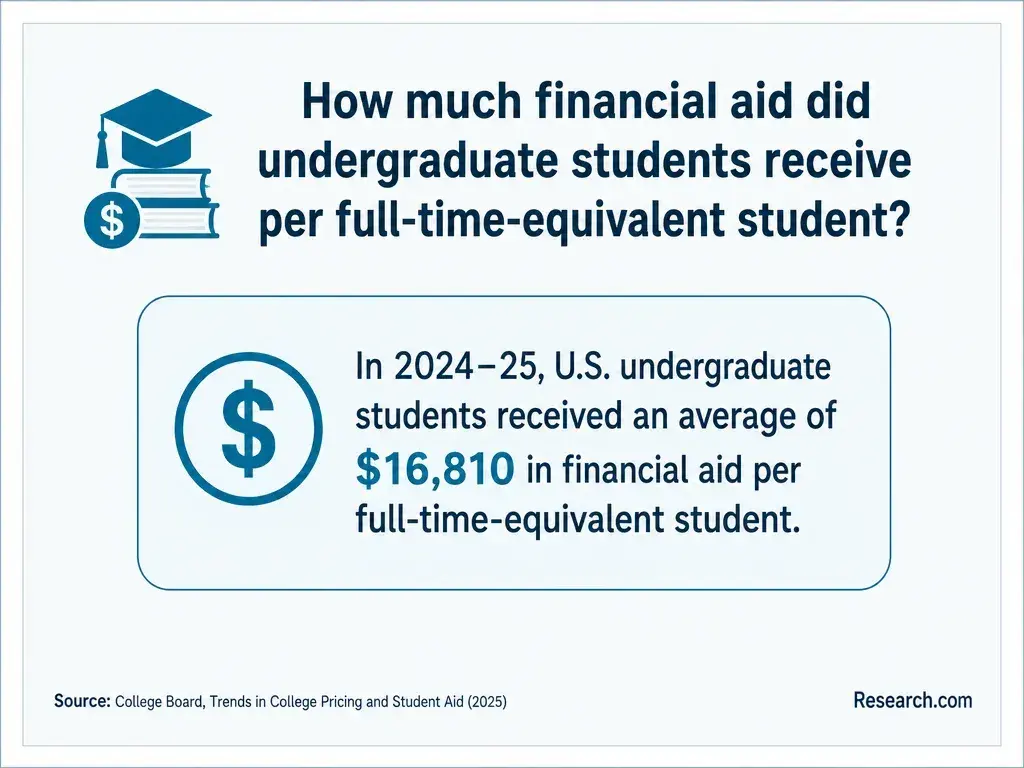
There is no defensible single price for either pathway without a school, credit evaluation, and enrollment plan. Request a written estimate using remaining required credits × the applicable tuition rate, then add mandatory fees, books or software, and any travel or placement costs. For a BA followed by an MPH, calculate and compare both degrees; for an existing bachelor's holder, calculate the MPH without assuming another BA is necessary.
Cost is also time and earnings. Slower study may preserve employment income, while faster study may create heavier weekly demands or conflict with an unpaid applied experience. Ask each school how enrollment intensity affects aid eligibility and whether employer education assistance applies.
Compare cost-conscious substance use counseling undergraduate options only if their curriculum also fits your career objective; a lower tuition figure is not a saving if the program leads away from the qualification you need.
Neither degree alone should be treated as an independent addiction counseling license. State substance-use-disorder counselor credentials vary in required coursework, supervised experience, examinations, and permitted duties. Some states recognize pathways at different education levels; the only safe comparison is between the published requirements for your intended credential and the specific program's documented curriculum and placement arrangements.
Public health work does not have one universal "MPH license." Particular jobs may require a separate professional license, certification, or specialized experience, but an MPH by itself does not authorize psychotherapy, diagnosis, or independent clinical assessment.
If treatment is the goal, ask the licensing board which degrees and supervised training qualify, then assess faster clinical mental health counseling graduate pathways only against those rules. Do not use a short completion time as evidence of licensure eligibility.
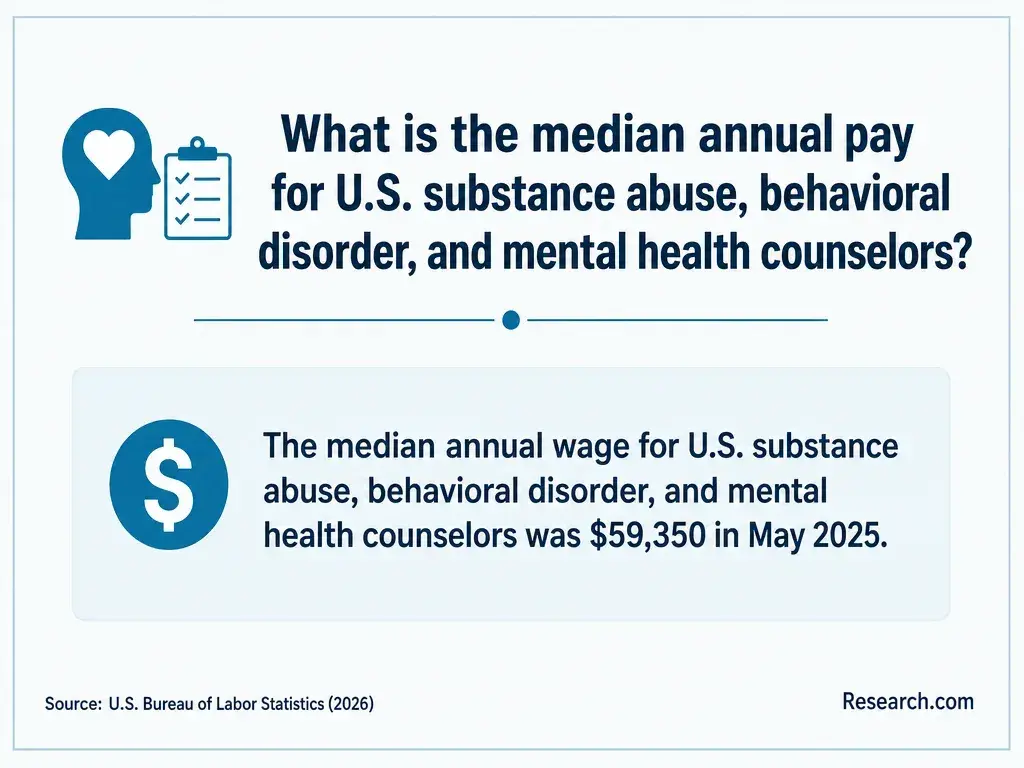
Neither degree has a single salary or employment-growth rate. Pay depends on the occupation, location, employer, experience, and any required credential. The U.S. Bureau of Labor Statistics Occupational Outlook Handbook publishes median wages and projected growth for named occupations; its figures cover workers in those occupations, not graduates of a particular BA or MPH.
Compare only roles you could plausibly enter. An addiction-service support applicant should not use the occupational median for substance abuse, behavioral disorder, and mental health counselors as an expected BA salary: the category includes workers with different credentials and experience.
An aspiring public health analyst should likewise check the technical and experience requirements of actual postings before using an epidemiologist's wage as an MPH forecast. Review the latest BLS wage year and projection period alongside local job advertisements rather than relying on an undated salary claim. Assessing shorter clinical mental health master's program outcomes is relevant only if you are considering that distinct, potentially licensure-oriented occupation.
How Should You Choose Between an Addictions Degree and a Future MPH?
Start with your current qualification and the work you want to do. If you need a bachelor's degree and want to understand addiction while seeking supervised, nonclinical service experience, an addictions-focused psychology BA can fit.
If you already hold a bachelor's degree and want to plan prevention efforts, evaluate services, or work with population data, check MPH eligibility before paying for a second undergraduate degree. If you want to provide treatment, investigate a state-qualifying counseling or other clinical route first.
Before applying, take these steps in order so that the comparison reflects your actual path rather than two program advertisements:
- Collect several local postings for the exact role you want and separate degree requirements from preferred experience and credentials.
- Ask the BA school for a degree audit or the MPH program for a prerequisite review; get placement and online-attendance obligations in writing.
- Confirm accreditation and, for regulated roles, compare the program with the relevant state board's education and supervision rules.
- Calculate remaining tuition and fees for the complete path, then identify how you will gain relevant work or project experience.
A shorter graduate psychology program is not automatically an MPH substitute: evaluating shorter graduate psychology degree options makes sense only if psychology-focused study, rather than public health training, advances your specific goal. The best route is the one that closes a documented skills or credential gap at a cost and schedule you can sustain.
Other Things You Should Know About Psychology
Not necessarily. Schools record concentrations differently. Ask the registrar for the exact wording that would appear on each document.
Possibly, but employment alone is not approval. Ask the MPH program whether your proposed tasks, supervision, and learning objectives satisfy its requirements before relying on the job.
Only if it fills a defined preparation gap or offers useful skills at an acceptable cost. Ask the MPH program whether any certificate credits can apply; do not assume they will transfer.
Yes, if you have permission to share it and remove protected client or organizational information. A methods summary or authorized, aggregated example may show your contribution without exposing confidential records.
- Monetary and Nonmonetary Costs and Benefits of a Public Health Master's Degree in the 21st Century | nih.gov https://pmc.ncbi.nlm.nih.gov/articles/PMC7287566/
- Counselor Certification - DHCS - CA.gov https://www.dhcs.ca.gov/providers-partners/counselor-certification/
- Behavioral Health Career Descriptions | samhsa.gov https://www.samhsa.gov/about/careers/behavioral-health-workforce/careers-by-state/descriptions
- Online Bachelor's Degree in Psychology in Addictions | Purdue Global https://www.purdueglobal.edu/degree-programs/psychology/bachelor-psychology-addictions/
- How to Become an Addiction Counselor: 5 Key Steps (2026) | Touro University Worldwide https://www.tuw.edu/health/how-to-become-an-addiction-counselor/
- 2025-26 Tuition and Fees Report | schev.edu https://www.schev.edu/research-publications/reports-publications/2025-26-tuition-and-fees-report
- Admissions - Master of Public Health - The University of Chicago https://publichealth.bsd.uchicago.edu/about/admissions/
- What is a Master of Public Health (MPH) Degree? | Goodwin College of Professional Studies https://drexel.edu/dornsife/academics/degrees/mph-degree/what-is-an-mph/
- Online Psychology Degrees | Bachelor's (BA) Programs https://www.snhu.edu/online-degrees/bachelors/ba-in-psychology
- MPH Application Requirements - Program in Public Health https://publichealth.stonybrookmedicine.edu/mph/admissions/MPH