2027 Online BA in Psychology - Addictions vs. a BS in Addiction Studies: Compare Curriculum, Cost, and Career Fit
Audited and Verified:
Our Editorial and Data Verification Process
Research.com uses government datasets, official education statistics and primary institutional information to support its career and degree guides. Our review process checks factual accuracy, occupational definitions, source dates and the requirements associated with the credentials discussed.
How This Article Was Fact-Checked
Our editorial team verifies salary estimates, employment projections, education requirements and program information against original data providers and official organizations. Salary figures are checked against the relevant occupational definitions and reporting periods. Information about licensure, accreditation and required in-person training is reviewed separately.
Fact-checked and verified on:

Co-Founder and Chief Data Scientist
An online BA in psychology with an addictions focus and a BS in addiction studies can both lead toward behavioral-health work, but they prepare students differently. The distinction matters if you are choosing between broad psychology training, direct preparation for recovery services, or eventual counselor licensure.
This comparison is for prospective and returning undergraduates who want to weigh coursework, total cost, online fieldwork, and realistic career options. It will help you identify which program fits your goal - and which requirements you must confirm before enrolling.
Key Things You Should Know
- Choose the psychology BA for broader research and graduate-study preparation; consider the addiction studies BS for more focused service-system and applied addiction coursework. Compare actual degree requirements, not labels.
- Many bachelor's degrees require about 120 credits. Transfer credit can shorten the timeline only when it satisfies specific graduation requirements, and an online internship may still require scheduled, in-person work.
- Neither degree automatically authorizes addiction counseling. State credential rules govern qualifying coursework, supervised experience, examinations, and permitted duties.
What is the difference between an online BA in psychology with an addictions focus and a BS in addiction studies?
A psychology BA with an addictions focus is principally a psychology degree: students study behavior, development, research, and mental processes while using a concentration or electives to examine substance use and recovery. A BS in addiction studies centers addiction, prevention, treatment systems, and recovery services. Neither the BA/BS designation nor the word "addictions" establishes a standardized curriculum or professional credential.
This comparison shows the usual emphasis of each route. Individual course catalogs and degree audits - not degree titles - determine what a student actually studies.
| Decision factor | Psychology BA with addictions focus | BS in addiction studies |
| Academic center | Broad psychological science with addiction-related coursework | Addiction and behavioral-health service systems |
| Typical strength | Research literacy and flexibility for varied graduate interests | Direct relevance to prevention, recovery support, and substance-use services |
| Potential gap to check | Whether enough addiction-specific courses or approved field hours are included | Whether statistics, research methods, and broader psychology prerequisites meet future graduate-school goals |
| Credential effect | Neither title alone establishes eligibility to practice independently |
If your longer-term interest shifts toward another specialty, investigate its graduate-entry requirements rather than assuming either bachelor's route has an advantage. For example, evaluating forensic psychology degree admissions calls for a different review of prerequisites and professional goals than preparing for addiction services.
Which degree has the stronger curriculum for addiction treatment and behavioral health careers?
For addiction-service roles, the stronger curriculum is the one that meets your state's credential rules and provides relevant supervised experience. An addiction studies BS may offer a more direct sequence in substance-use disorders, prevention, recovery systems, and service delivery.
A psychology BA may be stronger for a student who also wants substantial training in statistics, research methods, development, and behavioral science. Neither is inherently stronger for treatment simply because its title sounds more clinical.
Compare the target job's duties with the program's required - not merely available - courses. Intake, resource navigation, and recovery support differ from assessment and counseling. For a clearer view of those distinctions, explore addiction recovery occupations and education, then check local job postings for their credential requirements.
If you intend to become a licensed mental health counselor rather than enter addiction-specific support work, neither bachelor's degree replaces a qualifying graduate counseling program. Conversely, if you want nonclinical outreach or program coordination, a required internship and strong communication skills may matter more than additional treatment-themed electives.
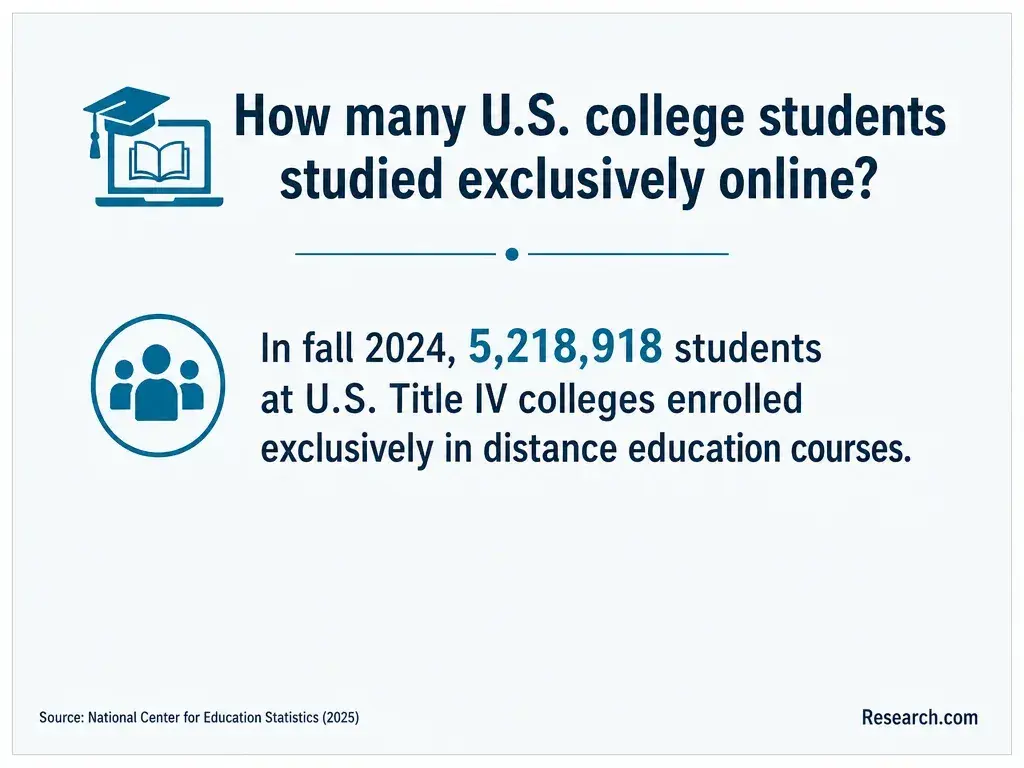
How much do online addictions psychology and addiction studies bachelor's degrees cost?
There is no reliable price difference inherent to "BA" versus "BS." The useful comparison is remaining credits × applicable tuition per credit, plus required fees and participation costs. Published tuition may differ by residency, transfer status, and enrollment term; a low per-credit rate can still produce a higher total if fewer prior courses apply.
The following cost categories belong in a side-by-side estimate from each school. They expose charges that a tuition-only comparison misses.
| Cost category | What to obtain from each program |
| Tuition | Rate for your residency and enrollment status, multiplied by credits remaining after an official evaluation |
| Required charges | Technology, course, graduation, and other mandatory fees |
| Applied learning | Potential travel, background checks, or reduced paid-work hours for a placement |
| Financing | Actual aid offer, borrowing terms, and any employer assistance - not advertised maximum awards |
Compare current program charges with broader psychology college costs for online students, but use a personalized degree audit to estimate what you would pay. Do not assume the less expensive degree is the better investment if it leaves you needing extra courses for your intended credential.
Psychology BA requirements commonly include introductory psychology, developmental and social psychology, statistics, research methods, and upper-level electives. An addictions focus may add courses on substance use, behavior change, prevention, or recovery.
Addiction studies BS programs commonly emphasize addiction science, co-occurring concerns, ethics, community resources, case management, and service systems; some also require fieldwork. These are patterns, not promises about a particular school.
Look beyond course names. A class on counseling theories teaches students about approaches; it does not necessarily provide supervised counseling practice. Likewise, an internship involving referrals or documentation is not automatically a license-supervised clinical placement.
If graduate psychology study is possible, compare statistics and research-methods depth alongside addiction content. A student comparing shorter online forensic psychology master's pathways, for instance, should verify that program's specific prerequisites rather than rely on the bachelor's title.
First-year applicants generally need the institution's undergraduate admission credentials, such as secondary-school records. Transfer applicants usually submit college transcripts; schools may set separate rules for admission to a major or for placement into upper-level courses. Requirements differ by institution, so a prior psychology course, associate degree, or human-services job should not be treated as a universal prerequisite.
For returning students, admission and degree completion are different decisions. A school may accept a course as elective credit without applying it to psychology statistics, an addiction-studies requirement, or general education. Request a written evaluation showing accepted credits, requirement-by-requirement application, remaining courses, and residency rules.
Guidance on transfer credit reviews for psychology applicants can help you frame questions, but the enrolling institution makes the final determination.
A bachelor's degree commonly requires about 120 credits, making four academic years a conventional full-time planning benchmark. Transfer study or a different course load can change that timeline, but accepted credits alone do not establish a graduation date. Required courses may have prerequisites or limited offerings, and a field placement may need advance site approval.
Ask each program for a term-by-term plan based on your evaluated credits. If you work or provide care for others, confirm live class meetings, weekly placement hours, local-site requirements, and whether an approved placement can fit your schedule. Online lectures do not make supervised experience asynchronous.
Students aiming for independent counseling should budget for education and supervised experience after the bachelor's degree where their state requires it. Even accreditation checks for accelerated counseling programs cannot turn a bachelor's completion estimate into a licensure timeline.
Depending on employer and state rules, graduates may compete for nonclinical positions such as behavioral-health program assistant, intake or referral coordinator, prevention-program worker, case-management support staff member, or recovery-services coordinator. The work can involve explaining resources, maintaining records, coordinating appointments, and following established referral and confidentiality procedures.
A degree alone does not qualify someone to diagnose a condition, provide psychotherapy, or use a protected counseling title.
An addiction studies BS may align more directly with substance-use service postings; a psychology BA may also suit research support, broader community services, or roles that value data and behavioral-science skills. Relevant employment, volunteering, language skills, and an approved placement can affect hiring more than the major's name.
If your interest is actually justice-system work, do not mistake salary outlook for forensic psychology master's graduates for outcomes available from either addiction-focused bachelor's degree.
Start with the state and the exact job title. States differ in whether they offer bachelor's-level substance-use counselor credentials, what those credentials permit, and whether independent practice requires a qualifying graduate degree. Requirements can include specified addiction coursework, supervised experience, an examination, an application, and ongoing education. Employers may impose additional conditions.
When using an online psychology degree selection guide, the foundational step before choosing a degree is to locate the state board or credentialing authority's requirements for your intended title.
Match its course topics and hour rules to the program's catalog, then ask the authority how it evaluates online study and supervised experience. Obtain written clarification when eligibility is unclear. Peer-support credentials follow different rules and should not be confused with counselor licensure.
How can you choose an accredited and reputable online addictions degree program?
Confirm that the institution holds recognized institutional accreditation and that the exact degree and addictions focus appear in its current catalog. A school's accreditation does not certify that a particular bachelor's program meets a state's counselor-credential requirements. APA accreditation, in particular, should not be assumed to cover a general psychology BA or addiction studies BS.
Make the final comparison using documents you can verify: a requirement-level transfer audit, total remaining cost, course rotation, online attendance rules, fieldwork agreement, site-supervision expectations, and published student-support policies. Ask who helps find placements and what happens if a local site is unavailable.
If graduate counseling is your next step, use accreditation checks for accelerated counseling programs as a separate review; graduate professional recognition and undergraduate institutional accreditation answer different questions.
Choose the psychology BA when broad behavioral-science preparation is central to your plans and its addiction electives meet your needs. Favor the addiction studies BS when its required courses and approved experience more closely match your intended service role or state credential. If you only need a specific credential or a few prerequisites, compare those narrower routes before committing to another full degree.
Eligible students can also investigate grants for substance abuse counseling bachelor's study; aid eligibility and award amounts must be confirmed with the institution.
Other Things You Should Know About Psychology
Not necessarily. Schools may record a concentration on the transcript, diploma, both, or neither. Ask the registrar how the completed focus is officially documented.
Possibly, if the program approves the site, duties, and supervisor in advance. Existing employment by itself does not establish that the placement meets academic requirements.
Lived experience can inform support work, but it does not automatically replace degree requirements or credentialing standards. Ask the program and relevant credentialing authority whether any formal prior-learning process applies.
Often not. Depending on your goal, missing prerequisites, a targeted credential, or a qualifying graduate program may be more direct. Compare their requirements before applying for another bachelor's.
- Requirements Related to the Practice of Counseling - NCBI https://www.ncbi.nlm.nih.gov/books/NBK259170/
- West Virginia Code | §16-68 https://code.wvlegislature.gov/email/16-68/
- An Overview of Accreditation of Higher Education in the United States | Congress.gov | Library of Congress https://www.congress.gov/crs-product/R43826
- Accreditation in the U.S. | ed.gov http://www.ed.gov/laws-and-policy/higher-education-laws-and-policy/college-accreditation/accreditation-in-the-us
- Estimate your college cost | usa.gov https://www.usa.gov/estimate-college-cost
- How to Become an Addiction Counselor: 5 Key Steps (2026) | Touro University Worldwide https://www.tuw.edu/health/how-to-become-an-addiction-counselor/
- How Many Credits Do You Need to Graduate College? | snhu.edu https://www.snhu.edu/about-us/newsroom/education/how-many-credits-to-graduate-college
- Practicum Education Manual - VI. Practicum Education Placement Policies, Procedures, and Processes https://socialwork.wayne.edu/practicum/manual/policies
- Undergraduate Tuition and Fees | Financial Aid & Scholarships https://financialaid.ku.edu/calculate-costs/tuition-and-fees/undergraduate
- What Degree Do I Need to Become a Counselor? | University of Bridgeport https://www.bridgeport.edu/news/degree-needed-to-be-a-counselor/