2027 Online Accounting Degree Programs That Accept 60, 75, or 90 Transfer Credits

Co-Founder and Chief Data Scientist
If you already have college credits, the right online accounting degree can turn prior coursework into a shorter, less expensive path to graduation. Many bachelor's programs advertise transfer limits of 60, 75, or 90 credits, but accepted credits are not always the same as credits applied to the accounting major.
Transfer enrollment grew 5.3% in spring 2024, according to the National Student Clearinghouse Research Center, making credit mobility a timely issue. This guide helps transfer and degree-completion students compare policies, estimate remaining requirements, and avoid costly enrollment mistakes.
Key Things You Should Know
- A 120-credit online accounting bachelor's degree typically leaves about 60 credits after transferring 60 credits, 45 credits after transferring 75 credits, and 30 credits after transferring 90 credits, but only if those credits apply to general education, electives, business core, or accounting requirements.
- Programs that accept up to 90 transfer credits often still require at least 30 credits in residence, and accounting students may also need upper-division accounting courses completed at the degree-granting institution.
- Before enrolling, request an official transfer evaluation showing accepted credits, applied credits, remaining accounting courses, residency credits, minimum grade rules, and whether older or alternative credits count toward graduation.
How Many Transfer Credits Can You Apply Toward an Online Accounting Degree?
Most online bachelor's in accounting programs require about 120 semester credits. When a school says it accepts 60, 75, or 90 transfer credits, it is usually describing the maximum number of prior credits that may be brought into the institution, not a promise that every credit will reduce your accounting degree plan.
The table below shows how the three common transfer scenarios usually affect a 120-credit online accounting degree. Use it as a planning framework, then confirm the details with each school's official transfer evaluation.
| Transfer scenario | Typical source of credits | Estimated credits remaining in a 120-credit degree | What to verify |
| 60 transfer credits | Associate degree, community college coursework, or first two years of college | About 60 credits | Whether the associate degree satisfies general education and whether business prerequisites transfer |
| 75 transfer credits | Associate degree plus additional college, exam, military, or prior learning credits | About 45 credits | Whether credits beyond the associate degree apply as electives or meet specific business/accounting requirements |
| 90 transfer credits | Three years of college, prior bachelor's coursework, or a transfer-friendly degree-completion pathway | About 30 credits | Whether the program's residency, upper-division, and accounting major requirements prevent some credits from applying |
The key distinction is accepted versus applied. Accepted credits appear on your transfer record; applied credits fill specific boxes in your degree audit. For example, a school might accept 90 credits, but if 18 of them do not match general education, business core, accounting, or elective slots, you may still have more than 30 credits left.
If you have fewer than 60 credits, one strategy is to finish a low-cost associate credential first, especially if your target university has a transfer agreement. Students comparing accelerated lower-division pathways can also review fast track associates degree online options before choosing a bachelor's completion program.
Which Online Accounting Degree Programs Accept 60, 75, or 90 Transfer Credits?
Many online accounting programs are designed for transfer and degree-completion students, but they differ in how many credits they accept, how they evaluate major coursework, and how many credits must be completed through the institution. A generous transfer cap is useful only when it fits your prior coursework and your remaining accounting requirements.
The following examples represent common transfer-friendly online accounting options in the U.S. Always check the current catalog before applying because transfer limits, course equivalencies, and residency rules can change.
| School or program type | Commonly advertised transfer allowance | Best fit | Important caution |
| Southern New Hampshire University, online BS in Accounting | Up to 90 credits | Students with an associate degree or substantial prior bachelor's coursework | Transferred courses must still match degree requirements, and major coursework may have specific expectations |
| University of Maryland Global Campus, online BS in Accounting | Up to 90 credits | Adult learners, military-affiliated students, and community college transfers | Students generally must complete a minimum number of credits at UMGC, so the last 30-credit stretch matters |
| Western Governors University, online BS in Accounting | Often up to about 75% of the degree | Self-paced students with strong preparation and recent relevant credits | Competency-based progress can be fast, but transfer credits must align with WGU competencies |
| Purdue Global, online BS in Accounting | Often up to 75% of bachelor's requirements | Students with prior college, professional training, or credit for prior learning | Quarter-credit systems may require careful conversion to semester-credit equivalents |
| Franklin University, online BS in Accounting | High-transfer degree-completion model, often up to the low-90-credit range depending on program rules | Working adults with broad prior college credit | Remaining credits may include upper-level business and accounting courses that cannot be waived |
| CSU Global, online BS in Accounting | Commonly up to 90 transfer credits | Students seeking a structured online completion path | Transfer credits may satisfy electives more easily than advanced accounting requirements |
Students changing fields should pay special attention to how electives apply. A prior game design and development degree pathway, for instance, may include math, communication, or general education courses that transfer well, while specialized studio or programming courses may count only as free electives.
When comparing programs, do not rank schools only by the highest transfer-credit number. The better question is: Which program applies the most credits to the fewest remaining requirements at the lowest net cost?
How Can You Tell Whether Transfer Credits Will Actually Apply Toward Your Accounting Degree?
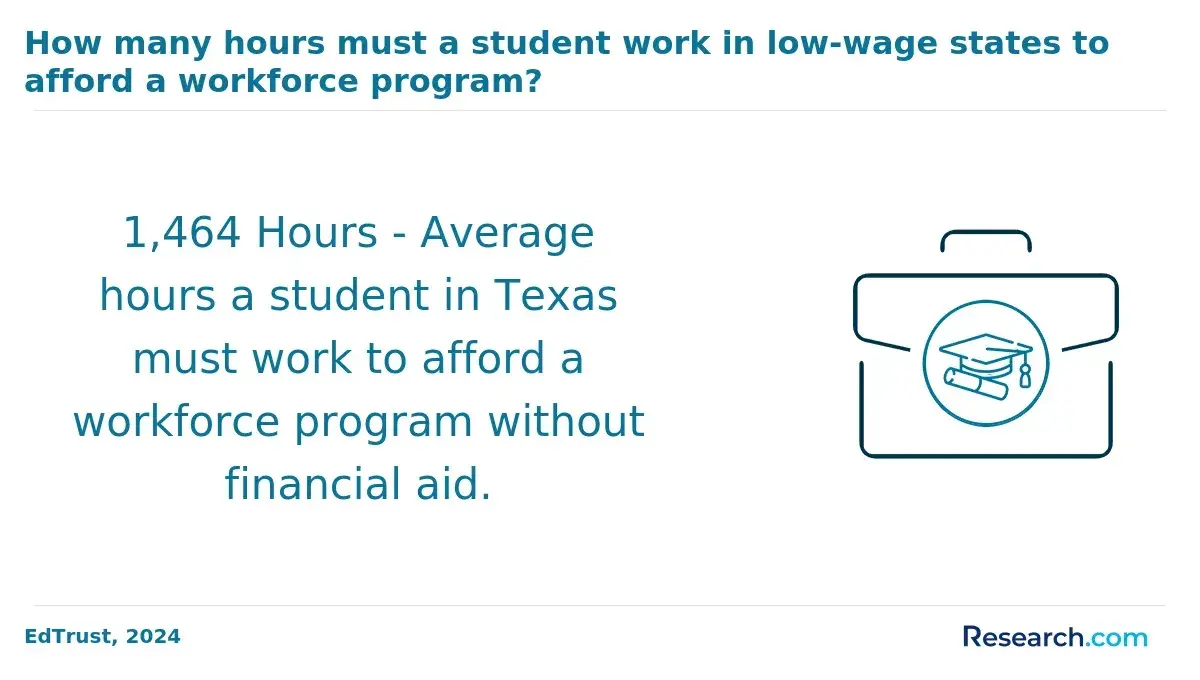
The fastest way to avoid transfer-credit disappointment is to ask for a degree-specific transfer evaluation, not just a general admissions estimate. A general estimate may tell you how many credits a university will accept, while a degree audit shows how those credits fit into the online accounting program.
Use the following sequence when comparing programs. These steps help you identify whether your credits reduce graduation requirements or simply sit on your transcript as unused transfer credit.
- Request unofficial pre-evaluations from several online accounting programs before paying deposits or registering for classes.
- Send transcripts from every college you attended, even if you think a course is too old, unrelated, or low-value.
- Ask for a degree audit that separates general education, business core, accounting major, electives, residency credits, and upper-division credits.
- Compare the remaining course list across schools, not just the total number of accepted credits.
- Confirm minimum grade rules, repeat-course policies, quarter-to-semester conversions, and whether pass/fail courses transfer.
- Ask whether any courses must be retaken because of accounting accreditation, CPA preparation, or major currency requirements.
Common red flags include vague answers such as "most credits should transfer," refusal to provide a course-level evaluation before enrollment, or a plan that accepts many electives but leaves the entire accounting core untouched. A strong transfer-friendly program should show exactly what remains before you commit.
What Types of Previous College Credits Can Transfer Into an Online Accounting Degree?
Online accounting programs may consider several types of previous learning, but each credit source is evaluated differently. Traditional regionally accredited college credit is usually the easiest to apply, while alternative credit sources may face tighter caps or be limited to electives.
The table below summarizes common sources of transfer credit and how they may apply to an accounting bachelor's degree. This distinction matters because accounting majors often require sequential coursework such as financial accounting, managerial accounting, intermediate accounting, auditing, taxation, and accounting information systems.
| Credit source | How it may apply | Typical limitation |
| Community college credits | General education, lower-division business courses, introductory accounting, and electives | May not satisfy upper-division accounting requirements |
| Prior four-year college credits | General education, business core, accounting major, electives, and upper-division requirements | Older accounting courses may be reviewed for currency |
| Completed associate degree | May satisfy many or all lower-division general education requirements | Does not automatically clear business prerequisites or major requirements |
| Exam credit such as CLEP or DSST | Often general education, introductory business, or elective credit | Institutional caps and score minimums vary |
| Military training | Electives, management, communication, technology, or other evaluated credit areas | Depends on ACE recommendations and school policy |
| Professional certificates or prior learning | Possible elective, business, or introductory accounting credit | Often requires documentation, portfolio review, or institutional approval |
Students with practical accounting experience should ask whether nondegree training can support credit for prior learning. For example, completed bookkeeping courses may not automatically replace intermediate accounting, but they can sometimes strengthen a prior learning portfolio or prepare you to test out of introductory material if the school allows it.
How Do Residency and Upper-Division Requirements Affect Accounting Transfer Students?
Residency requirements are one of the biggest reasons a student with 90 transfer credits may still need 30 or more credits to graduate. In this context, "residency" does not mean living on campus; it means credits you must complete through the university granting the degree.
Upper-division rules can also affect accounting transfer students. Many schools want a certain number of advanced business or accounting courses completed at their institution to ensure the degree reflects their curriculum and assessment standards.
The table below shows how these rules can change the value of your transfer credits. It is especially useful when comparing two schools that both advertise the same maximum transfer allowance.
| Requirement | Why it matters | How it can affect a 90-credit transfer student |
| Minimum institutional residency | Sets the number of credits you must take from the degree-granting school | A 30-credit residency rule usually means at least 10 courses remain |
| Upper-division credit requirement | Ensures the bachelor's degree includes advanced coursework | Lower-division community college credits may not satisfy junior- or senior-level accounting courses |
| Major residency rule | Requires some accounting courses to be completed at the institution | Previously completed accounting courses may transfer as electives instead of major credit |
| Capstone requirement | Assesses final program outcomes | The capstone is rarely transferable and is usually taken near the end of the program |
| Minimum grade requirement | Controls whether courses transfer at all | Courses below the required grade may be excluded or may not count toward the major |
The practical takeaway is simple: a school that accepts 90 credits may not be faster than a school that accepts 75 if the 75-credit school applies more of your accounting, business, and upper-division coursework directly to the degree plan.
How Does the Transfer Credit Evaluation Process Work for an Online Accounting Degree?
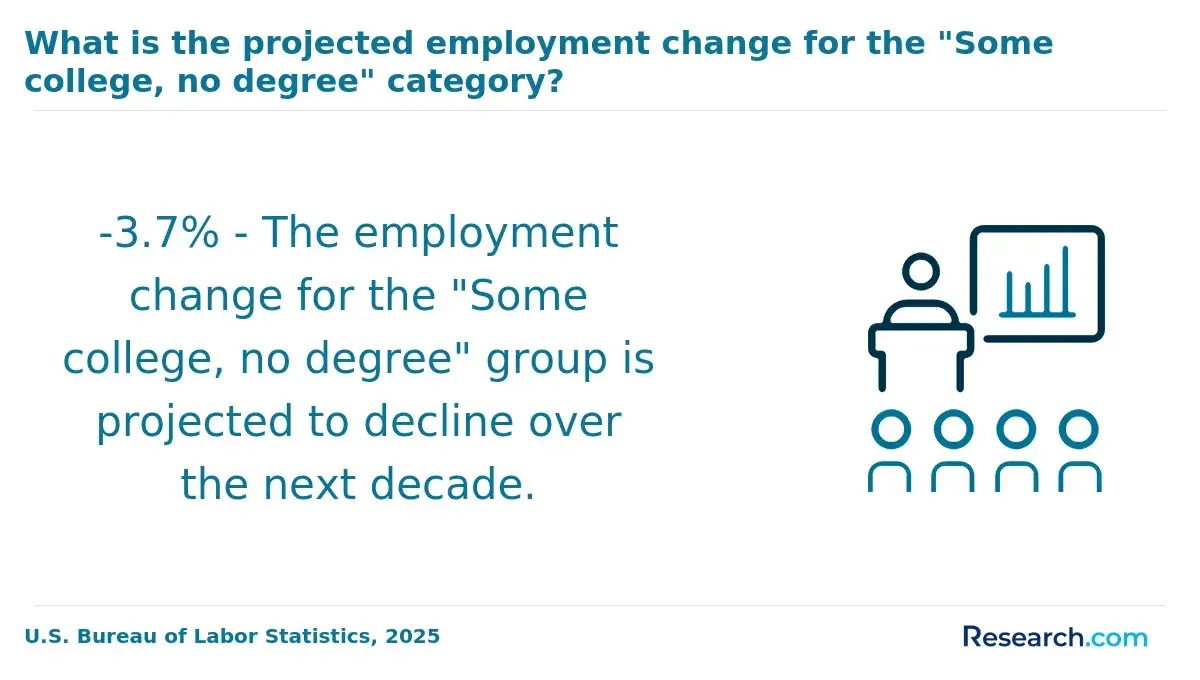
The transfer credit evaluation process usually begins before admission and becomes official after the school receives final transcripts. For accounting students, the evaluation should be course-specific because one missing prerequisite can delay upper-division accounting classes.
Before you enroll, gather documentation that helps evaluators match your prior courses accurately. This is especially important if your courses have unusual titles, came from a quarter-credit institution, or were completed many years ago.
- Collect official transcripts from every college, including schools where you withdrew or earned only a few credits.
- Download syllabi for accounting, business law, economics, statistics, taxation, auditing, and information systems courses when available.
- Ask whether the school has an established transfer equivalency database or articulation agreement with your prior institution.
- Request a written degree audit showing remaining courses and total credits required for graduation.
- Confirm whether the evaluation is preliminary or official, and ask what could change after admission.
- Save all evaluation emails and degree plans so you can compare schools using the same information.
A strong evaluation should tell you more than "90 credits accepted." It should identify which courses satisfy financial accounting, managerial accounting, business statistics, business law, taxation, auditing, accounting information systems, free electives, and general education categories.
How Long Does It Take to Finish an Online Accounting Degree With 60, 75, or 90 Transfer Credits?
Completion time depends on remaining credits, course load, term length, prerequisite sequencing, and whether the program is self-paced or cohort-based. In a traditional schedule, full-time students often complete about 30 credits per academic year, while part-time working adults may take fewer credits to balance work and family responsibilities.
The table below provides realistic planning ranges for students entering an online accounting bachelor's program with 60, 75, or 90 applied transfer credits. These are not guarantees; they assume the transferred credits fit the degree plan and that required courses are offered when needed.
| Applied transfer credits | Estimated credits remaining | Possible full-time timeline | Possible part-time timeline | Main scheduling risk |
| 60 | About 60 | About 2 academic years | About 3 to 4 years | Completing business core and accounting sequence in order |
| 75 | About 45 | About 15 to 18 months in an accelerated calendar, or about 3 semesters plus summer | About 2.5 to 3 years | Needing prerequisites before intermediate accounting, auditing, or taxation |
| 90 | About 30 | About 1 academic year | About 18 to 24 months | Residency, capstone, and upper-division major requirements |
Labor-market context can also influence how quickly you want to finish. The Bureau of Labor Statistics reported a 2024 median pay of $81,680 for accountants and auditors, which can help students weigh the opportunity cost of delaying completion against the cost of taking more credits per term.
Some students compare accelerated credentials across education levels, from bachelor's completion programs to the easiest PhD to get. For accounting bachelor's students, however, speed should not override course sequencing, accreditation, CPA planning, or the need to understand intermediate and advanced accounting material.
How Much Can Transfer Credits Reduce the Cost of an Online Accounting Degree?
Transfer credits can reduce the cost of an online accounting degree because most schools charge tuition by credit or by term. The largest savings usually come from avoiding duplicate lower-division coursework, but the exact amount depends on tuition rate, fees, financial aid, residency rules, and whether transfer credits apply to required courses.
College Board's 2024 pricing data reported average published tuition and fees of $11,610 for in-state students at public four-year institutions and $43,350 at private nonprofit four-year institutions for a 30-credit academic year. The table below converts those annual figures into rough per-credit planning estimates so you can see why applied transfer credits matter.
| Applied transfer credits | Credits avoided in a 120-credit degree | Approximate tuition avoided at $387 per credit | Approximate tuition avoided at $1,445 per credit | What this estimate excludes |
| 60 | 60 | $23,220 | $86,700 | Fees, books, technology costs, tuition discounts, financial aid, and institutional scholarships |
| 75 | 75 | $29,025 | $108,375 | Any credits accepted but not applied to the degree |
| 90 | 90 | $34,830 | $130,050 | Required residency courses that must still be completed at the new school |
These figures are planning estimates, not a prediction of your bill. Online programs may charge flat-rate tuition, term-based tuition, military rates, employer-partner rates, or different prices for out-of-state students. The only reliable comparison is the net price for your remaining courses after transfer evaluation and financial aid review.
To compare programs financially, ask each school for the total cost of the remaining degree plan rather than the advertised cost per credit. Also check whether transfer students qualify for institutional scholarships and whether taking fewer credits could affect financial aid eligibility, employer reimbursement, or satisfactory academic progress.
Can Prior Learning, Military Training, Exams, or Certifications Count Toward an Online Accounting Degree?
Some online accounting programs award credit for learning outside the traditional college classroom. This can help students with military training, professional experience, standardized exams, or industry credentials reduce elective or lower-division requirements, but it rarely replaces advanced accounting courses automatically.
Ask schools which alternative credit sources they accept and where those credits apply. The most useful question is not "Do you accept prior learning?" but "Will this prior learning reduce my remaining accounting degree requirements?"
- Military training: Schools may use American Council on Education recommendations to evaluate Joint Services Transcript entries, but application varies by institution and program.
- CLEP, DSST, and similar exams: These may satisfy general education, introductory business, or elective requirements if the school accepts the exam and your score meets its minimum.
- Portfolio-based prior learning assessment: Some institutions allow students to document college-level learning from work experience, but accounting portfolios usually need strong evidence and may be limited to certain courses.
- Professional certifications and workplace training: Payroll, bookkeeping, tax preparation, software, or business credentials may support elective credit or course waivers, depending on school policy.
Alternative credit can be especially useful for students moving into specialized areas such as forensic accounting, fraud examination, or compliance. If investigative careers interest you broadly, it may also be worth comparing accounting pathways with adjacent fields by exploring what can I do with a masters in forensic psychology, since the education requirements and career outcomes differ substantially.
Do Older College Credits Expire When Transferring Into an Online Accounting Degree?
Older college credits do not always expire, but some courses are more time-sensitive than others. General education courses such as English composition, history, humanities, and basic social science are often easier to transfer after many years, while accounting, tax, technology, and software-related courses may receive closer review.
Accounting changes because standards, tax rules, systems, and regulations evolve. A school may accept an older accounting course as elective credit but still require you to complete a current version of intermediate accounting, auditing, taxation, or accounting information systems.
Before assuming older credits will count, ask these specific questions:
- Does the accounting program have a time limit for business, accounting, tax, or technology courses?
- Will older accounting courses transfer as major credit, business elective credit, or free elective credit?
- Can a current syllabus, catalog description, or work experience help support course equivalency?
- If a course is too old for the major, can it still count toward total elective credits?
- Would retaking a prerequisite improve readiness for upper-division accounting courses?
The best approach is to let the school evaluate everything, even credits from many years ago. You may be surprised by how much still applies, but you should also plan for the possibility that older technical courses will not shorten the accounting major as much as you hoped.
Other Things You Should Know About Accounting
It can help, but a bachelor's degree alone may not be enough. Many CPA boards require 150 total college credits plus specific accounting and business coursework. Requirements vary by state, so compare your degree plan with your state board's rules before enrolling.
Employers generally focus on accreditation, relevant coursework, skills, experience, and whether the degree comes from a legitimate institution. For transfer students, regional accreditation and a clear accounting curriculum are more important than whether the classes were online.
Not automatically. Choose the school that applies the most credits to your actual degree requirements, offers the fewest unnecessary retakes, fits your schedule, and provides a reasonable total remaining cost.
Sometimes, but it is safer to transfer and evaluate credits before enrollment. Some schools restrict post-enrollment transfer credit, require preapproval for outside courses, or limit how many final credits must be completed in residence.
References
- Online Bachelor's Degree in Accounting | CSU Global | Accredited https://csuglobal.edu/academic-programs/undergraduate-degrees/bachelors-degree-accounting
- Best Accelerated Accounting Degrees Online | AffordableCollegesOnline https://www.affordablecollegesonline.org/degrees/accounting-programs/accelerated/
- Accelerated Accounting Degrees Online 2025 | Accounting.com https://www.accounting.com/degrees/accounting/accelerated-online-bachelors/
- Bachelor of Science in Accounting https://www.redlands.edu/academics/undergraduate-programs/bachelor-of-science-in-accounting