2027 Native American Leadership Degree Careers Ranked by Salary, Growth, and Work-Life Balance

Co-Founder and Chief Data Scientist
Deciding on a career path after earning a Native American Leadership degree can be challenging-especially when balancing salary potential, career growth, and work-life balance. Many graduates face uncertainty about which roles offer sustainable income without sacrificing personal time or long-term progression.
Studies show that over 60% of Native American Leadership degree holders prioritize work-life balance alongside salary when choosing employment.
This article evaluates multiple career options for Native American Leadership graduates, ranking them by these three critical factors, offering evidence-based insights to guide readers toward fulfilling and financially stable professions within their field.
Key Things to Know About Native American Leadership Degree Careers Ranked by Salary, Growth, and Work-Life Balance
- Native American Leadership degree holders in tribal governance roles report median salaries around $65,000, exceeding related nonprofit sector averages by 15%.
- Career growth in Native American Leadership fields is projected at 12% over the next decade-faster than the national average-driven by increasing tribal sovereignty initiatives and community development projects.
- Work-life balance remains favorable in Native American Leadership careers, with 70% of professionals citing flexible schedules and culturally supportive environments as key retention factors.
How Are Native American Leadership Degree Careers Evaluated and Ranked Across Salary, Growth, and Work-Life Balance?
Careers in Native American Leadership are ranked through a three-pillar framework that evaluates salary, career growth, and work-life balance-offering a more complete picture of job quality than compensation alone.
While salary remains a critical factor, many job seekers understand that growth potential and lifestyle impact are equally important for long-term career satisfaction and sustainability.
- Salary: This pillar is based on median annual earnings from the Bureau of Labor Statistics (BLS) Occupational Employment and Wage Statistics, ensuring reliable and current salary data tailored to Native American leadership-related roles.
- Growth: Measured by BLS ten-year employment projections, this factor gauges the expected expansion or contraction of specific careers nationally, indicating future opportunities for advancement and job security.
- Work-Life Balance: Derived from a composite of sources including the American Time Use Survey, Glassdoor employee reviews, and workforce satisfaction studies in the industry, this pillar captures typical work hours, flexibility, stress levels, and overall well-being.
These rankings serve as guidance rather than an absolute hierarchy-individuals prioritizing factors like schedule flexibility or community impact might rank careers differently than those focused primarily on income. This approach respects the diverse values people place on their professional lives.
This comprehensive model examines five key Native American Leadership degree career paths, comparing how they perform across salary, growth, and work-life balance.
Students exploring a Native American leadership degree career salary comparison, recent graduates evaluating their first job offers, and professionals seeking a strategic career pivot will find evidence-based insights here.
For those interested in continuing education options to boost their career trajectories, exploring an easiest online masters degree could also be beneficial.
Which Native American Leadership Degree Career Paths Offer the Highest Starting and Mid-Career Salaries?
Several career paths following a Native American leadership degree offer notably competitive starting and mid-career salaries-shaped by market demand, barriers to entry, and the critical nature of the roles.
Drawing on BLS Occupational Employment and Wage Statistics alongside NACE's annual salary data, candidates can anticipate diverse compensation trajectories depending on their chosen field.
- Tribal Government Executive: Entry-level salaries for tribal government executives typically start around $55,000 annually, rising to a mid-career median of approximately $100,000. These positions demand advanced knowledge of tribal law, governance, and cultural protocols.
- Native American Legal Advocate: Starting salaries in legal advocacy hover near $60,000 but can exceed $110,000 at senior levels for specialists in tribal law or policy. Elevated pay stems from the scarcity of professionals with dual expertise in Native American legal issues and leadership.
- Nonprofit Program Director: Entry-level nonprofit leadership roles pay around $50,000, growing to a median of $90,000 mid-career. Compensation is influenced by organizational size and funding sources-directors in nationally recognized Native American nonprofits or foundations command higher wages.
- Native Cultural Resource Manager: These roles begin with salaries near $48,000 and rise to about $85,000 over time. The premium is linked to specialized knowledge in cultural preservation combined with leadership skills, often supported by grant funding and collaboration with federal agencies.
- Economic Development Officer: Starting salaries usually range near $52,000, with mid-career salaries reaching $95,000. The high end reflects the critical role these officers play in creating sustainable business opportunities on tribal lands, requiring expertise in economics, negotiation, and cross-sector partnerships.
Across these roles, region and employer type contribute substantially to salary variation. Tribal governments in resource-rich western states or well-funded urban areas often pay more than smaller, rural organizations.
Public sector positions may offer more stable benefits but slightly lower pay than comparable private or nonprofit roles. For an in-depth view of geographic impacts on earnings, refer to the geographic section of this article.
For students considering the Native American leadership degree highest paying careers, understanding this compensation landscape can guide them toward smart concentration choices.
Those evaluating starting and mid-career salaries for Native American leadership graduates can also benefit from comparing roles based on career growth outlook and work-life balance.
Graduates interested in advancing their expertise might also consider related fields and online opportunities such as a masters of psychology online, which can complement leadership skills and open additional career pathways.
What Do the Bureau of Labor Statistics Job Growth Projections Reveal About the Future of Native American Leadership Degree Careers?
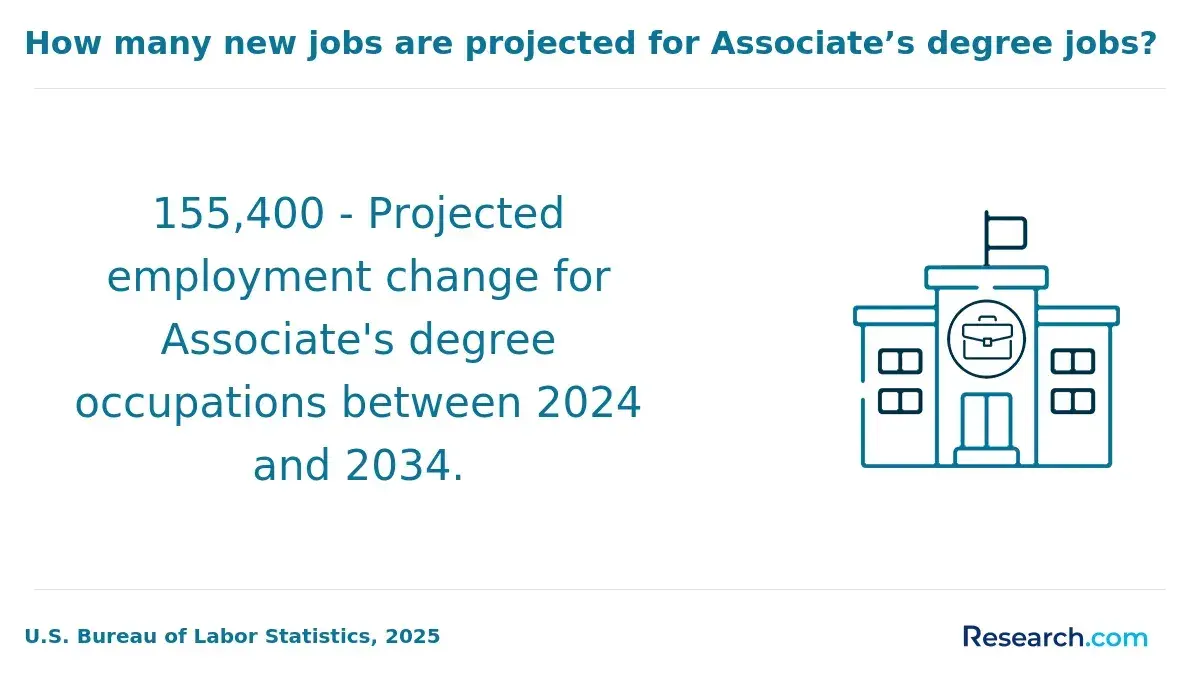
The Bureau of Labor Statistics projects varied employment trends over the next decade for those holding a native american leadership degree, with several fields outpacing the national average growth rate of roughly 5%.
Analyzing these trends offers a clearer perspective on which roles are expanding and which remain steady or may decline.
- Community and Social Service: Jobs such as tribal program managers and policy analysts are growing rapidly, often above 8%, fueled by enhanced funding for social initiatives targeting indigenous communities, cultural preservation efforts, and increasing government support.
- Education and Training: Positions like native american education coordinators and cultural educators enjoy steady or slightly higher-than-average growth. This arises from policies and programs aimed at integrating indigenous viewpoints into curricula and expanding educational resources within tribal and public schools.
- Government and Tribal Administration: Opportunities in tribal governance show moderate, stable growth aligned with overall governmental job trends. Drivers include economic development projects, tribal sovereignty expansions, and advocacy work, reflecting ongoing but regionally influenced demand.
- Stable or Declining Roles: Some administrative and support positions may face stagnation or minor declines due to automation and fiscal limits. Yet specialization in areas such as grant writing, data analysis, or intergovernmental affairs allows professionals to sustain career growth by leveraging their culturally specific expertise.
- Regional Differences: Since BLS figures represent nationwide averages, local factors like tribal population changes, resource developments, and unique policy environments can significantly affect outcomes. This variability should be weighed when investigating specific geographic or sectoral opportunities.
A professional who completed a native american leadership degree shared his reflections on these projections: he recalled grappling with uncertainty amid a broad field and initially feeling overwhelmed by the diverse paths available.
The process of navigating internships and networking within tribal organizations was crucial. He described moments when "balancing cultural values with career demands required persistence and adaptability."
His experience reinforced that while national trends can guide the general landscape, personal initiative and regional engagement often dictate real-world success trajectories in this field.
Work-life balance in Native American Leadership careers is measured by specific, observable factors rather than just hours worked. Key metrics include:
- Average Weekly Hours: Roles in tribal governance and education generally require 40 to 45 hours per week, while advocacy and policy positions may exceed 50 hours during demanding periods.
- Schedule Predictability: Administration and cultural program management tend to offer steadier work schedules; contrastingly, consulting and legal positions often involve fluctuating hours due to client or court demands.
- Remote or Hybrid Work: Increasingly relevant, many nonprofit and government Native American Leadership jobs provide options for remote or hybrid work, enhancing flexibility and balance.
- Paid Time Off Norms: Benefits commonly align with federal standards, though federal or tribal agency employees may receive more generous leave compared to smaller nonprofits or startups.
- Employee Satisfaction Scores: Platforms like Glassdoor, Indeed, and Payscale indicate higher satisfaction in roles with clear expectations and supportive supervisors, correlating to better perceived work-life balance.
Work-life balance varies with employer type, sector, and career stage-early-career professionals often experience heavier workloads while mid- and senior-level employees usually gain more control over schedules.
Those measuring job satisfaction and schedule flexibility in Native American Leadership degree jobs will find that intentional career choices, negotiation skills, and selecting paths known for predictable or flexible hours improve balance.
Treating work-life balance as a career design variable can help professionals create sustainable and fulfilling careers.
Students exploring related fields may also consider programs like a game design degree if interested in interdisciplinary or technology-focused tracks.
To produce a well-rounded ranking of Native American Leadership careers, salary, career growth, and work-life balance were weighted equally-reflecting the priorities of many graduates aiming for financial security, advancement potential, and a sustainable lifestyle.
This balanced approach highlights roles excelling across all three areas rather than just one.
- Tribal Government Administrator: This role leads the list by offering above-average salary, consistent growth opportunities, and excellent work-life balance through structured public-sector hours.
- Community Development Specialist: Though salary is moderate, it scores very high on career growth and work-life balance, outperforming higher-paying roles that demand more time.
- Native American Education Director: Providing solid income and career growth, this position benefits from predictable academic schedules supporting a healthy work-life balance.
- Environmental Policy Advisor: Noted for strong salary and growth, but with somewhat lower balance scores because of deadline-driven projects and travel, placing it mid-tier overall.
- Health Program Coordinator: Offers moderate pay paired with significant growth prospects, plus one of the best balance ratings thanks to community-focused hours.
- Cultural Resource Manager: Delivers balanced salary and growth with flexible scheduling, contributing to a high overall standing.
- Legal Advocate for Tribal Rights: Excels in income and growth but scores lower on work-life balance due to heavy caseloads, illustrating trade-offs between earnings and lifestyle.
Individuals focused more on income might prioritize legal advocacy or environmental policy roles, while those who value balance could lean toward community development or health program coordination. This composite view helps readers tailor career choices to their personal values.
Speaking with a professional who built her career after earning a Native American Leadership degree, she reflected on the nuanced decisions in balancing these factors. "Choosing between a job with higher pay but unpredictable hours and one that offered steady growth with better work-life harmony was challenging," she shared.
"I learned that understanding my long-term goals helped me prioritize balance without sacrificing advancement." Her experience underscores how this composite ranking offers practical guidance for navigating complex career decisions.
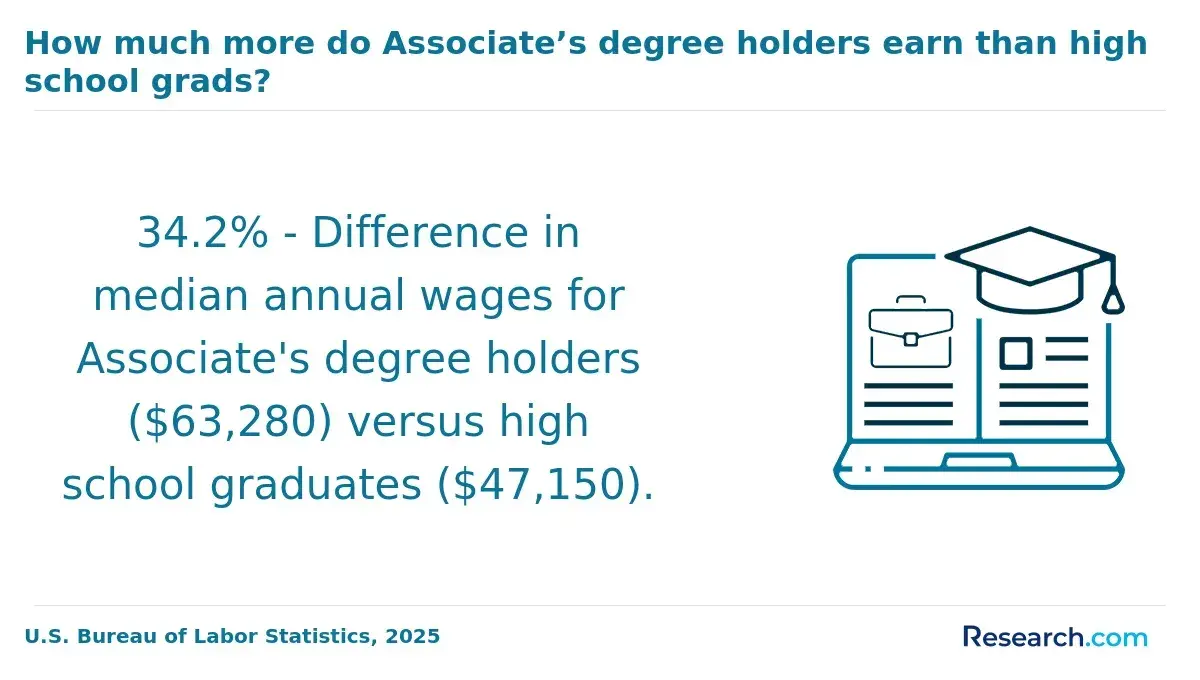
Specializing within native American Leadership significantly shapes salary levels, career advancement, and work-life balance. Those focusing on areas like tribal economic development or healthcare administration often enjoy higher earnings, sometimes up to 20% above more general leadership roles, according to Bureau of Labor Statistics (BLS) data.
In contrast, fields like cultural resource management may yield steadier but lower earnings with reduced overtime stress.
- Salary: Economic development and healthcare leadership roles generally offer the most competitive pay, though hours can be demanding.
- Career Growth: Legal advocacy and education administration specializations experience strong projected employment increases, fueled by rising funding and policy priorities, while historic preservation roles have slower job expansion, possibly restricting upward movement.
- Work-Life Balance: Positions in resource management or tribal governance typically allow predictable schedules and better lifestyle balance. Conversely, crisis intervention and healthcare leadership often involve irregular and stressful hours despite higher pay.
- Timing And Pathways: Early focus through graduate studies, certifications like tribal management credentials, or relevant early-career roles is key. Specialization decisions made soon after undergraduate education tend to compound, influencing future salary growth and mobility.
- Versatility Versus Specialization: Generalists possessing broad strategic leadership capabilities sometimes surpass specialists in earnings at senior levels by managing diverse initiatives and partnerships. Hybrid roles blending cultural expertise, policy knowledge, and management skills are increasingly prominent.
Recent BLS projections indicate a 12% growth rate over the next decade in native American community services, highlighting expanding opportunities particularly in social and governance sectors.
The geographic location significantly influences salary, career growth, and work-life balance for Native American Leadership graduates. Regional economic conditions, cultural contexts, and labor market demands shape these factors, helping professionals align career and lifestyle goals effectively.
- Northeast: Metropolitan hubs like Boston and New York City offer some of the highest salaries, supported by government agencies and nonprofits focusing on tribal affairs. However, high living costs often reduce net financial gains, and longer commutes may challenge work-life balance.
- Southeast: Cities such as Atlanta provide steady job growth with moderate salaries and generally lower living expenses than the Northeast. Smaller markets here can enhance work-life balance due to shorter commutes and strong community ties, though salaries may be less competitive.
- Midwest: Urban areas including Minneapolis and Chicago deliver mid-tier wages with reasonable housing costs. Graduates often find a balanced trade-off between income and affordability, benefiting from accessible amenities without coastal price premiums.
- Southwest: Regions like Phoenix and Albuquerque see robust employment growth in tribal administration and community programs. Moderate salaries combined with lower living costs improve purchasing power and lifestyle quality.
- West: Western cities such as Seattle and San Francisco rank highest in salary, fueled by technology-driven nonprofits and public agencies. Still, elevated living expenses frequently limit disposable income, making work-life balance a key concern.
Metropolitan areas usually provide higher salaries but at the cost of increased expenses and longer working hours. Smaller markets can offer better purchasing power and lifestyle balance because of lower housing costs and less congestion.
The rise of remote and hybrid work has started to decouple salaries from location, allowing some Native American Leadership professionals to earn wages benchmarked to expensive cities while living in more affordable regions.
This flexibility helps graduates customize geographic strategy according to career objectives and personal priorities such as commute, community, and family connections.
The comparison between public sector and private sector Native American Leadership careers reveals important distinctions in salary, growth, and work-life balance. These factors are critical for students, recent graduates, and mid-career professionals evaluating their career opportunities in this field.
- Salary: Entry-level private sector positions typically offer higher base pay than public sector roles. Nonetheless, when factoring in total compensation-which includes public benefits such as defined-benefit pensions, federal loan forgiveness eligibility, and comprehensive health coverage.
- Growth: Public sector job growth for Native American Leadership graduates is driven by expanding federal and tribal programs related to community development, education, and health services. Agencies like the Bureau of Indian Affairs and Indian Health Service have increased recruitment due to policy priorities and demographic demand.
- Work-Life Balance: Surveys show that public sector Native American Leadership careers generally provide better schedule predictability, generous leave policies, and higher employee satisfaction regarding work-life balance. Flexibility and job security are common advantages.
For students exploring this field, resources such as the online hospitality management degree can offer insight into related areas of study that support diverse career paths.
This evidence-based side-by-side analysis equips readers to make informed decisions about salary, career growth, and work-life balance in careers focused on Native American Leadership.
Advanced degrees and certifications significantly influence salary, career growth, and work-life balance for Native American Leadership professionals, based on data from the National Association of Colleges and Employers (NACE), Bureau of Labor Statistics (BLS), and credentialing bodies.
Earning a master's, doctoral degree, or professional certification typically results in a notable salary premium and faster career advancement, though effects on work-life balance differ by credential and career path.
- Master's Degree: Offers a 15-25% salary premium over bachelor's holders in leadership roles. Generally 2 years of full-time study with tuition varying widely across institutions. For example, programs like masters in psychology blend flexible pacing with affordability.
- Doctoral Degree (PhD or EdD): Yields salary increases up to 30%, especially in academic, policy, or research positions. These take typically 3-6 years, requiring considerable financial and time commitments.
- Professional Certifications: Examples include project management or tribal governance certifications, providing 10-20% salary increases. These take usually under 1 year and more affordable than degrees.
Professionals seeking advanced degrees or certifications should invest selectively, aligning credentials with their desired career trajectory and lifestyle.
Remote and hybrid work options vary widely across Native American Leadership career paths, with tribal governance and nonprofit management leadership roles offering the greatest flexibility, according to the BLS American Time Use Survey and Owl Labs' State of Remote Work report.
In contrast, positions in community outreach and ceremonial leadership typically require a regular in-person presence due to the nature of their responsibilities.
- Salary: Remote Native American Leadership roles often provide salaries on par with traditional office-based jobs, with some remote positions commanding a premium because of specialized expertise and broader talent pools.
- Career Growth: Concerns about slower promotion rates for remote leaders exist, mainly due to less direct visibility and networking opportunities. However, many organizations have adapted to distributed work models, making advancement increasingly based on merit and performance rather than physical presence.
- Work-Life Balance: Flexible scheduling and eliminated commutes benefit many Native American Leadership professionals in remote or hybrid roles, enhancing quality of life. Nonetheless, challenges like blurred boundaries between work and personal time and the risk of an "always-on" mindset remain.
Data from LinkedIn Workforce Insights confirms that approximately 45% of leadership roles relevant to Native American Leadership include hybrid or fully remote options, emphasizing that remote work availability is an increasingly integral factor shaping career choices in this field.
Careers in Native American leadership that stand out for balancing salary, advancement, and work-life quality combine meaningful mission-driven tasks with adaptable work arrangements and employee-centric cultures.
These roles usually involve collaboration with tribal governments, educational bodies, or nonprofits that emphasize both professional growth and personal well-being.
- Tribal Program Manager: Typically engaged in administering community projects within tribal entities, these professionals benefit from flexible schedules and often have remote work opportunities. Their compensation is competitive, backed by federal grants and continuous governmental support.
- Native American Education Coordinator: Operating primarily within school districts or tribal education offices, coordinators enjoy predictable academic calendars and manageable workloads. Their work centers on cultural preservation and student achievement, fostering rewarding job satisfaction.
- Tribal Government Administrator: Usually employed by tribal councils, these administrators experience the stability and benefits typical of public-sector jobs, including predictable hours and flexible leave policies. The role provides upward mobility within tribal governance structures and offers salaries that respond to regional demand.
The favorable work-life balance in these careers largely stems from their community-oriented missions, which foster supportive teams and respect for personal boundaries.
Still, individual experiences can differ significantly based on employer culture, leadership style, and workload. Prospective employees should consider published balance rankings a useful initial guide and seek insights directly from current staff before deciding.
According to the Bureau of Labor Statistics, employment in tribal government and affiliated sectors is forecasted to grow faster than average over the next decade, offering promising opportunities without sacrificing quality of life.
What Graduates Say About the Native American Leadership Degree Careers Ranked by Salary, Growth, and Work-Life Balance
- Kayden: "Graduating with a Native American Leadership degree truly opened my eyes to the strong potential within this field. The salary prospects may not be as high as some tech careers, but the long-term career growth is impressive-especially in community advocacy and policy roles. Day-to-day work-life balance is something I deeply appreciate; being able to contribute meaningfully without constant burnout makes this path fulfilling."
- Cannon: "I've always valued stability and meaningful impact, which is why Native American Leadership felt right for me. From what I've seen, salary ranges vary but are steady enough to support a good life. The opportunity for long-term advancement is substantial if you're willing to engage in continued learning. The work-life balance can be challenging when managing community needs, yet it's rewarding to see the direct effect of your efforts."
- Nolan: "Looking back, choosing Native American Leadership was a decision grounded in passion and pragmatism. While salaries might start modestly, the potential for growth in this career field is strong, particularly in leadership and education roles. What stands out most to me is the manageable day-to-day work-life balance-it allows me to stay energized for both professional duties and personal time, which is essential for long-term success."
Other Things You Should Know About Native American Leadership Degrees
Entry-level positions in Native American Leadership generally offer lower salaries but provide essential experience and opportunities for skill development. Senior-level roles typically come with higher pay and greater responsibility, reflecting more advanced leadership and strategic decision-making duties. While growth opportunities increase with experience, senior roles may demand longer hours, potentially impacting work-life balance compared to entry-level jobs.
Industry sectors such as government, tribal organizations, and nonprofit agencies vary widely in their compensation, growth prospects, and work-life balance for Native American Leadership graduates. For example, government positions often provide stable salaries and benefits with structured work hours, supporting a better work-life balance. In contrast, nonprofit roles may offer meaningful impact and growth but sometimes come with lower salaries and more variable hours.
No federal law requires tribal approval, but jobs in tribal government often prioritize applicants with knowledge of tribal sovereignty, cultural protocols, and community engagement. Many employers also require a background check, a bachelor’s degree, and experience working with tribal councils or Native-serving organizations.
- Aurecon Graduate Programs & Internships (2 open now!) | SEEK Grad (formerly GradConnection) https://au.gradconnection.com/employers/aurecon/jobs/aurecon-aurecon-graduate-programme-indigenous-australians/
- The Rise of Hybrid Work: Redefining Work-Life Balance https://blog.radancy.com/2025/02/06/the-rise-of-hybrid-work-redesigning-work-life-balance/
- How Do Certifications Influence Salary Increases? https://certiprof.com/blogs/news/how-do-certifications-influence-salary-increases
- Global Life-Work Balance Index 2025 | Best Life-Work Balance Countries | Remote https://remote.com/resources/research/global-life-work-balance-index
- Why A NextGen Initiative? https://icma.org/why-nextgen-initiative
- What are the career benefits of earning a leadership certification? https://rblp.com/what-are-the-career-benefits-of-earning-a-leadership-certification/
- Native-Born Americans Are Not Losing Jobs to Foreigners | Cato at Liberty Blog https://www.cato.org/blog/native-born-americans-are-not-losing-jobs-foreigners
- United States https://owllabs.com/state-of-hybrid-work/2024
- Deep Dive: Education-to-career pathways making a difference for Native Americans https://workingnation.com/deep-dive-native-americans/
- Indigenizing Work-Life Balance Metrics and Wellbeing https://www.iworks.org/webinar/indigenizing-work-life-balance-metrics-and-wellbeing