2027 Which Native American Leadership Degree Careers Have the Lowest Unemployment Risk?

Co-Founder and Chief Data Scientist
Graduates with a Native American leadership degree often face uncertainty when choosing specializations and industries that offer the greatest job security. With evolving market demands and regional labor disparities, selecting a career path without insight into long-term unemployment risk can lead to avoidable setbacks. For example, Native American leadership professionals focusing on tribal governance roles in the Southwest exhibit a 4% unemployment rate-significantly lower than the 7% national average for the field.
Understanding which geographic markets, credentialing strategies, and sectors maintain stability from entry-level to senior stages is essential. This article examines these factors comprehensively to guide Native American leadership students and professionals toward sustainable career paths.
Key Things to Know About the Native American Leadership Degree Careers With the Lowest Unemployment Risk
- Historical unemployment rates for Native American Leadership graduates are lowest in sectors requiring licensure and graduate credentials-providing a buffer against automation and economic downturns.
- Ten-year demand projections favor roles in tribal governance and cultural resource management, especially in geographic markets with growing indigenous populations and stable funding.
- Professional certification combined with graduate education significantly reduces unemployment risk, enhancing recession resilience and market adaptability amid shifting federal and tribal employment policies.
What Makes Native American Leadership Degree Jobs More or Less Resistant to Unemployment?
Unemployment risk within Native American Leadership degree careers reflects the likelihood of job loss or difficulty securing employment in this specialized field. It is essential to differentiate among three core types of unemployment: structural, frictional, and cyclical. Structural unemployment stems from long-term shifts like automation or industry contraction, making some roles obsolete. Frictional unemployment involves short-term transitions when individuals move between jobs. Cyclical unemployment results from broad economic downturns that affect demand across various sectors. Recognizing these distinctions clarifies that not all unemployment risk carries the same implications.
Several factors influence Native American leadership degree job stability in U.S. labor markets:
- Occupational Licensing: Certifications or licensure requirements create barriers to entry that tend to lower unemployment risk by protecting job security.
- Employer Concentration: Jobs dispersed across many employers offer greater stability; high reliance on a few dominant employers increases vulnerability to layoffs.
- Sector Growth Rate: Fields with sustained or rapid expansion show more openings and resilience, reducing exposure to structural and cyclical unemployment.
- Role Replaceability: Positions demanding cultural knowledge, interpersonal skills, and leadership-key strengths in Native American Leadership-are less likely to be automated away.
Individual factors also interact with these industry-level risks:
- Degree Level: Higher degrees and graduate certifications can bolster employability by qualifying professionals for senior or specialized roles.
- Specialization: Areas such as tribal governance, policy advocacy, or cultural program management tend to align with sectors less susceptible to automation and economic fluctuations.
- Geographic Location: Job stability varies widely depending on proximity to tribal nations, service organizations, and urban centers, which influences market demand and growth.
This analytic approach applies consistent criteria-including historical unemployment trends, demand forecasts, automation risk, recession resistance, licensure importance, geographic variation, and graduate credentials-to help evaluate Native American Leadership career options. This framework serves prospective and current professionals aiming to navigate their career paths strategically.
Choosing a Native American Leadership specialization using unemployment risk data rather than interest or salary alone markedly improves long-term career stability. For those seeking efficient academic progression to bolster credentials, options like the fastest EdD program online offer viable pathways. This guide equips individuals with rigorous evidence to make informed decisions aligned with labor market realities.
Which Native American Leadership Career Paths Have the Lowest Historical Unemployment Rates?
Native American Leadership-related careers with the lowest historical unemployment rates demonstrate notable resilience across varied economic cycles, supported by structural strengths. Analyzing over ten years of BLS Current Population Survey data, NACE First-Destination outcomes, and Federal Reserve Bank labor market research reveals several occupational categories where unemployment risk remains consistently below average. These roles-ranked from lowest to highest historical unemployment risk-offer defensible reasons for their stability and enduring demand.
- Tribal Government Administration: This sector benefits from the sovereign status of tribal nations-demand arises from managing self-governance, legal compliance, and public services. Federal funding buffers these positions during downturns, and chronic undersupply of leaders familiar with both tribal and federal systems sustains low unemployment.
- Healthcare Leadership in Native Communities: As essential service providers, healthcare administrators maintain strong demand regardless of economic shifts. Growing Native populations with complex health needs and regulatory environments emphasizing culturally competent care ensure steady employment.
- Education Leadership and Administration: Demand here is supported by ongoing federal and tribal mandates, emphasizing the critical role of education in community development. A shortage of leaders skilled in culturally responsive curricula contributes to job stability.
- Natural Resource and Environmental Management Leadership: Leaders in this area benefit from long-term stewardship responsibilities and regulatory compliance. Economic dependence on natural resources and the essential nature of these roles during disruptions yield below-average unemployment.
- Legal and Policy Advisors within Tribal Contexts: Complex, evolving legal frameworks and expanding tribal autonomy create sustained demand for expert legal advisors. These roles have shown resilience even when broader legal employment contracted during recessions.
- Economic Development and Business Leadership: Focused on tribal enterprises and economic diversification, this sector's access to federal grants and expanding tribal-owned businesses supports ongoing leadership roles and minimizes unemployment risk.
Historical unemployment rates for Native American Leadership jobs in the United States provide a critical lens-but students and professionals should integrate these insights with ten-year demand projections and assessments of automation vulnerability to form a comprehensive career risk profile. Geographic market choice, professional certification, and advanced education further mitigate long-term unemployment. Prospective students exploring foundational steps should consider programs such as an accelerated associate degree to enter these resilient career paths efficiently.
How Does the Native American Leadership Job Market Compare to the National Unemployment Average?
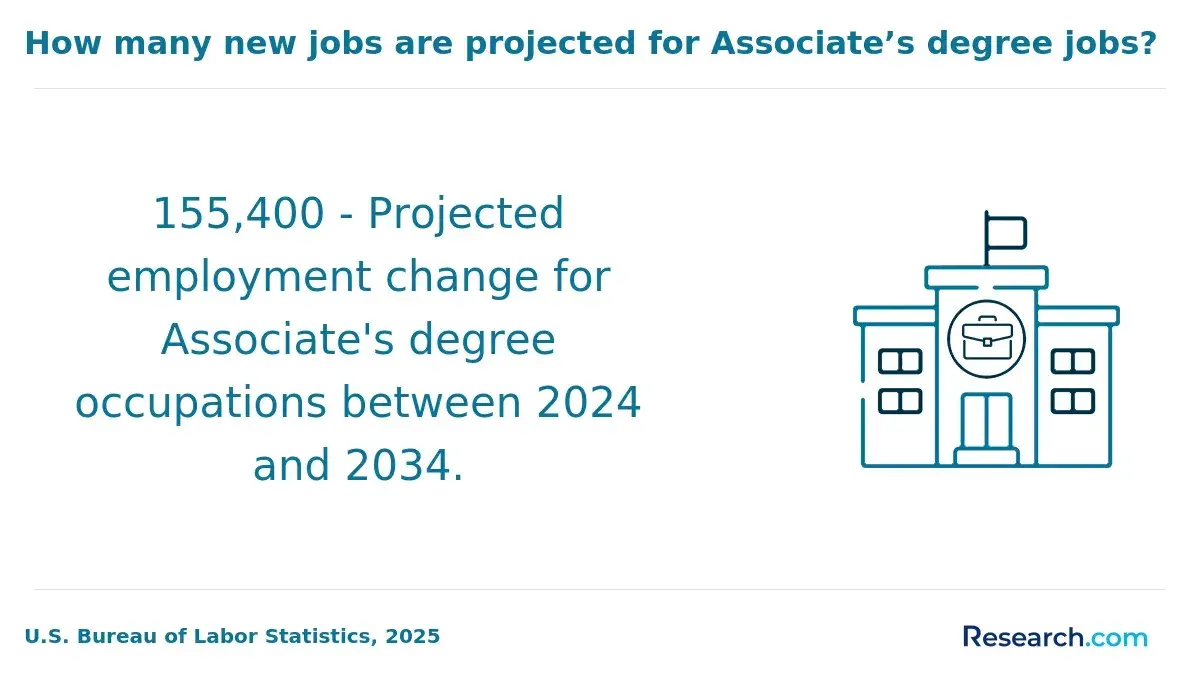
Unemployment Rates: College-educated workers face a national unemployment rate near 2.5%, yet many Native American Leadership degree holders experience significantly lower unemployment-around 1.3% in certain career paths. This difference suggests that graduates in Native American Leadership typically endure quicker job searches and enjoy more consistent income, reducing financial instability during transitions.
Underemployment Concerns: Beyond those officially unemployed, a notable share of Native American Leadership graduates work in roles that do not fully match their education or skills. Research from the Federal Reserve Bank of New York places underemployment in this field between 10% and 15%, indicating many face challenges securing positions aligned with their qualifications-a factor that can hinder long-term career advancement and wage growth.
Market Fluctuations: Native American Leadership occupations often reflect small, specialized labor markets prone to volatile unemployment figures. Minor changes in employment numbers might cause seemingly large percentage swings, so relying on multi-year trends is essential for accurately gauging structural unemployment risks rather than single-year data points.
Career Strategy: Graduates aiming for stability should target specializations and geographic areas with steady demand. Additional certifications or advanced degrees can further minimize unemployment and underemployment risks. The tangible benefit of lower unemployment rates is clearer income continuity and smoother career progression-vital considerations for anyone planning long-term in this field.
A professional who graduated with a Native American Leadership degree shared his experience navigating the job market: "Finding the right position took longer than I expected-there were moments of doubt and uncertainty. The challenge wasn't just unemployment but making sure the job fit what I'd trained for. I focused on networking within tribal organizations and earning a certification, which helped open doors. Over time, things stabilized, but the process required patience and strategic moves." This perspective highlights how employment dynamics extend beyond raw numbers to include fit and professional growth.
Native American Leadership career specializations with highest employer demand are clustered in areas where urgent social, legal, and economic challenges intersect with evolving regulatory frameworks and demographic shifts. Analysis of real-time job postings, LinkedIn Talent Insights, and SHRM Workforce Demand data highlights five key specializations where employer interest-measured by posting volume, time-to-fill, and salaries-is especially strong.
- Tribal Governance and Policy Development: Growing federal and sovereign law complexities drive demand for leaders skilled in tribal law and intergovernmental relations.
- Natural Resource Management: Environmental regulations and tribal stewardship initiatives require expertise in sustainable land, water, and energy resource management.
- Cultural Heritage and Preservation Leadership: Population growth and funding for cultural revitalization fuel need for leaders proficient in Indigenous traditions and community engagement to support identity and tourism-driven economic development.
- Health and Social Services Administration: Chronic shortages in healthcare management within Native communities underscore durable demand to improve service delivery and health outcomes.
- Economic Development and Entrepreneurship: Economic self-sufficiency efforts create openings for specialists combining Native business knowledge with modern economic approaches.
These specializations show more than temporary spikes-they reveal sustained employer need rooted in demographic and policy trends. Candidates should validate these signals by comparing job posting data with salary surveys, workforce reports, and conversations with sector hiring managers to align choices with geographic and career-stage realities. Prospective students should prioritize coursework in relevant policy, data analytics, or finance and seek internships in tribal governments or nonprofits. Earning certifications in project management or public administration enhances employment prospects. Those considering affordable online master's programs focused on Native American Leadership may find these insights crucial for selecting specializations with stable, long-term demand.
Industries providing the most stable employment for native American leadership graduates feature steady growth, minimal layoffs, and a strong need for specialized expertise, supported by BLS employment statistics, JOLTS data, and Lightcast projections. Among these sectors, healthcare and social assistance remain resilient due to their essential service designation and demographic demands-graduates contribute primarily through managing tribal health initiatives, patient advocacy, and regulatory adherence. Their skills in communication, organizational leadership, and Indigenous health policy are vital, typically reporting to healthcare executives or tribal authorities.
- Government and Public Administration: Stability stems from regulatory frameworks and consistent public financing. Graduates lead policy design, program execution, and act as liaisons between government layers. Proficiency in legislation, budgeting, and stakeholder coordination is crucial, with many serving tribal governments or federal agencies focused on Indigenous affairs.
- Education Services: Focused on Indigenous curriculum development and administration, this sector remains steady due to lasting educational demand. Native American leadership graduates oversee program management and student support, bringing cultural fluency and organizational skills to tribal colleges or specialized departments.
- Legal Services and Advocacy: Persistent need for expertise in tribal sovereignty and treaty law supports job security. Graduates work in roles such as compliance officers and tribal court administrators, emphasizing legal research, negotiation, and regulatory knowledge, often under legal directors or tribal councils.
- Environmental and Natural Resources Management: Driven by climate challenges and Indigenous land stewardship priorities, this expanding field offers roles in resource planning and community engagement. Project management and cross-cultural communication are key, with graduates applying Indigenous ecological knowledge to leadership positions.
Reliance on one sector can expose graduates to industry-specific risks including policy shifts or technological change, making diversified skills across sectors a critical safeguard. Employers with strong records of hiring native American leadership graduates over multiple years-such as tribal governments, the Bureau of Indian Affairs, and Indigenous-led nonprofits-demonstrate low layoff rates and prioritize cultural expertise alongside leadership acumen.
One professional who built her career after completing a native American leadership degree shared how entering government and tribal health roles challenged her to quickly grasp complex policy environments and navigate cultural expectations simultaneously. She recalled moments of uncertainty when balancing regulatory demands with community priorities but found that her academic preparation in Indigenous leadership ethics and communication proved indispensable. Reflecting on her journey, she noted, "Understanding the nuances of tribal governance while advocating for community health felt overwhelming at first, but it deepened my commitment to this path. It's rewarding to see the positive impact my role has on preserving cultural integrity and improving lives." This experience underscores the importance of versatile, culturally informed expertise in securing a lasting career in these sectors.
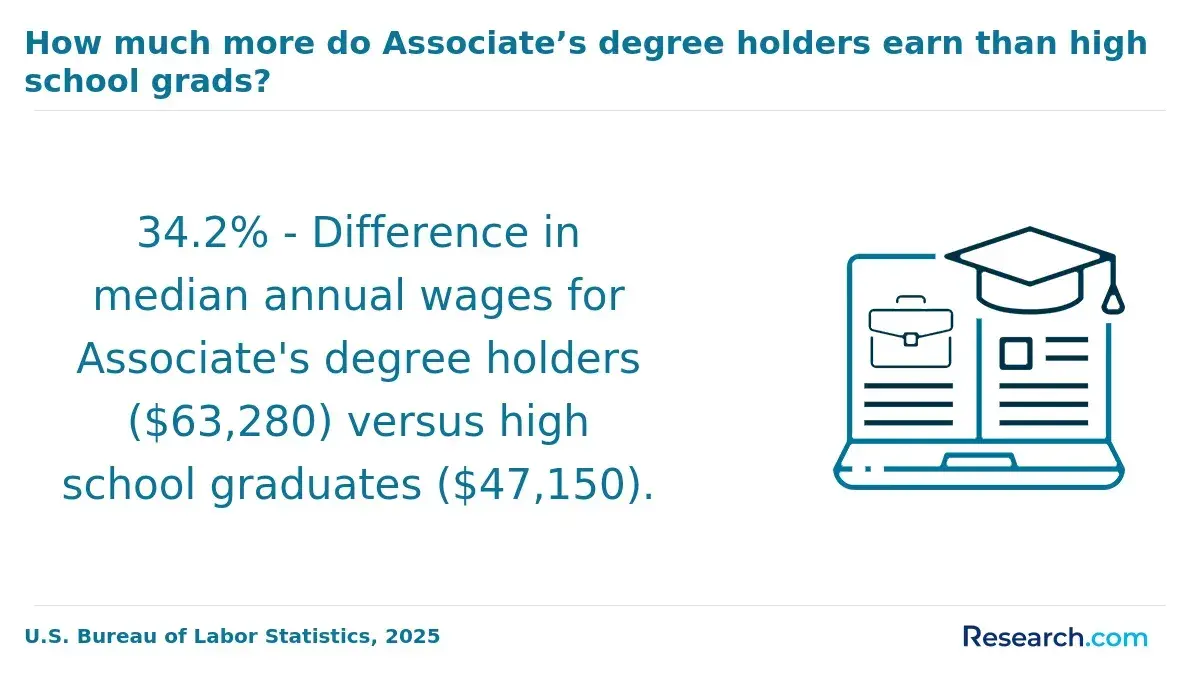
Data from the Bureau of Labor Statistics, the Office of Personnel Management, and the National Association of State Personnel Executives highlight distinct employment patterns for Native American Leadership degree holders in public versus private sectors. Government positions generally feature significantly lower unemployment rates-often 30 to 50 percent below private-sector averages-thanks largely to civil service protections that guard against sudden job loss caused by political shifts or economic downturns.
- Unemployment Rates: Individuals in federal, state, or local government jobs experience notably reduced unemployment, supported by structured job security mechanisms rarely found in private-sector roles.
- Layoff Frequency: Public-sector layoffs occur less frequently, especially in permanent federal roles, where workforce reductions due to budget cuts tend to be gradual rather than abrupt economic reactions.
- Career Tenure: Government employment is characterized by extended tenure, with many employees maintaining their positions for decades, bolstered by pension plans, union protections, and increased seniority benefits.
- Role Categories:
- Federal agencies provide the strongest protection frameworks with defined civil service rules and clear path for advancement.
- State and local governments offer stability that varies according to regional budgets and economic health.
- Public universities and research institutions often employ graduates under relatively secure contracts; tenure-track roles are particularly stable compared to contingent appointments.
- Quasi-governmental entities blend public mission goals with some employment protections but face more uncertainty related to funding continuity.
- Compensation Trade-Offs: While public-sector roles typically start with lower salaries than private equivalents, benefits like defined-benefit pensions, generous leave, and eligibility for public service loan forgiveness enhance overall long-term financial security.
- Financial Security and Risk Tolerance: Graduates prioritizing stable income and predictable employment often prefer government roles, whereas those willing to accept higher risk might pursue private-sector paths with greater potential for compensation growth but increased volatility.
This analysis equips Native American Leadership professionals to evaluate employment options based on personal risk tolerance and financial goals-recognizing that the security premium of public-sector jobs may justify lower initial pay for some, while others may opt for the higher-reward but less stable private sector.
Licensure and certification create essential professional entry barriers that protect Native American Leadership degree holders from unemployment by limiting labor supply. Certain roles-especially in social work, counseling, or legal advocacy within Native communities-mandate state licenses or certifications. These mandatory credentials restrict competition to fully credentialed candidates, reducing unemployment risk even during economic downturns by preventing substitution with unlicensed workers.
- Mandatory Licensure: Legal requirements for practice in specific Native American Leadership careers act as a gatekeeper, ensuring only credentialed professionals may hold these positions, which stabilizes demand and job security.
- Value of Non-Mandatory Certifications: Though not legally required, certifications such as tribal governance or Native American studies endorsements serve as de facto hiring filters. These credentials narrow the applicant pool and enhance employment prospects by signaling specialized expertise and commitment.
- Economic Mechanism: Licensure limits labor supply by law, preventing employers from replacing credentialed workers with unlicensed labor during recessions, which creates a demand floor and lowers unemployment risk for licensed practitioners.
- Credential Strategy: Prioritizing required licenses and highly regarded certifications helps Native American Leadership students and early-career professionals invest resources efficiently-distinguishing essential credentials for entry from those that provide marginal labor market value.
The Bureau of Labor Statistics projects a 13% growth in employment for community and social service specialists from 2022 to 2032, a rate much faster than average, emphasizing the importance of credentialing in securing stable Native American Leadership careers.
Geographic factors strongly influence unemployment risk for Native American leadership degree graduates, with metropolitan areas and states exhibiting varied employer concentrations shaping job stability. Regions like the Minneapolis-St. Paul metro area, Seattle, and Denver benefit from government employment centers and tribal administration hubs that anchor steady demand for these professionals. States such as Arizona, New Mexico, and Oklahoma-home to large Native American populations-offer greater opportunities linked to tribal governance and community development, decreasing unemployment risk in these locations.
Contrastingly, labor markets with fewer employers serving Native American leadership graduates often face heightened unemployment risks. These tend to be rural or less economically diverse regions where employer density is low, escalating competition and job search duration. This variation is evident when reviewing native American leadership degree employment rates by state, with more robust labor markets closely tied to specialized governmental, healthcare, and nonprofit institutions.
Remote work availability has reshaped geographic unemployment risk profiles substantially. Many Native American leadership roles in policy development, advocacy, and education can now be performed remotely-broadening the accessible labor market beyond local constraints and buffering graduates against regional downturns. Thus, those pursuing these degrees should consider whether their specialization supports remote work as a key factor in reducing geographic employment risk.
Labor market analysis using tools like BLS metropolitan area unemployment data, LinkedIn job posting filters, and regional wage benchmarks is critical. Graduates can assess whether staying local, relocating to higher-demand areas, or focusing on remote-eligible career paths offers the best strategy for reducing unemployment exposure and aligning with personal preferences in regional job market trends for native American leadership graduates.
Employment stability depends on the presence of:Government and tribal institutions requiring specialized leadershipHealthcare corridors employing Native American leadership in community health servicesNonprofit clusters focused on cultural preservation and advocacy
The remote-eligible share of Native American leadership roles has increased by 18% over five years-highlighting how geographic risk assessment must now include remote work potential.
Prospective students looking to enhance long-term career resilience may consider combining their degree with graduate credentials-such as those offered in a masters in organizational leadership-which can further reduce unemployment vulnerability and expand leadership opportunities across more stable markets.
Assessing which Native American leadership careers face the highest risk of automation requires a detailed examination of job tasks using frameworks from leading research institutions such as McKinsey Global Institute, Oxford Martin School, and MIT Work of the Future. Roles that rely heavily on routine data processing, pattern recognition, standardized decisions, or repetitive client interactions show greater vulnerability to artificial intelligence, machine learning, robotic process automation, and related technologies. This technological disruption impact on Native American leadership jobs has already begun reshaping many traditional functions.
- Administrative Coordination: Positions focused on scheduling, record-keeping, and routine communication are highly susceptible. Automated platforms proficiently manage calendars, process standardized forms, and filter communications, increasing displacement risk in these roles.
- Data Analysis and Reporting: Roles primarily involving data entry, standard report generation, or pattern matching without deep contextual understanding face growing replacement as advanced analytics and AI tools take over these tasks.
- Compliance and Regulatory Review: Tasks limited to document review and checklist verification are vulnerable. Automation effectively scans legal documents and regulatory materials to flag issues, reducing demand for human involvement in these standardized functions.
- Client Intake and Standardized Service Delivery: Positions handling initial data capture, routine eligibility assessments, or standardized client interactions are targets for chatbot technologies and automated processing systems.
Conversely, Native American leadership careers grounded in non-routine problem-solving, interpersonal judgment, ethical oversight, and culturally sensitive engagement remain less exposed to full automation. These roles require nuanced understanding of community values and historical context that technology cannot replicate effectively.
Students and professionals in at-risk roles should anticipate possible mid-career transitions as automation reshapes occupational demands. Developing advanced skills in technology management, ethical decision-making, and interpersonal leadership will position practitioners as supervisors and integrators of automated systems rather than those displaced by them. For those aiming to reduce long-term unemployment exposure, pursuing graduate education and professional certifications-such as quick masters degrees online-can provide substantial career protection and flexibility.
It is important to interpret automation risk scores as probabilistic estimates rather than certainties. The pace and extent of automation adoption depends on employer investment decisions, regional labor market conditions, legal constraints, and technological advances varying significantly across geographic markets and organizations.
Graduate degrees notably enhance employment stability for Native American Leadership degree holders-reducing unemployment rates by about 1.5 to 2 percentage points compared to those with only bachelor's degrees, according to data analyzed by Georgetown University and the Bureau of Labor Statistics. This credential boost also translates into a salary increase typically ranging from 15% to 35%, depending on the field of specialization.
Certain graduate programs are particularly effective in mitigating unemployment risk. Professional master's degrees that provide licensure-such as those in clinical counseling, law, or engineering-directly open access to regulated careers where demand outpaces supply. Research-oriented master's and doctoral degrees prepare graduates for advanced practitioner or researcher roles in niche markets with limited talent pools. MBA programs help overcome career advancement barriers in management and leadership positions, sectors where Native American Leadership bachelor's graduates could face stagnation.
- Degree Types: Licensure-granting professional master's, research-based advanced degrees, and MBAs offer targeted pathways to stronger labor market positioning.
- Investment Factors:
- Cost: Graduate programs vary widely, commonly between $20,000 and $60,000+
- Duration: Typically 1 to 3 years full-time, with part-time options extending timelines
- Opportunity Cost: Lost earnings and workforce absence during study must be considered
- Alternative Strategies: Certifications, employer selection, geographic moves, or specialization may offer comparable unemployment risk reduction with less investment.
Evaluating program-specific outcomes alongside local labor market conditions is essential. Those decisions should balance financial costs and career goals to identify the most effective path toward long-term employment resilience for Native American Leadership professionals.
Entry-level roles in Native American Leadership that reliably foster long-term employment security typically share several key characteristics-clear advancement opportunities, strong retention cultures, and recognized credentials. These positions serve as springboards to stable mid-career and senior roles by combining professional skill-building with extensive networking advantages.
- Tribal Government Administrator: This position functions as a foundational role within tribal governance, offering structured promotion paths and high retention. Early career spans of 2-4 years precede progression into managerial or director-level roles, with larger tribal regions presenting increased job opportunities and stability.
- Community Program Coordinator: Typically employed by nonprofits or tribal health and education entities, these coordinators benefit from transferable management skills and internal promotion. Advancement to specialist or leadership positions usually occurs within 3-5 years, supported by continuous funding and active nonprofit networks.
- Policy Analyst-Native Affairs: Analysts gain specialized expertise valued across government and advocacy organizations, often moving to senior advisory or administrative roles after 3-6 years. Credentials in public policy or law significantly enhance job resilience and career progression.
- Tribal Education Liaison: Acting as community-school intermediaries, these professionals nurture trusted networks and face steady demand. Career growth toward administrative or grant management roles typically materializes within 4-6 years, bolstered by low turnover and strong community ties.
- Economic Development Specialist: Specialists supporting tribal enterprise and resource projects build skills in finance, compliance, and project leadership. Early advancement to lead roles often occurs after 3-5 years, reflecting strategic investment in retention and upward mobility.
Choosing employers distinguished by positive workplace culture and demonstrated internal mobility substantially improves mid- and long-term job stability. When evaluating early career options, prioritizing professional certifications, growth-oriented geographic markets, and robust networking opportunities can provide crucial safeguards against automation, economic disruptions, and labor market fluctuations over decades.
What Graduates Say About the Native American Leadership Degree Careers With the Lowest Unemployment Risk
- Kayden: "What truly stood out to me in the Native American leadership degree was how specialized tracks-like tribal governance and cultural heritage management-offer career paths with remarkably low unemployment risk. Entering industries such as tribal administration and federal services gave me stability I hadn't found elsewhere. Earning certifications like the Certified Tribal Leader credential in my mid-career stage really elevated my prospects and confidence."
- Cannon: "Throughout my journey in Native American leadership, I found that geographic markets-particularly the Pacific Northwest and Southwest regions-provide unique opportunities tied to strong tribal economies and expanding infrastructure projects. Reflecting on it, the degree's emphasis on combining traditional leadership principles with modern policy applications prepared me well for senior roles focused on community development. Pursuing advanced credentialing at that point made all the difference in securing a leadership position with minimal risk."
- Nolan: "The breadth of career specializations in Native American leadership-from natural resource management to education advocacy-stood out as areas with consistently low unemployment rates, especially for entry-level professionals. I've learned that aligning industry choice with credential pathways, like associate degrees or certificates relevant to government or nonprofit agencies, offers a durable career foundation. My experience has been that strategic credentialing paired with practical fieldwork is key to maintaining long-term employability in this sector."
Other Things You Should Know About Native American Leadership Degrees
The 10-year employment outlook for careers in Native American leadership varies by specialization but generally shows moderate growth, especially in roles linked to tribal governance, community development, and cultural preservation. Jobs focusing on policy advocacy and education support tend to have more stability due to ongoing tribal and federal initiatives. However, positions heavily reliant on fluctuating funding sources may see more volatility.
Mid-career demand is highest for Native American leadership professionals who specialize in economic development, legal advocacy related to tribal rights, and health program administration. These areas combine practical leadership skills with sector-specific expertise, making such professionals valuable to tribal governments, nonprofit organizations, and federal agencies. Mid-career specialists who acquire advanced certifications often experience lower unemployment risk.
Most tribal public administration jobs do not require a state license, but some roles need a public administration degree plus tribal-government hiring approval and a background check. Positions in finance, procurement, or grant management may also require the Certified Public Manager credential or federal compliance training.
In 2027, Native American leadership graduates experience lower unemployment risks due to growing demand for diversity-focused leadership roles, increased federal and nonprofit support, and the expansion of programs aimed at Native American representation in various sectors.
- Native Americans and Jobs: The Challenge and the Promise | Economic Policy Institute https://www.epi.org/publication/bp370-native-americans-jobs/
- Despite a Strong Labor Market Recovery, American Indians and Alaska Natives Continue to Face Barriers to Full Economic Participation - Despite a Strong Labor Market Recovery, American Indians and Alaska Natives Continue to Face Barriers to Full Economic Participation - United States Joint Economic Committee https://www.jec.senate.gov/public/index.cfm/democrats/2022/11/despite-a-strong-labor-market-recovery-american-indians-and-alaska-natives-continue-to-face-barriers-to-full-economic-participation
- Native Americans in the US face disparities in employment, but employers can help https://www.hr-brew.com/stories/2025/10/10/native-americans-in-the-us-face-disparities-in-employment-but-employers-can-help
- Career Readiness and Employment | American Indian College Fund https://collegefund.org/cre/
- Native American employment and unemployment (historical trends) | Economics | Research Starters | EBSCO Research https://www.ebsco.com/research-starters/economics/native-american-employment-and-unemployment-historical-trends
- Native American Program Finder | CareerOneStop https://www.careeronestop.org/LocalHelp/EmploymentAndTraining/find-native-american-programs.aspx
- Deep Dive: Education-to-career pathways making a difference for Native Americans https://workingnation.com/deep-dive-native-americans/
- Unemployment | National Equity Atlas https://www.nationalequityatlas.org/indicators/unemployment
- Who faces greater exposure to automation? A look at race and ethnicity. https://www.commerce.nc.gov/news/the-lead-feed/who-faces-greater-exposure-automation-race-and-ethnicity
- AstroHire | ICTalent https://astrohire.com/ictalent