2027 Most Affordable Online Bachelor's Degrees for Administrative Professionals

Co-Founder and Chief Data Scientist
Choosing an affordable online bachelor's degree is a high-stakes decision if you work in administration and need career mobility without pausing your income. The payoff can be meaningful: BLS data published in 2025 shows workers with a bachelor's degree had median weekly earnings of $1,543 in 2024, compared with $930 for workers with only a high school diploma.
This guide is for office coordinators, executive assistants, military learners, healthcare administrators, and career changers who want to compare practical degree options, real costs, accreditation, timelines, and job outcomes before enrolling.
Key Things You Should Know
- Affordable online bachelor's programs are usually most cost-effective when they accept transfer credits, charge flat or low per-credit tuition, and keep total fees transparent; public four-year in-state tuition averaged $11,610 for 2024-25 according to College Board.
- Administrative professionals often get the strongest career alignment from business, healthcare administration, information technology, cybersecurity, education, criminal justice, or psychology programs, depending on the industry they already work in or want to enter.
- Accreditation, transfer policy, course format, employer recognition, and total program cost matter more than advertised tuition alone, because these factors affect financial aid eligibility, graduation timeline, and career usefulness.
Top 10 2026 Most Affordable Online Bachelor's Degrees for Administrative Professionals
Business Degrees
A business administration degree is often the broadest fit for administrative professionals because it connects office operations with budgeting, supervision, project coordination, human resources, and organizational strategy. It works well for executive assistants, office managers, operations coordinators, and administrative leads who want promotion flexibility across industries.
Choose programs with courses in accounting, management, business analytics, employment law, and communication. If you already have office experience, prioritize schools that award transfer credit for prior college coursework, military training, or professional learning.
Healthcare Degrees
Healthcare administration or health services management degrees fit administrative professionals who work in clinics, hospitals, insurance offices, long-term care, or medical billing environments. These programs focus on healthcare operations, compliance, reimbursement, patient records, quality improvement, and privacy rules.
They are not the same as clinical nursing or allied health degrees. This path makes sense if you want to manage front-office teams, coordinate patient services, support revenue cycle operations, or move toward healthcare leadership without becoming a licensed clinician.
Information Technology Degrees
An information technology degree can help administrative professionals move from general office support into systems coordination, help desk management, business technology support, or IT project administration. Courses typically cover databases, networking, cloud tools, systems analysis, and user support.
This option is strongest for people who enjoy solving workflow problems with software and data. Look for programs that include applied projects and industry certification preparation, because employers may value practical tools alongside the bachelor's credential.
Computer Science Degrees
Computer science is more technical than information technology and usually emphasizes programming, algorithms, software development, data structures, and systems design. It can be valuable for administrative professionals who want to pivot into software support, automation, data operations, or product coordination.
It may not be the easiest low-cost option if you dislike math or coding. Before choosing it, review prerequisites carefully and ask whether the program supports beginners or expects prior programming experience.
Cybersecurity Degrees
Cybersecurity degrees suit administrative professionals who handle sensitive records, compliance tasks, access permissions, or risk documentation and want to move into security operations or governance roles. Programs may cover network security, incident response, risk management, digital forensics, and security policy.
This path is especially relevant in healthcare, finance, government, and education offices. Choose a program that includes hands-on labs and maps to certifications such as Security+ or other employer-recognized credentials.
Psychology Degrees
A psychology degree can support administrative careers in human services, employee relations, case coordination, admissions, student support, nonprofit administration, and customer experience. It builds understanding of behavior, communication, research methods, and conflict resolution.
It is not usually enough by itself for licensed counseling or clinical psychology roles, which require graduate education and state approval. This degree is most useful when paired with administrative experience, HR coursework, data skills, or a clear plan for graduate study.
Nursing Degrees
Nursing bachelor's degrees are different from general administrative degrees because they usually lead to or build on registered nurse licensure. For current healthcare administrative workers, a BSN can make sense only if you want direct clinical practice or already hold an RN credential and need advancement.
Check state board requirements, clinical placement rules, and whether the online format is RN-to-BSN or prelicensure. Administrative learners who do not want clinical work may be better served by healthcare administration.
Education Degrees
Education degrees can fit administrative professionals working in schools, colleges, training departments, childcare organizations, or student services. Programs may focus on teaching, instructional design, educational leadership support, or workforce training.
If you want classroom teacher licensure, confirm that the online program is approved for your state and includes required field experience. If your goal is office administration in an educational setting, a non-licensure education studies or organizational training degree may be more flexible.
Criminal Justice Degrees
Criminal justice degrees are useful for administrative professionals in courts, corrections, law enforcement agencies, compliance offices, victim services, or security departments. Coursework often covers legal systems, ethics, public administration, investigations, and policy.
This degree can support roles in records management, case coordination, program administration, or agency operations. It is less ideal if your target job requires a different credential, such as paralegal training, social work licensure, or sworn law enforcement academy completion.
Engineering Degrees
Engineering degrees are the most technical option and are usually best for administrative professionals already working in manufacturing, construction, logistics, utilities, or technical project environments.
Some learners choose engineering technology, industrial technology, or technical management rather than traditional engineering because these programs are more applied and may be more online-friendly. If professional engineer licensure matters to your goal, verify ABET accreditation, lab requirements, and state rules before enrolling.
What is an online bachelor's degree for administrative professionals and who is it best for?
An online bachelor's degree for administrative professionals is a four-year undergraduate program delivered mostly or fully online that helps office, operations, records, scheduling, customer service, and coordination workers move into higher-responsibility roles.
The degree may be in business administration, healthcare administration, information technology, public administration, criminal justice, education, or another field tied to the learner's workplace.
This option is best for adults who already understand office workflows and want a credential that helps them qualify for supervisory, analyst, coordinator, or manager-track positions. It is also a practical path for learners who need evening, asynchronous, or part-time study because of work, caregiving, or military responsibilities.
It may not be the right investment if your target role requires a license, a short technical certification, or a graduate degree instead of a bachelor's. For example, a medical coding certificate, project management credential, or state-approved teacher preparation program may be more direct for some goals.
How much do affordable online administrative bachelor's programs really cost from start to finish?
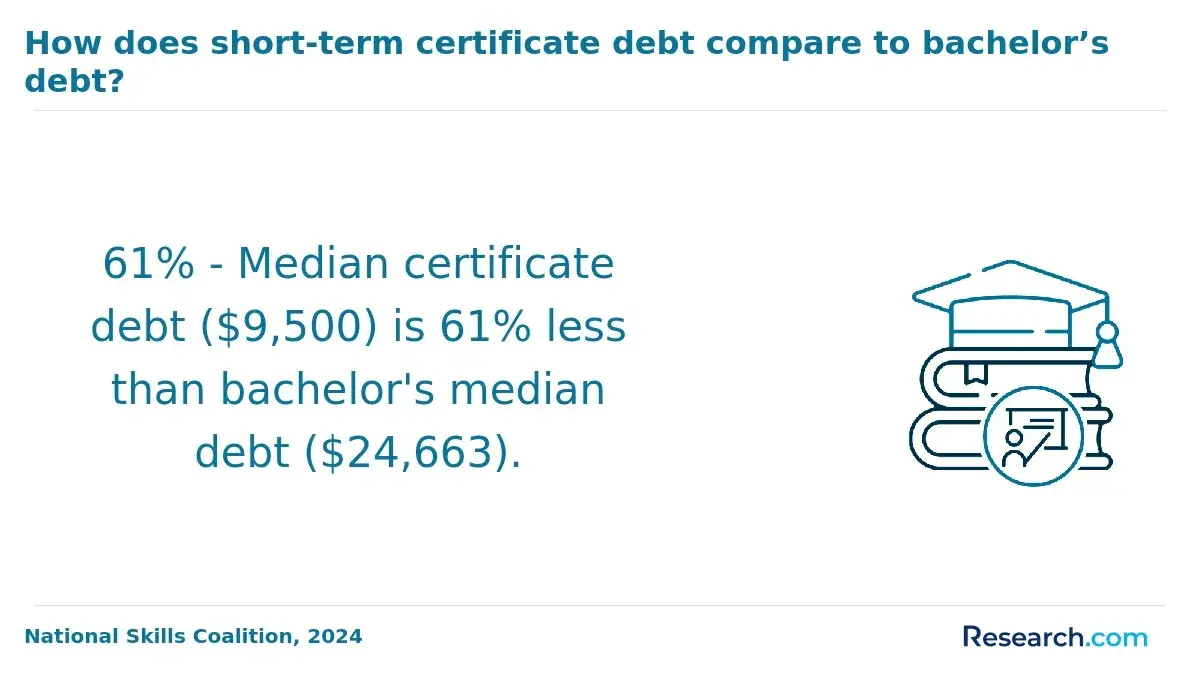
The full cost of an affordable online administrative bachelor's program depends on tuition, transfer credits, fees, books, technology requirements, and how long you remain enrolled. The most affordable path is often not the school with the lowest advertised per-credit price, but the one that lets you apply the most previous credit toward graduation.
College Board reported that average published tuition and fees for public four-year in-state students were $11,610 for 2024-25. That figure is a useful benchmark, but online learners should compare total degree cost because institutional fees and transfer policies can change the final price significantly.
The table below summarizes common cost drivers so you can estimate the real price before applying:
| Cost factor | Why it matters | What to ask before enrolling |
| Tuition model | Per-credit, flat-rate, and subscription models can produce very different totals. | What is the total tuition for the credits I still need? |
| Transfer credits | Accepted credits reduce both cost and time. | How many of my credits will apply to major, general education, and elective requirements? |
| Online fees | Technology, proctoring, graduation, and course fees can add up. | Are all required fees included in the published price? |
| Books and materials | Some programs use low-cost open educational resources while others require commercial access codes. | What are typical annual material costs for this major? |
| Pace of study | Part-time study may be easier to manage but can extend fee exposure. | Will my tuition rate or catalog requirements change if I enroll part time? |
To keep costs down, compare school net price calculators, ask for an official transfer evaluation, and confirm whether employer tuition assistance can be used. You can also compare broader lists of cheap online degrees to see how administrative-focused options fit within the wider low-cost bachelor's market.
How can you compare online and campus administrative bachelor's programs for flexibility and quality?
Online and campus programs can both be high quality, but they serve different scheduling and learning needs. For administrative professionals, the better format is usually the one you can complete consistently while maintaining work performance and personal obligations.
The comparison below shows the main trade-offs to evaluate before choosing a delivery format:
| Factor | Online bachelor's program | Campus bachelor's program |
| Schedule | Often asynchronous or evening-based, which helps working adults. | Usually follows fixed class times and campus calendars. |
| Networking | May rely on discussion boards, virtual advising, and online career events. | Offers face-to-face access to classmates, faculty, and campus employers. |
| Support services | Quality varies; strong programs offer remote tutoring, library access, advising, and career coaching. | Services may be easier to access in person but less convenient for full-time workers. |
| Learning style | Best for self-directed learners who can manage deadlines independently. | Best for learners who prefer in-person structure and immediate classroom interaction. |
| Employer perception | Generally strongest when the institution is properly accredited and the transcript does not signal a lower-standard program. | Often familiar to local employers, especially regional public universities. |
Flexibility should not mean isolation. Before enrolling, ask whether the program includes live faculty access, writing support, career services, and technical help outside standard business hours.
If your long-term goal is remote or hybrid administrative work, compare degrees that build digital collaboration, analytics, project management, and communication skills; programs aligned with work from home degrees can be especially relevant for that career direction.
What accreditation and institutional approvals should administrative bachelor's programs have?
Accreditation is one of the most important quality checks for any online bachelor's program. At minimum, the college or university should hold institutional accreditation from an accreditor recognized by the U.S. Department of Education or the Council for Higher Education Accreditation.
Institutional accreditation matters because it can affect federal financial aid eligibility, transfer credit acceptance, graduate school admission, and employer confidence. Programmatic accreditation may also matter in fields such as business, nursing, education, engineering, and cybersecurity, depending on the goal.
Use this checklist before you apply to any administrative bachelor's program:
- Confirm institutional accreditation directly through the accreditor or federal database, not only on the school's marketing page.
- Ask whether programmatic accreditation is expected or required for your intended career path, especially in teaching, nursing, engineering, or licensure-adjacent fields.
- Check state authorization if you live outside the school's home state, because online enrollment rules can vary.
- Verify that internships, practicums, clinicals, or field placements can be completed where you live if the major requires them.
- Review whether credits are likely to transfer to public universities or graduate programs if you later change plans.
For active-duty service members, veterans, and military families, accreditation should be considered alongside tuition assistance policies, deployment flexibility, and credit for military training. Comparing online military friendly colleges can help identify schools that are built to support mobile and nontraditional learners.
What courses and skills are typically included in an administrative bachelor's degree curriculum?
Administrative bachelor's programs usually combine general education, major coursework, electives, and a capstone or applied project. The best curriculum for you depends on the type of office, department, or industry you want to lead or support.
Most programs build a mix of technical, managerial, and communication skills. Look for courses that connect directly to the work you want to do after graduation:
- Business communication, professional writing, and presentations for executive support and cross-department coordination.
- Accounting, budgeting, and finance basics for office managers and operations coordinators.
- Human resources, employment law, and organizational behavior for supervisory or people-support roles.
- Project management, process improvement, and operations management for administrative leads who manage timelines and workflows.
- Data analysis, spreadsheets, databases, and reporting tools for roles that require dashboards, records, or performance tracking.
- Ethics, compliance, privacy, and risk management for healthcare, government, education, and finance settings.
AI and automation are also changing administrative work. A strong program should help you use digital tools responsibly, interpret data, protect confidential information, and redesign workflows instead of only performing routine clerical tasks.
What are the typical admission requirements for online administrative bachelor's programs?
Admission requirements vary by school, but online bachelor's programs for administrative professionals are often designed for transfer students and working adults. Many accept first-year applicants, associate degree holders, and students returning after a break.
Common admission requirements include the following documents and readiness indicators:
- High school diploma, GED, or equivalent completion record.
- Official transcripts from all previously attended colleges.
- Minimum GPA requirement, often with conditional admission options for applicants below the standard threshold.
- Application form and fee, though some online programs waive the fee.
- Placement information or proof of completed college-level English and math.
- Program-specific prerequisites for technical, nursing, education, or engineering-related majors.
The most common mistake is applying before requesting a transfer evaluation. If you have previous credits, ask the school to show exactly how each course applies to the degree plan, not just how many credits it accepts in total.
How long does it take to finish an online administrative bachelor's degree, full-time or part-time?
A traditional bachelor's degree usually requires about 120 semester credits. A first-time full-time student may finish in about four years, while a transfer student with an associate degree may finish in about two years if most credits apply to the major and general education requirements.
Part-time learners often need longer, but the slower pace can reduce burnout for people balancing full-time work, family responsibilities, or unpredictable schedules. Accelerated terms can shorten the calendar, but they can also increase weekly workload.
Use this planning sequence before choosing a pace:
- Get an official degree audit showing remaining credits.
- Estimate weekly study time for each course, not just the number of credits.
- Decide whether you can manage summer, accelerated, or overlapping terms without risking grades or employment.
- Ask how often required major courses are offered, because limited course rotation can delay graduation.
- Confirm whether stopping out for a term affects tuition, financial aid, or catalog requirements.
If graduate study may be part of your long-term plan, choose a bachelor's program with strong academic advising and recognized accreditation. Learners who eventually compare online doctoral programs will benefit from a clear undergraduate record, relevant prerequisites, and documented leadership experience.
What jobs can you get with an administrative bachelor's degree and what do they pay?
An administrative bachelor's degree can support several career paths, but job title and pay depend heavily on industry, location, experience, technical skills, and whether the role includes supervision or compliance responsibility.
The degree is often most valuable when paired with documented workplace achievements such as managing schedules, improving processes, coordinating budgets, training staff, or leading system implementations.
BLS occupational wage data published in 2025 reported a May 2024 median annual wage of $106,470 for administrative services and facilities managers. That does not mean every graduate will earn that amount; it reflects a management occupation that often requires experience in addition to education.
The table below connects common administrative career targets with the type of bachelor's degree that may fit best:
| Career direction | Relevant degree options | Typical responsibilities |
| Office manager or administrative services manager | Business administration, organizational leadership, public administration | Coordinate office operations, supervise staff, manage vendors, improve procedures. |
| Healthcare office or clinic administrator | Healthcare administration, health services management, business with healthcare concentration | Support patient flow, compliance, billing coordination, staffing, and records processes. |
| Human resources coordinator or specialist | Business administration, human resources, psychology | Assist with hiring, onboarding, employee records, benefits, and workplace policies. |
| Project coordinator | Business, information technology, operations management | Track deliverables, communicate with stakeholders, maintain schedules, and document risks. |
| Records, compliance, or program coordinator | Criminal justice, healthcare administration, public administration, cybersecurity | Maintain regulated records, prepare reports, support audits, and monitor procedures. |
Administrative roles are also becoming more technology-centered. Employers increasingly expect spreadsheet fluency, collaboration software skills, data literacy, privacy awareness, and comfort using AI-enabled tools while protecting confidential information.
How can you evaluate and choose the best affordable online administrative bachelor's program for your goals?
The best affordable online administrative bachelor's program is the one that fits your career target, accepts meaningful transfer credit, holds appropriate accreditation, and provides enough support for you to finish. A low tuition rate is helpful, but it should not outweigh completion probability or career relevance.
Start by comparing programs through a decision process rather than relying only on rankings or advertisements:
- Choose a career direction first, such as healthcare operations, HR, office management, IT coordination, or public-sector administration.
- Match the major to that direction and avoid broad degrees if a specialized program better fits the role.
- Request a written transfer evaluation and total cost estimate before committing.
- Verify accreditation, state authorization, and any licensure-related requirements.
- Review course delivery, required login times, exam proctoring, and student support hours.
- Ask for career outcome information specific to the program, not only institution-wide marketing claims.
- Compare at least three schools using the same criteria so one attractive feature does not dominate the decision.
The table below highlights common red flags and better alternatives:
| Red flag | Why it can hurt you | Better approach |
| Choosing based only on low tuition | Fees, poor transfer acceptance, or limited course availability can raise the total cost. | Compare full degree cost after transfer credits. |
| Ignoring accreditation | It may affect financial aid, credit transfer, graduate admission, or employer acceptance. | Verify institutional accreditation before applying. |
| Picking a major without a career target | The degree may not build the skills employers expect for your desired role. | Work backward from job postings and required skills. |
| Assuming online means self-paced | Many online courses still have weekly deadlines, group projects, or scheduled exams. | Ask for a sample course schedule and workload estimate. |
| Overlooking student support | Working adults often need evening advising, tutoring, and technical help. | Confirm support availability before enrollment. |
A strong final choice should feel affordable, realistic, and aligned with a specific next step in your career. If a school cannot clearly explain costs, credit transfer, accreditation, and support services, keep comparing.
Other Things You Should Know About
The most affordable option is usually a regionally accredited public university program that accepts most of your prior credits. Business administration, healthcare administration, and organizational leadership are common low-cost fits because they are widely available online.
Yes, it can be respected when the school is properly accredited and the curriculum matches the role. Employers generally care more about accreditation, relevant skills, experience, and performance than whether courses were completed online.
Choose a certificate if you need a specific short-term skill, such as medical coding, bookkeeping, or project management software. Choose a bachelor's degree if you want broader promotion potential, management preparation, or eligibility for roles that list a degree requirement.
Often, yes. Many online bachelor's programs accept associate degree transfer credits, but completion speed depends on whether those credits satisfy major and general education requirements. Always request an official transfer evaluation before enrolling.
References
- 2025 Most Affordable Online Public Administration Degrees https://www.onlineu.com/most-affordable-colleges/public-administration-degrees
- Bachelor’s in Business Job Satisfaction | University of Bridgeport https://www.bridgeport.edu/news/bachelors-in-business-administration-job-satisfaction/
- What To Do With a Business Admin Degree? | University of Phoenix https://www.phoenix.edu/articles/business/what-can-you-do-with-a-business-administration-degree.html
- 20 Best Online Bachelor's in Business Administration Degree Programs 2019 https://www.onlinedegrees.com/bachelors-in-business-administration/
- Financial Aid For Online College Students | LearnHowToBecome.org https://www.learnhowtobecome.org/career-resource-center/financial-aid-for-online-colleges/
- Financial Aid and Scholarships https://www.ubalt.edu/schools-and-colleges/college-of-public-affairs/cpa-student-resources/financial-aid-and-scholarships.cfm
- Financial Aid Guide for Students at Online Colleges - OnlineColleges.net https://www.onlinecolleges.net/for-students/financial-aid-online-students/
- Tuition-Free Distance Learning Program in Business Administration - UNYBT https://unybt.com/tuition-free-program-business-administration/
- How Long Does It Take to Get a Business Administration Degree? - Team Academy https://teamacademy.nl/how-long-does-it-take-to-get-a-business-administration-degree/