2027 Most Affordable Bachelor's Degrees for Communications Careers

Co-Founder and Chief Data Scientist
Choosing an affordable bachelor's degree for a communications career means balancing tuition, transferable credits, employer-recognized skills, and job outcomes. The U.S. Bureau of Labor Statistics reported a May 2024 median annual wage of $70,300 for media and communication occupations, which makes program cost especially important when estimating return on investment.
This guide is for students comparing communications, business, media, digital, and industry-specific degree paths. You will learn which options are typically practical, how online programs compare, what employers look for, and how to avoid paying more than necessary for the same career preparation.
Key Things You Should Know
- The most affordable path is usually an accredited public, in-state, online, or transfer-friendly bachelor's program; College Board's 2024 pricing data lists average published tuition and fees at $11,610 for in-state public four-year students versus $43,350 at private nonprofit four-year institutions.
- Communications careers are broad: public relations, digital marketing, technical writing, content strategy, internal communications, social media, fundraising, sales enablement, and corporate training may value different majors and portfolios.
- Salary varies by role more than by degree title; BLS May 2024 data reports a median pay of $91,670 for technical writers, while public relations specialists are lower, so students should compare curriculum to target jobs before enrolling.
Top 10 Most Affordable Bachelor's Degrees for Communications Careers
Business Degrees
A business bachelor's degree can be one of the most flexible routes into communications careers, especially marketing communications, brand strategy, sales communication, corporate training, and investor or stakeholder relations. It fits students who want communication skills plus accounting, management, analytics, and consumer behavior.
For affordability, prioritize schools that accept community college transfer credits and offer concentrations in marketing, digital business, or organizational communication. Avoid a general business program if it has few writing, presentation, campaign, or media analytics assignments because employers often want proof of communication work, not only business coursework.
Healthcare Degrees
Healthcare-related bachelor's degrees can lead to communications roles in hospitals, public health agencies, insurers, medical technology companies, and nonprofits. Students may pursue health communication, public health, healthcare administration, or health sciences with communication electives. This path makes sense for people who want to explain complex health information clearly, support patient education, or manage outreach campaigns.
Because healthcare content is sensitive, choose programs that teach ethics, privacy awareness, plain-language writing, and audience research. A cheaper generic communications degree may be less useful if your goal is healthcare-specific messaging.
Information Technology Degrees
An information technology bachelor's degree can support careers in technical communication, product marketing, user education, documentation, customer success, and technology training. It is a strong fit for students who enjoy explaining systems to nontechnical users. The trade-off is that IT programs may include networking, databases, and systems courses that are more technical than traditional communications majors expect.
To keep the degree career-focused, look for electives in user experience, project management, business writing, and data visualization. A portfolio of tutorials, help articles, or product explainers can matter as much as the major name.
Computer Science Degrees
A computer science bachelor's degree is not the cheapest or easiest communications route, but it can pay off for students targeting developer relations, technical writing, product communication, AI content operations, or software documentation. It fits people who want credibility with engineering teams and can handle programming-heavy coursework.
If your goal is general public relations or social media, a CS degree may be more than you need. For affordability, consider a minor or certificate in computer science paired with communications if a full CS degree would extend your timeline or increase debt.
Cybersecurity Degrees
Cybersecurity bachelor's degrees can lead to niche communications careers in security awareness training, incident communication, risk communication, compliance education, and cybersecurity marketing. This path is best for students who want to translate high-stakes technical risks into clear guidance for employees, customers, or executives. Programs can be expensive if they require specialized labs, so compare total fees, not only tuition.
A cybersecurity degree may be unnecessary for general communications work, but it can be valuable when paired with writing samples that show you can explain threats without jargon.
Psychology Degrees
A psychology bachelor's degree can be useful for communications careers involving audience behavior, persuasion, user research, employee engagement, training, fundraising, and market research. It works well for students interested in why people respond to messages, not only how messages are produced.
Affordable psychology programs are common at public universities, but students should add statistics, research methods, writing, and digital analytics courses. Psychology alone may not prepare you for media production or public relations tools, so internships and communication-focused projects are important for employability.
Nursing Degrees
A nursing bachelor's degree is usually designed for clinical licensure, not communications careers, so it is rarely the most affordable choice unless you also want to become a registered nurse. However, BSN-prepared professionals sometimes move into patient education, healthcare content review, clinical training, advocacy, or medical communications. Because nursing programs include labs, clinical placements, and licensure requirements, costs and scheduling can be demanding.
Students who want healthcare communications without clinical practice may save time and money with public health, health communication, or healthcare administration instead.
Education Degrees
An education bachelor's degree can support communications work in instructional design, training, curriculum writing, nonprofit outreach, edtech marketing, and community engagement. It is a good fit for students who like teaching, simplifying information, and designing learning materials.
If you want a licensed K-12 teaching role, state approval and clinical practice requirements matter. If you want corporate training or education communications, licensure may be unnecessary. Compare programs by fieldwork expectations, technology courses, and writing opportunities because the most affordable option is the one that matches your intended setting.
Criminal Justice Degrees
A criminal justice bachelor's degree can lead to communications roles in public safety agencies, courts, advocacy groups, emergency management, victim services, and policy organizations. It fits students who want to write public information materials, manage community outreach, or support crisis communication. The degree is most useful when paired with coursework in ethics, public administration, data literacy, and media relations.
Students should be careful not to choose this major solely for communications work unless they are genuinely interested in justice systems, because a broader communications or public administration degree may be more transferable.
Engineering Degrees
An engineering bachelor's degree can open communications careers in technical writing, proposal development, product marketing, standards documentation, training, and engineering project coordination. It is usually a rigorous and higher-effort route, so it makes sense mainly for students who want technical depth and can handle advanced math and science.
For a lower-cost alternative, students may major in communications and add engineering, manufacturing, or technology electives. Employers in technical fields often value writing samples that show accuracy, clarity, and the ability to collaborate with subject matter experts.
Which communications degrees lead to the best entry-level jobs?
The best entry-level communications degree depends on the role you want first, not just the cheapest tuition. A traditional communications degree is broad, while specialized degrees can be stronger when you already know the industry you want to enter.
The table below compares common bachelor's options by career fit and affordability strategy. Use it to identify programs that prepare you for a first job without forcing you to pay for coursework that does not support your goal.
| Degree path | Best entry-level fit | Affordability strategy | When to avoid it |
| Communications or media studies | Public relations assistant, social media coordinator, content assistant, internal communications associate | Choose a public or online program with internship credit and portfolio-based courses | Avoid if the curriculum is mostly theory and lacks writing, analytics, or campaign work |
| Marketing or business communication | Marketing coordinator, brand assistant, sales enablement associate, digital campaign assistant | Look for transfer pathways from community colleges and low-cost online completion programs | Avoid if you dislike analytics, consumer research, or business coursework |
| Technical communication or IT-related degree | Technical writer, documentation specialist, product support content associate | Compare lab fees and choose programs with writing-heavy technical electives | Avoid if you want mainly entertainment media, journalism, or public relations |
| Public health or healthcare communication | Health outreach coordinator, patient education assistant, nonprofit communications associate | Use public university programs and seek applied projects with community partners | Avoid if you are not interested in healthcare topics or compliance-sensitive messaging |
A practical short list should include at least one low-cost public option, one transfer-friendly online option, and one program with unusually strong internships or employer partnerships. The lowest sticker price is not always the best value if it delays graduation, rejects credits, or does not help you build a portfolio.
How much do communications majors earn?
Communications majors earn different amounts depending on specialization, location, industry, portfolio strength, and whether the role requires technical, analytical, or regulated-industry knowledge. BLS May 2024 data places the median annual wage for media and communication occupations at $70,300, but entry-level offers can be below the median because that figure includes experienced workers.
The table below summarizes several communications-related roles using BLS May 2024 median wage data. Treat these figures as labor-market benchmarks, not promises of what a new graduate will earn.
| Role | Typical bachelor's preparation | May 2024 median annual wage | What affects early-career pay |
| Public relations specialist | Communications, public relations, journalism, marketing | $69,780 | Internships, writing samples, industry, metro area, media relations experience |
| Technical writer | Technical communication, English, communications plus technology coursework | $91,670 | Technical knowledge, documentation tools, software, or engineering experience |
| Market research analyst | Marketing, business, communications with statistics or analytics | $76,950 | Data skills, survey methods, visualization tools, internship experience |
| Editor | English, journalism, communications, digital media | $75,260 | Subject expertise, editing portfolio, publishing platform experience |
If pay is your top criterion, compare communications programs with adjacent majors that build stronger quantitative or technical skills. Learning the answers to "What degree makes the most money?" can help you decide whether to major in communications, choose a higher-paying adjacent field, or add a minor that improves your earnings potential.
What jobs can you get with a communications degree?
A communications bachelor's degree can lead to roles that involve writing, speaking, researching audiences, managing information, supporting campaigns, or translating complex ideas for specific groups. The strongest candidates usually graduate with a portfolio that shows real work: press releases, campaign plans, analytics reports, website copy, presentations, newsletters, scripts, or technical documentation.
The jobs below are common starting points, but titles vary widely by employer. Use them to map your degree electives, internships, and portfolio projects to the work you actually want to do.
- Public relations assistant or specialist: writes media materials, supports announcements, tracks coverage, and helps organizations communicate with external audiences.
- Social media coordinator: plans posts, monitors engagement, adapts content for platforms, and reports basic performance metrics.
- Marketing communications coordinator: supports email, web, event, advertising, and campaign messaging across customer-facing channels.
- Internal communications associate: creates employee updates, leadership messages, intranet content, and change-management materials.
- Technical writer or documentation assistant: turns product, software, policy, or process information into clear instructions for users.
- Content strategist or content assistant: helps plan, write, organize, and measure content for websites, campaigns, or digital products.
AI tools are changing this field by speeding up drafting, summarizing, transcription, and content variation. That makes judgment, source checking, interviewing, brand voice, audience insight, and analytics more valuable because employers still need people who can decide what a message should say and whether it is accurate.
Are online communications degrees respected by employers?
Online communications degrees can be respected by employers when they come from properly accredited institutions and include the same academic expectations as campus programs. Many employers focus less on delivery format and more on whether the candidate can write clearly, present ideas, use communication tools, work with teams, and show evidence of completed projects.
Online programs can be especially cost-effective for working adults because they reduce commuting and relocation costs. However, students should compare support services carefully because a cheaper online program may be a poor value if it lacks advising, career services, instructor feedback, or internship coordination.
Before enrolling online, use this checklist to protect your time and money:
- Confirm institutional accreditation through the school's official accreditation page and the recognized accreditor's directory.
- Ask whether online students can complete internships, capstones, media labs, or client projects remotely.
- Compare total cost, including technology fees, textbooks, portfolio software, graduation fees, and any required campus visits.
- Check whether the program accepts prior college credits, military credit, workplace learning, or standardized exam credit.
- Review sample courses for writing, digital media, analytics, public speaking, research methods, and campaign planning.
Students who need a faster path should compare communications programs with broader accelerated online degrees, but speed should not come at the expense of accreditation, feedback, or portfolio quality.
What accreditation should a communications degree have?
A communications bachelor's degree should come from an institution accredited by a recognized institutional accreditor. Institutional accreditation is the baseline because it affects transfer credit, graduate school eligibility, employer confidence, and access to federal financial aid for eligible students.
Programmatic accreditation is less common and usually less essential for communications than it is for fields such as nursing, education licensure, or engineering. Still, specialized recognition, professional alignment, or a strong school of journalism and mass communication can be useful if it reflects rigorous curriculum, experienced faculty, and strong student media or internship opportunities.
Common accreditation and quality red flags include:
- The school advertises unusually fast completion but gives vague answers about credit requirements.
- The institution is not listed by a recognized accreditor or uses accreditation language that is difficult to verify.
- The program has no portfolio assignments, internship options, capstone projects, or writing-intensive coursework.
- Admissions staff cannot explain transfer policies, total cost, student outcomes, or online student support.
Accreditation does not guarantee a job or a specific salary, but it helps confirm that the credential is legitimate. For communications careers, legitimacy plus applied work is usually more important than a prestigious name alone.
How long does a communications bachelor's degree take?
A communications bachelor's degree typically requires about 120 semester credits. Full-time students often finish in about four academic years, while transfer students and adult learners may finish sooner if a school accepts previous credits. Part-time students may need longer, but the slower pace can make school more affordable if it allows them to keep working.
The timeline depends on several factors that students can control before enrolling:
- Transfer credit: community college coursework, prior university credits, military training, and exams can reduce remaining requirements if the school accepts them.
- Course availability: programs with limited upper-division electives may delay graduation even when tuition looks affordable.
- Format: eight-week online courses may speed progress, but they can be intense for students working full time.
- Internship or capstone requirements: these improve career readiness but may require planning around work schedules.
Some students eventually add graduate study in strategic communication, marketing analytics, public relations, or business. If you are comparing future options, researching a masters in 6 months can help you understand accelerated graduate formats, although very short programs may not fit every specialization or employer expectation.
What classes are required for communications majors?
Communications majors usually combine general education, major core courses, electives, and applied projects. The exact curriculum varies by school, but affordable programs should still include enough hands-on work to help you graduate with job-ready samples.
Look for a curriculum that covers the following areas because they map directly to common entry-level responsibilities:
- Writing and editing for professional, digital, organizational, or media contexts.
- Public speaking, presentation, interviewing, and interpersonal communication.
- Communication theory, audience analysis, persuasion, and research methods.
- Digital media production, social media strategy, content management, or multimedia storytelling.
- Data literacy, campaign measurement, media analytics, or basic statistics.
- Ethics, law, diversity, accessibility, and responsible use of AI or automated tools.
- Capstone, internship, practicum, student media, or client-based project work.
Students interested in technical writing, healthcare communication, or marketing analytics should use electives strategically. A slightly more structured program can be a better value than a cheaper one with few career-relevant options.
What are the admission requirements for communications programs?
Admission requirements for communications bachelor's programs vary by institution and student type. First-year applicants usually submit a high school transcript, application form, and sometimes standardized test scores if the school is not test-optional. Transfer applicants generally submit college transcripts and may need a minimum GPA for admission to the major.
Adult and online learners should pay close attention to transfer evaluation because it can change the real cost of the degree. A school with slightly higher tuition may be cheaper overall if it accepts more credits and lets you graduate earlier.
Before applying, ask admissions or advising staff these questions:
- How many of my credits will apply to the bachelor's degree, not just transfer as electives?
- Are major courses available every term, or only once per year?
- Can online students complete internships, practicums, or capstones near where they live?
- What is the total estimated cost after fees, books, and required technology?
- What career services, portfolio reviews, alumni networking, or employer partnerships are available to communications students?
A common mistake is applying only to the school with the lowest advertised tuition. Total time to graduation, credit acceptance, advising quality, and internship access can matter just as much.
Which certifications help communications graduates get hired?
Certifications are not usually required for communications graduates, but they can help prove practical skills in digital marketing, analytics, project management, content tools, accessibility, or technical writing. They are most useful when they fill a specific gap between your degree and your target job.
Consider certifications in these areas if they match the roles you want:
- Digital marketing and search analytics for marketing communications, content strategy, and social media roles.
- Project management for campaign coordination, agency work, nonprofit communications, and internal communications.
- Technical writing tools, documentation platforms, or UX writing for technology-focused communication roles.
- Data visualization, spreadsheet analysis, or customer relationship management software for roles that require reporting.
- Accessibility, plain language, or health literacy for public service, healthcare, education, and government communication.
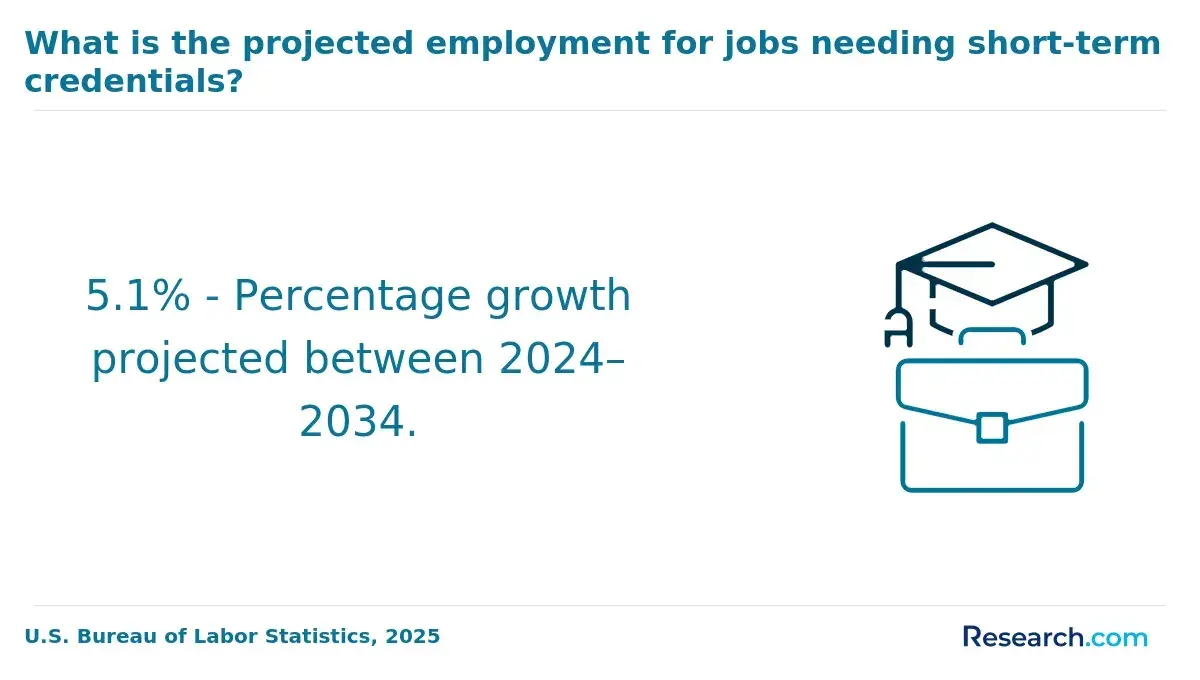
The smartest approach is to earn one targeted credential after reviewing job postings, not to collect unrelated badges. If you are deciding where a short credential fits beside a degree, a guide to certifications that pay well can help you compare options by career value rather than marketing claims.
Other Things You Should Know About
The cheapest route is often to complete general education credits at a community college, transfer to an accredited public university, choose in-state or online tuition, and use a program that accepts most of your prior credits toward the major.
It can be worth it if you build a strong portfolio, complete internships or applied projects, and choose electives aligned with a specific job path. It may be less valuable if the program is expensive, too theoretical, or not connected to your career goals.
Choose communications if you want broader roles in public relations, media, internal communication, or content. Choose marketing if you want stronger preparation in consumer behavior, campaigns, analytics, sales support, and brand strategy.
Most entry-level communications jobs do not require a graduate degree. A master's degree may help later for leadership, research, teaching, specialized strategy, or career changes, but work samples and experience are usually more important early on.
References
- Communication studies students overwhelmingly start and finish college in the major - National Communication Association https://www.natcom.org/publications-library/communication-studies-students-overwhelmingly-start-and-finish-college-in-the-major/
- Average Cost of College [2025]: Yearly Tuition + Expenses https://educationdata.org/average-cost-of-college
- Communications Degree | Communications Major https://www.collegeadvisor.com/resources/communications-degree/
- Career earnings by college major - The Hamilton Project https://www.hamiltonproject.org/data/career-earnings-by-college-major/
- Media and Communication Degree Careers and Salary in Europe - StudyinEurope.eu https://www.studyineurope.eu/media-communication/media-communication-degree-careers-salary-europe/
- Bachelor's in Communication Programs: 2026 Guide https://www.mastersincommunications.org/bachelors/
- 2025 Most Affordable Online Public Relations Degrees https://www.onlineu.com/most-affordable-colleges/public-relations-degrees