
2027 Most Affordable Associate Degrees for Supervisor Roles

Co-Founder and Chief Data Scientist
An associate degree can be a relatively low-cost step toward supervising a team, but the cheapest program is not always the cheapest path to the job. The College Board reported average published tuition and fees of $4,050 for full-time, in-district students at public two-year colleges in 2024-25. Books, commuting, clinical requirements, and time away from work can change that calculation.
This guide compares six degree fields for prospective students and working adults, showing where costs arise, which roles usually require experience or licensure, and how to choose a program that fits a realistic career goal.
Key Things You Should Know
- For many prospective supervisors, a local public college's business, IT, or criminal justice associate degree is a sensible cost comparison starting point; compare the full program cost, not tuition alone.
- An associate degree builds job skills but rarely qualifies a new graduate to supervise immediately. Employers commonly expect relevant work experience, and clinical roles may require a license.
- The U.S. Bureau of Labor Statistics reported a 2024 median wage of $93,600 for registered nurses across all education levels and experience levels - not a starting salary for nursing graduates or nurse supervisors.
Top 10 Most Affordable Associate Degrees for Supervisor Roles
Business Programs
An AA or AS in business often emphasizes transfer, while an AAS in business management or operations may emphasize workplace skills. Courses in accounting, scheduling, communication, and personnel management apply across retail, office, and service teams. This can be a comparatively inexpensive choice when a nearby public college offers the required courses without special equipment or placements. Ask whether the degree's credits apply to a future bachelor's program. A business degree can support advancement from an existing role, but employers generally weigh industry experience when hiring supervisors.
Healthcare Programs
Healthcare administration or health information associate programs can introduce medical terminology, billing, records, and office operations. They may suit someone aiming to advance within a clinic or medical office without providing patient care. Compare software, certification, and internship expenses as well as tuition. An AAS may prepare students for administrative work, while an AS may offer a clearer transfer route. Managing an entire healthcare facility typically calls for substantial experience and often a bachelor's degree; this associate degree is better understood as an entry or advancement step.
Information Technology Programs
An AAS in IT support, networking, or cybersecurity can help students learn troubleshooting, systems administration, and technical documentation. These skills may support progression from technician to help-desk or support-team lead. Compare the price of required hardware, software, lab access, and certification exams. An online program may still have scheduled labs or proctored assessments. Choose an AS with a verified transfer pathway if a bachelor's degree is the longer-term goal; a lower-cost AAS makes more sense when its technical courses match local employers' needs.
Nursing / Pre-Nursing Programs
An associate degree in nursing can prepare graduates to seek registered nurse licensure after meeting state requirements and passing the licensing exam. Pre-nursing coursework alone does not qualify someone as an RN. Nursing can be cost-effective at a public college, but prerequisites, supplies, background checks, and clinical travel increase total costs. Programs often have selective admission and in-person clinical placements. Charge-nurse and other supervisory responsibilities generally follow clinical experience; compare program approval, clinical schedules, and any bachelor's-degree expectations before choosing this route.
Criminal Justice Programs
An AA, AS, or AAS in criminal justice covers topics such as courts, corrections, and public-safety administration. It may be useful to someone already employed in corrections, security, or another justice-related setting who wants to compete for advancement. Agency hiring, academy training, background standards, and promotion rules remain separate from degree completion. Compare a low-cost transfer-oriented program with an occupational program against the requirements of your target employer. A degree that does not count toward that employer's promotion criteria may offer poor value despite low tuition.
Psychology / Counseling Programs
An AA or AS in psychology is usually a transfer foundation, not a license to counsel or supervise clinicians. It can introduce human behavior, research, and communication relevant to entry-level human-services work or eventual team leadership. Tuition may be modest, but the total path to licensed counseling or clinical supervision is much longer and costlier: graduate education, supervised practice, and state licensure commonly apply. Choose this field when you intend to transfer or have confirmed an appropriate entry-level role; do not select it solely because the associate program is inexpensive.
What associate degrees prepare students for supervisor roles?
Business, healthcare administration, IT, nursing, criminal justice, and psychology can all contribute to a supervisory career, but they lead to different first jobs. AA and AS degrees are often designed for transfer, while AAS degrees often emphasize workforce preparation; the college's actual curriculum and transfer agreements matter more than the initials.
The comparison below pairs each field with a plausible starting point and the cost question most likely to affect its value. None of these degrees, by itself, promises a supervisory appointment.
| Degree field | Potential starting point | Cost and career-fit question |
| Business | Office, retail, or operations work | Will credits transfer if the target role prefers a bachelor's degree? |
| Healthcare administration | Medical-office or records work | Are software, internship, or credential costs required? |
| Information technology | Technical support or network support | Are equipment and certification exams included in the estimate? |
| Nursing | RN practice after licensure | Can you afford and attend prerequisites and clinical placements? |
| Criminal justice | Eligible public-safety or security work | Does the intended employer recognize the degree for promotion? |
| Psychology | Entry-level human services or transfer | What further degree is needed for the intended role? |
If you already work in an industry, a relevant AAS plus experience may be the most direct option. If the supervisor role calls for a bachelor's degree, prioritize an affordable transfer agreement instead. Some advanced leadership positions may eventually warrant one of the most affordable masters degrees online, but a master's is not a substitute for checking the requirements of the job you want now.
How much do affordable associate degree programs cost?
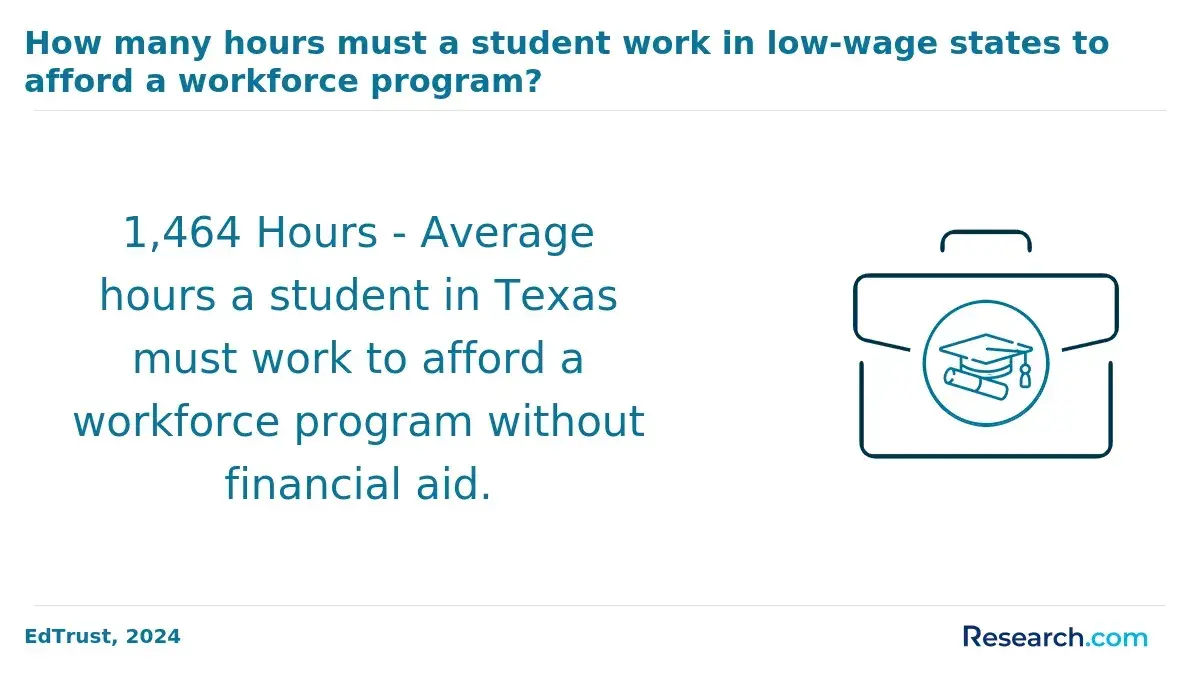
Compare the cost to finish, not the advertised price per credit. The College Board's 2024-25 public two-year, in-district average of $4,050 covers one year of published tuition and fees for full-time attendance. It is a national benchmark, not a quote for a particular school or the total price of a degree. Out-of-district rates, part-time pricing, and program fees can differ substantially.
Request a written estimate based on your residency, planned course load, and accepted transfer credits. Include mandatory fees, books, equipment, exams, commuting, and any clinical or internship expenses. Then compare expected grants and scholarships to estimate your out-of-pocket cost; sticker price and net price are not the same. Federal aid eligibility depends on the student and institution, so complete the FAFSA and confirm that the specific program qualifies.
A cheap per-credit option can cost more overall if its courses do not transfer, required classes are offered infrequently, or attending clinicals means reducing paid work. Conversely, a program with slightly higher tuition may be less expensive to finish if it accepts more applicable prior credit. Ask each college for a degree audit before committing.
Are online associate degrees for supervisors accredited and reputable?
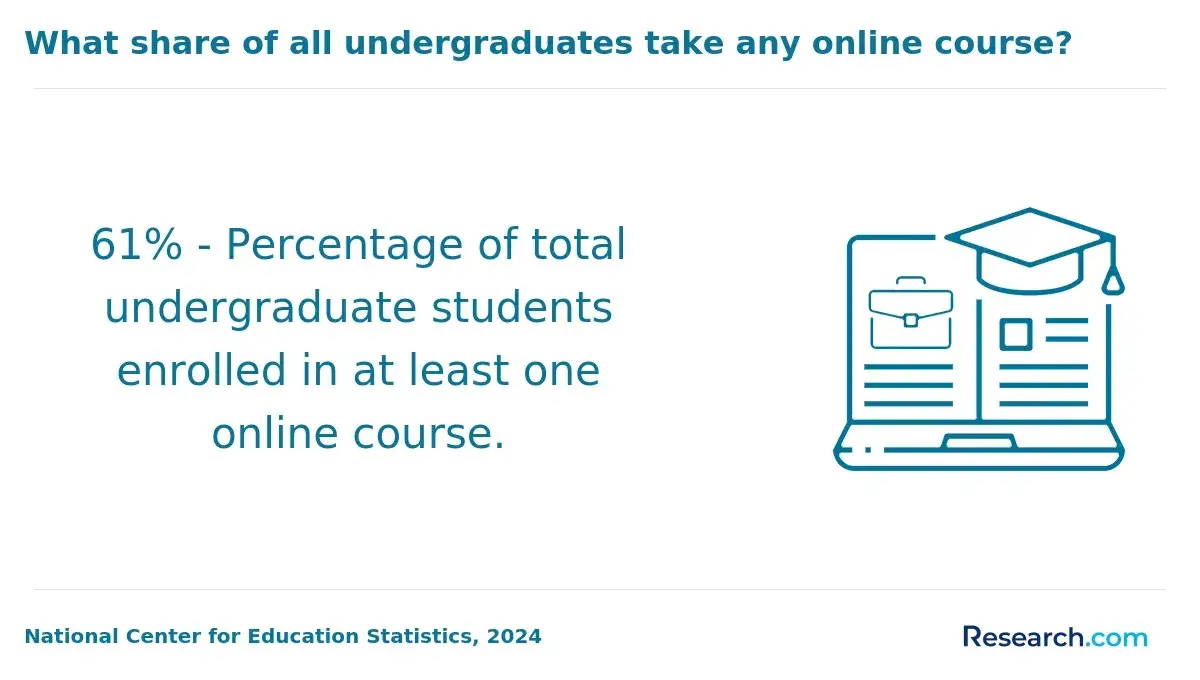
Online associate degrees can be reputable, but "online" does not establish accreditation or career eligibility. Verify the institution's accreditation through the U.S. Department of Education or the Council for Higher Education Accreditation. For regulated paths, also check program approval and any relevant programmatic accreditation with the state licensing board or prospective employer. These checks matter especially for nursing.
Confirm how the degree is delivered: asynchronous courses can still have fixed deadlines, while online programs may require live meetings, proctored exams, campus labs, or local clinical placements. If scheduling is your main concern, compare those requirements when reviewing accredited self-paced online colleges. Self-paced study may reduce scheduling conflicts, but it does not remove required clinical hours or guarantee that credits will transfer.
What courses do associate degree programs for supervisors include?
Most associate degrees combine general education - such as writing, mathematics, and communication - with courses in the major. A typical program requires roughly 60 semester credits, although prerequisites and program-specific requirements can increase the work needed to graduate. Business students may study accounting and operations; IT students may take networking and security labs; criminal justice students may examine law and corrections.
Healthcare coursework varies sharply by path. Nursing includes science prerequisites and supervised clinical education, while healthcare administration focuses more on records and office processes. Psychology commonly includes introductory psychology and research-oriented coursework. Look beyond course titles: a low-cost program is useful only if its required courses build skills for your first job or apply to your planned bachelor's degree.
What are the admission requirements for affordable associate degrees?
Many public community colleges admit students with a high school diploma or equivalent and use placement measures to determine appropriate starting courses. Admission to the college does not necessarily mean admission to a particular major. Nursing and some other healthcare programs may require prerequisite courses, minimum grades, an application, and separate clinical eligibility checks. Standardized college-admission tests are not universal requirements, but policies vary.
Before applying, ask whether prior college work will satisfy specific degree requirements rather than merely transfer as elective credit. Also confirm application deadlines, prerequisite sequencing, and whether a background check could affect clinical placement or employment. Missing a selective-program deadline can add a term even at a college with open general admission.
How long does it take to earn an associate degree for supervision?
A student taking a full-time load may complete a roughly 60-credit associate degree in about two academic years. Part-time enrollment, unavailable courses, developmental coursework, and sequential science prerequisites can extend that timeline. Nursing clinical placements and selective admission may add waiting time; accepted transfer credits can shorten the remaining coursework if they apply to the degree.
Ask an advisor to map your required courses term by term, including summers if you plan to use them. An accelerated class is not an accelerated degree: shorter terms help only when the full course sequence is available at a pace you can complete. Compare that schedule with your work hours and the cost of any reduced earnings.
Which supervisor jobs can graduates pursue after earning an associate degree?
Graduates may pursue entry-level office operations, medical administration, IT support, security, human-services, or - after meeting licensure requirements - nursing roles. With relevant experience, they may compete for positions such as office supervisor, help-desk lead, shift supervisor, or charge nurse. Job titles and minimum qualifications differ by employer and state; an associate degree is usually a foundation for advancement, not an automatic promotion.
Work backward from actual job postings. Note the required experience, education, license, and shift pattern, then check whether the proposed degree helps meet them. If your goal is clinical supervision in psychology rather than supervision of an administrative team, investigate the required graduate pathway first; even a cheap doctorate degree online would need to meet applicable professional and state requirements. An inexpensive associate degree cannot replace those steps.
What salaries and job outlooks can supervisors expect by industry?
Occupational wages describe people already working in a role, not the earnings of new associate degree graduates. The U.S. Bureau of Labor Statistics' 2024 median wages below illustrate why the distinction matters: the roles have different education, licensing, and experience requirements.
| Occupation | 2024 U.S. median annual wage | Important qualification context |
| Registered nurses | $93,600 | Requires RN licensure; includes nurses with different education and experience levels. |
| Medical and health services managers | $117,960 | Typically requires at least a bachelor's degree and relevant experience; an associate degree alone is generally insufficient. |
Neither figure is a supervisor starting wage. For business, IT, and criminal justice, pay also depends heavily on the exact occupation, location, employer, and prior experience. Review BLS projections for the specific occupation you intend to enter rather than assuming that growth in an industry means growth in every supervisory job. When evaluating a program's return on cost, compare realistic local entry-level openings with the qualifications needed for promotion.
Which certifications and licenses do supervisor roles require?
Requirements depend on the role, not simply on the degree name. Registered nurses must meet state board requirements and pass the NCLEX-RN. Public-safety roles can involve agency-specific training or state certification. Some IT employers value product or industry certifications, but a certificate does not automatically confer supervisory authority. Licensed counseling and clinical supervision generally require education and supervised experience well beyond an associate degree.
Before paying for an optional credential, check whether employers in your target area request it and whether exam fees are included in your education budget. A shorter route through certifications that pay well may suit an experienced worker seeking a specific technical skill; it is not a replacement for a license or a degree that an employer explicitly requires.
Other Things You Should Know About
There is no universally cheapest major. Start by comparing in-district public-college options in the field where you work or want to work, then calculate fees, required supplies, and the credits you still need.
Sometimes an employer may consider a graduate with prior relevant experience, but the degree alone usually does not qualify someone to lead a team. Check job postings for experience and credential requirements.
Choose an AAS when its job-focused courses match your employer's needs. Choose a transfer-oriented AA or AS when a bachelor's degree is likely to be required; confirm how credits will apply before enrolling.
Possibly, especially in business or some IT programs. Verify the actual schedule and all in-person requirements. Nursing programs require clinical education, even when some academic courses are online.
References
- Projected openings in occupations that require a college degree: Career Outlook: U.S. Bureau of Labor Statistics https://www.bls.gov/careeroutlook/2021/article/projected-openings-college-degree.htm
- How many years of experience do I need to qualify for a job? | usajobs.gov https://help.usajobs.gov/faq/application/qualifications/experience
- Cost of Attendance (Budget) | 2025-2026 Federal Student Aid Handbook https://fsapartners.ed.gov/knowledge-center/fsa-handbook/2025-2026/vol3/ch2-cost-attendance-budget
- DoIT Employment FAQ | illinois.gov https://doit.illinois.gov/about/doit-employment/doit-employment-faq.html
- Workforce Education Overview | Texas Higher Education Coordinating Board https://www.highered.texas.gov/workforce-education-overview/
- DAPIP | Homepage - Office of Postsecondary Education (OPE) https://ope.ed.gov/dapip/
- An Overview of Accreditation of Higher Education in the United States | Congress.gov | Library of Congress https://www.congress.gov/crs-product/R43826
- What Financial Aid Offers Don't Tell You About the Cost of College | U.S. GAO https://www.gao.gov/blog/what-financial-aid-offers-dont-tell-you-about-cost-college
- Cost of Attendance - Undergraduate Financial Aid | Northwestern University https://undergradaid.northwestern.edu/how-aid-works/cost-of-attendance/
- Pros & Cons of Community College vs. University | mwcc.edu https://mwcc.edu/blog/community-college-vs-university/





