
2027 Most Affordable Associate Degrees for Students Who Need Low Tuition

Co-Founder and Chief Data Scientist
A low tuition rate does not necessarily mean a low-cost associate degree. Fees, residency rules, course requirements, and financial aid can change what you actually pay. The College Board reported average published tuition and fees of $4,050 for full-time, in-district students at public two-year colleges in 2024-25, a useful benchmark, not a quote for any particular program.
This guide is for students who need an affordable path to work or a bachelor's degree. It compares fields, explains hidden costs, and shows you how to identify the least expensive program that still meets your goal.
Key Things You Should Know
- Start with in-district public community colleges: the 2024-25 national average published tuition and fees was $4,050 per year, but your residency and program can change the price.
- Transfer-oriented general studies, business, and social science programs often have fewer specialized expenses; nursing and other clinical programs may cost more beyond tuition.
- Compare the price of completing all required credits, not just the per-credit rate, and confirm accreditation, transfer applicability, or licensing eligibility before enrolling.
Top 10 Most Affordable Associate Degrees for Students Who Need Low Tuition
Business Programs
An Associate of Arts (AA) or Associate of Science (AS) in business can be a relatively inexpensive transfer choice when courses use standard tuition rates and few specialized supplies. An Associate of Applied Science (AAS) may instead emphasize bookkeeping, office operations, or other workplace skills.
Ask whether required software carries extra fees and whether accounting and general education credits satisfy your intended bachelor's program. Choose the transfer route if a bachelor's degree is your goal; choose a career-focused curriculum when its specific skills match jobs you intend to seek.
Healthcare Programs
Healthcare associate degrees differ sharply in cost. General health sciences may provide an affordable transfer foundation, while career-focused programs can require lab fees, immunizations, background checks, equipment, and clinical travel.
Before comparing tuition, confirm whether admission to the major is selective and whether clinical placements fit your schedule. For a regulated occupation, verify that the specific program meets applicable certification or state licensing requirements. A cheaper general healthcare degree is not a substitute for an occupation-specific credential.
Information Technology Programs
IT associate degrees can be cost-conscious choices, especially when coursework is available online and you already have a suitable computer. An AS may support transfer into computing; an AAS may focus on support, networking, or cybersecurity skills.
Check for technology fees, required hardware, and certification-exam costs. Compare the curriculum with entry-level job postings: a low-cost program is less valuable if it lacks hands-on troubleshooting or current tools. An associate degree does not, by itself, qualify someone for every cybersecurity role.
Nursing / Pre-Nursing Programs
Pre-nursing coursework may cost less initially than entry into a nursing major, but it does not confer nursing eligibility. An Associate Degree in Nursing (ADN) typically combines prerequisites, labs, and supervised clinical education; admission may be competitive even at an open-admission college.
Budget for testing, uniforms, screenings, and transportation alongside tuition. Confirm state board approval and the program's accreditation status, then check requirements to sit for the NCLEX-RN. Compare the cost of prerequisites and the nursing program together.
Criminal Justice Programs
Criminal justice AA and AS programs can be affordable transfer options when they rely mainly on standard classroom courses. An AAS may emphasize immediate public-safety or corrections-related preparation. Confirm that the curriculum fits your target role: police hiring, academy training, background standards, and minimum education rules vary by employer and jurisdiction.
A degree does not replace those requirements. If you plan to transfer, ask whether criminal justice electives will count toward the intended bachelor's major rather than only as general electives.
Psychology / Counseling Programs
A psychology AA or AS may offer a low-cost start toward a bachelor's degree because it usually has limited equipment or lab expenses. It is primarily a transfer path, not a qualification to practice as a counselor or psychologist; those professions generally require substantially more education and, often, licensure.
Choose it if you have a transfer plan or want a foundation for human-services work. Before enrolling, confirm that statistics and other required courses apply to your intended bachelor's program.
What Are the Most Affordable Associate Degrees in the United States?
The most affordable associate degree is usually a program you can finish at in-district tuition rates with minimal additional expenses and, if needed, credits that apply to your next degree.
There is no defensible nationwide ranking of majors by price: colleges set their own rates, and a student's residency, aid, and course choices determine the final bill. If you are still choosing a field, a guide to best college degrees can help you weigh long-term fit alongside the initial price.
This comparison identifies common cost pressures by field. It is a starting point for requesting complete program estimates, not a claim that every college prices these majors the same way:
| Associate degree path | Typical cost consideration | Best fit when |
| General studies or liberal arts AA/AS | Often few specialized purchases; extra or nonapplicable electives can add cost | You have a documented transfer plan |
| Business or psychology AA/AS | Usually limited equipment costs; verify software or course fees | Required credits apply to your intended bachelor's major |
| Criminal justice AA/AS | Often standard classroom costs; career training may be separate | The degree matches your transfer or hiring goal |
| IT AS/AAS | Hardware, software, and optional certification costs may apply | The curriculum teaches skills for your target roles |
| Clinical healthcare or nursing AAS/ADN | Labs, screenings, equipment, and travel can raise total cost | The program meets the relevant occupation's requirements |
A short certificate or apprenticeship may cost less than a degree if it meets your career goal. Conversely, a transfer-oriented associate degree may save money only if its credits satisfy the bachelor's requirements you eventually need.
How Much Do Affordable Associate Degree Programs Cost?
Published tuition, net price, and total program cost answer different questions. Published tuition and mandatory fees are the college's stated charges; net price accounts for grants and scholarships; total program cost also includes expenses such as books, equipment, transportation, and any credits you must take to finish.
The College Board's $4,050 public two-year in-district average for 2024-25 covers annual published tuition and fees, not a complete degree or an individual student's net price.
Request a written estimate for your residency category and major. The following items are especially important when comparing two apparently inexpensive offers:
- Tuition for every remaining required credit, including prerequisites and courses taken in summer terms.
- Mandatory college and program fees, plus books, software, supplies, exams, and clinical-related expenses.
- Grants and scholarships you qualify for, with renewal conditions and any remaining out-of-pocket balance.
- The effect of accepted transfer credits and whether those credits actually fulfill degree requirements.
Complete the Free Application for Federal Student Aid (FAFSA) and ask about state grants, college scholarships, payment plans, and employer assistance. Borrowing can cover a gap but adds repayment costs; a lower loan balance is not the same thing as a lower program price.
Which Accreditation Should Affordable Associate Degree Programs Have?
Look for institutional accreditation by an agency recognized by the U.S. Department of Education. It matters for access to federal student aid and can affect transfer, although accreditation alone does not guarantee another college will accept a course.
For a licensed or certified healthcare field, check the specific program's approval and any programmatic accreditation required or preferred by the relevant state board, credentialing organization, or employer. Requirements vary by occupation and state. Ask both the college and the receiving institution or licensing board to confirm your intended outcome before paying a deposit.
How Long Does It Take to Earn an Affordable Associate Degree?
Many associate degrees require roughly 60 semester credits and can take about two years of full-time study. Part-time enrollment, prerequisite sequences, limited course availability, and clinical placements can extend that timeline. Accepted transfer credits may shorten it, but only after the college determines which requirements those credits satisfy.
If a bachelor's degree is the ultimate goal, map the full pathway rather than choosing the quickest associate credential in isolation. Even options marketed as a bachelor degree online in 2 years commonly depend on substantial accepted prior credit. Ask your intended bachelor's institution to evaluate how your associate courses would apply.
Are Online Associate Degrees More Affordable Than Campus Programs?
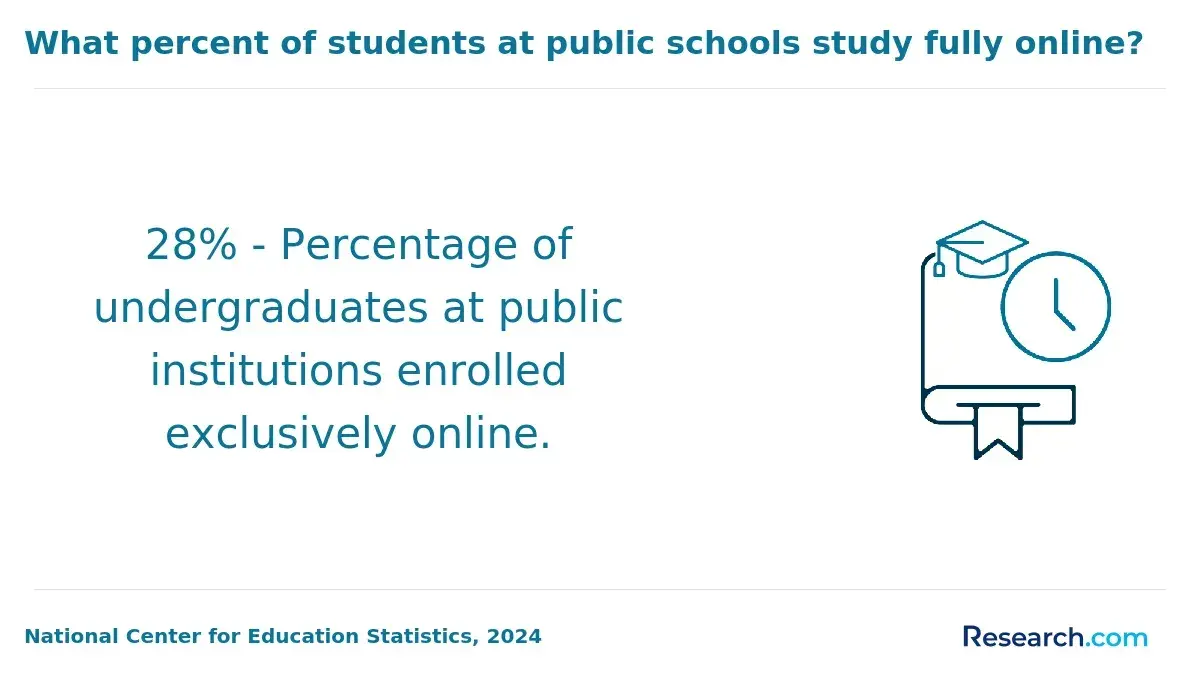
Online study is not automatically cheaper. It may reduce commuting and parking expenses, but online course fees, technology requirements, or out-of-district tuition can offset those savings. Compare the full bill and the cost of attending required in-person activities, not just the delivery label.
Online business or general studies programs may allow remote coursework, while nursing and other clinical programs typically require in-person practice.
Confirm whether online classes have scheduled meetings or fixed deadlines and whether labs, exams, or placements require travel. A nearby campus program can be the less expensive choice when it qualifies you for lower residency tuition.
What Are the Admission Requirements for Affordable Associate Degrees?
Many community colleges admit applicants with a high school diploma or equivalent and use placement information to determine appropriate starting courses. Admission to the college does not necessarily mean admission to a particular major: nursing and some allied-health programs may require prerequisites, an application, testing, or other screening.
Ask admissions for the requirements of the specific program and the earliest term you could enter it. If you have previous college credit, request an official evaluation before building your budget. A prerequisite that must be repeated can change both your completion date and total cost.
What Careers Can You Start With an Affordable Associate Degree?
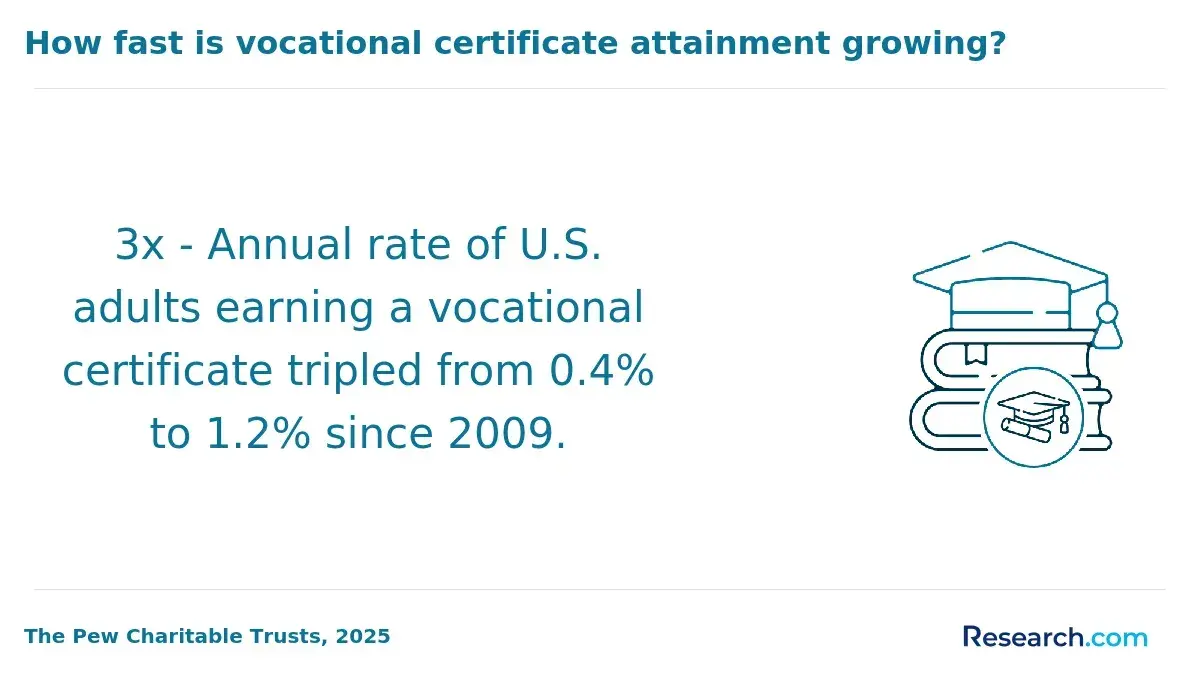
An associate degree can support entry-level work or provide a foundation for further study, depending on the major. Business graduates might seek administrative or bookkeeping-related roles; IT students might pursue support roles; qualifying nursing graduates can pursue RN licensure after meeting state requirements and passing the licensing exam. Job requirements still depend on the employer and location.
If your target job requires a narrow skill rather than a full degree, compare the cost and hiring value of relevant certifications that pay well. Verify that employers recognize the particular credential; a cheaper certificate is not useful if the role requires a degree or license.
Which Affordable Associate Degrees Offer the Best Salaries and Job Outlook?
Nursing illustrates both the potential and the limits of salary comparisons. The U.S. Bureau of Labor Statistics reports a 2024 median annual wage of $93,600 for all registered nurses and projects 5% employment growth for the occupation from 2024 to 2034.
Those are occupational figures, not expected earnings or a placement rate for ADN graduates. RN licensure is required, and the field's clinical expenses should be included in any return-on-cost comparison.
IT support may appeal to students who enjoy focused problem-solving, including some exploring high paying careers for introverts, but pay, hiring prospects, and daily interaction vary by role. Compare local job requirements and occupational wages with your net total program cost; do not select a major on a national salary figure alone.
How Can You Choose a Reputable Associate Degree Program?
Begin with your end goal: workforce entry, licensure, or transfer. Then ask each college for the same information so you can compare programs on the cost of finishing, not on an advertised per-credit price:
- Confirm institutional accreditation and, for regulated careers, the specific program's approval and applicable licensing eligibility.
- Get a degree audit showing required credits, course sequence, accepted prior credit, and a realistic part-time or full-time schedule.
- Request a complete cost estimate for your residency status, including fees and required expenses, then compare aid-adjusted balances.
- If transferring, obtain written guidance from the destination school on how each course applies to the intended bachelor's degree.
Be wary of a college that quotes tuition without program fees, calls a clinical degree fully online without explaining placements, or promises that every credit will transfer. The strongest low-tuition choice is one you can afford and complete for the credential you actually need.
Other Things You Should Know About
At an in-district community college, a general studies or classroom-based transfer degree may have fewer extra expenses than a clinical program. Compare actual degree audits and total costs before deciding; the cheapest major varies by school and student.
Eligible students may receive federal, state, or college aid at eligible institutions. File the FAFSA and review the school's award offer; aid amounts and eligibility depend on your circumstances and enrollment.
The abbreviation does not determine the price. An AA or AS may be economical for transfer if credits apply to your bachelor's degree; an AAS may be better value if it prepares you for a job you can pursue without additional schooling.
Possibly, if it reduces travel costs without adding higher tuition or fees. Check technology charges, residency pricing, required in-person components, and the number of credits you must complete.
References
- Fast Facts: Undergraduate graduation rates (40) | ed.gov https://nces.ed.gov/fastfacts/display.asp
- Program Approval FAQs & Clarifications | ohio.gov https://highered.ohio.gov/educators/academic-programs-policies/academic-program-approval/program-approval-faq/program-approval-faq
- Associate's degree - Career Outlook - Bureau of Labor Statistics https://www.bls.gov/careeroutlook/subject/associates_degree.htm
- Types of Financial Aid - LOSFA https://mylosfa.la.gov/paying-for-college/types-of-financial-aid/
- Delayed Time-to-Degree and Post-college Earnings - PMC https://pmc.ncbi.nlm.nih.gov/articles/PMC7875953/
- Cost of Attendance (Budget) | 2025-2026 Federal Student Aid Handbook https://fsapartners.ed.gov/knowledge-center/fsa-handbook/2025-2026/vol3/ch2-cost-attendance-budget
- Why Is Accreditation Important? | ACE Blog https://ace.edu/blog/why-is-accreditation-important/
- How Long Are Community College Programs? | Edison State Community College https://www.edisonohio.edu/blog/how-long-are-community-college-programs
- Undergraduate and Graduate Tuition and Fees - Purdue Global https://www.purdueglobal.edu/tuition-financial-aid/undergraduate-graduate-tuition-and-fees/
- Types of Aid - Atlantic Cape Community College https://atlanticcape.edu/one-stop/financial-aid/types-of-aid.php


