
2027 Most Affordable Associate Degrees for Professional Advancement

Co-Founder and Chief Data Scientist
Which associate degree offers a useful next step without leaving you with an unmanageable bill? The College Board reported average published tuition and fees of $4,050 for in-district students at public two-year colleges in 2024-25. That price makes community college worth investigating, but it excludes books, transportation, program fees, and other costs.
This guide compares six degree fields for people seeking a new role, stronger qualifications, or a path to further education. You'll learn where costs can rise, which careers require additional credentials, and how to compare programs by total cost rather than tuition alone.
Key Things You Should Know
- Start with an in-district public community college, but compare the full degree cost: tuition, mandatory fees, books, equipment, travel, and any required clinical work.
- Business, IT, and criminal justice can offer relatively straightforward entry points; healthcare and nursing may have higher added costs but clearer routes to regulated occupations.
- An associate degree commonly requires around 60 credits, but prerequisites, part-time enrollment, and course availability can extend completion beyond two years.
Top 10 Most Affordable Associate Degrees for Professional Advancement
Business Programs
An associate in business administration or accounting can prepare students for office, bookkeeping, or customer-operations work. Community colleges often offer these subjects online without costly labs, making them practical low-cost choices. An AA or AS may suit students planning to transfer; an AAS may emphasize workplace software and applied courses. Compare each program's required credits and whether accounting, spreadsheet, and general education courses will count toward a future bachelor's degree. An associate degree can support advancement, but management jobs typically require experience and may favor a bachelor's degree.
Healthcare Programs
Healthcare associate degrees span medical assisting, health information, radiography, and dental hygiene - paths with very different costs and requirements. Some require selective admission, science prerequisites, equipment, background checks, and supervised clinical placements. A low tuition rate may therefore conceal a substantial total expense. Health information programs may offer more online coursework; hands-on clinical programs generally cannot be completed entirely from home. Check the exact occupation, required program accreditation, certification or licensure rules, and local placement availability before choosing. A general healthcare studies degree does not substitute for occupation-specific clinical training.
Information Technology Programs
IT associate programs commonly cover networking, cybersecurity fundamentals, programming, or technical support. They may cost less to complete than lab- or clinical-heavy majors, although software, exam vouchers, and computer requirements can add expense. An AAS may prioritize job-ready projects, while an AS may transfer more smoothly into a computing bachelor's program. Compare hands-on labs, employer-valued skills, and the availability of required courses - not just an advertised online tuition rate. Entry-level hiring can depend heavily on demonstrable skills, experience, and certifications; the degree alone does not secure a technology job.
Nursing / Pre-Nursing Programs
An associate degree in nursing (ADN) can provide an educational route toward registered nurse licensure; a pre-nursing associate program usually supplies prerequisites and does not qualify graduates to practice. ADN admission may be competitive even at an open-admission college. Budget for science courses, clinical travel, supplies, screenings, and licensing-related expenses. Verify that the nursing program meets the requirements of the state where you intend to work and that its graduates are eligible to seek the NCLEX-RN. For long-term advancement, also investigate whether ADN credits apply to an RN-to-BSN pathway.
Criminal Justice Programs
Criminal justice associate degrees introduce law, courts, corrections, and public safety. Many community colleges offer relatively affordable online coursework, but career requirements vary sharply: police hiring involves agency selection and academy training, while some administrative roles value different skills. Compare an AA or AS transfer pathway with an AAS designed for applied study. Before paying for the degree, check local employer qualifications, physical or background requirements, and whether a bachelor's degree would better serve your goal. Do not assume the credential alone qualifies you for a sworn position.
Psychology / Counseling Programs
An affordable associate in psychology can be a sensible first step toward a bachelor's degree, particularly through a documented transfer agreement. It is not a direct route to practicing as a psychologist or licensed counselor; those professions require substantially more education and state-specific licensing. Some programs can also support applications for entry-level human-services or behavioral-health support work, subject to employer requirements. Prioritize transferable general education and psychology courses over the lowest standalone tuition. If you do not intend to continue studying, compare the degree with occupation-specific human-services training before enrolling.
What Are the Most Affordable Associate Degrees for Career Advancement?
The most affordable field depends on where you live and what it costs to finish, not on the major's name alone. Business, IT, criminal justice, and transfer-oriented psychology programs often avoid the clinical expenses common in nursing and some healthcare programs. However, psychology may require substantial further education for the career you want, changing the long-term cost comparison.
The following comparison highlights expenses that can separate a low published tuition rate from a low total cost. It compares degree fields, not individual colleges or verified program prices.
| Degree field | Potential cost advantage | Cost or pathway to check |
| Business | Often available locally or online without clinical fees | Transfer credit if a bachelor's degree is the goal |
| Information technology | Limited clinical or travel requirements | Computer, software, lab, and certification costs |
| Criminal justice | Common community-college availability | Whether the degree meets local hiring needs |
| Psychology | Can be a lower-cost start to a transfer pathway | Cost of further education for licensed careers |
| Healthcare or nursing | May offer an occupation-specific pathway | Prerequisites, clinical travel, equipment, and licensing costs |
For each candidate program, request a degree audit and estimate the price of all remaining credits at your residency rate. Add mandatory fees and required materials, then subtract grants or employer assistance you are likely to receive. If your goal ultimately requires a bachelor's degree, compare the combined pathway with a cheapest accredited online college option rather than treating the associate degree as the final expense.
Which Associate Degrees Offer the Best Salary and Job Outlook?
Salary potential should be evaluated by occupation, not attributed to everyone with a particular degree. The U.S. Bureau of Labor Statistics reported a 2024 median annual wage of $93,600 for registered nurses. That figure covers employed RNs with varied experience and education; it is not an expected starting salary for ADN graduates. RN practice also requires meeting state licensing rules and passing the licensing examination.
Nursing offers a clearer degree-to-occupation route than a general psychology or business associate program, but its selective admission and clinical requirements may make it more expensive to complete. IT can lead toward support or technical roles when students build practical skills, while business and criminal justice outcomes depend heavily on the employer and prior experience. Compare local job postings for the exact role you want before using any national wage figure to judge value.
For someone aiming to become a psychologist, an associate degree is only an early educational step. Even a search for cheapest doctoral programs should come after checking the degree and licensure requirements for the intended specialty and state.
Are Online Associate Degrees as Valuable as Campus-Based Programs?
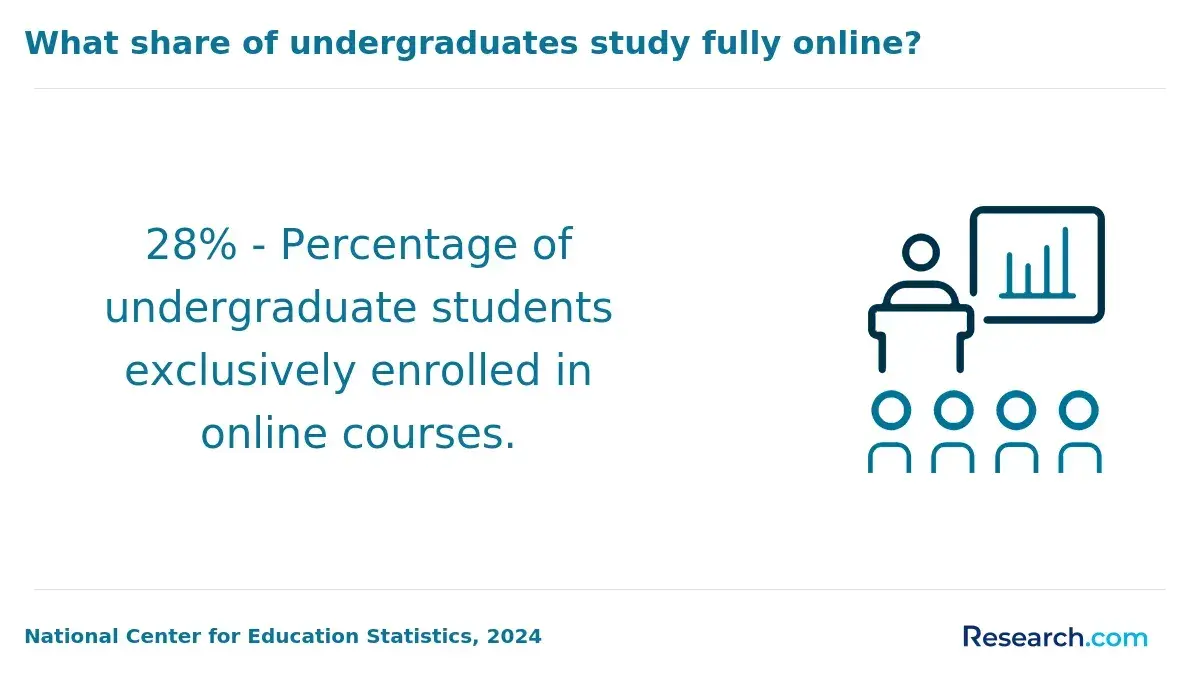
An online associate degree can be valuable when its institution is accredited and its coursework fits the intended career or transfer destination. The delivery format alone does not determine its value. Online business and general education courses may be convenient for working students, but an online class can still require live attendance or fixed deadlines. Nursing and hands-on healthcare programs typically require in-person clinical or laboratory work even when lectures are online.
Ask whether the entire required sequence is offered in your preferred format, including prerequisites. Also check where placements occur, whether exams require proctoring, and whether online students pay additional fees. If you expect to continue studying while employed, compare the associate pathway with bachelor degree programs for working adults; the better choice depends on transferable credits, scheduling, and your target role.
What Accreditation Should You Look for in an Associate Degree Program?
First, verify that the college holds institutional accreditation recognized by the U.S. Department of Education. This matters for federal financial aid eligibility and can affect credit transfer, although accreditation does not guarantee that another college will accept a course toward your intended major.
For a regulated healthcare career, check whether the specific program has the accreditation or approval needed for certification, examination eligibility, or state licensure. Requirements differ by occupation and state. Ask the relevant licensing board and program to confirm eligibility in writing before enrolling. Institutional accreditation alone does not establish that a nursing or allied-health degree meets every professional requirement.
What Do Associate Degree Programs Typically Cost and How Long Do They Take?
Many associate degrees require roughly 60 credits and can take about two years of full-time study. Part-time schedules, prerequisites, limited course availability, and clinical sequencing can extend that timeline. Accepted transfer credits may reduce the number of courses you need, but ask whether they satisfy degree requirements, not merely whether the college accepts them.
Published tuition is only the starting point. The College Board's 2024-25 average of $4,050 in tuition and fees for in-district public two-year students is a sector benchmark, not a quote for any particular degree. Nonresident tuition, repeated courses, books, technology charges, transportation, and unpaid placement hours can change the amount you pay. Request the college's estimated total program cost and a personalized financial aid offer. Compare the net price after grants and scholarships, and ask about federal aid eligibility, employer tuition assistance, and payment plans before relying on loans.
What Are the Admission Requirements for Affordable Associate Degree Programs?
Community colleges commonly ask applicants for a high school diploma or equivalent and may use transcripts or placement measures to determine course readiness. Requirements vary by school. Admission to the college does not necessarily mean admission to a particular major: nursing and some allied-health programs may require prerequisite sciences, minimum grades, an application, and a separate selection process.
Ask admissions staff to identify requirements for both the college and the major. If you have prior coursework, request a transfer evaluation early and confirm which credits apply to general education, prerequisites, and the major. This can prevent you from paying to repeat a course or discovering too late that a prerequisite delays entry.
What Courses and Skills Do Affordable Associate Degrees Include?
Most associate programs combine general education - such as writing, mathematics, and communication - with courses in the major. Business may emphasize accounting and spreadsheets; IT may include networking labs and troubleshooting projects; criminal justice may cover legal systems; and psychology may focus on research foundations. Healthcare and nursing can add science prerequisites, labs, and supervised clinical experience.
Choose courses with your next step in mind. A career-focused AAS may offer more applied training, while an AA or AS may align better with a bachelor's pathway, though labels and transfer rules vary by institution. Before registering, compare the course plan against either local job requirements or the receiving university's major requirements.
Which Careers Require Licensure or Certification After an Associate Degree?
Nursing and several allied-health occupations require steps beyond earning the degree. An ADN graduate must meet state requirements and pass the NCLEX-RN to become a licensed RN. Occupations such as radiologic technologist and dental hygienist have their own state rules and examination requirements. In IT, industry certifications may help demonstrate particular skills, but they are distinct from college credit and are not a universal employment requirement.
If an occupation does not require an associate degree, compare its total training cost with shorter alternatives, including certifications that pay well. Verify eligibility and employer recognition first: a certificate or certification is not automatically interchangeable with a degree or professional license.
How Can You Choose a Reputable Associate Degree Program?
Shortlist accredited colleges offering the specific major you need, then compare what it will take you to graduate - not just the advertised price per credit. A low-cost program is poor value if required courses rarely run, clinical placements are impractical, or its credits will not apply to your planned bachelor's degree.
Use these checks when speaking with admissions, financial aid, and program staff:
- Request a written estimate covering remaining credits, mandatory fees, required materials, and any in-person travel or placement costs.
- Confirm course schedules, prerequisites, expected completion time, and which of your previous credits meet degree requirements.
- Verify institutional accreditation, any occupation-specific approval, and transfer agreements with your intended next school.
- Ask what career outcomes the college documents, and compare its claims with local job postings and licensing rules.
Be wary of guaranteed-job language, vague fee disclosures, or assurances that all credits will transfer. If staff cannot clarify a requirement that materially affects your cost or eligibility, resolve it before committing.
Other Things You Should Know About
No. Compare the cost to complete with the credential your target occupation requires. A low-cost degree that does not meet hiring, transfer, or licensing requirements may cost more in the long run.
Eligible students at eligible institutions may qualify for federal aid. Grants, state assistance, scholarships, and employer benefits depend on individual and program rules; request a personalized aid offer.
Start with your goal. AA and AS pathways are often designed with transfer in mind, while an AAS often emphasizes workforce skills. Verify the actual curriculum and transfer agreement rather than relying on the abbreviation.
It may strengthen your qualifications, but promotion depends on the role, employer, experience, and any required license or further education. Check your employer's criteria before choosing a major.
References
- College Transfer Pathway | NC DPI https://www.dpi.nc.gov/students-families/enhanced-opportunities/advanced-learning-and-gifted-education/career-and-college-promise/college-transfer-pathway
- Fast Facts: Undergraduate graduation rates (40) | ed.gov https://nces.ed.gov/fastfacts/display.asp
- Employer-offered educational assistance programs can help pay for college | Internal Revenue Service https://www.irs.gov/newsroom/employer-offered-educational-assistance-programs-can-help-pay-for-college
- Semester Course Load and Student Performance - PMC - NIH https://pmc.ncbi.nlm.nih.gov/articles/PMC7568764/
- Return to School | Employer Tuition Assistance Programs | UMass Global https://www.umassglobal.edu/blog-news/get-your-employer-pay-college-tuition-assistance-programs
- College Price - AACC https://www.aacc.nche.edu/category/news/datapoints/college-price/
- The Overlooked Value of Certificates and Associate's Degrees | georgetown.edu https://cew.georgetown.edu/cew-reports/subba/
- How Long Are Community College Programs? | Edison State Community College https://www.edisonohio.edu/blog/how-long-are-community-college-programs
- Workforce Outcomes for Associate Degree Recipients in Utah | ushe.edu https://udrc.ushe.edu/research/RA12_AssociateDegree/index.html
- Community College Transfer | Community College Research Center https://ccrc.tc.columbia.edu/publications/cc-transfer.html


