
2027 Most Affordable Associate Degrees for Private-Sector Jobs

Co-Founder and Chief Data Scientist
Choosing a low-cost associate degree is harder than finding the lowest tuition: fees, clinical requirements, and the qualifications employers expect can change its value. The U.S. Bureau of Labor Statistics projects diagnostic medical sonographer employment to grow 13% from 2024 to 2034, but entering that field requires more than choosing an inexpensive major. This guide compares six degree fields for students seeking private-sector work. It explains where costs arise, which careers require additional credentials, and how to identify a program that fits both your budget and your goal.
Key Things You Should Know
- For 2025-26, average published tuition and fees at public two-year colleges were $4,150 for in-district students, according to the College Board; your total cost depends on residency, aid, and program requirements.
- Business, criminal justice, and psychology can have fewer specialized equipment or clinical expenses, but their associate degrees may offer less direct access to a specific occupation.
- Nursing, allied health, and some IT programs may provide clearer job pathways; compare required clinical placements, certification eligibility, and fees before calling one affordable.
Top 10 Most Affordable Associate Degrees for Private-Sector Jobs
Business Programs
An associate degree in business administration or accounting can prepare students for office, sales-support, bookkeeping, and customer-service work. General business AA or AS programs often emphasize transfer; an AAS may focus more on workplace software and applied accounting.
These programs can be relatively inexpensive when offered by an in-district community college without specialized facilities. Check whether required software and course fees change the price. If your goal is management, expect to build experience and possibly pursue a bachelor's degree rather than relying on the associate degree alone.
Healthcare Programs
Healthcare options include medical assisting, health information technology, and diagnostic medical sonography, but their costs and entry requirements differ substantially. A health information program may offer more online coursework; sonography generally requires labs and supervised clinical training.
A low tuition quote can conceal equipment, screening, transportation, and exam expenses. Compare programs against a specific occupation and confirm that graduates are eligible for any credential employers require. If clinical scheduling or travel would be unaffordable, a nonclinical healthcare program may be a better fit.
Information Technology Programs
IT associate degrees commonly cover networking, cybersecurity fundamentals, programming, or technical support. An AAS may prioritize hands-on workforce skills, while an AS may provide a clearer transfer route. Online study can reduce commuting costs, but check technology requirements, lab access, and certification-exam fees.
Employers may value projects, experience, and relevant certifications alongside a degree. Choose a concentration tied to entry-level job postings in your area; an inexpensive program with outdated coursework may offer poor value.
Nursing / Pre-Nursing Programs
An associate degree in nursing (ADN) is a potential route toward registered nurse licensure; pre-nursing coursework alone is not an RN credential. ADN admission is often separate from general college admission and may require prerequisites, testing, and a competitive application.
Budget for clinical travel, uniforms, screenings, supplies, and licensure-related costs. Verify state board approval and graduates' eligibility to take the NCLEX-RN before enrolling. An inexpensive pre-nursing pathway is not affordable if it does not lead to an accessible nursing-program seat.
Criminal Justice Programs
Criminal justice AA, AS, and AAS programs can cover law, investigations, and security operations. For private-sector work, consider corporate security, loss prevention, or administrative roles rather than assuming the degree leads directly to a law-enforcement job.
Some security positions require state registration, employer training, or experience. Compare inexpensive programs by their internship access and transferable coursework. If you intend to earn a bachelor's degree, confirm that credits apply to your intended major before choosing a career-focused AAS.
Psychology / Counseling Programs
A psychology AA or AS can be an affordable first step toward a bachelor's degree and may support entry-level roles in customer service, community programs, or behavioral-health support, depending on employer requirements. It does not qualify someone to practice independently as a counselor or psychologist.
Those careers require further education and, typically, licensure. Choose this path if you have a realistic transfer plan; compare the total cost through the required higher degree, not just the price of the associate program.
What Are the Most Affordable Associate Degrees for Private-Sector Careers?
For the lowest likely education cost, start by comparing in-district community college business, criminal justice, and psychology programs. They may have fewer specialized expenses, but none is automatically the best route to a particular private-sector job.
IT can be cost-effective when a program provides current hands-on training; nursing and allied health may justify higher costs when the program leads to required credential eligibility.
The comparison below is by degree field, not a ranking of colleges or verified program prices. Use it to decide which local programs deserve a full-cost comparison.
| Degree field | Main affordability consideration | Best fit when |
| Business | Check software and course fees; specialized facilities may be limited. | You want broad office skills or a planned transfer path. |
| Healthcare | Clinical, equipment, and exam costs vary widely by occupation. | A specific program meets the requirements for your target role. |
| IT | Compare lab access, equipment, and certification costs. | Coursework builds skills you can demonstrate to employers. |
| Nursing | Account for prerequisites, selective admission, and clinical expenses. | The ADN meets state requirements and you can attend clinicals. |
| Criminal justice | Check whether internship and transfer opportunities justify the cost. | You have identified realistic private-sector openings. |
| Psychology | Include the cost of further education in your plan. | You intend to transfer or seek a suitable support role. |
If a degree is not required for your target job, compare its full cost with shorter certificate programs. A cheaper credential is useful only if employers accept it for the work you want.
Which Associate Degrees Offer the Best Salary and Job Outlook?
Among the fields covered here, nursing and certain allied-health specialties have relatively direct links to defined occupations - but only when the program satisfies credential requirements.
The Bureau of Labor Statistics reports a May 2024 median annual wage of $93,600 for registered nurses. That is the median for employed RNs across experience levels and educational backgrounds, not an expected starting salary for ADN graduates.
IT offers several possible entry points, but job titles, skills, and employer degree requirements vary. Business and criminal justice degrees are broader, so a local search for actual entry-level openings is more informative than an occupational salary attached to a major.
Psychology generally requires further study for counseling or psychologist roles. If earnings are your main priority, compare the education requirements behind what degrees make the most money before assuming a higher-paying occupation is accessible with an associate degree.
How Much Do Affordable Associate Degree Programs Cost?
Published tuition is a starting point, not the price of finishing. The College Board reports average published tuition and fees of $4,150 for full-time, in-district students at public two-year colleges in 2025-26. That national average does not describe every college, cover living expenses, or account for your financial aid.
Compare written estimates for tuition and mandatory fees across all remaining credits, then add books, technology, transportation, and any program-specific supplies or clinical costs. Residency can change tuition substantially.
Ask whether prerequisites fall outside the advertised program and whether required courses are offered often enough to avoid an extra term.
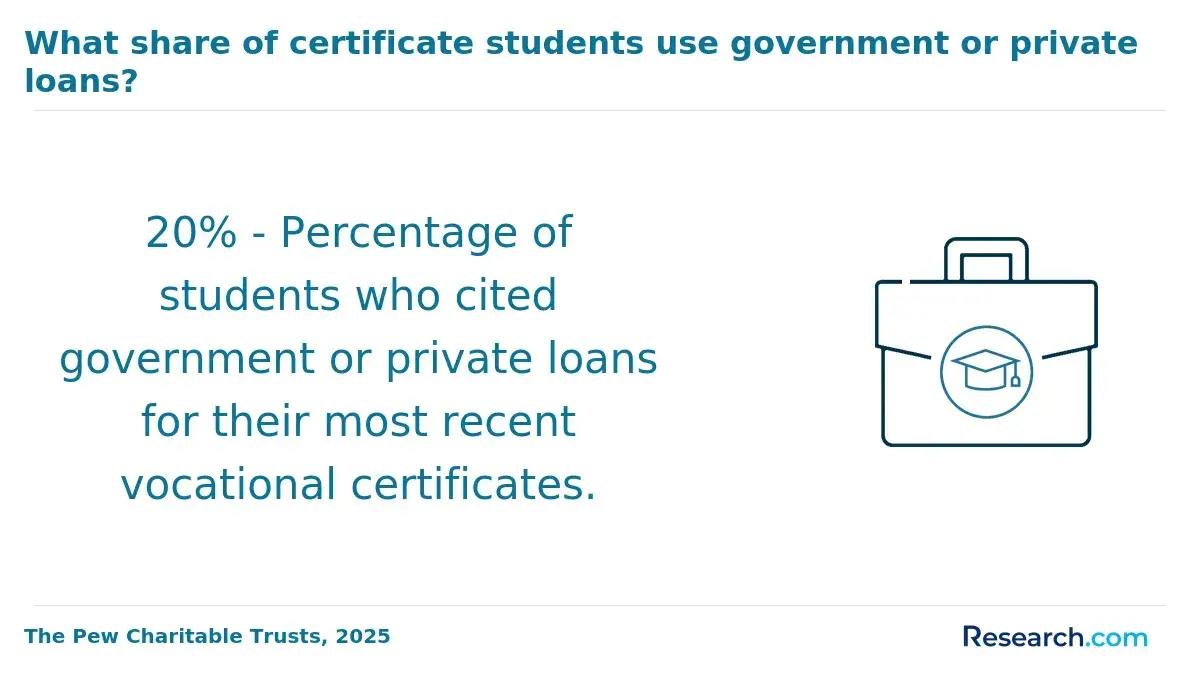
Finally, distinguish sticker price from net price: grants and scholarships can reduce what you pay, while loans must be repaid. Complete the FAFSA, ask about state aid and employer tuition assistance, and compare estimated borrowing - not just monthly payment options.
Which Accreditation Should an Associate Degree Program Have?
Choose a college with institutional accreditation recognized by the U.S. Department of Education. Accreditation matters for federal financial aid eligibility and can affect credit transfer, although it does not guarantee that a destination college will apply credits to your chosen major.
For regulated healthcare fields, also check the approval or specialized accreditation relevant to your occupation. For example, confirm an ADN program's state nursing board approval and NCLEX-RN eligibility; ask sonography programs how their accreditation affects eligibility for the credential you intend to pursue. Get answers for your state and program in writing before paying a deposit.
Can You Earn These Associate Degrees Online?
Business, IT, criminal justice, and psychology programs may be available fully online, but delivery varies by college. Ask whether classes meet live, exams require proctoring, and any internship must be completed locally. Online learning may save commuting costs without reducing tuition or guaranteeing a flexible schedule.
Nursing and hands-on allied-health programs usually require in-person labs or clinical placements even when lectures are online.
Confirm who arranges placements and whether travel creates an additional expense. If start timing matters, compare online colleges that start soon, but verify the start date of the specific major and its required courses - not just the institution's next general enrollment date.
What Coursework Do These Associate Degree Programs Include?
Most associate programs combine general education with major coursework. A program commonly requires around 60 semester credits, though requirements and completion time vary. Full-time students may finish in about two years; part-time enrollment, prerequisites, course sequencing, and clinical availability can extend that timeline.
Business may include accounting and spreadsheets; IT, networking or programming labs; criminal justice, law and security topics; and psychology, introductory psychology and research methods. Healthcare and nursing add science prerequisites and, for applicable programs, supervised practice.
Compare the actual catalog with your goal: an AA or AS often supports transfer, while an AAS often emphasizes workforce preparation, but the college's curriculum and transfer agreements matter more than the abbreviation.
What Are the Admission Requirements for Associate Degree Programs?
Many community colleges admit students with a high school diploma or equivalent, then use placement or prior coursework to determine where they begin. Admission to the college does not necessarily mean admission to a selective major.
Nursing and some allied-health programs may require science prerequisites, a minimum GPA, an entrance exam, or separate deadlines; clinical sites may impose health and background-screening requirements.
Ask admissions to evaluate any previous college credit before enrollment. Confirm which courses satisfy degree requirements, not merely how many credits the college accepts. That distinction affects both your remaining tuition and your completion date.
Which Certifications or Licenses Do Graduates Need?
Requirements depend on the job and state, not just the associate degree's name. ADN graduates must meet state nursing board requirements and pass the NCLEX-RN to become licensed RNs.
Some allied-health roles call for a professional certification or state license. IT certifications can strengthen an application but are not universally required; private security roles may require state registration or employer training.
An associate degree in psychology does not authorize independent counseling or psychological practice. Those paths require additional education, supervised experience, and state licensure; even an online doctorate does not remove applicable clinical or licensing requirements. Check the relevant licensing board and recent local job postings before selecting a program.
How Do You Choose a Reputable Associate Degree Program?
Start with a target occupation, then compare colleges on the cost to complete the credential you actually need. Request an itemized program estimate, a degree audit for any transfer credit, and the schedule for required courses.
For licensed occupations, obtain written confirmation of state eligibility and ask about recent exam outcomes. For transfer plans, ask a prospective bachelor's institution which credits will satisfy your intended major.
Watch for three red flags: a low per-credit price paired with substantial required fees; "online" marketing that omits clinical or campus requirements; and career claims that treat occupational median wages as guaranteed graduate earnings.
A reputable program should be able to explain its accreditation, requirements, costs, and limitations clearly enough for you to compare it with another option.
Other Things You Should Know About
There is no universally cheapest major. In-district business, criminal justice, and psychology programs may have fewer specialized expenses, but compare each college's total required credits and fees against the job you want.
It can be if the total cost is manageable and the curriculum leads to a realistic job or an efficient transfer path. Verify local employer requirements or a bachelor's transfer agreement before enrolling.
Yes, for some roles, but the degree may need to come from an approved program, and certification or licensure may also be required. Check the requirements for your specific occupation and state.
Not necessarily. It may reduce travel expenses, but tuition, technology fees, and required in-person activities can offset savings. Compare the complete program price and attendance requirements.
References
- Cost of Attendance (Budget) | 2025-2026 Federal Student Aid Handbook https://fsapartners.ed.gov/knowledge-center/fsa-handbook/2025-2026/vol3/ch2-cost-attendance-budget
- College Costs | ccp.edu https://www.ccp.edu/college-catalog/college-costs
- Why Is Accreditation Important? | ACE Blog https://ace.edu/blog/why-is-accreditation-important/
- Tri-C Cost of Attendance: Cleveland, Ohio | tri-c.edu https://www.tri-c.edu/paying-for-college/financial-aid-and-scholarships/cost-of-attendance.html
- Workforce Outcomes for Associate Degree Recipients in Utah | ushe.edu https://udrc.ushe.edu/research/RA12_AssociateDegree/index.html
- The benefits of Associate Degrees include better earnings | Lumina Foundation https://www.luminafoundation.org/topics/todays-credentials/associate-degrees/
- 29 High-Paying Associate Degree Jobs | Paying for College https://www.usnews.com/education/best-colleges/paying-for-college/slideshows/10-community-college-degree-jobs-that-pay-50k
- Some of the Most Valuable Associate Degrees | Edvisors https://www.edvisors.com/plan-for-college/benefits-of-college/valuable-associates-degrees/





