
2027 MLIS Programs for Libraries Serving Immigrant Communities

Co-Founder and Chief Data Scientist
Choosing an MLIS for work with immigrant communities means looking beyond a program's public-library label. You need preparation in multilingual access, community partnerships, privacy, and the everyday work of helping patrons find trustworthy information. The U.S. Bureau of Labor Statistics projects 2.6% employment growth for librarians and media collections specialists from 2025 to 2035; that modest outlook makes relevant experience especially valuable. This guide shows prospective students and career changers how to evaluate programs, costs, and credentials against the work they want to do.
Key Things You Should Know
- Choose an ALA-accredited master's program with relevant coursework and a feasible community-facing project or placement; do not assume it has a formal immigrant-services concentration.
- Compare elective availability, local partnerships, scheduling, and total cost - not just whether a program is online. The May 2025 median wage for librarians and media collections specialists was $68,270, not a starting salary or a program outcome.
- An MLIS can support professional public-library roles, but outreach and language-access jobs have varied requirements; school librarian positions may also require state certification.
What are MLIS programs for libraries serving immigrant communities?
These are library and information science master's programs that students can shape toward work with immigrant and multilingual communities. The degree may be called an MLIS, MLS, Master of Science in Library Science, or an institution-specific LIS degree. The relevant preparation is usually a combination of public-library coursework, electives, and applied experience - not a universally named specialization.
The work itself extends beyond buying books in multiple languages. Librarians may help patrons navigate digital services, teach information-literacy classes, build collections with community input, and partner with organizations that understand local needs. They must make services welcoming without assuming that patrons share a language, literacy level, immigration experience, or need for legal help.
Which MLIS programs best prepare students to serve immigrant communities?
There is no defensible single "best" program for this goal without knowing a student's location, budget, language skills, and intended job. Start with the ALA's current directory to confirm the specific master's program is accredited. Then compare published catalogs with recent course schedules and ask how students obtain relevant field experience.
The distinctions below help separate a promising program from one whose marketing sounds relevant but provides little evidence of specialized preparation.
| Evidence to compare | What it establishes | Important limitation |
| Officially named concentration or track | A documented specialization with stated requirements | Its title alone does not establish immigrant-services content |
| Relevant courses or electives | Opportunities to study public services, outreach, or multilingual collections | A catalog listing does not guarantee a course will run when needed |
| Practicum, capstone, or independent project | A documented route to applied work | The student may need to arrange an appropriate partner or placement |
| General public-library curriculum | Foundational preparation for professional practice | Specialized preparation remains unverified |
Ask an adviser which relevant electives ran recently, whether they are open to online students, and whether a project with a local immigrant-led organization can meet degree requirements. A library science program cost comparison can help narrow options, but confirm current offerings and prices directly with each institution.
Why does ALA accreditation matter for immigrant-services library careers?
ALA accreditation evaluates a graduate library and information studies program, not an individual elective or a graduate's language proficiency. Many professional librarian employers specify or prefer a degree from an ALA-accredited program, so checking the current accreditation status of the exact degree protects an important career option.
Institutional accreditation is different: an accredited university does not necessarily offer an ALA-accredited LIS master's program. Nor does ALA accreditation certify an immigrant-services track, guarantee a placement, or replace experience working with communities. If a job posting names a particular credential, use that employer's wording rather than assuming all library positions have the same rule.
What do MLIS programs teach about multilingual and culturally responsive library services?
Useful coursework connects collection development, reference, instruction, and outreach to the communities a library serves. Students might learn how to assess demand for materials in different languages, evaluate information sources with patrons, design accessible programs, and measure whether services reach their intended audience. Information privacy also matters when a patron's question or account history could reveal sensitive circumstances.
Look for work that moves beyond a classroom discussion: a community-informed collection assessment, a multilingual wayfinding evaluation, or an information-literacy session developed with a partner organization. Such projects can demonstrate listening, evaluation, and revision. They should be designed with appropriate consent and data practices; patrons' personal histories are not material to collect merely to strengthen a portfolio.
A relevant course is not the same as a formal concentration, and language study alone does not establish professional interpreting ability. The strongest course plan combines LIS fundamentals with opportunities to learn from the particular communities and organizations a graduate hopes to serve.
Should you choose an online or campus-based MLIS program?
Choose the format that lets you complete the right courses and meaningful fieldwork without an unsustainable schedule. Online study may allow a working student to stay near a local library or community partner. Campus study may make in-person collaboration and access to nearby placements easier. Neither format, by itself, establishes the quality of preparation.
Confirm whether classes meet live, how often relevant electives run, and whether a practicum can be completed near home. An online course can still have fixed meeting times, and a placement may require in-person hours. If your priority is flexible progression, investigate how a competency based graduate library program assesses learning - but verify its accreditation, actual scheduling rules, and suitability for community-based practice before enrolling.
What are the admission requirements for MLIS programs?
Applicants generally need a bachelor's degree and a program-specific application. Schools may request transcripts, recommendations, a statement of purpose, a résumé, or other materials; academic and language-proficiency policies vary. Check each program's current admissions page rather than treating one school's requirements as universal.
A strong statement can connect experience in libraries, education, language access, or community organizations to a concrete learning goal. Such experience can strengthen an application, but it does not automatically replace a required degree. Applicants with international transcripts or an unusual academic history should ask admissions staff which evaluations and documents are required before paying an application fee.
How long do MLIS programs take and how much do they cost?
Completion time depends on required credits, enrollment pace, course sequencing, and any practicum or capstone. A full-time student may finish in roughly two years, while part-time study can take longer - especially if a needed elective is offered infrequently. Request a term-by-term plan for the courses you actually want, not only the shortest advertised completion time.
Calculate gross program cost as required credits multiplied by the tuition rate that applies to you, then add mandatory fees, materials, and any travel or placement expenses. Compare that amount with grants or employer support to estimate out-of-pocket cost; borrowing is a way to finance the remaining cost, not a discount. An affordable MLIS for working professionals may still cost more than expected if part-time sequencing adds terms or a placement requires time away from paid work.
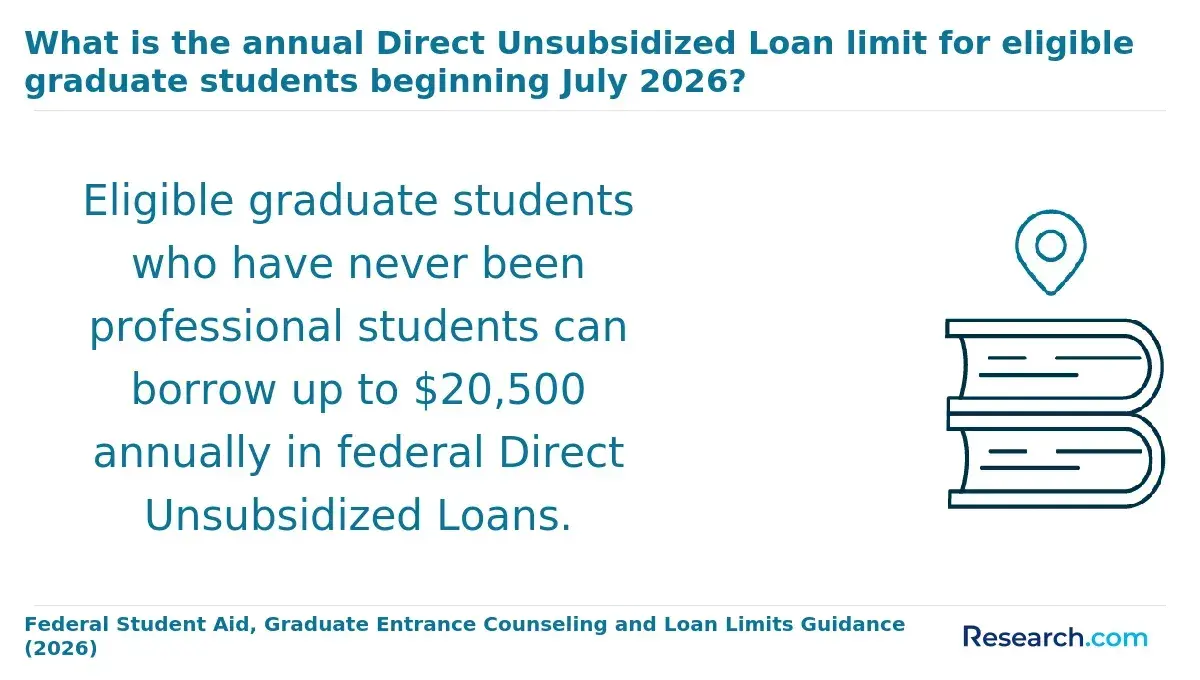
Ask financial aid staff about eligibility for your planned enrollment level and period, and confirm loan terms under rules in effect when you attend. Do not assume every online student pays in-state tuition or receives an assistantship.
What careers can an MLIS degree lead to in immigrant-serving libraries?
Public libraries offer the clearest connection, but relevant work also appears in school and academic libraries and in community-facing information roles. Job titles do not reliably reveal degree requirements, so compare postings in the area where you intend to work.
These pathways differ in daily work and credential expectations; the table is a starting point for reading actual job descriptions, not a list of guaranteed outcomes.
| Pathway | Typical contribution | Credential consideration |
| Public services or outreach librarian | Reference, instruction, programs, and community partnerships | Professional librarian postings commonly specify or prefer an LIS master's |
| Children's or youth services librarian | Age-appropriate collections, family programs, and school partnerships | Requirements vary by employer; public-library roles differ from licensed school positions |
| School librarian | Student instruction and access to school library resources | State certification or endorsement rules may apply |
| Library assistant or outreach coordinator | Service delivery, event support, and community contact | An MLIS may not be required |
If you already hold a community-outreach role, experience or targeted training may be more useful than immediately pursuing a master's. If professional librarian positions are your goal, compare degree requirements with your likely earnings and costs; lists of library graduate programs that pay well cannot substitute for local job-posting evidence. Applied projects and references from community partners can help show what you can do, but no placement guarantees a job.
How much do librarians serving immigrant communities earn?
The U.S. Bureau of Labor Statistics reports a May 2025 median annual wage of $68,270 for librarians and media collections specialists. That figure covers a broad occupation, not an immigrant-services specialty, and it is not an entry-level salary. Pay for a particular position depends on employer, location, responsibilities, and experience; compare local postings before estimating the financial return on a degree.
Roles outside professional librarianship can have different pay structures and qualification requirements. If you are considering a move into systems or other adjacent work, library technology jobs salary information may provide broader context, but those roles should not be treated as the expected earnings of an outreach librarian.
What certifications and licensing requirements apply to professional librarians?
There is no single U.S. license required for every professional librarian job. Public-library employers set position requirements, and some states or localities have additional rules for particular public-library roles. Review the jurisdiction and employer relevant to your intended job.
School librarianship is a separate decision point: state education agencies set certification, licensure, or endorsement requirements, which may include specified preparation and supervised experience. An online ALA-accredited MLIS does not automatically qualify a graduate in every state. Before choosing a school-focused pathway, obtain written confirmation from the program and check the state education authority where you plan to work. Specialized certificates or professional development may be useful elsewhere, but they are not universal legal requirements.
Other Things You Should Know About Library Science
Often, yes, if a library or partner organization has suitable opportunities. Ask about defined tasks, supervision, and any training required. Volunteering can test your interest in the work without committing to a degree.
A bilingual librarian uses language skills while performing library duties. A professional interpreter conveys communication between speakers under role-specific standards. Language ability alone does not make those roles interchangeable.
A librarian can help a patron locate reliable information and appropriate services, but should not present legal advice as library assistance unless separately qualified and authorized to provide it. Libraries can establish referral relationships with qualified legal-service providers.
Check whether the information is current, readable, and accurate for its intended audience. Feedback from community members and review by qualified language professionals can reveal problems that a word-for-word translation misses.
References
- Student/Intern LOCI Program | loc.gov https://www.loc.gov/item/internships/loci-program/
- Types of Financial Aid: Grants, Work-Study, and Loans | studentaid.gov https://studentaid.gov/understand-aid/types
- Barriers to Immigrants' Access to Health and Human Services Programs | ASPE https://aspe.hhs.gov/reports/barriers-immigrants-access-health-human-services-programs-0
- Educational Resources for Immigrants, Refugees, Asylees and other New Americans | U.S. Department of Education http://www.ed.gov/teaching-and-administration/supporting-students/educational-resources-for-immigrants-refugees-asylees-and-other-new-americans
- Cost of Attendance (Budget) | 2025-2026 Federal Student Aid Handbook https://fsapartners.ed.gov/knowledge-center/fsa-handbook/2025-2026/vol3/ch2-cost-attendance-budget
- Serving New Americans | Institute of Museum and Library Services https://www.imls.gov/our-work/partnerships/serving-new-americans
- CLAS Standards - Think Cultural Health - HHS.gov https://thinkculturalhealth.hhs.gov/clas/standards
- Get Involved | The Center for New North Carolinians https://cnnc.uncg.edu/get-involved/
- ALA-Accredited Programs https://www.ala.org/educationcareers/accreditedprograms/directory


