2027 MLIS Programs for Court Library and Legal Information Services

Co-Founder and Chief Data Scientist
A court library career calls for more than a general interest in books or law. You need to assess whether an MLIS will teach legal research, prepare you for public-service responsibilities, and fit your budget and schedule. The U.S. Bureau of Labor Statistics reports a May 2025 median annual salary of $68,270 for librarians and media collections specialists - but that broad figure is not a court librarian salary.
This guide helps prospective students and career changers identify suitable training, compare programs without mistaking electives for specializations, and judge when additional legal education is worth pursuing.
Key Things You Should Know
- Start with an ALA-accredited master's program, then check for legal research coursework and a realistic way to gain court or law library experience; accreditation alone does not establish those features.
- A JD is not a universal requirement for court librarians, although some academic law library and specialized research positions prefer or require one.
- Use the BLS projection of 2.6% employment growth for librarians and media collections specialists from 2025 to 2035 as broad context, not a forecast of court library openings.
What are MLIS programs for court libraries and legal information services?
These are library and information science master's programs that students shape toward legal research and service - not necessarily degrees with a formal "court librarianship" concentration. An MLIS, MLS, or differently named LIS master's degree may provide the foundation. Legal information courses and applied experience supply the specialization when they are available.
Court librarians may serve judges, clerks, court staff, attorneys, and members of the public, depending on the library's mission. Their work can include finding statutes and case law, explaining how to use research tools, maintaining print and electronic collections, and helping people distinguish official legal sources from secondary explanations. Unlike an attorney, a librarian generally helps a patron locate and understand sources without recommending a legal course of action.
That distinction matters when choosing a program: strong reference and public-service training is as important as familiarity with legal databases. Privacy, accessibility, and careful verification of AI-assisted search results also matter when a research error could affect a legal proceeding.
What degree and accreditation do law librarians typically need?
An ALA-accredited master's in library and information studies is a common qualification for professional law librarian positions. The degree might be called an MLIS, MLS, Master of Science in Library Science, or another institution-specific name. Assess the specific master's program in the current American Library Association accreditation directory; a university's institutional accreditation does not establish ALA accreditation for its LIS degree.
Requirements still depend on the employer and job. A court may accept an LIS master's plus legal research experience, while an academic law library position involving advanced legal research or teaching may prefer or require both an LIS degree and a JD. Technician and assistant roles may have different entry requirements. Read several job postings from the type of court or law library you want to join before committing to a second graduate degree.
Which MLIS programs offer law librarianship or legal information specializations?
A trustworthy program shortlist requires current catalog and accreditation checks. Without confirmation that a named track is still offered, it is safer to compare documented features than to treat a school's general LIS curriculum as a law librarianship specialization. A formal concentration is an officially named, published pathway; an elective, independent study, or student-designed course sequence is not the same thing.
The table shows the evidence to seek when comparing programs. It separates preparation you can verify from features that require a follow-up question.
| Feature | Evidence to look for | Why it matters |
| Formal law librarianship track | Current catalog requirements and named track | Shows a documented sequence rather than an informal recommendation |
| Relevant electives | Course descriptions for legal research, government information, or law library services | Shows subject alignment, but not that a course runs every term |
| Applied learning | Published practicum, internship, or project options | Provides a possible route to work samples and professional contacts |
| General LIS foundation | Reference, information organization, collections, and service coursework | Supports court library work even without a named specialty |
For each finalist, ask when the legal electives last ran, whether they are open to online students, and whether a court or law library placement can satisfy any experiential requirement. A catalog listing establishes an offering, not a seat in the term you need it.
Are online MLIS programs suitable for court library careers?
Yes, if the specific online program is appropriately accredited and lets you build legal research and service experience. Delivery format does not by itself determine professional credibility. The harder question is whether you can take the right electives on schedule and arrange relevant work near home.
Check whether classes are live or asynchronous, whether required courses have limited start dates, and whether a practicum can be completed at a local court, government, or law library. Do not assume that online coursework makes an internship remote: a host library may expect on-site service or have its own access requirements. Working applicants comparing scheduling options may also find flexible library science admissions useful, but should confirm each program's current timetable directly.
What courses do legal information and court library MLIS programs include?
Relevant curricula combine general librarian skills with legal-source literacy. Look for instruction in reference interviewing, information organization, collection development, government information, and legal research. A dedicated law librarianship course may cover statutes, regulations, judicial opinions, citators, legal databases, and service to people without legal training; course titles and depth vary.
For court settings, prioritize assignments that require students to trace a legal question to an authoritative source, check whether the source is current, and explain the result without giving legal advice. Courses in accessibility, privacy, or digital collections can add value when a library supports public terminals or electronic court information. If a program lacks a legal elective, ask whether a supervised independent project or an approved course elsewhere can fill the gap - and whether it will count toward your degree before enrolling in it.
What are the admission requirements for legal information MLIS programs?
Admissions policies belong to the individual program. Applicants commonly need a bachelor's degree and must submit transcripts and an application; statements, recommendations, tests, and minimum academic standards vary. Legal education is not automatically a prerequisite. Experience in public service, research, courts, or legal offices can strengthen an application, but it does not automatically replace a published degree requirement.
Use the statement of purpose to connect your background to specific work: helping patrons locate reliable information, handling confidential questions, or organizing complex records. If your academic history does not fit a standard requirement, request an individual review rather than assuming an exception. Guidance on MLIS admissions for career changers can help frame that conversation; only the admissions office can confirm its current policy.
How long do MLIS programs cost for court library careers?
Allow roughly two years for full-time study as a planning starting point, with part-time study usually taking longer; the actual timeline depends on required credits, course rotation, and any placement. No single tuition figure applies to court-focused MLIS study. Calculate each program's published tuition for your residency and delivery status across its required credits, then add mandatory fees, materials, and any travel or practicum costs.
Compare both the amount you would pay and when you would need to pay it. A lower per-credit price may not produce the lowest total if a program requires more credits or extra terms. The following cost categories belong in a comparison before you decide how much to borrow.
- Gross program cost: required tuition plus mandatory fees and expected study or placement expenses.
- Personal cost: gross cost minus aid or employer support you have actually confirmed.
- Amount financed: the portion you choose to borrow, subject to your eligibility and the rules in effect for your enrollment period.
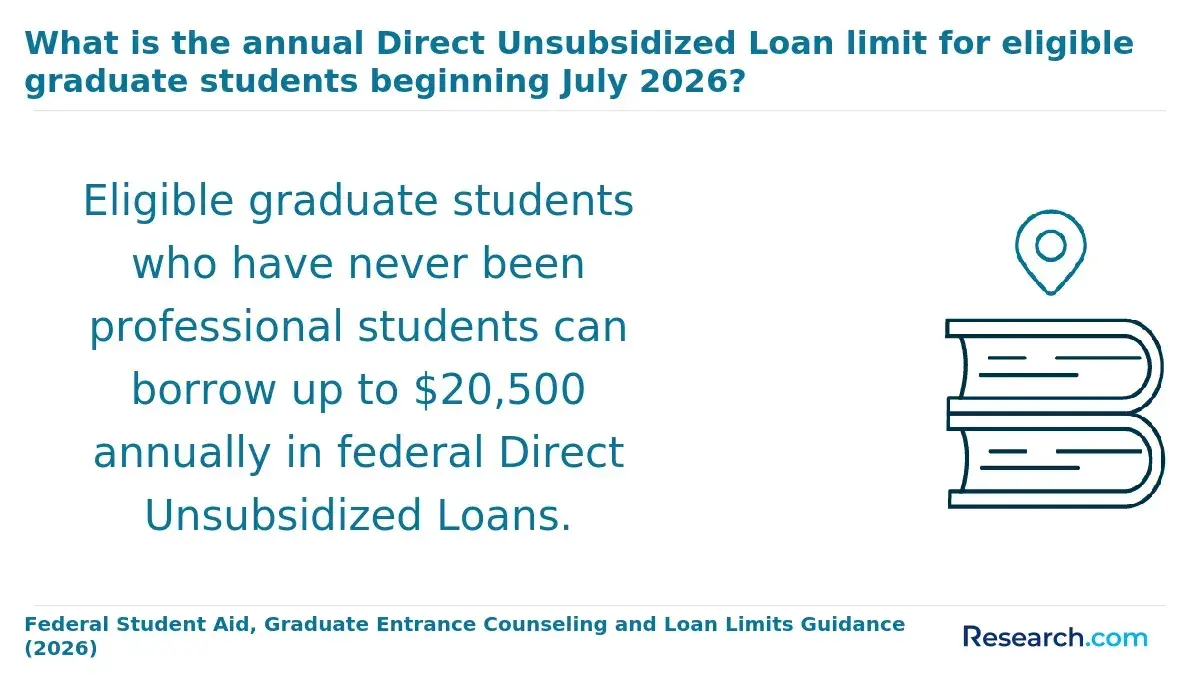
Scholarships and employer reimbursement can change the calculation, but neither is assured. A cheap accelerated librarian program may reduce time away from work; check whether its pace still leaves room for legal electives and relevant experience. Ask the financial aid office about current loan eligibility rather than assuming a past borrowing rule will apply.
What jobs can graduates pursue in court and law libraries?
Potential titles include court librarian, law librarian, legal research librarian, reference librarian, and library manager. Employers can include state or federal courts, government law libraries, law schools, and law firms. Duties differ: a courthouse public-service role may emphasize helping self-represented patrons find sources, while a law firm role may emphasize research for attorneys and management of licensed information tools.
An MLIS is particularly relevant to professional librarian openings, but adjacent research, records, and knowledge-management jobs may accept other education or experience. If you already work in a court, a library assistant or legal support position may offer a way to test the setting before paying for a master's. For a broader view of how roles differ, consult an information professional salary comparison, then check the qualifications and duties in actual openings.
To improve your fit, seek supervised experience answering legal-source questions, organizing a small collection, or creating an accessible research guide. Keep anonymized work samples that demonstrate source checking and clear explanations; do not put patron inquiries or confidential court information in a portfolio.
How much do law librarians and court librarians earn?
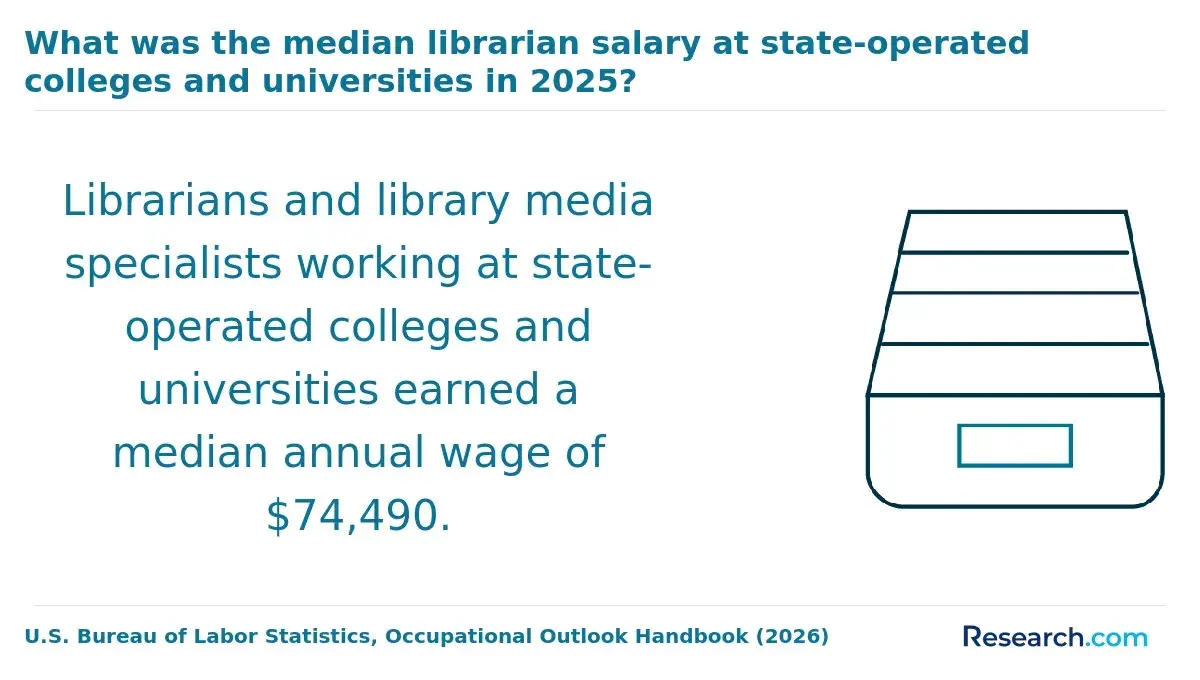
The BLS reports a May 2025 median annual salary of $68,270 for the broad occupation of librarians and media collections specialists. It does not isolate court librarians or establish what a new MLIS graduate will earn. Pay for a particular opening can depend on the court system, location, responsibilities, experience, and whether the role requires additional legal education.
Use the salary range and pay grade in relevant job postings for a more useful personal estimate. When weighing tuition against earnings, compare likely openings with your current pay and the amount you would need to finance - not just a national median. An affordable library masters salary potential comparison can be a starting point, but program cost and occupational pay should not be treated as a guaranteed return.
Do court librarians need legal certifications or a law degree?
There is no universal JD or legal certification requirement for court librarians. An employer may require an LIS master's, prefer legal research experience, or set additional qualifications for a specialized role. A JD can be valuable when a position calls for advanced legal analysis or teaching, but it is a substantial extra investment rather than a default next step for every prospective court librarian.
Compare job descriptions before pursuing another credential. If the openings you want ask chiefly for reference service and familiarity with legal sources, targeted coursework and supervised experience may be more relevant than a law degree. If your goal is to practice law or perform attorney-level analysis, an MLIS is not a substitute for the education and authorization that work requires.
Other Things You Should Know About Library Science
No. A librarian can help someone find legal sources and explain how to use research tools, but should not recommend what claim to file, interpret the law for a patron's case, or choose a legal strategy.
Some do, but access and services vary by court. Check the library's public-access policy before assuming it offers walk-in research help.
Ask about supervised work in a public law library, government information service, or legal aid information setting. A faculty-approved legal research guide can also demonstrate relevant skills, provided it is carefully sourced and does not offer legal advice.
The research habits transfer, but court rules, publications, and access systems differ. Expect to learn the new jurisdiction's authoritative sources and local service policies.
References
- Supreme Court Internship Program https://www.supremecourt.gov/jobs/internship/internshipprogram.aspx
- Careers Law Librarians, Law Library Assistants and Clerks | nycourts.gov https://www.nycourts.gov/careers/law-librarians-law-library-assistants-and-clerks
- Information and Library Science, MS | buffalo.edu https://ed.buffalo.edu/academics/masters/library-science.html
- Library Science - NCCU Online https://nccuonline.nccu.edu/programs/library-science/
- Funding and Financial Aid - Graduate Admissions | UT Dallas https://graduate-admissions.utdallas.edu/apply-to-ut-dallas/funding-and-financial-aid/
- MLIS Curriculum, Specialties & Courses | University of Arizona College of Information Science https://infosci.arizona.edu/ma-library-information-science/curriculum-specialties-courses
- Admissions - Master of Library and Information Science (MLIS) https://info.umd.edu/academics/masters-programs/master-of-library-and-information-science/admissions/
- What's the Difference Between Asynchronous and Synchronous Learning? | Ohio State Online https://online.osu.edu/content-hub/blogs/whats-the-difference-between-asynchronous-and-synchronous-learning/
- Online Learning at the University of Oklahoma | OU Online https://online.ou.edu/student-resources/online-learning/
- Program: Master of Library and Information Science, M.L.I.S. | usm.edu https://catalog.usm.edu/preview_program.php