2027 Military-Friendly Online Pediatric Nurse Practitioner Doctorate Programs: Benefits, Accreditation, and Career Outcomes
Audited and Verified:
Our Editorial and Data Verification Process
Research.com uses government datasets, official education statistics and primary institutional information to support its career and degree guides. Our review process checks factual accuracy, occupational definitions, source dates and the requirements associated with the credentials discussed.
How This Article Was Fact-Checked
Our editorial team verifies salary estimates, employment projections, education requirements and program information against original data providers and official organizations. Salary figures are checked against the relevant occupational definitions and reporting periods. Information about licensure, accreditation and required in-person training is reviewed separately.
Fact-checked and verified on:

Co-Founder and Chief Data Scientist
Choosing an online pediatric nurse practitioner doctorate while serving, transitioning, or using veteran benefits is a high-stakes academic and financial decision. The U. S. Bureau of Labor Statistics projects nurse practitioner employment to grow 40% from 2024 to 2034, signaling strong demand but also higher expectations for advanced clinical training.
This guide is for active-duty nurses, veterans, reservists, Guard members, and military spouses comparing DNP pediatric NP options. You will learn how to evaluate benefits, accreditation, flexibility, cost, transfer credit, and career value before enrolling.
Key Things You Should Know
- For licensure and certification, the most important filter is not the "military-friendly" label; it is whether the DNP pediatric NP track is institutionally accredited and professionally aligned with APRN education standards.
- Military Tuition Assistance commonly has a $250-per-semester-hour cap and annual limits, so it may reduce doctorate costs but usually does not cover the full price of a DNP program by itself.
- The strongest career signal is still the NP labor market: BLS data shows nurse practitioners had a May 2024 median wage of $129,210, but pediatric specialty pay varies by setting, state, certification, and experience.
Which Military-Friendly Online Pediatric Nurse Practitioner Doctorate Programs Offer the Best Benefits for Service Members?
The best military-friendly online pediatric nurse practitioner doctorate programs are usually not the ones with the biggest marketing claims. They are accredited DNP programs that combine pediatric NP preparation, transparent tuition, predictable clinical placement expectations, VA or military benefit processing, and policies that realistically support deployment, relocation, and irregular duty schedules.
Most online pediatric NP doctorates are Doctor of Nursing Practice programs with either a Pediatric Nurse Practitioner-Primary Care or Pediatric Nurse Practitioner-Acute Care track. Some are BSN-to-DNP programs for registered nurses who want to become nurse practitioners, while others are post-master's DNP pathways for already certified APRNs. Students who are still comparing graduate NP pathways may want to review broader online nurse practitioner programs before committing to a pediatric doctoral track.
The table below summarizes the types of programs military-connected students commonly shortlist. Because military benefits, residency rules, and clinical placement support can change, use this as a comparison framework rather than a final enrollment list.
| Program type to compare | Best fit for military-connected students | Military-friendly indicators to verify | Important caution |
| Public university online or hybrid BSN-to-DNP pediatric NP | Active-duty RNs, Guard members, reservists, and veterans seeking APRN licensure preparation | VA benefit processing, possible in-state tuition rules for veterans, military student office, clinical placement guidance | Residencies, skills intensives, or clinicals may still require travel or local preceptor approval |
| Private nonprofit DNP pediatric NP program with Yellow Ribbon participation | Veterans using Post-9/11 GI Bill benefits who may exceed the private-school annual tuition cap | Yellow Ribbon availability, annual award limits, number of eligible students, veteran certifying official | Yellow Ribbon participation does not always mean the full remaining balance is covered |
| Post-master's DNP for certified pediatric NPs | Veteran or active-duty APRNs seeking leadership, evidence-based practice, or academic advancement | Shorter completion plan, credit for prior graduate clinical hours, flexible project requirements | It may not add a new NP population focus unless the school offers a separate post-graduate certificate |
| Hybrid academic health center DNP pediatric NP | Students who want strong pediatric clinical networks and can travel for required campus sessions | Military leave options, predictable immersion dates, access to children's hospitals or pediatric specialty sites | Highly structured calendars may be harder for students with unpredictable operational commitments |
A practical shortlist should include no more than five programs at first. For each, confirm whether the school certifies VA benefits, accepts Tuition Assistance, offers a military tuition rate or scholarship, provides a dedicated military advisor, and publishes clear policies for deployment interruptions. A program that is excellent academically but inflexible during mobilization may be a poor fit for an active-duty student.
What Military Benefits Can Students Use for an Online Pediatric Nurse Practitioner Doctorate?
Military-connected students may be able to combine several education benefits, but eligibility depends on service status, branch rules, benefit election, remaining entitlement, school participation, and degree level. Doctoral students should be especially careful because some benefits cover tuition only, some exclude fees, and some require advance approval before each term.
The table below explains the major benefit categories and how they typically apply to an online pediatric nurse practitioner doctorate. It is designed to help students ask the right questions before they rely on a benefit to fund enrollment.
| Benefit | Who may use it | How it can help with a DNP pediatric NP program | What to verify before enrolling |
| Military Tuition Assistance | Eligible active-duty, Guard, and reserve members under branch rules | Can pay part of approved graduate tuition up to service-specific limits | Annual cap, per-credit cap, degree-plan approval, required grade, and service obligation rules |
| Post-9/11 GI Bill | Eligible veterans, active-duty members, and transferred dependents | Can cover tuition and fees within VA rules and may include housing and book stipends | Remaining entitlement, public vs. private school treatment, online housing rate, and program approval |
| Yellow Ribbon Program | Eligible Post-9/11 GI Bill students at participating schools | Can help cover costs above the private-school cap or out-of-state tuition charges | Whether the nursing school participates, award amount, student limits, and annual availability |
| Veteran Readiness and Employment | Eligible veterans with a service-connected disability and employment barrier | May support education tied to an approved employment plan | Approval by a VR&E counselor and alignment with a feasible vocational goal |
| State veteran education benefits | Veterans, Guard members, or dependents depending on state law | May reduce tuition at public institutions or provide supplemental aid | Residency rules, eligible institutions, graduate-degree coverage, and deadlines |
| Institutional military scholarships or tuition discounts | Varies by school | Can reduce remaining tuition after federal benefits are applied | Stacking rules, renewal conditions, and whether discounts apply to doctoral nursing programs |
A common mistake is assuming that one benefit automatically covers the entire doctorate. A better approach is to request a written cost estimate from the school's financial aid office and military certifying official showing tuition, mandatory fees, expected benefit coverage, and the student's estimated remaining balance.
How Does Military Tuition Assistance Work for Online Pediatric Nurse Practitioner Doctorate Programs?
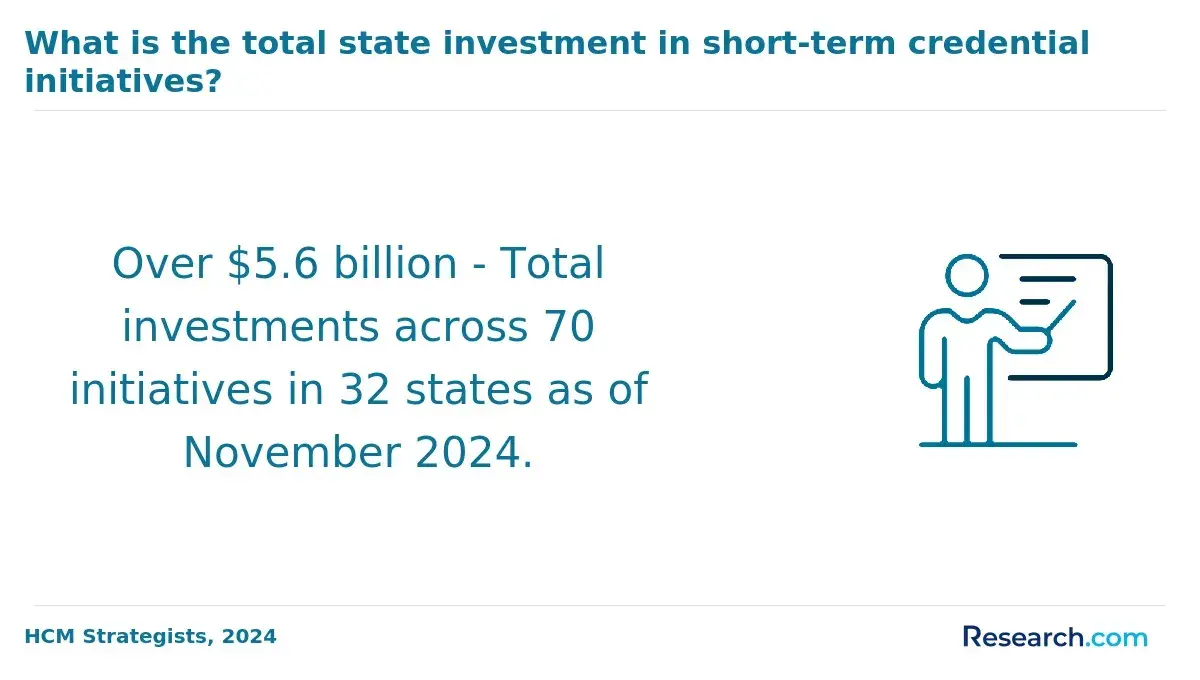
Military Tuition Assistance is a branch-managed benefit, not a traditional scholarship. For an online pediatric nurse practitioner doctorate, it usually works best as a cost-reduction tool rather than a complete funding solution because graduate nursing tuition often exceeds the per-credit TA cap.
While branch rules differ, the general process follows a predictable sequence. Students should complete these steps before registration deadlines because retroactive TA approval is often not allowed.
- Confirm that the school is approved for Tuition Assistance and that the DNP pediatric NP program appears on an approved education plan.
- Meet with the installation education office or service education portal to confirm eligibility, annual limits, grade requirements, and any service obligation.
- Request TA for each course before the branch deadline, using the exact course number, start date, tuition amount, and credit value.
- Confirm with the university billing office that TA has been posted correctly and determine what portion remains the student's responsibility.
- Track grades and withdrawal dates carefully, because unsuccessful completion or late withdrawal may require repayment.
The Department of Defense's widely used TA ceiling is $250 per semester hour, with annual limits that can vary by service. That means a three-credit graduate course may receive up to $750 in TA before branch-specific caps are considered. If a DNP course costs more than that, the student must plan for GI Bill top-up, scholarships, employer aid, payment plans, or out-of-pocket costs.
TA can be valuable for active-duty nurses who want to preserve GI Bill entitlement for later, but it is not always the best first-dollar strategy. Students close to separation, students in high-cost private programs, and students with dependents who may need transferred GI Bill benefits should compare scenarios with both the education office and the school's veteran certifying official.
Military-friendly online pediatric nurse practitioner doctorate programs should be accredited at two levels: institutional accreditation for the university and professional nursing accreditation for the nursing program. Institutional accreditation affects federal aid and transferability, while nursing accreditation helps establish that the program meets recognized standards for advanced practice nursing education.
For pediatric NP students, accreditation is not just a quality marker. It can affect eligibility for national certification exams, state APRN licensure, clinical site acceptance, employer recognition, and future doctoral or faculty opportunities. Most reputable DNP nursing programs are accredited by the Commission on Collegiate Nursing Education or the Accreditation Commission for Education in Nursing, but students should verify the exact pediatric track rather than relying on a general nursing-school statement.
Before applying, use this verification checklist to reduce the risk of choosing a program that does not meet your professional goals.
- Confirm that the university has current institutional accreditation recognized for federal student aid purposes.
- Confirm that the DNP nursing program has current professional nursing accreditation and review the accreditation term, not just the agency name.
- Ask whether the Pediatric Nurse Practitioner-Primary Care or Pediatric Nurse Practitioner-Acute Care track meets educational requirements for certification through the relevant national certifying body.
- Contact the state board of nursing where you plan to practice and ask whether graduates of the program are eligible for APRN licensure or recognition.
- Review whether the program requires local clinical placements, campus intensives, simulation labs, or pediatric specialty sites that may be difficult to access after relocation.
One red flag is a school that promotes military discounts but gives vague answers about certification eligibility or state authorization. A discount is useful only if the degree supports the license, certification, and career outcome the student is actually pursuing.
Strong military student support goes beyond accepting VA benefits. The best-fit programs anticipate the realities of duty schedules, PCS moves, mobilization, clinical site changes, and delayed paperwork. For pediatric NP doctoral students, support also needs to include clinical placement planning because pediatric sites may be more limited than adult primary care sites in some regions.
The table below highlights support features that matter most to active-duty and veteran students. It can help applicants separate meaningful support from general admissions messaging.
| Support feature | Why it matters in a pediatric NP doctorate | Question to ask the school |
| Dedicated military or veteran advisor | Helps coordinate benefits, leave, withdrawals, and documentation across offices | Will I have one point of contact for military-related academic and benefit issues? |
| Veteran certifying official | Ensures GI Bill enrollment certification is submitted correctly and on time | How early do I need to submit course registration for VA certification? |
| Deployment and military leave policy | Protects academic progress when service obligations interrupt coursework or clinicals | Can I pause clinical courses or return without reapplying after deployment? |
| Clinical placement support | Pediatric placements can be competitive, especially after relocation | Does the school locate preceptors, approve student-identified sites, or use a shared model? |
| Asynchronous coursework options | Supports students in different time zones or on rotating shifts | Which courses require live attendance, and are sessions recorded? |
| Mental health and transition services | Veterans and active-duty students may be managing transition stress alongside doctoral work | Are counseling, disability services, and veteran peer resources available to online students? |
The strongest programs put policies in writing. If an advisor says the faculty are "usually flexible," ask for the formal leave-of-absence, incomplete, clinical interruption, and readmission policies. Written policies are especially important for students whose schedules may change for reasons outside their control.
Military training and experience can strengthen an application to an online pediatric nurse practitioner doctorate, but it rarely substitutes directly for graduate pediatric NP clinical coursework. DNP programs must document advanced nursing competencies, population-focused clinical preparation, and doctoral practice hours, so schools are careful about what they accept.
Transfer credit is more likely when prior coursework is graduate-level, recent, relevant, completed at an accredited institution, and similar in content to the receiving program's curriculum. Military medical experience may support a résumé, personal statement, leadership narrative, or DNP project idea, but it does not automatically replace courses such as pediatric advanced health assessment, pediatric pharmacology, or pediatric primary and acute care management.
Students should approach transfer evaluation in a structured way. The following steps can prevent overestimating how much prior service or coursework will shorten the doctorate.
- Request official transcripts from every college and graduate nursing program attended, including any prior MSN, certificate, or nondegree coursework.
- Obtain Joint Services Transcript or Community College of the Air Force records if the school requests them, while recognizing that doctoral transfer decisions are usually course-based.
- Ask for the DNP program's written transfer-credit limit, minimum grade, course-age limit, and syllabus review process.
- Ask whether prior supervised graduate clinical hours can count toward the DNP's post-baccalaureate practice-hour total.
- Request the final transfer evaluation before accepting admission if the number of accepted credits affects affordability or timeline.
A common mistake is assuming that years of military clinical leadership will shorten a BSN-to-DNP program substantially. Experience matters, but pediatric NP licensure preparation still requires documented graduate didactic and clinical education in the population focus.
Online pediatric nurse practitioner doctorates can be flexible, but they are not self-paced programs in the same way some nonclinical online degrees are. APRN programs include sequenced clinical courses, preceptor approvals, skills assessments, and faculty oversight. For military students, the key question is not whether the program is online, but how it handles time-sensitive requirements when duty obligations change.
Students seeking the fastest route should be cautious. Some accelerated nurse practitioner programs may work for nurses with stable schedules and strong academic preparation, but accelerated clinical tracks can be difficult for active-duty students who may deploy, work rotating shifts, or relocate.
The table below compares flexibility features that directly affect military-connected students in an online pediatric NP doctorate.
| Flexibility factor | More military-compatible option | Higher-risk option |
| Course delivery | Mostly asynchronous lectures with limited scheduled live sessions | Frequent mandatory live classes during fixed evening or daytime hours |
| Campus visits | Published immersion dates provided far in advance | Short-notice intensives or multiple travel-heavy requirements |
| Clinical placement | Clear process for approving sites after PCS relocation | Clinical network limited to one region or state |
| Progression plan | Part-time pathway with defined stop-out and reentry options | Lockstep cohort model with limited course availability if a term is missed |
| Deployment policy | Written military leave policy that protects standing and outlines return steps | Case-by-case promises without published procedures |
Active-duty students should ask admissions whether the program has previously supported students through deployment or relocation. The answer does not need to reveal private student details, but it should show that the school understands the practical challenges of military service.
The net cost of a military-friendly online pediatric nurse practitioner doctorate depends on tuition, fees, residency travel, clinical placement expenses, books, certification preparation, and how benefits are applied. Because doctoral nursing programs vary widely in credit requirements, students should calculate total program cost rather than comparing only per-credit tuition.
For the 2025-2026 academic year, the VA's Post-9/11 GI Bill private and foreign school tuition-and-fee cap is $29,920.95. Public in-state tuition may be covered differently under VA rules, while Yellow Ribbon can help at participating schools. This matters because a private DNP program above the annual cap may still leave a balance unless the school's Yellow Ribbon contribution and VA match cover the remainder.
The table below shows how common military benefits affect doctoral cost planning. It does not replace a school-specific bill, but it shows where remaining costs often appear.
| Cost factor | How military benefits may apply | What may remain out of pocket |
| Graduate tuition | TA, GI Bill, Yellow Ribbon, VR&E, or institutional discounts may reduce tuition | Tuition above TA caps, GI Bill caps, or scholarship limits |
| Mandatory university fees | GI Bill may cover approved mandatory fees; TA often focuses on tuition | Technology, clinical, simulation, graduation, or distance-learning fees if not covered |
| Residency or immersion travel | Usually not covered by TA and may have limited coverage under other benefits | Airfare, lodging, meals, local transportation, and leave time |
| Clinical placement expenses | Benefits may not cover all site-specific costs | Background checks, immunizations, drug screening, onboarding systems, and malpractice coverage if required |
| Certification and licensure | Some VA benefits may support approved tests, depending on eligibility | Exam fees, review courses, state application fees, and renewal costs |
Use a simple funding worksheet before enrolling. List every required credit, multiply by tuition, add fees and travel, subtract confirmed benefits, then calculate the remaining balance by term. If the program cannot give a clear estimate, treat that as a financial planning risk.
Students should also compare opportunity cost. A longer part-time program may delay career advancement, but it may prevent failed courses, repayment obligations, or clinical interruptions. For active-duty students, the lowest advertised tuition is not always the lowest-risk option.
An online pediatric nurse practitioner doctorate can support several career outcomes, including pediatric primary care NP, pediatric acute care NP, clinical leader, quality improvement specialist, faculty member, population health leader, or advanced practice leader in a military, VA-adjacent, community, hospital, or specialty setting. The right outcome depends on the student's certification track, clinical experience, state scope-of-practice rules, and employer requirements.
BLS data places the May 2024 median wage for nurse practitioners at $129,210, but pediatric NP compensation can differ from psychiatric, acute care, family, and adult-gerontology roles. Students comparing specialties may find it useful to review how compensation varies in another NP field, such as psychiatric nurse practitioner salary, because it illustrates how location and specialty can affect earnings.
The table below connects common DNP pediatric NP pathways to possible career directions. It is not a salary guarantee; it shows how program focus can influence post-graduation options.
| DNP pediatric NP pathway | Common settings | Career value for military-connected students | Credential considerations |
| Pediatric Nurse Practitioner-Primary Care | Pediatric clinics, community health centers, school-based health, military family care environments | Useful for students interested in preventive care, chronic condition management, and child health access | Typically aligned with pediatric primary care certification requirements |
| Pediatric Nurse Practitioner-Acute Care | Children's hospitals, pediatric intensive care, specialty services, emergency or inpatient teams | Useful for nurses with critical care, emergency, transport, or inpatient pediatric experience | Typically aligned with pediatric acute care certification requirements |
| Post-master's DNP for pediatric APRNs | Clinical leadership, quality improvement, education, informatics, administration | Can help experienced military nurses translate leadership experience into doctoral practice projects | Usually builds on existing APRN certification rather than creating initial NP eligibility |
| DNP with added post-graduate pediatric certificate | Depends on certificate population focus and clinical placement | May fit certified APRNs changing population focus after military service | Requires careful confirmation of certification and state licensure eligibility |
Current workforce trends strengthen the case for advanced pediatric providers, but they also raise expectations. Employers increasingly value telehealth competence, quality improvement experience, comfort with electronic health record data, interprofessional collaboration, and evidence-based practice. DNP students with military backgrounds can often demonstrate leadership and systems thinking, but they still need pediatric-specific clinical competence and certification readiness.
This degree may not be the right investment for every nurse. If the goal is the fastest entry into advanced practice, an MSN or certificate pathway may be more efficient. If the goal is pediatric clinical leadership, population health improvement, or long-term academic and practice advancement, a DNP may offer stronger alignment.
How Should Military Students Choose the Best Online Pediatric Nurse Practitioner Doctorate Program?
Military students should choose an online pediatric nurse practitioner doctorate by testing three things at the same time: professional eligibility, military fit, and financial realism. A program only makes sense if it prepares the student for certification and licensure, accommodates military obligations, and remains affordable after confirmed benefits.
If you are still mapping the broader pathway, a step-by-step guide on how to become a nurse practitioner can help you decide whether a BSN-to-DNP, MSN, post-master's DNP, or certificate route best matches your timeline.
Use the following decision process before submitting a deposit. It is designed to help military-connected applicants avoid the most common enrollment mistakes.
- Define the target role first: pediatric primary care, pediatric acute care, leadership, education, or a combined pathway.
- Verify institutional accreditation, nursing program accreditation, certification alignment, state authorization, and APRN licensure eligibility in the state where you expect to practice.
- Ask for a written military benefits estimate that includes tuition, fees, Yellow Ribbon availability, TA limits, and any remaining balance by term.
- Review the delivery format carefully, including synchronous classes, campus immersions, clinical-hour timing, and whether the school supports students across time zones.
- Confirm clinical placement responsibilities, especially if you may PCS, deploy, or live far from pediatric specialty sites.
- Request written policies for deployment, military leave, withdrawal, incompletes, readmission, and clinical interruption.
- Compare graduation requirements, DNP project expectations, total practice hours, and whether prior graduate clinical hours can be applied.
- Ask about board pass support, pediatric certification preparation, alumni outcomes, and employer relationships without relying on vague placement claims.
- Calculate total cost after benefits and include travel, exam fees, technology, onboarding expenses, and possible lost time if a deployment delays clinical completion.
- Choose the program that best balances accreditation, flexibility, clinical feasibility, cost, and career alignment rather than the one with the strongest military-friendly slogan.
Red flags include unclear accreditation language, pressure to enroll before benefits are verified, no written deployment policy, vague clinical placement answers, and refusal to discuss state licensure limitations. Military-connected students should also avoid assuming that online means fully flexible or that prior military medical experience will automatically reduce doctoral requirements.
The best decision is usually the one that leaves the fewest unanswered questions. Before committing, speak with admissions, the program director, the military education office, the VA certifying official, financial aid, and the state board of nursing if licensure eligibility is uncertain.
Other Things You Should Know About Pediatric Nurse Practitioner
In many states, nurse practitioners can still qualify through an accredited master's or post-graduate certificate pathway, but requirements vary by state and employer. A DNP may strengthen leadership and advanced practice preparation, but students should confirm the minimum credential required for their target role.
Yes. Even when coursework is online, pediatric NP programs require supervised clinical practice. Some programs also require campus immersions, simulations, or skills assessments, so military students should review all in-person requirements before enrolling.
Neither is universally better. Pediatric primary care fits students interested in wellness, chronic care, and outpatient child health, while pediatric acute care fits nurses drawn to inpatient, emergency, specialty, or critical care settings. Prior experience and local clinical placement access should guide the choice.
Some spouses may use transferred Post-9/11 GI Bill benefits or school-based military spouse discounts, but eligibility depends on the service member's transfer approval, remaining entitlement, and school policies. Spouses should confirm benefit availability before applying.
- Pediatric Nurse Practitioner Programs |PNP| Jobs & Salaries https://www.graduatenursingedu.org/pediatric-nurse-practitioner/
- NP Specialties and Jobs: What You Need to Know https://opportunityhealthcare.com/blog/nurse-practitioner-specialties-and-jobs-what-you-need-to-know
- Primary Care Pediatric Nurse Practitioner DNP https://www.rushu.rush.edu/college-nursing/programs-admissions/pediatric-nurse-practitioner-pc-pnp-program
- Nurse Practitioner (NP) Career & Salary Guide https://teach.com/online-ed/healthcare-degrees/online-family-nurse-practitioner-programs/careers-and-salary/
- Doctor of Nursing Practice (DNP) Program https://www.creighton.edu/academics/programs/doctor-nursing-practice-dnp
- How Much Can You Earn With a Doctor of Nursing Practice (DNP)? https://www.allnursingschools.com/dnp/salary/
- Some of the Top CCNE-Accredited Nurse Practitioner Programs https://npdegrees.org/accreditation/ccne-accredited-nurse-practitioner-programs/
- All Online Nurse Practitioner Schools, Ranked - NPSchools https://www.npschools.com/
- Online DNP-PNP Program | Maryville University https://nursing.maryville.edu/online-programs/doctor-of-nursing-practice/pnp
- 10 different career options for NPs https://comphealth.com/resources/career-options-nps