2027 Online Pediatric Nurse Practitioner Doctorate Programs with One-on-One Faculty Mentorship

Co-Founder and Chief Data Scientist
Choosing an online pediatric nurse practitioner doctorate is not just about credits and tuition; it is about whether expert faculty will help you finish, publish, lead, and practice at a higher level. The U. S. Bureau of Labor Statistics reported a $129,210 median annual wage for nurse practitioners in 2024 and projects 40% employment growth from 2024 to 2034, making advanced preparation increasingly valuable. This guide helps working nurses compare mentorship quality, doctoral project support, flexibility, costs, and career fit before committing.
Key Things You Should Know
- One-on-one faculty mentorship is most valuable when it is formal, frequent, specialty-relevant, and connected to a DNP project, dissertation, clinical leadership goal, or pediatric practice outcome.
- The strongest programs define mentor assignment, meeting expectations, response times, faculty expertise, and project supervision instead of relying only on broad phrases like "personalized support."
- Because nurse practitioner roles had a 2024 median wage of $129,210 and strong projected demand, mentorship can improve degree value when it helps students finish efficiently and build pediatric-specific leadership or research credentials.
How Does One-on-One Faculty Mentorship Work in Online Pediatric Nurse Practitioner Doctorate Programs?
One-on-one faculty mentorship in an online pediatric nurse practitioner doctorate is individualized guidance from a faculty member who understands advanced pediatric practice, doctoral-level inquiry, and professional development. It is different from routine academic advising, which usually focuses on registration, degree audits, and policy questions. It is also different from clinical precepting, where a clinician supervises direct patient-care hours.
In a high-quality online doctorate, mentorship usually begins early and becomes more intensive as the student moves into a DNP scholarly project, dissertation, quality-improvement initiative, policy analysis, or advanced clinical leadership work. Students exploring the broader path of how to become a nurse practitioner should understand that doctoral mentorship adds a different layer: it supports evidence translation, systems thinking, pediatric population health, and leadership beyond entry-level NP preparation.
The table below separates the main support roles students may encounter. This distinction matters because schools sometimes use "advisor," "mentor," and "faculty support" interchangeably even when the student experience is very different.
| Support role | Primary purpose | Typical interaction | Why it matters for online PNP doctoral students |
| Academic advisor | Helps with course sequencing, registration, policies, and graduation requirements | Periodic check-ins, often by email or advising portal | Useful for staying on track, but not enough for research or advanced practice development |
| Faculty mentor | Guides scholarly identity, pediatric specialization, leadership goals, and doctoral work | Scheduled one-on-one meetings, feedback on drafts, career guidance, and project planning | Central to the value of a mentorship-focused doctorate |
| DNP project or dissertation chair | Supervises the formal doctoral project, proposal, implementation, evaluation, and final defense or presentation | More frequent interaction during project milestones | Can affect project quality, timeline, and readiness for dissemination |
| Clinical preceptor | Supervises applied clinical learning in pediatric settings | Direct clinical supervision during required experiences | Important for practice competence but not a substitute for faculty mentorship |
| Program director or specialty coordinator | Oversees curriculum quality, specialty standards, and student progression | May interact during orientation, progression reviews, or problem-solving | Can help resolve structural barriers, but may not provide individualized mentoring |
For online students, mentorship commonly happens through video meetings, learning-management-system comments, shared project documents, email, virtual office hours, and occasional campus or clinical intensives. The best models set expectations clearly, such as how often students meet with mentors, how quickly faculty respond, and whether students can request a mentor whose pediatric expertise matches their goals.
Which Online Pediatric Nurse Practitioner Doctorate Programs Offer the Strongest Faculty Mentorship?
The strongest online pediatric nurse practitioner doctorate programs are not always the ones that make the boldest marketing claims. They are the programs that can document how faculty mentorship works, who mentors students, how often meetings occur, and how pediatric expertise is matched to student goals.
Because public program pages vary widely in detail, students should compare accredited online nurse practitioner programs using mentorship evidence rather than assuming that "online" means less faculty access or that "small cohort" automatically means better one-on-one support.
The table below summarizes the program features that most reliably signal stronger mentorship. Use it to separate meaningful faculty engagement from general student-support language.
| Program feature | Stronger mentorship signal | Weaker mentorship signal | What to verify with admissions or faculty |
| Mentor assignment | Students are assigned or matched to a faculty mentor early based on specialty, project, or career goals | Students receive a general advisor but no named doctoral mentor until late in the program | When the mentor is assigned and whether students can request a change |
| Pediatric faculty depth | Multiple faculty members have pediatric primary care, pediatric acute care, child health policy, school health, or pediatric quality-improvement expertise | Only one faculty member appears connected to pediatrics, or faculty profiles are vague | Which faculty currently mentor pediatric NP doctoral projects |
| Meeting expectations | The program publishes or explains expected meeting frequency and response windows | Faculty are described as "available" without specific expectations | How often students typically meet one-on-one after enrollment |
| Project infrastructure | Students receive staged project support, methods guidance, IRB or quality-improvement review assistance, and dissemination coaching | Project support appears limited to a final course sequence | How faculty support proposal, implementation, data analysis, and final presentation |
| Online engagement | Mentoring uses synchronous meetings plus written feedback and documented milestones | Support depends mostly on asynchronous discussion boards or optional office hours | Whether meetings are required, optional, individual, or group-based |
| Faculty advising capacity | The school can describe faculty advising loads and escalation procedures if a mentor is unavailable | No one can explain how many doctoral students each faculty member mentors | Average mentor load and what happens during faculty leave or turnover |
A practical shortlist should include programs that meet three conditions: they hold appropriate nursing accreditation, they offer the pediatric population focus or post-master's pathway you need, and they can show a formal faculty mentorship process. If a school cannot explain mentor matching, meeting cadence, and doctoral project oversight before you enroll, treat its mentorship claim as unverified.
How Does Faculty Mentorship Support Dissertation or Applied Research in an Online Pediatric Nurse Practitioner Doctorate?
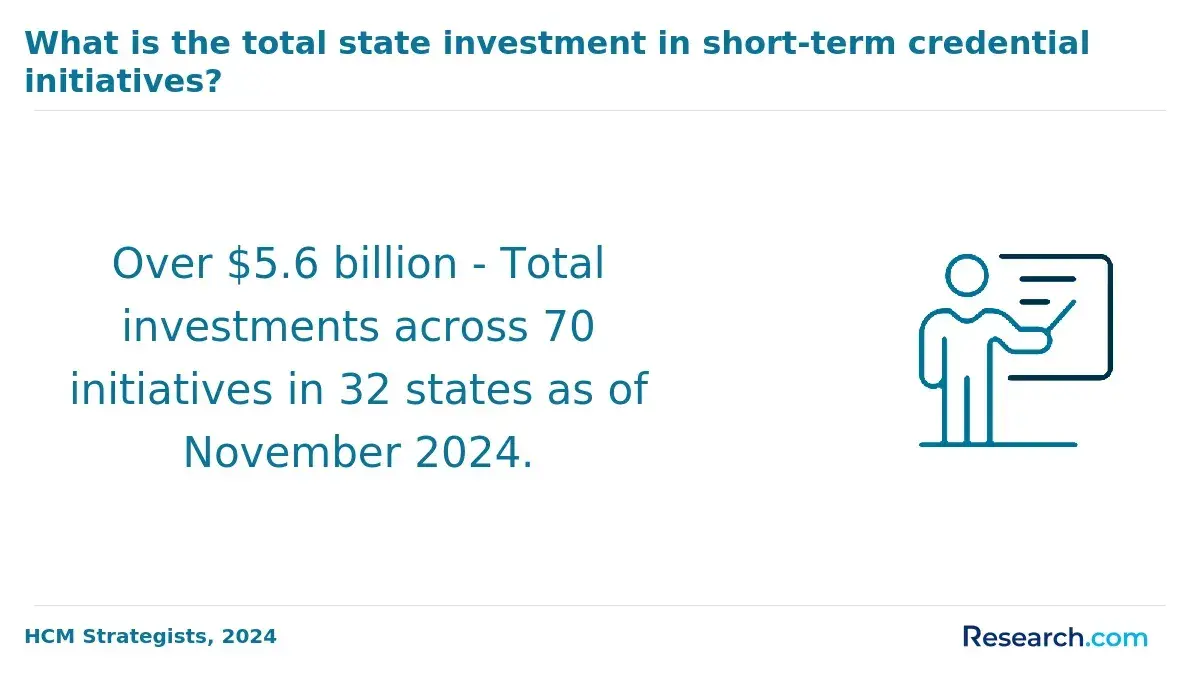
Faculty mentorship is especially important because most pediatric nurse practitioner doctorates require advanced scholarly work. In a DNP program, this is usually an applied scholarly or quality-improvement project rather than a traditional dissertation. In a PhD program, the central product is usually an original research dissertation. Both require sustained faculty guidance, but the type of guidance differs.
For pediatric NP students, strong mentors help narrow broad interests into feasible doctoral questions. A student interested in asthma management, adolescent mental health screening, vaccine counseling, neonatal follow-up, pediatric obesity prevention, telehealth access, or care transitions needs help turning a clinical concern into a project with an appropriate design, site, population, measurement plan, and ethical review pathway.
Good mentors do more than approve a topic. They help students make the project realistic for an online, working-professional format. The most useful support usually includes the following elements:
- Clarifying whether the student's idea fits a DNP quality-improvement project, evidence-based practice initiative, policy project, clinical practice guideline, program evaluation, or research dissertation.
- Helping the student identify a pediatric setting, stakeholder group, data source, and implementation timeline that can realistically fit the program calendar.
- Reviewing proposal drafts for scope, evidence quality, measurement logic, feasibility, and alignment with doctoral expectations.
- Guiding students through institutional review board, quality-improvement review, site approval, privacy, and data-use requirements when applicable.
- Supporting dissemination through poster presentations, manuscript development, professional conferences, internal health-system reports, or policy briefs.
The red flag is a program that delays serious faculty project guidance until the final semesters. By that point, students may have chosen a topic that is too broad, selected a site without the right data access, or underestimated approval timelines. Early mentorship reduces rework and helps students build a project that contributes to pediatric care rather than merely satisfying a graduation requirement.
One-on-one mentorship can support progress by helping students make decisions sooner, avoid stalled projects, and maintain accountability while balancing work, family, clinical responsibilities, and doctoral coursework. It should not be viewed as a guarantee of faster completion, but it can reduce ambiguity when the program is well structured.
Time-to-completion varies by entry point. BSN-to-DNP pediatric NP programs are usually longer because they include advanced practice preparation, clinical hours, and doctoral coursework. Post-master's DNP programs are typically shorter because students often enter as licensed or certified advanced practice nurses, though they may still need doctoral project hours or additional specialty preparation. Students comparing speed-focused options such as accelerated nurse practitioner programs should be careful not to equate faster pacing with stronger mentoring.
The table below shows how mentorship can affect common progress points. It does not imply that mentorship alone determines completion; work schedule, clinical placement access, project approvals, finances, and personal circumstances also matter.
| Progress point | How mentorship helps | Risk when mentorship is weak |
| Program entry | Helps students align goals with pediatric primary care, acute care, leadership, or post-master's outcomes | Students may enter a pathway that does not match licensure, certification, or career goals |
| Course sequencing | Connects coursework to a long-term scholarly or practice goal | Courses feel disconnected, making project development harder later |
| Project topic selection | Prevents overly broad or unrealistic pediatric project ideas | Students may lose time revising scope or changing sites |
| Clinical or practice-site planning | Encourages early site conversations and realistic approval timelines | Delayed site access can slow progression |
| Final semesters | Provides accountability, feedback, and preparation for defense or dissemination | Students may struggle with revisions, data interpretation, or final presentation expectations |
The common mistake is assuming that a mentor will automatically manage the student's timeline. A mentor can guide, challenge, and troubleshoot, but the student still needs to schedule meetings, prepare drafts, follow up on approvals, and communicate early when barriers appear.
Online pediatric nurse practitioner doctorate programs use different support models. Some emphasize individual faculty mentoring, some rely on cohort structures, and many combine both. The best choice depends on whether the student needs personalized scholarly guidance, peer accountability, maximum flexibility, or lower cost.
The table below compares common models. It is useful because "online DNP" can describe very different student experiences.
| Mentorship model | Best fit | Strengths | Trade-offs |
| Formal one-on-one faculty mentor | Students with a defined pediatric project, leadership goal, research interest, or need for close feedback | Personalized guidance, stronger project alignment, clearer professional development | May cost more or require more scheduled interaction |
| Cohort-based faculty support | Students who value peer accountability and predictable pacing | Shared milestones, group discussion, community, consistent structure | Less individualized attention unless paired with a dedicated mentor |
| Project-chair model | Post-master's DNP students focused mainly on a scholarly project | Targeted support for proposal, implementation, and final defense | Mentorship may start later and focus narrowly on project completion |
| Advising-centered model | Students who are self-directed and mainly need flexible course access | Can be efficient for experienced doctoral learners | May provide limited career, research, or specialty-specific guidance |
| Hybrid residency plus online mentoring | Students who want online flexibility with periodic face-to-face engagement | Builds relationships through intensives, labs, project sessions, or leadership seminars | Requires travel planning, time away from work, and possible added expenses |
If you cannot maximize mentorship, flexibility, and cost at the same time, prioritize based on your main risk. Choose stronger one-on-one mentorship if your biggest risk is project uncertainty, limited pediatric leadership experience, or the need for career positioning. Choose a highly structured cohort if your biggest risk is procrastination or isolation. Choose lower cost and flexibility if you already have a strong professional network, a feasible project site, and confidence managing doctoral work independently.
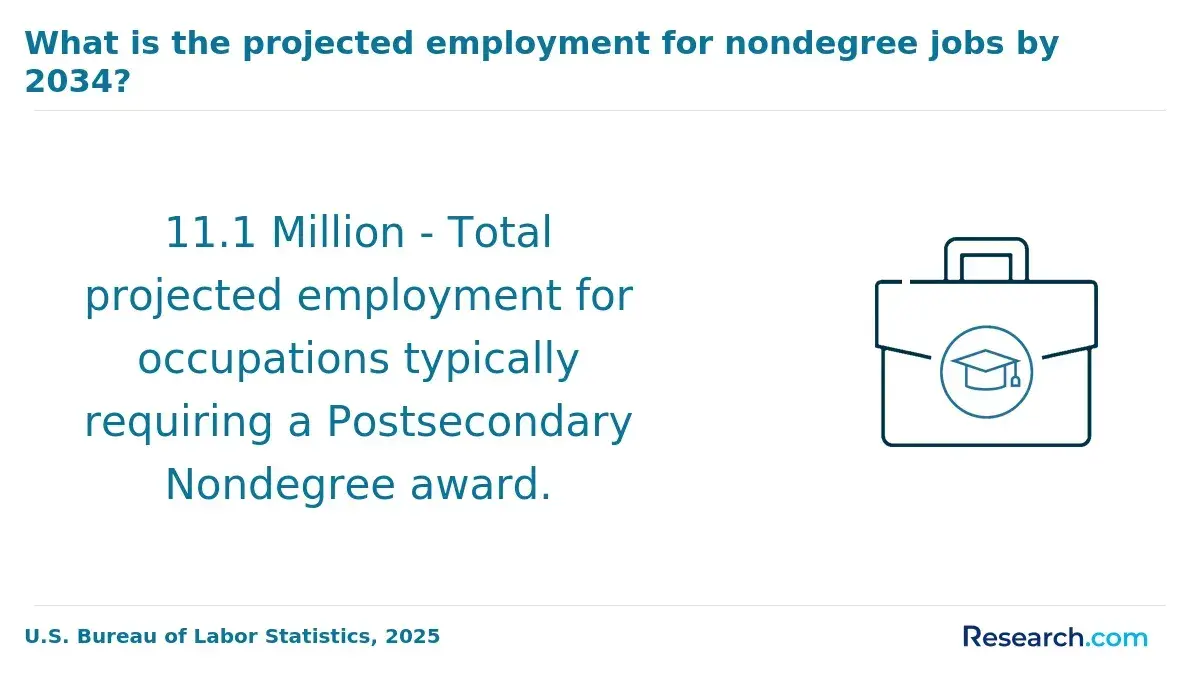
Faculty mentorship can expand career value when it helps students translate doctoral work into visible professional outcomes. For pediatric nurse practitioners, that may mean quality-improvement leadership, clinical education, child health policy work, program development, interdisciplinary team leadership, academic teaching, or preparation for health-system leadership roles.
Salary data should be used carefully because the BLS does not report a separate national median wage for pediatric nurse practitioners. The broader nurse practitioner median wage was $129,210 in 2024, but compensation varies by state, employer, specialty, setting, experience, and role scope. Students comparing specialties may also look at related salary guides, such as psychiatric nurse practitioner salary, to understand how specialty demand and practice setting can affect earnings differently.
Mentorship is most valuable for career development when it leads to concrete professional assets. Strong faculty mentors may help students identify conferences, refine poster abstracts, prepare manuscripts, connect with pediatric professional organizations, evaluate leadership opportunities, or frame doctoral project results for employers.
Students should ask whether mentorship includes career support or only academic project supervision. A program can provide excellent project feedback without offering much networking, job-search guidance, or leadership coaching. If career advancement is a major reason for pursuing the doctorate, verify that faculty mentors have active pediatric practice, research, leadership, policy, or academic networks relevant to your goals.
Online pediatric nurse practitioner doctorate mentors should bring more than general nursing faculty experience. The best fit is a mentor whose background aligns with the student's pediatric population, project method, and career direction. A mismatch does not always derail a program, but it can limit the usefulness of feedback.
When reviewing faculty profiles, look for evidence that the mentor can guide both doctoral-level work and pediatric practice realities. Important qualifications and experience areas include the following:
- Graduate nursing preparation, doctoral credentials, and current knowledge of DNP or PhD expectations.
- Pediatric primary care, pediatric acute care, neonatal, adolescent health, school health, community pediatrics, child mental health, or family-centered care experience relevant to the student's goals.
- Experience supervising DNP projects, dissertations, quality-improvement initiatives, program evaluations, evidence-based practice projects, or implementation work.
- Knowledge of APRN regulation, certification expectations, scope-of-practice variation, and pediatric clinical education standards.
- Recent scholarship, practice leadership, publication, grant, policy, or health-system improvement activity related to children, families, or advanced nursing practice.
- Demonstrated availability for online mentoring through video meetings, written feedback, timely communication, and structured milestone review.
Licensure and certification considerations vary by state and by specialty population focus. Students should verify whether a program prepares graduates for pediatric primary care NP, pediatric acute care NP, post-master's DNP advancement, or another outcome. A faculty mentor can help interpret professional expectations, but the student remains responsible for confirming state board, certification, employer, and clinical-site requirements.
One-on-one mentorship can affect value, but it does not always appear as a separate line item in tuition. Its cost is usually embedded in faculty workload, doctoral project courses, small specialty cohorts, residency experiences, or higher overall tuition. The financial question is not simply whether mentorship costs more; it is whether it reduces risk and improves the usefulness of the degree for your goal.
Federal Student Aid lists the Direct Unsubsidized Loan annual limit for graduate or professional students at $20,500, with Grad PLUS loans potentially available up to the school-certified cost of attendance for eligible borrowers. This matters because many doctoral nursing students are working adults who may finance part of the degree while managing existing obligations. Borrowing decisions should be based on total cost, repayment capacity, employer tuition support, and realistic career plans.
The table below outlines the main cost and value factors to compare. These categories help students look beyond per-credit tuition and evaluate whether faculty mentorship changes the practical return on the program.
| Cost or value factor | How mentorship can influence it | Question to ask the school |
| Tuition and fees | Programs with smaller cohorts or more faculty time may have higher tuition, though this is not universal | What is the total estimated program cost through graduation? |
| Time to completion | Strong guidance may reduce project delays, but it cannot eliminate external barriers | What is the typical completion timeline for students in my entry pathway? |
| Residency or travel expenses | Hybrid mentoring intensives may improve relationships but add travel and missed-work costs | Are campus visits required, and what costs should students expect? |
| Project feasibility | Early mentor input can help avoid costly delays from site, data, or approval problems | When do students begin planning the doctoral project? |
| Career value | Mentors may help convert doctoral work into leadership, scholarship, or professional visibility | How do faculty support dissemination, networking, or advancement goals? |
| Employer support | A well-defined project may align with employer priorities and tuition-assistance policies | Can doctoral projects be completed at the student's workplace when appropriate? |
A higher-cost program may be worth considering if it offers documented mentor access, pediatric faculty depth, strong project infrastructure, and outcomes aligned with your career goal. A lower-cost program may be the better value if you are self-directed, already have a strong project site, and need the credential more than extensive faculty coaching.
One-on-one mentorship is not equally important for every student. It delivers the most value when the student's goals are complex, specialized, research-oriented, leadership-focused, or dependent on a well-designed pediatric project.
Students most likely to benefit from individualized mentoring include those in the following situations:
- Working nurses entering a BSN-to-DNP pathway who need help connecting advanced practice preparation with doctoral-level leadership expectations.
- Post-master's pediatric NPs who want to move into clinical leadership, academic teaching, health-system quality improvement, policy, or evidence-based practice roles.
- Students with a specific pediatric population interest, such as medically complex children, adolescent behavioral health, neonatal follow-up, pediatric chronic disease, rural child health, or school-based care.
- Students who plan to publish, present, lead a workplace initiative, or use the doctoral project as part of a career transition.
- Students who are returning to school after a long break and need structured feedback on scholarly writing, evidence appraisal, and project design.
Some students may be better served by a structured cohort or lower-cost option rather than choosing mainly for one-on-one mentoring. This may include students who already have a strong pediatric leadership mentor at work, students who only need a post-master's credential for a defined employer requirement, or students whose top priority is the lowest feasible total cost. In those cases, paying more for intensive faculty mentoring may not provide proportional value.
The key is fit. If your success depends on translating a pediatric practice problem into a polished doctoral project and professional opportunity, mentorship should carry heavy weight. If your success depends more on schedule control and affordability, mentorship still matters, but it may not be the deciding factor.
How Should Students Evaluate Faculty Mentorship Before Choosing an Online Pediatric Nurse Practitioner Doctorate?
Students should evaluate faculty mentorship before applying, not after enrollment. The goal is to verify how mentorship actually works for online pediatric NP doctoral students, not to rely on polished wording in brochures or program pages.
Use the following steps when comparing programs. They are designed to reveal whether the mentorship model is formal, accessible, and relevant to your goals.
- Confirm accreditation and pathway fit first, including whether the program matches your intended pediatric NP population focus, post-master's DNP goal, or doctoral leadership objective.
- Review faculty profiles and identify at least two faculty members whose pediatric expertise, scholarship, or leadership background could support your interests.
- Ask when students are assigned a mentor and whether the mentor is different from the academic advisor or project chair.
- Ask how often students typically meet one-on-one with faculty during coursework, project planning, implementation, and final review.
- Request details about communication expectations, including video meetings, email response times, written feedback, virtual office hours, and availability across time zones.
- Ask how many doctoral students each faculty mentor typically supervises and what happens if a mentor leaves, goes on leave, or becomes unavailable.
- Ask whether students can request a mentor based on specialty interest, project method, location, or career goal.
- Speak with current students or recent alumni about whether mentorship was proactive, timely, and useful in practice.
- Compare mentorship quality against total cost, required travel, clinical-placement support, project expectations, flexibility, and graduation timeline.
Several red flags should slow your decision. These do not always mean a program is poor, but they do mean you need more information before enrolling.
- The school uses phrases such as "individualized attention" but cannot describe meeting frequency, mentor assignment, or faculty advising loads.
- Faculty profiles do not show clear pediatric expertise or current doctoral project supervision experience.
- Admissions staff cannot explain the difference between academic advising, faculty mentoring, and project-chair support.
- Students are expected to find project sites, data access, or clinical connections with minimal faculty guidance.
- Mentorship appears to begin only after the student has already selected a project topic and site.
- The program cannot explain how online students build relationships with faculty beyond discussion boards and general office hours.
The strongest final choice is usually the program that balances four things: accredited pathway fit, documented faculty mentorship, manageable cost, and realistic flexibility. If one of those is weak, make sure the others are strong enough to compensate.
Other Things You Should Know About Pediatric Nurse Practitioner
Some do, especially BSN-to-DNP or clinical specialty programs with skills intensives, simulations, project presentations, or orientation requirements. Others are mostly online. Always confirm residency requirements, travel costs, and whether visits are mandatory before enrolling.
Many students do, but feasibility depends on course load, clinical or practice-hour requirements, project intensity, employer flexibility, and family obligations. Part-time plans are often more realistic for nurses with demanding clinical schedules.
No. A DNP is an academic degree, while certification is a professional credential tied to a population focus and certifying body. Students should verify certification eligibility, state licensure rules, and scope-of-practice requirements for their intended role.
Pediatric primary care NP preparation focuses on ongoing child health, prevention, chronic condition management, and outpatient care. Pediatric acute care NP preparation focuses on children with complex, unstable, or critical conditions, often in hospital-based settings.
- Primary Care Pediatric Nurse Practitioner DNP https://www.rushu.rush.edu/college-nursing/programs-admissions/pediatric-nurse-practitioner-pc-pnp-program
- Inside Pediatric Nurse Practitioner Online Programs https://www.edumed.org/online-schools/nurse-practitioner-programs/pediatric-nursing/
- The Best Value DNP Degree Programs for 2025 https://www.doctorofnursingpracticednp.org/the-best-value-dnp-degree-programs/
- Doctor of Nursing Practice (DNP) Programs/ DNP Degrees — NP Reasoning https://www.npreasoning.com/practice-management/dnp-in-nursing-doctor-of-nursing-practice
- Online DNP-PNP Program | Maryville University https://nursing.maryville.edu/online-programs/doctor-of-nursing-practice/pnp
- Doctor of Nursing Practice (DNP) Program https://www.creighton.edu/academics/programs/doctor-nursing-practice-dnp
- All Online Nurse Practitioner Schools, Ranked - NPSchools https://www.npschools.com/
- Faculty Leadership Mentoring Program - National Organization of Nurse Practitioner Faculties (NONPF) https://www.nonpf.org/page/MentoringProgram
- The mentoring role for DNP projects https://npwomenshealthcare.com/the-mentoring-role-for-dnp-projects/