
2027 Military-Friendly Online English Language Learning Doctorate Programs: Benefits, Accreditation, and Career Outcomes

Co-Founder and Chief Data Scientist
Choosing an online English language learning doctorate while serving, separating, or using veteran benefits is a high-stakes cost and flexibility decision. Federal Tuition Assistance can cover up to $250 per semester hour, but doctoral tuition, residencies, and benefit rules often leave gaps.
This guide is for active-duty service members, veterans, spouses, and military-connected educators comparing EdD, PhD, and applied linguistics pathways. You'll learn how to verify military benefits, accreditation, online flexibility, transfer policies, and career value before committing.
Key Things You Should Know
- Military-friendly online English language learning doctorates are usually EdD, PhD, or applied doctoral programs in TESOL, ESL, bilingual education, literacy, curriculum and instruction, or applied linguistics rather than degrees with one universal title.
- DoD Tuition Assistance is commonly limited to $250 per semester hour, while the Post-9/11 GI Bill private-school tuition cap for the 2024-2025 academic year was $28,937.09, so students should calculate total program cost after benefits rather than compare sticker tuition only.
- Accreditation and flexibility matter as much as military discounts: regional institutional accreditation, state authorization, dissertation support, deployment policies, and residency requirements can determine whether a program is realistic for active-duty students.
Which Military-Friendly Online English Language Learning Doctorate Programs Offer the Best Benefits for Service Members?
The best military-friendly online English language learning doctorate is the one that matches your service obligations, teaching background, desired role, and benefit eligibility. Because this niche is often housed inside broader education doctorates, students should compare programs by concentration, delivery model, military office support, tuition policy, and dissertation expectations rather than relying on the words "military-friendly" alone.
Use the table below to compare common program types that military-connected students often consider. It focuses on decision factors instead of ranking schools by marketing claims.
| Program type | Best fit for military-connected students | Military-friendly features to verify | Possible drawback |
| Online EdD in curriculum and instruction with ESL, TESOL, bilingual education, or literacy focus | K-12 teachers, instructional coaches, curriculum specialists, school leaders, and DoDEA-connected educators | Military tuition rate, asynchronous coursework, dissertation-in-practice model, teacher licensure alignment | May not provide deep applied linguistics research training if the goal is a tenure-track linguistics career |
| Online EdD in educational leadership with language learning, multilingual learner, or equity-focused electives | Veterans and service members pursuing school district, higher education, training, or administrative roles | Flexible attendance, leave-of-absence policy, veteran advising, Yellow Ribbon participation | ELL content may be limited unless the program allows focused research or electives |
| Online PhD in education, literacy, TESOL, or applied linguistics | Students targeting research, faculty, policy, assessment, or language program evaluation roles | Research mentor availability, remote dissertation supervision, low-residency expectations, GI Bill certification | Often longer and less practitioner-focused than an EdD |
| Online professional doctorate in learning design, language education, or adult education | Military instructors, training developers, language program managers, and education technology professionals | Prior learning review, adult learner support, career services for transition, project-based capstone option | May not satisfy employer expectations for academic English, TESOL, or faculty roles |
The strongest programs tend to make military processes easy to verify. Look for a dedicated military education office, clear benefit instructions, participation in VA education benefit processing, transparent total program cost, published leave policies, and advisors who understand deployments, PCS moves, and irregular duty schedules.
Common red flags include vague "military-friendly" badges with no published military tuition rate, unclear accreditation language, mandatory weekday synchronous classes, required campus visits with little notice, or a dissertation process that depends on local access to a specific school system. A good program should be able to explain how active-duty students handle interrupted research, time-zone changes, and extended assignments before you enroll.
What Military Benefits Can Students Use for an Online English Language Learning Doctorate?
Military-connected students may be able to combine several education benefits, but each has different eligibility rules, caps, and payment procedures. The most important step is to determine whether you are using active-duty funding, VA benefits, veteran-readiness support, spouse benefits, school-based discounts, or employer assistance.
The table below summarizes common benefits and what they usually mean for online doctoral students. Exact eligibility and coverage depend on the branch, VA entitlement level, school participation, and current policy.
| Benefit | Who may use it | How it can help doctoral students | What to verify before enrolling |
| Military Tuition Assistance | Eligible active-duty, Reserve, or Guard members under branch rules | Can reduce per-credit tuition up to the approved semester-hour cap | Annual cap, degree-level restrictions, required education plan, grade requirements, and whether doctoral courses qualify |
| Post-9/11 GI Bill | Eligible veterans, active-duty members, and transferred dependents | Can cover tuition and fees up to applicable limits and may include housing and book stipends | Remaining months of entitlement, online housing rate, private-school cap, Yellow Ribbon eligibility, and school certification timelines |
| Yellow Ribbon Program | Students eligible at the required Post-9/11 GI Bill level and attending participating schools | Can help cover tuition above the standard private-school cap when the school and VA both contribute | Doctoral eligibility, annual institutional limit, number of available slots, and whether online students qualify |
| Veteran Readiness and Employment | Eligible veterans and service members with qualifying service-connected disabilities | May support education tied to an approved employment plan | Whether the doctorate is necessary for the employment goal and approved by the counselor |
| Institutional military scholarship or discount | Varies by school; may include active-duty members, veterans, spouses, or dependents | Can lower remaining tuition after federal or VA benefits | Stacking rules, renewal requirements, excluded fees, and whether dissertation credits qualify |
A practical mistake is assuming that one benefit will cover the full doctorate. Doctoral programs may include dissertation continuation fees, technology fees, research courses, residencies, or extended enrollment charges that are not always obvious in the advertised tuition rate.
How Does Military Tuition Assistance Work for Online English Language Learning Doctorate Programs?
Military Tuition Assistance, often called TA, is branch-administered funding that service members request before a course begins. It is not the same as the GI Bill, and it usually requires an approved education plan, command or education office approval, and successful course completion.
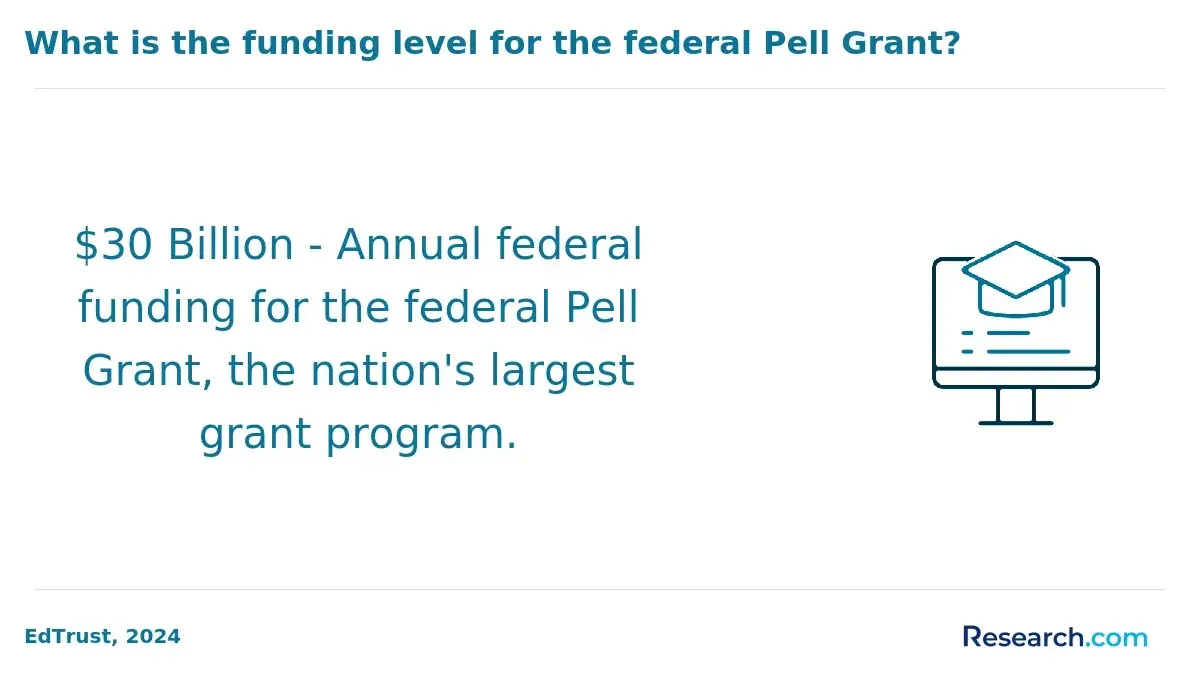
For doctoral students, the key issue is the gap between TA limits and graduate tuition. DoD policy commonly references up to $250 per semester hour, so a doctoral course priced above that amount may leave a balance unless the school offers a matching military rate or the student uses another approved funding source.
Service members should follow a clear sequence before registering for an online English language learning doctorate course. This helps avoid denied TA requests, surprise balances, or academic holds.
- Confirm with your installation or branch education office that doctoral-level coursework is eligible under your current status and branch rules.
- Ask the university for a degree plan that lists course numbers, credit hours, tuition, fees, dissertation requirements, and expected completion sequence.
- Submit the TA request before the course deadline, because retroactive approval is usually not available.
- Verify whether the school's military tuition rate matches the TA cap or whether you will owe a per-credit difference.
- Ask how withdrawals, deployments, incomplete grades, and course retakes affect TA repayment obligations.
TA works best for students who can take a predictable course load and stay in good academic standing. If your deployment tempo is uncertain, ask the school whether it offers military withdrawals, temporary enrollment pauses, or flexible dissertation registration before you use TA for a doctoral sequence.
Are Military-Friendly Online English Language Learning Doctorate Programs Accredited?
Military-friendly online English language learning doctorate programs should be institutionally accredited by an accreditor recognized by the U.S. Department of Education or the Council for Higher Education Accreditation. Accreditation matters because it affects federal aid eligibility, VA benefit processing, employer recognition, transfer credit, and the credibility of doctoral research.
Programmatic accreditation is less uniform in English language learning doctorates than in fields such as nursing or counseling. Many TESOL, ESL, bilingual education, and literacy doctorates are housed in schools of education, where the institution's accreditation and any educator-preparation approvals may matter more than a specialized doctoral accreditation label.
Use the table below to separate the accreditation checks that are essential from those that depend on your career goal.
| Accreditation or approval area | Why it matters | Who should care most |
| Institutional accreditation | Supports federal aid, VA benefit processing, transfer recognition, and employer credibility | All doctoral students |
| State authorization for online education | Determines whether the school may enroll students in your state or location | Students who relocate, PCS, or live outside the school's home state |
| Educator preparation or licensure approval | May matter if the doctorate is connected to ESL, bilingual, literacy, principal, or superintendent credentials | Teachers and administrators seeking state credential advancement |
| CAEP or education-unit recognition, when applicable | Can indicate external review of educator preparation quality, though not every doctorate needs it | Students seeking education leadership or teacher-preparation credibility |
| Dissertation and research oversight standards | Affects the quality of faculty mentorship, research ethics review, and dissertation completion | Students aiming for faculty, research, assessment, or policy roles |
Do not rely on a school's website alone. Verify the institution in the U.S. Department of Education accreditation database, confirm VA approval through the school's certifying official, and ask whether the online doctorate is authorized for students in your current and likely future locations.
How Do Online English Language Learning Doctorate Programs Support Active-Duty and Veteran Students?
Strong military student support goes beyond a discount. For an online English language learning doctorate, support should reduce administrative friction, protect academic progress during service disruptions, and connect doctoral work to career goals in education, training, research, or leadership.
Military-connected students should ask whether the program offers the following supports and how they operate in practice. A policy is useful only if staff can explain the process, deadlines, and documentation required.
- Dedicated military or veteran education advisors who understand TA, GI Bill certification, Yellow Ribbon rules, and enrollment verification.
- Clear deployment, mobilization, PCS, and military withdrawal policies that apply to doctoral coursework and dissertation registration.
- Asynchronous or low-residency course options for students in different time zones or unpredictable duty schedules.
- Dissertation support that can accommodate remote data collection, online committee meetings, and changes in research sites.
- Career services for veterans moving into higher education, K-12 leadership, DoDEA-related roles, instructional design, corporate learning, or language program administration.
- Writing, research methods, statistics, library, and IRB support designed for adult doctoral students returning to academic research.
One common mistake is choosing a school because it has a veterans center while ignoring whether the doctoral department itself understands military constraints. Before enrolling, ask to speak with a program director, dissertation coordinator, and military benefits certifying official, not just a general admissions representative.
Can Military Training and Experience Transfer Into an Online English Language Learning Doctorate?
Military training and professional experience can strengthen a doctoral application, but it rarely converts directly into large amounts of doctoral transfer credit. English language learning doctorates usually require advanced research methods, theory, curriculum design, assessment, and dissertation courses that must be completed at the awarding institution.
Transfer credit is more realistic when you already hold graduate-level credits in TESOL, applied linguistics, curriculum and instruction, literacy, educational leadership, assessment, or research methods. Some schools also review an Education Specialist degree; students with an EdS may want to compare EDS to EdD programs if their goal is to shorten the path into a practice-focused education doctorate.
Military-connected applicants should prepare documentation before requesting a transfer or prior learning review. The following materials help schools evaluate academic equivalency instead of treating experience as a vague resume item.
- Official transcripts from all graduate institutions, including course descriptions and syllabi for possible transfer courses.
- Joint Services Transcript or Community College of the Air Force records, even if they are more likely to support admissions context than doctoral credit.
- Evidence of instructor, curriculum developer, language analyst, training manager, or education leadership experience.
- Graduate certificates in TESOL, ESL, bilingual education, literacy, instructional design, assessment, or adult learning.
- Research, publications, capstone projects, curriculum portfolios, or evaluation reports related to multilingual learners or language instruction.
The red flag is assuming "military experience credit" will reduce dissertation requirements. A doctorate is judged by advanced scholarship and original research or applied inquiry, so even generous transfer policies usually preserve core doctoral and dissertation courses.
How Flexible Are Military-Friendly Online English Language Learning Doctorate Programs for Service Members?
Online English language learning doctorates are usually more practical than campus programs for service members because they reduce relocation conflicts and commuting time. However, "online" does not always mean self-paced, deployment-friendly, or free of campus requirements.
Flexibility depends on course pacing, attendance rules, dissertation structure, and residency expectations. Students comparing accelerated options, including 1 year EdD programs online, should be especially careful: a shorter timeline can be attractive, but it may require a heavy course load that is unrealistic during deployments, field exercises, command transitions, or family relocation.
The table below highlights flexibility features that matter most for active-duty and veteran students evaluating online doctorate formats.
| Flexibility feature | Why it matters for military students | Question to ask the school |
| Asynchronous coursework | Allows students to complete work across time zones and irregular schedules | Are any live sessions required, and are recordings accepted for attendance? |
| Predictable course rotation | Helps students plan around deployments, PCS moves, and benefit deadlines | How often are required concentration courses offered? |
| Low or no residency | Reduces travel costs and scheduling conflicts | Are campus visits, intensives, or dissertation defenses required in person? |
| Flexible dissertation research | Helps students whose access to schools, bases, or learner populations may change | Can dissertation data be collected remotely or in alternative approved settings? |
| Military leave policy | Protects students during mobilization or extended duty assignments | What documentation is required, and how does leave affect financial aid or benefits? |
Veterans may value flexibility differently. A recently separated student with stable employment might prefer a cohort model for structure, while an active-duty student may need a more modular program with multiple start dates and lenient interruption policies.
How Much Do Military-Friendly Online English Language Learning Doctorate Programs Cost After Military Benefits?
The cost of a military-friendly online English language learning doctorate depends on tuition per credit, total credits, dissertation duration, fees, residency travel, books, and how benefits are applied. The cheapest advertised rate is not always the lowest final cost if the program has long dissertation continuation fees or limited transfer credit.
Students comparing affordability should review total cost alongside benefit eligibility. Researching cheapest online EdD programs can provide a useful starting point, but military-connected students should still calculate their own net price after TA, GI Bill entitlement, Yellow Ribbon funds, scholarships, employer aid, and out-of-pocket fees.
Current benefit limits make the math important. The figures below are common reference points for U.S. military-connected doctoral students, but students should confirm current rates with their branch, the VA, and the university before enrolling.
- DoD Tuition Assistance: commonly up to $250 per semester hour, subject to branch rules, annual limits, and course approval.
- Post-9/11 GI Bill private or foreign school tuition and fee cap for the 2024-2025 academic year: $28,937.09.
- Yellow Ribbon Program: school and VA contributions vary by institution, degree level, annual limits, and available student slots.
- Online-only GI Bill housing allowance: generally lower than the in-person housing allowance, so living-cost planning matters for full-time doctoral students.
To estimate net cost, ask each school for a written cost sheet that includes tuition, fees, credits, expected dissertation enrollment, residency travel, and whether military discounts apply to all phases of the program. Then subtract only benefits for which you are currently eligible, not benefits you hope to qualify for later.
Be cautious with programs that advertise a low per-credit rate but do not disclose the average time to dissertation completion. A student who needs several extra dissertation terms may spend more than a student in a higher-tuition program with stronger advising and a clearer completion structure.
What Career Outcomes Can Military Students Expect After an Online English Language Learning Doctorate?
An online doctorate in English language learning can support careers in teaching, curriculum leadership, teacher education, language program administration, instructional design, assessment, policy, and research. It is most valuable when the student's dissertation, practicum work, and professional experience align with a specific career path.
The U.S. labor market rewards advanced education unevenly, so military students should connect the doctorate to a realistic role rather than assume the credential alone will create a promotion. The BLS Occupational Outlook Handbook updated in 2024 reported a $84,380 median annual wage for postsecondary teachers, with employment projected to grow faster than the average for all occupations over the 2022-2032 period. For readers, this suggests opportunity in higher education, but also competition by discipline, institution type, publication record, and teaching experience.
The table below connects common post-doctoral goals to the type of preparation that tends to matter most.
| Career goal | Relevant doctoral preparation | Military experience that may add value |
| TESOL, ESL, bilingual, or literacy faculty member | Research methods, publications, teaching portfolio, dissertation in language learning | Instructor duty, cross-cultural training, language program support, education leadership |
| K-12 multilingual learner administrator or curriculum leader | Curriculum design, assessment, school law, language acquisition, program evaluation | Leadership, compliance work, training management, experience with diverse learner populations |
| DoDEA or government education specialist | Policy, assessment, instructional improvement, multilingual learner supports | Military culture knowledge, federal systems experience, mobility awareness |
| Instructional designer or learning experience leader | Adult learning, digital pedagogy, assessment, learning analytics, language-learning technology | Military training development, instructor certification, curriculum modernization |
| Language assessment, research, or evaluation specialist | Quantitative and qualitative methods, psychometrics basics, applied linguistics, evaluation design | Operational language experience, analysis, training evaluation, program management |
Some students may not need a doctorate for their next step. If the goal is to move into learning technology, corporate training, or course design rather than doctoral-level research or education leadership, comparing best online instructional design master's programs may reveal a faster and less expensive pathway.
AI and digital learning tools are also changing the field. English language learning professionals increasingly work with adaptive platforms, automated writing feedback, learning analytics, and AI-assisted tutoring, so doctoral students should look for programs that address ethics, assessment validity, multilingual learner equity, and technology-supported instruction.
How Should Military Students Choose the Best Online English Language Learning Doctorate Program?
Military students should choose an online English language learning doctorate by testing whether the program is academically credible, financially manageable, and operationally realistic. A military discount is helpful, but it should not outweigh accreditation, faculty fit, research support, or career relevance.
Use the following steps before applying or accepting admission. They are designed to move you from broad program discovery to a defensible enrollment decision.
- Define the career outcome first: faculty, K-12 leadership, curriculum design, language program administration, research, assessment, DoDEA, or adult learning.
- Choose the right doctorate type: an EdD for applied leadership and practice, a PhD for research and academic scholarship, or a related professional doctorate for training and learning design.
- Verify institutional accreditation, state authorization, VA approval, and any educator licensure or endorsement requirements tied to your state or employer.
- Request a written total-cost estimate that includes dissertation fees, technology fees, residencies, books, and the exact military discount or benefit treatment.
- Confirm how TA, GI Bill, Yellow Ribbon, scholarships, employer benefits, and out-of-pocket payments can or cannot be combined.
- Ask about deployment, PCS, mobilization, military withdrawal, incomplete grade, and leave-of-absence policies in writing.
- Review faculty expertise in TESOL, bilingual education, literacy, applied linguistics, assessment, adult learning, or multilingual learner research.
- Compare dissertation formats, expected timelines, committee access, IRB support, and whether remote research is acceptable.
- Ask for career outcome examples, not guarantees, for graduates in roles similar to your target position.
- Speak with current students or alumni who completed the program while serving, transitioning, or using military education benefits.
The strongest choice is usually not the fastest, cheapest, or most heavily advertised program. It is the program that you can complete without derailing your service obligations and that employers in your target field will recognize as relevant preparation.
Students should avoid this degree if they only need an ESL endorsement, a pay-lane graduate certificate, or a short path into instructional technology. In those cases, a master's degree, graduate certificate, or licensure-focused program may deliver better ROI with less dissertation risk.
Other Things You Should Know About English Language Learning
Not always. Some programs use TESOL in the title, while others place English language learning inside curriculum and instruction, literacy, bilingual education, applied linguistics, or educational leadership. Review the curriculum and faculty expertise, not just the degree name.
It depends on the program. Practice-focused education doctorates may prefer or require teaching experience, while applied linguistics or research-focused programs may admit students from language, training, assessment, or higher education backgrounds.
Some military spouses may use transferred Post-9/11 GI Bill benefits, institutional military spouse discounts, scholarships, or employer tuition support. MyCAA is generally designed for shorter career training and has limits that may not fit doctoral study.
Possibly, but it depends on the institution, discipline, research record, teaching experience, and whether the doctorate aligns with the courses you want to teach. An accredited online doctorate can be credible, but faculty hiring is competitive and not based on the credential alone.
References
- Align your programs with military students’ unique needs | EAB https://eab.com/resources/research-report/align-your-programs-with-military-students-unique-needs/
- QAHE: Empowering Distance Learning Institutions through Accreditation https://www.qahe.org/article/qahe-empowering-distance-learning-institutions-through-accreditation/
- U.S. Veterans Magazine | List of Military Scholarships https://usveteransmagazine.com/scholarships/
- Military & Veterans Program https://carolinau.edu/military
- Military tuition assistance | USAGov https://www.usa.gov/military-tuition-assistance
- A guide to understanding language school accreditations - Extralingo https://www.extralingo.com/en/accreditations
- Top 50 Online and Distance Learning Universities 2026 | EUCDL Distance Accreditation Council https://www.eucdl.com/ranking-2026
- Military-friendly Online Master’s Programs for Service Members https://www.onlinemastersdegrees.org/features/military-friendly-programs/
- The Best Military Friendly Online Colleges & Universities https://www.learnhowtobecome.org/online-universities-and-colleges/military/
- Best Online Colleges for Military https://mycollegeguide.org/best-online-colleges-for-military/


