2027 Military-Friendly Online Counseling Psychology Doctorate Programs: Benefits, Accreditation, and Career Outcomes

Co-Founder and Chief Data Scientist
Choosing an online counseling psychology doctorate while serving, separating, or using veteran benefits is a high-stakes decision: the wrong program can affect licensure, funding, and time to completion. The U. S. Bureau of Labor Statistics reported a $94,310 median annual wage for psychologists in May 2024, but doctoral pathways vary widely in accreditation and career eligibility.
This guide helps active-duty members, veterans, spouses, and military-connected students compare program fit, military benefits, flexibility, costs, and outcomes before committing.
Key Things You Should Know
- For students seeking psychologist licensure, accreditation is the key filter: APA accreditation is commonly expected for clinical, counseling, and school psychology doctoral pathways, while many fully online counseling-related doctorates are instead designed for counselor education, supervision, research, or leadership.
- Military benefits can lower costs substantially, but they rarely erase every expense: the Post-9/11 GI Bill private-school tuition cap is $30,058 for the 2025-2026 academic year, while Tuition Assistance is generally capped at $250 per semester hour and subject to branch rules.
- The strongest military-friendly online doctorate is not simply the one with a discount; it is the one that combines recognized accreditation, transparent total cost, deployment accommodations, residency clarity, transfer-credit review, and career alignment with your state licensure or employer requirements.
Which Military-Friendly Online Counseling Psychology Doctorate Programs Offer the Best Benefits for Service Members?
The best military-friendly option depends on the student's end goal. A service member who wants to become a licensed psychologist should evaluate APA-accredited doctoral psychology programs first, while a licensed counselor who wants to teach, supervise, or lead behavioral health programs may be better served by an online counselor education or counseling-related doctorate.
Because fully online APA-accredited counseling psychology doctorates are limited, military-connected students should compare program type before comparing school marketing language. The table below summarizes common online or hybrid doctorate categories and how they usually fit military students.
| Program category | Best fit for military-connected students | Military-friendly benefit to verify | Accreditation checkpoint | Main caution |
| APA-accredited counseling psychology PhD or PsyD with online components | Students seeking psychologist licensure, VA roles, military behavioral health leadership, or postdoctoral psychology practice | Residency flexibility, internship placement support, leave-of-absence policy, Yellow Ribbon participation | APA program accreditation plus institutional accreditation | Often not fully online and may require practicum, internship, and in-person training |
| Online PhD in Counselor Education and Supervision | Licensed counselors seeking faculty, supervision, research, program director, or advanced clinical leadership roles | Military tuition rate, GI Bill certification, Tuition Assistance processing, deployment holds | CACREP accreditation is important for counselor education programs | Usually does not qualify graduates to become licensed psychologists |
| Online EdD or PhD in counseling, community care, or behavioral health leadership | Veterans and service members moving into administration, nonprofit leadership, chaplaincy-adjacent care, coaching, or human services leadership | Military admissions advising, transfer review, asynchronous courses, dissertation support | Institutional accreditation and program recognition relevant to the intended role | May not meet psychology or counseling licensure requirements |
| Online clinical or counseling psychology-related master's-to-doctorate pathway | Students who need prerequisite graduate training before applying to a doctoral program | Stackable credit, military benefit counseling, flexible start dates | Institutional accreditation and any field-specific approval required by the state | A master's may not shorten every doctorate, especially APA-accredited programs |
Students who are still building the academic foundation for doctoral study may want to compare online clinical psychology masters options before applying to a doctorate, especially if their bachelor's degree or military training does not include enough psychology prerequisites.
Examples of schools to research may include universities that advertise military services and online doctoral counseling-related programs, such as institutions offering counselor education and supervision, counseling leadership, or behavioral health doctorates. However, students should not treat inclusion on a military-friendly list as proof of licensure alignment; the stronger test is whether the program's accreditation, practicum structure, and career outcomes match the role they want.
What Military Benefits Can Students Use for an Online Counseling Psychology Doctorate?
Military-connected doctoral students may be able to combine several funding sources, but each has its own eligibility rules, payment timing, and coverage limits. The practical question is not just "Can I use benefits?" but "Which expenses remain after benefits are applied?"
The table below explains the major benefit categories students commonly evaluate for online counseling psychology or counseling-related doctoral programs.
| Benefit | Who may use it | What it may help cover | What to verify before enrolling |
| Post-9/11 GI Bill | Eligible veterans, active-duty members, and transferred dependents | Tuition, mandatory fees, housing allowance when eligible, and books or supplies stipend | School approval, remaining entitlement, online housing rules, and annual private-school cap |
| Yellow Ribbon Program | Eligible Post-9/11 GI Bill users at participating schools | Tuition and fee costs above the GI Bill cap at private or out-of-state institutions | Whether the doctoral program participates, annual seat limits, school contribution, and VA match |
| Military Tuition Assistance | Active-duty service members and some reserve-component members, depending on branch policy | Per-credit tuition up to branch limits | Command approval timeline, degree-level restrictions, annual cap, and whether doctorate courses qualify |
| Veteran Readiness and Employment | Eligible veterans and service members with qualifying service-connected disabilities | Education, training, supplies, and career services when the plan supports employment goals | Whether the doctorate is necessary for the approved vocational goal |
| Institutional military scholarships or discounts | Varies by school; may include active-duty students, veterans, spouses, or dependents | Reduced tuition, fee waivers, or military-specific scholarships | Whether discounts apply to doctoral programs and whether they can be stacked with VA benefits |
Students should also consider opportunity cost. A fast master's route may be more appropriate than a doctorate for some counseling careers, so comparing accelerated mental health counseling programs online can help clarify whether doctoral study is necessary for the target role.
How Does Military Tuition Assistance Work for Online Counseling Psychology Doctorate Programs?
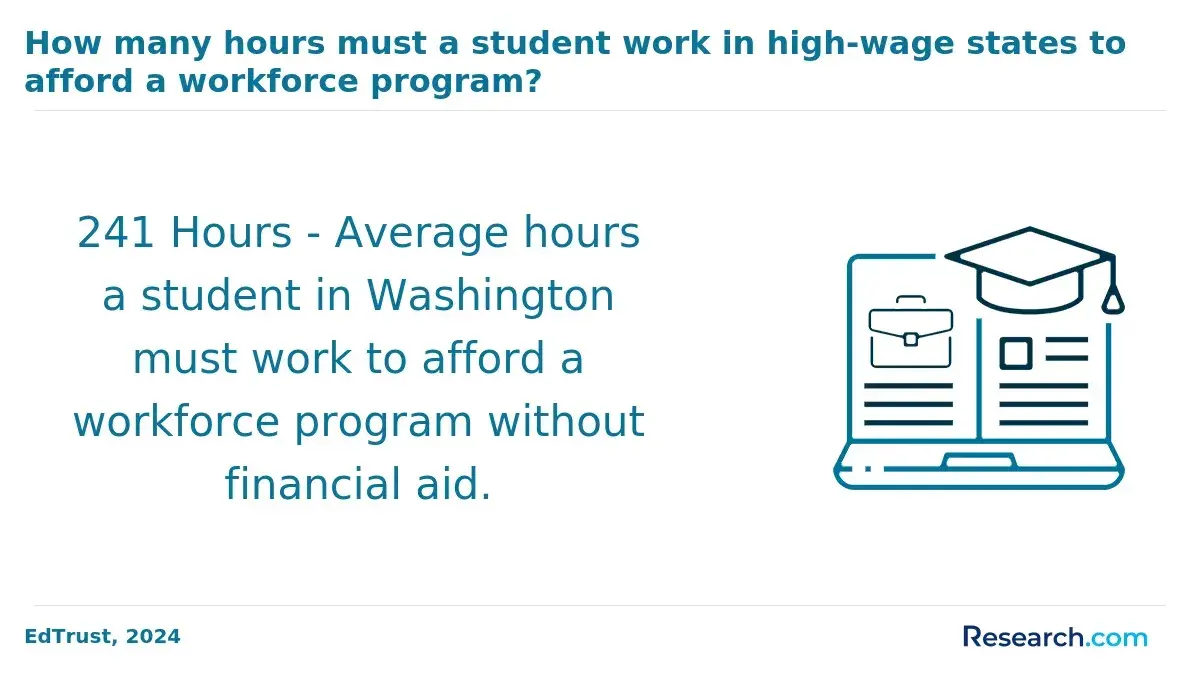
Military Tuition Assistance is separate from the GI Bill and is usually handled through the student's service branch before the course begins. For doctoral students, the most important issues are whether the branch will fund graduate-level doctoral coursework, whether the school has the required approval, and whether the student can keep up with course deadlines during duty demands.
In general, Tuition Assistance is capped at $250 per semester hour, but annual limits and degree-level eligibility can vary by branch and can change. This matters because many doctoral courses cost more than $250 per credit, leaving a balance that must be paid through personal funds, GI Bill benefits, scholarships, employer funding, or school discounts.
Use this sequence before registering for a course funded by Tuition Assistance:
- Confirm with your education office that your branch will fund the specific doctoral program and degree level.
- Verify that the institution is approved for Tuition Assistance and that the program appears correctly in the branch education portal.
- Ask the school whether tuition exceeds the branch per-credit cap and whether military discounts reduce the remaining balance.
- Request approval before the branch deadline; retroactive approvals are often not allowed.
- Keep documentation of course dates, cost, withdrawal rules, grade requirements, and deployment-related interruption policies.
The main red flag is enrolling first and trying to secure Tuition Assistance afterward. If the approval does not come through, the student may be responsible for the full course cost, even if the program is otherwise military-supportive.
Accreditation is the most important quality-control issue in this degree category. Institutional accreditation shows that the university meets broad academic and administrative standards, while programmatic accreditation can affect licensure, internships, postdoctoral training, employer recognition, and eligibility for certain faculty or clinical roles.
For counseling psychology, students need to distinguish among three different pathways. APA accreditation is the central programmatic standard for doctoral programs in clinical, counseling, and school psychology. CACREP accreditation applies to counselor education and counseling master's or doctoral programs, not psychologist training. Institutional accreditation alone may be sufficient for some leadership or research roles, but it is not a substitute for field-specific accreditation when a licensing board or employer requires it.
The table below shows how accreditation affects common doctoral goals for military-connected students.
| Career goal | Accreditation to prioritize | Why it matters | Military-student implication |
| Licensed psychologist | APA-accredited doctoral psychology program, plus appropriate internship and postdoctoral requirements | Many states, internships, federal employers, and health systems prefer or require APA-accredited doctoral training | Fully online options may not meet the required training model, so relocation or hybrid attendance may be necessary |
| Licensed professional counselor with doctoral-level supervision or teaching goals | CACREP-accredited counselor education and supervision doctorate, when available | Supports counselor educator preparation and may matter for faculty or supervision roles | Often more compatible with online study for already licensed counselors |
| Behavioral health administrator or nonprofit leader | Institutional accreditation plus program relevance to leadership, counseling, or human services | Employers may focus on leadership experience, research skills, and degree credibility | Military leadership experience may strengthen the career case, but licensure eligibility still requires separate review |
| Academic researcher | Institutional accreditation, program research expectations, faculty match, and dissertation support | Research productivity, methodology training, and faculty mentorship shape outcomes | Asynchronous coursework is helpful, but dissertation access to participants, data, and supervisors must be realistic during service |
Before enrolling, students should check the program directly in the accreditor's database, not just on a school marketing page. Also ask the state psychology or counseling board where you plan to practice whether the degree meets educational requirements; state rules can differ, especially for online, hybrid, internship, and supervised-experience components.
Strong military student support is practical, not symbolic. A useful program will help students handle benefit certification, deployment interruptions, relocation, field placement changes, and doctoral milestones such as comprehensive exams, dissertation progress, practicum, or internship.
Look for support services that solve real military-student problems, not just a landing page with patriotic language. The most valuable supports usually include:
- A dedicated military or veterans office that coordinates with financial aid, registrar, disability services, and academic departments.
- A trained VA school certifying official who can explain GI Bill certification for doctoral terms, residencies, fees, and course-load changes.
- Deployment, mobilization, and temporary-duty policies that allow pauses, incompletes, re-entry, or academic plan adjustments without unnecessary penalties.
- Advising that addresses state licensure, internship planning, and field placement feasibility for students who may relocate.
- Mental health, disability, writing, research, and dissertation support that is available to online students across time zones.
Current online education trends make these supports more important. Doctoral programs increasingly use synchronous seminars, virtual supervision, learning analytics, online research tools, and telebehavioral health training. These tools can improve access, but they can also create problems if live attendance is required during duty hours or if a student is deployed to a location with limited connectivity.
A red flag is a school that can explain the military discount but cannot explain what happens if you deploy during a practicum, miss synchronous residencies, or need to change clinical sites after a permanent change of station.
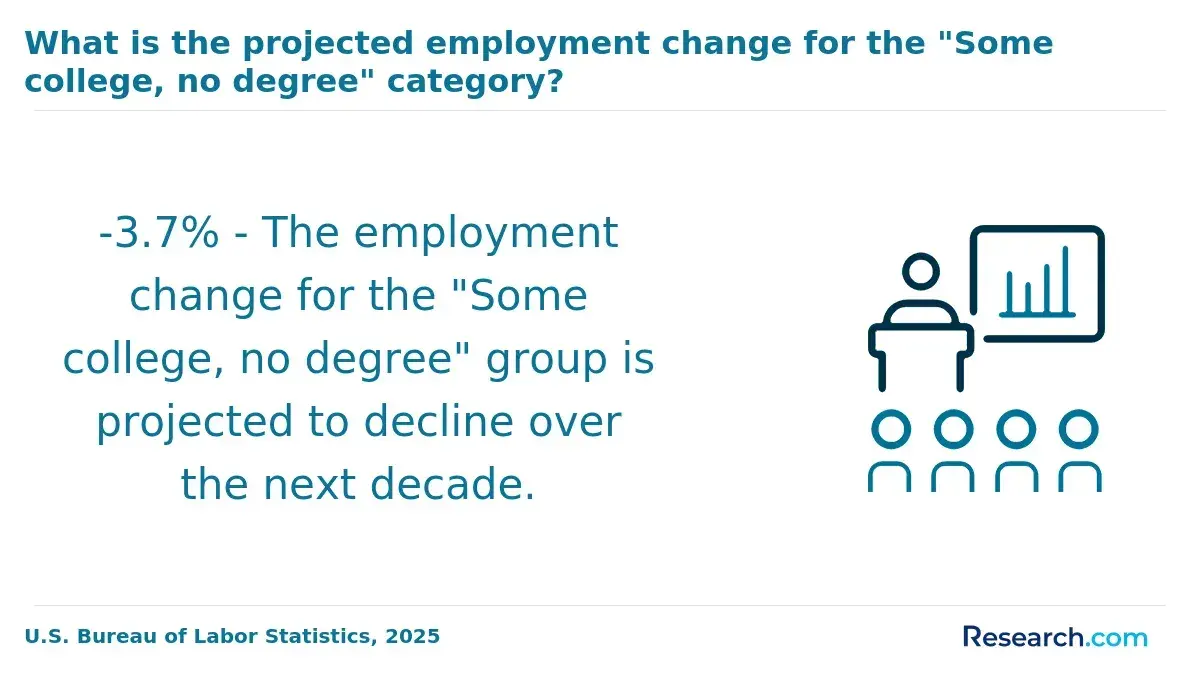
Military training and experience can strengthen a doctoral application, but it does not usually convert directly into large amounts of doctoral credit. Doctoral programs tend to be tightly sequenced, research-intensive, and governed by accreditation or faculty requirements, so transfer credit is often more limited than at the undergraduate level.
Students should separate three different concepts: transfer credit, prerequisite waiver, and professional relevance. Prior graduate coursework may transfer if it matches doctoral content and recency rules. Military leadership, behavioral health, chaplaincy, medical, or human services experience may strengthen essays and interviews. However, experience alone rarely replaces dissertation, practicum, internship, statistics, assessment, ethics, or supervision coursework.
Ask these questions before assuming prior learning will reduce the length or cost of the doctorate:
- How many graduate credits can transfer into the doctoral program, and are transferred credits capped?
- Must transfer courses come from a regionally accredited institution, and do they need a minimum grade?
- Will the program review military transcripts, Joint Services Transcript entries, Defense Language Institute credits, or ACE-recommended credit at the doctoral level?
- Can prior clinical supervision, command leadership, or behavioral health work satisfy any non-credit requirements, portfolio elements, or admissions preferences?
- Will transferred credits affect financial aid enrollment status, GI Bill certification, or time-to-degree limits?
The most useful approach is to request a preliminary degree audit before committing. If the school will not evaluate prior graduate work until after enrollment, calculate affordability using the full program length so you are not relying on credits that may not be accepted.
Online format can be a strong fit for military students, but "online" does not always mean fully flexible. Counseling psychology and counseling-related doctorates may include live classes, weekend residencies, supervised fieldwork, comprehensive exams, internship preparation, dissertation checkpoints, and faculty meetings.
The table below highlights flexibility factors that matter most for active-duty students, reservists, veterans in transition, and military spouses who may relocate.
| Flexibility factor | Why it matters for military students | What to ask the program |
| Asynchronous coursework | Helps students manage duty shifts, exercises, time-zone differences, and family obligations | Which courses require live attendance, and are recordings accepted? |
| Residency requirements | Travel can conflict with deployments, PCS moves, childcare, and leave availability | How many residencies are required, where are they held, and how much notice is provided? |
| Practicum or internship placement | Clinical training may require approved local sites and licensed supervisors | Can placements be completed near a military installation or after relocation? |
| Deployment interruption policy | Unexpected orders can disrupt course sequences and dissertation timelines | Can students pause without reapplying, and how are grades, tuition, and benefits handled? |
| Part-time pacing | Doctoral persistence is easier when course load can adjust to operational tempo | Is there a minimum enrollment requirement for benefits, scholarships, or program standing? |
Online may be better than campus study for students who expect relocation, need evening study time, or are balancing military family responsibilities. Campus or hybrid study may be better for students who need APA-accredited psychologist training, intensive faculty mentorship, or guaranteed access to supervised clinical placements.
A common mistake is comparing only weekly course format while ignoring doctoral milestones. A program can be asynchronous in coursework but rigid in residencies, field placements, or dissertation deadlines, which may be the real source of conflict for military students.
The cost after military benefits depends on tuition, fees, residency travel, books, technology, transfer credits, benefit eligibility, and whether the school participates in Yellow Ribbon or offers a military doctoral rate. Students should calculate total program cost, not just the advertised per-credit price.
Use the following cost components when building a realistic budget for an online counseling psychology or counseling-related doctorate:
- Tuition per credit or per term
- Mandatory university, technology, dissertation, practicum, internship, and graduation fees
- Residency travel, lodging, meals, childcare, and leave-related costs
- Books, testing materials, assessment kits, statistics software, transcription, and research tools
- Licensure exam preparation, background checks, liability insurance, and state application fees when applicable
- Out-of-pocket balance after GI Bill, Yellow Ribbon, Tuition Assistance, scholarships, employer aid, or institutional military discounts
Current benefit limits make the math especially important for private universities and long doctoral programs. For the 2025-2026 academic year, the Post-9/11 GI Bill private-school tuition and fee cap is $30,058; if annual tuition exceeds that amount and the school does not cover the gap through Yellow Ribbon or discounts, the student may still owe a significant balance.
Here is a practical way to compare out-of-pocket cost before enrolling:
- Ask for the full number of credits, expected number of terms, and average time to dissertation completion.
- Request a written military-benefit estimate based on your specific GI Bill percentage, Tuition Assistance eligibility, or transferred benefit status.
- Separate billable tuition from non-tuition costs such as residencies, travel, textbooks, and licensure expenses.
- Ask whether military discounts apply to doctoral courses, dissertation continuation credits, and repeated courses.
- Compare the remaining balance with expected career value, not just with the size of the discount.
The biggest cost red flag is a program that advertises a low rate but has unclear dissertation extension costs, required residencies, or clinical placement expenses. Doctoral programs can become expensive when students need extra terms to finish the dissertation or internship requirements.
Career outcomes depend heavily on the type of doctorate, accreditation, licensure eligibility, prior military experience, and the student's professional network. A counseling psychology doctorate aimed at psychologist licensure can lead to clinical, assessment, supervision, academic, consulting, or federal roles, while a counselor education doctorate more often supports teaching, supervision, research, program administration, and advanced counseling leadership.
The BLS reported a $94,310 median annual wage for psychologists in May 2024. That figure is a broad benchmark, not a promise; actual pay varies by state, setting, licensure, specialty, federal pay scale, postdoctoral experience, and whether the role is clinical, academic, administrative, or consulting-based.
The table below connects doctoral pathway choices to common outcomes military-connected students may consider.
| Doctoral pathway | Common roles | Military-connected advantage | Outcome limitation to check |
| APA-accredited counseling psychology PhD or PsyD | Licensed psychologist, VA psychologist, military or federal behavioral health clinician, assessment specialist, clinical supervisor | Experience with service culture, trauma-informed care, leadership, and interdisciplinary teams | Requires state licensure steps, supervised experience, and often APA-accredited internship expectations |
| PhD in Counselor Education and Supervision | Counseling faculty member, clinical supervisor, doctoral researcher, training director, counseling program leader | Operational leadership and mentoring experience can translate well to supervision and teaching | Does not generally create psychologist licensure eligibility |
| Doctorate in behavioral health, counseling leadership, or human services | Program director, nonprofit executive, policy analyst, behavioral health administrator, consultant | Command, logistics, compliance, and personnel-management experience can support leadership roles | Employer recognition and licensure value vary by program title and accreditation |
| Research-focused psychology doctorate | Researcher, faculty member, evaluation specialist, institutional analyst, federal contractor | Military experience can inform research on resilience, family systems, transition, trauma, and organizational behavior | Academic hiring can be competitive and may depend on publications, grants, and teaching experience |
Students interested in specialty psychology careers should research the credential requirements for each field early. For example, salary and role expectations in forensic work differ from counseling psychology, so reviewing how much do forensic psychologists make can help clarify whether a different psychology pathway better fits the target career.
Current labor-market trends favor professionals who can combine behavioral health expertise with telehealth literacy, data-informed care, crisis response, supervision, and culturally competent work with military and veteran populations. Still, a doctorate is not always the highest-ROI choice; students who mainly want direct counseling licensure may reach that goal faster through a qualifying master's program.
How Should Military Students Choose the Best Online Counseling Psychology Doctorate Program?
Military students should choose the program that fits their career target, benefit eligibility, and service obligations-not the program with the most military-themed marketing. The right doctorate should be academically credible, financially realistic, flexible under military conditions, and aligned with licensure or employment requirements.
Use this decision sequence before applying or paying a deposit:
- Define the end role first: licensed psychologist, licensed counselor educator, researcher, administrator, faculty member, consultant, or behavioral health leader.
- Identify the required credential for that role in the state, federal agency, university, health system, or employer category you plan to enter.
- Verify institutional accreditation and any programmatic accreditation directly with the accreditor.
- Ask the state licensing board whether the program title, delivery format, internship, and supervised experience meet educational requirements.
- Request a written estimate of total cost after GI Bill, Yellow Ribbon, Tuition Assistance, scholarships, and military discounts.
- Review deployment, mobilization, PCS, leave-of-absence, residency, practicum, internship, and re-entry policies before the first course.
- Ask how many online doctoral students complete the program, how long dissertation completion typically takes, and what career services are available to military-connected students.
- Compare at least three programs using the same criteria so a tuition discount does not overshadow accreditation, flexibility, or career fit.
Military-connected students should also know when to choose a different pathway. If your goal is school counseling, licensed professional counseling, child and adolescent services, or clinical mental health counseling, a qualifying master's may be the required entry credential. Students focused on youth and family services may want to compare child psychology master's programs before committing to a doctorate.
Watch for these red flags when evaluating programs:
- The school says "military-friendly" but cannot explain deployment, PCS, or Tuition Assistance procedures in detail.
- The program title sounds like counseling psychology, but it does not meet psychologist licensure requirements.
- Accreditation claims appear only on marketing pages and are not confirmed by the accreditor.
- Residency, internship, or practicum requirements are vague until after enrollment.
- The tuition discount is clear, but dissertation extension costs, fees, and travel costs are not.
- Admissions staff promise career or licensure outcomes that should actually be confirmed by licensing boards or employers.
The best final step is to create a one-page comparison for each program showing accreditation, total cost, military benefits, schedule flexibility, fieldwork requirements, transfer credit, licensure fit, and career outcomes. If a program cannot answer those points clearly, keep looking.
Other Things You Should Know About Counseling Psychology
No. Counseling psychology is typically a doctoral psychology field that can lead to psychologist licensure when the program meets state and accreditation requirements. Clinical mental health counseling is usually a master's-level counseling pathway leading to counselor licensure, though counselors may later pursue doctorates in counselor education or supervision.
A PhD is often more research-focused and may fit students interested in academia, research, or scientist-practitioner roles. A PsyD is often more practice-focused and may fit students who want clinical service roles. The better choice depends on accreditation, licensure fit, cost, schedule, and career goals.
Yes, but they should prioritize relocation flexibility, online access, transfer rules, field placement support, and benefit eligibility. If using transferred GI Bill benefits, spouses should confirm remaining entitlement, school participation, and how online enrollment affects housing allowance.
Many doctoral programs take several years, and completion time can extend if the dissertation, internship, practicum, or military obligations delay progress. Students should ask each program for average time to completion and whether part-time pacing is allowed without losing good standing.
- Best Doctoral Programs in Counseling Psychology - Dr. Joseph H. Hammer https://drjosephhammer.com/psych-grad-school/best-doctoral-programs-in-counseling-psychology/
- Veterans and Active-Duty Military Therapy | Open Mind Health | Mental Telehealth https://www.openmindhealth.com/veterans-and-active-duty-military-personnel-therapy
- Free and Low-Cost Counseling for Veterans: VA and Non-Profit Options https://blog.opencounseling.com/counseling-for-veterans/
- Student Military Psychology Service Options - The Society for Military Psychology https://www.militarypsych.org/student-affairs/student-military-psychology/student-military-psychology-service-options/
- How to Access Veteran and Military Spouse Education Benefits https://www.umassglobal.edu/blog-news/military-spouse-education-benefits
- Military-Friendly Colleges Online For Psychology https://www.psychology.org/resources/military-friendly-colleges/