2027 Master's in Data Science vs. Master's in Engineering Management: Choosing Your Graduate Path

Co-Founder and Chief Data Scientist
A master's in data science prepares you to build and evaluate data-driven models; a master's in engineering management prepares you to lead technical work, teams, and operations. For engineers, analysts, and other professionals considering a graduate degree, the choice is less about which field sounds more promising than which responsibilities you want next. This comparison will help you weigh career direction, preparation, program design, and total cost before applying.
Key Things You Should Know
- Choose data science if you want substantial work in statistics, programming, and modeling; choose engineering management if you want to direct technical projects, people, or processes.
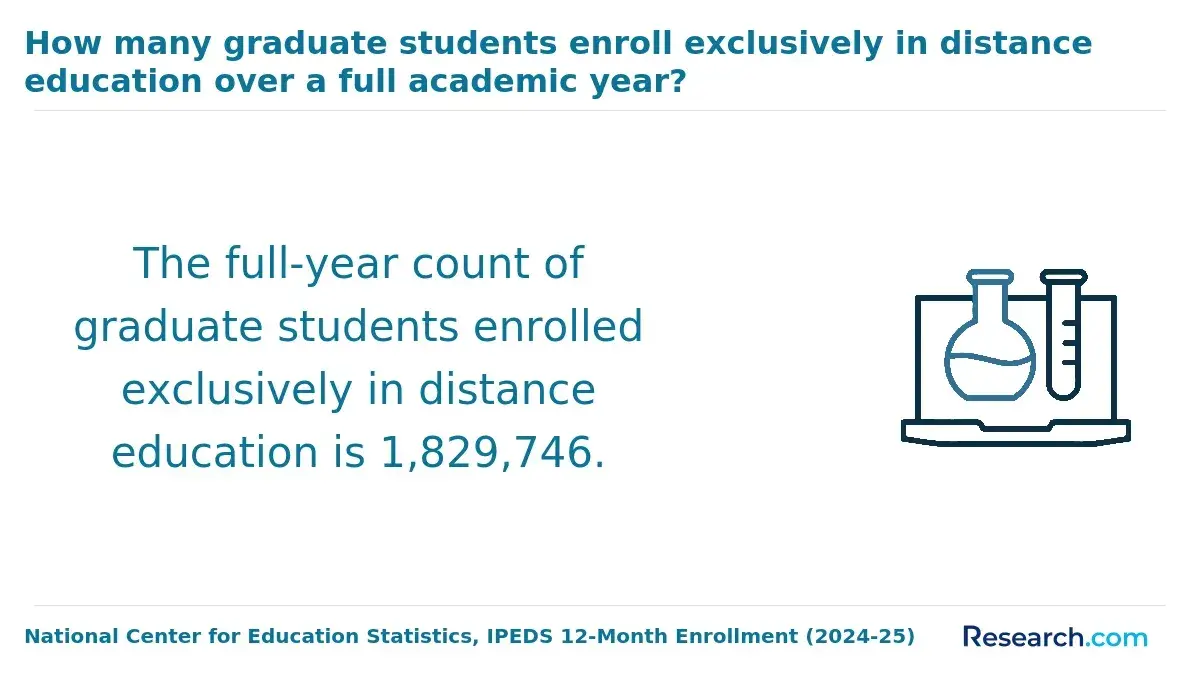
- The U.S. Bureau of Labor Statistics (BLS) projects 35% growth in data scientist employment from 2025 to 2035. That is an occupation forecast, not a placement forecast for degree holders.
- Compare actual course requirements, projects, total required charges, and graduates' roles - not degree titles alone. Neither degree guarantees a particular job or promotion.
What is the difference between a master's in data science and engineering management?
The central difference is the work each degree is designed to support. Data science emphasizes drawing defensible conclusions from data and developing analytical tools. Engineering management emphasizes decisions about technical delivery: resources, schedules, operations, and teams. Neither label tells you exactly how technical or management-focused an individual program will be.
The comparison below describes common emphases, not universal requirements.
| Decision criterion | Data science | Engineering management |
| Primary question | What can data tell us, and how reliably? | How should we organize and deliver technical work? |
| Typical work product | Analysis, model, data pipeline, or analytical recommendation | Project plan, operational improvement, resource decision, or technical strategy |
| Skills to prioritize | Statistics, coding, data handling, model evaluation | Project and operations management, finance, communication, leadership |
| Strongest fit | Someone seeking hands-on analytical responsibility | Someone seeking responsibility for technical execution and coordination |
If your target is an analytics role but you are unsure how much modeling you want, comparing graduate data analytics degrees can help clarify a third option before you commit to either path.
Which master's degree offers better career opportunities and earning potential?
Neither degree has a universal earnings advantage. The relevant comparison is between jobs you could realistically obtain after each program, given your current experience and location. Data science can support a move into specialist analytical roles; engineering management may be more useful when you already have technical experience and want broader responsibility for delivery or teams.
According to BLS, the median annual wage for U.S. data scientists was $120,230 in May 2025. This is an occupation-wide median, not an entry-level offer or a salary attributable to a master's degree. Engineering management graduates enter varied roles, so treating one occupation's median as the degree's expected payoff would be misleading.
For a useful return-on-investment comparison, identify two or three target job postings for each path. Check their experience requirements, then weigh the degree's full cost and any income you would give up while studying against a realistic career change - not against the highest advertised salary.
What careers can you pursue with each master's degree?
Data science graduates may pursue data scientist, machine learning, or analytics roles when they can demonstrate the required technical skills. Engineering management graduates may pursue technical project management, engineering operations, program management, or engineering leadership roles, usually alongside relevant industry experience. Titles and requirements vary considerably by employer.
If you are an engineer who enjoys analyzing failures, forecasts, or process data more than coordinating delivery, data science may be the stronger pivot. If you are an analyst who wants to own budgets, schedules, and cross-functional decisions, engineering management may be more relevant - but check whether a program expects an engineering background. For a closer look at analytical career directions, explore data science study options for emerging data roles.
A common mistake is selecting engineering management solely for its leadership language while applying to roles that require years of supervisory experience. Another is choosing data science for its job-growth forecast without wanting to code or work with statistical uncertainty. Read job descriptions before comparing programs.
How do data science and engineering management curricula compare?
Data science curricula commonly emphasize programming, statistical methods, data systems, and machine learning. Engineering management curricula commonly emphasize project management, operations, engineering economics, and organizational decision-making. Electives can blur the boundary, so examine required courses separately from optional ones.
A course title alone does not show depth. For data science, look for substantial assignments involving messy data, model evaluation, and communication of uncertainty. For engineering management, look for work involving resource constraints, financial trade-offs, and decisions with technical stakeholders. Ask whether a capstone lets you practice the kind of work you want to do after graduation.
If your interest is specifically in developing AI systems rather than broader analytics or technical leadership, consider AI degree fit for different career ambitions before assuming either curriculum provides the depth you need.
What are the admission requirements for each master's program?
Requirements vary by school. Data science programs may expect evidence of programming, calculus, linear algebra, or statistics preparation; engineering management programs may place greater weight on technical education or professional experience. Some programs accept applicants from other backgrounds or offer preparatory coursework, but you should not assume that a degree title alone qualifies or disqualifies you.
Before applying, compare each program's published prerequisites with courses on your transcript and skills you can demonstrate through work or projects. Ask admissions staff whether professional experience or noncredit study counts toward a formal prerequisite; useful preparation does not necessarily satisfy one. If you lack a required subject, find out whether it must be completed before admission or can be taken during the program.
How long do these master's degrees take and what do they cost?
Completion time and price depend more on the institution, credit requirements, course schedule, and your enrollment pace than on which of these two degrees you choose. Without comparing named programs' current tuition and fee schedules on the same basis, there is no reliable single cost or duration for either path.
Build a comparable estimate for each program before deciding. The components below help prevent a low advertised tuition figure from obscuring the full commitment.
- Required charges: Calculate tuition for the credits you must complete, then add mandatory university and program fees.
- Situational costs: Account for materials, software or equipment, travel, and any residency requirements that apply to you.
- Time and financing: Check course availability, likely completion pace, income forgone if you reduce work, and borrowing costs if you need loans.
- Offsets: Confirm eligibility and conditions for employer assistance, scholarships, or other aid rather than subtracting unconfirmed awards.
If technical specialization is your priority but cost is a constraint, machine learning master's degrees with lower required costs offer another comparison point. Verify current charges directly with any school before relying on a published price.
Is an online or campus-based program better for your goals?
Choose based on how you will learn and build relevant experience, not on a blanket assumption that one format is better. Online study may make it easier to keep working; campus study may make in-person collaboration and local networking easier. Either format can include group work, scheduled meetings, or employer-connected projects.
Ask how often attendance is synchronous, whether a campus visit is required, how team projects are scheduled, and what access students have to career support and technical resources. These details matter especially if you work full time or want to use a project to change roles. If you are considering AI-focused alternatives online, low-cost online AI master's programs can broaden your shortlist, provided their courses match your target work.
How should you evaluate accreditation and program quality?
First, verify the institution's current accreditation through the institution and its recognized accreditor. Then evaluate the specific program: required courses, faculty expertise, project opportunities, student support, and evidence about graduates' work. Institutional accreditation is important, but it does not mean two similarly titled programs teach the same skills.
Be cautious with rankings or salary claims that omit the population surveyed, response rate, time period, or graduates' prior experience. Ask for those details when available; if a program does not publicly report outcomes, do not treat a promotional anecdote as a typical result. For an online program, also confirm that you can enroll from your state and meet any applicable in-person requirements.
What certifications or licenses do graduates need for these careers?
A data science or engineering management master's degree does not, by itself, confer a professional license. Data science roles generally depend on demonstrable skills rather than a universal occupational license. Project-management or technology certifications may help with particular employers, but they are not automatic requirements for everyone with an engineering management degree.
Some engineering positions involve separately regulated professional engineering work. If that is your goal, check the relevant state licensing board's education and experience rules; do not assume an engineering management degree substitutes for an engineering degree or satisfies licensure requirements. Let target job postings and applicable regulators - not a program's marketing language - determine whether an additional credential matters.
What is the job outlook for data science and engineering management?
BLS projects an average of about 24,800 data scientist openings each year from 2025 to 2035, including openings created as workers change occupations or leave the labor force. That indicates occupational opportunity, not how many openings will suit new graduates or applicants in your area.
Engineering management spans multiple occupations, so there is no equally useful single forecast for every graduate of the degree. Compare outlook for the specific roles you would seek, alongside local employers' experience requirements. AI adoption also makes course currency worth checking: ask how programs teach students to evaluate analytical outputs or make decisions using changing tools, rather than choosing on the basis of a course's AI label alone.
The practical decision is to choose the degree whose required work resembles your intended job, then verify that its cost and entry requirements make that path feasible. A strong labor-market forecast cannot compensate for a poor match between your skills, interests, and target role.
Other Things You Should Know About Data Science
Yes, but the move may require experience or skills your degree did not emphasize. An engineering manager moving into modeling may need stronger coding and statistics; a data scientist moving into management may need experience owning budgets, delivery, and teams.
No. Both may cover business decisions, but engineering management is typically oriented toward technical organizations and projects. Compare required courses if you want broad general-management training.
Possibly. Ask the program about project approval and ask your employer about confidentiality, data access, and publication restrictions before planning around workplace material.
It depends on the doctorate and your preparation. If research is a serious goal, look for advanced methods courses, research opportunities, and faculty whose work aligns with your interests; a professionally oriented capstone may not provide the same experience as a research thesis.
References
- General Schedule Qualification Policies | U.S. Office of Personnel Management https://www.opm.gov/policy-data-oversight/classification-qualifications/general-schedule-qualification-policies/
- Estimate your college cost | usa.gov https://www.usa.gov/estimate-college-cost
- What Can I Do With a Degree in Data Science? Career Paths & Skills | Harvard SEAS https://seas.harvard.edu/news/what-can-i-do-degree-data-science-career-paths-skills
- Returns to different postsecondary investments: Institution type, academic programs, and credentials - ScienceDirect https://www.sciencedirect.com/science/article/pii/S157406922200006X
- Master of Engineering vs Master of Science | Michigan Technological University https://www.mtu.edu/engineering/about/difference/
- Choosing a master's degree: data science or artificial intelligence | edX https://www.edx.org/resources/choosing-a-masters-degree-data-science-or-artificial-intelligence
- Master's Degree in Engineering Management Program Guide | bestcolleges.com https://www.bestcolleges.com/engineering/masters/engineering-management/program-guide/