2027 Marketing Master's Degree vs Graduate Certificate: Which Is Better?

Co-Founder and Chief Data Scientist
Choosing between a marketing master's degree and a graduate certificate often hinges on balancing cost, time, and career goals. A master's typically demands two years and significant tuition, while certificates can be completed in less than a year at lower cost. Admission criteria also differ-master's programs usually require a bachelor's degree and competitive scores, whereas certificates may have more flexible entry standards.
Employer recognition varies too; a master's often unlocks higher salaries, with data showing median annual earnings 20% greater for those holding a marketing master's versus certificates. This article examines these credentials-focusing on cost, duration, recognition, and career impact-to guide informed choices.
Key Things to Know About Which Is Better: A Marketing Master's Degree or a Marketing Graduate Certificate
- Marketing master's degrees typically cost 3-5 times more than graduate certificates-making certificates a more accessible option for budget-conscious students focused on specific skills.
- Graduate certificates can be completed within 6-12 months-significantly faster than the 1.5 to 2 years typically required for a master's degree, appealing to career changers needing speed.
- Employers often recognize master's degrees as signaling deeper expertise-correlating with average salary increases of 15-25% versus certificates, which usually yield smaller but quicker career utility gains.
What Is the Difference Between a Marketing Master's Degree and a Marketing Graduate Certificate?
A marketing master's degree is an advanced credential requiring the completion of 30 to 60 credit hours, depending on the program. Its curriculum covers a wide range of topics including consumer behavior, digital marketing, analytics, branding, and marketing research, often culminating in a capstone project or thesis. Designed to build comprehensive expertise and prepare students for leadership roles, it reflects a significant academic commitment and positions graduates for further study or high-level career advancement.
In contrast, a marketing graduate certificate typically involves 12 to 18 credit hours focused on specific skill areas like digital marketing or market analytics. These certificates provide targeted knowledge in a shorter timeframe-often a matter of months-making them attractive to working professionals or career changers seeking a quick, flexible credential without the depth of a full degree.
This discussion integrates how these credentials differ in cost, time-to-completion, admission demands, employer recognition, salary impact, and career utility-factors essential to understanding the differences between a marketing master's degree and graduate certificate from a real-world perspective. For individuals considering flexible online options, reviewing choices like BCBA school online can offer valuable insights into accessible professional education.
Differences between a marketing master's degree and graduate certificate extend beyond curriculum-affecting career outcomes of marketing master's degree versus graduate certificate holders in terms of job roles, salary potential, and long-term advancement, making informed decision-making critically important.
What Are the Typical Admission Requirements for a Marketing Master's Program Compared to a Marketing Graduate Certificate?
Admission requirements for a marketing master's program tend to be more selective and rigorous compared to those for a marketing graduate certificate, reflecting differing levels of academic commitment and career preparation. Prospective master's students usually need to demonstrate a solid academic foundation and readiness for advanced study through various key criteria.
- Undergraduate GPA: Most master's programs require a minimum GPA-often around 3.0 on a 4.0 scale-to ensure applicants have attained a reasonable level of academic achievement.
- Prerequisite Coursework: Applicants typically must have completed foundational courses in marketing, business, statistics, or economics, which lay the groundwork for advanced concepts.
- Standardized Test Scores: GRE or GMAT scores are often requested to assess analytical and verbal skills, though some schools have started waiving these requirements.
- Letters of Recommendation: Usually at least two recommendations from professors or professional supervisors are required to attest to the applicant's academic potential and suitability for graduate study.
- Personal Statement: This essay outlines the student's motivation, career goals, and fit for the program, playing a critical role in admissions decisions.
In contrast, admission standards for marketing graduate certificate programs are generally more flexible, part of their design to offer quicker, more accessible training. This difference in admission criteria is crucial for prospective students who may not yet meet master's program thresholds-certificates can serve as an academic on-ramp, allowing students to strengthen their profile before applying to a master's program.
- Lower GPA Thresholds: Graduate certificates often have minimal or no GPA requirements, making them accessible to a broader range of students.
- Fewer or No Prerequisites: Many certificate programs accept students without prior coursework in marketing or related fields.
- No Standardized Tests: GRE or GMAT scores are rarely required, lowering barriers related to exam preparation and cost.
- Optional Recommendations: Letters of recommendation and personal statements are often not required or may be requested only if admission is competitive.
For working professionals or career changers, marketing graduate certificates offer a practical, lower-commitment way to enhance credentials and test interest before investing in a full degree. Completing a certificate can help build relevant knowledge, demonstrate graduate-level capabilities, and strengthen applications for future master's study. Those considering a career in marketing might also explore related fields-such as a video game development degree-to better understand the broader landscape of creative and strategic roles within digital industries.
What Is the Minimum GPA Requirement for a Marketing Master's Program?
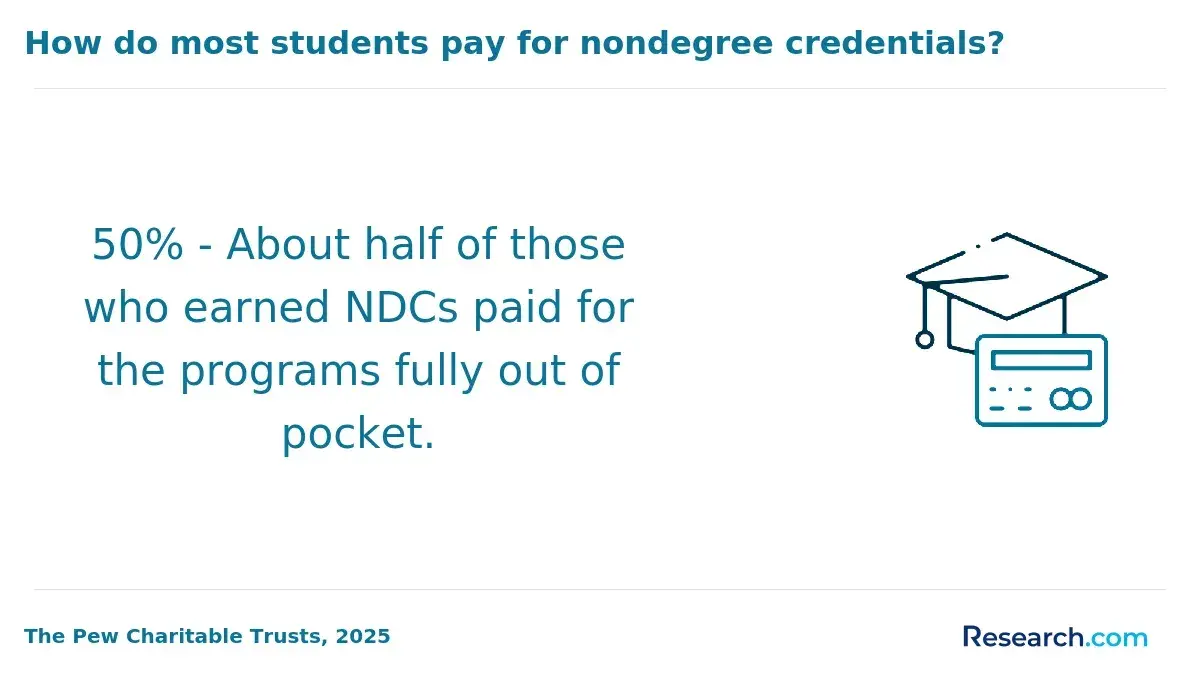
Accredited marketing master's programs usually set minimum GPA requirements between 3.0 and 3.5 on a 4.0 scale, with many competitive schools favoring 3.2 or higher to reflect selective standards. Some professional or open-enrollment programs accept lower GPAs-sometimes as low as 2.75-to widen access.
Competitive Admissions: Minimum GPAs often represent a baseline rather than the typical accepted profile; admitted students usually exceed the stated minimum. Admissions consider a holistic package including work experience and recommendations alongside GPA.
Open-Enrollment Programs: These programs tend to waive strict GPA cutoffs, emphasizing professional achievements or competency assessments to support nontraditional students and career changers.
Conditional Admission: Some institutions offer provisional entry to applicants slightly below the cutoff, requiring completion of prerequisite courses or maintenance of acceptable academic standing during initial study periods.
Remediation Requirements: Students admitted conditionally may face regular academic monitoring and must meet progress benchmarks to continue.
Practical Tip: Treat minimum GPA figures as a threshold, not a goal. Prospective students improve their odds by aiming higher than minimums, particularly in competitive marketing master's programs.
Reflecting on the question of minimum GPA, one professional who earned a marketing master's recalled, "I was just under the recommended GPA but got a conditional admission. The initial semester was intense-balancing extra coursework and exams to prove I belonged. It was stressful, yet rewarding. This experience taught me value beyond numbers-perseverance and adaptability made a real difference."
How Long Does It Take to Complete a Marketing Master's Degree Versus a Marketing Graduate Certificate?
A marketing master's degree generally spans 18 to 24 months full-time, though part-time students may take two to three years or more. Accelerated tracks can shorten this to about 12 months but require intense dedication. This timeframe reflects the degree's extensive credit requirements and academic rigor-something many programs enforce through thesis or capstone projects and comprehensive exams. Graduate certificates, by contrast, are designed for swift completion, often within six months to a year full-time, with part-time options extending up to 18 months. These certificates focus on fewer credits and practical skills, allowing quicker career re-entry.
Program Structure: Master's programs involve 30 to 60 credits, integrating core subjects, electives, and significant scholarly components. Many students encounter comprehensive assessments that extend study duration. Graduate certificates emphasize 12 to 18 credits concentrated on specialized marketing competencies and omit thesis demands, prioritizing immediate workplace application.
Professional Considerations: The time required for marketing graduate certificate programs appeals to professionals balancing work and personal obligations-offering flexibility and targeted learning without significant interruptions. Those aiming for leadership roles or deeper knowledge often select the master's path despite its longer timeline, valuing the credential's broader impact on career growth and earnings.
Life Circumstances: Choosing between these credentials often depends on personal factors such as employment status, family commitments, and financial resources. Master's degrees need a longer financial and time investment, while certificates present a practical alternative for incremental skill advancement. For many weighing the balance between time and career urgency, the shorter certificate timeline offers an attractive option.
Career Impact: The marketing master's degree offers robust specialization and wider opportunities, benefiting those focused on long-term advancement. Conversely, the graduate certificate suits recent graduates, career changers, or current certificate holders aiming for skill upgrades with less time commitment. Exploring options like paralegal school can also provide insight into accelerated program benefits across fields.
How Much Does a Marketing Master's Degree Cost Compared to a Marketing Graduate Certificate?
Total expenses for a Marketing master's degree vary considerably by institution. Public universities charge in-state students roughly $15,000 to $40,000, while out-of-state tuition nearly doubles that range, falling between $30,000 and $65,000. Private institutions command the highest fees, generally from $40,000 up to $90,000.
Comparatively, marketing graduate certificates cost significantly less-public in-state offerings range from about $5,000 to $12,000, and private programs commonly cost between $10,000 and $25,000. These amounts represent complete program costs, not just per-credit charges, according to data from the National Center for Education Statistics and College Board's Trends in College Pricing.
The larger financial commitment for master's programs stems from increased credit requirements-usually 30 to 45 credits compared to 12 to 18 credits for certificates-along with longer durations of study, frequently lasting one to two years versus just months for certificates. Additionally, full graduate programs demand more institutional resources such as faculty time, administrative support, and campus facilities, which further elevate expenses. Certificates, by contrast, emphasize targeted skill development and require fewer institutional resources.
Master's candidates often benefit from financial aid options unavailable or rare for certificate students, including assistantships, fellowships, and employer tuition reimbursement programs. These supports can substantially decrease the net cost of a master's, improving affordability despite higher sticker prices.
Graduate students pursuing a master's typically experience opportunity costs like lost income and postponed career advancements during their studies. Certificates minimize these risks with shorter completion times, though they may deliver narrower long-term financial gains and career advancement than a master's degree.
Evaluating the financial value of these credentials depends on calculating return on investment based on net costs-not just listed prices. Numerous free online calculators consider factors such as aid, living expenses, and projected salary gains, helping students align educational expenditure with career objectives.
When speaking with a professional who built his career after completing a marketing master's, he reflected on the investment: "I was hesitant at first because the costs seemed overwhelming, but the financial aid really made a difference. The longer program meant juggling work and study, which was stressful, yet the depth of knowledge I gained and the networking opportunities made it worthwhile. It wasn't just about tuition-it was managing time and energy-but the career doors it opened convinced me the effort paid off."
How Does Earning a Marketing Master's Degree Affect Salary Compared to a Marketing Graduate Certificate?
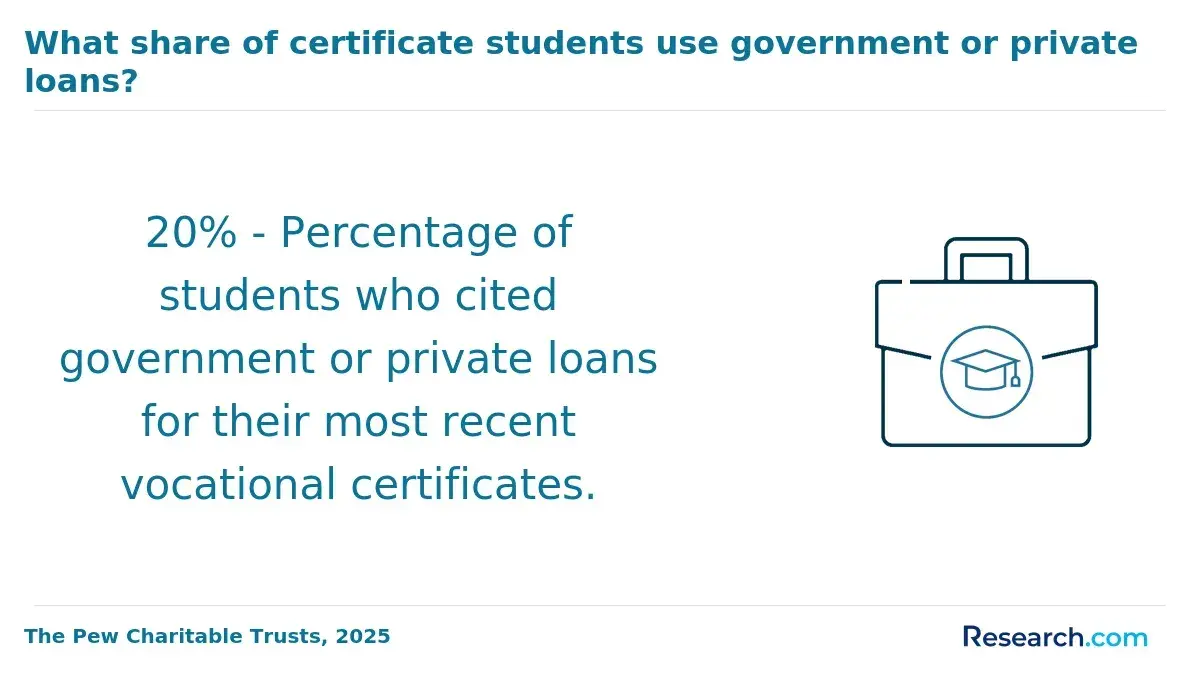
Holding a master's degree in marketing often leads to a median wage roughly 15-25% higher than that of professionals with only a graduate certificate, according to data from the Bureau of Labor Statistics and Georgetown University. This wage advantage reflects the advanced strategic expertise and leadership capabilities developed through extended study.
Industry Variation: The greatest salary differences favoring master's degree holders appear in fields such as finance, technology, and pharmaceutical marketing, where employers-especially large corporations and multinationals-reward complex strategic skills with higher pay.
Senior-Level Roles: Advanced credentials unlock access to higher-level marketing roles like marketing director, product manager, and data analytics manager. These positions often offer substantially greater compensation and responsibility, which remain less accessible to those with certificates alone.
Comparable Earnings Tracks: In contrast, specialized marketing fields such as digital advertising, content marketing, and social media strategy sometimes reward targeted certificates with salaries equal to-or exceeding-those attained through a master's degree. Rapidly evolving niche skills frequently drive this trend.
Return on Investment: When assessing financial value, certificate programs require less time-often under a year-and involve lower costs compared to master's programs that demand two or more years and greater investment. For those seeking quick skills boosts or entry into marketing, certificates can offer competitive salary improvements without the extended commitment.
According to the 2024 NACE Salary Survey, marketing master's degree holders have seen a 12% increase in median starting salaries over the past three years, underscoring ongoing demand for advanced qualifications in the field.
Which Marketing Career Paths Favor a Master's Degree Over a Graduate Certificate?
Certain marketing career paths distinctly favor a master's degree over a graduate certificate due to the greater depth of knowledge, theoretical rigor, and broader skill set the degree offers. These positions-often leadership or research-intense roles-require a comprehensive understanding of marketing principles that a certificate's focused curriculum cannot fully provide. Employers and licensure bodies frequently mandate or strongly prefer master's-level qualifications when assessing candidates for advanced roles.
- Leadership Roles: Senior marketing managers, directors, and brand strategists commonly require a master's degree as a formal credential for promotion. These positions demand strategic vision and the ability to oversee complex campaigns-a skill set grounded in robust analytical and managerial training found in master's programs.
- Research-Intensive Positions: Careers in marketing analytics, consumer behavior research, and data-driven strategy development benefit significantly from methodologies taught in master's curricula. Employers prioritize candidates with graduate degrees for their ability to apply complex quantitative and qualitative research techniques.
- Licensed Professions and Certifications: Some specialized marketing roles linked to professional certifications or licenses may require a master's degree as a prerequisite. This ensures practitioners meet high academic standards necessary for ethical and effective practice.
- Promotion and Specialization Thresholds: Many organizations treat a master's degree as a gating factor for moving into higher-tier roles or specialized marketing domains, such as product innovation leadership or international market expansion management. The degree acts not just as an educational milestone but as a marker of readiness for responsibility.
According to recent data from the U.S. Bureau of Labor Statistics, marketing management roles are expected to grow 7% over the next decade-highlighting how higher qualifications strongly influence hiring decisions and salary prospects. Prospective students aiming for these career trajectories should carefully weigh the full master's degree's demands and benefits to ensure their credentials align with long-term goals.
Which Marketing Career Paths Favor a Graduate Certificate Over a Master's Degree?
Graduate certificates in marketing often deliver superior value in career paths where employers emphasize specialized technical skills and practical competence over comprehensive academic study. Relevant certificates stand out in roles demanding immediate applied expertise, enabling quicker workforce entry compared to the longer time and financial investment required for a master's degree. This makes them especially attractive for recent undergraduates and career-changers seeking swift, targeted credentialing.
- Digital Marketing Specialists: Employers frequently prioritize hands-on experience with tools like Google Ads, SEO, and social media analytics. Certificates focused on these skills often align more closely with job requirements than a broad master's curriculum.
- Content Marketing and Copywriting: Roles centered on content creation benefit from certificates emphasizing writing, brand messaging, and audience engagement, addressing practical needs more directly than generalized graduate programs.
- Marketing Analytics: Data-oriented jobs requiring proficiency in analytics software typically prefer candidates with specific certificate credentials targeting these aptitudes.
- Marketing Automation and CRM Management: Since effective use of platforms like HubSpot or Salesforce is critical, certificates that teach platform-specific skills provide faster routes to demonstrated capability.
- Working Professionals Seeking Targeted Upskilling: Individuals already holding bachelor's or master's degrees often find the best value in graduate certificates when filling niche skill gaps-such as mastering new digital tools-without repeating broad coursework.
- Career Changers and Rapid Entry Professionals: Certificates appeal to those aiming to pivot quickly or establish foundational marketing expertise because of their focused, shorter programs.
Job data from platforms like Lightcast and LinkedIn Workforce Insights, as well as employer survey research, indicate that hiring managers increasingly treat graduate certificates as equivalent or sometimes preferable to master's degrees in these segments. Certificates demonstrate specific, applicable skills relevant to daily marketing tasks, illustrating their practical career utility and strong role in the best marketing certificate programs for career advancement.
For those deciding between credentials, it's worth exploring options at non profit online colleges that offer streamlined certificate paths, providing cost-effective and time-efficient alternatives to traditional graduate degrees without compromising skill acquisition.
Is a Marketing Graduate Certificate Stackable Toward a Master's Degree?
Many accredited universities offer stackable credentials, allowing graduate certificate coursework to sometimes apply toward a master's degree in the same or related marketing field. This option-known as stacking a marketing certificate toward a master's degree-can help students reduce overall time and cost by applying earned credits toward higher degrees. However, it is important to understand that this stacking is an institutional policy-not universally offered-and depends on the program's specific credit transfer rules.
Key points include:
- Institutional Policy: Whether marketing graduate certificate credit transfer options exist depends entirely on the individual school's guidelines, as not all allow certificates to count toward master's degrees.
- Program Alignment: Certificates must usually be in the same discipline or closely related marketing specialization to be eligible for stacking.
- Grade Requirements: Schools often require minimum grades-commonly a B or higher-for certificate courses to count toward the master's degree.
- Time Limits: Credits may need to be applied within certain timeframes to ensure validity in master's program transfer.
- Admissions Review: Final acceptance for credit transfer is typically subject to graduate admissions office or faculty committee approval.
- Low-Risk Entry: This pathway provides a way for students unsure about committing to a full master's to experience graduate-level marketing education with less financial and time burden.
Because stacking policies vary widely, students should verify details directly with any program's graduate admissions office before enrolling. For those weighing pathway options, it is also helpful to explore related career data-such as the online animal science degree salary and other fields-to better understand salary impacts and employer recognition aligned with various credentials.
How Do Employers in the Marketing Field Perceive a Master's Degree Versus a Graduate Certificate?
Employers' views on master's degrees versus graduate certificates in marketing shift notably depending on industry and job responsibilities. For instance, the tech and consulting sectors often favor certificates, valuing their concentrated focus and alignment with rapidly changing skill demands and project-based environments. Conversely, roles requiring advanced strategic insight or leadership qualities tend to prioritize the broader, deeper training of a master's degree.
- Industry Variation: Certificates gain respect in tech and consulting due to their targeted skill sets, but regulated or academic marketing fields typically require a master's as the core qualification.
- Role Specificity: Leadership and strategy-focused roles are more likely to seek master's degree holders because of their extensive preparation.
- Institutional Reputation: The prestige of the issuing institution heavily influences employer preference-credentials from respected schools can outweigh the type of degree itself, with certificates from top programs sometimes surpassing master's degrees from less recognized institutions.
- Regulatory Context: In compliance-driven or research-intensive marketing roles, the master's remains the benchmark for thorough, comprehensive expertise.
- Career Expectations: Master's graduates are expected to demonstrate critical thinking and strategic acumen, while certificate holders bring immediately usable, specialized skills suited to evolving market needs.
Understanding these distinctions helps prospective students set realistic goals, choosing credentials that fit their industry, role aspirations, and the value employers place on their educational background.
Can a Marketing Graduate Certificate Help Someone Transition Into the Field From a Different Background?
Transitioning into marketing from a different field can be streamlined with a graduate certificate-an option designed to deliver essential skills quickly and affordably without the extensive commitment of a master's degree. These certificates have evolved to support career changers through accelerated timelines and modular credentials that can stack toward advanced degrees.
Research from workforce development sources shows that such programs prioritize hands-on learning, encouraging students to complete projects and assemble portfolios that validate their marketing abilities in real-world scenarios. This practical focus helps close experience gaps, enhancing employability soon after completion.
- Cost-Effectiveness: Graduate certificates typically require less financial investment than full degrees, reducing risk for those uncertain about long-term academic commitments.
- Expediency: Many certificates can be completed in under a year, enabling faster entry into entry-level marketing roles.
- Stackable Credentials: The ability to apply earned credits toward a master's degree allows flexibility for those considering further education.
- Applied Learning: Emphasis on actionable skills and portfolio development supports tangible proof of marketing competence.
- Limitations: While valuable for initial career transitions, certificates may lack the depth and industry recognition needed for senior or niche marketing positions.
- Supplemental Experience: Candidates should combine certificates with internships, freelance work, or volunteer projects to improve hiring prospects.
What Graduates Say About Which Is Better: A Marketing Master's Degree or a Marketing Graduate Certificate
- Laura: "Choosing between a marketing master's degree and a graduate certificate really came down to time and cost for me. The master's program took longer and was a bigger investment-but I felt it opened more doors in terms of employer recognition and deeper career utility. If you want to make a significant salary impact and are ready to commit, the master's is worth every penny."
- Nichole: "I opted for a marketing graduate certificate because of the lighter admission requirements and much shorter time-to-completion. From a practical standpoint, the certificate gave me the credentials I needed to boost my career without the financial strain of a master's. However, I do think in highly competitive fields, the master's degree still carries more weight with employers and often results in higher salaries."
- Maverick: "Reflecting on my journey, the distinct advantage of a master's degree over a certificate was the broad career utility it provided-beyond just a title, it built strategic thinking skills that employers highly value. While the certificate was less costly and faster, the master's made a stronger salary impact and felt like a more comprehensive investment in my future. Ultimately, it depends on your goals and resources, but the master's is a powerful credential."
Other Things You Should Know About Marketing Degrees
Online marketing master's programs generally have broader curricula and deeper academic rigor than graduate certificates, which focus on specialized skills. Employers tend to regard master's degrees as more comprehensive credentials, especially for leadership roles, while graduate certificates are valued for quick skill updates. However, recognition depends on the institution's reputation and accreditation rather than the format alone.
Accreditation is crucial for both marketing master's programs and graduate certificates-it ensures the program meets established educational standards. Employers and graduate schools often prefer candidates from accredited programs because it guarantees quality and credibility. Choosing an unaccredited program may limit career and academic opportunities regardless of the credential level.
Those seeking extensive knowledge, long-term career advancement, or leadership roles in marketing are best suited for a master's degree. Conversely, working professionals looking to enhance specific marketing skills quickly, career changers needing entry-level credentials, or current certificate holders wanting a targeted credential often find graduate certificates more practical. The decision should align with one's career goals, time commitment, and financial resources.
References
- HOW - Translation from English into Polish https://en.pons.com/translate/english-polish/how
- How to Make a Career Change to Marketing https://tribeacademy.sg/blog/career-change-to-marketing/
- Salary Series Part Two: The Impact of Education on Marketing Salaries - https://mckinleymarketingpartners.com/2018/10/salary-series-part-two-the-impact-of-education-on-marketing-salaries/
- Definition of HOW https://www.merriam-webster.com/dictionary/how
- What is the salary after a Master in marketing? - ESCE https://www.esce.fr/en/faq-all-the-answers-to-your-questions/what-is-the-salary-after-a-master-in-marketing/
- how - Tłumaczenie po polsku - Słownik angielsko-polski Diki https://www.diki.pl/slownik-angielskiego
- Difference Between Graduate Certificate and Master's Degree - Rosemont College https://rosemont.edu/whats-the-difference-between-graduate-certificate-and-masters-degree/
- how - Wiktionary, the free dictionary https://en.wiktionary.org/wiki/how
- Is a Master's in Marketing Worth It? | SNHU https://www.snhu.edu/about-us/newsroom/business/is-a-masters-in-marketing-worth-it
- Making a Career Change: Marketing Career Path https://online.sbu.edu/blog/marketing-career-path