2027 Low-Cost Online Fire Science Associate Degree Programs with Financial Aid: FAFSA, Grants, and Scholarships

Co-Founder and Chief Data Scientist
Choosing an online fire science associate degree is often a cost decision before it is an academic one. College Board's 2024 pricing data shows average published tuition and fees at public two-year colleges are about $4,050, while the federal Pell Grant can reach $7,395 for eligible students.
That gap matters for firefighters, EMTs, volunteers, career changers, and public-safety employees trying to earn a credential without heavy debt. This guide explains how FAFSA, grants, scholarships, employer benefits, accreditation, and enrollment choices affect the real price you pay.
Key Things You Should Know
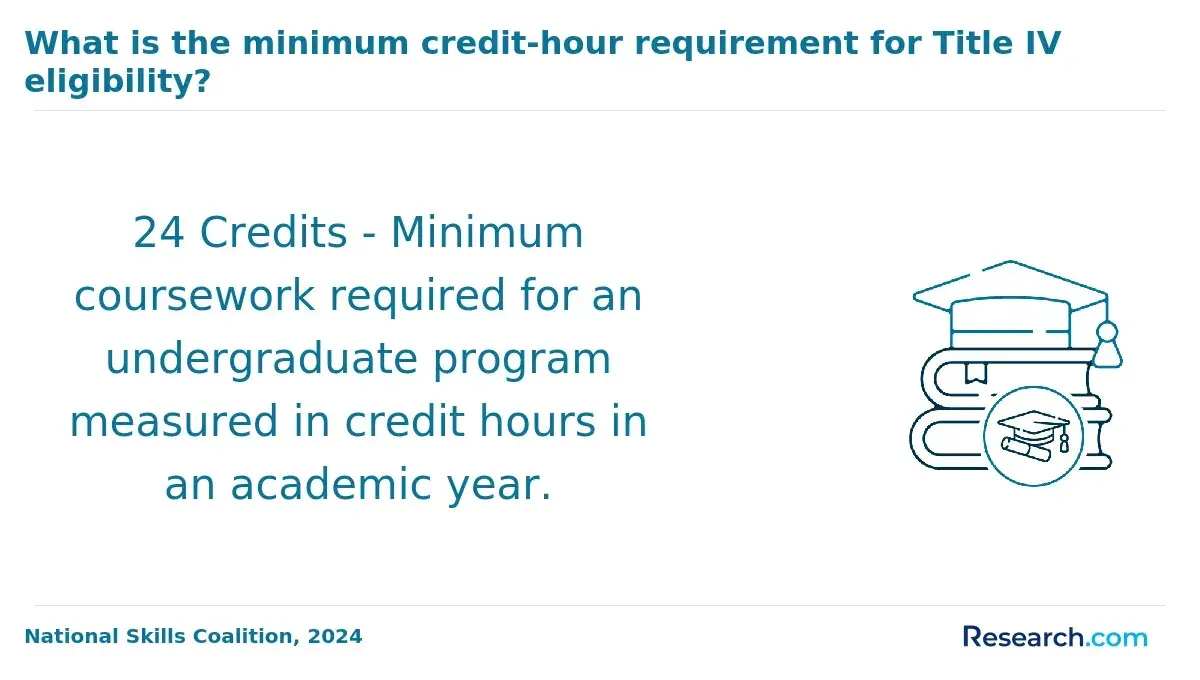
- FAFSA-eligible online fire science associate programs are usually offered by accredited, Title IV-participating colleges; online delivery alone does not determine federal aid eligibility.
- The maximum federal Pell Grant is $7,395 for eligible students, which can cover a large share of tuition at many public two-year colleges but may not cover fees, books, uniforms, or technology costs.
- Fire science associate degrees are commonly 60-credit AA, AS, or AAS programs; full-time students may finish in about two years, while part-time enrollment can lower term-by-term bills but may reduce some aid amounts.
Which Low-Cost Online Fire Science Associate Degree Programs Offer Financial Aid?
Low-cost online fire science associate degree programs offer financial aid when the school participates in federal student aid and the specific degree is an eligible program. The safest way to compare options is to look beyond advertised tuition and confirm four items: institutional accreditation, Title IV participation, program eligibility, and your expected net price after grants and scholarships.
Fire science associate programs usually fall into three degree types. An AAS is often career-focused for firefighters, fire officers, inspectors, and emergency-services personnel. An AS may include more science, math, and transfer-oriented coursework. An AA may be broader and can work for students planning to continue into emergency management, public administration, occupational safety, or a related bachelor's degree.
The table below summarizes the kinds of low-cost online programs students should prioritize when looking for aid. It is more useful than a simple "cheap schools" list because the lowest tuition is not always the lowest net cost after financial aid.
| Program type to compare | Typical credential | Financial aid potential | Best fit | Cost caution |
| Public community college with online fire science courses | AA, AS, or AAS | Often FAFSA-eligible if the college and program participate in Title IV aid | Students seeking the lowest tuition, especially in-district or in-state residents | Some fire academy, lab, testing, or proctored requirements may not be fully online |
| State college or technical college online fire science program | AS or AAS | May offer federal, state, and institutional aid | Working firefighters who need flexible scheduling and applied coursework | Nonresident online tuition and course fees can change the net price |
| Regionally accredited online university with a fire science associate degree | AS or AAS | May be FAFSA-eligible and may package institutional aid | Students who need fully online delivery and frequent start dates | Published tuition may be higher than community college tuition even after aid |
| Career-focused institution serving military, fire, and public-safety students | AA, AS, or AAS | May accept FAFSA, military benefits, employer assistance, or transfer credit | Adult learners with prior training, certifications, or public-safety experience | Transferability and bachelor's pathways should be confirmed before enrolling |
A useful comparison should include nearby public colleges, online state colleges, and national online institutions. Students also comparing adjacent public-safety fields may want to review an online criminal justice degree, especially if their long-term goal is fire investigation, emergency management, homeland security, or public administration rather than fire suppression.
How Does FAFSA Work for Online Fire Science Associate Degree Programs?
FAFSA is the Free Application for Federal Student Aid, and it is the gateway to federal Pell Grants, federal student loans, work-study, and many state or institutional aid programs. For an online fire science associate degree, FAFSA works the same way it does for campus programs, but the school and the specific credential must be eligible.
The FAFSA now uses the Student Aid Index, replacing the older Expected Family Contribution measure. That change matters because students should not assume a prior aid estimate will remain the same; updated family size, income, dependency status, and enrollment intensity can all affect the final award.
Use this sequence to avoid the most common FAFSA mistakes before committing to an online program:
- Confirm that the college is accredited by an agency recognized for federal aid purposes and participates in Title IV federal student aid.
- Ask the financial aid office whether the online fire science associate degree itself is aid-eligible, not just whether the institution accepts FAFSA.
- Submit the FAFSA using the school's correct federal school code, then list every program you are seriously considering so you can compare aid offers.
- Review the school's cost of attendance, including tuition, fees, books, technology, transportation for any required campus activity, and graduation charges.
- Separate gift aid from loans by identifying grants and scholarships first, then calculating what remains before deciding whether to borrow.
- Ask how your aid changes if you enroll part time, stop out for a term, repeat a course, or transfer in credits from fire academy or previous college coursework.
A key red flag is a school that talks broadly about "financial aid" but does not clearly explain federal aid participation, program eligibility, satisfactory academic progress, or refund policies. FAFSA eligibility is valuable, but it is not a guarantee that your full program cost will be covered.
What Grants Can Help Pay for an Online Fire Science Associate Degree?
Grants are usually the most valuable form of aid because they generally do not need to be repaid if students meet enrollment and academic requirements. For low-cost fire science associate programs, grants can make the biggest difference when tuition is already modest, because one award may cover a full term or more at a community college.
The main grant categories below are worth checking before you consider loans. Availability depends on residency, income, school participation, enrollment status, and state rules.
| Grant source | Who may qualify | Why it matters for fire science students | What to verify |
| Federal Pell Grant | Undergraduate students with financial need who have not already earned a bachelor's degree | The maximum award can be large enough to offset much of the tuition at many low-cost two-year colleges | Enrollment intensity, lifetime eligibility limits, and whether your program is aid-eligible |
| Federal Supplemental Educational Opportunity Grant | Students with high financial need at participating colleges | Can add gift aid on top of Pell funding, but funds are limited | Whether the school participates and whether awards are first-come, first-served |
| State need-based grants | Residents who meet state income, enrollment, and school requirements | Can make in-state online community college programs especially affordable | Residency rules, filing deadlines, and whether online students qualify |
| Workforce or public-safety grants | Students entering high-need public-service, emergency response, or technical fields | May support firefighters, EMTs, volunteers, or career changers in approved programs | Approved program lists, service obligations, and renewal rules |
| Institutional grants | Students selected by the college based on need, merit, employment status, or other criteria | Can reduce net price at schools with higher published tuition | Whether the award is renewable and whether it applies to online associate students |
Students should apply early because some campus-based and state grant programs have limited funds. If you are choosing between two FAFSA-eligible schools, a public college with lower tuition and a smaller grant may still cost less than a higher-tuition school with a larger award.
Scholarships can come from colleges, fire service associations, local departments, unions, community foundations, public-safety organizations, and private donors. Unlike grants, which often focus on financial need, scholarships may reward volunteer service, academic performance, leadership, military service, first-responder family status, or career commitment.
For fire science students, the strongest scholarship search is local and career-specific. National scholarship databases can help, but many awards for public-safety students are offered through state fire chiefs' associations, firefighter foundations, municipal organizations, and local civic groups.
Use the following scholarship categories to build a focused search list instead of applying randomly:
- College fire science scholarships: Ask whether the department, public-safety division, or foundation office has awards reserved for fire science, emergency management, EMS, or occupational safety students.
- Volunteer firefighter and first-responder scholarships: Local departments, firefighter relief associations, and community foundations may support active volunteers or dependents of first responders.
- State and regional fire service awards: State firefighter associations, fire chiefs' associations, and training academies may sponsor awards tied to leadership, service, or professional development.
- Public-safety and municipal scholarships: City, county, and union-affiliated awards may support students working in emergency services or preparing for public-sector careers.
- Military and veteran scholarships: Students with military experience may qualify for public-service, veteran, or emergency-management scholarships in addition to federal education benefits.
Scholarship renewal rules are easy to overlook. Before counting an award toward your full degree cost, ask whether it requires full-time enrollment, a minimum GPA, continued fire-service membership, annual reapplication, or proof that funds are used only for tuition and fees.
Students interested in investigation, corrections, emergency response, or public-safety administration may also compare funding patterns in the best online associate degree programs in criminal justice, since some scholarships cover broader public-safety majors rather than fire science only.
Financial aid can reduce the cost of an online fire science associate degree substantially, but the impact depends on the school's published price, your grant eligibility, your enrollment intensity, and whether you receive scholarships or employer support. The most useful number is not tuition; it is the net price, meaning total cost of attendance minus grants and scholarships.
The example below shows why the same Pell Grant can produce very different outcomes depending on the school's base cost. These are simplified scenarios for comparison, not promises of aid eligibility or final billing amounts.
| Scenario | Estimated annual tuition and required fees | Example gift aid | Estimated remaining annual direct cost | Decision point |
| Low-cost public two-year college | $4,050 | Up to $7,395 Pell Grant if eligible | $0 for tuition and required fees, with possible funds remaining for other approved costs | Best potential value if the program fits your schedule, transfer plan, and career goal |
| Moderate-cost online college | $8,000 | Up to $7,395 Pell Grant if eligible | About $605 before books, technology, and other costs | May be affordable if it offers stronger flexibility or accepts more transfer credit |
| Higher-cost online institution | $14,000 | Up to $7,395 Pell Grant if eligible | About $6,605 before books, technology, and other costs | Requires careful comparison of institutional scholarships, employer benefits, and loan need |
The financial aid lesson is straightforward: a higher-cost school can become competitive if it awards strong institutional aid or accepts significant transfer credit, but it should not be assumed affordable just because it accepts FAFSA. Ask each school for a written estimate that separates direct billed costs from indirect expenses.
Students should also compare borrowing carefully. Federal loans may help with remaining costs, but loans change the return-on-investment calculation because repayment begins after leaving school or dropping below the required enrollment level.
Financial aid packages can look similar at first, but they may have very different long-term effects. A strong package for an online fire science associate degree should lower out-of-pocket cost without locking you into unnecessary loans, unrealistic full-time enrollment, or credits that do not transfer.
When comparing offers, look at the structure of the aid rather than the total award headline. The table below shows what to compare side by side before enrolling.
| Comparison factor | Why it matters | Question to ask the school |
| Gift aid versus loans | Grants and scholarships reduce cost; loans postpone payment and add repayment obligations | How much of my award is grant or scholarship funding, and how much is borrowing? |
| Enrollment requirement | Some aid changes if you attend half time, three-quarter time, or full time | What happens to my award if I take 6, 9, or 12 credits? |
| Renewal rules | A first-term scholarship may not continue automatically | What GPA, credit completion, or service requirement must I meet to keep this aid? |
| Fees outside tuition | Online, technology, proctoring, graduation, lab, or certification fees can raise net cost | Which required fees are not included in the tuition estimate? |
| Transfer credit | Accepted credits can shorten the degree and reduce total cost | Will my prior college, academy, EMT, military, or fire-service training count toward the degree? |
| Bachelor's pathway | A cheap associate degree loses value if credits do not apply to the next credential you want | Do you have articulation agreements for fire administration, emergency management, occupational safety, or public-safety bachelor's programs? |
A common mistake is choosing the school with the largest aid package without checking the remaining balance. A $10,000 package at a $20,000 school can still cost more than a $4,000 package at a $6,000 school.
Students comparing public-safety programs should also review the full criminal justice degree price picture, because related majors may have different fees, transfer pathways, and employer tuition policies.
Employer tuition assistance can be one of the best ways to reduce the net cost of an online fire science associate degree, especially for firefighters, EMTs, dispatchers, fire inspectors, emergency managers, municipal employees, and military-affiliated students. These benefits are valuable because they may work alongside FAFSA aid, although each employer and school handles timing differently.
Public agencies and fire departments may support education when coursework aligns with promotion, officer development, inspection duties, emergency management, hazardous materials, or leadership roles. However, reimbursement policies often require students to pay first, earn a minimum grade, and submit proof of completion.
Ask these questions before relying on employer benefits:
- Does the employer pay the school directly, reimburse the student after the term, or require a separate approval process before classes begin?
- Is the benefit limited to tuition, or can it also cover fees, books, certification exams, uniforms, software, or technology costs?
- Does the course or degree need to be job-related, preapproved, or tied to a promotion pathway?
- Will the employer require continued service after paying benefits, and what happens if you leave the department?
- Can employer tuition assistance be combined with Pell Grants, scholarships, veterans benefits, or state aid without reducing other awards?
Students whose long-term interest is prevention, compliance, hazardous materials, or workplace safety may also compare fire science with the best online environmental health and safety programs, since some employers fund occupational safety credentials more readily than fire-service degrees.
Accreditation and enrollment status directly affect financial aid. For federal student aid, the institution must be properly accredited and eligible to participate in Title IV programs, and the student must enroll in an eligible program. A short certificate, noncredit academy, or continuing education course may be valuable professionally but may not qualify for the same aid as an associate degree.
Programmatic recognition can also matter. Some fire science programs align coursework with National Fire Protection Association standards, Fire and Emergency Services Higher Education model curricula, state fire training requirements, or local promotion standards. These alignments are not the same as federal financial aid eligibility, but they can affect career value and employer recognition.
Enrollment status is another major cost variable. Full-time enrollment may maximize progress and some aid, while part-time enrollment may be more realistic for shift workers, volunteers, parents, and students balancing EMT or firefighter schedules.
| Enrollment choice | Cost effect | Aid effect | Best for |
| Full time | Higher term bill but faster completion | May support larger term-based aid amounts if eligible | Students who can handle 12 or more credits with work and family demands |
| Three-quarter time | Moderate term bill and moderate pace | May reduce aid compared with full time | Working students who want steady progress without overload |
| Half time | Lower term bill but longer time to graduation | Some federal loans require at least half-time enrollment; grant amounts may change | Shift workers, EMTs, firefighters, and adult learners with unpredictable schedules |
| Less than half time | Lowest immediate course load but slowest completion | Aid may be limited or unavailable depending on program and award type | Students testing one course before committing, if they can self-fund |
Students should also understand satisfactory academic progress. Dropping courses, failing classes, or taking too long to complete the degree can reduce or suspend aid, even if the program remains eligible.
A low-cost online fire science associate degree with financial aid is most beneficial for students who need a recognized credential but cannot pause work for a traditional campus program. It can be especially practical for current firefighters seeking promotion points, volunteers entering paid fire service, EMTs expanding their emergency-services knowledge, military veterans transitioning into public safety, and adult learners planning to transfer later.
The career value depends on local hiring rules and employer expectations. The U.S. Bureau of Labor Statistics reported a median annual wage of $59,330 for firefighters in May 2024, but many firefighter jobs also require academy training, physical ability testing, EMT certification, civil service exams, and local selection processes. An associate degree can support advancement or specialization, but it does not replace those requirements.
Students are most likely to benefit when their goals match the degree's structure:
- Choose an AAS if you want applied fire-service coursework and plan to use the degree for employment, promotion, or technical knowledge rather than immediate transfer.
- Choose an AS if you want fire science content with a stronger path toward a bachelor's degree in fire administration, emergency management, occupational safety, or public safety.
- Choose an AA if you want broader general education and may later move into administration, investigation, policy, or a related public-service field.
- Consider another pathway if your target department values academy completion, EMT/paramedic licensure, or civil service ranking more than college credits at the entry level.
How Should Students Minimize the Total Cost of an Online Fire Science Associate Degree?
The best way to minimize the total cost of an online fire science associate degree is to compare the full degree cost, not the price of a single credit or semester. A program that accepts transfer credit, fits your work schedule, and preserves bachelor's transfer options may be less expensive in the long run than a cheaper program that delays completion.
Use this checklist before enrolling. It turns tuition and aid information into a realistic estimate of what you will actually pay.
- Request the total program cost for all required credits, not just the current per-credit tuition rate.
- Ask for a written list of required fees, including online learning, technology, proctoring, graduation, transcript, lab, and assessment fees.
- Submit the FAFSA early and list every school you are seriously considering so you can compare official aid offers.
- Ask each school to separate grants, scholarships, loans, work-study, and employer-paid amounts in the award letter.
- Check whether state grants require residency, full-time enrollment, specific deadlines, or attendance at an in-state institution.
- Apply for local firefighter, EMS, municipal, union, veteran, and community foundation scholarships before relying on loans.
- Send official transcripts and documentation for fire academy, EMT, military, or prior college coursework to see whether credits can reduce the degree length.
- Confirm that credits transfer into the bachelor's program you may want later, especially if your goal is fire administration, emergency management, or occupational safety.
- Calculate the remaining balance after gift aid, then decide whether monthly payment plans, employer benefits, or limited federal loans make sense.
- Recheck aid rules before changing enrollment status, withdrawing from a course, or taking a term off.
The biggest affordability mistake is treating FAFSA as the end of the search. The better approach is to combine low tuition, gift aid, transfer credit, employer support, and a program format you can actually complete.
Other Things You Should Know About Fire Science
An online fire science associate degree can strengthen your knowledge and résumé, but firefighter hiring usually also involves a fire academy, physical ability testing, EMT certification, background checks, interviews, and local civil service or department requirements.
Many programs offer academic courses online, but some may require in-person labs, exams, internships, academy components, or field experience. Always ask whether the entire degree can be completed remotely before enrolling.
No. Fire science focuses more on fire behavior, prevention, suppression, codes, investigation, and fire service operations. Emergency management covers broader disaster planning, response coordination, recovery, mitigation, and public-agency operations.
It can, but transfer depends on the college, degree type, course content, grades, and articulation agreements. Transfer-oriented AA or AS programs may transfer more smoothly than highly specialized AAS programs.
- Getting Your Fire Science Associate Degree Online | Become With Lantern https://www.learnhowtobecome.org/best-online-associates-in-fire-science-degree-programs/
- Integrated Fire and Recreation Internship Program https://thesca.org/integrated-fire-and-recreation-internship-program
- Best Online Fire Science Degrees https://www.onlineu.com/degrees/fire-science
- Fire Science and Forestry Financial Aid | FireScience.org https://www.firescience.org/fire-and-forestry-scholarships/
- What is the Difference Between Scholarships and Grants? | Blog https://communityforce.com/blog/what-is-the-difference-between-scholarships-and-grants-2
- Firefighters Enrolled in Fire Science Courses https://www.hhloans.com/types-of-financial-aid/firefighters-enrolled-in-fire-science-courses/
- Firefighter Internship Program https://www.cosumnescsd.gov/DocumentCenter/View/107/CRC-Internship-Program-PDF
- How to Apply for NFFF Scholarships - National Fallen Firefighters Foundation https://www.firehero.org/resources/family-resources/programs/scholarships/how-to-apply-for-nfff-scholarships/
- Fire Science students get real-world experience with local agencies - Southwestern Oregon Community College https://www.socc.edu/fire-science-students-get-real-world-experience-with-local-agencies/
- Need-Based Scholarship: Definition, Qualifying Factors, Types, and Key Differences https://www.unicaf.org/need-based-scholarships/