2027 Is an Online Game Programming & Development Bachelor's Degree Worth It?

Co-Founder and Chief Data Scientist
Consider a professional with a non-technical background seeking to break into the gaming industry but unsure if an online game programming & development bachelor's degree offers tangible career benefits. The gaming sector demands both creative and technical skills-often requiring formal education for complex programming roles.
Recent data shows that graduates from online game programming & development programs experience a 15% higher employment rate in game development roles than those without specialized degrees. This article explores the value of such degrees, examining education quality, industry demand, and job market outcomes to help readers decide if this online path aligns with their career goals.
Key Things to Know About the Value of an Online Game Programming & Development Bachelor's Degree
- An online game programming & development bachelor's degree supports diverse life goals by offering flexible scheduling that accommodates working parents, veterans, and mid-career learners seeking to balance education with responsibilities.
- Accredited programs typically provide a strong return on investment-military-friendly options often include transfer credit benefits and financial aid, reducing the total cost and debt load for students.
- Graduates report better professional outcomes, including higher starting salaries and expanded career opportunities in software development, design, and emerging interactive media fields.
What are the real costs of earning an online game programming & development bachelor's degree, and how do they compare to on-campus programs?
Online bachelor's degrees in Game Programming & Development typically offer lower tuition per credit hour than traditional on-campus programs, as reported by IPEDS and the College Board's Trends in College Pricing report.
Online rates generally range from $300 to $600 per credit hour, while on-campus tuition spans $400 to $1,000. This difference can result in substantial savings across the full 120-credit degree.
Mandatory Fees: Students enrolled online avoid expenses related to housing and meal plans but still face charges such as technology fees, online platform access, and registration costs, which can add several hundred dollars each term.
Required Technology: Pursuing a degree online requires investment in reliable hardware with strong graphics processing power, essential software licenses for development tools, and a stable high-speed internet connection. These upfront costs typically range from $1,000 to $3,000 depending on existing equipment.
Indirect Costs: While on-campus students pay for rent, utilities, commuting, and meal plans-often several thousand dollars annually-online learners studying from home can economize but should allocate funds for a dedicated study space to maintain productivity. This cost comparison of online versus on-campus game programming and development degrees illustrates the broader financial investment considerations.
Accredited Programs Under National Average: Several online programs are competitively priced below the national average, including University of Maryland Global Campus, Southern New Hampshire University, Western Governors University, and Liberty University. These institutions provide accredited, quality instruction with accessible tuition.
Net Price Versus Sticker Price: The sticker price is only the starting point. Actual costs after applying federal financial aid, state grants, employer tuition assistance, and scholarships can reduce expenses by 40 to 60 percent or more. Understanding these distinctions helps applicants accurately assess the true financial commitment.
Prospective students should carefully evaluate all financial factors-including transfer credit policies, employer perceptions, graduate school pathways, and available aid-to make an informed choice. Practical budgeting and exploring online classes for adults can further support successful completion and positive career outcomes.
What is the Return on Investment (ROI) of an online game programming & development bachelor's degree over a career lifetime?
Return on investment (ROI) in higher education measures the balance between what a student spends to earn a degree and the financial benefits gained over a career. For an online game programming & development bachelor's degree, this involves comparing total degree costs-including tuition, fees, and opportunity costs-with projected lifetime earnings in related technology fields.
This approach helps working parents, military veterans, recent high school graduates, and mid-career professionals understand the financial value of investing in this degree.
The Georgetown University Center on Education and the Workforce highlights the importance of assessing both 10-year and 20-year earnings to gauge degree ROI effectively. Their data show that graduates in technology majors frequently surpass the national average income for all bachelor's degree holders, signaling strong long-term financial returns.
These findings are reinforced by the PayScale College ROI Report, which indicates that low-cost accredited online game programming & development bachelor's programs can yield solid financial benefits over two decades.
To calculate ROI, prospective students should factor in:
- Total Degree Cost: Tuition, fees, and lost earnings during study.
- Projected Earnings: Based on salaries for game developers, software engineers, and related roles.
- Timeframe: Considering 10-year and 20-year earnings to reveal investment payoffs.
Comparing these programs with the national average for all bachelor's degrees reveals key insights into the long-term career ROI for online game programming & development degrees:
- 10-Year ROI: Often meets or exceeds the national average due to strong demand for technical gaming and software skills.
- 20-Year ROI: Typically improves as experience and career progress boost salaries.
- Cost Efficiency: Low-cost accredited programs reduce initial investment, increasing chances of positive financial returns.
Non-monetary returns also add significant value beyond salary data:
- Job Satisfaction: Many graduates enjoy blending creativity with technology.
- Career Mobility: The degree supports moves into various tech roles including game design and project management.
- Professional Credibility: Formal credentials enhance employer trust and networking possibilities.
Financial aid options, transfer credit policies, and employer perceptions also influence the overall investment value. Prospective students can explore detailed cost comparisons, including how much does a masters in psychology cost, to better understand financial planning when considering advanced degrees.
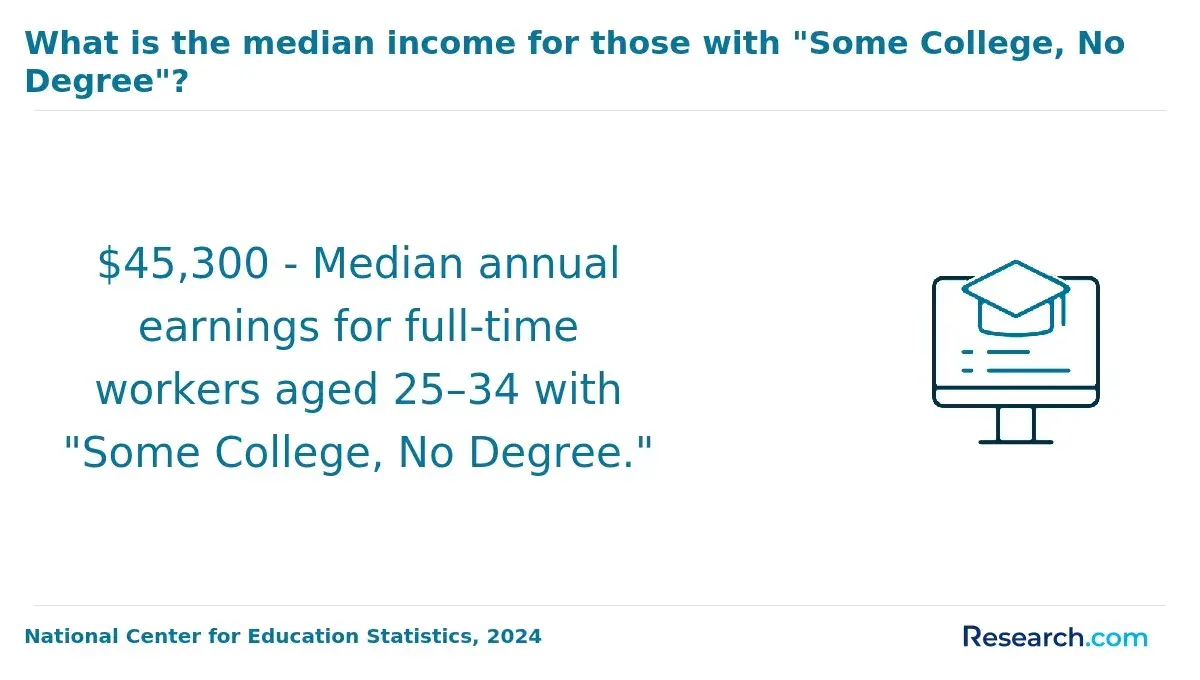
How do the salary outcomes for online game programming & development bachelor's graduates compare to those with traditional degrees?
Graduates holding a bachelor's degree in game programming & development from online programs report starting salaries similar to those earned by on-campus peers, typically ranging from $50,000 to $65,000 nationwide depending on regional demand and employer type.
Experience, specialized skills such as AI development or 3D modeling, and the institution's prestige often shape these figures more significantly than the degree's delivery mode.
- Median Starting Salary: Online graduates often begin with salaries between $52,000 and $60,000, reflecting strong industry acceptance of remote credentials and comparable entry-level opportunities.
- Mid-Career Earnings: After about ten years, professionals can anticipate earnings from $85,000 up to $110,000, with those possessing niche technical abilities or leadership roles reaching the higher end.
- Institution-Specific Outcomes: Data from transparency reports and the Integrated Postsecondary Education Data System (IPEDS) indicate many online degree holders achieve similar job placement rates and compensation packages as traditional students, reinforcing the value of accredited online education in this discipline.
- Salary Influences: Career advancement depends heavily on continued education, networking, geographic flexibility, and skill diversification rather than whether one studied online or on campus.
A professional who completed his online game programming & development bachelor's degree shared that transitioning to asynchronous coursework alongside his full-time job proved initially challenging. He emphasized how flexible pacing and credit transfers from his military experience helped accelerate graduation.
After interviewing with multiple employers, he noted, "My online degree didn't hold me back; in fact, the portfolio I built through the program spoke louder than the format of my education." His journey illuminated how perseverance, strategic course selection, and continuous skill-building were key in closing any perceived gaps and securing competitive salaries comparable to graduates from traditional pathways.
What career paths and job opportunities are available to online game programming & development bachelor's degree graduates?
Graduates holding an online game programming & development bachelor's degree have multiple career opportunities in the growing digital entertainment sector. Most entry-level roles require only a bachelor's credential, while some specialized jobs may call for certifications or advanced study.
- Game Programmer: These professionals develop and debug software that powers video games, requiring skills in languages such as C++ and experience with popular game engines. The Bureau of Labor Statistics (BLS) projects about 22% growth in software development jobs, including game programming, over the next decade, indicating strong demand.
- Game Designer: Responsible for creating gameplay mechanics, narratives, and character design, these roles benefit from a bachelor's degree but sometimes require additional training in graphic design or user experience. The sector's steady expansion is fueled by increasing interest in interactive media worldwide.
- Software Developer: Graduates may explore opportunities beyond gaming by developing applications across industries. This position typically needs only a bachelor's degree and is expected to grow by 25%, reflecting broad career flexibility.
- Quality Assurance Tester: Starting in QA involves testing games for defects and performance, serving as a gateway to programming or design. While demand is consistent, competition remains high.
- 3D Animator or Visual Effects Artist: These roles require mastery of specialized software and sometimes further certification or graduate education. As graphics technology evolves, creative positions will continue to be indispensable.
Selecting a concentration within an online game programming & development degree-such as artificial intelligence, mobile gaming, or augmented reality-can either widen or narrow career prospects. These focused tracks enhance employability in niche markets but may demand continuous education to stay current.
Individuals balancing career changes or military service credits should also consider financial aid options and transfer policies to maximize their return on investment. For related educational paths, see the best 2 year construction management degree online.
Prospective students weighing game programming and development online degree job prospects should evaluate how specialized skills align with targeted roles to make a confident decision about enrollment.
What student support services do online game programming & development bachelor's programs provide to promote success and retention?
Online game programming and development programs are uniquely designed to bridge the gap between abstract coding and the highly collaborative environment of a modern game studio.
To promote success and retention, these programs typically provide:
Academic Advising: Personalized guidance from advisors familiar with the game programming & development curriculum supports course selection, degree navigation, and academic planning. Advisors skilled in handling transfer credits are especially valuable for veterans and adult learners integrating previous credits.
Tutoring and Writing Labs: Virtual centers offer specialized tutoring in programming languages, game design tools, and math. Writing labs help sharpen technical writing and project documentation skills-essential for clear communication in the gaming industry.
Mental Health Counseling: Telehealth access to licensed counselors addresses common challenges such as stress and isolation, promoting wellbeing and helping students stay engaged throughout their studies.
Career Services: Comprehensive career support involves arranging internships with game studios, assisting with job placements, and offering workshops on resumes tailored to game development. Programs that foster alumni networks and employer partnerships provide important real-world connections and enhance employment prospects.
Evidence from the National Survey of Student Engagement and institutional data shows that programs investing heavily in these student support systems demonstrate higher retention and on-time graduation rates. Such infrastructure is a key factor for students balancing family, work, and education in this demanding field.
When asked about her experience, a professional who built her career after completing an online game programming & development bachelor's program emphasized how crucial ongoing support was to her success. She recalled moments of juggling deadlines with parenting responsibilities and how accessible tutoring helped overcome technical hurdles.
The availability of mental health resources eased feelings of isolation, especially during intensive project phases. She valued how career services connected her to internships that ultimately led to job offers. "Having that network made all the difference-I didn't feel like I was navigating it alone," she reflected.
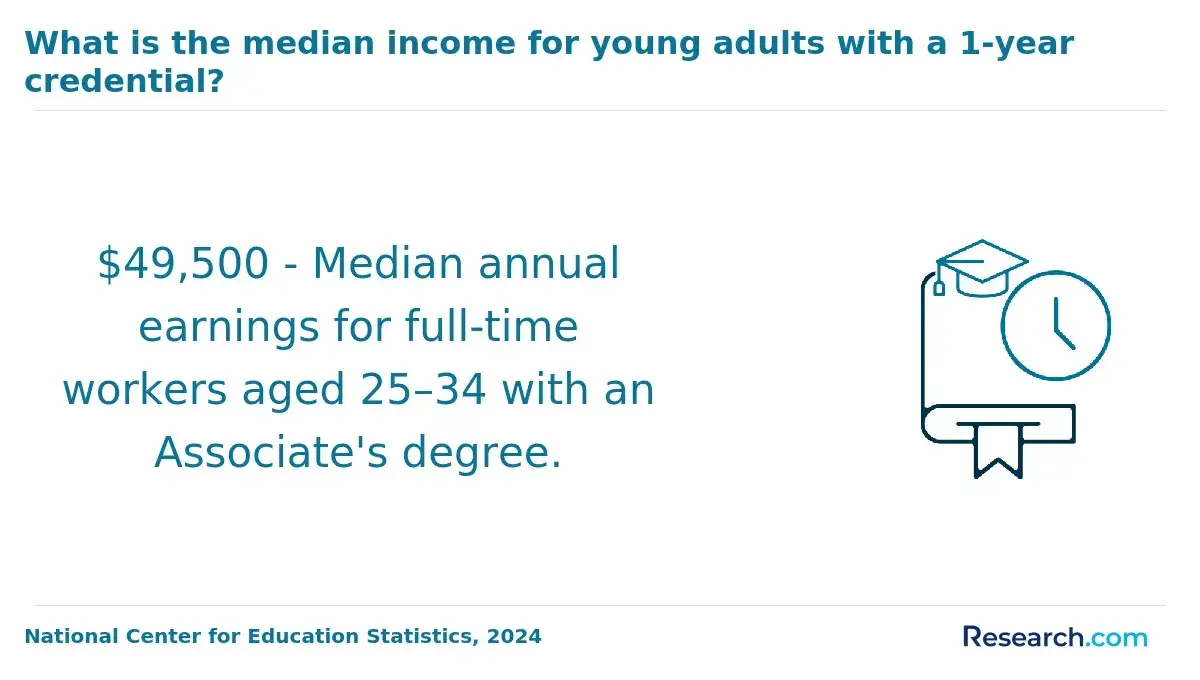
Is an online game programming & development bachelor's degree respected by employers and recognized across industries?
Recent surveys from the Society for Human Resource Management (SHRM) reveal that over 80% of employers consider online degrees credible when the institution is accredited and applicants showcase relevant expertise. In technical sectors such as game programming & development, tangible skills and a strong portfolio often weigh equally with formal credentials.
Within fields like software development and interactive entertainment, online game programming & development degrees generally hold the same value as traditional on-campus diplomas. Major studios, including Electronic Arts, Ubisoft, and Activision Blizzard, have confirmed they hire graduates from reputable online programs, provided candidates meet their technical and portfolio standards.
However, certain specialized roles-especially in advanced research or specialized engine development-may still lean toward candidates with conventional campus experience or degrees from highly ranked universities. Additionally, those targeting graduate studies or academic careers should verify specific program acceptances beforehand.
Prospective students are encouraged to evaluate employer attitudes in their chosen industry by reviewing job listings, hiring trends, and alumni success stories from online programs. Institutional accreditation and program reputation remain crucial in overcoming biases often associated with online education.
- Accreditation: Degrees must come from regionally or nationally accredited institutions to maximize employer acceptance and graduate school eligibility.
- Industry Equivalence: Online degrees typically receive equal recognition in game programming & development careers when paired with robust portfolios and hands-on experience.
- Employer Recognition: Leading gaming companies actively recruit online graduates, focusing on skill proficiency rather than campus attendance.
- Field-Specific Preferences: Niche positions and academic pursuits may still favor traditional degrees or on-campus experience.
- Informed Decision-Making: Investigate target employers' perspectives and alumni outcomes to make well-informed, personalized program choices.
What accreditation standards should an online game programming & development bachelor's program meet to be considered legitimate?
Accreditation significantly impacts the value and recognition of an online game programming & development bachelor's degree. Regional accreditation is generally more prestigious than national accreditation, offering greater credit transferability, wider employer acceptance, and better eligibility for graduate studies. National accreditation often serves vocational institutions and may restrict these opportunities.
The U.S. Department of Education recognizes six regional accrediting bodies, each overseeing respected institutions offering authentic game programming & development programs:
- HLC (Higher Learning Commission): Covers central United States institutions.
- SACSCOC (Southern Association of Colleges and Schools Commission on Colleges): Accredits schools in the southern U.S.
- NECHE (New England Commission of Higher Education): Oversees New England region schools.
- MSCHE (Middle States Commission on Higher Education): Covers mid-Atlantic state institutions.
- NWCCU (Northwest Commission on Colleges and Universities): Accredits northwestern colleges and universities.
- WSCUC (WASC Senior College and University Commission): Oversees California and Pacific region schools.
Students can verify accreditation status by consulting the online databases of the Council for Higher Education Accreditation (CHEA) or the U.S. Department of Education (ED), ensuring up-to-date and reliable information.
Specialized programmatic accreditation for game programming & development is limited but sometimes available through bodies like the Accreditation Board for Engineering and Technology (ABET), which covers related computer science and software engineering programs. Such accreditation adds rigor and industry recognition to the degree.
Choosing an unaccredited or lapsed program poses significant risks, including ineligibility for federal financial aid, limited credit transfer, and poor employer recognition. According to the National Center for Education Statistics, over 85% of employers prefer candidates holding degrees from regionally accredited institutions, emphasizing the importance of proper accreditation for career advancement.
How long does it take to complete an online game programming & development bachelor's degree, and what factors affect the timeline?
Completing an online game programming & development bachelor's degree generally requires about 120 credits, with most students finishing within four years under a conventional semester schedule. This timeline is consistent with the average time to complete an online game programming & development bachelor's degree across many universities. However, several factors can significantly affect whether a student completes sooner or takes longer, especially in flexible online formats tailored to diverse learner needs.
Accelerated course formats are a key influence. Many institutions now offer eight-week classes instead of traditional 15-week semesters, enabling faster progress. For instance, Western Governors University and Southern New Hampshire University provide such accelerated pathways, with average completion times of two to three years.
These schools often incorporate competency-based education (CBE), which allows students to advance by demonstrating mastery instead of spending fixed hours in class-beneficial for military veterans or professionals applying prior knowledge.
Year-round enrollment options help shorten the duration by removing long summer breaks, allowing continuous accumulation of credits. Transfer credits, including military training or prior college coursework, play a crucial role in reducing overall requirements. Students managing family or job commitments may take longer if unable to maintain consistent full-time status.
Faster degree completion offers financial advantages beyond tuition savings. Graduating earlier reduces the opportunity cost of delayed full-time employment, enabling students to enter the workforce sooner. This is especially important for working parents, veterans, and those seeking timely career advancement through credentialing. Evaluating these factors alongside program costs, accreditation, and career outcomes is essential for confident enrollment decisions.
Those interested in related fields may also explore careers in forensic psychology for alternative career pathways.
- Accelerated Courses: Many programs use eight-week classes rather than traditional semesters, allowing students to complete degrees quicker by taking more classes annually.
- Competency-Based Education: CBE models help learners progress by proving mastery of skills, reducing time for students with prior knowledge or fast learning abilities.
- Year-Round Enrollment: Continuous enrollment without long breaks lets students steadily accumulate credits and shorten time to graduation.
- Transfer Credits: Applying previous college credits or military experience can significantly decrease remaining coursework and speed up degree completion.
- Financial Impact: Finishing faster lowers total tuition expenses and minimizes lost income by enabling earlier workforce entry.
What financial aid, scholarships, and tuition assistance are available for online game programming & development bachelor's students?
Students pursuing an online Game Programming & Development bachelor's degree have several primary financial aid options to help with tuition assistance and scholarships for online game programming & development students nationwide.
- Federal Pell Grants: Need-based grants awarded through the Free Application for Federal Student Aid (FAFSA). These grants do not require repayment and can cover a substantial portion of tuition for eligible undergraduate students demonstrating financial need.
- Direct Subsidized and Unsubsidized Loans: Available via FAFSA, subsidized loans accrue no interest while the student is enrolled and are based on financial need. Unsubsidized loans begin accruing interest immediately but are available regardless of need. Both types generally have fixed interest rates and flexible repayment plans.
- Institution-Specific Scholarships: Many colleges with online Game Programming & Development degrees offer scholarships targeting digital arts and technology students. Notable awards include the Women in Gaming Scholarship, which provides up to $5,000 for female students excelling in game development fields, and the IGDA Foundation Scholarship, offering $2,000 to $4,000 for students contributing to the game development community.
- State Grant Programs: Several states provide grants for residents enrolled in online degree programs like game programming & development. These grants vary on eligibility requirements such as GPA and enrollment status and differ widely in funding amounts.
Filing FAFSA early-starting October 1-is essential since financial aid funds are limited and distributed on a first-come, first-served basis. This process unlocks access to most federal and state aid resources.
To minimize out-of-pocket expenses, students should combine multiple aid sources, including grants, scholarships, employer tuition reimbursement, and federal work-study programs.
This layering strategy reduces reliance on loans and eases financial strain, especially important when considering career advancement or educational transitions such as military veterans converting service credits.
For a comprehensive comparison of affordability in related online programs, consider exploring masters in history degrees, which provide additional insights into cost-effective educational pathways.
What are the admission requirements for online game programming & development bachelor's degree programs?
Admissions standards for online game programming & development bachelor's degrees vary widely based on institutional selectivity. Highly competitive programs often expect applicants to have completed high school with a minimum GPA near 3.0 on a 4.0 scale, alongside a diploma or GED.
While some require standardized test scores like the SAT or ACT, many have transitioned to test-optional policies to widen access. Prerequisite classes-commonly in mathematics, computer science, and physics-may also be necessary to demonstrate academic readiness.
Less selective or open-access online programs tend to have more lenient admission criteria, typically asking only for a high school credential without GPA minimums or test requirements. Such flexibility benefits nontraditional students including working adults, military veterans, and career changers.
Many colleges utilize rolling or continuous admissions cycles, which eliminate fixed deadlines and accommodate learners balancing education with other responsibilities. Applicants with weaker academic profiles can enhance their competitiveness by completing relevant courses at community colleges, obtaining industry certifications tied to programming or game design, or submitting strong letters of recommendation highlighting skills and motivation.
- High School Diploma or GED: Universal prerequisite for nearly all programs.
- GPA Thresholds: Competitive programs commonly require approximately a 3.0 GPA; open enrollment institutions usually do not enforce strict GPA criteria.
- Standardized Tests: Some schools mandate SAT or ACT scores; however, test-optional policies are increasingly prevalent.
- Prerequisite Coursework: Emphasis on math, computer science, and physics for academic preparedness.
- Admissions Model: Rolling admissions offer flexibility, enabling applications throughout the year.
How should prospective students evaluate and choose the right online game programming & development bachelor's degree program for their goals?
Choosing an online game programming and development program requires a high degree of technical scrutiny. Here's what you need to consider:
Accreditation: Verify that the program is regionally or nationally accredited to ensure educational quality and ease of credit transfer or graduate school admission.
Cost and ROI: Evaluate tuition along with overall expenses, including hidden fees such as technology charges, proctored exams, textbooks, and any required on-site residencies that could increase costs. Consider career earnings potential to measure return on investment.
Program Format and Flexibility: Determine if scheduling options accommodate your lifestyle-look for asynchronous courses or part-time enrollment to balance work, family, and study.
Career Outcomes Data: Seek transparent information on graduate employment rates, average starting salaries, and employer connections. Strong career services and networking support can significantly improve job market success.
Student Support Services: Check for availability of academic advising, tutoring, tech help, and resources tailored for veterans or non-traditional students to assist ongoing academic progress.
Transfer Credit Policies: Understand how prior learning, AP credits, military service, or previous college coursework will be accepted to shorten degree completion time and reduce costs.
Use tools like the U.S. Department of Education's College Scorecard, the IPEDS Data Center, and institutional net price calculators to compare programs side-by-side based on your priorities.
- Schedule informational interviews with admissions advisors to clarify program details and culture.
- Request net price estimates customized to your financial aid eligibility for accurate budgeting.
- Review financial aid deadlines carefully to optimize scholarship and grant opportunities.
- Audit existing transfer credits to confirm which will count toward your degree.
- Set a target enrollment date to organize your application and study plan.
What Graduates Say About the Value of Their Online Game Programming & Development Bachelor's Degree
- Jayce: "I chose the online game programming & development bachelor's degree program mainly for the flexibility it offered-balancing work and study was crucial for me. The cost was surprisingly reasonable compared to traditional programs, and I definitely see a strong return on investment as I landed a developer role shortly after graduating. This program gave me the practical skills and confidence to excel in the competitive gaming industry."
- Kaizen: "Looking back, enrolling in the online game programming & development program was a pivotal decision that significantly shaped my career path. The curriculum's focus on current industry trends and hands-on projects really prepared me for real-world challenges. Plus, studying remotely allowed me to customize my learning pace and saved me money on commuting and housing, which made the degree even more worthwhile."
- Dominic: "The impact of this online game programming & development bachelor's degree program on my professional life has been profound. It provided me with a solid foundation in both coding and design principles that employers highly value. I appreciate how affordable the program was compared to traditional options, which made pursuing my passion accessible without incurring overwhelming debt."
Other Things You Should Know About Game Programming & Development Degrees
Online game programming & development bachelor's programs typically use a combination of video lectures, interactive coding assignments, and virtual collaboration tools. Students engage with professors and peers through discussion forums, live webinars, and group projects. The experience can vary between asynchronous formats, allowing flexible schedules, and synchronous sessions requiring real-time participation.
Students often have the option to focus on areas such as game design, artificial intelligence, virtual reality, mobile game development, or graphics programming. Specializations allow learners to tailor their education toward specific career goals within the gaming industry. These tracks provide deeper technical knowledge and practical skills relevant to niche sectors.
In 2027, graduates with an online game programming & development bachelor's degree can pursue roles such as game designer, software developer, and systems analyst. The growing demand in virtual and augmented reality spaces further expands job prospects within tech companies, indie studios, or freelance opportunities.
Common challenges include staying motivated without in-person interaction, managing time effectively, and mastering complex programming concepts independently. Students benefit from establishing a regular study routine, actively participating in online communities, and seeking support through tutoring or mentorship services. Developing strong self-discipline is critical for success.
References
- IT Scholarships: Your Chance for a Funded Tech Degree https://code.berlin/en/blog/it-stipendien/
- Computer Programming Degree ROI: Is It Worth the Investment? https://hakia.com/degrees/computer-programming/salary-roi/
- Career pathways in game development: from programming to design https://www.law.ac.uk/resources/blog/career-pathways-in-game-development/
- Is Game Development a Good Career Choice in 2026? | University of the People https://www.uopeople.edu/blog/is-game-development-a-good-career-choice/
- Online Video Game Design and Development from Concordia University Wisconsin https://careertraining.cuw.edu/training-programs/video-game-design/
- Game Design & Development, Bachelor https://www.studyinpoland.pl/en/programme
- What career path should I take to work in video game development? https://www.udit.es/en/que-estudiar-para-trabajar-desarrollo-videojuegos/
- Which bachelor degree will be more helpful for game development? https://forums.unrealengine.com/t/which-bachelor-degree-will-be-more-helpful-for-game-development/35781
- Game Development Career Pathways | CG Spectrum https://www.cgspectrum.com/career-pathways/game-development
- Top 5 Scholarships for Gamers (2025) and How to Apply https://www.gameindustrycareerguide.com/top-scholarships-for-gamers/