2027 Is an Online BS in Business Administration the Right Next Step for Purchasing Assistants?
Audited and Verified:
Our Editorial and Data Verification Process
Research.com uses government datasets, official education statistics and primary institutional information to support its career and degree guides. Our review process checks factual accuracy, occupational definitions, source dates and the requirements associated with the credentials discussed.
How This Article Was Fact-Checked
Our editorial team verifies salary estimates, employment projections, education requirements and program information against original data providers and official organizations. Salary figures are checked against the relevant occupational definitions and reporting periods. Information about licensure, accreditation and required in-person training is reviewed separately.
Fact-checked and verified on:

Co-Founder and Chief Data Scientist
If you already process purchase orders, track deliveries, or maintain vendor records, an online BS in Business Administration could help you move toward broader procurement responsibility. But the degree is a substantial investment, and advancement may depend more immediately on sourcing experience or specialized training.
This guide helps purchasing assistants compare those paths, assess what an online program would add to their current work, and identify the questions to settle before enrolling.
Key Things You Should Know
- An online BS in Business Administration is most useful when your target procurement role calls for a bachelor's degree and broader financial, analytical, and operational judgment - not just faster purchase-order processing.
- A supply chain program or targeted procurement training may be more direct if you already meet degree requirements or need a specific sourcing skill.
- The U.S. Bureau of Labor Statistics reports a $82,320 median annual wage for logisticians in May 2025 and projects 18% employment growth from 2025 to 2035; those figures describe a related occupation, not purchasing-assistant pay or a guaranteed degree outcome.
Is an online BS in Business Administration right for purchasing assistants?
Often, but not automatically. A purchasing assistant typically supports transactions: entering orders, checking invoices or deliveries, updating records, and following up with suppliers. A BS in Business Administration can be a sensible next step if you want to progress toward buyer, purchasing agent, procurement analyst, or operations roles that require more independent decisions and your target employers value a bachelor's degree.
The strongest case is when you can connect coursework to responsibilities you are ready to seek: comparing supplier proposals, analyzing spending, explaining costs, or improving purchasing processes. If your immediate obstacle is unfamiliarity with a procurement system or contract terminology, employer training or a focused course may solve it sooner and at lower cost.
Online study can allow you to remain employed, but it does not necessarily mean self-paced study. Before applying, ask about live classes, group meetings, exam windows, and weekly deadlines. If keeping your income is essential, compare programs designed to let you study business administration without leaving your job, then confirm the actual schedule with each school.
What education does a purchasing assistant need to advance in procurement?
Requirements vary by employer and responsibility. An assistant position may emphasize accurate records and communication, while a buyer or purchasing agent position may call for supplier evaluation, negotiation, cost analysis, and knowledge of the products or services being purchased. A bachelor's degree can help meet hiring preferences, but it does not replace evidence that you can perform those tasks.
Compare the next jobs you want with your current qualifications. If postings repeatedly request a bachelor's degree and accept business-related majors, a BS in Business Administration offers a broad route. If they emphasize inventory planning, logistics, and supply chain analysis, a specialized degree may provide more directly relevant coursework. Compare curricula and remaining costs - not degree names alone - when considering affordable supply chain programs and salary outlook.
If you already hold a bachelor's degree, another undergraduate degree may be unnecessary. Ask a supervisor or hiring manager which missing qualification matters most: a credential, a particular technical skill, or experience making purchasing decisions.
How can a business administration degree support a purchasing career path?
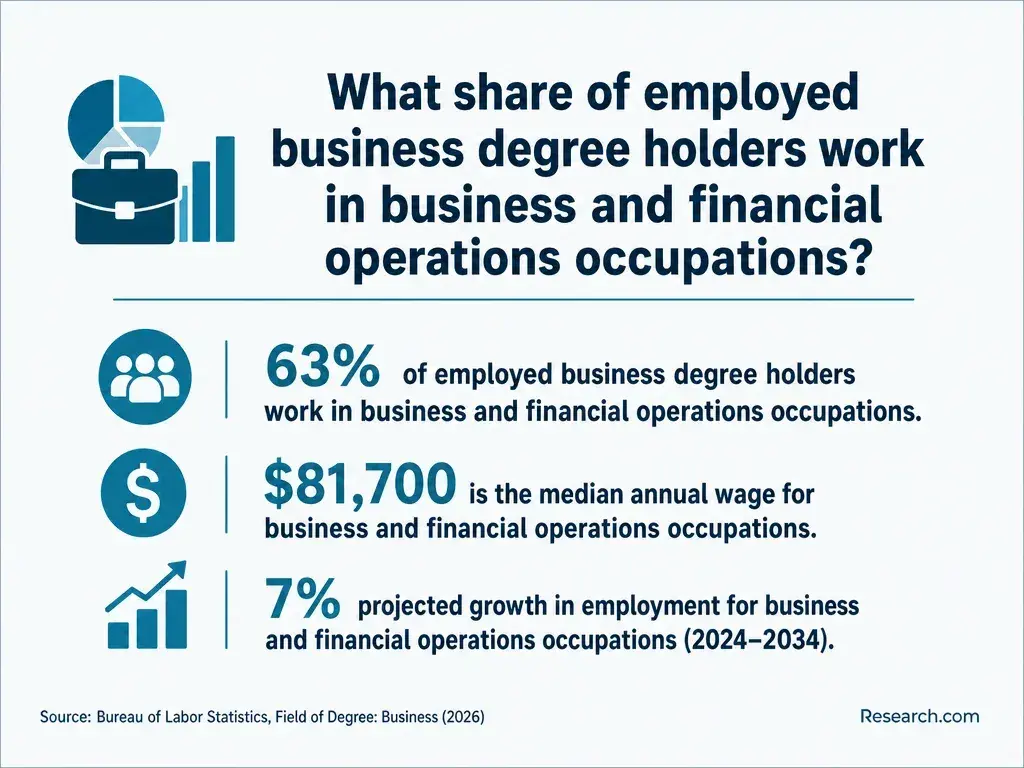
Purchasing decisions affect budgets, inventory, service levels, and supplier relationships. Business administration study can help an assistant understand those connections rather than treating each order as an isolated transaction. Accounting can clarify cost reports; operations courses can explain lead times and bottlenecks; statistics can help you assess spending patterns; and business law may introduce contract concepts.
That breadth is valuable if you may eventually move between procurement, operations, and general business roles. Its limitation is depth: a general business degree may offer fewer sourcing or supply chain courses than a specialized program. Review required courses, available electives, and whether a procurement-related concentration is formally offered. A single elective is not a concentration.
Practical evidence matters alongside the transcript. With appropriate workplace permission, you might help document an order-approval process or analyze publicly shareable purchasing measures. Do not assume your employer will release vendor prices or let a workplace assignment count for academic credit. To compare broad programs by curriculum and support rather than name recognition alone, use ranked US college pathways in online business as a starting point, then verify each school's current requirements.
A BS in Business Administration generally combines general education with accounting, finance, economics, management, marketing, operations, and quantitative coursework. The exact mix varies by school. For a purchasing assistant, the most relevant question is whether you can move beyond introductory exposure into applied work with costs, suppliers, inventory, or business data.
Look for assignments that require you to explain a decision, not merely operate software: comparing total purchasing costs, interpreting a spreadsheet, presenting a supplier-selection rationale, or identifying weaknesses in a process. Check whether relevant electives are offered online often enough to fit your graduation plan. Even if you are comparing transfer-friendly project management bachelor's degrees or broader business tracks, an online program with strong general business courses but no accessible operations electives may be a poorer fit than its catalog suggests.
A useful course project can demonstrate your reasoning, but it cannot establish that you negotiated a contract or delivered workplace savings. Ask how faculty assess applied work and whether simulations, internships, or capstones are required.
The credential and curriculum matter more than the classroom location, provided the program meets your needs. Online delivery can reduce commuting and make continued employment feasible. Campus study may offer easier in-person access to classmates, faculty, and local recruiting. Neither format automatically provides stronger procurement preparation.
Compare the obligations behind each format: scheduled lectures, team projects, presentations, proctored exams, internship rules, and access to advising. An accelerated online calendar may shorten elapsed time while concentrating the same coursework into tighter deadlines. The accelerated business college program guide can help you identify formats to investigate, but ask each school for a sample course schedule before judging whether it fits your work shifts.
For someone handling time-sensitive orders during business hours, predictable evening study may be more sustainable than a program that frequently requires daytime group meetings. Also confirm any campus visits or technology requirements before enrolling.
Requirements depend on the school and on whether you apply as a first-time student or a transfer student. Schools commonly request evidence of prior education and official transcripts; some business majors also have separate admission or course prerequisites. Do not assume that admission to the university means admission to the major.
If you have previous college coursework, request an official evaluation showing not only which credits are accepted but which satisfy general education, business-core, elective, and residency requirements. Ask specifically about accounting, economics, mathematics, and statistics equivalencies. Only the receiving institution can determine how your credits apply to its degree.
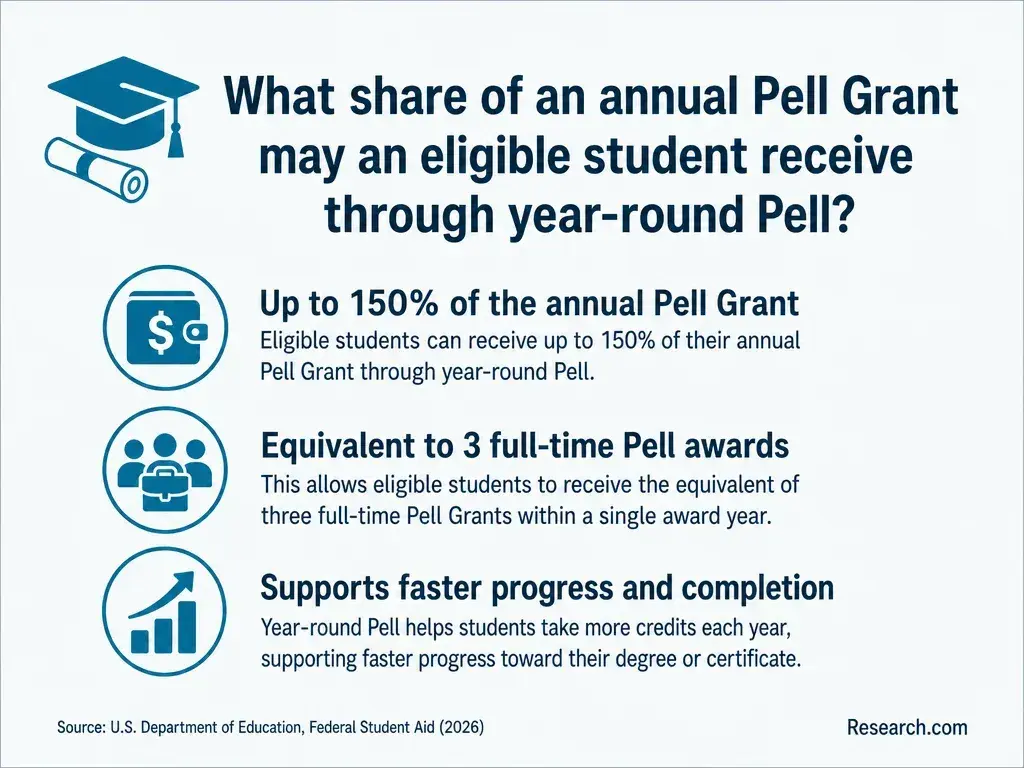
Application costs are smaller than degree costs but still worth checking when comparing schools. If that matters to your budget, explore online universities with no application charge, and verify the current fee policy and whether the institution offers the business program you want.
There is no reliable single timeline or price for every purchasing assistant. Your remaining credits, transfer evaluation, enrollment pace, required course sequence, and tuition policy determine the answer. An accelerated calendar can reduce time on the calendar without reducing the amount of study required.
Ask each school for a degree audit and an estimate covering remaining tuition, mandatory fees, books or software, and any exam or travel costs. Then check whether required courses are available in the terms you need. If you receive employer tuition assistance, confirm eligibility, reimbursement timing, grade rules, and what happens if you leave the job. Compare the resulting completion plans - not advertised tuition alone.
Use fastest bachelor's-level business study options to identify programs worth examining, but treat any published duration as a possibility rather than your personal graduation date. An approved transfer evaluation and workable course sequence are more useful for planning.
The most realistic next role builds on the decisions you already support. This comparison separates adjacent moves from positions that usually require substantially more responsibility or specialized experience.
| Potential role | Work to prepare for | Evidence beyond the degree |
| Buyer or purchasing agent | Evaluate suppliers, prices, terms, and purchasing needs | Examples of sourcing support, product knowledge, and sound judgment |
| Procurement or purchasing analyst | Examine spending, supplier performance, or process data | Spreadsheet analysis and clear, defensible recommendations |
| Operations or supply chain coordinator | Connect purchasing activity with inventory, delivery, and workflow | Experience resolving cross-team issues and tracking outcomes |
| Purchasing manager | Direct purchasing strategy, staff, or significant supplier relationships | Substantial procurement experience and demonstrated leadership |
A degree can strengthen applications for the first three paths, but it does not confer managerial authority. If your goal is primarily supervising people rather than developing procurement expertise, compare that aim with leadership bachelor's degrees with accelerated pacing. Neither degree substitutes for the experience a manager role demands.
A business degree does not carry a set salary. Pay depends on the occupation, industry, location, employer, and level of responsibility. The U.S. Bureau of Labor Statistics reports a May 2025 median annual wage of $82,320 for logisticians, a related supply chain occupation. That occupation-wide figure is not a purchasing-assistant wage, a buyer's starting salary, or an estimate of what this degree will add to your pay.
For a useful personal comparison, check local postings for the precise next role you could qualify for, note their degree and experience requirements, and compare their stated pay with your current compensation. Weigh any plausible gain against the cost and time required to finish. The framework for evaluating price, duration, and outcomes of business administration degrees can help you organize that comparison without assuming a promotion.
Do purchasing professionals need certifications or licenses after earning a business degree?
A general business degree does not itself award a procurement certification, and purchasing assistants should not assume a universal professional license is required. Employers may value voluntary procurement credentials for particular roles, but eligibility, examinations, experience requirements, and renewal rules depend on the issuing organization. Verify them directly before paying for preparation.
Choose additional training by the work you intend to do. A procurement credential may make sense if target employers request it and you meet its experience rules. Training in spreadsheets, an employer's purchasing system, or contract processes may be more useful for an immediate internal move. If you are considering project coordination instead, compare aid and tuition at online project management schools before committing to another degree; project-management study and procurement certification address different goals.
Before enrolling anywhere, bring three target job postings to your supervisor or a procurement professional. Ask which requirement is actually holding you back, then choose the least costly credible way to close that gap.
Other Things You Should Know About Business Administration
Possibly, but your school must approve the project, and your employer must permit the work and any data use. Ask both parties before proposing an assignment involving supplier information.
Compare duties rather than titles. Describe the orders, supplier communications, data work, and decisions you actually handle when discussing advancement or applying elsewhere.
Learn the system your employer uses if training is available, especially its reporting and approval functions. Software familiarity complements, but does not replace, judgment about costs and suppliers.
Describe your method and responsibilities, using only information your employer permits you to share. A redacted or hypothetical example is safer than uploading vendor records to a public portfolio.
- Your Time, Your Schedule: How Online Bachelor's Degrees Work | News & Updates from the Antioch University Community https://commonthread.antioch.edu/your-time-your-schedule-how-online-bachelors-degrees-work/
- Estimated Degree & Program Costs - Illinois Online https://online.illinois.edu/student-services/online-degrees-and-certificates-program-costs/
- Adult & Professional Programs | Manhattan University https://manhattan.edu/adult
- Online Bachelor of Science in Business Administration | AU https://online.aurora.edu/online-degrees/bs-business-administration-bachelors/
- 10 Key Subjects Taught in a Bachelor of Business Administration Program | Carson-Newman University https://www.cn.edu/cps-blog/10-key-subjects-taught-in-a-bachelor-of-business-administration-program/
- 8 Types of Business Degrees & Specializations | Bellevue University https://www.bellevue.edu/articles/types-of-business-degrees/
- Bachelor's Degree in Business Administration (BBA) | American Military University https://www.amu.apus.edu/online-bachelor-degrees/bachelor-of-business-administration/
- What Can You Do With a Business Administration Degree? | snhu.edu https://www.snhu.edu/about-us/newsroom/business/what-can-you-do-with-a-business-administration-degree
- How to Become a Buyer: Taking Inventory of This Career Path | Rasmussen University https://www.rasmussen.edu/degrees/business/blog/how-to-become-buyer/
- Undergraduate and Graduate Tuition and Fees | Purdue Global https://www.purdueglobal.edu/tuition-financial-aid/undergraduate-graduate-tuition-and-fees/