
2027 Is a Pharmacy Degree Better Than Experience Alone? Salary, Hiring, and Career Growth Compared

Co-Founder and Chief Data Scientist
Choosing whether to pursue a pharmacy degree is not just an education decision; it is a licensing, salary, and career-access decision. In many pharmacy roles, especially pharmacist and advanced clinical positions, experience alone is not enough because employers and state boards often require formal credentials such as a Doctor of Pharmacy (PharmD) or an equivalent qualification.
Self-teaching and on-the-job learning can help build useful workplace skills, but they do not usually replace accredited training, supervised clinical experience, or eligibility for licensure. A 2025 study found that pharmacy degree holders earn on average 35% more than peers relying solely on experience, and employers often use degree credentials when screening candidates for specialized roles, promotions, and leadership tracks.
This guide compares pharmacy degrees with experience-based routes across technical skills, licenses, employability, career options, promotions, income, return on investment, automation risk, and career flexibility. The goal is to help students and working professionals decide whether the cost and time required for a pharmacy degree align with their long-term goals.
Key Points About Having Pharmacy Degrees vs Experience Alone
- Pharmacy degree holders typically earn 25% higher salaries than non-degree workers with experience, reflecting the premium placed on formal education in clinical knowledge and regulatory compliance.
- Employers favor pharmacy graduates for entry-level and specialized roles, limiting job access for experienced non-degree candidates primarily to assistant or technician positions.
- Degree holders have notably greater promotion prospects, with leadership roles 40% more likely to require formal pharmacy credentials, underscoring academic qualifications' impact on career advancement.
What technical proficiencies can you gain from having Pharmacy degrees vs self-teaching?
A pharmacy degree builds technical competence in a structured way: foundational science first, then medication systems, patient care, law, calculations, and supervised practice. Self-teaching can strengthen familiarity with terminology or workplace routines, but it is much harder to verify mastery without labs, clinical evaluation, and faculty oversight.
The biggest difference is not simply the amount of information learned. It is the level of accountability. Pharmacy education trains students to make medication-related decisions where accuracy, documentation, and patient safety matter.
- Pharmacokinetics and pharmacodynamics: Degree programs teach how drugs move through the body and how they produce effects. This requires integrated knowledge of biology, chemistry, physiology, and disease states, which is difficult to build through scattered self-study.
- Drug compounding and formulation: Formal training includes supervised preparation of customized medications, attention to stability, sterility, dosage forms, and safety controls. Experience alone may expose a worker to procedures but not the full scientific and regulatory reasoning behind them.
- Clinical therapeutics: Pharmacy programs use clinical rotations, case studies, and evidence-based treatment guidelines to help students evaluate medication choices for real patients. Informal learning rarely provides the same depth of feedback or clinical judgment training.
- Regulatory compliance: Degree holders study pharmacy law, controlled substances rules, ethical responsibilities, documentation standards, and dispensing regulations. This knowledge is essential because errors can affect patient safety and professional liability.
- Pharmaceutical calculations: Pharmacy education emphasizes precise dosing, conversions, concentrations, infusion rates, and measurement standards. Supervised practice reduces the risk of calculation habits that may be unsafe or incomplete.
| Skill area | Pharmacy degree route | Self-teaching or experience route |
| Medication science | Sequenced coursework in pharmacology, therapeutics, and patient care | Often learned through job exposure, manuals, or informal resources |
| Hands-on practice | Labs, simulations, and clinical rotations with supervision | Depends heavily on employer training and workplace scope |
| Patient safety | Built into coursework, assessment, documentation, and clinical evaluation | May be practical but less standardized across settings |
| Proof of competence | Degree, transcripts, clinical evaluations, and licensure eligibility | Work history, references, and optional certifications |
These technical differences help explain why many employers prefer formally educated candidates. A 2025 industry survey found that 78% of employers favor hiring those with pharmacy degrees due to stronger technical skills and reduced onboarding time. For students comparing options, the key question is whether they want workplace exposure only or a credentialed pathway that can support licensure, specialization, and advancement.
The value of structured healthcare education is also visible in adjacent fields. For example, a medical assistant training pathway shows how targeted instruction can prepare learners for defined clinical support responsibilities faster than trial-and-error learning alone.
Are there certifications or licenses that only Pharmacy degree holders can obtain?
Yes. Some pharmacy credentials are not optional career boosters; they are legal or professional requirements. In regulated roles, a degree from an accredited pharmacy program is often the starting point for licensure, board certification, and advanced practice recognition.
This matters because employers cannot substitute enthusiasm, work history, or self-study for credentials that state boards or certifying bodies require. If your goal is to practice as a pharmacist, manage medication therapy, or enter a recognized specialty, you should verify degree and licensure requirements before committing to any education route.
- Pharmacist Licensure: This is mandatory for practicing as a licensed pharmacist. It requires graduation from an accredited Pharmacy program plus passing national and state exams. It is essential for retail, hospital, and clinical pharmacy roles because it verifies that the professional meets legal and patient-safety standards.
- Board Certified Pharmacotherapy Specialist (BCPS): Offered by the Board of Pharmacy Specialties, this certification requires candidates to be licensed pharmacists with relevant clinical experience. It signals advanced competence in medication therapy management and can support eligibility for higher-level clinical roles.
- Certified Geriatric Pharmacist (CGP): This designation requires a Pharmacy degree and professional experience. It highlights expertise in medication needs of older adults, a specialization that remains important as the population ages.
- Immunizer Certification: This credential allows pharmacists to administer vaccines and typically requires a degree plus specific immunization training. It expands the pharmacist’s role in public health and can improve job stability in community and clinical settings.
Students considering broader healthcare advancement may also compare pharmacy credentials with other clinical graduate pathways. For example, online BSN to DNP programs show how advanced education can expand scope, specialization, and leadership options in another licensed healthcare field.
Will a degree in Pharmacy make you more employable?
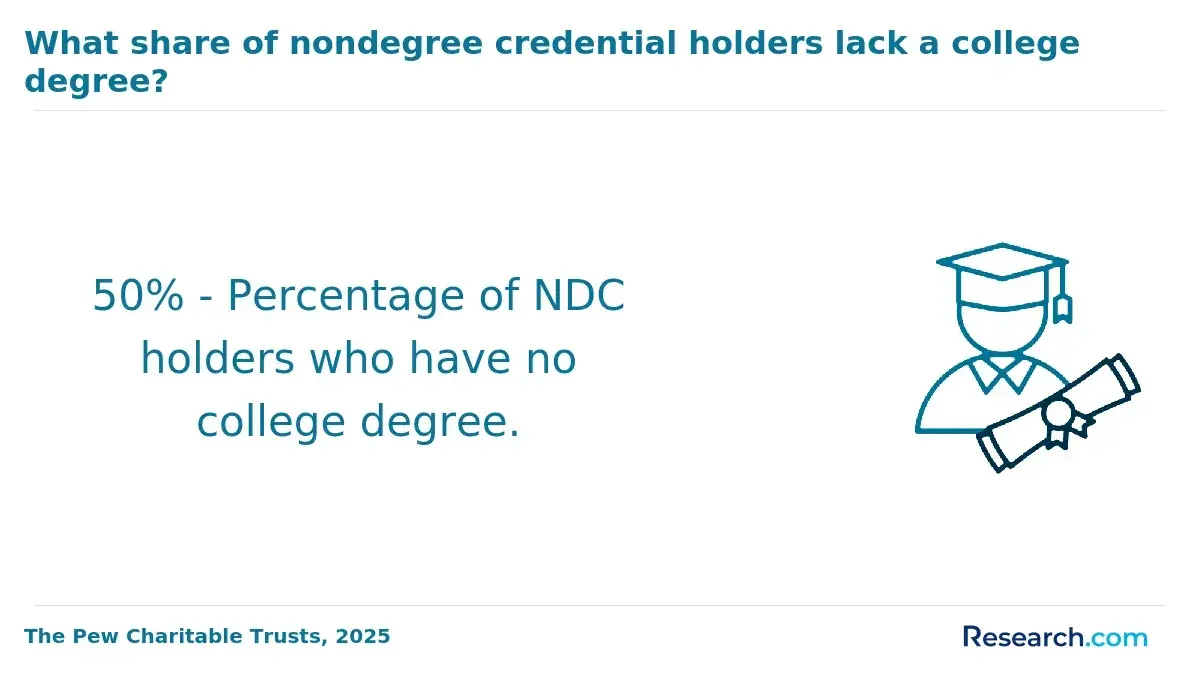
For pharmacist and many advanced pharmacy roles, a pharmacy degree does more than improve employability; it often determines basic eligibility. Employers in retail, hospital, managed care, clinical, and pharmaceutical settings usually need candidates who meet education, licensure, and patient-safety standards.
Experience can help, especially in pharmacy technician, inventory, customer service, or operations roles. However, it rarely replaces a degree when the job involves independent medication judgment, patient counseling, clinical decision-making, or regulatory accountability.
Why employers often prefer degree holders
- Lower training risk: Degree holders have already completed standardized coursework and supervised practice.
- Licensure readiness: Many roles require credentials that depend on accredited education.
- Clinical judgment: Employers need professionals who can evaluate interactions, contraindications, dosing issues, and patient-specific factors.
- Regulatory confidence: Pharmacy work is highly regulated, so hiring managers value candidates trained in compliance and documentation.
For students comparing education formats, campus-based, hybrid, and online pharmacy degree programs should be evaluated carefully for accreditation, clinical placement support, licensure alignment, and total cost.
A professional who graduated from an online pharmacy bachelor's program described the employment impact this way: "Balancing coursework with work wasn't easy, especially navigating the complex regulations and technical subjects. The hands-on internship was a turning point-it gave me the confidence to apply knowledge in real settings." He added, "Employers seemed to recognize the degree as proof of a solid foundation, which definitely opened doors that would have been closed otherwise."
The practical takeaway is clear: if your target job requires pharmacist licensure or advanced clinical responsibility, a pharmacy degree is usually essential. If your goal is a support role, experience and certification may help, but advancement can still be limited without formal education.
What careers are available to Pharmacy degree holders?
Pharmacy degree holders can pursue careers that involve medication dispensing, patient counseling, clinical decision support, research, education, and healthcare operations. The right path depends on the degree level, licensure status, clinical experience, and whether the graduate wants direct patient care or a role in industry, research, or administration.
- Pharmacist: Pharmacists dispense prescription medications, counsel patients on safe use, check for interactions, and ensure compliance with healthcare regulations. This role requires a pharmacy degree because it involves complex medication decisions and legal accountability.
- Pharmaceutical Researcher: These professionals help develop new medications or improve existing treatments. A pharmacy degree provides a foundation in drug chemistry, biological effects, pharmacology, and safety considerations, although advanced degrees may improve prospects in some research positions.
- Clinical Pharmacist: Clinical pharmacists work with physicians and healthcare teams to optimize medication therapies in hospitals, clinics, and other care settings. The role requires formal education, supervised clinical training, and detailed knowledge of disease states and medication effectiveness.
- Pharmacy Educator: Pharmacy educators teach future pharmacists, develop curricula, mentor students, and may conduct research. They usually hold a pharmacy degree and additional qualifications that support teaching and scholarship.
Some pharmacy technician jobs may be available without a pharmacy degree, especially when candidates have certification or relevant work experience. However, these roles generally involve narrower responsibilities, lower pay, and fewer advancement pathways than licensed pharmacist or specialized clinical roles.
According to a labor report, 78% of pharmacists with a degree report higher job satisfaction and a 25% greater earning potential than those relying solely on experience. That difference matters for students deciding whether they want a short-term entry route or a long-term professional career with broader mobility.
Students who are interested in healthcare but not certain about pharmacy may also compare adjacent options. For example, a health information technology degree can lead toward healthcare data, records, compliance, and administration work rather than medication-focused practice.
Does having Pharmacy degrees have an effect on professional networking?
Yes. A pharmacy degree can expand a professional’s network because degree programs connect students to faculty, preceptors, alumni, clinical sites, recruiters, and professional organizations. These relationships can influence internships, residency opportunities, referrals, mentorship, and early-career job leads.
Professionals without degrees can still build useful networks through supervisors, coworkers, vendors, local healthcare contacts, and professional groups. The limitation is that these networks may be narrower and more dependent on the person’s current employer or geographic area.
Networking advantages commonly tied to pharmacy programs
- Clinical mentors: Rotations and supervised practice introduce students to pharmacists and healthcare teams in real work environments.
- Faculty connections: Instructors can provide recommendations, research opportunities, and guidance on specialties.
- Alumni networks: Graduates may help students identify openings, prepare for interviews, or understand employer expectations.
- Career services: Many programs offer job fairs, resume support, employer events, and residency preparation.
- Professional associations: Students often gain early exposure to conferences, committees, and specialty communities.
Networking does not guarantee employment, and a degree holder still needs strong communication, reliability, and clinical competence. However, formal programs create repeated opportunities to be seen, evaluated, and referred by professionals already working in the field.
For pharmacy careers, trust matters. Employers are more likely to consider candidates who come recommended by preceptors, faculty, or established practitioners because medication-related work involves patient safety and regulatory responsibility.
How do Pharmacy degrees impact promotion opportunities?
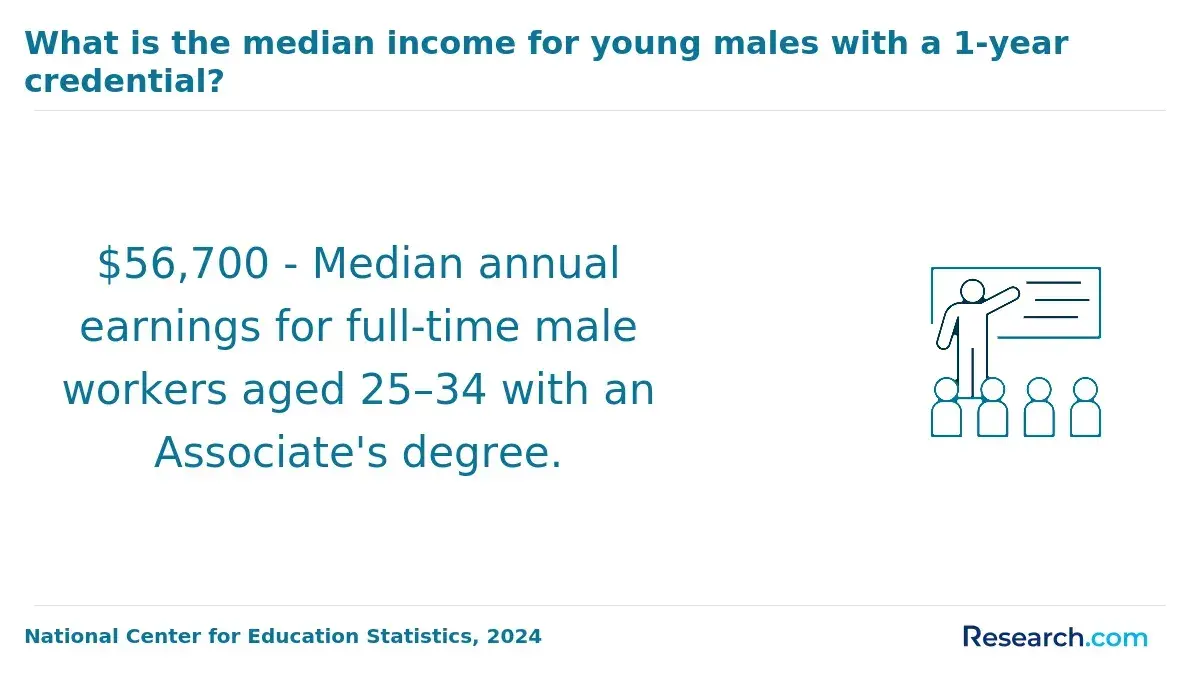
A pharmacy degree can have a major effect on promotion opportunities because many higher-level roles require formal education, licensure, or specialty credentials. Experience helps employees perform well, but advancement in pharmacy often depends on whether a candidate is legally and professionally qualified to take on greater responsibility.
- Access to leadership roles: A degree can support eligibility for supervisory, managerial, or clinical leadership positions that require a deep understanding of medications, patient safety, healthcare systems, and regulatory protocols.
- Certification requirements: Many advanced credentials require completion of an accredited pharmacy program and pharmacist licensure. Without the degree, a professional may be excluded before experience is even considered.
- Specialized clinical responsibilities: Roles in medication therapy management, geriatrics, oncology, hospital practice, or ambulatory care often require formal preparation beyond routine workplace exposure.
- Employer screening: Some organizations use degree status as a minimum qualification for promotion tracks because it provides a standardized way to verify preparation.
- Limits of experience alone: Practical knowledge is valuable, but it may not overcome legal, accreditation, or internal policy requirements for advanced pharmacy roles.
The best promotion strategy is usually a combination of degree credentials, strong job performance, continuing education, and documented achievements. A degree can open the door, but sustained advancement still depends on communication, leadership, accuracy, and professional judgment.
Do Pharmacy degrees affect a professional's income outlook?
Pharmacy degrees can significantly affect income because they lead to roles with higher responsibility, licensure requirements, and broader advancement options. On average, pharmacists with degrees start with salaries around $85,000, while those without formal education often begin at approximately $55,000. Over time, degree holders experience faster salary growth, with mid-career incomes exceeding $130,000, whereas non-degree professionals typically see their earnings plateau below $90,000.
This wage gap reflects more than the degree itself. Degree holders are more likely to qualify for licensed pharmacist positions, clinical specialties, management roles, and settings where compensation is tied to advanced medication expertise. Professionals without degrees may still build stable careers, but they often face a lower income ceiling unless they move into specialized operations, management, sales, or another credentialed path.
| Career factor | Degree holder outlook | Experience-only outlook |
| Starting salary | Around $85,000 | Approximately $55,000 |
| Mid-career income | Exceeding $130,000 | Typically plateau below $90,000 |
| Advancement potential | Stronger access to licensed, clinical, and leadership roles | More dependent on employer, certifications, and role type |
| Income ceiling | Generally higher in structured pharmacy careers | Often lower without formal credentials |
Specialized certifications and continuing education can improve income prospects for professionals at different levels. Credentials in areas such as clinical pharmacy or pharmaceutical management may strengthen employability and help narrow some gaps, but they do not always replace degree or licensure requirements.
Consistent upskilling also helps pharmacy professionals remain valuable during industry changes and economic downturns. For a comparison of how credentials can affect salary in a related healthcare field, see this guide to CPC vs CCS certification.
How long would it take for Pharmacy degree holders to get an ROI on their education?
The average tuition cost for a pharmacy degree typically ranges from $120,000 to $180,000 depending on the institution. Despite that major upfront investment, graduates often achieve a return on investment within 7 to 10 years. The main reason is that median salaries for pharmacy degree holders are substantially higher than earnings in roles that rely only on experience or self-teaching.
Data shows pharmacy professionals earn about 30% more annually than those without formal credentials. That earning difference can make the degree financially valuable over time, especially for graduates who enter licensed roles, secure stable employment, and avoid excessive borrowing beyond tuition and required expenses.
Factors that can improve ROI
- Financial aid: Scholarships, grants, and employer tuition reimbursement can reduce the amount students need to borrow.
- Program length: Accelerated pharmacy programs may allow students to enter the workforce sooner, shortening the time needed to recover education costs.
- Clinical placement quality: Schools with strong clinical networks can help students build experience, references, and job connections.
- Licensure alignment: Programs should prepare students for required national and state exams; otherwise, graduates may face delays entering licensed practice.
- Debt management: The same salary can produce very different ROI depending on interest rates, living expenses, and repayment strategy.
ROI should not be judged by salary alone. Students should also consider job stability, work setting, schedule expectations, geographic mobility, and whether they genuinely want the responsibilities that come with pharmacist-level practice.
Are Pharmacy degree holders less likely to be displaced by automation and economic downturns?
Pharmacy degree holders are generally better positioned against automation and economic downturns than workers in routine support roles, but they are not immune to change. Artificial intelligence and automation are increasingly used for repetitive tasks such as prescription processing, inventory systems, refill workflows, and record-keeping. Jobs centered mainly on routine tasks may face more pressure as employers adopt new technology.
The stronger protection for degree holders comes from the parts of pharmacy that are harder to automate: clinical judgment, patient counseling, medication therapy decisions, regulatory interpretation, interprofessional communication, and responsibility for patient safety. These tasks require accountability and context, not just information processing.
Degree holders also have a broader set of options, including clinical pharmacy, research, healthcare management, regulatory work, and specialized patient care. During economic downturns, that flexibility can matter. Professionals relying only on experience may be more concentrated in technical or support positions that are more vulnerable to budget cuts or workflow automation.
Studies indicate a significantly lower risk of job displacement for pharmacy graduates compared to non-degree workers. The degree does not guarantee permanent job security, but it can make it easier to adapt as pharmacy employers adopt new systems, expand clinical services, and adjust staffing models.
A professional who recently completed an online bachelor's program in pharmacy described the process as rigorous because it required balancing work, study, and family responsibilities. He said, "It wasn't easy, but having that credential made me feel more confident facing industry changes." After graduating, he noticed increased employer interest in candidates who could adapt to new technologies and regulations, reinforcing the value of formal preparation.
Will a degree in Pharmacy make it easier to pivot into related industries?
Yes. A pharmacy degree can make it easier to move into adjacent healthcare and pharmaceutical fields because it provides recognized training in drug science, patient safety, regulation, healthcare systems, and evidence-based decision-making. Experience-only professionals may have strong operational skills, but degree holders often have an advantage in roles that require scientific credibility or regulatory knowledge.
- Pharmaceutical Research: Pharmacy graduates can move into research and development roles related to drug discovery, formulation, safety, or clinical trial design. Their understanding of drug mechanisms and compliance requirements supports work tied to innovation and approval processes.
- Clinical Trials Management: Pharmacy degree holders are well prepared for trial roles involving patient safety, medication protocols, data interpretation, and ethical standards.
- Healthcare Consulting: Graduates may advise providers, payers, or pharmaceutical companies by connecting clinical knowledge with business, compliance, and operational decisions.
- Medical Sales: Pharmacy knowledge can help professionals explain complex drug information clearly to clinicians and healthcare organizations.
- Regulatory Compliance and Policy: Pharmacy graduates are suited for roles that require knowledge of medication rules, documentation standards, healthcare legislation, and compliance frameworks.
The strongest pivot opportunities usually combine pharmacy knowledge with an additional skill set, such as data analysis, project management, business communication, quality improvement, or regulatory writing. A degree opens more doors, but career changers still need to translate their experience into the language of the target industry.
Those exploring a broader healthcare transition may also compare nursing and advanced practice routes. For example, this guide to the fastest way to become a nurse practitioner offers another perspective on healthcare career flexibility and credential-based advancement.
What Graduates Say About Their Pharmacy Degrees
- Marjorie: "Having a pharmacy degree truly set me apart in the competitive job market. It gave me not only the technical knowledge but also the confidence to tackle real-world challenges from day one. Thanks to the degree, I was well-prepared to hit the ground running and advance quickly in my pharmaceutical career."
- Douglas: "Reflecting on my journey, the pharmacy degree was instrumental in positioning me for higher responsibilities and a better salary. The comprehensive curriculum helped me develop critical thinking and problem-solving skills, which employers highly value. I believe the degree opened doors to promotions that might have otherwise taken years to achieve."
- Ezra: "From a professional standpoint, my pharmacy degree was essential in gaining credibility and trust in my field. It made me job-ready and competitive in a crowded industry while providing a strong foundation for lifelong learning. The impact on my career growth has been substantial, influencing both my employment opportunities and my confidence."
Other Things You Should Know About Pharmacy Degrees
In 2027, a Pharmacy degree provides a structured path to career opportunities and often results in higher job security compared to experience alone. Employers generally prefer candidates with formal education due to comprehensive training, which can translate into more stable employment prospects.
Pharmacy degree holders often have structured access to continuing education programs and professional development resources specific to their field. This formal pathway supports maintaining licensure and staying current with pharmaceutical advances. Experienced professionals without a degree may find it harder to access such targeted training opportunities.
Yes, degree programs and affiliated institutions frequently provide formal mentorship programs that connect students with industry professionals. These mentorships help develop clinical skills and career guidance that may not be as readily available to those without formal education. Experience alone usually depends on informal or self-initiated mentorship, which can vary widely in quality.
Pharmacy degree holders often have greater geographic mobility because their qualifications are recognized and transferable across states or countries with licensed practice requirements. Professionals relying solely on experience may face more limitations if their skills and training are not formally documented or recognized beyond their local area.
References
- ASHP PROFESSIONAL CERTIFICATES (SM) https://www.ashp.org/professional-development/professional-certificates
- Economic Analysis of Obtaining a PharmD Degree and Career as a Pharmacist https://www.academia.edu/89028755/Economic_Analysis_of_Obtaining_a_PharmD_Degree_and_Career_as_a_Pharmacist
- Discover Our Certifications https://pharmacystandards.org/certifications/
- Is it easy to find a job after graduating with a Pharmacy degree? A realistic perspective for prospective students in the context of the changing pharmaceutical industry. https://dainam.edu.vn/en/news/is-it-easy-to-find-a-job-after-graduating-with-a-pharmacy-degree-a-realistic-perspective-for-prospective-students-in-the-context-of-the-changing-pharmaceutical-industry
- Pharmacy Career Outlook: Is a Career in Pharmacy Worth It? - Roseman University https://www.roseman.edu/student-experience/news/pharmacy-career-outlook-is-a-career-in-pharmacy-worth-it/
- New National Research Highlights Strong Value of a Pharmacy Degree https://www.aacp.org/article/new-national-research-highlights-strong-value-pharmacy-degree
- The Benefits of Networking - Texas Pharmacy Association https://www.texaspharmacy.org/blogpost/1334440/311159/The-Benefits-of-Networking
- Demystifying Networking for Students: Why These Skills are More Important Than Ever https://pulsesrx.com/2020/06/02/networking/
- A pharmacy degree: A world of possibilities – CAREX https://carexer.com/2021/08/15/a-pharmacy-degree-a-world-of-possibilities/
- Pharmacy Students' Attitudes Towards AI in Pharmaceutical Practices https://jpmsonline.com/article/pharmacy-students-attitudes-towards-ai-in-pharmaceutical-practices-796/


