
2027 Is a 2-Year Physics Degree Worth It: Accelerated Bachelor's ROI & Time Trade-Offs

Co-Founder and Chief Data Scientist
Many prospective students struggle to decide if pursuing a 2-year accelerated physics degree offers sufficient value compared to traditional four-year programs. Recent data shows that accelerated degree holders enter the workforce nearly two years earlier, with employment rates in STEM fields increasing by 15% over the past decade. However, questions remain about long-term career advancement and salary growth.
This article evaluates the financial return on investment and time trade-offs associated with accelerated physics bachelor's degrees. It aims to provide an evidence-based analysis to help readers determine if this accelerated path aligns with their professional ambitions and economic goals.
Key Benefits of a 2-Year Physics Degree
- Accelerated 2-year physics degrees reduce time-to-completion, enabling earlier workforce entry and potentially increasing lifetime earnings by up to 10% compared to traditional 4-year paths.
- Lower overall tuition and living costs improve ROI, with savings often exceeding $20,000, balancing initial income limitations in physics-related entry positions.
- Concentrated curriculum emphasizes core physics competencies, preparing graduates for specialized technical roles or graduate studies, enhancing career flexibility and earning potential.
How Do 2-Year Physics Programs Work?
Two-year accelerated physics degree programs offer an intensive route for students to complete foundational coursework typically covered in four years. Understanding the structure of these programs is essential for those weighing the benefits and demands of an accelerated degree path. Below is a breakdown of how these 2-year physics programs operate, highlighting the vital aspects that impact students' academic experience and workload.
- Accelerated Pacing: These programs run at a faster pace by delivering courses in shorter, more condensed terms, often 8 to 12 weeks instead of traditional 15-week semesters. This fast track requires students to maintain a rigorous study schedule.
- Year-Round Enrollment: Continuous enrollment throughout the year eliminates long breaks, allowing students to progress without interruption and complete degrees more quickly than in traditional settings.
- Condensed Course Terms: Courses are compressed, focusing intensely on core topics like classical mechanics, electromagnetism, quantum physics, and essential mathematics for physics understanding.
- Credit Load Expectations: Students typically take between 15 to 18 credits per term to stay on pace, demanding strong time management and dedication.
- Instructional Format: Instruction combines lectures, labs, and problem-solving workshops to reinforce both theory and application under tight timelines.
- Assessment Methods: Frequent quizzes, midterms, lab reports, and cumulative exams assess conceptual knowledge and practical skills regularly.
- Curriculum Progression: Sequential course completion is required, with strict adherence to prerequisites to avoid delays in this accelerated sequence.
The coursework and workload in 2-year physics degrees are notably intensive, meaning prospective students should be prepared for a challenging schedule with limited breaks. However, this fast track reduces both total time and tuition costs, offering a compelling option for many.
Students interested in comparing such options might also explore accelerated DNP programs to understand diverse accelerated pathways across disciplines.
According to the National Center for Education Statistics, students enrolled in accelerated science programs can save 1 to 2 years compared to traditional routes, potentially lowering tuition costs by 30-50%.
Additionally, the U.S. Bureau of Labor Statistics notes that bachelor's degree holders in physics-related fields earn a median annual wage exceeding $120,000, underscoring strong career prospects for graduates completing these accelerated degrees.
What Are the Admission Requirements for a 2-Year Physics Degree?
Knowing the admission requirements is crucial for students considering an accelerated bachelor's in physics to ensure they meet the academic and preparatory standards needed to succeed in a condensed program. These programs demand a firm grasp of foundational subjects and a readiness for fast-paced study. Below is a detailed explanation of the typical expectations for enrolling in a 2 year physics program.
- Academic Background: Admission typically requires a strong foundation in high school mathematics and science, including completed courses in algebra, geometry, trigonometry, and preferably calculus. Solid performance in physics and chemistry classes can also bolster a candidate's chances.
- GPA Requirements: Many programs expect a minimum high school GPA ranging from 2.5 to 3.0, though more competitive options might set a higher bar to ensure students can handle the accelerated workload.
- Standardized Testing: While some programs may request SAT or ACT scores, an increasing number are adopting test-optional policies, reflecting current trends in college admissions.
- Prerequisite Coursework: Certain accelerated bachelor's programs require completion of relevant college-level courses or prior college experience, demonstrating readiness for a rigorous curriculum condensed into two years.
- Work Experience and Non-Traditional Applicants: Though not commonly required, relevant work experience can strengthen the application of non-traditional students returning to education.
Applicants should be aware that accelerated physics degree admission criteria emphasize commitment and preparedness, as these programs can save up to two years and potentially thousands of dollars in tuition. For those exploring career options with a shorter educational timeline, resources related to medical assistant certification illustrate how accelerated degrees across fields can align with career and financial goals.
What Does a Typical Week Look Like in a 2-Year Physics Program?
Knowing the typical weekly demands of a 2-year physics program helps prospective students gauge whether they can balance the intensive pace alongside other responsibilities. This insight informs expectations about study habits and workload, essential for succeeding in an accelerated format. Below is an overview of common weekly elements that shape the rhythm of such programs.
- Class Sessions and Lectures: Students attend multiple lectures daily covering core physics concepts like mechanics and electromagnetism, often paired with practical lab experiments to reinforce theory.
- Assignments and Assessments: Frequent problem sets, quizzes, and exams are integral, testing both theoretical understanding and analytical skills with a steadier frequency than traditional degrees.
- Collaborative Group Work: Peer interactions through study groups, discussions, and project collaborations help develop teamwork abilities and deepen comprehension.
- Independent Study: Significant out-of-class hours are devoted to reviewing material, completing assignments, and exploring supplementary readings, requiring disciplined time management.
- Instructor Interaction: Regular but concise contact happens during office hours or online forums, providing prompt clarification to support ongoing progress.
- Time Management: Due to the compressed schedule, prioritizing tasks and minimizing procrastination become critical to keep up with the accelerated pace.
When I asked a professional who earned a bachelor's degree in physics within two years about his experience, he described it as "relentlessly demanding but incredibly rewarding." He recalled nights spent "juggling complex problem sets while preparing for back-to-back quizzes" and valued how the pace "sharpened focus and forced efficient learning."
Despite the intensity, he said, "The constant challenge pushed me to develop resilience and a deep passion for physics that I might not have found otherwise." This firsthand perspective highlights how a typical week blends intensity with growth in an accelerated physics program.
Choosing the right delivery format is essential for students aiming to complete an accelerated physics degree, as it directly influences flexibility, accessibility, and effective time management. Online options offer convenience but vary in structure and requirements, which can impact the overall learning experience. The following points outline key aspects of two-year physics programs delivered online.
- Fully Online vs. Hybrid Formats: Two-year physics degrees rarely exist as fully online programs due to necessary lab work. Most programs combine online lectures with occasional on-campus labs or partnerships with nearby facilities to ensure hands-on experience.
- Asynchronous and Synchronous Learning: Course delivery often blends prerecorded materials that students access anytime with live virtual sessions for real-time interaction, helping balance personal schedules with collaborative learning.
- Technology Requirements: Students need reliable high-speed internet and a modern computer capable of running simulation software. Some programs may provide lab kits for home use to replicate experimental components.
- Student Support Services: Access to tutoring, academic advising, and technical help is vital for maintaining steady progress through an accelerated and demanding curriculum.
- Impact on Pacing and Engagement: Online formats allow greater schedule flexibility, sometimes enabling students to finish faster than traditional timelines. Reports show accelerated programs can reduce graduation time by up to half, facilitating earlier entry into physics-related careers with steady job growth.
Evaluating the total cost of an accelerated 2-year physics degree is essential for assessing its return on investment (ROI). These programs condense traditional coursework, which can lower overall expenses and shorten time out of the workforce. A clear understanding of tuition fees for 2-year physics programs and related costs helps prospective students weigh financial commitments against career benefits.
Key cost components to consider include:
- Tuition and fees: Accelerated physics degrees often charge by credit hour, potentially saving money through fewer required credits and reduced duration. However, faster pacing might increase fees related to intensive lab work or required technology access.
- Textbooks and learning materials: Physics programs need specialized textbooks and software. The accelerated format may demand more frequent purchases, adding to the total cost.
- Technology and lab costs: Laboratories and simulation tools are critical for physics studies. Some programs impose additional lab fees or require students to obtain personal equipment, influencing the overall expense.
Students pursuing accelerated degrees can save up to two years compared to traditional paths, significantly reducing living costs and lost income. According to the National Center for Education Statistics, public institution tuition ranges between $7,000 and $15,000 annually, so total tuition for a 2-year physics degree might fall between $14,000 and $30,000 before fees. When evaluating these costs, also consider alternative options in education, such as affordable online medical billing and coding schools, which may provide different financial and career benefits depending on your goals.
The combined factors of tuition, fees, materials, and time savings help determine whether accelerated routes offer meaningful financial advantages. These decisions are crucial for those seeking to enter physics-related careers in fields expected to experience moderate employment growth according to the U.S. Bureau of Labor Statistics.
Financial aid availability plays a crucial role for students weighing the benefits of accelerated physics degree programs. Understanding how funding options apply to shorter, intensive programs helps prospective students plan their finances and gauge overall affordability. Below is a breakdown of common aid types and considerations specific to accelerated formats.
- Federal Student Aid Eligibility - Students enrolled in accredited institutions offering accelerated physics degrees often qualify for federal aid such as Pell Grants, federal loans, and work-study, provided these schools participate in federal programs. The compressed semesters may lead to aid disbursements occurring more frequently or in smaller amounts to align with the accelerated calendar.
- Scholarships and Grants - Numerous scholarships aimed at STEM fields can offset tuition costs without requiring repayment. These awards might originate from nonprofit organizations, governmental bodies, or professional groups focused on advancing physics education.
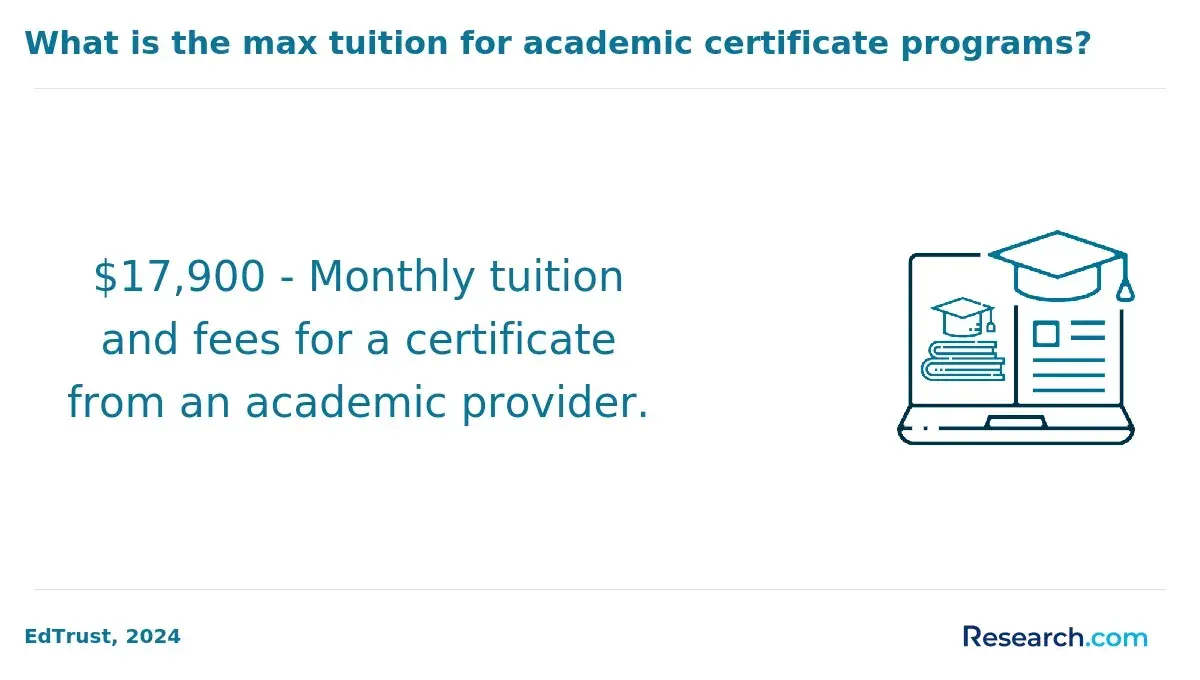
- Employer Tuition Assistance - For working adults, employers sometimes provide tuition reimbursement programs compatible with accelerated schedules, allowing students to apply job-based financial support toward their degree. Eligibility is contingent on company policies and program alignment.
- Payment Plans - Given the swift pace of accelerated degrees, tuition may need to be paid more quickly than in traditional programs. Payment plans can offer manageable monthly installments, helping students balance cash flow against condensed academic timelines.
- Impact of Accelerated Timing - Since accelerated programs shorten the total duration by 25% to 50%, students may benefit from reduced overall costs and quicker workforce entry, enhancing return on investment when combined with financial aid options.
When asked about navigating financial aid during her two-year physics degree, a professional who completed such a program shared her experience: "The accelerated pace meant I had to be very proactive about applying for aid early and understanding the disbursement schedule. Unlike traditional timelines, funds arrived in smaller portions but more often, which required careful budgeting."
She found employer tuition assistance critical in bridging gaps, as well as STEM-specific scholarships that eased the financial burden without adding debt. "It was intense managing both the coursework and finances, but knowing aid was there made the accelerated path feasible. I'd advise others to research every available option and stay organized to maximize their support during the shorter program."
Her reflections highlight that, while challenges exist in timing and administration, financial aid can effectively support accelerated physics students when approached strategically.
When evaluating the value of an accelerated physics bachelor's degree, understanding potential career outcomes is essential. The ability to enter the workforce quickly while gaining practical scientific skills can significantly impact one's return on investment. Exploring the diverse career options with a 2-year physics degree helps clarify how graduates can apply their knowledge in various industries.
Many job prospects for accelerated physics graduates involve entry-level and early-career roles where foundational scientific principles are critical. The condensed program equips students with problem-solving skills, quantitative analysis, and experimental design capabilities that employers seek.
- Technical Support and Laboratory Assistance: Graduates often find positions supporting scientific research and product development by maintaining equipment and conducting experiments. These roles provide hands-on experience and a practical application of physics concepts.
- Data Analysis and Quality Control: Positions in manufacturing and environmental science industries involve interpreting data to ensure product standards and regulatory compliance. These jobs leverage analytical skills developed during the accelerated degree program.
- Engineering Technician Roles: Many physics graduates contribute to engineering projects by assisting with design, testing, and implementation tasks. This career path often leads to specialization and advancement with additional on-the-job training.
- Research Assistants and Instrumentation Specialists: Early-career opportunities in research firms allow graduates to support scientific investigations by managing instruments and collecting data, bridging practical laboratory work with theoretical knowledge.
- Technical Consulting and Software Development: When combined with programming expertise, a physics background supports roles in consulting and data science, helping organizations solve complex technical problems.
The accelerated format condenses a traditional four-year curriculum into a shorter period, allowing students to enter these roles sooner with workforce readiness and applicable skills. Although advanced research positions typically require graduate degrees, this 2-year degree can serve as a foundation for further education and career growth.
For those comparing educational options, considering physics alongside alternatives such as affordable nursing programs online may help balance career goals and time commitment effectively.
Salary outcomes significantly influence the return on investment (ROI) for students choosing between accelerated and traditional physics degree paths. Understanding the earnings difference between accelerated physics and traditional bachelor's programs helps prospective students evaluate which route better aligns with their financial and career objectives. Below is a detailed salary comparison for 2-year physics degree graduates versus traditional bachelor's graduates.
- Early-Career Earnings: Graduates of 2-year accelerated physics degrees typically enter the workforce sooner, earning a median starting salary around $51,000 to $54,000, which is roughly 10-15% lower than the $60,000 median for traditional 4-year degree holders. This reflects the reduced time spent in advanced coursework and internships but offers earlier income potential.
- Long-Term Earning Potential: Over 10 to 20 years, traditional bachelor's graduates generally achieve higher median salaries, ranging from $90,000 to $110,000, due to broader qualifications and access to specialized roles in research, engineering, and technology sectors. Accelerated degree holders may see slower salary growth as they gain experience but lack some credentials.
- Employer Perception: Employers often value the comprehensive education and hands-on training from traditional programs, which can positively impact promotions and advancement. Accelerated degree holders might face some bias when competing for technical roles that prioritize extensive academic preparation.
- Career Progression Timelines: Traditional degree graduates typically take longer to enter the workforce but benefit from stronger credentials that accelerate mid-career advancements. Accelerated graduates accumulate work experience earlier but may encounter plateaued salary ceilings without further education.
- Total Lifetime Earnings: Due to faster workforce entry and savings on tuition and living expenses, accelerated degree graduates can offset lower peak salaries by accumulating income and experience earlier. As reported by Georgetown University's Center on Education and the Workforce, the speed of degree completion significantly influences lifetime earnings, especially in physics-related fields with high demand.
Students exploring degree affordability and ROI might also consider the cheapest BSN programs as another example of accelerated degree benefits in different fields.
Evaluating the return on investment (ROI) is essential for students considering accelerated physics degree programs, as these decisions impact both time and financial resources. Understanding key factors that influence ROI helps prospective students weigh the benefits against the commitment and costs involved. The following points highlight the primary elements affecting the overall value of accelerated physics degrees.
- Time-to-completion: Accelerated programs typically shorten the duration from the usual four years to around two years, enabling students to join the workforce earlier. This quicker path not only leads to earlier income but also reduces expenses tied to extended study periods.
- Tuition and total cost: Although per-credit fees may be similar to traditional degrees, the shorter timeframe often lowers total tuition. Additionally, students save on living costs, textbooks, and fees associated with fewer semesters.
- Opportunity cost savings: Graduates benefit financially by entering the job market sooner and advancing their careers ahead of peers. Over time, this early start compounds, especially in fields where physics expertise is in demand.
- Employment outcomes and salary growth: Physics graduates frequently secure roles in research, engineering, data analytics, and technology sectors-all projected to grow steadily. These positions typically offer competitive salaries with above-average wage increases.
- Industry demand: Steady growth in STEM fields ensures sustained need for professionals with strong analytical and technical skills, making physics degree holders valuable assets across multiple sectors.
- Transferability of skills: The critical thinking, problem-solving, and technical knowledge gained through accelerated programs apply widely beyond physics-specific jobs. This versatility enhances career flexibility and long-term earning potential.
Choosing whether to pursue a 2-year physics degree involves assessing your learning preferences, ability to manage an intense schedule, and personal time constraints. Accelerated programs compress traditional coursework, requiring quick comprehension and disciplined study habits. It's important to honestly gauge your readiness for this demanding pace and consider if you need faster entry into physics-related careers.
Students with limited availability may struggle to keep up, so evaluating current commitments is critical. Additionally, urgency around starting your professional life can influence whether this accelerated path suits your goals.
From a financial perspective, shorter programs often lower tuition and living expenses, potentially halving the total time to degree completion. This reduction can improve return on investment, especially since physics graduates report median salaries near $125,000 in research and development sectors, though results vary by role and location.
Employers typically prioritize demonstrated skills and internship experience over program length, so practical exposure remains essential. Finally, think about your future plans-whether pursuing graduate studies later or entering the workforce swiftly-to ensure this accelerated route aligns with your long-term ambitions.
What Graduates Say About Their 2-Year Physics Degree
- Annie: "Completing a 2-year physics degree was a strategic move to align with my career goals in tech, where knowledge and efficiency matter most. The program's rigorous pace was challenging, but with a structured routine and leveraging study groups, I managed to excel without burnout. Professionally, this accelerated track gave me a competitive edge in the job market by demonstrating my ability to handle complex material quickly and effectively. "
- Chloe: "When I first considered the accelerated physics program, I was wary of the demanding pace it required. Balancing work and studies meant careful planning, but the smaller duration meant the financial burden was lighter, which was a big relief. Reflecting now, the degree opened doors in engineering that would have taken years longer with a traditional timeline, proving the program's worth in both skill acquisition and career advancement. "
- Sam: "Choosing a 2-year accelerated physics degree was perfect for me because I wanted to save both time and money, especially knowing the average cost of attendance is significantly less than a traditional four-year program. The intense schedule required a lot of discipline, but I found breaking down complex topics into manageable daily goals helped me stay on track. This degree fast-tracked my career, letting me enter the research field sooner and start contributing professionally much earlier than I expected. "
Other Things You Should Know About Physics Degrees
Yes. Many universities accept AP Physics, IB Higher Level Physics, and transfer credit for calculus and general education, which can remove 15 to 30 credits from the degree plan. Students usually need official score reports and a minimum grade, often a C or better, for transfer acceptance.
In 2027, graduates of a 2-year accelerated physics degree can pursue careers in research, engineering, data analysis, or technical consulting. While entry-level positions may dominate initially, the foundational scientific skills gained can pave the way for advanced roles with experience and further education.
- 4+1 Degree Programs | Physics, Applied Physics and Astronomy | Binghamton University https://www.binghamton.edu/physics/accelerated/
- Two year accelerated degrees https://www.staffs.ac.uk/courses/undergraduate/study-options/two-year-accelerated-degrees
- Physics BS - is it even worth it? https://www.physicsforums.com/threads/physics-bs-is-it-even-worth-it.693016/
- What I learned from my second year as a Physics Major | by Alex Viner | Medium https://medium.com/@alexviner2016/what-i-learned-from-my-second-year-as-a-physics-major-aeb4b9d1c78b
- physics - Faculty of Science and Technology | University of Silesia in Katowice https://us.edu.pl/wydzial/wnst/en/studia/kandydat/oferta-dydaktyczna/physics/
- Fully Funded Master's Programs in Physics | ProFellow https://www.profellow.com/fellowships/fully-funded-masters-programs-in-physics/
- Physics Graduate Jobs | Gradcracker - Careers for STEM Students https://www.gradcracker.com/search/science/physics-graduate-jobs
- Which physics degree is right for you? https://www.bath.ac.uk/campaigns/which-physics-degree-is-right-for-you/


