
2027 Best Physics Degrees for Working Adults

Co-Founder and Chief Data Scientist
Working adults often struggle to find physics degree programs that accommodate full-time jobs while providing relevant, up-to-date industry skills. Nearly 40% of part-time STEM graduate students cite inflexible scheduling as a primary barrier to completing their degrees. This challenge can limit career growth and reduce opportunities in high-demand sectors like renewable energy, technology, and research. Flexible, accredited physics programs designed for adult learners can bridge this gap by offering evening, weekend, or online classes without sacrificing educational quality. This article explores the best physics degrees for working adults, highlighting programs that support career advancement through practical scheduling and curriculum tailored to nontraditional students.
Key Things to Know About Physics Degrees for Working Adults
- Many physics degree programs offer flexible scheduling with evening, weekend, or asynchronous online classes to accommodate working adults' busy lives.
- Hybrid and fully online formats are increasingly common, providing accessible study options without compromising rigorous lab and research components.
- Employers value physics graduates' analytical skills; accelerated programs and professional support services help working adults quickly advance or shift careers.
What Are the Best Physics Degrees for Working Adults?
The best physics degrees for working professionals vary depending on factors such as schedule flexibility, career alignment, and return on investment. A growing trend among adult learners is the increased availability of online education and part-time enrollment, which allow students to balance full-time jobs with academic progress. These options make education more accessible and practical for career advancement.
Several physics degree programs are particularly well suited for employed students seeking flexible and relevant coursework:
- Applied Physics: Emphasizes real-world applications in technology and engineering, offering a practical curriculum that supports immediate career growth and typically includes flexible scheduling options.
- Engineering Physics: Combines physics with engineering principles, widely valued by employers, and ideal for roles in innovation, often delivered through adaptable formats like evening or online classes.
- Medical Physics: Focuses on healthcare-related applications of physics, which benefits professionals aiming to enter or advance in medical technology sectors, with many programs offering part-time study.
- Physics with Data Science: Merges physics expertise and data analysis skills, meeting the rising demand in big data and computational fields, often available through online coursework for greater flexibility.
- Theoretical Physics: Provides deep conceptual knowledge, frequently offered in self-paced online formats, suited for motivated learners balancing work commitments.
These options align well with what many seek in the best online physics degrees for working adults by combining flexible delivery with career-relevant content. For those interested in diverse flexible education pathways, related fields like online SLP degrees also demonstrate how specialized programs adapt to the needs of adult learners.
What Are the Admission Requirements for Working Adults in Physics Degree Programs?
Admission requirements for working adults in physics degree programs often differ from those for traditional students to better accommodate a balance between professional responsibilities and academic goals. Reflecting this trend, part-time enrollment in graduate programs has increased by over 30% in the last decade, demonstrating growing opportunities for adult learners. Those exploring physics degree program eligibility for adult learners will find that many institutions adjust their criteria to support career changers and employed students.
Key admission requirements or considerations commonly include:
- Prior Work Experience: Relevant scientific or technical experience can strengthen an application by demonstrating practical skills and commitment beyond academic records.
- GPA Expectations: While a minimum GPA is typically required, some programs offer waivers or holistic evaluation methods that consider professional achievements alongside academic performance.
- Standardized Test Waivers: Many programs waive GRE or similar test requirements for adult learners who have substantial work experience, reducing barriers for working professionals.
- Professional Recommendations: Letters from employers or supervisors often provide valuable insight into an applicant's motivation, work ethic, and skills relevant to physics studies.
- Flexibility for Part-Time or Online Learning: Programs frequently offer part-time, evening, or online coursework options tailored to working students, increasing accessibility and convenience for degree completion.
Adult learners seeking to advance their education may also consider programs beyond physics that offer flexible formats. For guidance on related fields with adaptable schedules, an online counseling degree can be a valuable alternative path to professional development.
What Coursework Is Required in Physics Degree Programs for Working Adults?
Coursework in physics degree programs for working adults is designed to balance career relevance, practical skills, and flexible learning. This approach acknowledges the challenges adult learners face, such as juggling work, family, and study commitments. Recent trends show that enrollment of adult learners in STEM fields, including physics, has increased by over 20% in the past five years, reflecting rising demand for adaptable, career-focused education.
Common areas of essential coursework for physics degrees tailored to working professionals include:
- Classical Mechanics: Covers the fundamental principles of motion and forces, essential for careers in engineering, applied research, and technical problem-solving across multiple industries.
- Electromagnetism: Explores electric and magnetic fields and their practical applications, relevant for roles in electronics, telecommunications, and energy sectors.
- Quantum Mechanics: Introduces particle behavior at atomic and subatomic levels, supporting careers in advanced technologies, computing, and materials science.
- Thermodynamics and Statistical Mechanics: Focuses on energy transfer and system behaviors, valuable for professionals in manufacturing, environmental science, and energy industries.
- Computational Physics: Emphasizes numerical methods and simulations, equipping learners to handle complex data analysis and modeling in research and development settings.
This coursework mix equips students with both theoretical foundations and practical skills needed for advancement in technical fields or career transitions, while accommodating full-time work schedules. Adult learners seeking flexible education options often compare these physics degree classes for working adults to other fields; for example, many also explore opportunities in a library degree, which offers parallel flexibility but focuses on different professional outcomes.
Completion times for physics degrees among working adults vary due to differing schedules and commitments. Recent trends show part-time students, often balancing jobs, may take around six years to finish their bachelor's degrees, compared to the typical four years for full-time peers.
Several elements influence this extended timeline for those studying while employed:
- Program Format: Flexible options like online or evening classes make it easier to juggle work but often spread the program over more semesters than intensive, on-campus tracks.
- Course Load: Enrolling in fewer classes each term helps balance professional responsibilities but naturally prolongs the total time to graduate.
- Prior Credits: Having transferable credits or completing prerequisite courses in advance can significantly shorten degree duration.
- Work Schedule: Jobs with unpredictable or heavy hours can limit available study time, slowing academic progress.
- Accelerated Options: Some programs offer summer courses or condensed terms, allowing motivated students to finish sooner despite full-time employment.
When I asked a professional who earned an online physics degree while working full time about how long it took, he shared that managing deadlines and unexpected work demands was challenging but rewarding. He explained, "Balancing evening classes after a full day was exhausting, especially when projects at work peaked." However, he credited the program's flexible scheduling and supportive instructors with helping him persist. "It wasn't just about completing coursework-it required patience and constant adjustment." Ultimately, his experience highlights that while timelines vary, commitment and program structure greatly influence completion time for working adults pursuing physics degrees.
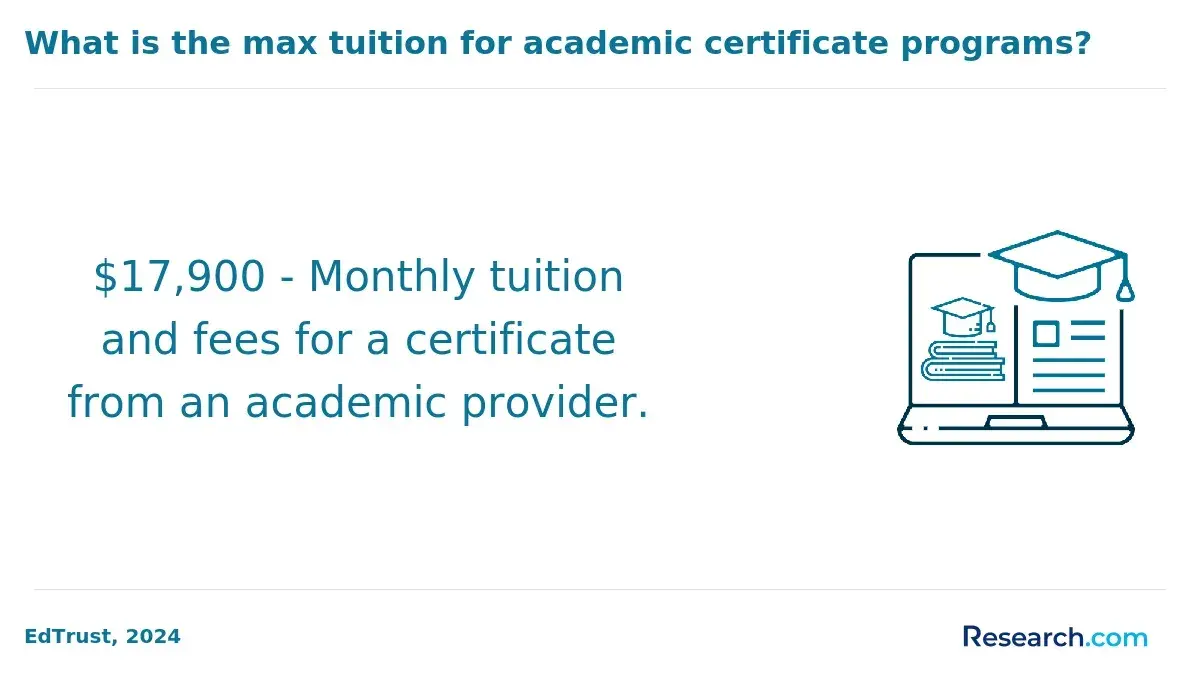
For working adults pursuing a physics degree, balancing school costs with ongoing financial obligations is crucial. Data shows that part-time STEM students, including those studying physics, pay 20-30% more per credit hour than full-time peers due to extended timelines and extra fees. Several key factors affect the overall price of a physics degree for employed learners.
These elements contribute significantly to total expenses:
- Tuition per Credit: Costs differ between public and private schools and vary depending on whether courses are online or in person. Online options might offer flexibility but sometimes come with distinct fee structures.
- Program Duration: Studying part-time often lengthens the completion period, increasing cumulative fees and material costs as students invest more semesters in their education.
- Additional Charges: Beyond tuition, lab fees, technology surcharges, and administrative costs add to the financial burden for physics courses.
- Materials and Textbooks: Specialized textbooks and resources required for physics can be expensive, though digital formats and rentals may reduce these expenses.
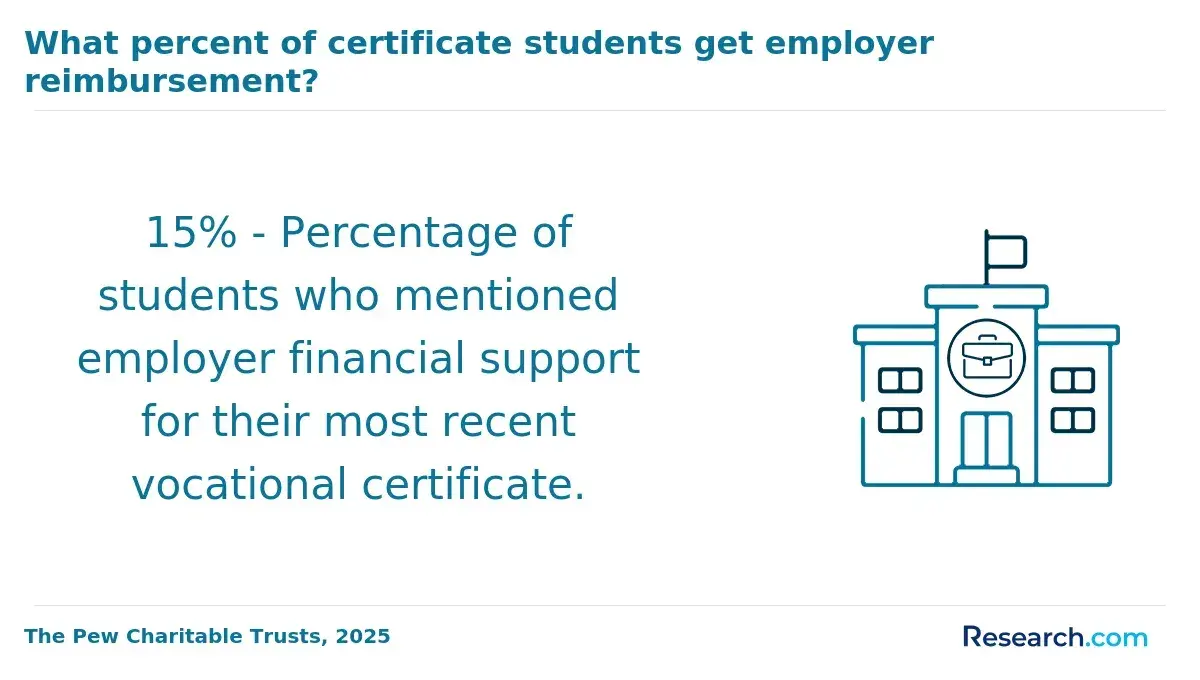
- Financial Aid Strategies: Employer tuition reimbursement, scholarships for adult learners, and applicable tax credits serve as vital tools to lower net costs for working students.
Balancing a full-time job, academic coursework, and personal life significantly impacts working adults pursuing physics degrees, making financial aid an essential support to manage these commitments effectively. Access to various funding sources can ease the financial burden and create opportunities to continue education without compromising income or family obligations.
Several financial aid avenues are commonly available to support working adults in physics programs:
- Federal Financial Aid: By completing the FAFSA application, students can access grants, work-study jobs, and affordable loans. Eligibility often depends on factors such as income, enrollment status, and satisfactory academic progress.
- Employer Tuition Assistance: Many employers provide tuition reimbursement or educational benefits to encourage staff development. These programs typically require employees to maintain a minimum grade or commit to staying with the company for a set period.
- Scholarships for Adult Learners: Dedicated scholarships target non-traditional students returning to school, including those switching careers or reskilling, helping offset tuition costs based on eligibility criteria.
- Grants: Unlike loans, grants do not require repayment and are awarded based on financial need or academic achievement. Certain federal and state grants specifically accommodate part-time or adult students.
- Payment Plans and Tax Credits: Flexible installment payment plans are often available through institutions, and tax benefits like the Lifetime Learning Credit can reduce the overall expense of pursuing a physics degree.
When asked about her experience navigating financial aid while earning a physics degree amid full-time work, a professional shared that managing the paperwork and deadlines was initially overwhelming. She emphasized how seeking out employer support and exploring lesser-known scholarships were game-changers. "I felt relief knowing I didn't have to choose between working full-time and going back to school," she reflected, adding that these resources helped her maintain focus and motivation during the most demanding semesters.
Breakdown of Private Fully Online For-profit Schools

Working adults pursuing a physics degree often juggle coursework alongside full-time jobs and personal commitments. Institutional support services are essential to help these students maintain progress and succeed academically despite their demanding schedules.
- Flexible Scheduling: Courses and assignments designed with adaptable deadlines and varied class times allow students to fit education around work and family obligations. This flexibility reduces stress and helps maintain consistent academic momentum.
- Online Learning Support: Access to recorded lectures, digital resources, and virtual discussion spaces enables learners to engage with material anytime and anywhere. This accessibility supports continuous study without requiring physical attendance.
- Academic Advising: Personalized guidance helps students select appropriate courses and plan their degree pathways efficiently. Advisors assist in aligning academic decisions with career goals, keeping students on track for timely graduation.
- Tutoring Services: Dedicated help with challenging physics concepts reinforces understanding and builds confidence. Tutors provide focused assistance, making complex topics more approachable for busy learners.
- Mental Health Resources: Counseling and stress management support address the emotional demands of balancing studies with external responsibilities. These resources promote well-being, enabling students to sustain focus and resilience throughout their program.
Accreditation signifies that physics programs meet established quality standards set by recognized agencies, ensuring a rigorous curriculum, qualified instructors, and sufficient resources. This validation is especially vital for working adults because it guarantees the degree aligns with national academic and professional expectations, often influencing employer preferences. Additionally, only students enrolled in accredited programs typically qualify for federal and state financial aid, making accreditation crucial for affordability. Notably, nearly 40% of graduate students in the U.S. are aged 30 or older, reflecting an increasing need for accredited programs tailored to adult learners.
Accreditation also enhances the long-term credibility and usefulness of a physics degree, facilitating the transfer of credits between schools and meeting eligibility requirements for licensure or certification when applicable. This flexibility supports working adults in continuing their education with minimal disruption or repetition. Moreover, degrees from accredited programs generally carry greater weight in professional advancement, helping graduates secure leadership positions and specialized roles in scientific and technical fields. Such recognition contributes significantly to career development and opportunities for those balancing education with work commitments.
Salary growth is a key motivator for working professionals considering a physics degree, with median earnings for adults holding such degrees ranging from $70,000 to $120,000 annually. This increase reflects the strong analytical skills physics graduates contribute, making the degree an attractive option for those aiming for a career salary impact of physics degree.
- Industry Demand: Certain sectors such as engineering, technology, and scientific research highly value physics expertise. These fields tend to offer premium pay, especially for candidates who can apply their knowledge to practical, high-impact projects.
- Role Advancement: Earning a physics degree can open doors to leadership and specialized positions that typically command better compensation. This advancement often comes from the ability to solve complex problems and manage technical teams effectively.
- Employer Support: Tuition assistance and promotion policies vary among companies, influencing how much employees financially benefit from pursuing further education. Supportive employers can accelerate salary growth for degree holders.
- Experience Synergy: Combining years of professional experience with a physics degree tends to compound salary progression. The practical insights gained throughout a career enhance the value of academic qualifications in the job market.
- Specialization: Focus areas within physics such as applied physics, data analysis, and renewable energy align with high-demand industries. Specializing can boost earning potential by matching skills with sectors offering higher compensation.
Working adults seeking flexible, accredited physics degree programs that fit full-time employment should consider how these factors may influence their salary growth. For those exploring options, researching the easiest college majors with high pay can provide additional insight into balancing education and career advancement effectively.
A physics degree enables working adults to qualify for higher-level, specialized, or leadership roles beyond entry-level positions by building strong analytical, problem-solving, and quantitative skills. These capabilities help professionals manage complex projects and make strategic decisions, positioning them for career advancement.
Common advanced job roles pursued by professionals with a physics degree include:
- Senior Research Scientist: Leads the design and execution of sophisticated experiments, interprets data, and drives innovation within research teams. This role demands deep physics knowledge and the ability to provide strategic oversight in technical environments.
- Engineering Project Manager: Oversees engineering projects from start to finish by coordinating team efforts and managing resources efficiently. A physics degree supports the technical expertise required to bridge science and management.
- Data Scientist: Applies physics-based modeling and advanced statistical methods to analyze complex data sets, informing business or scientific decisions. This position often reflects a shift toward data-driven leadership roles.
- Technical Consultant: Provides specialized advice to organizations by applying physics principles to solve complex problems, requiring advanced knowledge and strong communication skills to influence strategy and outcomes.
- Physics Educator at the Postsecondary Level: Experienced physicists may transition into academia, contributing to curriculum development, teaching, and mentoring students while engaging in research activities.
Each of these roles offers upward mobility by combining practical experience with theoretical expertise in physics. The degree supports advancement by fostering critical thinking and technical skills essential for high paying physics careers for working adults. Prospective students looking to enhance their career trajectories can explore flexible, accredited programs tailored for professionals balancing full-time work. Those seeking foundational or stepping-stone credentials might also consider associates degrees that offer flexible learning pathways.
Physics degree job opportunities for professionals commonly emphasize roles that integrate technical mastery with leadership and problem-solving, making this a versatile credential for career growth.
What Graduates Say About Their Physics Degrees for Working Adults
- Armin: "Choosing an online physics degree program while working full-time was a game-changer for me. The average cost was quite reasonable compared to traditional programs, making it a feasible investment without sacrificing my income. Completing the degree has opened doors to advanced roles in research and development, proving the worth of balancing work and study. "
- Jun: "Balancing a part-time physics degree with my job was challenging but rewarding. The cost was manageable, especially considering the flexibility it offered, and it allowed me to upgrade my skills without financial strain. Reflecting on my journey, I see how this degree truly transformed my career trajectory and professional confidence. "
- Sally: "Enrolling in a part-time physics degree while maintaining my career was a strategic decision driven by cost-effectiveness and curriculum relevance. The tuition aligned with industry averages for working adults, and the knowledge I gained directly contributed to my promotion and daily problem-solving abilities. I recommend this path to anyone seeking growth without interrupting their professional life. "
Other Things You Should Know About Physics Degrees
Yes. Many accredited physics programs accept up to 90 transfer credits toward a 120-credit bachelor’s degree, but they usually require at least 30 upper-division credits taken at the granting institution. Official transcripts and course-by-course evaluation are standard requirements.
Besides strong math and foundational science knowledge, working adults may need basic computer skills and proficiency in technical writing for physics courses. Some programs recommend or require prior coursework in calculus, algebra, and introductory physics. Communication skills are also essential, as many degrees involve collaborative projects and presentations.
- Support and grants | Institute of Physics https://www.iop.org/about/support-grants
- Physics with Professional Placement (MPhys) - Study - Cardiff University https://www.cardiff.ac.uk/study/undergraduate/courses/course/physics-with-professional-placement-mphys
- Options for Pursuing Physics Degree While Working Full-Time https://www.physicsforums.com/threads/options-for-pursuing-physics-degree-while-working-full-time.773051/
- Physics https://www.careerpilot.org.uk/job-sectors/subject/physics
- Physics MPhys | Courses | University of Liverpool https://www.liverpool.ac.uk/courses/physics-mphys
- Physics outreach https://www.kcl.ac.uk/physics/outreach
- What Can You Do With A Physics Degree? https://www.immerse.education/career-exploration/physics/careers-in-physics/
- Financial Support - The Graduate School https://gradschool.ncbj.gov.pl/financial-support/
- Physics https://www.ucalgary.ca/future-students/undergraduate/explore-programs/physics
- 2025 Best Online Degrees in Physics https://www.onlineu.com/degrees/physics


