2027 Is a 2-Year Nurse Leadership Degree Worth It: Accelerated Bachelor's ROI & Time Trade-Offs

Co-Founder and Chief Data Scientist
Many prospective students struggle to determine if enrolling in a 2-year accelerated nurse leadership degree offers sufficient return on investment. With 45% of nursing management roles projected to grow by 2029, understanding the financial and time trade-offs is critical. Accelerated programs promise faster entry into leadership positions but often require intense coursework and upfront costs.
This article analyzes salary trends, program expenses, and career advancement opportunities tied to accelerated nurse leadership degrees. It aims to help readers assess whether the accelerated pathway aligns with their professional goals and financial expectations in the evolving healthcare landscape.
Key Benefits of a 2-Year Nurse Leadership Degree
- Accelerated 2-year nurse leadership degrees can increase earning potential by 15-25% compared to RN roles, improving ROI through quicker access to higher-paying management positions.
- Shorter program duration reduces opportunity costs, allowing graduates to enter leadership roles and advance their careers faster than traditional 4-year pathways.
- Leadership skills gained enhance job stability and open access to diverse healthcare administration roles, improving long-term career growth and financial security in a competitive market.
How Do 2-Year Nurse Leadership Programs Work?
Two-year nurse leadership programs offer an accelerated pathway for students aiming to fast-track their upper-level bachelor's degree. These programs are well-suited for those who want to develop leadership and management skills in healthcare without the extended commitment of traditional four-year programs.
Understanding the nurse leadership degree program structure is essential for evaluating if this intensive approach fits your career and educational goals. The following outlines how these programs typically operate.
- Accelerated pacing and year-round enrollment: These programs often run continuously throughout the year with shortened terms, allowing students to complete coursework faster than standard semesters.
- Condensed course terms and credit load: Students generally take 12 to 15 credits per term, heavier than the typical 9 to 12, which helps complete the program in about two years.
- Instructional format: Coursework usually blends online classes with some in-person or virtual synchronous sessions, creating flexibility for working adults.
- Assessment methods: Evaluations often include case studies, leadership projects, exams, and management-focused clinical practicums rather than direct patient care.
- Structured curriculum progression: Students move sequentially through topics like healthcare policy, financial management, team leadership, and ethics tailored to leadership roles in nursing.
These programs usually require prior nursing education and licensure to tailor content specifically toward leadership. As part of the broader landscape of nursing education, some candidates may explore RN to BSN no clinicals programs to complement or bridge their skills.
Employment for medical and health services managers, including nurse leaders, is projected to grow significantly, with median salaries exceeding $101,000. The 2-year accelerated nurse leadership programs reduce both tuition and opportunity costs, making them attractive for professionals focused on career advancement in healthcare management.
What Are the Admission Requirements for a 2-Year Nurse Leadership Degree?
For prospective students, understanding the admission requirements for a 2-year nurse leadership degree is essential to assess if their academic and professional background align with accelerated program expectations. These criteria help ensure candidates are prepared for the rigor and leadership responsibilities involved.
Below is a detailed breakdown of typical requirements encountered by applicants pursuing accelerated nurse leadership programs.
- Prior Education: Most programs require an associate degree in nursing (ADN) or an equivalent diploma, along with an active registered nurse (RN) license. This foundation confirms that candidates have essential clinical knowledge before advancing into leadership roles.
- GPA Expectations: A cumulative GPA ranging between 2.5 and 3.0 on a 4.0 scale is commonly expected. This reflects satisfactory academic performance in prior nursing coursework and readiness for advanced studies.
- Standardized Tests: Some institutions require applicants to submit scores from tests like the TEAS (Test of Essential Academic Skills), though many accelerated programs place greater emphasis on professional nursing experience rather than exam results.
- Prerequisite Courses: Foundational courses typically include anatomy, physiology, microbiology, and statistics. These courses provide the scientific and analytical basis necessary for leadership education and advanced nursing topics.
- Work Experience: A minimum of one to two years of practical nursing experience is often required. This criterion emphasizes the value of hands-on clinical expertise in managing healthcare teams and systems effectively.
Meeting the 2-year nurse leadership degree admission criteria is a crucial step that aligns academic preparation and professional goals for those committed to nursing leadership roles. The growing demand for nurse leaders is highlighted by the Bureau of Labor Statistics projecting a 19% job growth for nurse practitioners and nurse midwives between 2021 and 2031.
This demand increases the appeal of accelerated leadership degrees in nursing management. Students interested in advancing quickly might explore the easiest DNP programs as a related pathway.

What Does a Typical Week Look Like in a 2-Year Nurse Leadership Program?
Knowing what to expect weekly is essential for students considering an accelerated nurse leadership degree, as the program demands effective balancing of study, work, and personal life. This understanding helps set realistic expectations and supports better planning to manage the intensity.
Here's a closer look at the common weekly components and workload in a two-year program.
- Class Sessions: Students typically engage in 8 to 12 hours of lectures or seminars each week, delivered either face-to-face or online. These focus on leadership principles, healthcare policies, ethics, and clinical nursing topics, providing a solid theoretical base.
- Assignments and Assessments: Weekly tasks such as case analyses, reflective essays, and project proposals reinforce learning. Frequent quizzes or tests keep students accountable and deepen comprehension of complex subjects.
- Group Work: Collaborative projects and presentations are common, fostering skills in teamwork, communication, and leadership scenarios crucial for future nurse leaders.
- Independent Study: Students often dedicate 15 to 20 hours outside class times reviewing materials, preparing for exams, and engaging with multimedia content. This self-directed effort is vital for success in accelerated formats.
- Instructor Interaction: Support is available through virtual office hours, discussion forums, and one-on-one meetings, enabling clarification of difficult concepts and personalized guidance.
- Time Management: Juggling coursework alongside other responsibilities requires strong organizational habits. Many students find consistent routines, goal setting, and digital planners indispensable in maintaining balance and reducing stress.
When asked about his experience, a professional who completed a two-year bachelor's degree in nurse leadership described the journey as "intense but rewarding." He recalled feeling overwhelmed at first, juggling clinical shifts with coursework, yet found that regular communication with instructors and study groups helped ease the pressure.
"Some weeks, the workload was heavier than others, especially when group projects and exams lined up simultaneously," he shared. Still, he emphasized that developing strict schedules and prioritizing tasks became key strategies for managing the fast-paced environment. Reflecting on the commitment, he noted, "It demanded resilience and sacrifice but ultimately accelerated my career growth."
Choosing the right delivery format is crucial for students pursuing an accelerated nurse leadership degree, as it impacts flexibility, accessibility, and time management. Online options can make it easier to balance coursework with work and personal commitments.
Below is a closer look at key components of two-year online nurse leadership programs.
- Fully online versus hybrid: Many programs offer fully online coursework combined with brief in-person clinical or practicum requirements. This mix allows students to complete most classes remotely while gaining essential hands-on experience.
- Asynchronous and synchronous learning: Programs typically blend self-paced lectures available anytime with scheduled live sessions for interaction, providing flexibility without sacrificing engagement.
- Technology needs: Students must have a reliable internet connection, a computer with video capabilities, and access to platforms like Blackboard or Canvas to participate effectively in their studies.
- Student support services: Academic advising, technical help, career counseling, and virtual libraries are commonly available to assist students throughout their accelerated journey.
- Effect on pacing and engagement: Online formats allow learners to progress efficiently, often reducing completion time by up to 25% compared to traditional pathways, while still maintaining active involvement through interactive components.
Knowing the total cost of a 2-year nurse leadership degree is crucial for evaluating its return on investment, especially when comparing accelerated programs to traditional routes. These costs impact not only your financial commitment but also how quickly you can enter the workforce.
A closer look at the specific expenses involved reveals how accelerated pacing influences overall affordability.
- Tuition structure: Accelerated nurse leadership program tuition often varies per credit hour or semester. While the intensive format may increase per-semester costs, it typically reduces the total tuition by shortening the length of study.
- Fees: Additional costs like administrative, lab, and technology fees are common. Some accelerated programs charge higher fees to cover enhanced resources or online learning platforms.
- Textbooks and learning materials: Staying current with textbooks and digital resources can be expensive, particularly in healthcare fields where frequent updates are necessary.
- Technology and lab costs: Costs associated with simulation labs, specialized software, or clinical tracking tools can add to the financial requirements of the program.
- Accelerated pacing benefits: By completing coursework faster, students reduce living and opportunity costs compared to a traditional 4-year degree. This can lead to savings of $20,000 to $40,000 overall, based on data from the National Center for Education Statistics.
When weighing 2-year nurse leadership degree tuition costs against career goals, it's helpful to explore options among the easiest nursing schools to get into, which may offer accelerated paths that fit different budgets and timelines.
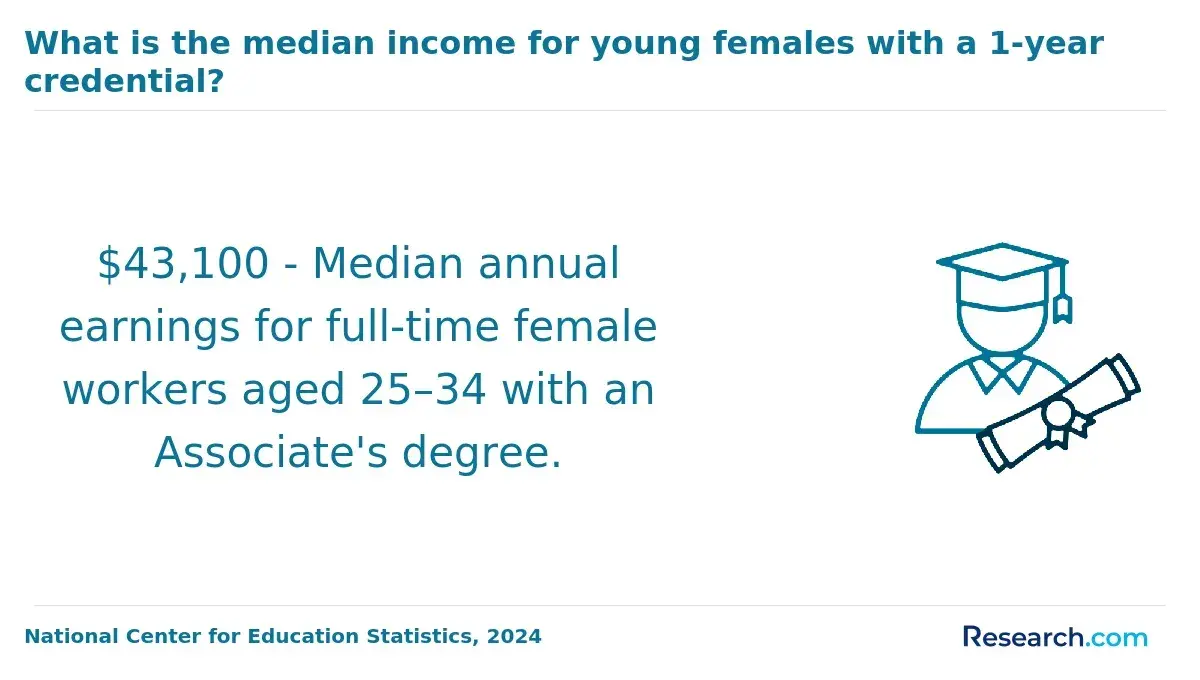
Affording an accelerated 2-year nurse leadership degree can be a key factor when deciding if the program fits your personal and financial goals. Since these programs compress coursework into a shorter timeline, understanding the availability and timing of financial aid is crucial for planning.
Below are common forms of support and considerations specific to accelerated formats.
- Federal Student Aid: Eligible students at accredited schools often qualify for Pell Grants and Direct Loans, which help cover tuition and expenses. However, the fast pace of accelerated courses sometimes alters how quickly aid is distributed throughout the program.
- Scholarships and Grants: Targeted awards from nursing associations, nonprofits, or local initiatives provide funding that doesn't require repayment. These can substantially ease the financial burden, especially when aligned with healthcare leadership studies.
- Employer Tuition Assistance: Many nurses working while studying tap into employer-sponsored education benefits. These programs frequently require a post-graduation service commitment but can defray significant portions of the cost.
- Flexible Payment Plans: Some accelerated programs offer installment options tailored to compressed schedules, helping students manage upfront expenses more comfortably over a shorter period.
- Impact of Acceleration: The shortened completion window may affect eligibility timelines or disbursement schedules for aid, making it important to coordinate closely with financial aid offices to avoid gaps in funding.
When I spoke with a professional who earned her bachelor's in nurse leadership within two years, she emphasized the challenge of juggling accelerated coursework with securing and timing her financial aid. She recalled, "The biggest hurdle wasn't just the intensity of classes but making sure the loans and grants arrived before tuition deadlines." She also reflected on how scholarships targeted to nursing leadership were a game-changer that lessened her reliance on loans.
"I had to stay very organized and proactive, constantly checking in with financial aid advisors, but in the end, it was worth the extra effort." Her experience illustrates that while financial aid can be accessible, navigating it during an accelerated program requires careful planning and persistence.
Evaluating the career outcomes of a 2-year nurse leadership degree is essential for understanding its overall value, especially for those seeking to balance time commitment with professional advancement. Recognizing typical job prospects helps prospective students align their goals with the practical benefits of accelerated programs.
The following overview highlights key roles and opportunities available to graduates from such programs.
- Charge Nurse and Nurse Supervisor: Graduates often begin their leadership journey in frontline roles such as charge nurse or nurse supervisor, where they manage daily operations and support clinical staff. These positions allow for skill development in communication, team coordination, and critical decision-making essential to healthcare management.
- Unit Coordinator: Serving as a unit coordinator involves overseeing patient flow, staffing schedules, and liaising between departments. This entry-level leadership role requires both organizational acumen and clinical insight, making it a common pathway for those with a nurse leadership degree.
- Healthcare Administration Support: Many accelerated nurse leadership graduates take on roles supporting healthcare administration, where they assist in quality assurance initiatives and the logistics of patient care delivery. The combination of clinical knowledge and management training prepares them well for this sector.
- Opportunities in Diverse Healthcare Settings: Hospitals, outpatient clinics, and community health organizations are typical employment environments that value the skill set of nurse leadership graduates. Their ability to integrate patient care with staff management meets growing demand in these settings.
- Workforce Readiness and Advancement: The accelerated nature of the program enables faster entry into the workforce, allowing students to apply leadership skills sooner and pursue advancement promptly. This compressed timeline can be a significant advantage in high-demand healthcare environments.
Interest in career opportunities with accelerated nurse leadership degrees is rising due to the strong demand for management-ready nurses. Employment growth in healthcare management roles, including nurse leadership, is projected to increase substantially, supporting a robust outlook for graduates.
For those considering educational paths aligned with fast-tracked career goals, the cheapest online healthcare administration degree resources can provide additional guidance on affordable and effective program choices.
Salary outcomes are a critical factor when evaluating the return on investment (ROI) of accelerated versus traditional nurse leadership degree paths. Understanding how earnings differ can help prospective students decide which educational route aligns best with their financial and career goals.
Below is a detailed comparison of these outcomes based on widely reported industry data.
- Early-career earnings: Graduates from accelerated nurse leadership programs typically start with median salaries ranging from $60,000 to $65,000, which is slightly lower than the $75,000 median commonly reported for registered nurses holding traditional bachelor's degrees.
- Long-term earning potential: Over time, those with traditional bachelor's degrees often surpass their accelerated counterparts due to increased eligibility for leadership and specialized clinical roles, which generally offer higher compensation levels.
- Employer perception: Employers frequently prefer bachelor-prepared nurses for management and leadership positions, influencing salary brackets and promotion opportunities in favor of traditional degree holders.
- Career progression timelines: Traditional degree programs typically provide more comprehensive clinical and leadership training, speeding up career advancement compared to accelerated programs.
- Workforce entry and lifetime earnings: Graduates with 2-year nurse leadership degrees benefit from entering the workforce one to two years earlier, which may contribute to greater total lifetime earnings despite lower starting pay. Additionally, lower tuition costs can enhance overall ROI.
The choice between accelerated and traditional paths often hinges on balancing immediate earnings and cost savings with longer-term career advancement. These factors are central when assessing nurse leadership degree salary comparison and understanding potential earnings after accelerated nurse leadership degree programs.
Prospective students should also explore options such as the cheapest online DNP programs to further optimize their investment in nursing education.
For students weighing the benefits of accelerated nurse leadership degree programs, understanding return on investment (ROI) is crucial. These programs demand significant time and financial commitments, so assessing how these factors translate into career and income advantages is key.
The following points highlight the main elements that shape ROI in accelerated nurse leadership education.
- Time-to-completion: Accelerated programs typically reduce the degree timeline to around two years, cutting traditional four-year paths in half. This faster completion allows students to enter the workforce sooner, enhancing lifetime earning potential and lowering overall costs related to extended study.
- Tuition and total cost: While per-credit tuition may be higher in accelerated formats, the shorter duration often leads to decreased total expenses. Additional costs such as fees, textbooks, and clinical requirements should also be considered to evaluate the full financial commitment.
- Opportunity cost savings: The lengthened absence from full-time employment can impact earnings during school. By shortening program length, accelerated degrees minimize foregone income and enable quicker advancement in nursing leadership careers.
- Employment outcomes and salary growth: Demand for healthcare managers is rapidly increasing, with projections showing strong job growth and competitive salaries. Graduates from accelerated programs often obtain leadership roles with median wages exceeding $100,000, signaling robust financial returns.
- Industry demand: Expanding healthcare systems and complex care coordination create sustained need for nurse leaders. This environment supports faster job placement and potential for salary increases for those holding specialized leadership credentials.
- Transferability of skills: Accelerated curricula emphasize leadership, management, and clinical expertise relevant across diverse healthcare settings. This adaptability boosts career options and ensures resilience amid evolving industry demands.
Choosing a 2-year nurse leadership degree involves weighing several personal and academic factors. Consider your preferred learning style and if you can handle a fast-paced curriculum that often condenses traditional four-year programs by up to 18 months.
Assess your current obligations, such as work or family, since this accelerated track demands strong time management and dedication. If advancing your career swiftly is a priority, this path might be suitable, but be realistic about your capacity to keep up with an intensive schedule. Professional goals should also guide your decision, especially if leadership roles are your targeted outcome.
Financially, analyze tuition costs against potential earnings. Nurse leadership roles typically offer higher salaries, around $100,000 annually per the U.S. Labor statistics, making the investment worthwhile for many. Employers often prefer candidates with leadership training paired with experience, so consider how this degree aligns with job market demands.
Also, reflect on your long-term flexibility. Accelerated programs save time and money but may limit opportunities for part-time study or leisurely pacing. Balancing these practical and economic factors ensures that the degree supports both immediate ambitions and future stability.
What Graduates Say About Their 2-Year Nurse Leadership Degree
- Jake: "Choosing the 2-year nurse leadership program was a strategic move for me to accelerate my career without sacrificing quality. The intensive schedule was challenging, but carefully organized, allowing me to balance work and studies efficiently. Graduating with this degree has opened doors to leadership roles I once thought were out of reach, making the average cost of attendance a worthwhile investment."
- Amanda: "I selected the 2-year nurse leadership degree to quickly adapt to the evolving demands of healthcare management. The rigorous schedule required strong time management, but the supportive faculty and focused curriculum made it manageable. Reflecting on this experience, I see the degree as a pivotal step that enhanced my skills and professional credibility in a competitive job market."
- Sylvie: "Enrolling in the accelerated 2-year nurse leadership program was driven by my desire to fast-track my advancement in nursing administration. Balancing the compact timeline with my personal commitments was intense, yet the practical knowledge and network I gained profoundly impacted my career trajectory. The cost was reasonable compared to traditional routes, and the return on investment has been undeniably positive. "
Other Things You Should Know About Nurse Leadership Degrees
The return on investment (ROI) for a 2-year nurse leadership degree often depends on several factors including job market demand, location, and prior experience. Generally, graduates can expect to see financial benefits within 1 to 3 years after entering leadership roles that offer higher salaries than entry-level nursing positions. Accelerated programs can reduce time to degree completion, allowing quicker access to elevated positions and associated pay increases.
Yes. Most accredited BSN leadership tracks require direct patient-care clinical placements and a leadership practicum, often totaling about 500 to 700 clinical hours. Programs are usually approved by a state board of nursing or accredited by CCNE or ACEN, and many require an active RN license before placement.
- Executive Nurse Leadership and Health Care Management https://www.duq.edu/academics/colleges-and-schools/nursing/graduate-programs/masters-of-science-in-nursing/msn-executive-nurse-leadership.php
- MSN Nursing Leadership: Clinical Nurse Leader (CNL) for RNs https://www.rushu.rush.edu/college-nursing/programs-admissions/online-clinical-nurse-leader-program-rns-msn
- Online MSN Degree for Future Nursing Healthcare Leaders: A Pathway to Impact and Success https://global.nmsu.edu/blog/healthcare/online-msn-degree-for-nursing-leadership/
- The Return on Investment (ROI) of Earning a BSN Degree https://everynurse.org/return-on-investment-bsn-degree/
- I Already Have a Bachelor's Degree, How Can I Become a Nurse? https://nurse.org/education/accelerated-bsn-degree/
- Financial Aid Options for Nurses https://degree.lamar.edu/online-programs/healthcare/rn-to-bsn/financial-aid-options-nurses/
- 11 Types of Healthcare Degrees You Can Earn in 2 Years or Less https://www.herzing.edu/types/healthcare-degrees