
2027 Is a 2-Year Humanities Degree Worth It: Accelerated Bachelor's ROI & Time Trade-Offs

Co-Founder and Chief Data Scientist
Many prospective students face uncertainty when deciding if a 2-year accelerated humanities degree offers sufficient value compared to traditional four-year programs. Recent data shows graduates from accelerated programs often enter the workforce faster, but median starting salaries in humanities fields remain approximately 15% lower than STEM graduates. This gap raises concerns about the financial return on investment (ROI) for compressed timelines.
Analyzing the trade-offs between time saved and potential income limitations is essential. This article examines the accelerated bachelor's ROI, explores workforce trends, and offers insights to help students make informed decisions aligned with their personal and career goals.
Key Benefits of a 2-Year Humanities Degree
- Accelerated 2-year humanities degrees reduce tuition costs by up to 40%, improving financial ROI compared to traditional 4-year programs.
- Graduates enter the workforce sooner, gaining critical experience and salary opportunities earlier, offsetting initial lower average humanities wages.
- Humanities skills-critical thinking, communication-remain in high demand for diverse roles, enhancing long-term career adaptability despite modest starting salaries.
How Do 2-Year Humanities Programs Work?
Two-year humanities programs offer an accelerated pathway to complete a bachelor's curriculum faster than traditional four-year degrees, which can be attractive for those seeking to enter the workforce sooner or reduce overall costs. Understanding the 2-year accelerated humanities degree structure is essential for prospective students to evaluate the time commitment and academic intensity involved. Below is a breakdown of how these programs generally operate, highlighting key components that shape the learning experience.
- Accelerated Pacing: Course sequences are compressed, often with terms lasting 8 to 12 weeks instead of a standard 15-week semester, enabling students to complete more courses annually.
- Year-Round Enrollment: Students engage in continuous study with minimal or no extended summer breaks, promoting steady progress toward degree completion.
- Condensed Course Terms: Shorter academic sessions require frequent deadlines and sustained focus, challenging students to manage a rigorous workload efficiently.
- Credit Load Expectations: Terms commonly involve 15 to 18 credits, demanding strong time management and dedication, particularly for those balancing work or personal obligations.
- Instructional Format: Programs often blend synchronous and asynchronous online learning, which can be beneficial for working adults or students needing flexible schedules.
- Assessment Methods: Traditional evaluations like essays, exams, and projects remain central, but their frequency increases due to shortened terms.
- Curriculum Progression: Core humanities skills such as critical thinking and analytical writing are prioritized early, with advanced topics and capstone projects introduced in later stages.
Admissions and coursework in 2-year humanities programs require a realistic understanding of these demands to ensure a good fit. Labor market data indicates consistent demand in related fields, making the investment worthwhile for many. Additionally, accelerated options exist in various fields, and students can explore programs similar to RN to BSN programs without clinicals that provide flexible pathways. Evaluating these factors helps prospective students balance academic goals against financial and professional outcomes effectively.
What Are the Admission Requirements for a 2-Year Humanities Degree?
For students considering an accelerated bachelor's in humanities, understanding the admission requirements is essential to prepare a strong application and assess if the program fits their educational timeline and career goals. Admission standards can vary, but they generally reflect an emphasis on academic readiness and foundational skills. Below is a detailed breakdown of common criteria you can expect for entry into a 2-year humanities degree.
- Prior Education: Most programs require a high school diploma or equivalent, such as a GED. This baseline ensures applicants have completed fundamental secondary education appropriate for college-level work, which is especially important in accelerated settings where coursework is condensed.
- GPA Expectations: Entry criteria for 2-year humanities programs typically include a minimum GPA around 2.5 to 3.0, demonstrating consistent academic performance. This threshold helps schools identify candidates likely to succeed in rigorous accelerated curricula.
- Standardized Tests: While the SAT or ACT is less frequently required due to test-optional policies, some institutions may still request scores or placement assessments to gauge readiness. Applicants should check specific program requirements carefully if standardized test preparation is a concern.
- Prerequisite Courses: Programs often expect completion of foundational courses in reading, writing, and social sciences. These prerequisites help ensure students possess essential skills needed for humanities studies and make transition smoother.
- Work Experience: Though not usually mandatory, relevant work experience can strengthen an application by providing practical context to academic interests. This factor may be more significant in programs emphasizing applied humanities or interdisciplinary approaches.
This streamlined admissions approach supports accelerated completion, allowing students to finish degrees about 1 to 2 years faster than traditional bachelor's programs, aligning well with diverse learners' needs. For individuals also exploring short-term training options, a certified medical assistant program illustrates how focused educational paths can expedite career readiness.
What Does a Typical Week Look Like in a 2-Year Humanities Program?
Knowing the weekly demands of a 2-year accelerated humanities degree helps prospective students gauge whether they can maintain balance while meeting academic expectations. The pace requires consistent dedication and strategic planning. Below is a snapshot of what students typically encounter in such an intensive program.
- Class sessions: Students attend daily lectures or seminars amounting to about 15-20 hours weekly. These sessions cover a range of humanities disciplines and require active engagement.
- Assignments and assessments: Expect a steady flow of weekly readings, essays, and discussion contributions. Quizzes or tests are frequently scheduled to assess critical thinking and comprehension.
- Group work: Collaborative projects and peer discussions are common, encouraging communication skills and deeper exploration of course material outside of class time.
- Independent study: Significant time is devoted to reading, research, and paper writing. Time management is crucial as students juggle these tasks with other responsibilities.
- Instructor interaction: Faculty support is regular but often concise, delivered through office hours or online platforms to clarify difficult topics promptly.
- Time management expectations: Balancing the compressed curriculum requires discipline and efficient planning to keep pace without burnout.
When I asked a professional who completed a bachelor's in humanities within two years about his experiences, he emphasized the initial shock of the workload. "It was overwhelming at first-balancing nonstop readings with writing assignments felt like running a marathon daily," he recalled. Yet, he found that developing a strict schedule helped him maintain focus.
"Breaking my days into study blocks and prioritizing tasks made the intensity manageable," he said. Despite the pressure, he appreciated how the program sharpened his analytical skills quickly, saying, "In retrospect, the fast pace forced me to learn not just content, but how to learn efficiently."
Flexible course delivery is crucial for students pursuing an accelerated humanities degree, as it allows them to balance studies alongside work and personal obligations. Accessibility and efficient time management become easier with online formats designed to fit diverse lifestyles. This approach supports learners in progressing quickly without sacrificing educational quality.
- Program formats: Students can choose between fully online programs or hybrid options that combine remote learning with limited in-person sessions, offering adaptability based on individual needs.
- Learning styles: Coursework often blends asynchronous elements, where materials are accessed on a student's schedule, with synchronous components enabling live interaction and real-time discussions.
- Technology needs: Successful participation requires a stable internet connection, a computer compatible with learning platforms, and software for video conferencing to engage fully in classes and activities.
- Support services: Many programs provide virtual tutoring, career guidance, and technical assistance to help students navigate challenges unique to online study environments.
- Pacing and engagement: Online delivery facilitates flexible pacing within the two-year timeframe while synchronous sessions enhance connection with instructors and peers, maintaining academic involvement.
Evaluating the total cost of a 2-year humanities degree is essential to understand its return on investment (ROI), especially in accelerated formats that condense traditional coursework. Knowing how tuition and other expenses differ in these programs helps prospective students make informed financial decisions. Below is a breakdown of key cost components and how accelerated pacing impacts overall expenses.
- Tuition Structure: Accelerated humanities programs often charge tuition per credit rather than per semester, which may lower total tuition but requires a heavier course load in a shorter period. This payment model can influence affordability and how quickly students complete their degree.
- Mandatory Fees: Like traditional programs, fees for registration, student services, and technology may apply. Although less frequent in humanities, some online or hybrid formats might include additional technology or lab fees for required software platforms.
- Textbooks and Learning Materials: Condensed schedules often mean students must purchase several textbooks at once, increasing upfront costs. These materials remain a vital part of the academic experience and can significantly affect overall expenses.
- Accelerated Pacing Effects: Shorter program duration reduces the number of semesters paying tuition and fees, potentially lowering total costs. However, the intense course load might increase short-term expenses and require careful budgeting for living costs during this period.
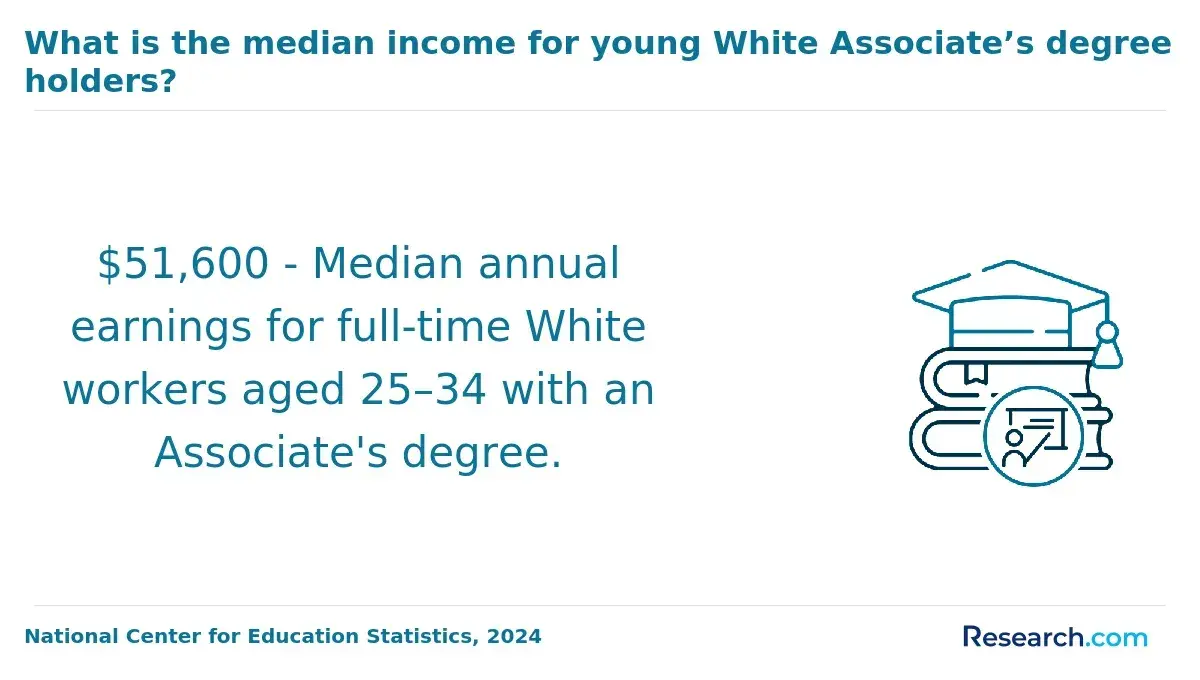
On average, accelerated bachelor's programs in humanities at public institutions range from $10,000 to $15,000 annually in tuition and fees, though figures vary widely by school and program delivery. Comparing these costs with median earnings for humanities graduates-approximately $45,000 annually-allows for better financial planning. Students seeking affordable accelerated humanities programs might also explore options such as a low-cost medical coding and billing online program as alternative pathways to career advancement.
Financial aid availability is a crucial aspect for students considering accelerated humanities degrees, as these programs often require a substantial time and financial commitment. Understanding what types of aid apply to 2-year humanities options can make pursuing such a condensed path more feasible. Below is a breakdown of common financial aid sources and important factors to consider.
- Federal Student Aid Eligibility: Accelerated humanities programs that are accredited and confer eligible degrees usually qualify for federal aid, including Pell Grants and Direct Loans. Students can complete the FAFSA application to determine their qualification and access these resources.
- Scholarships and Grants: Many colleges and private organizations provide scholarships specifically for humanities students, often based on academic achievement or financial need. Some awards target particular fields within humanities to encourage specialized study.
- Employer Tuition Assistance: Working adults may find support through employer-sponsored tuition programs, which can offset costs depending on the employer's benefits. Availability and eligibility vary significantly, so it's important to check with human resources.
- Payment Plans: Institutions often offer interest-free payment plans to help students manage tuition expenses by spreading out payments. This can be beneficial for those who prefer predictable monthly budgeting over lump-sum payments.
- Impact of Accelerated Pacing: The faster pace of a two-year program may influence how and when financial aid is disbursed. Continuous full-time enrollment with an increased credit load is often required, which can affect the aid timeline or amount available.
When I spoke with a professional who earned her accelerated bachelor's degree in humanities, she shared that managing financial aid was initially daunting. "I worried that completing the degree in two years meant losing access to regular funding," she explained. However, she found that by carefully coordinating her FAFSA submissions and working closely with the financial aid office, she was able to secure grants and loans throughout her studies.
Balancing a heavy course load with part-time work, she appreciated the flexibility of payment plans and her employer's tuition reimbursement. Reflecting on her journey, she noted, "It wasn't easy, but the financial aid options made this accelerated path doable and ultimately rewarding."
Evaluating career outcomes is crucial when considering an accelerated bachelor's degree in humanities. Prospective students must understand how the degree translates into workforce opportunities to determine if the time commitment and educational investment align with their goals. Exploring the range of entry level humanities jobs highlights how these programs prepare graduates for diverse professional paths.
- Administrative and coordination roles: Many graduates start as administrative assistants or social services coordinators, positions that leverage organizational abilities and interpersonal communication skills gained during the program. These roles build a foundation for growth in management or nonprofit sectors.
- Content creation and editorial support: Accelerated humanities degrees emphasize writing and research, qualifying graduates for jobs in content creation, editorial assistance, or publishing. These entry level humanities jobs are found in media, cultural institutions, and marketing agencies.
- Customer relations and sales support: Strong communication and problem-solving skills enable graduates to contribute effectively to customer relations, sales support, or human resources teams. These roles often require adaptability, a focus fostered in accelerated curricula.
- Nonprofit and community outreach: Graduates frequently engage with nonprofits in junior roles, assisting program coordination or community engagement efforts. These positions provide practical experience and opportunities for advancement into public relations or education.
- Workforce readiness through accelerated learning: A condensed humanities degree combines critical thinking, digital literacy, and applied research skills, enabling faster adaptation to workplace demands. This focus on efficiency helps graduates enter the labor market sooner and enhances return on investment by reducing tuition and time away from employment.
Industries seeking graduates with a humanities foundation often value the broad skill set for roles prioritizing cultural awareness and communication. For those assessing career options with 2-year humanities degree credentials, such flexibility can open doors across sectors. Additionally, students interested in health-related fields might explore affordable accredited healthcare administration degrees as complementary or alternative pathways to expand their employment prospects.
Salary outcomes are a critical factor when evaluating the return on investment (ROI) of accelerated versus traditional degree paths, especially for students considering a 2-year humanities degree versus a traditional four-year bachelor's degree. Understanding how earnings compare helps prospective students align their educational choices with their financial and career goals. The following points offer a detailed comparison of earnings and career implications based on publicly available labor data.
- Early-career earnings: Graduates with a traditional bachelor's degree in humanities fields typically earn median annual salaries around $60,000, while those holding 2-year humanities degrees report median wages closer to $40,000. Early-career salary averages tend to favor bachelor's degree holders by 20-30%, reflecting employer preference for broader educational credentials.
- Long-term earning potential: Traditional degree holders generally experience higher lifetime earnings, due to enhanced career advancement opportunities and perceptions of educational depth. This long-term gap grows as career progression timelines tend to be faster for those with traditional bachelor's degrees.
- Employer perception and career progression: Employers often value the wider skill set and comprehensive education associated with traditional bachelor's degrees, leading to quicker promotions and higher wages over time. Accelerated degree holders may face limitations in advancing to senior roles despite entering the workforce earlier.
- Faster workforce entry: Earning a 2-year degree allows graduates to start working up to two years earlier, which can help offset lower starting salaries by increasing total lifetime earnings if career progression is steady.
- Financial benefits of shorter programs: Accelerated degree holders benefit by saving on tuition costs and potentially minimizing student debt, which may improve financial outcomes despite lower initial wages.
Prospective students balancing salary expectations and time commitment may also explore most affordable BSN to DNP programs online as part of their educational planning.
When considering accelerated humanities degree programs, evaluating the return on investment (ROI) is essential to determine if the time and financial commitment align with career aspirations. Analyzing several critical factors can help students gauge whether an accelerated path offers meaningful benefits. The following points outline the key elements that influence ROI in these programs.
- Time-to-Completion: Accelerated degrees typically shorten the path to graduation from four years to around two, allowing students to enter the workforce sooner. This reduction not only saves time but reduces costs related to tuition and living expenses.
- Tuition and Total Cost: While condensed programs may charge higher per-credit rates, they often require fewer total credits and semesters, lowering overall expenses. Completing a degree faster can significantly reduce cumulative tuition fees.
- Opportunity Cost Savings: Graduating earlier means less time out of the workforce, minimizing lost wages and financial strain. This advantage is particularly important for adult learners balancing education with income needs.
- Employment Outcomes and Salary Growth: Humanities graduates experience varied salary prospects, with median early-career salaries typically between $40,000 and $50,000. Though their salary growth may be slower compared to STEM fields, skills acquired remain valuable across diverse industries.
- Industry Demand: Demand for humanities graduates tends to be stable but somewhat specialized, with sectors like education and communications commonly seeking these skills. Growth in these areas is steady but not rapid.
- Transferability of Skills: The critical thinking, cultural understanding, and adaptability learned enhance graduates' versatility. These transferable skills open doors to various career paths and opportunities for further study, boosting long-term value.
Choosing a 2-year humanities degree depends on assessing your personal and academic readiness for an intense, faster-paced program. These degrees compress four years of study into two, requiring strong motivation and effective time management. Reflect on whether your learning style suits accelerated coursework and if you can balance studies with other commitments. Consider how urgently you want to begin your career, as these programs are designed for students seeking a quicker entry into the workforce.
Financially, accelerated humanities programs often reduce tuition and living costs, potentially decreasing student debt. This shorter timeline can improve return on investment if aligned with your career plans. Keep in mind that humanities jobs may be competitive, with median salaries around $50,000 to $60,000 annually, so understanding employer demands is essential. The broad skills gained offer flexibility for various roles, though some paths might require additional training or experience over time.
What Graduates Say About Their 2-Year Humanities Degree
- Tucker: "I chose the 2-year accelerated bachelor's in humanities because I wanted to enter the workforce quickly without sacrificing the depth of my education. The intense schedule was challenging, but breaking down the coursework into manageable weekly goals helped me stay on track. Graduating with a humanities degree in such a short time not only saved me money on tuition but also opened unexpected doors in creative industries that value critical thinking."
- Pete: "Opting for a 2-year program was a practical decision for me, especially considering the average cost of attendance and the flexibility I needed to balance work and study. While the pace was demanding, I appreciated how the curriculum was designed to be immersive yet adaptable. This degree has significantly enhanced my analytical skills, which have become invaluable in my current role in nonprofit management."
- Christopher: "The accelerated humanities degree appealed to me because it respected my desire for a comprehensive education within a compressed timeframe. Handling the schedule required disciplined time management and a focus on key learning outcomes rather than just credit hours. Professionally, the degree enriched my understanding of human culture and communication, positioning me well for my career in publishing and making the cost-effective nature of the program a smart investment."
Other Things You Should Know About Humanities Degrees
Students in accelerated humanities programs often face time management challenges due to the condensed curriculum. Balancing coursework with other responsibilities requires strong organizational skills. Additionally, rapid content delivery can increase stress levels and potentially impact retention rates compared to traditional degree timelines.
Most accelerated bachelor’s programs accept up to 90 transfer credits toward the 120-credit degree, leaving about 30 credits to finish in two years. Regionally accredited schools usually require at least 30 credits earned from the awarding institution, and some cap upper-division transfer credits at 60.
- Two-year Degree Courses in the UK | GoStudyIn https://gostudyin.com/study-in-uk/study-options/two-year-degree/
- OPINION: Ask not what can be done with a humanities degree - The Hechinger Report https://hechingerreport.org/opinion-ask-not-what-can-be-done-with-a-humanities-degree/
- Birmingham Newman University - Courses - BA Single Honours Applied Humanities (Accelerated degree) Online https://newman.ac.uk/courses/course/ba-single-honours-applied-humanities-accelerated-degree-online/
- Two year accelerated degrees https://www.staffs.ac.uk/courses/undergraduate/study-options/two-year-accelerated-degrees
- How We Calculated the Return on Investment of a College Degree - FREOPP https://freopp.org/whitepapers/how-we-calculated-the-return-on-investment-of-a-college-degree/
- 5 Things You Can do With a Humanities Degree https://www.greatvaluecolleges.net/lists/5-things-you-can-do-with-a-humanities-degree/
- High Earning Positions for Those With a Bachelor's in Humanities https://sopa.tulane.edu/blog/high-earning-positions-those-bachelors-humanities
- Humanities graduates earn more than those who study science and maths https://www.vu.edu.au/mitchell-institute/humanities-graduates-earn-more-than-those-who-study-science-and-maths
- A Complete Guide On Accelerated Degree Programs https://www.ebu.ac/blog/9-A-Complete-Guide-On-Accelerated-Degree-Programs-blog.php


