2027 Internship, Practicum or Clinical Requirements for Esports Business Master's Programs

Co-Founder and Chief Data Scientist
Choosing an esports business master’s program is not just about course titles or brand recognition. For many students, the real constraint is the required field experience: whether the program expects an internship, practicum, or clinical-style placement; how many hours it requires; who finds the site; and whether the schedule can work around a job.
This matters because esports employers increasingly look for evidence that graduates can operate in real settings, not only explain industry concepts. A 2024 workforce study found that 68% of esports employers prioritize hands-on experiential learning when evaluating graduate readiness. That makes the structure and quality of fieldwork a major factor in program value, especially for students targeting roles in tournament operations, sponsorship, digital marketing, fan engagement, team management, analytics, or athlete support.
This guide explains how internships, practicums, and clinical placements differ in esports business master’s programs; what requirements students commonly encounter; how placements are assigned and evaluated; and what working adults should check before enrolling. The goal is to help you choose a program that fits your career plan, schedule, budget, and tolerance for placement risk.
Key Things to Know About Internship, Practicum or Clinical Requirements for Esports Business Master's
- Requiring internships can extend program duration by 3-6 months, presenting a tradeoff between deeper industry engagement and accelerated graduation crucial for career changers balancing time and finances.
- Employers increasingly prioritize practical esports business experience, with 62% valuing applied internship skills over academic credentials alone, highlighting real-world exposure as critical for candidate differentiation.
- Practicum availability often depends on geographic location, limiting access for remote learners and escalating opportunity costs, thereby influencing program choice based on regional industry concentrations and personal circumstances.
What Is the Difference Between an Internship, Practicum, and Clinical Placement?
Internships, practicums, and clinical placements all give graduate students applied experience, but they are not interchangeable. The main differences are the level of supervision, the type of work performed, the connection to coursework, and whether the experience may support a credential or regulated professional pathway.
- Internship: An internship is typically the most workplace-oriented option. Students work with an esports organization, agency, event company, publisher, team, venue, or related business and contribute to daily operations or defined projects. Internships are useful for building a portfolio, gaining references, and showing employers that you can function in a professional esports environment. Supervision is usually provided by the employer, with academic oversight varying by program.
- Practicum: A practicum is usually more structured academically. It may involve applied projects, client-facing work, simulations, consulting assignments, or supervised fieldwork tied closely to course outcomes. Practicums often include formal reflection, faculty evaluation, progress reports, and specific competency benchmarks. They can be a strong option for students who need a predictable academic framework rather than a less standardized workplace role.
- Clinical Placement: Clinical placements are less common in general esports business programs but may appear in specialized areas connected to athlete wellness, coaching, performance, mental health, rehabilitation, or health management. These placements usually require closer supervision, clearer documentation, ethical safeguards, and direct service responsibilities. They matter most when a student’s target career overlaps with a field that has credentialing, certification, or licensure expectations.
The best choice depends on the job you want. If your goal is sponsorship sales, tournament operations, community management, or esports marketing, a high-quality internship may carry the strongest employer signal. If your goal is consulting, strategy, analytics, or academic-to-industry application, a practicum may provide better structure. If your goal involves athlete care or a regulated support role, clinical-style requirements may be more important than a general business internship.
Data from the National Association of Colleges and Employers indicates that 78% of hiring managers in digital and creative industries prioritize candidates with completed internships because they demonstrate workplace readiness. Practicums and clinical placements can also be valuable, but their impact depends heavily on whether the experience matches the student’s intended role.
Students comparing program workload should also look beyond labels. A program described as flexible may still require a demanding placement, while a more structured program may offer stronger support. If you are comparing graduate pathways broadly, resources on the easiest masters can help you think through workload, pacing, and fit before committing.
What Internship or Practicum Requirements Do Esports Business Master's Programs Have?
Esports business master’s programs use internships and practicums to test whether students can apply graduate-level business training in real or realistic esports settings. Requirements vary by school, but students should review three details carefully: whether the experience is mandatory, how it is scheduled, and who is responsible for finding the placement.
- Internship requirement structure: Internships commonly last three to six months and may be required in full-time, on-campus, or professionally oriented programs. They may be credit-bearing, may require approval before the student begins work, and may need a defined supervisor at the host site. Students often complete internships with esports organizations, marketing agencies, event management companies, media firms, teams, or technology partners. Because placements can be competitive and may be unpaid or low-paid, students should ask early about timing, eligibility, compensation expectations, and whether delayed placement can delay graduation.
- Practicum requirement structure: Practicums may be more flexible, especially in online or part-time programs. Some allow students to complete projects through local employers, remote esports organizations, existing workplaces, or faculty-approved consulting assignments. This flexibility can benefit working professionals, but it can also produce uneven exposure if the site does not offer meaningful esports business work. A practicum should still include clear deliverables, documented hours, supervision, and academic evaluation.
The 2024 Global Esports Education Consortium survey found that 68% of esports graduates reported internships directly influenced their initial employment. That finding is important for program selection: a required practicum may satisfy academic standards, but an employer-facing internship with measurable project outcomes may be more persuasive in a hiring process.
Before enrolling, request the fieldwork handbook or placement policy. Look for answers to these questions:
- Is field experience required for all students or only for certain concentrations?
- Can current employment count if the work is esports-related and supervised?
- Are remote, hybrid, evening, or weekend placements allowed?
- What happens if a student cannot secure an approved site on time?
- Are internships graded pass/fail, letter graded, or evaluated through a portfolio?
- Does the program maintain employer partnerships or expect students to search independently?
Cost should also be part of the decision. If a required internship limits paid work or extends your enrollment, affordability becomes more than tuition. Students comparing business-oriented online options may want to review online colleges for business degree choices alongside esports-specific fieldwork requirements.
How Many Clinical Hours Are Required for Esports Business Master's Programs?
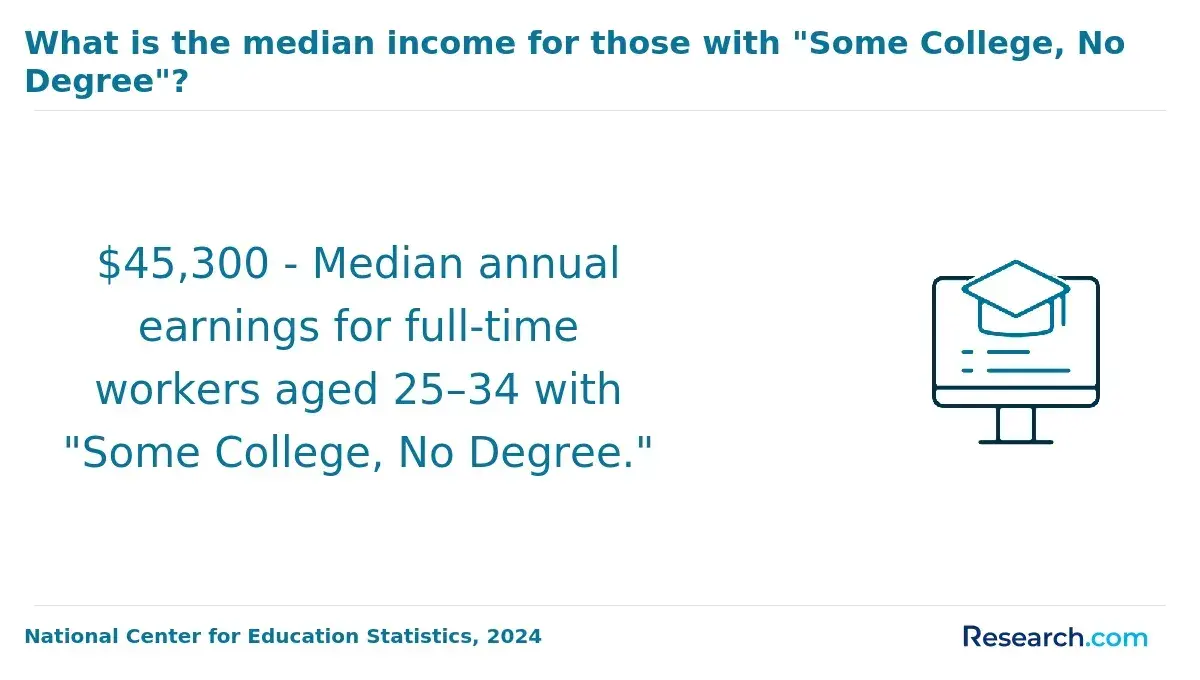
Most esports business master’s programs do not follow the fixed clinical-hour model used in fields such as counseling, nursing, or social work. Instead, they usually define experiential learning through internships, practicums, capstone projects, consulting work, or applied industry projects. When hour minimums exist, they are often tied to program design rather than a universal professional standard.
For programs that do require practicum hours, requirements are often between 100 and 300 hours. A recent 2024 industry report noted that about 65% of esports business graduate programs include a minimum of 150 practical hours. That level of commitment can affect course sequencing, employment plans, and graduation timing, especially if approved esports sites are limited or seasonal.
Students should not assume that “clinical hours” means the same thing across programs. In an esports business context, the term may refer to supervised applied work rather than direct patient or client care. In more specialized tracks, such as athlete wellness, coaching support, or performance services, clinical-style hours may involve stricter supervision, documentation, and ethical requirements.
Ask the program to clarify the following before you apply:
- whether the hours are called internship, practicum, clinical, fieldwork, or applied experience;
- whether hours must be completed in one semester or can be spread across terms;
- whether remote work counts toward the total;
- whether hours must be completed at an esports-specific site;
- whether prior work experience can reduce or replace required hours;
- whether a placement delay can postpone graduation.
One esports business master’s student described delaying an early practicum placement during a rolling admissions period because they were unsure how the placement would fit with later coursework. Waiting gave the student more time to prepare, but it also prolonged the graduation timeline. The lesson is straightforward: field hours are not only an academic requirement; they are a scheduling commitment that should be mapped before enrollment.
How Are Internship Placements Assigned in Esports Business Master's Programs?
Internship placements in esports business master’s programs are usually arranged in one of three ways: the school matches students with partner organizations, students secure their own internships for approval, or the program uses a hybrid model. Each approach has advantages and risks.
- University-matched placements: These can reduce the burden on students because the program already has employer relationships. They may also provide stronger academic oversight and clearer expectations. The tradeoff is that available sites may be limited, competitive, or concentrated in specific locations.
- Student-arranged placements: These offer more flexibility, especially for students who already work in esports, live far from major industry hubs, or need remote options. The risk is that the student must handle networking, applications, negotiation, and documentation. Approval can also take time if the site has not worked with the school before.
- Hybrid placement models: These programs provide leads, career support, or partner lists but still expect students to apply and interview. This model can work well when the school has a strong employer network but wants students to practice professional job-search skills.
According to a 2024 survey by the National Association of Esports Educators, approximately 72% of esports business graduate students receive placements through university partnerships. That makes institutional networks an important factor when comparing programs. A school with strong esports employer relationships may offer a smoother path to completion, while a school with weak placement support may leave students to compete independently for limited opportunities.
Location also matters. Students near esports hubs may have more access to in-person roles in events, production, operations, or team management. Students outside those markets should ask whether remote or hybrid internships are approved and whether those placements carry the same academic weight.
When reviewing placement support, use the same practical lens you would use for other online degree comparisons. For example, affordability-focused resources such as the most affordable online psychology degree can show how program cost, support services, and field requirements interact, even though esports business has different career outcomes.
Can Working Adults Complete Internships Part-Time?
Yes, some working adults can complete esports business internships part-time, but permission depends on the program, the employer, and the learning objectives. Students should confirm this before enrolling, not after the internship term begins.
Part-time internships are more common in programs that serve working professionals, offer online coursework, allow self-arranged placements, or accept remote project-based work. They are less common in cohort-based programs that require students to complete the same field experience at the same pace. Some employers also prefer full-time interns during tournaments, launches, campaigns, or live events because the work is time-sensitive.
The 2024 National Association of Colleges and Employers survey reported that 62% of employers are willing to consider part-time internships, provided the role has clear deliverables and the student can manage responsibilities under reduced hours. For esports business students, that usually means defining project scope carefully: campaign analysis, sponsorship research, social media reporting, community engagement support, event logistics, CRM cleanup, or content operations may be easier to complete part-time than travel-heavy event execution.
Working adults should ask these questions before accepting a placement:
- What is the minimum weekly hour commitment?
- Can hours be completed during evenings, weekends, or remote blocks?
- Will the program allow a longer placement period if weekly hours are lower?
- Does the employer understand the academic evaluation requirements?
- Will part-time status limit access to meaningful work or mentorship?
- Can current employment be adapted into an approved internship if it includes new learning objectives?
The main tradeoff is time. A part-time internship can protect income and reduce schedule conflict, but it may extend the practicum phase, delay graduation, or reduce exposure to high-intensity esports operations. One student reported delaying an application during a rolling admissions cycle until they confirmed employer support for a part-time internship. That early planning helped avoid a schedule crisis, but it also extended the student’s time to degree completion by a semester.
Do Internship Hours Count Toward Professional Licensure Requirements?
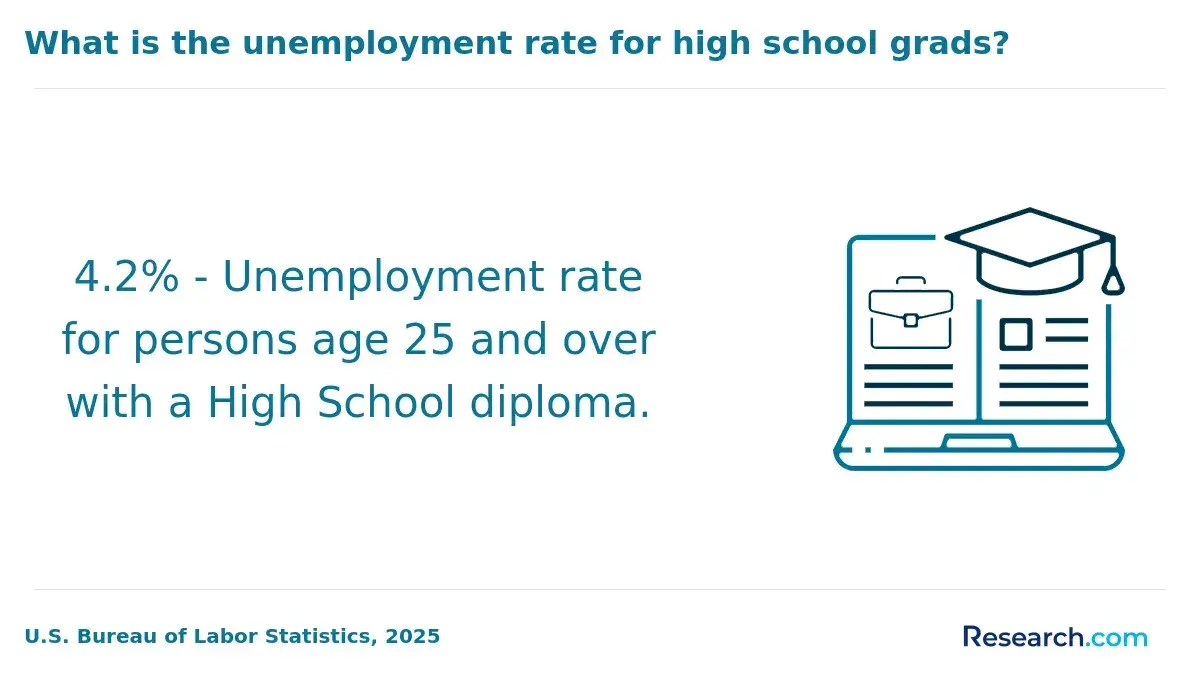
Internship hours from an esports business master’s program usually do not automatically count toward professional licensure. Esports business itself is not typically structured around one universal license. However, some students pursue adjacent roles in fields where credentialing, certification, or licensure may matter, such as health management, coaching, mental performance, counseling-adjacent services, analytics certifications, or digital marketing credentials.
Whether hours count depends on the rules of the specific credentialing body or licensing board. The internship must usually meet defined supervision standards, documentation requirements, competency areas, and evaluation procedures. Hours completed under a general business supervisor may not qualify for a regulated professional pathway, even if the work was valuable.
National Association of Colleges and Employers data notes that 87% of employers highly value internships, yet only 42% of credential bodies explicitly award licensure credit for them. That distinction is critical. An internship can improve employability without satisfying licensure requirements.
Students who hope to use field hours for a credential should take these steps before starting:
- identify the exact credential, certification, or license they plan to pursue;
- review the official rules from the licensing board or credentialing organization;
- confirm the required supervisor qualifications;
- ask the program whether its placement documentation has been accepted before;
- keep signed records of hours, duties, supervision, and evaluations;
- avoid assuming that a graduate internship will be accepted retroactively.
For students in traditional esports business roles, the more relevant question is often not licensure but credibility: did the internship produce measurable work, employer references, portfolio examples, and industry contacts? For students in regulated adjacent roles, licensure rules should be verified in writing before enrollment.
How Are Internship or Practicum Experiences Evaluated?
Internship and practicum evaluation in esports business master’s programs usually combines employer feedback, faculty review, student reflection, and evidence of completed work. The strongest evaluations measure both professional behavior and role-specific results.
A 2024 report from the National Association of Colleges and Employers indicates that nearly 80% of graduate internships now use layered evaluation frameworks that integrate self-assessment, employer feedback, and academic review. This approach is useful because esports roles often require a mix of business judgment, communication, technical fluency, and adaptability.
Common evaluation components include:
- Supervisor assessment: The site supervisor evaluates professionalism, reliability, communication, initiative, teamwork, and job-specific performance.
- Learning objectives: Students are assessed against goals approved at the start of the placement, such as sponsorship research, campaign execution, tournament logistics, fan engagement, or analytics reporting.
- Progress reports: Programs may require weekly or monthly updates documenting hours, tasks, problems, and learning outcomes.
- Reflective assignments: Students connect workplace experience to course concepts, ethical issues, leadership challenges, and industry trends.
- Portfolio or deliverables: Final evaluation may include event plans, marketing reports, dashboards, sponsorship decks, content calendars, post-event analyses, or other work products.
- Faculty review: The academic supervisor determines whether the placement met graduate-level expectations and program standards.
Students should be cautious of placements that offer a title but little supervision or substantive work. A weak internship can satisfy hours while adding little career value. Before accepting a role, ask what deliverables you will own, who will supervise you, how often feedback will occur, and whether the experience aligns with your target job.
What Challenges Do Students Face During Graduate Internships or Clinicals?
Graduate internships and clinical-style experiences can be valuable, but they also create pressure points that students should anticipate. The challenge is rarely just “getting experience.” It is getting the right experience under workable conditions while still completing graduate coursework.
- Limited placement availability: Esports is a specialized field, and quality internships may be concentrated in certain cities, organizations, seasons, or event cycles. Students who cannot relocate may have fewer options.
- Remote-work limitations: Some tasks can be done remotely, such as analytics, content planning, sponsorship research, or community management. Others, including live event operations and venue logistics, may require in-person availability.
- Inconsistent supervision: Startups, agencies, and event organizations may move quickly and have limited capacity to mentor interns. Students should not assume that a recognizable esports brand automatically provides strong training.
- Workload conflict: Internships may peak during tournaments, launches, campaigns, or weekends. This can collide with coursework, employment, family obligations, and capstone deadlines.
- Unclear role expectations: Some students expect strategic work but are assigned administrative tasks. Others are given high-stakes responsibilities before they feel prepared. Clear learning objectives reduce this mismatch.
- Financial strain: Unpaid or low-paid internships can be difficult for working adults and students with limited savings. Opportunity cost should be included in program planning.
- Performance anxiety: Students may feel pressure to convert the placement into a job offer. That pressure can be useful motivation, but it can also lead students to accept poor-fit roles without considering long-term goals.
According to a 2024 report by the National Association of Colleges and Employers, 38% of graduate interns in emerging tech fields report struggling to manage workload alongside academic and personal responsibilities during internships. Esports business students should treat that as a planning warning: placement quality matters, but so does sustainability.
To reduce risk, students should start conversations with advisors early, build a placement timeline, clarify acceptable sites, prepare application materials before the internship term, and ask current students or alumni about the real workload.
Do Internships Improve Job Placement After Graduation?
Internships can improve job placement after graduation, especially when they produce relevant work samples, references, and direct exposure to esports employers. The National Association of Colleges and Employers reports that graduates with at least one internship during graduate studies have a 23% higher likelihood of receiving full-time job offers within six months post-completion.
In esports business, this advantage is practical. Employers often want proof that a candidate understands live events, sponsorship expectations, community behavior, digital fan engagement, campaign metrics, brand partnerships, or the pace of tournament operations. A strong internship can demonstrate those abilities more clearly than coursework alone.
However, not every internship produces the same return. The employment value depends on:
- whether the host organization is respected in the student’s target niche;
- whether the student completed substantive work rather than only routine support tasks;
- whether the placement included mentorship and feedback;
- whether the student can explain measurable outcomes from the experience;
- whether the internship created references or hiring contacts;
- whether the local or remote job market has openings aligned with the student’s skills.
Students should also be realistic about tradeoffs. An unpaid internship may create access but add financial pressure. A remote practicum may be flexible but less connected to hiring pipelines. A high-profile placement may look impressive but offer narrow responsibilities. The best internship is not always the most recognizable one; it is the one that builds evidence for the job you want next.
Students exploring adjacent people-centered or digital engagement roles may also compare broader online pathways, such as an online human services degree, when evaluating how field experience, transfer credits, and career direction fit together.
How Can Students Choose a Program That Matches Their Career Goals and Schedule?
To choose the right esports business master’s program, start with the career outcome and work backward. A program with strong coursework but weak placement support may not serve a student who needs industry access. A program with an intensive internship may not fit a working adult who cannot reduce hours or relocate. The right fit balances academic quality, field experience, flexibility, cost, and career relevance.
- Match fieldwork to your target role: If you want tournament operations, prioritize programs with event partners. If you want sponsorship or marketing, look for placements involving campaigns, brand partnerships, analytics, or fan engagement. If you want athlete support, check whether the program has specialized supervision and clinical-style safeguards.
- Verify scheduling flexibility: Ask whether internships can be part-time, remote, hybrid, evening-based, or spread across more than one term. This is especially important for students who plan to keep full-time employment.
- Review placement responsibility: Determine whether the school assigns placements, provides leads, or expects students to find their own sites. Strong placement infrastructure can reduce completion risk.
- Check whether prior experience counts: Some programs may allow current employment, portfolio projects, or relevant professional experience to satisfy part of the applied requirement. Others require a new supervised placement regardless of background.
- Compare total cost, not only tuition: Include travel, reduced work hours, unpaid internship time, technology needs, and possible extra semesters if placement is delayed.
- Ask about employer relationships: Request examples of recent internship sites, practicum partners, and graduate outcomes. General career services are helpful, but esports-specific networks matter.
- Look at evaluation quality: A program should define learning objectives, supervisor expectations, faculty oversight, and deliverables. Vague fieldwork requirements can lead to inconsistent experiences.
The 2024 National Association of Colleges and Employers report highlights that 68% of employers prioritize internship experience, but students should not interpret that as a reason to choose the most demanding placement automatically. A demanding internship that conflicts with employment or delays graduation may not be the best option. A flexible practicum with strong deliverables may be more effective for a working professional.
Students comparing esports business with more licensure-driven fields should also note how different the decision process can be. For example, reviewing outcomes such as the certified child life specialist salary can help illustrate how supervised experience, credentialing, and employability interact in fields where formal requirements are more defined.
What Graduates Say About Internship, Practicum or Clinical Requirements for Esports Business Master's
- : "Coming out of the esports business master's program, I knew employers wanted more than classroom knowledge. I accepted an internship at a mid-sized esports agency even though it paid less than other options because I needed portfolio work and direct exposure to tournament operations. That decision helped me land a full-time role after graduation. The short-term salary tradeoff was difficult, but the experience gave me proof that I could do the work. —Pierce"
- : "My biggest concern was flexibility. I could not commit to a fully in-person placement, so I chose hybrid internship opportunities during my practicum. That choice let me show employers that I could communicate remotely, meet deadlines, and still contribute when occasional office presence was required. Salary growth was slower at first, but the network I built helped me move into better roles later. —Aryan"
- : "Because esports business does not follow a single traditional licensure path, I had to use my practicum to stand out. I took a challenging digital content internship even though there was no guaranteed job offer. The workload was steep, but it helped me understand that esports marketing fit my strengths better than the operations roles I had originally considered. The placement changed my career direction in a useful way. —Jonathan"
Other Things You Should Know About Esports Business Degrees
Paid internships often provide stronger financial support but may involve more routine tasks with less strategic responsibility, potentially limiting exposure to core esports business functions. Unpaid practicums might offer richer, hands-on project work aligned with industry trends but require balancing financial strain. Prioritize programs that clearly define responsibilities and offer mentorship regardless of pay, as learning depth and networking often outweigh immediate compensation in esports business contexts.
Local internships might provide easier access to in-person networking and real-time collaboration, which can be critical in esports where face-to-face industry connections often lead to job offers. However, remote positions, particularly with international esports organizations, can expose students to diverse market strategies and global operations. Consider your career goals: local internships suit entry into regional esports ecosystems, while remote roles may benefit those targeting multinational companies or niche sectors within esports business.
In 2027, intensive internship or practicum requirements in esports business master's programs can pose significant challenges to working professionals. Balancing a full-time job with demanding program requirements often necessitates time management skills, potential schedule adjustments, and employer support to meet mandatory hands-on academic experiences.
A structured practicum with defined goals, outcomes, and faculty oversight ensures alignment with esports business competencies and protects against irrelevant or administrative-only roles. Conversely, open-ended internships can offer great variety and self-direction but risk inconsistent experiences lacking industry relevance. For students aiming for strategic roles or leadership in esports business, structured practicums generally provide more reliable skill development and credible credentials valued by employers.
References
- Gen.G Practicum Abroad | Go Overseas https://www.gooverseas.com/internships-abroad/south-korea/program/426474
- Sports Management - Esports Management | Tiffin University https://www.tiffin.edu/academics/school-of-business/sports-management-esports-management/
- students | Activision https://careers.activision.com/early-careers
- Master’s Level Therapy Clinical Practicum - Internships https://www.fraser.org/internships/master-clinical-therapy
- Practicum vs. Internship: What’s the Difference? https://bayrivercolleges.ca/practicum-vs-internship-whats-the-difference/
- Internships at Mastercard https://careers.mastercard.com/us/en/internships
- TIPS (Training for Intervention ProcedureS) • Council for Prevention https://councilforprevention.org/tips/
- What Hours Count Toward Licensure for Mental Health Professionals https://tamarasuttle.com/what-hours-count-toward-licensure-for-mental-health-professionals/
- Esports - Minor https://www.sacredheart.edu/majors--programs/esports---minor/
- TIPS - Tłumaczenie na polski - bab.la https://pl.bab.la/slownik/angielski-polski/tips