2027 Job Placement Rates for Esports Business Master's Graduates: Employment Outcomes

Co-Founder and Chief Data Scientist
Choosing an esports business master’s program is not just an academic decision; it is a career-placement decision. The degree can help students move into esports marketing, event operations, sponsorship, team management, analytics, media partnerships, and related digital business roles, but outcomes vary widely by program network, location, internship access, and prior work experience.
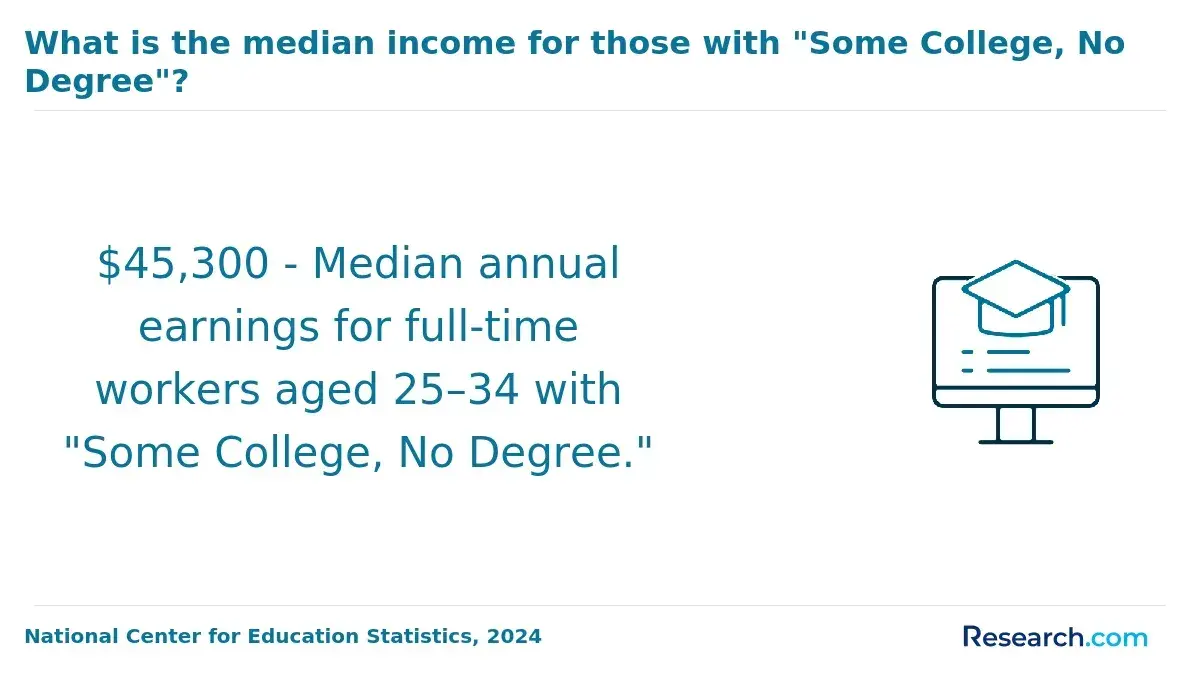
Job placement data in this field can be difficult to compare because schools may define “placed” differently. Some count full-time esports roles only, while others include part-time work, contract projects, unrelated employment, or continued education. A 2024 report from the National Center for Education Statistics also shows how flexible online graduate programs have expanded access for adult learners, which can help working professionals reenter or advance in the labor market more quickly when the program is well connected to employers.
This guide explains how to evaluate job placement rates for esports business master’s graduates, what sectors hire them, which job titles are most common, how salaries and location affect outcomes, and what program features are most likely to improve employment prospects.
Key Things to Know About the Job Placement Rates for Esports Business Master's Graduates
- Concentration in marketing versus operations within esports business influences employer demand sharply, with marketing-focused graduates seeing faster hires but facing steeper competition, reflecting workforce specialization tradeoffs.
- Geographic clustering in established esports hubs leads employers to prefer local graduates, making location a critical determinant of rapid employment and long-term network growth.
- Internship experience significantly improves job placement, yet limited availability delays degree completion for adult learners balancing cost and timing, highlighting access and opportunity constraints.
What Are the Typical Job Placement Rates for Esports Business Master's Graduates?
Typical job placement rates for esports business master’s graduates depend heavily on how each program defines a successful outcome. A graduate hired full time as an esports partnerships manager is not in the same position as a graduate doing short-term freelance social media work, even if both are counted as “employed” in a headline placement rate.
For this reason, prospective students should look beyond the percentage and examine the methodology. The strongest placement reports explain the survey window, response rate, job relevance, employment type, employer categories, and whether graduates pursuing additional education are included.
- Definition of placement: In many graduate outcome reports, placement means graduates are employed or enrolled in further education within 6 to 12 months after graduation. The most useful reports separate full-time esports-related jobs from part-time, contract, unrelated, or continuing-education outcomes.
- Measurement variability: Some programs count only field-aligned, full-time roles. Others include part-time work, temporary projects, self-employment, or unrelated jobs. These differences can make two programs with similar placement percentages very different in real career value.
- Baseline data context: NCES and BLS data for specialized business master’s graduates show full-time employment rates generally between 75% and 90% within a year. Esports-specific outcomes can be lower at first because the industry is still developing, hiring is competitive, and many roles are concentrated in a limited number of markets.
- Key factors behind stronger outcomes: Internship quality, alumni reach, employer partnerships, local esports industry maturity, and curriculum credibility all affect whether graduates move quickly into relevant work.
- How to read the numbers: Ask whether the rate reflects all graduates or only survey respondents, whether unpaid or freelance work is included, and whether the listed jobs are directly connected to esports business.
A placement rate is most useful when it tells you what kinds of jobs graduates actually get. Students comparing esports business with other fields can also review broader labor-market discussions of college majors to understand how specialized degrees perform against wider employment trends.
How Does Esports Business Master's Graduate Employment Compare to the National Average?
Esports business master’s graduates often fall within, and in some cases slightly above, the employment range reported for master’s graduates overall, but the comparison is imperfect. National data from the National Center for Education Statistics indicate that approximately 80% to 85% of master’s graduates find employment within six months to a year. Esports business graduates are most likely to match or exceed that range when they complete internships, study near active esports markets, and enter the program with some relevant business, media, sports, or technology experience.
The main difference is job specificity. A traditional business master’s may lead to broader management, finance, operations, or marketing roles across many industries. An esports business master’s is more targeted, which can be an advantage for students committed to gaming, live events, sponsorship, streaming, or digital media, but a limitation for those who want maximum flexibility.
| Comparison factor | Esports business master’s graduates | Broader master’s-level graduates |
| Employment range | Often near the 80% to 85% national range when programs have strong employer ties | Approximately 80% to 85% within six months to a year, according to national data |
| Job market | More concentrated in gaming, media, events, sponsorship, and digital platforms | Spread across many industries and occupations |
| Main advantage | Specialized knowledge of esports audiences, monetization, events, and partnerships | Broader transferability across business functions |
| Main risk | Fewer employers in regions without esports infrastructure | More competition from graduates with similar general business credentials |
- Employment rates: Graduates with industry exposure through internships, practicums, or employer-sponsored projects tend to transition faster than those relying only on coursework.
- Field demand: Esports creates roles that may not appear clearly in standard employment categories, including community growth, tournament operations, creator partnerships, and esports sponsorship strategy.
- Credential specificity: The specialized curriculum can strengthen applications for esports roles but may require careful positioning when applying to conventional business jobs.
- Regional labor markets: Urban areas with gaming studios, media companies, event venues, and esports organizations usually provide stronger placement options.
- Data comparability: BLS, NCES, and school-level reports may use different definitions of “employed,” so students should compare full-time, part-time, and field-relevant outcomes separately.
Which Industries and Sectors Hire the Most Esports Business Master's Graduates?
Esports business master’s graduates are hired most often in industries connected to gaming, digital entertainment, media, technology, events, sponsorship, and brand strategy. The degree is usually strongest when a student wants to work near the business side of competitive gaming rather than in a general corporate management role.
The best-fit sector depends on the student’s concentration, portfolio, internship record, and prior experience. A graduate with analytics training may target platform or audience-insights roles, while a student with event-management experience may be more competitive for tournament operations or venue-based positions.
- Technology: Gaming platforms, streaming services, software firms, and digital product companies hire graduates for roles in product coordination, market analysis, digital marketing, community strategy, and platform growth. Employers value candidates who understand esports audiences and revenue models.
- Entertainment and media: Esports leagues, production companies, broadcasters, content studios, and event organizers hire for event production, sponsorship activation, content planning, audience development, and partnership coordination.
- Private consulting: Consulting firms working in sports management, brand strategy, digital engagement, and market entry may hire graduates to advise clients on esports sponsorship, fan engagement, and monetization opportunities.
- Education: Universities, training organizations, and esports academies represent a smaller but growing employer group. Roles may involve program management, curriculum development, research coordination, or campus esports operations.
- Finance and sponsorship: Some graduates move into sponsorship valuation, market research, partnership negotiation, investment analysis, or brand portfolio support connected to esports properties.
Students who want broader business flexibility should build transferable skills in marketing analytics, finance, project management, sales, and operations rather than relying only on esports-specific coursework. Those still deciding between a specialized graduate route and a broader undergraduate business foundation may also compare options such as an online college business degree before committing to a niche pathway.
Prospective students should also evaluate whether a program’s internships and thesis or capstone projects align with their target sector. Students exploring shorter or more foundational options can review the best associate degrees to compare alternative routes into business, technology, and media fields.
What Types of Job Titles Do Esports Business Master's Graduates Most Commonly Hold?
Common job titles for esports business master’s graduates usually fall into marketing, operations, partnerships, program management, and business development. The same degree can lead to different levels of responsibility depending on whether the graduate is an early-career applicant, a career changer, or an experienced professional using the master’s degree to move into leadership.
Recent graduates often begin in coordinator, associate, analyst, or specialist roles. Graduates with prior experience in sports, media, entertainment, technology, or business may be more competitive for manager-level positions soon after graduation.
- Esports Marketing Coordinator: Supports campaign planning, digital engagement, social media execution, fan communication, and brand-growth initiatives for teams, events, platforms, or sponsors.
- Player Development Manager: Works with talent pipelines, player support, training logistics, organizational communication, and athlete-development initiatives. This role is more common for candidates with experience in team operations or sports management.
- Event Operations Specialist: Coordinates live or streamed tournament logistics, vendors, schedules, venues, production needs, compliance requirements, and participant experience.
- Business Development Associate: Helps identify sponsorship prospects, build partnership proposals, support sales pipelines, and expand revenue opportunities.
- Esports Program Director: A senior-level role usually suited to experienced professionals. Responsibilities may include strategic planning, budget oversight, staff supervision, stakeholder management, and long-term program growth.
Students should search job boards using multiple title variations because esports employers do not use one standardized naming system. A role labeled “partnerships coordinator,” “gaming community manager,” or “digital events specialist” may require the same skills as a position with “esports” in the title.
One practical lesson from graduates is that timing matters. Applicants who wait until after graduation to begin networking often lose ground to classmates who started informational interviews, portfolio work, and internship applications months earlier. In a relationship-driven field, early preparation can matter as much as the credential itself.
How Soon After Graduation Do Esports Business Master's Graduates Typically Find Employment?
Many esports business master’s graduates receive their first formal job offers within three to six months after completing the degree, but timelines vary. Students with internships, employer referrals, strong portfolios, and geographic flexibility often move faster. Career changers and students in regions with fewer esports employers may need more time.
When reviewing placement data, distinguish between time-to-offer and time-to-start. A graduate may accept a job quickly but begin later because of onboarding, contract timing, event calendars, or relocation. Some schools also count students who accepted jobs before graduation, which can make outcomes look faster than the experience of students beginning the search after completing the program.
- Measurement windows: Outcomes may be reported at three months, six months, or a year. Shorter windows can favor programs with pre-graduation recruiting pipelines, while longer windows may better capture career changers.
- Industry sector: Graduates targeting esports hubs, gaming media, streaming platforms, or allied digital-business roles may find openings sooner than those pursuing a narrow type of team-based role.
- Geographic location: Relocating to markets in North America or Europe can expand opportunities, but it also increases competition and may add time for housing, visas, or local networking.
- Program concentration: Marketing, analytics, event operations, sponsorship, and business development tracks may produce different timelines depending on employer demand.
- Internship experience: Students who complete substantial internships often have references, portfolio evidence, and employer contacts before graduation.
- Employer perception: Programs with rigorous capstones, recognized faculty, and active industry partnerships can reduce employer uncertainty and speed up interviews.
A realistic job-search plan should start before the final term. Students should identify target employers, build a portfolio of campaign plans or event projects, attend industry events, and request introductions through faculty and alumni before graduation.
What Is the Average Salary for Esports Business Master's Graduates in Their First Job?
Starting salaries for esports business master’s graduates vary widely because the field includes large technology companies, media firms, esports teams, event organizers, startups, nonprofits, universities, and consulting groups. A graduate hired by a major esports-adjacent technology or media employer in Los Angeles may earn more than a graduate working for a grassroots esports organization in a smaller city, even if both hold the same degree.
Students should be cautious with any single “average salary” figure. Salary reports often rely on self-reported data from graduates who respond to surveys, and those responses may overrepresent certain employers, regions, or job types.
- Industry sector: Established esports companies, technology firms, and media organizations generally have more salary capacity than smaller teams, community programs, or early-stage organizations.
- Geographic region: Graduates in esports centers such as Los Angeles, New York, and London may see higher offers, but higher cost of living can reduce the real advantage.
- Program selectivity: A selective or well-networked program may improve access to recruiters and competitive offers, but it does not guarantee a high starting salary.
- Career changers vs. practitioners: Students entering esports from unrelated fields may start in lower-level roles while building sector experience. Professionals already working in gaming, sports, media, or business may use the degree to accelerate advancement.
- Salary data sources: Students should compare school reports with BLS Occupational Employment and Wage Statistics, NACE surveys, employer job postings, and alumni outcomes to avoid relying on one incomplete source.
Students evaluating entry-level salaries should also consider benefits, remote-work flexibility, bonus potential, event travel, contract stability, and career-growth pathways. Those comparing graduate degrees across different fields may find it useful to review alternatives such as an accelerated master's in counseling, where job placement patterns and compensation structures differ significantly.
How Do Esports Business Master's Program Rankings Affect Graduate Employment Outcomes?
Program rankings can be useful as a starting point, but they should not be treated as a reliable predictor of employment outcomes. In esports business, employer access, internships, alumni connections, faculty industry experience, and location often matter more than a program’s position on a ranking list.
A highly ranked program in a region with few esports employers may provide less direct hiring access than a moderately ranked program located near gaming companies, event producers, media firms, or esports organizations. Employers usually care most about whether the candidate can contribute immediately, understand the esports market, and show evidence of practical work.
- Ranking limitations: Rankings may emphasize selectivity, reputation, student satisfaction, or academic resources, but they often do not measure internship quality, employer pipelines, or field-specific job relevance.
- Location: Programs near esports clusters can offer more networking events, guest speakers, internships, and direct recruiting opportunities.
- Alumni network strength: Active alumni can provide referrals, mentorship, job leads, and realistic insight into hiring expectations.
- Employer partnerships: Formal relationships with esports firms, media companies, event operators, and sponsors can create stronger pathways into relevant roles.
- Concentration availability: Tracks in esports marketing, event management, analytics, sponsorship, or digital media can align the degree with specific employer needs.
- Outcome data transparency: Programs that publish job titles, employer types, salary ranges, and survey methods give applicants more useful information than rankings alone.
A smart approach is to use rankings as one filter, then verify career evidence directly. Ask admissions staff for recent employer lists, internship sites, placement methodology, alumni contacts, and examples of capstone projects. In a field that changes quickly, a program’s live industry connections may be more valuable than its public prestige.
What Role Does Geographic Location Play in Esports Business Master's Graduate Job Placement?
Geographic location plays a major role in job placement for esports business master’s graduates. Programs near active esports, gaming, media, and technology markets can offer better access to internships, industry events, alumni contacts, and employers that recruit locally.
A student studying near dense esports ecosystems such as California or Texas may have more frequent access to guest speakers, employer projects, internship interviews, and networking events. That local exposure can shorten the job search and improve the quality of the first role. Students outside major markets can still succeed, especially in online or hybrid programs, but they may need a more deliberate networking and relocation strategy.
- Access: Programs near large esports and gaming clusters are more likely to connect students with local employers, events, and internships.
- Network: Proximity helps students build relationships with alumni, recruiters, faculty contacts, and industry professionals before graduation.
- Salary: Pay can be higher in esports hotspots, but students should compare compensation against cost of living and relocation expenses.
- Relocation challenges: Graduates who move after completing the degree may face longer searches because they lack local internship history and informal employer relationships.
- Program-employer alignment: Regional programs with established employer partnerships can create more direct pathways into local organizations.
- Geographic flexibility: Students willing to relocate should compare programs based on where graduates are hired, not only where the school is located.
- Geographically fixed students: Students who cannot move should prioritize programs with documented local employer engagement, remote internship options, and alumni working in their region.
Many esports business master’s applicants begin their job search before graduation and time applications around employer hiring cycles. That makes location, employer interaction, and access to in-program internships especially important.
Location also matters across other professional programs. Students comparing how regional markets shape degree value can review examples from fields such as architecture programs online, where access to employers, licensure pathways, and local demand can also affect career outcomes.
How Do Internship and Practicum Experiences Influence Esports Business Master's Employment Rates?
Internships and practicums are among the strongest predictors of employment outcomes in esports business master’s programs. They give students evidence of applied skills, references from industry supervisors, and a clearer understanding of how esports organizations actually operate.
Coursework can teach sponsorship strategy, event planning, analytics, and business models, but employers often want proof that a candidate can work under real timelines, communicate with stakeholders, solve operational problems, and adapt to live-event or digital-campaign demands. A practicum with a major esports event organizer, for example, can become a portfolio asset that is directly relevant in interviews.
- Industry sector: Placements with esports teams, event companies, streaming platforms, gaming publishers, media firms, or sponsors tend to be more valuable than generic business internships with little esports exposure.
- Geographic location: Internships in esports hubs can provide stronger networking opportunities and more direct access to full-time openings.
- Program concentration: Practicums tied to esports analytics, game publishing, event operations, sponsorship, or marketing make a student’s skills easier for employers to evaluate.
- Employer perception: Work-integrated learning lowers hiring risk because employers can see how a candidate performs in a practical setting.
- Time to employment: Graduates who complete relevant internships usually secure employment within six months because they enter the market with experience, contacts, and clearer job targets.
When comparing programs, students should ask more than whether an internship is required. The better question is whether the program helps students secure high-quality placements, supervises the experience, connects it to academic goals, and uses employer feedback to improve the curriculum.
Students should also ask whether internships are paid, remote, local, competitive, guaranteed, or student-arranged. These details affect both affordability and placement value.
For readers comparing how postgraduate credentials influence job entry and compensation in other professional fields, resources on degrees for paralegals can provide a useful point of contrast.
What Career Services and Job Placement Support Do Esports Business Master's Programs Offer?
Career services can make a significant difference in esports business employment outcomes, but only when they are specific to the industry. Generic resume reviews and broad job-board access are not enough for a field where many opportunities come through networking, internships, events, referrals, and employer familiarity with a program.
Strong career support usually signals that the program is connected to the esports business ecosystem. This is especially important for career changers, online students, and adult learners who may not already have contacts in gaming, sports, media, or digital entertainment.
For example, a recent esports business graduate using on-campus recruiting partnerships may move into industry roles at salaries above the reported median of $68,000, while peers who rely only on public job boards may face a longer search. The quality of advising matters: students benefit more from coaches who understand esports hiring cycles, job titles, portfolios, and employer expectations.
- Dedicated career advising: Advisors with esports business knowledge can help students target realistic roles, position transferable skills, and build a job-search plan around the right employers.
- Employer recruiting events: Industry-specific career fairs, guest panels, pitch events, and networking sessions can provide direct access to hiring managers.
- Alumni mentorship platforms: Alumni can offer referrals, portfolio feedback, salary insight, and advice on which roles are most suitable for new graduates.
- Resume and interview coaching: Effective coaching should focus on esports-specific evidence, such as campaign results, event budgets, sponsorship proposals, analytics dashboards, or community-growth projects.
- On-campus recruiting partnerships: Formal relationships with esports employers can create structured internship and hiring pathways that are difficult for students to build alone.
Before enrolling, ask programs for evidence: what percentage of students use career services, how many secure internships through the school, which employers recruit from the program, and how outcomes differ for online, part-time, and full-time students. Strong programs should be able to discuss these points clearly.
What Graduates Say About the Job Placement Rates for Esports Business Master's Graduates
- Pierce: "Balancing full-time work with graduate study was difficult, so I chose the part-time esports business master’s program for flexibility. I did not want to leave my job, but I needed stronger business and marketing skills. Salary growth has been steady rather than immediate, yet the portfolio I built during the program helped me land a marketing coordinator role focused on esports events."
- Aryan: "I was changing careers in my late twenties, so I had to be careful about the cost and the likely return. I chose the program because of its internship access, and that turned out to be the most valuable part. My first roles were not high-paying, but the hands-on experience helped me qualify for remote esports work and build industry contacts."
- Jonathan: "With family and work responsibilities, I needed an accelerated program with practical case studies. The pace was demanding, but the internship gave me a much clearer understanding of sponsorship strategy and employer expectations. I did not move directly into a senior role, but certifications, networking, and applied project work helped me keep advancing in the esports community."
Other Things You Should Know About Esports Business Degrees
In 2027, graduates specializing in esports management and marketing see higher placement rates, around 85%, compared to those focusing on academic research areas, who average 70%. Specializations offering practical industry skills tend to yield more favorable job outcomes.
Many employers in the esports industry still weigh practical experience and network connections more heavily than the formal esports business credential alone. While the master's degree signals advanced knowledge and commitment, candidates lacking internships or concrete project experience often struggle against those with demonstrable industry involvement.
For job seekers, this underscores the importance of programs offering robust experiential learning components or direct employer engagement. Without these, the degree may carry less weight, especially for entry-level roles.
On-campus esports business programs generally report higher immediate job placement rates, largely due to stronger networking opportunities, access to campus recruitment events, and more immersive cohort experiences.
Online programs can provide flexibility but frequently face challenges delivering equivalent employer connections and hands-on learning, leading to longer job searches on average. Candidates should weigh the convenience of online study against the potential advantage of face-to-face interactions when quicker employment is a priority.
Prospective students should ask for detailed placement statistics broken down by specialization, time-to-employment averages, and how recently graduates found jobs in esports versus adjacent industries. Inquire whether the program tracks salary ranges and employer types to assess economic outcomes realistically.
Importantly, students should request information on internship placement rates and employer partnerships, as these heavily influence job prospects. Programs transparent about these metrics typically offer a clearer picture of what graduates can expect.
References
- Average salary of a master's degree | edX https://www.edx.org/resources/average-salary-of-a-masters-degree
- The Careers & Corporate Relations service | PSB https://www.psbedu.paris/en/student-services/career-services
- How to get into eSports with an MBA - MBAGRADSCHOOLS https://mbagradschools.com/mba-jobs/esports-mba
- Career Services - Rome Business School https://romebusinessschool.com/career-services/
- Making graduate outcomes a strategic priority - Studyportals https://studyportals.com/articles/making-graduate-outcomes-a-strategic-priority/
- 15 Job roles after a master's in international business management | Master's in management Jobs https://www.gisma.com/blog/15-job-roles-after-masters-in-international-business
- Graduate Employment Outcomes: ACG vs Government Data https://iei.asiacareersgroup.com/blogs/articles/graduate-employment-outcomes-acg-vs-government-data
- What salaries do ENAE Master's graduates earn? https://www.enae.com/blog/what-salaries-do-enae-masters-graduates-earn
- Explore Career Pathways in Esports https://britishesports.org/esports-and-education/career-pathways/
- The Effect of Internships on Graduates’ Employability, Soft Skills, and Digital Competence https://www.edupij.com/index/arsiv/78/677/the-effect-of-internships-on-graduates-employability-soft-skills-and-digital-competence