2027 Conditional Admission Applied Psychology Master's Programs

Co-Founder and Chief Data Scientist
Conditional admission pathways in applied psychology master's programs address nuanced challenges in graduate admissions, including academic preparedness and evidence of potential beyond standard criteria. Institutions often use these pathways to balance enrollment goals with maintaining program rigor, requiring students to meet specific benchmarks post-enrollment, such as completing prerequisite coursework or achieving minimum grades.
Recent trends show a growing emphasis on holistic evaluation amid competitive applicant pools and shifting demographic profiles, prompting some programs to formalize conditional options to manage risk while providing access. This article offers a detailed analysis of these conditional policies, their academic and admissions requirements, and the implications for career trajectories in applied psychology fields.
Key Benefits of Conditional Admission Applied Psychology Master's Programs
- Conditional admission often requires completing prerequisite coursework, which can extend program duration by up to 30%, affecting both time-to-degree and tuition costs and necessitating careful financial and scheduling planning.
- A 2024 workforce survey found 42% of employers prioritize demonstrated academic rigor over admission status, indicating conditional admits must exceed baseline expectations to remain competitive in psychology roles.
- Conditional status signals a need for academic adjustment, which may limit early access to advanced research projects, delaying skill acquisition critical for certain applied psychology career trajectories.
What Is Conditional Admission in a Applied Psychology Master's Program?
Conditional admission in an applied psychology master's program functions as a structured entry pathway for students who may not meet all standard requirements but demonstrate potential through other academic or experiential factors. This status typically requires candidates to satisfy specific academic, language, or prerequisite coursework within a defined timeframe before being granted full program standing.
The conditional admission process in applied psychology master's programs often includes clear progression benchmarks such as maintaining a minimum GPA or completing foundational courses that establish readiness for advanced study. This approach allows applicants without a traditional undergraduate background in psychology to begin graduate-level work under monitored conditions.
Institutions implement conditional admission policies to uphold rigorous academic standards while broadening access to graduate education, accommodating diverse applicant profiles without diluting program quality. These policies reflect a balance between inclusivity and accountability, ensuring students who enter provisionally can demonstrate the competencies necessary for success and degree completion.
According to a report by the Council of Graduate Schools, a growing share of master's applicants in psychology-related fields enter via conditional or provisional status, underscoring its role as a viable alternative pathway.
For students navigating the requirements for conditional admission to applied psychology graduate programs, informed academic planning and awareness of performance expectations are essential to transition effectively and sustain momentum toward professional qualification and licensure in applied psychology careers. Exploring flexible options through online nursing degrees and similar fields can also provide insight into how conditional admissions function across disciplines.
Who Qualifies for Conditional Admission to a Applied Psychology Master's Program?
Conditional admission functions as a deliberate academic evaluation period rather than a simple acceptance or denial. Institutions offering it aim to recognize applicants who exhibit potential but require targeted preparation to meet the demands of applied psychology graduate-level study. This approach addresses varying gaps in academic record or professional background while keeping candidates under monitored conditions to ensure they align with program standards.
- Applicants with Marginal Undergraduate GPA: Candidates whose undergraduate GPA falls just below the program's minimum threshold may be admitted conditionally to demonstrate they can maintain graduate-level performance. This mitigates risk for programs while offering a probationary period to prove academic readiness.
- Non-Psychology Degree Holders with Relevant Experience: Those lacking a traditional psychology background but possessing degrees in related fields-such as sociology, education, or health sciences-often qualify if they commit to bridge courses or foundational exams. This reflects an institutional recognition that potential mastery can come through alternative disciplinary routes.
- Students with Incomplete Prerequisites: Conditional status applies to applicants who have not finished key prerequisite coursework but show promise. They typically must complete these courses concurrently or early in their studies, ensuring essential knowledge without delaying program progression indefinitely.
- Individuals with Academic Interruptions or Low Standardized Scores: Candidates who experienced disruptions in their academic timeline or scored below average on standardized tests like the GRE can still gain entry through conditional admission. This pathway emphasizes flexibility while maintaining academic benchmarks to preserve program integrity.
- Career Changers with Relevant Skills: Professionals transitioning from related careers but lacking formal credentials may be given conditional offers contingent on meeting structured performance goals. This balances workforce demands for applied skills with academic rigor.
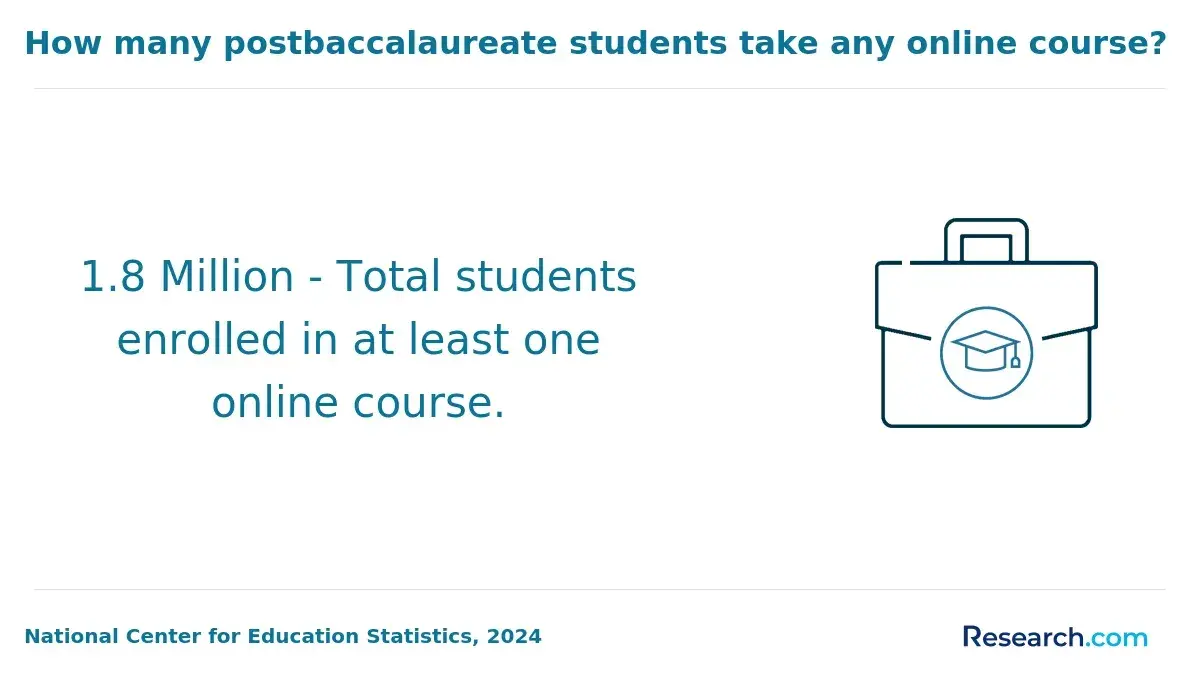
According to the National Center for Education Statistics' 2024 data, nearly 12% of graduate applicants in behavioral sciences enter programs under conditional or provisional status, demonstrating that this pathway is increasingly instrumental in widening access while safeguarding standards.
One applied psychology graduate recalled the prolonged uncertainty inherent to conditional admission decisions during rolling admissions. Facing late notification, the student hesitated to accept an offer prematurely, weighing the likelihood of meeting conditional terms against other options.
Navigating this timing challenge required strategic planning to maintain eligibility and financial readiness. The experience underscored how conditional admission situates applicants in a balance of opportunity and risk-demanding careful decision-making amid program expectations and personal circumstances.
Why Are Students Placed on Conditional Admission?
Conditional admission in applied psychology master's programs arises when admissions committees recognize applicants who demonstrate potential but do not fully satisfy all entry benchmarks such as minimum GPA thresholds, prerequisite courses, or standardized test scores. For example, a 2024 survey of psychology graduate admissions found that about 15% of applicants with GPAs between 2.7 and 3.0 were admitted conditionally with specific academic requirements.
This pathway reflects an attempt to balance inclusivity with academic preparedness, identifying candidates who, despite some deficits, show promise of success contingent on remedial or supplementary work before full acceptance.
Institutions use conditional admission as a means to uphold academic standards while expanding access and accommodating diverse educational backgrounds in applied psychology. By setting provisional requirements, programs create flexibility in enrollment decisions without compromising rigor, ensuring students meet discipline-specific competencies critical for graduate-level research and practice.
This approach also responds to evolving workforce demands and greater demand across healthcare and social service systems for applied psychology skills, enabling universities to maintain a robust pipeline of qualified graduates.
Functionally, conditional admission acts as a diagnostic and support tool that helps universities assess individual readiness gaps early in the program, offering structured academic plans, monitoring, and mentorship to guide students toward full standing.
Failure to meet these benchmarks often results in dismissal or delayed progression, which underscores the heightened accountability this status requires. For prospective students balancing external commitments, this pathway demands clear strategic planning to navigate academic challenges and leverage institutional resources effectively for long-term employability in applied psychology fields.
What Conditions Must Students Meet After Receiving Conditional Admission?
Conditional admission requirements for applied psychology master's programs function as structured academic benchmarks, not mere formalities. They represent institutional efforts to verify that students can bridge gaps in foundational knowledge or administrative compliance before full program integration. These conditions help ensure that candidates develop the necessary capabilities to handle the academic rigor and specialized demands that graduate-level applied psychology study entails.
- Completion of Prerequisite Coursework: Candidates often must finish designated foundational classes-such as statistics, research methods, or introductory psychology-within an initial timeframe. This ensures the student acquires critical theoretical and methodological skills that support success in advanced applied psychology topics.
- Maintenance of a Minimum GPA: Maintaining a minimum grade point average, frequently around 3.0, during the conditional period serves as a quantitative measure of academic adjustment and potential. It signals to faculty that the student can meet graduate academic standards consistently.
- Submission of Required Documentation: Administrative follow-ups like submitting official transcripts, GRE scores, or proof of professional experience validate readiness and eligibility. These elements confirm prior learning and clarify any outstanding discrepancies in the admission dossier, facilitating transparent progress assessments.
- Development and Adherence to an Academic Plan: Students may need to collaborate with advisors to create a plan addressing knowledge gaps and timeline goals. This plan operates as a personalized roadmap, helping both the institution and student monitor academic trajectory toward full acceptance.
- Periodic Progress Evaluations: Institutions frequently require progress reports or milestone completions to assess ongoing eligibility. Failure to meet such checkpoints often results in dismissal, reflecting the high stakes imposed by these standards to protect program quality and resource investment.
These conditions collectively underscore a program's commitment to maintaining rigorous academic progress criteria after conditional admission in applied psychology. According to recent data from the National Center for Education Statistics, programs that enforce strict conditional metrics see higher graduate retention and completion rates, highlighting the importance of these benchmarks in successful academic transitions.
While conditional admission provides an alternative pathway, candidates should weigh the accelerated performance pressure and the need for swift academic adaptation against long-term employability. Many employers value degree completion but may interpret conditional admission as an early signal of academic difficulty.
Prospective students are advised to realistically appraise their readiness and seek guidance on navigating these requirements, balancing immediate challenges with the goal of establishing stable credentials in applied psychology. Those considering these paths should also explore related jobs with a biology degree as part of a broader strategy for workforce integration and career planning.
Are Online Applied Psychology Master's Programs Available With Conditional Admission?
Numerous online applied psychology master's programs extend conditional admission to applicants who do not fully meet traditional criteria, though specifics differ widely according to institutional policies, program intensity, and accreditation rules. These conditional pathways usually require students to meet targeted academic thresholds during a probationary period, such as maintaining a set GPA or completing prerequisite coursework.
Program designs vary, with some emphasizing immediate performance benchmarks while others allow extended timelines to demonstrate readiness. According to recent data from the National Center for Education Statistics, roughly 18% of online graduate psychology programs incorporate conditional admission, reflecting a cautious but growing acceptance of flexible entry within the field.
Online programs are well-positioned to implement conditional admission because their structural flexibility accommodates modular learning and paced progression, which helps students address initial academic gaps without losing access to graduate studies. Remote support tools such as virtual tutoring and advising enhance the feasibility of conditional pathways by facilitating intervention and guidance during critical periods.
This arrangement permits institutions to preserve academic rigor and completion standards while broadening access to non-traditional learners who might otherwise be excluded by rigid admissions. Ultimately, conditional admission in online applied psychology programs functions as a calibrated mechanism that balances inclusivity with the consistent demonstration of competencies required for professional and academic advancement.
One graduate recalled navigating conditional admission after receiving a deferred decision late in the application cycle. Faced with limited time to submit additional transcripts and test scores, the student weighed the risk of delaying enrollment against the uncertainty of meeting probation benchmarks after admission.
Strategic prioritization of foundational courses during the first term became essential, but the flexibility of the online format allowed adjustments in scheduling and pacing.
Looking back, the individual emphasized that the conditional offer provided a critical if imperfect opportunity-an opening that required persistence and careful planning rather than an outright immediate acceptance or rejection. This nuanced experience underscores the complex timing and preparation dynamics involved with conditional admissions in online applied psychology master's pathways.
What Support Resources Are Available for Conditionally Admitted Students?
Support resources for conditionally admitted applied psychology master's students are integral components of their academic pathway rather than optional supplements. These interventions are intentionally structured to mitigate educational readiness gaps that surfaced during admissions evaluations, ensuring students can transition successfully into full graduate standing.
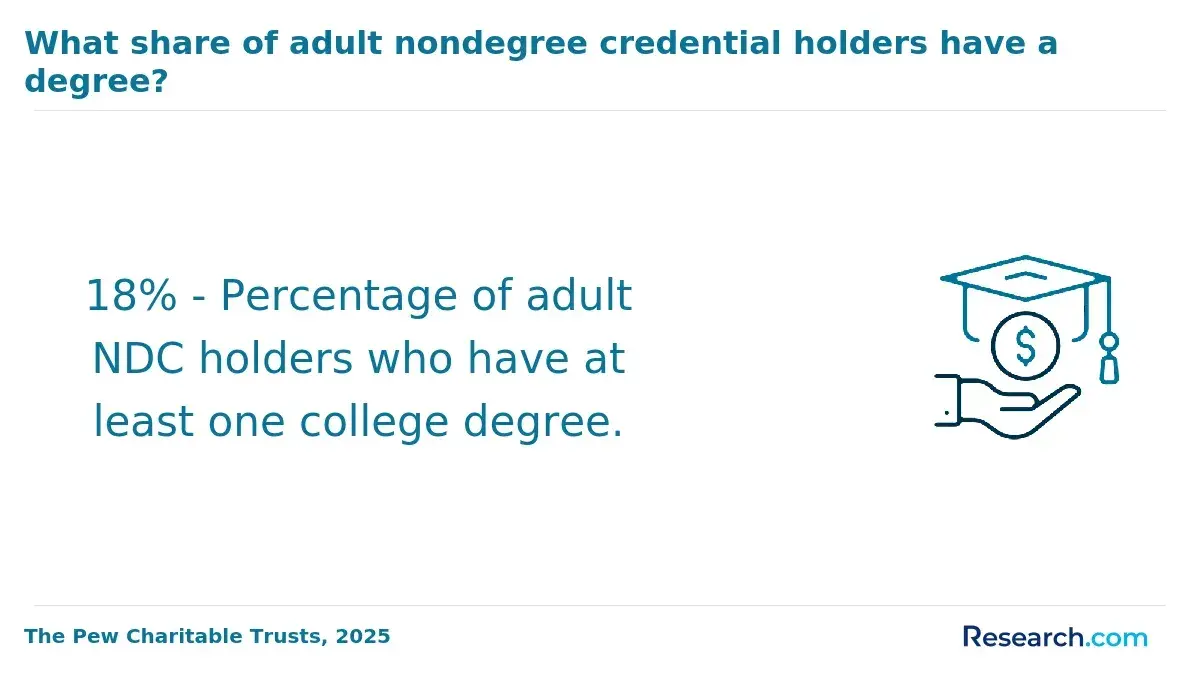
This framework is grounded in the understanding that students entering through conditional admission often require coordinated academic and administrative scaffolding to meet the program's rigorous demands. A 2024 report from the National Center for Education Statistics indicates that about 82% of institutions with conditional admissions assign specialized advisors, reflecting systemic efforts to embed these resources deeply into the student experience and academic progression.
Common resources include tailored academic advising that specifically targets areas of deficiency identified at admission, such as research proficiency, statistical reasoning, or professional writing. Programs often provide mandatory workshops and foundational courses designed to close knowledge gaps and build essential skills like data literacy, which many employers now see as critical in applied psychology roles.
Additional supports such as tutoring, writing assistance, and peer mentoring further reinforce student progress, transforming conditional admission support services for applied psychology graduate students into a cohesive success network rather than a fragmented set of offerings. These elements collectively reduce the risk of early academic failure and promote long-term retention.
Institutions emphasize these supports not only to improve immediate academic outcomes but also to enhance equity by enabling students with diverse educational backgrounds to meet consistent program standards. The administrative mechanisms tied to conditional admission-regular progress reviews, milestone tracking, and probation criteria-function as accountability and support tools, leading to a 15% higher retention rate in actively engaged students, according to the Council of Graduate Schools.
This systemic approach aligns with workforce expectations by pairing academic skill development with career-ready competencies, an increasingly important combination as applied psychology graduates must demonstrate practical, data-informed capabilities.
For students evaluating their readiness and alternatives, exploring related pathways, such as a 4-week medical assistant program online, can also provide a practical credential that complements applied psychology education in interdisciplinary healthcare contexts.
How Do Conditional Admission Programs Affect Graduation Timelines?
Conditional admission in applied psychology master's programs typically lengthens graduation timelines due to the need for students to meet specific academic readiness requirements. These often include prerequisite courses or competency demonstrations that must be satisfied either prior to or alongside standard graduate coursework.
The added academic load can hinder students' ability to enroll full-time in advanced subjects, resulting in a more extended and carefully phased progression through the curriculum. Data from the 2024 National Center for Education Statistics reveals that students admitted under such conditions take approximately 15% longer to finish their degrees compared to those admitted directly, largely reflecting the time spent on foundational remediation and academic monitoring.
The impact of conditional admission on time-to-degree varies significantly depending on how institutions structure their programs. Some programs integrate prerequisite courses within the master's curriculum, allowing concurrent progression but often increasing semester credit loads or stretching the program's duration.
Others require these courses fully completed before granting full admission, which can delay official program start but streamline graduate-level studies. Additionally, institutional policies on academic assessment and conditional status maintenance can prolong study periods if students need to repeatedly meet evolving standards. These structural differences shape students' pacing and workload management throughout their graduate studies.
Extended timelines resulting from conditional admission carry practical consequences beyond academic scheduling. Students often face higher tuition expenses and possibly greater financial strain due to longer enrollment periods. Balancing remedial coursework with degree requirements can also challenge time management, especially for those juggling personal or professional obligations.
Furthermore, delayed graduation may postpone eligibility for licensure or certification in psychology-related fields, complicating workforce entry at the planned timeline. Understanding these factors is critical for conditional admits to strategically plan their academic pathway and anticipate realistic milestones within their career trajectories.
Do Conditional Admission Programs Cost More Than Standard Admission Pathways?
Conditional admission programs for applied psychology master's degrees generally do not impose higher direct tuition costs compared to standard admission routes, as most universities set tuition based on credit hours or flat-rate program fees that apply uniformly regardless of admission status.
Institutions rarely charge explicit fees for conditional admission itself; instead, the financial impact emerges primarily through additional academic requirements tied to conditional status. These may include prerequisite courses, foundational modules, or mandatory assessments which increase the total number of credits a student must complete, thereby elevating overall tuition expenses even if the per-credit cost remains unchanged.
According to 2024 tuition data from sources like the U.S. Department of Education College Scorecard and EducationData, master's programs in applied psychology typically charge between $500 and $1,200 per credit hour, depending on the institution's selectivity and public or private designation.
Full program costs usually range from approximately $15,000 to $45,000 for standard admission students completing the degree within the expected timeframe. For conditionally admitted students, the necessity of additional prerequisite coursework can inflate these baseline figures, as extra credits extend study duration and accumulate further tuition charges beyond the standard curriculum requirements.
Beyond tuition, the indirect financial consequences of conditional admission often include prolonged time-to-degree completion, potentially delaying entry into the workforce and resulting in foregone earnings. When students must spend extra semesters or summer terms fulfilling conditional criteria, the cumulative burden encompasses not only additional tuition but also housing, fees, and opportunity costs.
A prudent approach involves evaluating total cost of attendance with careful consideration of these extended academic timelines rather than focusing narrowly on per-credit tuition differences. Understanding these structural factors is essential for prospective students weighing conditional admission pathways against their financial and professional goals.
Does Conditional Admission Affect Career Opportunities After Graduation?
Conditional admission typically does not appear on transcripts or diplomas awarded by applied psychology master's programs, meaning the initial admission status rarely factors into employer evaluations.
Hiring decisions in this field emphasize the completion of degree requirements and demonstrated professional competencies rather than admission pathways.
Evidence from the National Center for Education Statistics shows that 85% of graduates who entered through conditional admission secured employment within six months of graduation, a rate nearly equivalent to students admitted without conditions. This parity highlights that employer perception tends to discount conditional admission when assessing candidates for applied psychology roles, focusing instead on verified academic credentials and skills.
Indirect effects of conditional admission merit closer consideration, particularly regarding how prerequisite coursework or additional academic support might influence early career readiness and development of practical skills. Students admitted conditionally may face higher academic pressures, which can affect their capacity to engage in internships or professional certifications that are highly valued in applied psychology hiring.
Ultimately, labor market signaling in this sector is most effectively communicated through portfolios, experiential learning, and recognized credentials such as those detailed in CPC salary resources, which often carry more weight than the conditions of admission. The career outcomes for master's graduates with conditional admission therefore reflect a blend of individual effort and programmatic support rather than the conditional status alone.
How Can Students Determine Whether a Conditional Admission Offer Is Worth Accepting?
Evaluating a conditional admission offer in applied psychology master's programs demands a clear understanding of both immediate academic obligations and their long-term impact on degree progression. Conditional admission often entails meeting specific benchmarks such as prerequisite coursework or GPA thresholds within a designated timeframe.
These demands can delay program completion or even lead to dismissal if unmet, making it essential for students to assess their readiness to bridge any academic gaps quickly. Considering factors like current knowledge deficits and time available to address them ensures that accepting such an offer is a strategic move rather than a reactive one, especially when evaluating conditional admission offers for applied psychology graduate studies.
Key to this evaluation is analyzing the workload required to fulfill admission conditions, potential timeline extensions, financial costs, and the robustness of academic support services such as tutoring or advising. The interplay of these elements affects not only the feasibility of progressing through the conditional phase but also the likelihood of success.
Students should weigh these realities against alternative pathways, which might include reapplying with stronger credentials or exploring programs with unconditional admission. Given that nearly 27% of conditionally admitted students nationally do not progress past their provisional status, understanding the risk of non-completion is critical for effective academic planning and managing opportunity costs tied to time and tuition.
Prospective students might also find parallels in navigating conditional admissions in other accelerated fields, akin to considerations relevant for 12-month accelerated nursing programs online for non-nurses, where balancing fast-track ambitions with solid preparedness is paramount.
Long-term career outcomes further complicate the decision, as conditional admission programs must be assessed for their ability to equip students with credentials, practical experience, and licensure readiness valued by employers in the applied psychology field. Students should critically evaluate whether these programs enable direct access to internships or supervised fieldwork critical for employability and professional skill development.
While conditional admission can be a functional stepping stone, it is imperative to determine if it ultimately offers parity in qualification and opportunity compared to traditional admission routes. Aligning the decision with professional goals, rather than short-term acceptance pressure, ensures that students invest in pathways that realistically enhance their workforce trajectories and meet the practical demands of employer expectations.
What Graduates Say About Conditional Admission Applied Psychology Master's Programs
- Eddie: "Completing my conditional admission master's in applied psychology gave me the credentials to qualify for more entry-level roles, but I quickly learned employers often favored candidates with strong portfolios or relevant internships over licensure alone. I had to proactively seek out practical experiences during the program to make myself competitive, especially since some companies prioritized hands-on work with diverse client populations."
- Sage: "My experience was shaped by the flexibility the program offered, which allowed me to balance work and study while moving into remote consulting positions. The absence of immediate licensure didn't hold me back from joining the workforce, but I did encounter slower salary growth and limited upward mobility in certain clinical settings. It made me realize that additional certifications and work experience were essential for advancing beyond initial roles."
- John: "After graduating, I faced the harsh reality that some specialized or clinical roles required licensure that the program's conditional admission didn't cover. This prompted me to pivot toward organizational psychology, where practical skills and data-driven approaches were more valued than formal credentials. Navigating hiring decisions became a challenge of aligning my strengths with industry demand rather than relying solely on my degree title."
Other Things You Should Know About Applied Psychology Degrees
Conditional admission often means students must demonstrate foundational competencies or meet specific academic benchmarks alongside regular coursework. This dual pressure can increase workload intensity, requiring careful time management and prioritization.
Prospective students should anticipate a trajectory that demands both catching up on prerequisites and mastering graduate-level material simultaneously, which may impact depth of learning and stress levels compared to peers admitted through standard processes.
Students on conditional admission tracks may face limited initial access to internships, research opportunities, or professional networking events reserved for fully admitted peers. Since applied psychology emphasizes practical experience, restricted access can delay hands-on training critical for employment readiness.
Prioritizing programs that explicitly support conditional admits in transitioning to full participation can mitigate this gap, making conditional routes viable but requiring vigilance in program selection.
Conditional admission can extend the total time to degree completion, but more importantly, it may shape the learning curve by initially focusing on remediation rather than specialization. This can delay advanced skill acquisition essential for nuanced psychological assessment or intervention roles.
Nonetheless, for many, conditional entry is a valuable access point; the key is whether the program's structure successfully integrates conditionally admitted students into core applied psychology competencies without long-term compromise.
References
- Applying for your Psychology Masters? https://nickyabdinor.com/applying-for-your-psychology-masters/
- Best Online Master's & Doctoral Programs In Psychology 2025 https://www.psychology.org/rankings/best-online-graduate-degree-programs/
- Applied Psychology M.S. https://www.angelo.edu/academics/programs/psychology-applied-ms/
- MS vs. MA in Applied Social Psychology: How to Choose | UNF https://www.unfc.ca/blog/ms-vs-ma-applied-social-psychology
- Master of Arts (M.A.) in Psychology | Adler University https://www.adler.edu/programs/master-of-arts-m-a-in-psychology/
- M.A. Applied Psychology https://www.lpu.in/international/programmes/ma-applied-psychology
- MS in Applied Psychology - Online Master's Program - ECOK https://online.ecok.edu/online-degrees/master-of-science-in-applied-psychology/
- Admission and Requirements https://www.leuphana.de/en/graduate-school/masters-programmes/psychology-sustainability/admission-and-requirements.html
- “Psychology Works” Resource: Applying To Canadian Graduate Schools - Canadian Psychological Association https://cpa.ca/psychology-works-fact-sheet-applying-to-canadian-graduate-schools/