2027 Industry Demand for Human Services Master's Graduates: Job Outlook & Hiring Trends

Co-Founder and Chief Data Scientist
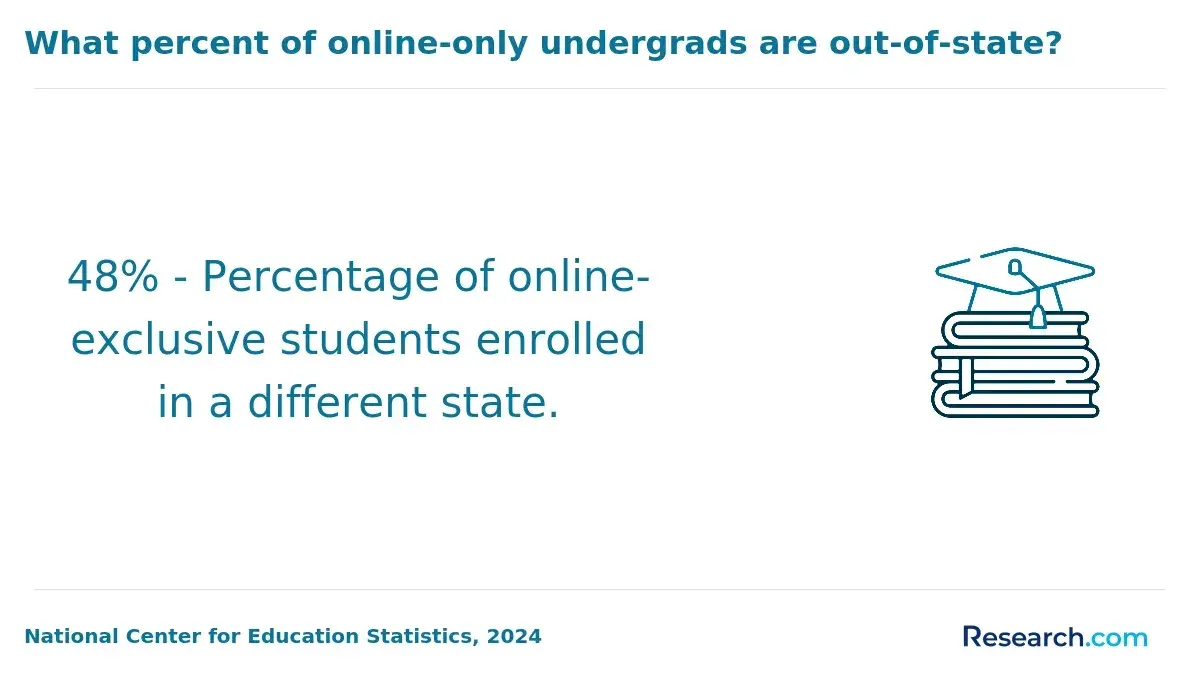
The current landscape for master's graduates in human services is shaped by specialized hiring requirements and credentialing pathways that influence how candidates prepare for roles such as program coordinators, policy analysts, or clinical supervisors. Employers increasingly seek candidates with competencies in compliance protocols, data management, and applied leadership, alongside relevant certifications. For working professionals and adult learners balancing budgets and schedules, accredited online master's programs offer essential flexibility without sacrificing practical training aligned with workforce needs. According to the National Center for Education Statistics, over 40% of graduate enrollments in recent years involved distance education, reflecting a shift toward accessible study formats vital for career mobility.
This article examines hiring trends, credential expectations, and skill demands to help readers evaluate whether pursuing a human services master's degree fits their professional objectives, financial priorities, and targeted labor markets.
Key Things to Know About Industry Demand for Human Services Master's Graduates
- Employers increasingly favor specialized credentials tied to mental health or substance abuse, narrowing opportunities for graduates without targeted certifications despite a broad human services degree.
- Workforce trends show a shift toward interdisciplinary roles blending social work with data analytics, compelling master's candidates to develop hybrid skill sets aligned with evolving agency demands.
- Growth in accredited online human services programs, per NCES 2024 data, expands access but often increases time-to-completion, challenging budget-conscious adult learners balancing career and education.
What is the Current Job Outlook for Human Services Master's Graduates?
The job outlook for human services master's graduates reveals a nuanced landscape shaped by sector-specific demands, credential requirements, and evolving workforce expectations. Understanding these factors is crucial for candidates weighing enrollment decisions or navigating early career stages in this field.
- Industry Demand Concentration: Growth is especially strong in healthcare, behavioral health, and nonprofit sectors, where master's-level roles like program director or licensed clinical social worker are common. These industries prioritize candidates who combine advanced degrees with practical experience and relevant licensure.
- Licensure and Certification Impact: Credentials such as Licensed Clinical Social Worker (LCSW) or Certified Case Manager (CCM) substantially affect employability. Graduates without these are often limited to assistant or entry-level roles, which can constrain salary and advancement possibilities.
- Technology Integration: Increasing use of digital case management and telehealth platforms means candidates skilled in these tools are more competitive. Adaptability to technology drives both efficiency improvements and employer preference in urban and digitally advanced hiring markets.
- Regional Hiring Variability: Metropolitan areas with larger healthcare and social service agencies offer more frequent and diverse master's-level positions, while rural locales may demand versatility across multiple functions but with fewer specialized roles. This geographic disparity affects role availability and career pathways.
- Advancement Pathways: Moving from direct client service into leadership or policy roles is typical but requires a combination of experience, ongoing education, and often additional credentials. This progression influences long-term salary growth and job stability within human services professions.
Candidates evaluating the human services master's graduates job outlook in the United States must recognize that advanced academic preparation alone is insufficient. Navigating credential requirements and sector-specific skillsets is critical to accessing meaningful employment and maximizing returns on investment.
For career changers and budget-conscious adult learners, selecting programs that emphasize licensure preparation and technological competency can significantly enhance employability. Those needing flexible schedules and affordable options will find increasing offerings among accredited online providers, but should assess how well these align with hiring trends before enrollment decisions. Exploring related fields also involves comparing such human services pathways with alternatives like certain nursing programs easy to get into, where different credential barriers and demand dynamics apply.
Employment trends for human services master's degree holders confirm that practical credentials and digital fluency are key to meeting employer expectations and bridging workforce gaps, shaping a job market shaped by both regulatory frameworks and technological evolution.
Which Industries Hire the Most Human Services Master's Graduates?
Industry demand for human services master's graduates derives from the specialized expertise these professionals offer in managing complex client needs, navigating regulatory frameworks, and coordinating interdisciplinary programs. Employers across sectors seek graduates who can combine advanced assessment skills with strategic program development and evidence-based intervention capabilities. The following outlines key industries where master's-level training significantly shapes hiring priorities and role expectations.
- Health Care: Employers in hospitals, mental health clinics, and rehabilitation centers rely on human services master's graduates for their knowledge of behavioral health, care coordination, and patient advocacy. Proficiency in regulatory compliance and integration with clinical teams is critical as healthcare delivery models emphasize interdisciplinary collaboration and outcome measurement.
- Social Assistance: This sector, including child and family services and substance abuse counseling, values graduates who can address multifaceted client challenges and implement evidence-based interventions. Nonprofit and government programs in social assistance increasingly prioritize leadership in social justice-oriented initiatives and funding acquisition.
- Education: Schools and higher education institutions employ graduates in counseling and administrative roles targeting student well-being and educational access. Expertise in crisis intervention and community partnership development positions graduates to respond to social determinants affecting learning environments.
- Government Agencies: Local and state agencies hire master's graduates as policy analysts, program managers, and supervisors who understand public funding mechanisms, regulatory mandates, and performance metrics essential for effective service delivery in public programs.
- Nonprofit Organizations: Graduates often lead advocacy, housing, and workforce development projects requiring skills in grant writing, community organizing, and impact evaluation. These roles demand the ability to balance practical service delivery with organizational sustainability and accountability to funders.
What are the Most Common Job Titles for Human Services Master's Degree Holders?
Job titles associated with master's graduates in human services reveal significant employer distinctions regarding skill application, credential requirements, and career trajectory within the field. These titles reflect varying expectations for direct client work, management responsibilities, clinical oversight, or policy expertise. Understanding how employers distinguish roles by licensure, experience, and operational focus clarifies hiring patterns and informs candidate positioning-especially in competitive or credential-sensitive environments.
- Case Manager: This entry-level title typically emphasizes hands-on client engagement and coordination of support services. Employers often view this as a practical starting point where graduates apply foundational skills without advanced licensure, offering a pathway to accumulate frontline experience.
- Program Coordinator/Manager: Representing a midpoint to advanced step, these roles require operational oversight, staff supervision, and accountability for compliance with funding and regulatory frameworks. They signal readiness for leadership beyond individual client interaction.
- Clinical Supervisor: Reserved for those holding relevant clinical licenses, this position blends direct counseling experience with managerial duties. Hiring employers expect demonstrated clinical competence alongside supervisory skills in mental health or clinical social services settings.
- Policy Analyst or Research Specialist: Focused on assessment and evaluation, these roles are common in government and nonprofit research contexts where analytic skills underpin evidence-based program development. They attract graduates with strong research acumen rather than direct clinical or administrative emphasis.
- Community Outreach Specialist: Often nonlinear in role progression, this title highlights expertise in advocacy, education, and partnership-building. Employers prioritize communication and stakeholder collaboration abilities over clinical certification for these functions.
One graduate shared their early job search revealed unexpected variety under the human services umbrella. Initially fixated on case management, they discovered job descriptions labeled similarly but varied greatly in required credentials and tasks. Exploring program coordinator and outreach roles helped reframe their competencies in organizational terms. The graduate appreciated realizing how employers segment human services talent based on licensure distinctions and leadership potential, which influenced their decision to pursue supplemental training aligned with program management rather than clinical practice. This insight prevented a narrow focus and expanded realistic employment options.
How Does Salary for Human Services Master's Graduates Compare to Other Advanced Degrees?
Salary comparisons for master's graduates in human services reveal distinct market dynamics rooted in role scope, credential expectations, and sector pay standards. Unlike degrees in business or STEM fields, human services master's holders often start with lower salaries due to the nature of entry-level positions emphasizing direct service over management or technical expertise.
- Industry Premium: Fields like business or healthcare administration frequently offer higher initial salaries because employers value revenue-generating or technical skills more than the client-centered competencies emphasized in human services programs. This premium reflects broader funding structures and sector profitability.
- Credential Signaling: Licensing and certifications common in mental health counseling or clinical social work can lift salaries over time, making experience and credential accumulation critical for bridging income gaps relative to other advanced degrees.
- Geographic Variation: Salary disparities for human services graduates often correlate strongly with location; urban and high-cost-of-living areas provide higher wages, but these must be weighed against living expenses and competitive local demand.
- Role Specialization: Human services graduates typically enter positions focused on direct client engagement, contrasting with STEM or MBA holders who more often secure roles with strategic or supervisory responsibilities, which command higher pay.
- Advancement Ceiling: While initial pay may trail other fields, human services professionals reaching leadership roles in sizable nonprofits or government bodies can attain compensation competitive with alternative advanced degree careers, especially when pairing experience with specialized certifications.
- Return-On-Investment Tradeoff: Despite generally modest starting salaries, human services programs attract career changers seeking meaningful work and flexible schedules, requiring evaluation of salary outcomes alongside job satisfaction and long-term career alignment.
For those comparing salary outcomes for advanced degree graduates in human services, understanding these nuanced factors clarifies how employer demand, transferable skills, and role expectations shape compensation. This perspective assists budgeting decisions and career planning in parallel with other graduate pathways, including decisions influenced by detailed salary considerations such as what is medical coding salary.
What Hiring Trends are Shaping Demand for Human Services Master's Talent?
Demand for human services master's talent increasingly hinges on candidates' ability to go beyond foundational knowledge and demonstrate practical skills aligned with evolving workplace realities. Employers now prioritize applied competencies that address complex client needs, compliance pressures, and organizational integration.
- Credential Signaling: Master's graduates showing familiarity with current federal and state regulatory frameworks and possessing relevant certifications reduce employer risk. This alignment with compliance expectations often separates competitive applicants from those with generic academic training.
- Technical Specialization: Proficiency in tools such as digital case management platforms and data analytics is no longer optional. Employers seek candidates who can leverage technology to enhance client outcomes and support continuous program evaluation.
- Leadership Readiness: With workforce shortages stressing service delivery, employers value graduates equipped to supervise teams, navigate conflict, and coach effectively. These skills contribute directly to organizational resilience and client satisfaction.
- Interdisciplinary Collaboration: Human services professionals who communicate well across sectors like healthcare, education, and social work enable integrated service models. Such cross-functional fluency meets funder and regulatory expectations for holistic care approaches.
- Sector-Specific Expertise: Graduates with specialized knowledge in areas like trauma-informed care or community program design fill critical niche roles. This depth of focus enhances their employability in targeted organizational settings demanding nuanced practice.
These factors shape not only hiring competitiveness but also influence long-term mobility within human services. Master's graduates who cultivate specialized, tech-savvy, and leadership-oriented skill sets access broader opportunities and enhanced salary prospects, while those without this blend face constraints to mid-level positions despite advanced degrees.
What Skills and Specializations are Most in Demand for Human Services Master's Roles?
Employers hiring master's graduates in human services focus on specialized skills that translate directly to measurable workplace impact, not just broad academic knowledge. Candidates who demonstrate targeted competencies aligned with organizational goals-such as improving client outcomes, navigating regulatory environments, and leading diverse teams-stand out in increasingly competitive applicant pools. For example, a nonprofit seeking a program director often screens for clinical supervision experience paired with administrative acumen to balance frontline challenges and compliance demands.
- Clinical Supervision and Leadership: Hiring managers prioritize graduates skilled at overseeing multidisciplinary teams and managing operations. This specialization signals readiness for managerial roles requiring strategic oversight and the capacity to implement evidence-based improvements in service delivery.
- Trauma-Informed Care: Programs emphasizing trauma-informed approaches prepare graduates to address complex client needs with empathy and effective intervention strategies, essential in mental health, child welfare, and corrections settings where trauma history shapes treatment planning.
- Data Literacy and Outcome Measurement: Proficiency in analyzing service data and reporting on client progress is increasingly mandatory, reflecting funder and regulatory demands for accountability and continuous quality improvement.
- Cultural Competence and Diversity: Employers seek candidates able to engage diverse populations sensitively and foster inclusive environments. This expertise supports agencies committed to equity and broadens opportunities for career changers leveraging diverse life experiences.
- Population-Specific Credentials: Certifications in substance abuse counseling, gerontology, or similar fields remain decisive in niche roles, enabling graduates to meet precise labor market demands and differentiate themselves within specialized hiring tracks.
Human services master's graduates benefit from aligning their in-demand skills for human services master's graduates with these industry priorities to enhance employability. Budget-conscious adult learners and career changers should weigh the ROI of specializations carefully, ensuring that chosen programs provide flexible schedules and practical competencies. This targeted approach also dovetails with interdisciplinary abilities-such as working alongside healthcare or criminal justice professionals-that expand advancement potential.
Students evaluating programs might also consider credentialing pathways and program flexibility similar to options offered by pharmacist school online to accommodate working professionals. Selecting accredited online human services master's programs with clear hiring advantages and recognized specializations improves outcomes in this competitive field.
How Do Employers Describe the Value of Human Services Master's Graduates?
Employers value master's graduates in human services primarily for their ability to combine advanced theoretical knowledge with practical skills tailored to complex social and organizational challenges. This balance often sets them apart from bachelor's-level candidates when organizations seek staff capable of navigating multifaceted client needs and systemic barriers. Below are key ways employers assess these graduates in real-world hiring scenarios:
- Technical Competency: Employers expect mastery of specialized tools like data analysis, policy interpretation, and grant writing that support evidence-based interventions. This expertise underpins the strategic role many graduates fill in crafting programs aligned with agency goals.
- Applied Problem-Solving: Beyond theory, hiring managers look for demonstrated capability in designing, implementing, and evaluating initiatives with measurable impact. Graduates often prove this through internship projects or practicum results reflecting community-level improvements.
- Leadership Readiness: A master's degree signals preparation for supervisory roles where managing teams, fostering collaboration, and advocating for systemic change are essential. Employers use this credential to differentiate candidates ready to assume mid-level leadership responsibilities.
- Credential Fit and Regulatory Awareness: In sectors like nonprofit management and public health, the master's degree often serves as a basic threshold for advanced practitioner roles, influencing screening and promotion. Familiarity with compliance standards and ethical frameworks is also expected.
- Cross-Functional Communication: Graduates are valued for their ability to work effectively across disciplines and systems, demonstrating cultural competence and ethical sensitivity in diverse settings. This interpersonal agility is critical where multiple agencies or stakeholders collaborate on service delivery.
One human services master's graduate shared an experience from a late 2023 hiring cycle where interviewers specifically probed her practicum portfolio to gauge how she managed conflicting priorities under budget constraints. She noted that while her degree opened doors for supervisory consideration, the panel prioritized real-world examples of adaptability and ethical judgment over purely academic credentials. The hiring team's focus on contextual leadership skills clarified that advanced degrees alone do not guarantee placement; rather, employers weigh a nuanced blend of applied expertise and interpersonal fluency when evaluating master's-level candidates.
What ROI Do Human Services Master's Graduates Typically See from Their Degree Investment?
Return on investment (ROI) for human services master's graduates extends beyond salary increases to encompass how effectively the degree enables tangible career progress within a complex labor market. For many students, especially those balancing work and family or switching careers midstream, the core question is whether the time, tuition, and opportunity cost translate into measurable job access, promotion potential, or credential attainment that employers actively value.
- Tuition Affordability: Programs offering online delivery and flexible schedules reduce direct and indirect costs, which is crucial for budget-conscious adults. Employer tuition assistance can further mitigate financial burden, enhancing net ROI.
- Career Transition Leverage: For professionals shifting from unrelated roles, the master's can unlock entry points into regulated or credential-sensitive roles that otherwise remain inaccessible without advanced study.
- Promotion Pathways: The degree often serves as a prerequisite for supervisory or specialized positions, but returns depend heavily on demand within local sectors and organizational policies.
- Credential Requirements: Licensure and certification linked to accredited programs strongly influence hiring prospects and salary scales in counseling, social work, and program management.
- Opportunity Cost Sensitivity: Time spent studying limits income earning and advancement in the short term, so programs with accelerated completion options or internships aligned to employer expectations improve the payoff timeline.
- Market Resilience: Graduates from well-regarded programs tend to maintain employability amid shifting hiring trends by meeting evolving compliance and expertise standards.
What Job Search and Hiring Strategies Work Best for Human Services Master's Candidates?
Human services master's job search strategies must consider how employers prioritize applied expertise and contextual fit over generic credentials. Many candidates face initial screening by recruiters who filter for practical impact and alignment with specific social challenges, making the ability to position oneself distinctly critical. For example, graduates targeting mental health roles often find generalist applications overlooked in favor of those highlighting certifications or fieldwork related to behavioral health. Navigating such realities influences how candidates invest time between broad versus specialized job searches and impacts their long-term employability.
- Credential Positioning: Align your academic and professional credentials with employer priorities by emphasizing relevant certifications, licensure, or practica that match the role's technical requirements. This strategy helps pass automated and human resume screens that favor measurable qualifications over broad degree titles.
- Employer Targeting: Focus your search on organizations and roles whose missions resonate with your expertise areas, such as community outreach or policy advocacy. Understanding employer funding sources and program objectives sharpens application relevance and increases chances to move past initial review stages.
- Portfolio Evidence: Develop a portfolio containing case studies, project reports, or program evaluations to illustrate your capacity to translate theory into impact. Employers increasingly seek candidates who can demonstrate outcomes from internships or volunteer engagements rather than only academic credentials.
- Interview Preparation: Prepare rigorously for scenario-based and ethical dilemma questions common in human services interviews. Tailoring responses to show emotional intelligence and problem-solving within organizational funding constraints conveys readiness for client-facing responsibilities.
- Timing Applications: Sync your job search with non-profit and government hiring cycles, often tied to grant awards or fiscal calendars. Proactive application timing improves alignment with employer budgets and enhances competitive positioning for funded roles.
These strategies reflect effective hiring tactics for human services graduates, enabling candidates to move beyond generic approaches and meet real-world employer expectations. Those juggling career changes or seeking affordable programs should explore flexible options with strong practical training, such as affordable, accredited online degrees that balance schedule demands and return on investment. For candidates inclined towards certifications enhancing employability, resources on the best schools for BCBA provide targeted guidance.
How Will Future Trends Like AI And Automation Affect Hiring for Human Services Master's Graduates?
AI, automation, and digital workflows are reshaping demand for human services master's graduates by shifting the nature of their responsibilities rather than replacing them. Employers increasingly seek graduates who combine technical fluency with strategic judgment to navigate complex human-centered challenges. For example, a case manager might use advanced data analytics platforms to identify client risk factors but must interpret these insights ethically and tailor interventions accordingly, underscoring the irreplaceable role of nuanced human decision-making.
- Technical Fluency: Master's graduates are expected to operate case management software and data tracking systems that enhance client outcome reporting, enabling evidence-based decisions that improve service delivery.
- Judgment and Ethics: While automation manages routine documentation, professionals must apply ethical frameworks to assess sensitive situations, ensuring vulnerable populations receive discretion-driven support.
- Implementation Leadership: Rapid technological changes demand graduates who can lead teams through digital adoption and policy shifts, coordinating cross-functional collaboration between tech specialists and frontline workers.
- Data Interpretation: Employers prioritize candidates who translate complex client metrics into actionable strategies, balancing quantitative insights with qualitative considerations to optimize resource allocation.
These trends indicate that successful human services master's graduates will align their skills with evolving role designs emphasizing informed human oversight amidst automation. For those evaluating educational pathways, understanding how AI impacts human services master's degree employment trends is crucial, especially given the increased need for adaptability and tech integration. Career changers and budget-conscious learners should consider programs that reflect these realities while offering flexibility and strong ROI.
Those exploring related clinical pathways might also review options like easy LPN programs to get into for alternative healthcare roles that incorporate technical and interpersonal skills in growing sectors.
What Do Graduates Say About Industry Demand for Human Services Master's Graduates?
- Yitzchok: "Balancing full-time work while enrolled in my human services master's program was tough due to time constraints, so I prioritized internships that offered remote options. I chose this approach because I needed relevant field experience without sacrificing my job hours. Ultimately, those internships became pivotal in landing a case manager position, as employers here valued hands-on experience more than just coursework or licensure."
- Boston: "After completing the human services master's program, I faced a critical decision: pursue licensure or focus on certifications and portfolio building. Given the program's cost and my limited budget, I opted for certifications plus extensive volunteer work instead of a lengthy licensure track. This strategy helped me break into community outreach roles, although I found that salary growth was slower compared to licensed peers."
- Adriel: "The program's heavy workload forced me to reconsider my original plan of immediately entering direct clinical roles. Choosing to pivot towards administrative and policy-focused positions after graduation allowed me to leverage skills from the curriculum without competing against clinical licensure requirements. This decision opened opportunities for flexible, remote work, but it also meant accepting trade-offs in frontline client interaction and some advancement ceilings."
Other Things You Should Know About Human Services Degrees
Yes, prioritizing programs with embedded practicum or internship components is strategically beneficial. Employers in human services increasingly seek graduates who can deliver results from day one and navigate complex client interactions effectively. Programs stressing applied learning tend to produce more job-ready candidates, which directly impacts hiring decisions and career advancement opportunities. However, be mindful that these experiences can demand significant time commitment-choose programs with support structures that help balance these requirements.
Employer expectations differ significantly between sectors such as nonprofit, government, and private agencies, influencing hiring prospects. For example, government roles may emphasize policy knowledge and compliance, while nonprofits often look for adaptability and community engagement skills. Understanding these nuances allows you to customize your educational focus and network appropriately. If unsure where you want to work, consider programs offering diverse coursework and internships that expose you to multiple sectors for better overall adaptability.
The master's degree is frequently essential for leadership tracks, but be prepared for increased workload and accountability that can challenge work-life balance. Leaders in human services not only manage programs and budgets but also navigate staff supervision and complex social issues. Prioritize programs offering leadership training along with resilience and organizational skills, as these equip you better for these demands. If maintaining personal time is a priority, carefully weigh your tolerance for stress against the benefits of advancement when deciding to pursue the degree.
References
- Labor Market | ELA https://ela.nauka.gov.pl/en/labor-market/who_earns_more_after_studies
- UK Talent Acquisition Trends 2026 Tech & Healthcare | IMS People Possible https://imspeople.com/blogs/uk-talent-acquisition-trends/
- Strategies for Recruiting Social Workers | Merraine Group https://merraine.com/blog/strategies-for-recruiting-social-workers
- Precision Over Scale: The New Rules of Hiring in 2026 https://www.shrm.org/topics-tools/news/talent-acquisition/talent-acquisition-management-trends-2026
- These master's degrees lead to fast-growing, in-demand jobs—but offer low ROI https://www.cnbc.com/2026/04/03/masters-degrees-low-roi.html
- 15 Job Search Lessons for Graduating MSWs https://interprofessionalinsights.com/2025/04/30/job-search-lessons-for-health-behavioral-health-and-public-health-students/
- Is a Master of Social Work (MSW) worth it? https://www.onlinemswprograms.com/careers/is-an-msw-worth-it/
- Graduates pivot careers due to AI and job automation https://ise.org.uk/knowledge/insights/431/graduates_pivot_careers_due_to_ai_and_job_automation/
- Is a degree in human services worth it? https://www.herzing.edu/faq/is-a-degree-human-services-worth-it
- 3 Reasons to Venture Into the Human Services Industry https://columbia.ca/three-reasons-to-venture-into-the-human-services-industry/