2027 Industries Hiring Graduates With an English Degree

Co-Founder and Chief Data Scientist
Many assume an English degree limits graduates to teaching or writing careers, but the reality reflects a broader spectrum. Industries hiring English graduates include marketing, publishing, public relations, and even tech, where communication skills are paramount.
In fact, studies show that over 60% of English degree holders find employment in diverse sectors beyond traditional roles within two years of graduation. These jobs for English degree holders offer dynamic career opportunities in both established and emerging fields.
This article explores where graduates typically work and highlights key industries actively seeking candidates with strong analytical and language skills, providing clarity on career paths for English graduates.
Key Benefits of Industries Hiring Graduates With a English Degree
- Diverse industries hiring graduates with an English degree offer broader career opportunities and employment flexibility, enabling adaptation to various professional environments.
- Strong demand for English skills across sectors supports long-term career growth and enhances professional stability amid evolving job markets.
- Cross-industry experience helps graduates develop transferable skills such as communication and critical thinking, expanding their professional expertise and employability.
What Industries Have the Highest Demand for English Majors?
Demand for graduates with an English degree spans several key industries, each valuing communication expertise and analytical skills differently.
According to the National Association of Colleges and Employers, industries like media and communications represent 22% of job postings requiring strong verbal and written communication skills, highlighting robust opportunities for English majors.
Below are some of the top sectors actively recruiting these graduates.
- Publishing and Media: This industry heavily relies on English majors for editorial roles, content creation, and digital storytelling. Their skills in crafting compelling narratives help drive marketing initiatives, journalism, and multimedia projects.
- Education: English graduates often fill positions in K-12 and higher education as teachers, curriculum designers, and academic advisors. Their expertise in language and literature supports the development of effective instructional materials and learner engagement strategies.
- Corporate Sector: Companies seek English majors for functions in communications, public relations, and human resources to manage branding, internal messaging, and stakeholder relations. Clear, persuasive writing is essential for maintaining effective corporate dialogue.
- Nonprofit and Government: These sectors value English graduates for grant writing, policy analysis, and community outreach roles. Their capacity for persuasive and precise writing helps organizations secure funding and communicate mission-driven goals effectively.
- Technology: The tech industry increasingly hires English majors for user experience (UX) writing, content strategy, and technical documentation. Their ability to simplify complex information enhances product design and user engagement.
Individuals interested in advancing their careers in social work or related fields may also explore MSW programs, which offer specialized training beyond traditional English degree applications.
Which Industries Have the Strongest Job Outlook for English Graduates?
Job outlook for English graduates is often evaluated through factors such as industry growth trends, workforce demand, and projected hiring rates.
According to the U.S. Bureau of Labor Statistics, employment in writing and editing roles is expected to grow about 9% through 2031, surpassing average job growth across all fields.
Several expanding industries offer promising opportunities for professionals with an English degree.
- Publishing and Media: Digital content creation and dissemination drive growth in this sector. The need for skilled communicators to produce clear, engaging material across multiple platforms keeps demand strong.
- Education: Beyond traditional teaching, English graduates support literacy initiatives, curriculum development, and educational content design. Rising enrollment in higher education and adult learning contributes to this expanding field.
- Healthcare: Medical writing, patient education, and regulatory communication require precise, accessible language to meet increasing regulatory complexity and improve outcomes. This area continues to grow alongside digital health content.
- Corporate Communications and Marketing: The acceleration of digital marketing and brand management fuels demand for English graduates skilled in persuasive writing and public relations, essential for building consumer engagement.
- Technology: Growing fields like UX writing and technical communication blend language expertise with technology. Clear manuals, tutorials, and interface text are crucial as software complexity increases, creating new career paths.
What Entry-Level Jobs Are Available for English Graduates?
Entry-level roles allow English graduates to apply their academic skills in real-world settings while gaining valuable experience.
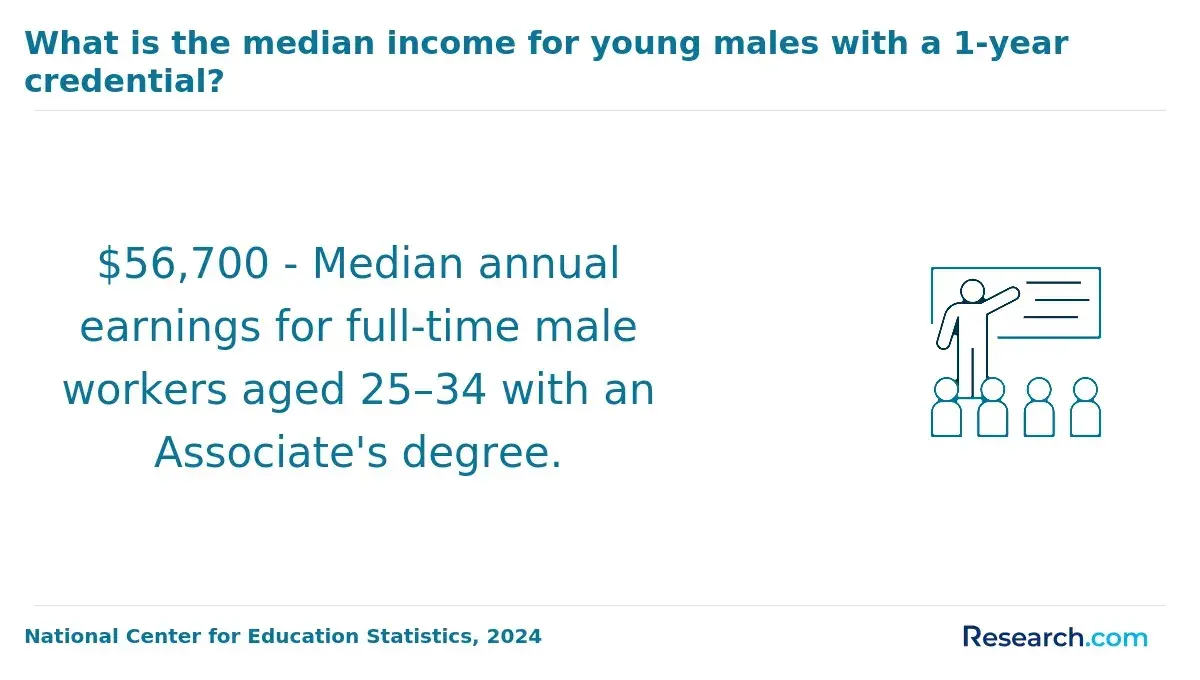
A 2023 study by the National Association of Colleges and Employers found that nearly 28% of English graduates obtain communication, writing, or editorial roles within six months of graduating.
Below are some common positions that serve as stepping stones for those starting their careers.
- Editorial Assistant: This position involves supporting publishing workflows through tasks like proofreading, fact-checking, and managing manuscript submissions. It develops a sharp eye for detail and familiarity with editorial standards in print or digital media environments.
- Content Writer: Entry-level content writers create tailored articles, blog entries, or marketing copy. This role hones skills in adapting voice and style for diverse audiences while improving research and deadline management capabilities.
- Copywriter: Typically found in advertising or PR settings, junior copywriters help craft persuasive text for promotions and campaigns. This experience strengthens concise, impactful communication essential for media-related professions.
- Technical Writer: Beginners in this field translate complex information into accessible manuals, guides, or instructions. It merges writing proficiency with research and collaboration across different disciplines.
- Communications Coordinator: These professionals handle social media content, press releases, and internal communications, building strategic communication and organizational skills early in their careers.
When asked about entry-level opportunities, an English degree graduate shared how navigating early job searches was both challenging and rewarding. He mentioned that "the hardest part was figuring out how to translate academic writing into practical skills employers sought."
He described applying to numerous roles before landing a position where he could "combine my love for language with real workplace demands." This transition felt "like stepping from theory into action," and emphasized the importance of persistence and adaptability in securing a first professional role.
What Industries Are Easiest to Enter After Graduation?
Industries that are easier to enter after graduation typically have broad acceptance of degrees, high volumes of entry-level positions, and require fewer specialized skills.
Data from workforce surveys indicates that around two-thirds of employers prioritize strong communication abilities, a core strength for many English graduates.
The following sectors commonly offer smoother entry paths for those with this background.
- Publishing and Media: These fields often seek candidates with solid writing and editing skills. English graduates fit well due to their experience with content creation and proofreading, and the industry tends to have ongoing openings for entry-level roles.
- Marketing and Public Relations: This sector values clear messaging and audience engagement, areas where English majors excel. Employers frequently hire graduates who can analyze and craft persuasive content without heavy technical prerequisites.
- Education and Nonprofits: Organizations in these domains appreciate strong literacy alongside administrative capabilities. They usually offer entry-level opportunities that match English graduates' communication strengths without demanding extensive prior experience.
- Customer Service and Sales: Roles here emphasize verbal communication and adaptability, skills often developed through an English degree. These industries are known for having relatively open hiring practices for newcomers.
By focusing on roles that emphasize clear communication and critical thinking rather than specialized credentials, these industries offer accessible avenues for recent English graduates to begin their careers.
What Industries Offer the Best Starting Salaries for English Graduates?
Starting salaries for English graduates vary widely by industry due to factors like specialized skill demands, funding levels, and workforce shortages.
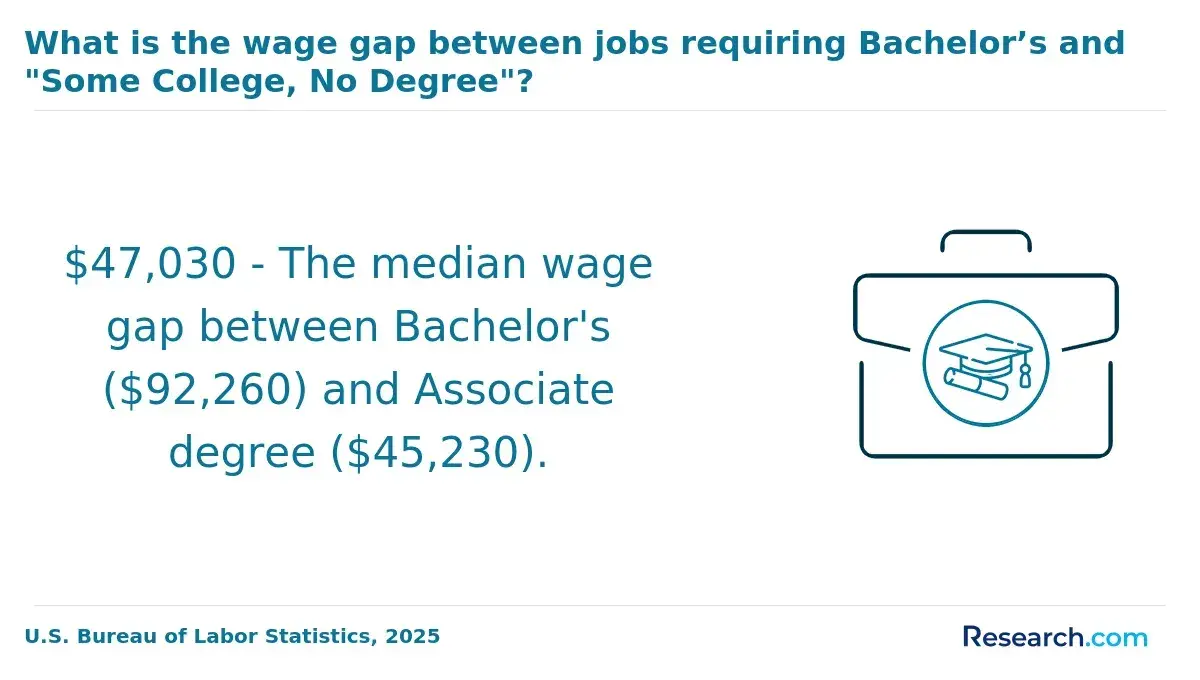
Research shows that English majors entering lucrative sectors typically earn 15-25% more at the start of their careers than those in traditional roles.
Below are some of the highest paying entry-level jobs for English degree holders in the United States.
- Finance professionals such as those in banking and investment firms command starting salaries between $55,000 and $70,000. This industry values the ability to interpret complex documents and communicate technical information clearly, which drives compensation higher.
- Technology companies hire English graduates as technical writers and communication specialists, offering entry-level pay ranging from $50,000 to $65,000. Their role in translating developer jargon into user-friendly content is essential for product success, justifying elevated wages.
- Marketing and Advertising sectors rely on English graduates' creative and persuasive writing talents, with salaries typically from $45,000 to $60,000 at entry level. Since effective messaging directly influences revenue growth, these roles offer competitive starting pay.
- Legal Services employ English majors as paralegals and legal assistants, starting around $50,000 to $65,000. Precise language skills are critical for managing legal documentation and case preparation, which commands better compensation.
For students considering further education, an online masters in psychology can complement an English degree and open up diverse, well-paying career paths.
Which Skills Do Industries Expect From English Graduates?
Industries that hire graduates with an English degree often look for a mix of practical skills and readiness to contribute in varied workplaces.
A 2023 survey by the National Association of Colleges and Employers found that 78% of employers rank communication skills as the most essential quality in liberal arts hires, highlighting the demand for versatile, effective communicators.
Below are several key capabilities English graduates are expected to bring to their roles.
- Effective Communication: Employers rely on English graduates to express ideas clearly and persuasively both in writing and speaking. This skill facilitates smooth teamwork and ensures messages resonate with clients or stakeholders across diverse professional settings.
- Critical Analysis: The ability to evaluate information thoughtfully and form logical conclusions is central to many positions. English graduates apply their analytical strengths to solve problems and support high-quality decision-making processes.
- Creativity & Adaptability: Navigating various literary styles helps graduates approach challenges with innovation and adjust their messaging for different audiences. These qualities enable success in fast-changing industries such as marketing, publishing, and education.
- Research Expertise: Thorough investigation and source validation are cornerstones of English studies that translate into well-informed content development and data-driven roles. This proficiency ensures accuracy in market analysis and other information-dependent tasks.
- Interpersonal Skills: Understanding complex narratives fosters empathy and teamwork. Graduates excel at building relationships, resolving conflicts, and cooperating effectively within diverse groups.
A professional with an English degree shared her journey adapting to the demands of a corporate environment, recalling how initially "navigating jargon-heavy meetings felt overwhelming." She learned to leverage her writing skills to distill complex ideas into concise reports, which soon became a valued contribution.
Over time, she noticed her ability to listen actively and frame arguments respectfully transformed workplace interactions, making collaboration more productive. Reflecting on the experience, she emphasized that "the biggest challenge was translating academic know-how into practical communication," but mastering this bridge opened new career opportunities and boosted her confidence in professional settings.
Which Industries Require Certifications for English Graduates?
Many industries require certifications for English graduates to meet compliance standards, verify technical skills, or uphold professional ethics. According to a recent workforce survey, over 60% of employers prefer candidates with industry-specific credentials alongside a degree.
The following points highlight key sectors where certifications significantly enhance employability.
- Education: State teaching credentials are often mandatory for English graduates pursuing careers as licensed educators. These certifications mandate passing exams and completing supervised teaching practice to ensure compliance with educational policies and secure classroom readiness.
- Publishing and Editing: Certifications in copyediting and publishing endorse familiarity with style guides and ethical editorial standards. They also train graduates in digital publishing tools, which are essential for adapting to modern workflows in this evolving industry.
- Corporate Communication: Credentials in professional communication or digital marketing reflect expertise in strategic messaging, media relations, and adherence to legal and ethical standards. These qualifications strengthen job prospects in public relations and corporate sectors focused on brand reputation.
- Technical Writing: Specialized certifications emphasize skills like document design and software proficiency tailored to technical fields. This ensures English graduates can produce accurate, clear documentation compliant with industry norms in technology and engineering environments.
- Library and Information Science: Credentials related to archival management and information governance address privacy regulations and data control policies. These certifications support roles managing information resources critical to organizational compliance and data integrity.
Which Industries Offer Remote, Hybrid, or Flexible Careers for English Graduates?
Workplace flexibility has become a standard expectation, with recent studies showing that nearly 60% of professional roles now offer some form of remote or hybrid working options. This shift is largely driven by digital communication tools and changing workforce preferences, making location-independent work more accessible.
Several industries provide excellent remote, hybrid, or flexible career opportunities suitable for graduates with an English degree.
- Publishing: Editorial and content development roles typically follow a project-based workflow, enabling professionals to work collaboratively from different locations. This approach supports both remote and hybrid work schedules with ease.
- Marketing and Advertising: Agencies often encourage flexible arrangements by leveraging digital communication and iterative feedback. These environments allow English graduates to focus on copywriting and brand strategy without needing a permanent on-site presence.
- Technology: Content creation for user manuals, help guides, and digital content fits well within the remote-friendly tech sector. Cloud-based collaboration tools streamline the flexible integration of English graduates into product development cycles.
- Education and E-Learning: Virtual classrooms and online course content design naturally promote remote and hybrid roles. English graduates can create curriculum materials or provide editing services from virtually anywhere.
- Media and Communications: Digital journalism, social media management, and public relations often rely on fast-paced remote collaboration platforms. These roles provide flexible schedules while meeting deadline-driven demands.
English graduates exploring remote jobs for English graduates will find diverse options in these fields. The adaptability of project timelines and the rise of digital workplaces expand flexible career opportunities in English-related industries.
For students interested in combining their interests in accounting and English, researching online accounting classes can offer additional flexible educational pathways to complement their English degree's flexible career prospects.
What Industries Have the Strongest Promotion Opportunities?
Promotion opportunities often hinge on industry growth, organizational structure, and demand for experienced professionals.
According to recent studies, nearly 70% of companies in professional sectors prioritize internal promotions to fill leadership roles. These factors create favorable conditions for career advancement, especially for English graduates.
Below are industries that typically offer strong promotion pathways and growth potential.
- Publishing: This industry features well-defined editorial hierarchies, allowing English graduates to progress from assistant editor roles to senior editorial and managerial positions. Mentorship programs and internal training foster skill development and leadership capacity over time.
- Media And Communications: Organizations here emphasize writing, editing, and strategy skills essential for advancing to senior content and communications leadership roles. Continuous leadership development supports steady career progression in this sector.
- Advertising And Marketing: Graduates often start in copywriting or content creation, advancing into strategic and team leadership roles. Firms promote cross-functional creativity and implement formal programs to cultivate future leaders.
- Education And Academic Publishing: Structured career ladders in these fields reward demonstrated experience and leadership in curriculum or departmental projects. English degree holders find clear paths for advancement through consistent contributions.
- Corporate Communications: Large organizations focus on nurturing internal talent through leadership workshops and expanded responsibilities. This approach creates stable avenues for English graduates to rise to senior communication and management positions.
For those seeking to enhance career advancement prospects for English degree holders, pursuing an affordable online MBA programs no GMAT can offer valuable skills and credentials to accelerate growth within these thriving industries.
How Do You Choose the Best Industry With a English Degree?
Choosing the best industry with an English degree involves assessing your career interests, work environment preferences, long-term growth potential, and how well your personal strengths fit various roles. Many English graduates thrive in fields that value communication and creativity, so reflecting on what excites and motivates you is essential.
Considering work-life balance is also critical. A 2023 survey by the National Association of Colleges and Employers found that 59% of recent graduates prioritized flexible work arrangements when selecting a job. Integrating these factors helps you target industries that align best with your goals and lifestyle.
Comparing industries requires evaluating advancement opportunities, industry stability, and the availability of professional development programs to ensure sustained career growth. Workplace flexibility and clear pathways for skill enhancement can significantly impact long-term satisfaction.
Researching industry-specific expectations and matching them to your aspirations will lead to more informed decisions. Exploring resources like short certificate programs that pay well can further support your career planning within the diverse English degree career options available.
What Graduates Say About Industries Hiring Graduates With a English Degree
- Carlie: "Starting my career in publishing right after graduating with an English degree was a pivotal decision. It not only helped me develop strong editorial and analytical skills but also taught me the importance of storytelling across various media. Working in this industry sharpened my ability to adapt content for diverse audiences, which has been invaluable as I progressed professionally."
- Hansen: "Reflecting on my journey, I realized that communications and marketing industries are ideal for English graduates who want to apply critical thinking and creativity. Early on, I learned that these fields demand clear, persuasive writing and strategic messaging, skills that my degree emphasized intensely. The experience gave me confidence and versatility, helping me grow into a management role effectively."
- Rich: "Choosing to enter education as an English graduate offered me profound insight into how language shapes understanding and empathy. Teaching refined my communication and organizational abilities, which are critical in any professional setting. This career path deepened my appreciation for continuous learning and made me a more effective leader in subsequent roles."
Other Things You Should Know About English Degrees
Networking plays a crucial role for English graduates as it opens doors to opportunities in fields such as publishing, communications, and education. Building professional relationships through internships, alumni groups, and industry events can help candidates learn about job openings and gain referrals. Many employers in these industries value connections that demonstrate the candidate's engagement with the field.
Internships provide valuable practical experience that enhances an English graduate's resume and skill set. They allow students to apply their writing, research, and analytical skills in real-world settings like media companies, nonprofits, or academic institutions. While not always mandatory, internships often give candidates a competitive edge and clarify which industry path suits their goals.
Adaptability is essential because industries that employ English graduates frequently evolve in response to technology and market demands. Graduates must be able to adjust their communication styles, learn new digital tools, and approach problems creatively. This flexibility increases their value in sectors such as digital marketing, content creation, and education.
In 2027, industries such as digital marketing, public relations, content creation, and publishing are actively hiring English graduates. These fields value skills like critical thinking, communication, and storytelling, which are essential alongside writing expertise.
References
- What are the best paying jobs for graduates? https://targetjobs.co.uk/careers-advice/career-ideas/what-are-best-paying-jobs-graduates
- The UK Degrees With The Best Earning Potential | Oxford Learning College https://www.oxfordcollege.ac/news/the-uk-degrees-with-the-best-earning-potential/
- What are the Main Benefits of Hiring Graduates? https://theundercoverrecruiter.com/hiring-students-benefits/
- What’s actually happening with entry-level and graduate jobs? https://www.techuk.org/resource/what-s-actually-happening-with-entry-level-and-graduate-jobs.html
- Employability Skills: What UK Employers Want in 2026 https://londonlanguageclub.co.uk/employability-skills-2026-graduates/
- 7 Benefits of Hiring Graduates | GRB https://www.grb.uk.com/employer-services/recruiter-resources/7-benefits-of-hiring-graduates/
- What are the Benefits of Hiring Graduates within your business? https://www.step.org.uk/benefits-of-graduates/
- What Can You Do with an English Degree? 10 Careers https://www.park.edu/blog/what-can-you-do-with-an-english-degree-10-careers/