2027 Best Value Online English Degree Programs: Affordable Accredited Options with the Strongest ROI

Co-Founder and Chief Data Scientist
Rising tuition costs and the growing need for flexible degree formats challenge budget-conscious students, working adults, and military-affiliated learners seeking online english degree programs. Employers increasingly demand accredited credentials, while transfer credit policies and student support play pivotal roles in timely graduation.
With the national median salary for english majors around $55,000 annually, varying by industry and location, understanding total program cost, accreditation quality, financial aid, and career outcomes is essential.
This article examines how to strategically compare affordable, accredited online english degree programs based on ROI, academic quality, and long-term professional benefits to support financial stability and career advancement.
Key Things to Know About the Best Value Online English Degree Programs
- Best-value online English degree programs merge competitive tuition, financial aid, transfer credit options, and flexible formats, cutting total costs for working professionals and adult learners.
- Comparing accreditation, graduation rates, support services, pacing, and career outcomes reveals the true educational value beyond sticker price.
- Review hidden fees, residency rules, credit transfer policies, salary data, and employer recognition to ensure strong ROI and career advancement.
What Are the Best Value Online English Degree Programs?
Students today increasingly seek best value online English degree programs that balance affordability, strong accreditation, and flexible formats, especially as college costs rise and student debt concerns grow.
According to recent data, online programs often cost 30-50% less than on-campus degrees, providing budget-conscious adults a practical path to career advancement.
Below are key categories of programs offering affordable accredited online English degree programs with highest ROI:
- Public In-State Universities: These institutions deliver some of the lowest tuition rates for online English degrees, particularly for residents. Their regional accreditation, transfer-friendly policies, and workforce-focused curricula support efficient graduation and steady career outcomes.
- Competency-Based Education Models: By allowing students to progress upon demonstrated mastery rather than seat time, many CBE programs reduce overall tuition and accelerate graduation. Accredited providers in this category offer strong flexibility tailored to working professionals.
- Community College Transfer Pathways: Beginning studies at low-cost community colleges and transferring credits to four-year regionally accredited online programs offers a widely respected route to reduce expenses without sacrificing degree quality.
- Career-Oriented Programs: Some focused online English degrees emphasize majors linked to growing sectors like technical communication and digital media. These programs show measurable tuition-to-earnings advantages, aligning education with promising professional fields.
Careful consideration of these value-centered pathways can help working adults find degree options that optimize affordability without compromising educational standards or career potential.
For those exploring accelerated study options, resources like online master's programs offer valuable insights into programs designed for timely completion and economic efficiency.
How Do You Choose an Affordable Accredited Online English Degree?
Balancing affordability, accreditation, flexibility, and long-term ROI is crucial when comparing online English degree programs, especially as average student debt for bachelor's graduates reaches over $30,000.
With rising demand for budget-conscious options that still deliver strong educational value, students must carefully assess multiple factors before enrolling.
Here are key considerations to guide the search for the best value online english degree options:
- Accreditation Matters: Choose regionally accredited institutions to ensure rigorous academic standards recognized by employers and other colleges. Proper accreditation facilitates credit transfers-an essential feature for students aiming to save money by applying existing coursework toward their degree.
- Tuition Transparency: Opt for schools that clearly publish tuition rates and fees to avoid hidden costs. Resources like the National Center for Education Statistics and College Scorecard provide reliable data to evaluate true program affordability and expected time-to-degree.
- Flexible Learning Models: Competency-based and adult-focused online programs let working professionals progress at their own pace-potentially shortening completion times and reducing tuition expenses. Fully online formats offer practical access for those balancing family or careers.
- Student Support Services: Advising, tutoring, and career counseling are vital to improve graduation rates and job placement. Programs aligned with workforce needs help graduates translate their education into higher earning potential.
Evaluating these elements-plus transfer-friendly policies and institutional reputation-helps identify affordable accredited online english degree programs that meet financial, academic, and career goals. Many students turn to trusted rankings of cheap online colleges to find tailored options with proven ROI.
Which Online English Degree Programs Offer the Highest ROI?
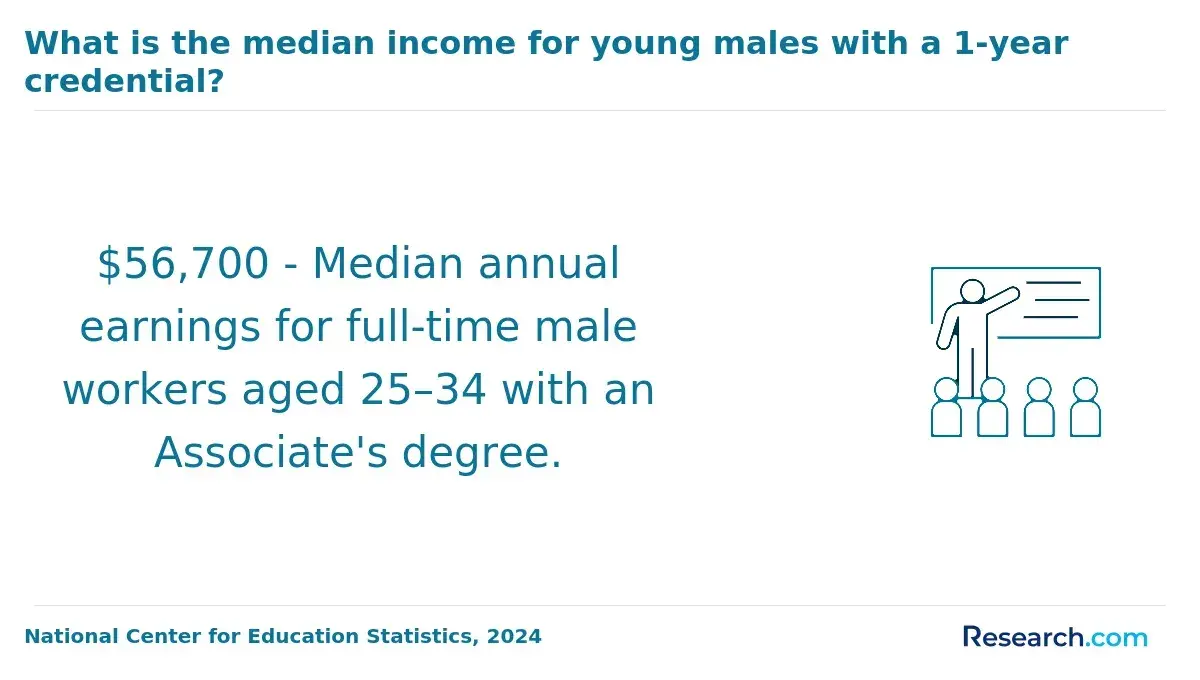
Return on investment (ROI) has become a top priority for students evaluating online English degree programs, especially with student loan debt exceeding $1.7 trillion nationwide. Earning potential and program affordability now weigh heavily in decisions, making it essential to identify factors that boost long-term value.
Below are key elements that define programs delivering the strongest ROI:
- Graduation Rates: Higher completion rates often indicate better student support and streamlined coursework, which reduce overall time and expenses. Programs with efficient pathways help students avoid extra costs linked to prolonged enrollment, a crucial benefit for working adults.
- Affordable Tuition: Transparent, per-credit tuition without hidden fees allows for better financial planning. Public universities and partnerships with community colleges frequently offer some of the most cost-effective accredited options, minimizing graduate debt.
- Career-Relevant Curriculum: Degrees that integrate practical skills such as digital communication and critical analysis enhance marketability. Schools connected to regional employers tend to provide better salary growth and job placement within a few years after graduation.
A professional who completed an online English degree described navigating the balance between work, family, and study as demanding but rewarding. "The flexibility to take courses asynchronously was crucial when unexpected deadlines at work came up," he shared.
He emphasized that clear tuition costs helped him budget without surprises, and the program's focus on practical writing skills directly contributed to career advancement opportunities that followed."
What Is the Average Cost of an Online English Degree Program?
Online English degree programs can vary greatly in cost, so it's vital for students comparing flexible options to consider total expenses rather than just tuition rates. For instance, full program costs at public universities often range from $15,000 to $50,000, with private institutions typically charging more.
Factoring in these variables helps students control debt and maximize their return on investment as they pursue accredited, valuable credentials.
- Tuition Pricing Models: Many schools charge per credit hour, meaning the total cost depends on the number of credits needed. Others use flat-rate tuition for terms, encouraging faster completion by allowing unlimited courses at a fixed price.
- Public vs. Private Costs: Public universities offer lower in-state rates, sometimes between $5,000 and $15,000, while out-of-state and private options come at a premium. Residency status makes a notable difference in the final tuition.
- Transfer Credit Savings: Programs that accept previous college credits reduce total tuition expenses, benefiting returning adult learners or those switching careers by shortening time to degree.
- Accelerated Pathways: Intensive online programs with shorter terms enable students to finish degrees faster, often under two years, cutting costs related to extended enrollment, including fees and living expenses.
- Technology and Fees: Some institutions add online program or technology fees that increase overall costs, so it's important to review fee structures alongside tuition rates when evaluating affordable options.
Budget-conscious learners should also explore accredited online colleges to ensure quality education with strong long-term value and reliable employment outcomes.
Are Affordable Online English Degrees Respected by Employers?
Employer confidence in affordable online english degree programs has grown significantly as accreditation and educational quality continue to improve across institutions. According to a recent SHRM report, over 60% of employers now recognize regionally accredited online degrees when evaluating candidates.
These trends highlight critical factors that influence how such programs are viewed in professional settings:
- Regional Accreditation: Degrees from regionally accredited universities carry the greatest weight with employers because this accreditation signals adherence to rigorous academic standards and institutional stability.
- Institutional Transparency: Schools that publish clear graduation rates and job placement data help establish credibility-employers often rely on these metrics to assess program quality and graduate readiness.
- Nonprofit Governance: Nonprofit online programs are generally perceived as more mission-driven and focused on educational outcomes, which can enhance employer trust compared to for-profit models.
- Workforce Alignment: Curricula designed around communication, critical thinking, and digital skills linked explicitly to career demands offer graduates a competitive edge and confirm program relevance.
A professional who built her career after earning an affordable online english degree shared that her initial concerns about employer skepticism quickly faded. She explained that while searching for jobs, she emphasized her program's accreditation and the practical skills she developed, which resonated well in interviews.
She recalled moments of doubt but ultimately found that employers valued her proven competencies and the program's reputation more than its price tag, reinforcing that affordable online degrees can indeed open doors to meaningful opportunities.
What Accreditation Should You Look for in an Online English Program?
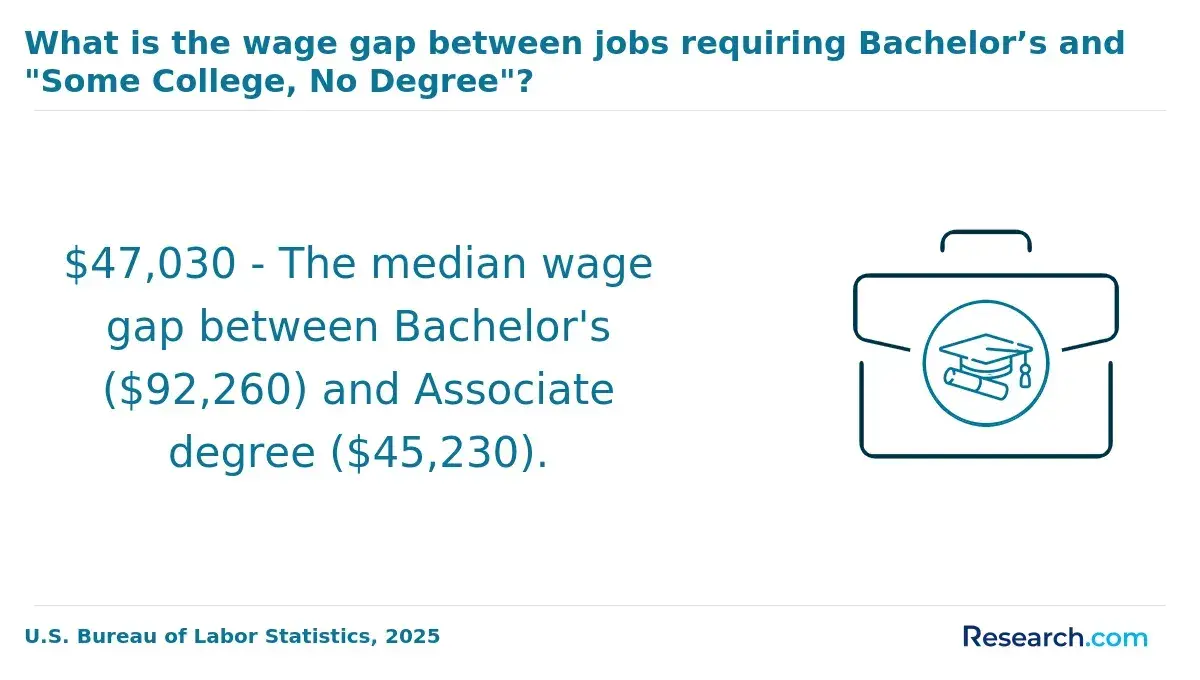
Accreditation plays a vital role in selecting an online English degree program-over 85% of employers value degrees from regionally accredited institutions, underscoring its importance for career prospects. Ensuring your program meets recognized standards safeguards both educational quality and credit transfer options.
Consider these key accreditation factors when evaluating options:
- Regional Accreditation: This remains the most credible and widely accepted form of institutional accreditation, often required by employers and graduate schools. It ensures adherence to rigorous academic standards and directly impacts the ability to transfer credits between institutions.
- Programmatic Accreditation: Though less frequent for English degrees, specific program accreditations can indicate specialized curricular quality in writing or literature studies. Such endorsements should support, rather than replace, a regionally accredited institution's credentials.
- Nonprofit Institutional Status: Programs offered by nonprofit colleges tend to reflect higher academic integrity and transparency regarding student outcomes. Nonprofit status generally aligns with stronger oversight and can provide better long-term value compared to for-profit providers.
- Federal Financial Aid Eligibility: Institutional accreditation recognized by the U.S. Department of Education qualifies students for essential federal aid programs. This recognition further signals an institution's legitimacy and enhances degree credibility among employers.
- Transfer Credit Recognition: Accredited programs typically maintain clear policies for accepting transfer credits, crucial for working adults seeking flexible pacing or continuing education. This ensures your credits hold value across multiple institutions.
Which Online English Programs Are Best for Working Adults?
Working adults increasingly turn to online English degree programs that combine scheduling flexibility, accelerated options, and strong long-term value—critical features as 40% of adult learners prioritize programs that fit around busy professional and personal lives.
The rapid growth of online education, fueled by workforce upskilling needs, has expanded access to affordable paths that maintain academic rigor without compromising career goals.
Key program elements make this possible:
- Asynchronous Learning: This format allows students to engage with lectures and assignments on their own time, supporting adults with variable work hours and family commitments while preserving academic quality.
- Competency-Based Pathways: Students progress by demonstrating mastery rather than seat time, which accelerates degree completion and reduces tuition costs, appealing to budget-conscious learners.
- Transfer-Friendly Institutions: Schools with generous credit transfer policies recognize prior coursework or experiential learning, helping students save time and money while maintaining degree integrity.
- Employer-Aligned Programs: Curricula shaped in collaboration with industry partners focus on relevant skills, enhancing graduates' career prospects and return on investment after finishing their degrees.
- Flexible Part-Time Enrollment: Options to enroll part-time ensure manageable course loads, allowing working professionals to balance studies with jobs and family responsibilities effectively.
These characteristics create accessible, affordable online English degrees tailored to adults seeking quality education without losing momentum in their careers or risking financial strain.
What Financial Aid Options Are Available for Online English Students?
Financial aid and tuition-reduction strategies have become critical for students comparing value-focused online English degree programs, especially as student loan debt continues to exceed $1.7 trillion nationally.
Approximately 60% of prospective online learners complete the FAFSA to access federal aid, reflecting growing awareness of financial support opportunities. These options greatly influence affordability and long-term return on investment for budget-conscious students and working professionals.
Key financial aid pathways include:
- Federal Grants and Loans: Pell Grants provide need-based assistance that does not require repayment, while direct subsidized and unsubsidized loans offer further funding though with repayment obligations. Eligibility hinges on FAFSA completion and maintaining academic progress, making these grants and loans foundational for many online English students seeking affordable financial aid options for online English degree students.
- Employer Tuition Assistance: Many working learners tap into tuition reimbursement or scholarship programs offered by employers committed to workforce development. These employer tuition-assistance programs reduce out-of-pocket costs and support career advancement without sacrificing current income.
- Transfer-Credit Savings: Online programs that accept transfer credits enable students to shorten time to degree completion-cutting tuition and opportunity costs. Verifying transfer articulation agreements is crucial to maximizing financial benefits and accelerating graduation timelines.
- Institutional Scholarships: Accredited schools often provide merit- or need-based scholarships targeting online learners. These awards, which vary by institution, play a critical role in lowering expenses for students seeking regional scholarships and grants for online English programs.
- Military Education Benefits: Veterans, active-duty service members, and their dependents can leverage federal programs such as GI Bill benefits and Tuition Assistance. Accredited programs aligned with Title IV typically facilitate smooth application of these benefits, further increasing affordability.
Students aiming for affordable, accredited online English degrees with a strong long-term ROI should also consider programs featuring flat-rate tuition structures or flexible enrollment intensities.
For those interested in interdisciplinary options, exploring fields like MFT online may provide additional pathways combining affordability and career versatility.
What Careers Can You Pursue With an Online English Degree?
Students increasingly pursue online English degrees to gain flexible career pathways, competitive salaries, and opportunities for long-term advancement. According to recent workforce data, communication-related roles are projected to grow by over 8% in the next decade, reflecting strong employer demand.
These career options appeal to budget-conscious students, working professionals, and career-focused adult learners seeking affordable accredited programs with solid ROI.
Here are some key career avenues available to graduates:
- Entry-Level Professional Roles: Graduates often start as content writers, editorial assistants, or technical writers—positions that build foundational skills in communications, digital media, and publishing. These roles are accessible with an online English degree and typically offer pathways for skill specialization and growth.
- Management Track Careers: Experienced English degree holders can progress into editorial management, communications directors, or project leaders in corporate, nonprofit, or media organizations. These leadership roles deliver higher earning potential and greater job stability over time.
- Specialized Industry Positions: Careers in marketing, public relations, and journalism benefit from strong communication and critical thinking skills developed through English studies. Many positions within these sectors accommodate remote or hybrid work, enhancing flexibility for adult learners balancing professional and personal commitments.
- Public Sector and Education: Teaching and library science careers often require additional certification but remain attractive for those pursuing service-oriented professions with steady employment. Some graduates also advance by pursuing an accelerated masters in counseling to complement their credentials and broaden career options.
For students focused on high ROI careers with online English degrees, it is crucial to select accredited programs that align with labor-market demands and provide robust student support, increasing long-term professional and financial outcomes.
What Is the Salary Potential for Graduates of Online English Programs?
Salary potential plays a crucial role for students evaluating online English degree programs, especially when balancing cost, time, and career goals.
Reports from the U.S. Bureau of Labor Statistics show that median earnings for related roles often start in the $35,000 to $50,000 range for entry-level positions, illustrating the economic impact of educational choices.
Several factors influence how much graduates can expect to earn over time:
- Career Specialization: Focusing on niche areas like technical writing, healthcare communication, or legal writing typically results in higher wages, as these sectors demand specialized knowledge paired with strong English proficiency.
- Experience and Advancement: Graduates who gain professional experience and move into leadership or managerial positions-such as communications director or curriculum developer-can see salaries climb to $60,000 or more, reflecting greater responsibility and expertise.
- Geographic Location: Remote or hybrid job opportunities have expanded access to higher-paying markets, particularly in metropolitan regions where organizations offer competitive compensation to attract qualified talent.
- Accreditation and Curriculum Relevance: Degrees from accredited programs with workforce-aligned curricula boost employability, ensuring graduates possess practical skills like digital literacy and project management that correlate with salary growth.
- Employer Demand: Strong demand in sectors valuing communication and digital content strategy enhances long-term job stability and earning potential, rewarding graduates who stay current with industry trends.
What Graduates Say About Best Value Online English Degree Programs
- Callen: "As a student on a tight budget, I found it crucial to identify online english degree programs that combined affordability with solid accreditation. Choosing programs with the best value meant I didn't have to sacrifice quality for cost. I also learned that degrees with strong ROI often open doors to careers in digital marketing and content management, which are growing fields with flexible opportunities."
- Koen: "After working several years in corporate roles, I explored online english degree programs that offered a clear return on investment. It was eye-opening to discover how certain accredited programs not only kept tuition reasonable but also aligned perfectly with career advancement goals, especially in education and publishing sectors. This reflective process helped me prioritize programs that balanced cost, recognition, and job market relevance."
- Owen: "I approached pursuing an online english degree with a focus on advancing my career strategically. The best programs I found were those offering the highest ROI through practical coursework and connections in media and communications fields. Affordability was important, but I valued how accredited programs positioned me for roles like content strategist and corporate trainer, ensuring a strong return on educational investment."
Other Things You Should Know About English Degrees
Many accredited online english degree programs accept transfer credits from regionally accredited institutions, which can shorten the time to completion and reduce overall tuition costs. However, the number of transferable credits varies by school and program, so it is important to verify transfer policies before enrollment. Prior college-level work related to english literature, writing, or composition is often eligible.
Most online english degree programs require students to complete a set number of credit hours-usually between 120 and 130-with a combination of general education, core english courses, and electives. Capstone projects or portfolios demonstrating proficiency in critical analysis, creative writing, or rhetoric are common graduation requirements. Some programs may also require a final comprehensive exam or thesis.
Writing workshops and peer review sessions are integral elements of many online english degree curriculums, fostering critical feedback and collaborative learning. These interactive components enhance writing skills and help students engage deeply with literary texts and writing techniques. Programs with synchronous sessions or discussion boards typically emphasize peer interaction.
Online English degree programs provide strong preparation for graduate studies by offering courses that hone critical writing, analysis, and research skills. Many programs encourage their students to engage in independent research projects and virtual writing workshops, fostering skills crucial for advanced academic work.
References
- Teaching English Online Salary Expectations - How much can I make? | Go Overseas https://www.gooverseas.com/blog/teaching-english-online-salary
- What Financial Aid Options Are Available for Online Education? - Lakewood University https://lakewood.edu/online-education-financial-aid-3/
- Best Online English Courses To Complete Your Degree https://www.straighterline.com/blog/what-are-the-best-online-english-courses-for-college
- Online courses | LearnEnglish https://learnenglish.britishcouncil.org/online-courses
- English Studies - online program https://apply.vistula.edu.pl/en_GB/courses/course/776-ba-english-studies---online-program
- Online English Degree https://www.snhu.edu/online-degrees/bachelors/ba-in-english-language-and-literature
- Online TEFL Salaries: Earning Potential in the 21st Century. https://www.apteachertraininginstitute.com/blog/online-tefl-salaries-earning-potential-in-the-21st-century/
- Best Online English Courses: 11 Top Sites Compared (2025) https://preply.com/en/blog/best-online-english-courses/
- Best Online English Degree Programs https://www.affordablecollegesonline.org/degrees/english-and-humanities-programs/
- Which online teaching companies pay the most in 2026? | The TEFL Org https://www.tefl.org/teach-english-online/salary/which-online-tefl-companies-pay-the-most/