2027 How to Compare Aerospace Engineering Degree Programs Effectively

Co-Founder and Chief Data Scientist
Choosing the right aerospace engineering degree program can be daunting when curricula and research opportunities vary significantly across institutions. Some programs emphasize aerospace design, while others prioritize propulsion systems or space technology, affecting graduates' readiness for distinct career paths. Recent data shows that aerospace engineering employment is projected to grow 3% from 2022 to 2032, underscoring the importance of specialized skills. This article examines key factors such as program focus, faculty expertise, internships, and cost to help prospective students make informed comparisons aligned with their professional goals and financial constraints.
Key Benefits of Comparing Aerospace Engineering Degree Programs Effectively
- Check for ABET accreditation to ensure program credibility and industry recognition, as 85% of aerospace engineering employers prefer graduates from accredited schools.
- Evaluate curriculum focus and specialization options, like propulsion or avionics, aligning with evolving aerospace technologies and your career goals.
- Consider total cost versus expected salary growth; aerospace engineers average $116,500 annually, making return on investment crucial for financial planning.
What Types of Accreditation Should a Aerospace Engineering Degree Program Have?
Accreditation plays a vital role for prospective students comparing aerospace engineering degree programs by providing clear markers of quality, credibility, and long-term value. Over 90% of engineering employers prefer graduates from accredited institutions, reflecting the importance of recognized credentials in the job market.
To make informed choices, students should focus on several key types of accreditation.
- ABET Accreditation: This programmatic accreditation ensures aerospace engineering curricula cover essential technical knowledge and practical skills. It signals to employers that graduates meet industry standards, boosting career prospects and licensure readiness.
- Regional Accreditation: Focused on the entire institution, regional accreditation verifies that the school meets broad academic and administrative standards. It affects credit transferability and eligibility for federal financial aid, which is crucial for students needing funding or considering transfer options within the United States.
- Licensing Board Recognition: Accredited aerospace engineering degrees in the United States are often prerequisites for professional licensure. This recognition supports career changers and working professionals seeking advancement in aerospace fields.
Students may also explore options through programs emphasized in the cheapest online SLP programs, which demonstrate how accreditation impacts access and affordability across disciplines.
What Specializations Are Offered in Aerospace Engineering Degree Programs?
Specializations in aerospace engineering degree programs enable students to focus their academic efforts on areas that best align with their career ambitions and industry demand. The U.S. Bureau of Labor Statistics projects a 3% increase in aerospace engineer employment from 2022 to 2032, particularly in sectors involving space exploration and unmanned systems.
Exploring aerospace engineering program focus areas can guide students toward the skills and knowledge most relevant to growing fields. Common specializations include the following:
- Aerodynamics: Focuses on the behavior of air and gases in motion, equipping students with skills in airflow analysis and aircraft design to improve performance and efficiency.
- Propulsion: Centers on designing and operating engines and propulsion systems, preparing graduates for careers in jet and rocket engine development that power various aerospace vehicles.
- Avionics: Covers electronic systems integral to aircraft and spacecraft, including navigation, communication, and control technologies essential for modern aerospace applications.
- Structural Design: Emphasizes materials science and the structural integrity of aerospace vehicles, ensuring safety and durability under diverse operational stresses.
- Systems Engineering: Integrates multidisciplinary methods to manage complex aerospace projects from concept through completion, fostering problem-solving and coordination skills.
For students interested in expanding their academic portfolio, related fields such as psychology also offer accelerated options online. Those evaluating different programs may find value in reviewing online psychology programs for additional career development opportunities.
How Can You Compare Courses Across Aerospace Engineering Degree Programs?
Comparing courses across aerospace engineering degree programs is crucial for prospective students aiming to gauge program rigor, skill development, and alignment with career goals. Research shows that programs featuring comprehensive coursework and practical labs have a 15% higher course completion rate, highlighting the impact of curriculum depth on student achievement.
To effectively evaluate these aspects, consider the following strategies:
- Course Syllabi Review: Analyze syllabi to ensure topics like aerodynamics, propulsion, and control systems match your interests and professional objectives. This comparison allows you to focus on programs that emphasize areas critical to your career path.
- Credit Hours and Workload: Assess the distribution of credit hours to determine if the pace is balanced. Well-structured workloads indicate strong curriculum design that supports sustained academic performance.
- Hands-On Experience: Identify opportunities for labs, projects, or internships that build practical skills. These experiences significantly enhance employability by connecting theory with real-world applications.
- Course Sequencing: Look at prerequisites and progression to ensure foundational knowledge is built before advancing to complex subjects. Logical sequencing improves comprehension and retention of material.
- Industry Alignment: Check whether courses incorporate industry standards, certifications, or emerging technologies. This alignment increases professional relevance and readiness for aerospace engineering careers.
Those also exploring related fields might find insights by examining MFT programs.
Flexible scheduling is a crucial factor for students evaluating aerospace engineering degree programs, as it can significantly impact their ability to balance studies with work and personal life. Different formats offer varying levels of adaptability, making it easier for students to choose a program that fits their unique circumstances.
Common scheduling options include:
- Traditional Full-Time: These day programs feature scheduled classes during weekdays, ideal for students seeking a structured and immersive campus experience. They suit those who can commit to regular attendance and prefer in-person instruction.
- Part-Time and Evening Classes: Designed for working professionals or those with daytime obligations, these courses provide flexibility by offering classes outside typical hours. This option helps students manage education alongside careers or family duties.
- Weekend and Intensive Courses: Concentrated course formats occur on weekends or in short durations to accommodate students who need to reserve weekdays for other responsibilities. Such formats facilitate faster completion or supplement ongoing studies.
- Online and Hybrid Learning: Offering asynchronous lessons, live virtual sessions, and recorded lectures, these programs allow learners to study remotely and at their own pace. This flexibility is vital for those balancing employment, childcare, or other commitments.
Selecting a program that provides multiple scheduling structures can enhance accessibility and retention, ensuring students maintain progress despite personal or professional challenges.
Choosing the delivery format of an aerospace engineering degree significantly influences how students manage their schedule, acquire skills, and prepare for careers. Recent data from 2023 shows that around 35% of engineering students took at least one online class, indicating a shift toward flexible learning.
Below is a comparison of online and campus-based programs.
Online Programs
- Flexible Scheduling: Students can study around work and family commitments, making it easier to balance multiple responsibilities.
- Self-Paced Learning: Learners control the pace, which benefits those who are disciplined and prefer independent study.
- Limited Hands-On Training: Online formats lack direct lab experience, which is critical for mastering technical aerospace concepts.
- Fewer Networking Opportunities: The virtual setting reduces chances for spontaneous interaction with peers and faculty, possibly affecting professional connections.
- Potential Isolation: The lack of in-person contact can lead to feelings of disconnection, which some students find challenging.
Campus-Based Programs
- Access to Labs: Onsite programs offer crucial hands-on learning through well-equipped laboratories essential for aerospace engineering.
- Stronger Engagement: Face-to-face interaction with classmates and professors fosters collaboration and mentorship.
- Career Networking: Proximity to faculty and peers often leads to internships and job opportunities within the aerospace industry.
- Rigid Schedules: Fixed class times require physical attendance, which can be inconvenient for students with other obligations.
- Commuting Demands: Traveling to campus adds time and expense, reducing overall flexibility.
GPA requirements serve as a key benchmark for prospective students comparing aerospace engineering degree programs, reflecting academic expectations and admissions criteria. These standards vary considerably, illustrating the diversity of approaches programs take to evaluate applicants.
Below are several factors illustrating this variability:
- Threshold Differences: Some programs enforce a firm minimum GPA, commonly around 3.0 on a 4.0 scale, especially at more competitive institutions. Others accept lower GPAs when accompanied by strong overall candidate profiles.
- Flexible Admissions: Many departments weigh GPA as part of a broader picture, allowing students with slightly lower academic standing to qualify if they excel in other areas like technical skills or relevant experience.
- Holistic Evaluation: Admissions often incorporate multiple criteria such as test scores, recommendations, essays, and extracurriculars alongside GPA. This ensures candidates demonstrate a well-rounded readiness for rigorous coursework.
- Institutional Selectivity: Differences in selectivity influence GPA expectations; highly selective programs typically have higher average admitted GPAs, while others may offer conditional acceptance or probationary paths for promising students.
Comparing tuition for aerospace engineering degrees is crucial because costs vary widely and can significantly affect a student's financial future. With engineering graduates often facing average student debt exceeding $28,000, understanding all expenses helps make informed choices.
Consider these key factors when evaluating programs:
- Total Program Cost: Look beyond the sticker price to see the full expense, including the required credit hours, as some programs demand more credits which increases overall tuition.
- Cost Per Credit: Calculating the price per credit hour clarifies how much each course truly costs, making it easier to compare programs with differing credit requirements.
- Mandatory Fees: Institutions add fees such as technology, lab, or activity fees that vary greatly and can influence affordability.
- Financial Aid: Scholarships, grants, and work-study options vary by school and can substantially lower out-of-pocket costs.
- Employer Tuition Benefits: Some students have access to company-sponsored tuition assistance, which can meaningfully reduce expenses if the program aligns with their employer's offerings.
- Long-Term Value: Reviewing graduate employment rates and starting salaries helps gauge the return on investment for each program.
Aligning an aerospace engineering degree with licensure requirements is essential for students targeting licensed professional engineer (PE) status or careers in regulated industries. Nearly 40% of engineers in these fields possess a PE license, highlighting the value of meeting educational and professional standards.
Below are key factors to consider:
- ABET Accreditation: Graduating from an ABET-accredited aerospace engineering program ensures the curriculum meets established quality and rigor standards, which is crucial for eligibility to take licensing exams.
- Curriculum Alignment: Programs should provide coursework that prepares students specifically for the Fundamentals of Engineering (FE) and Professional Engineering (PE) exams, focusing on aerospace or related disciplines.
- State Licensing Boards: Requirements vary by state; students should investigate individual board criteria regarding acceptable courses and experience, as these can influence licensure success.
- Supervised Experience: Most states mandate approximately four years of supervised engineering practice after graduation, so degree programs should support pathways to gain relevant experience.
- Exam Eligibility: Completing an accredited degree typically qualifies students to sit for the FE exam soon after graduation, a necessary step before attempting the PE exam in aerospace engineering.
Career placement rates provide essential insight into how well aerospace engineering degree programs prepare students to enter the workforce, reflecting factors like employer connections and career support. Recent statistics indicate that some of the best aerospace engineering programs boast graduate employment rates exceeding 85% within six months, emphasizing their role in achieving professional success.
Below are key areas students should evaluate when comparing these programs.
- Employer Partnerships: Programs with strong, established relationships with aerospace industry employers often offer better job opportunities through direct recruitment and collaborative projects. These partnerships help students access relevant job openings and develop connections before graduating.
- Internship Pipelines: Practical experience gained through internships is crucial. Programs that facilitate internships with reputable companies give students a competitive edge by building hands-on skills and professional networks that improve job placement prospects.
- Alumni Outcomes: Reviewing alumni success stories and employment statistics can reveal how effectively a program prepares graduates for relevant roles. Programs sharing detailed metrics broken down by sector help prospective students gauge alignment with their career goals.
- Career Support Services: Dedicated resources such as resume workshops, interview coaching, and exclusive job fairs tailored to engineering students enhance graduate readiness. These services significantly boost employability and ease the job search process.
Prospective students looking for aerospace engineering degree programs with high job placement rates should also consider program flexibility and affordability to align with personal circumstances. This holistic approach ensures a balance between professional aspirations and practical needs.
For those exploring advanced degrees alongside career goals, programs like the online PhD organizational leadership offer additional pathways for growth and leadership development.
Post-graduation salary outcomes are a crucial metric for prospective students evaluating aerospace engineering degree programs, as they directly impact career decisions and return on investment. In 2022, the median annual wage for aerospace engineers was approximately $122,270, reflecting strong financial potential in this field.
The following points outline key factors influencing salary variations among aerospace engineering degree graduates.
- Role Differences: Entry-level aerospace engineers typically earn between $70,000 and $85,000 annually, while those with specialized expertise or in advanced aerospace design roles can earn upward of $120,000. Positions in research and development often offer higher salaries compared to production or testing roles.
- Industry Variation: Salary scales vary across sectors such as defense, commercial aviation, and space exploration. Defense contractors usually provide higher starting salaries due to government funding and complex projects, making this sector particularly lucrative.
- Geographic Impact: Location significantly affects compensation. Aerospace engineers in states with robust aerospace industries like California, Washington, and Texas often command higher salaries than those in areas with fewer opportunities.
- Experience Growth: Salaries increase substantially with experience and advanced degrees or certifications. Many graduates observe accelerated salary growth as they gain professional expertise and credentials.
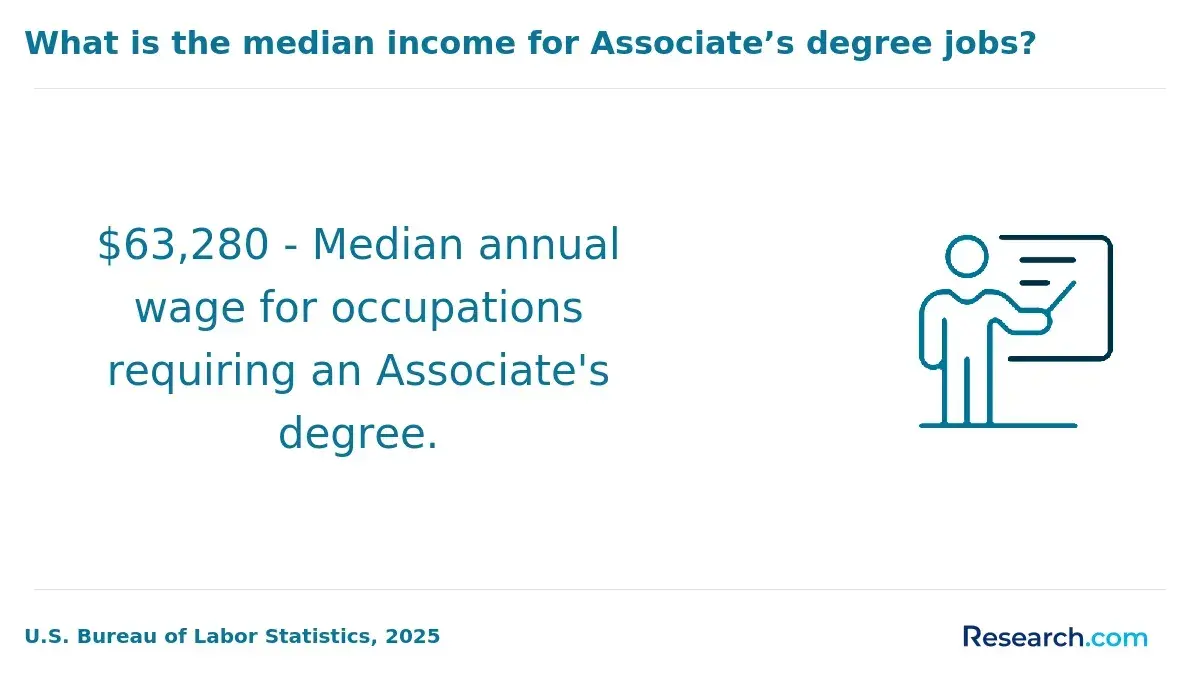
Researching average starting salaries for aerospace engineering degree holders by university can help students align expectations with their goals. For those exploring broader educational options, understanding the earning potential of various degrees, including associates degree programs, may also inform long-term career planning.
What Graduates Say About Comparing Aerospace Engineering Degree Programs Effectively
- Grove: "Before choosing the aerospace engineering degree program, I weighed the pros and cons compared to other engineering fields, especially considering the cost. Given the average cost of attendance, it was clear this investment matched my passion and career goals perfectly. Completing this program has opened doors I never imagined, allowing me to work on cutting-edge aerospace projects with confidence."
- Larek: "Reflecting on my decision, cost was definitely a major factor in choosing aerospace engineering, as programs can be pricey, often averaging the same tuition as other specialized engineering degrees. However, the depth of knowledge and the practical skills I gained have proven invaluable throughout my professional journey. This degree has not only enriched my understanding but also distinguished me in a competitive job market. "
- Raul: "When I was deciding on a field of study, the financial investment in an aerospace engineering program was significant, but I viewed it as a necessary step toward a fulfilling career. The comprehensive curriculum and hands-on experience justified the cost, and today, having graduated, I see how it has greatly enhanced my credibility and opportunities in the aerospace sector. The program truly prepared me for real-world challenges."
Other Things You Should Know About Aerospace Engineering Degrees
Look for ABET accreditation from the Engineering Accreditation Commission. ABET review confirms the curriculum meets recognized standards for engineering education and is especially important if you want eligibility for licensure, employer screening, or graduate admission. Check the ABET program search for the exact aerospace engineering listing.
Internships are crucial for gaining practical experience and establishing professional connections in aerospace engineering. Programs that have strong ties with aerospace companies or government agencies typically offer better internship opportunities. Evaluating the availability and support for internships can help determine how well a program prepares students for real-world work environments.
- Aerospace Engineers: Salary Guide https://www.aviationjobsearch.com/career-hub/articles/career-advice/salary-and-benefits/aerospace-engineers-salary-guide
- Course Schedule https://aero.umd.edu/course-schedule
- Related Majors Comparison for Aerospace Engineering | MAE | Michigan Tech https://www.mtu.edu/mechanical-aerospace/undergraduate/ae/related/
- Pro's and Cons of Different Aerospace Schools https://talk.collegeconfidential.com/t/pros-and-cons-of-different-aerospace-schools/1786114
- Pros and Cons of Online Learning | National University https://www.nu.edu/blog/weighing-the-pros-and-cons-of-online-vs-in-person-learning/
- Accreditation https://www.imperial.ac.uk/engineering/departments/aeronautics/study/ug/current-students/accreditation/
- Master's programs https://www.uni-stuttgart.de/en/study/master-programs/
- Top Reasons to Study Aerospace Engineering: Future & Opportunities https://www.upes.ac.in/blog/advanced-engineering/reasons-to-study-aerospace-engineering
- LibGuides: Aerospace Engineering: Aerospace Engineers - What They Do and How to Become One https://libguides.csun.edu/ae
- Aerospace Engineering degrees https://www.whatuni.com/degree-courses/search