2027 How Many Credits Can You Transfer Into a Marriage & Family Counseling Degree Program?

Co-Founder and Chief Data Scientist
The transferability of academic credits into a marriage & family counseling degree program varies widely and poses significant implications for students' time to degree completion and career trajectories. Recent data from the National Center for Education Statistics indicates that nearly 40% of transfer students face partial credit acceptance, highlighting institutional caution around coursework alignment and accreditation standards.
This underscores the practical challenges in applying previously earned credits, particularly in disciplines with rigorous clinical and ethical requirements.
Understanding how different programs evaluate transfer credits allows prospective students to make informed choices about course selection and anticipate potential educational delays before committing to a program.
Key Things to Know About How Many Credits Can You Transfer Into a Marriage & Family Counseling Degree Program
- Transfer credit limits in marriage & family counseling often cap at 50%, compelling students to balance prior coursework with program-specific practicum, which may delay licensure eligibility and extend completion timelines.
- Employers increasingly value specialized training over broad credit acceptance, so excessive reliance on transferred credits might reduce graduates' exposure to evolving therapeutic methodologies expected in contemporary family counseling roles.
- With adult learners representing nearly 40% of graduate enrollments nationwide, credit transfer policies directly impact affordability and access, making timely degree completion feasible but sometimes at the expense of comprehensive clinical preparation.
How Many Credits Can You Transfer Into a Marriage & Family Counseling Degree Program?
Transfer credit limits for marriage & family counseling degrees often hinge on an institution's effort to uphold academic rigor while accommodating prior learning, which means not all previously earned credits will seamlessly apply.
Evaluation typically prioritizes regional accreditation status and course equivalency to core counseling topics; credits from community colleges or nationally accredited schools may be capped or scrutinized more heavily.
For example, a student transferring 50 credits from a non-COAMFTE accredited program may face the challenge of only having a fraction accepted, which extends time on campus and delays graduation.
Since upper-division counseling courses integral to licensure preparation are usually less transferable, students must strategically plan their course sequences to meet these mandatory requirements while optimizing how many foundational credits convert.
This dynamic affects employability timelines because delayed graduation can postpone entry into a field that increasingly values timely clinical experience and comprehensive licensure.
In practice, the typical ceiling for accepted transfer credits ranges broadly from about 30 to 60 semester hours depending on program policies and accreditation compliance, but many programs set lower limits to align with state licensure standards and professional benchmarks.
This constraint means students who plan to transfer from community colleges or other universities must weigh the benefit of entering with advanced standing against the likelihood of additional remedial or onsite coursework, especially in research methodology or clinical practicum.
A careful balance is necessary: transferring near the maximum allowed credits accelerates degree completion but may complicate prerequisite ordering, whereas transferring fewer credits increases on-campus requirements but allows greater flexibility with electives relevant to evolving professional demands.
Prospective students unfamiliar with these nuances should consider resources such as the easiest RN program to get into as one point of comparison for understanding transfer policies in clinical-focused healthcare education paths.
What Types of College Credits Can Transfer Into a Marriage & Family Counseling Degree Program?
Transfer credits in marriage & family counseling degree programs typically originate from diverse academic and non-traditional learning pathways, with acceptance contingent on institution-specific evaluation of course equivalency and relevance.
For example, an adult learner entering with general psychology credits may find only a portion applicable toward licensure tracks, compelling them to balance accelerated progress against potential gaps in specialized counseling knowledge that employers expect.
This scenario highlights how transfer decisions materially affect both time-to-degree and readiness for clinical roles.
- General education credits: These often cover foundational skills like communication and statistics and are commonly transferable, though many programs cap how many apply to counseling degree requirements, prioritizing alignment with curriculum needs over blanket acceptance.
- Psychology and social science courses: Courses in these areas undergo stringent review to ensure content aligns with counseling theories, human development, and family dynamics essential for counseling practice and licensure, with incomplete or superficial coverage limiting transferability.
- Specialized counseling coursework: Prior classes in counseling ethics, techniques, and supervised practicum are critically assessed against accreditation standards; strong equivalency documentation may reduce required practicum hours, directly influencing time and cost savings.
- Non-traditional and competency-based learning: Military training, certifications, and portfolio assessments can count toward degree components if formally evaluated but are often restricted to specific competencies, requiring careful navigation of institutional policies.
- Community college or two-year institution credits: These credits must meet or exceed upper-division standards related to counseling content; otherwise, students often need to supplement with advanced coursework, reflecting employer and licensing demands for depth of knowledge in clinical family counseling.
Does Accreditation Affect How Many Credits Transfer Into a Marriage & Family Counseling Degree?
Accreditation status critically determines how transfer credits are evaluated and accepted in marriage & family counseling degree programs. Regionally accredited institutions typically facilitate smoother credit transfers because their standards align more closely, especially within the same geographic area.
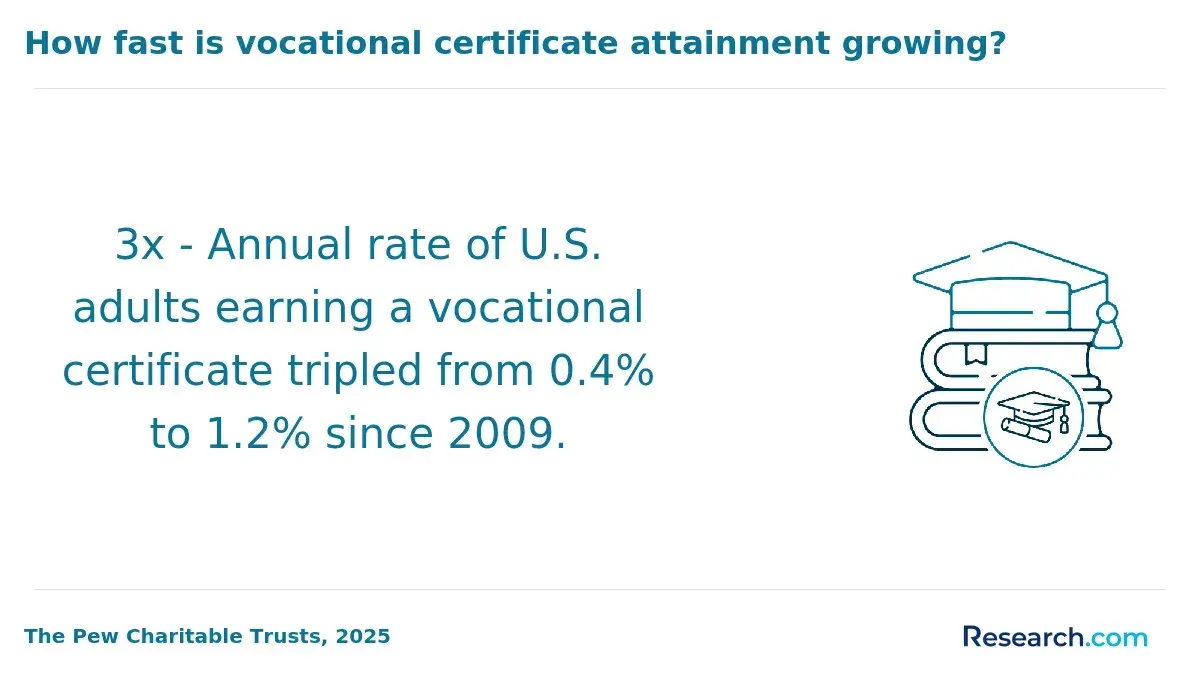
In contrast, credits from nationally accredited schools—often those with vocational focuses—face greater scrutiny and may be partially or entirely rejected by regionally accredited counseling programs that emphasize rigorous curriculum and clinical standards.
Additionally, programmatic accreditation bodies, like COAMFTE, impose further constraints by requiring transferred coursework to match precise content and clinical training benchmarks, often limiting credit acceptance from unaffiliated institutions with divergent curricula.
These accreditation differences translate into tangible impacts on student progress and costs. Recent findings from a 2024 analysis indicate that about 35% of transfer students in marriage & family counseling lose between 6 and 12 credits due to accreditation incompatibilities, frequently resulting in longer degree completion times and higher tuition expenses.
Students may need to retake foundational coursework or fulfill additional prerequisites to meet program expectations, delaying entry into counseling professions where employer preference strongly favors COAMFTE-accredited degrees.
The decision to transfer between programs without aligned accreditation often entails a tradeoff between maintaining credit value and securing future employability, underscoring the strategic importance of selecting institutions with compatible accreditation frameworks to minimize setbacks.
A prospective student shared that during the rolling admissions process for a marriage & family counseling program, there was significant uncertainty about how many of their credits would transfer due to their previous school's national accreditation status.
This delay in receiving a definitive transfer evaluation made it challenging to finalize financial aid and course planning, causing growing anxiety about potential barriers to on-time graduation.
Ultimately, the student opted to apply to a COAMFTE-accredited program whose admissions team provided clearer guidance on credit acceptance, a decision that brought relief but also required adjusting expectations about program length and tuition costs.
This experience highlighted the practical difficulties transfer students face when navigating accreditation-related credit policies, especially under tight enrollment timelines.
How Do Universities Evaluate Transfer Credits for Marriage & Family Counseling Programs?
Universities evaluating transfer credits for marriage and family counseling programs rely on a meticulous review process that prioritizes academic equivalency and program integrity. Initially, evaluators examine detailed course syllabi and descriptions to align previous coursework with required content and learning outcomes in the counseling curriculum.
This step ensures that knowledge areas such as human development, therapeutic methods, and ethical standards are adequately covered before credit approval.
Credit hours are closely assessed for volume parity; for instance, a 3-credit transfer course may not satisfy a university's 4-credit requirement fully. Equally critical is the accreditation status of the former institution, with regionally accredited schools' credits typically receiving more favorable consideration.
This reflects the significant role institutional standards play in transfer credit evaluations within marriage and family counseling degree programs.
Departmental approval acts as a gatekeeper, where faculty or program coordinators decide if transferred credits fulfill core requirements or only electives, impacting how swiftly students complete their degree. Programs often enforce upper-division credit minimums for graduation eligibility, prompting added scrutiny on the level of transferred courses.
A 2024 National Center for Education Statistics study highlighted that 62% of counseling transfer students experienced at least partial course rejection during this evaluation.
Transfer credit outcomes fluctuate based on institutional policy nuances and program competitiveness. Highly selective counseling programs impose stricter equivalency criteria, emphasizing closely matched curricula.
Prospective students, including adult learners or community college graduates, should prepare comprehensive documentation and consider how transfer credit decisions might reshape their academic timeline. Those examining pathways should also explore options like online MSN FNP programs for alternative frameworks in healthcare education.
Can Work Experience Count as College Credits in a Marriage & Family Counseling Degree Program?
Work experience can be recognized for college credit in marriage & family counseling programs, but this depends heavily on institutional policies and rigorous evaluation methods.
Many programs use prior learning assessments (PLAs), portfolio reviews, or competency-based evaluations to verify whether a candidate's professional skills align with the explicit course outcomes and degree requirements.
This process demands detailed documentation, such as comprehensive job descriptions, supervisor references, and demonstrable evidence of competencies that mirror academic standards.
For instance, licensed clinicians submitting portfolios that highlight counseling methodologies and ethical practice enable faculty committees to assess the equivalency of practical experience against formal curriculum expectations.
Despite potential benefits like lighter course loads and expedited graduation timelines, students should recognize that credit awarded for work experience in this field is typically capped—often between 6 and 12 credits—and cannot replace essential clinical or theoretical courses as regulated by accreditation standards.
Moreover, experience outside direct counseling roles, such as administrative work, rarely qualifies for credit, reflecting employer and licensure expectations that emphasize specific skill sets.
According to recent research from the Council for Adult and Experiential Learning, PLA can reduce degree completion time by up to 30%, but this advantage requires strategic documentation and a clear alignment with academic criteria to be meaningful in licensure preparation and long-term employability.
An individual pursuing a marriage & family counseling degree recounted submitting a detailed portfolio mid-admissions cycle to leverage years of community mental health work.
Although initially uncertain about acceptance, the student carefully gathered supervisor evaluations and client treatment summaries to meet the program's competency-focused review.
The review committee's delay in finalizing credit awards caused stress about course registration deadlines, but ultimately, receiving partial credit enabled a manageable course schedule, demonstrating how timing and meticulous preparation critically influence the practical impact of work experience on degree progress.
Why Do Colleges Reject Transfer Credits for Marriage & Family Counseling Programs?
Colleges frequently reject transfer credits for marriage & family counseling programs due to strict academic and institutional criteria that protect program integrity and accreditation standards.
A key issue lies in accreditation differences: many universities only accept credits from regionally accredited institutions recognized by the Council for Higher Education Accreditation (CHEA) or the U.S. Department of Education. Credits from nationally accredited or for-profit technical schools often face denial, as their coursework may lack the comprehensive scope required for counseling degrees.
Course outdatedness is another critical factor. Marriage & family counseling evolves rapidly, demanding courses reflect current theories, ethical guidelines, and clinical practices. Transfer credits from older programs may not meet these expectations, especially if syllabi demonstrate significant divergence from modern content.
This dynamic links closely to common transfer credit policies for marriage and family counseling programs emphasizing relevance and applied knowledge.
Institutions also impose minimum grade standards, usually requiring a grade of B or higher for core counseling courses. Grades below this threshold often suggest inadequate mastery, leading to rejection or limited acceptance of credits.
Equivalency presents further challenges, as transfer credits must align with the program's learning objectives, rigor, and credit hours. General psychology classes might not fulfill the specialized demands of counseling curricula, particularly for advanced or clinical-level courses.
Clinical and laboratory standards impose unique restrictions. Programs require supervised practicum hours that many transferred courses lack, jeopardizing credit acceptance. The resulting consequences for students include delayed graduation timelines, increased tuition costs, and disrupted course sequencing.
According to a 2024 national study on transfer student outcomes, nearly 40% of human services and counseling students experienced credit loss, often delaying completion by a semester or more.
Students transferring from outdated degree structures or technical institutions should anticipate higher rejection rates, complicating educational planning and financial burdens.
These constraints differentiate counseling pathways from others, such as medical billing, where different medical coding salary plans, credit policies, and workforce dynamics prevail.
Which Marriage & Family Counseling Degree Programs Accept the Most Transfer Credits?
Programs at public universities often accept substantial transfer credits thanks to established articulation agreements with community colleges, sometimes allowing up to 90 semester hours.
However, these institutions frequently enforce residency requirements, compelling students to complete a minimum number of credits on campus, which can limit the total usable transfer credits and affect flexibility.
Online and competency-based programs typically offer greater transfer credit adaptability, particularly for adult learners demonstrating prior mastery, but this can result in degrees with fewer traditional academic experiences, which some employers may view cautiously within counseling fields.
According to a 2024 report from the National Center for Education Statistics, about 62% of adult-focused program students transfer more than half of their credits, highlighting widespread demand for flexible credit policies tied to workforce preparation.
Degree-completion tracks tailored for transfer students leverage frameworks like the American Council on Education's guidelines to convert military and professional training into academic credit, yet challenging upper-division course transfers remain a bottleneck due to specific marriage & family counseling curriculum needs.
While transfer-friendly policies speed up degree attainment, they sometimes restrict course selection or impose additional foundational classes to ensure academic rigor.
This balance between efficiency and educational depth has direct consequences; employers and licensure bodies may scrutinize degrees heavy in transferred or non-traditional credits, influencing graduates' credential acceptance and career prospects in a field increasingly emphasizing comprehensive, accredited training.
Prospective students must evaluate how credit acceptance aligns with both accelerated completion goals and the practical recognition of their credentials post-graduation.
How Do Transfer Credits Affect the Time Needed to Complete a Marriage & Family Counseling Degree?
Transfer credits influence the timeline for completing a marriage & family counseling degree in ways that extend beyond merely reducing total course load. Programs often require students to fulfill specific upper-division or core counseling courses on campus, limiting how much transferred credit actually accelerates progress.
For instance, a student who transfers 30 credits from a general social science background might still face delays if those credits don't satisfy essential clinical training prerequisites or foundational counseling courses. This misalignment can disrupt the sequencing needed for internship eligibility and delayed workforce entry.
According to a 2024 report by the National Center for Education Statistics, nearly 40% of transfer students experience such alignment challenges, illustrating that the applicability of credits matters more than the total volume in shaping graduation timing.
Moreover, many marriage & family counseling programs impose caps on transferable credits and enforce strict residency requirements, meaning excessive transfer credit doesn't always translate into fewer semesters. Transferred credits satisfying only general education but not program-specific requirements can extend graduation by requiring extra core courses later in the sequence.
These factors affect internship scheduling and licensure exam eligibility, which are critical junctures for workforce entry and employer expectations.
Adult learners and career changers should strategically evaluate which credits align directly with counseling competencies to avoid redundant coursework and ensure timely progression through clinical training—key for meeting licensing mandates and labor market demands within counseling professions.
Do Transfer Credits Reduce the Cost of a Marriage & Family Counseling Degree?
Transfer credits can affect the tuition cost of a marriage & family counseling degree primarily when they are accepted toward mandatory degree requirements. Many programs calculate tuition on a per-credit basis, so credits that fulfill required core or elective courses reduce the number of paid credits.
However, only those transfer credits that directly apply to degree mandates typically lower costs; credits accepted solely as electives without replacing key courses often have no impact on total tuition.
This nuance means that students exploring how to reduce marriage & family counseling degree expenses with transfer credits must carefully examine program-specific credit applicability and tuition models.
In practice, many students still pay full price for certain required residency or institution-specific courses regardless of transferred credits, limiting potential savings. Some programs cap the number of transferable credits, and excess transferred coursework might count as electives, contributing to course load but not reducing tuition expense.
According to a 2024 report from the National Center for Education Statistics, about 60% of transfer students experienced partial tuition reductions, while 40% saw minimal or no cost benefit due to these constraints and residency policies.
Transfer students and adult learners should weigh these operational factors thoughtfully, recognizing these practical tradeoffs within a marriage & family counseling degree pathway.
For those comparing related health science fields, reviewing options such as an online exercise physiology degree may also offer alternative credit transfer dynamics and cost structures.
What Is the Best Strategy to Maximize Transferable Credits?
Maximizing transferable credits within a marriage & family counseling degree requires navigating institutional policies that often limit acceptances to between 30% and 60% of total degree requirements. For example, a transfer student from a community college who neglects to verify course equivalencies early may lose significant credit, extending time and cost.
Understanding these real-world constraints influences both academic pacing and workforce entry timelines.
- Prioritize earning credits from regionally accredited institutions, as transfer acceptance rates can be up to 75% higher compared to national or unaccredited schools.
- Consult articulation agreements between community colleges and four-year universities to identify guaranteed course equivalencies that align with marriage & family counseling programs.
- Request detailed syllabus evaluations from the admissions or registrar's office before enrolling to confirm that course content matches program prerequisites and rigor, reducing credit denial risks.
- Complete prerequisite courses closely tied to the core counseling curriculum, such as psychology, human development, and counseling theories, to maximize recognition and prepare for advanced coursework.
- Consider prior learning assessments like portfolio reviews or industry certifications for non-traditional credits, as some programs accept these to supplement transfer credits.
These targeted actions grounded in transfer credit policies for marriage and family counseling programs improve the efficiency of educational pathways, avoiding costly detours. For more comparative insights on transfer strategies in healthcare-related fields, see Capella vs Chamberlain RN to BSN programs.
What Graduates Say About How Many Credits Can You Transfer Into a Marriage & Family Counseling Degree Program
- Iker: "When I was looking at transferring credits into my marriage & family counseling degree, I quickly realized there was a limit of only about 30% of the total coursework. Balancing that constraint meant I had to plan carefully which prerequisites to tackle beforehand. Ultimately, though limited credit transfer slowed my entry into the workforce a bit, I found that employers valued my internship experience far more than the extra credits I'd hoped to bring from my previous studies."
- Hayden: "I entered my marriage & family counseling program with a decent chunk of transferable credits, but the program's cap forced me to complete core clinical hours onsite. This decision was challenging since I needed to juggle a part-time job, but it ended up being crucial-those supervised hours made me markedly more competitive in hiring. I learned that while transferring credits sped up coursework, real-world internships were what opened doors, especially for remote counseling roles."
- Caleb: "At first, I assumed transferring the maximum credits into my marriage & family counseling degree would fast-track my career. However, the strict caps on transfer credits meant I had to extend my studies by a semester, which felt like a setback. On the plus side, that extra time allowed me to focus on certification prep and networking, which turned out to be more impactful for salary growth than just finishing early. Trade-offs like these were a reality I had to navigate carefully."
Other Things You Should Know About Marriage & Family Counseling Degrees
Many marriage & family counseling programs mandate extensive practicum or internship hours that cannot be substituted by transfer credits. While academic courses may transfer, these fieldwork components are essential for licensure and employer readiness, meaning students must still complete them within the enrolling institution. This limits how much time transfer credits can realistically reduce since practical experience demands direct supervision and specific site placements aligned with curriculum standards.
Choosing a program that accepts more transfer credits can shorten your time and reduce costs, but it may come at the expense of clinical depth or faculty expertise, which are crucial for employability in counseling. Programs with stringent transfer rules often maintain higher standards for hands-on training and coursework relevance, directly affecting graduate readiness and job prospects. Prioritizing a program's clinical credibility over maximum credit acceptance usually leads to better long-term career outcomes.
Transferring many credits from varied institutions can disrupt the structured sequence of counseling courses designed to build skills progressively. In marriage & family counseling, early theory courses feed into advanced clinical practice; skipping foundational classes might weaken essential knowledge needed for effective counseling. Students should evaluate whether transferred credits align chronologically and conceptually with the target program to avoid gaps that could complicate learning and licensure preparation.
References
- A Transfer Credit Crisis https://wcuquad.com/6024996/features/a-transfer-credit-crisis/
- Master’s degree in marriage and family counseling https://www.trevecca.edu/academics/program/marriage-and-family
- Online Master's in Marriage and Family Therapy https://onlinecounselingprograms.com/online-counseling-degrees/online-mft-masters-programs/
- Licensed Marriage and Family Therapist - Florida Board of Clinical Social Work, Marriage & Family Therapy and Mental Health Counseling https://floridasmentalhealthprofessions.gov/licensed-marriage-and-family-therapist/
- Course Credit Transfer Policy https://www.sacredheart.edu/majors--programs/school-counseling---ma/course-credit-transfer-policy/
- Best Online Marriage and Family Therapy Master’s Programs for 2025 https://www.onlinemastersdegrees.org/best-programs/counseling/marriage-and-family-therapy-mft/
- Estimated Total MFT Program Tuition — MFT California https://www.mftcalifornia.com/estimated-total-program-tuition
- Canadian Association for Couple and Family Therapy https://camft.ca/Professional-training
- MA in Marriage/Family Therapy (Marriage/Family Therapy) https://www.umassglobal.edu/academic-programs/ma-in-marriage-and-family-therapy
- Become a Marriage and Family Therapist (MFT) - State Licensure Guide https://www.counselingschools.com/careers/marriage-and-family-therapy