2027 How Many Credits Can You Transfer Into a Health Communication Degree Program?

Co-Founder and Chief Data Scientist
Transfer credit policies for health communication degree programs vary widely, with many institutions capping accepted credits to ensure mastery of core content and practical skills. A 2024 report from the National Center for Education Statistics highlights that nearly 45% of students transferring into communication-related programs faced partial credit denial.
This reflects growing scrutiny over the applicability of previous coursework to meet evolving industry demands.
Understanding these limits and criteria is essential for transfer students and career changers assessing how their academic history fits within diverse health communication pathways.
Key Things to Know About How Many Credits Can You Transfer Into a Health Communication Degree Program
- Transfer limits in health communication programs often restrict general education credits but may exclude specialized courses, forcing students to retake advanced classes and extending time to degree completion.
- Employers in public health increasingly value mastery in communication-specific competencies, so non-aligned transfer credits can weaken graduates' skill profiles and affect early-career opportunities.
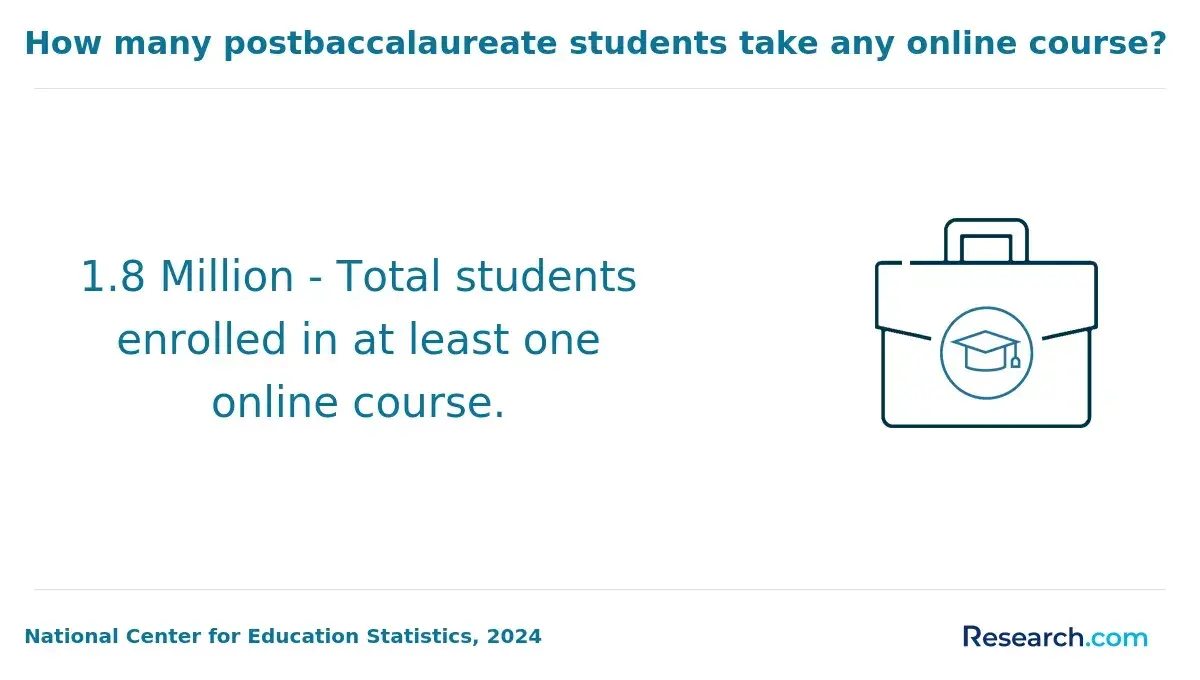
- Adults leveraging prior credits benefit from reduced costs and faster enrollment, yet rigid transfer policies limit this advantage, especially as online program enrollment among adult learners grew 12% in 2024 according to NCES data.
How Many Credits Can You Transfer Into a Health Communication Degree Program?
Transfer credit limits in health communication degree programs represent a critical factor shaping a student's academic trajectory and workforce entry timing.
Many programs restrict maximum eligible credits for transfer in health communication degrees to between 50% and 75% of total required credits, a boundary that directly influences how much previous coursework-especially from community colleges or other universities-can advance degree completion.
For instance, credits earned at regionally accredited institutions that align closely with foundational communication or public health components are more likely to transfer, whereas specialized or unrelated courses often do not count.
Students nearing program completion should note that upper-division credits, which form the core expertise of the degree, typically face the strictest evaluation and may require in-residence completion, an important consideration when planning transfer strategies to avoid prolonging graduation timelines.
The practical impact is clear: transfer credit limits compel students to balance the benefits of prior learning with the constraints of program integrity and employer expectations for comprehensive upper-level mastery.
These credit acceptance policies have tangible consequences not just for academic planning but also for aligning course sequencing in a way that supports employability in growing sectors reliant on health communication expertise.
When transfer students fail to meet upper-division residency requirements or misalign prerequisite chains, they risk delays that ripple into workforce entry, potentially offsetting gains from transferring credits.
Carefully mapping transfer credits with academic advisors can thus help optimize educational pathways by ensuring both compliance with institution mandates and seamless course progression.
For adult learners or career changers exploring options like an RN to BSN with no clinical hours approach, understanding these nuances is vital to manage expectations and efficiently leverage prior certifications or coursework.
Ultimately, transfer policies reflect a meaningful tradeoff: accepting a large share of credits accelerates degree completion but may sacrifice critical upper-level competencies that employers increasingly prioritize in health communication roles.
What Types of College Credits Can Transfer Into a Health Communication Degree Program?
Transfer credits for a health communication degree often emerge from diverse academic backgrounds and experiential learning, but their acceptance depends heavily on how closely prior coursework or experience aligns with program standards and workforce relevance.
For instance, a student transferring from a community college with strong general education credits may still find some courses fail to meet the specialized needs of health communication, potentially lengthening time-to-degree and increasing cost despite previous effort.
Employers in healthcare and communication sectors increasingly expect candidates to demonstrate competencies directly related to health messaging and public outreach, so understanding these credit evaluation nuances is critical for strategic academic planning.
Credits typically accepted into health communication degree programs can be categorized as follows:
- General Education Credits: These include foundational courses in English, math, social sciences, and natural sciences, often transferring readily since they meet broad institutional requirements and underpin essential analytical and communication skills relevant across health fields.
- Health or Communication-Specific Coursework: Courses in health studies, public health, communication theory, or media undergo selective evaluation based on content relevance, rigor, and learning outcomes matching core or elective requirements, affecting how effectively they reduce degree length.
- Elective Credits: Offering flexibility, these credits' applicability varies by program policies; some accept them toward degree progress, while others restrict electives from substituting for key specialized courses necessary for workforce readiness.
- Professional or Non-Traditional Learning Credits: Prior work experience, military training, and certifications may qualify through portfolio reviews or exams but often apply narrowly to electives rather than core health communication coursework, limiting their impact on graduate qualifications.
- Online and Continuing Education Credits: Subject to accreditation and academic equivalency standards, these credits are increasingly scrutinized to ensure consistency with in-person coursework quality and relevance to health communication program objectives.
Does Accreditation Affect How Many Credits Transfer Into a Health Communication Degree?
Transfer credit acceptance in health communication programs hinges significantly on the accreditation status of the originating institution. Regional accreditation generally facilitates a more seamless credit transfer process because these accreditations are widely recognized and aligned across institutions in the same geographic area.
Credits from nationally accredited or vocational schools often face stricter scrutiny or partial denial, as their standards may not fully match those of regionally accredited programs.
Additionally, programmatic accreditation focused specifically on communication or health-related curricula can enhance acceptance if courses demonstrate direct relevance, but any mismatch in accreditation rigor typically results in added evaluation hurdles or substitution requirements before credits are applied.
These accreditation discrepancies have tangible consequences for students aiming to expedite their health communication degree completion. Research from the National Center for Education Statistics in 2024 indicates that roughly a third of transfer students in communication-related disciplines encounter credit loss, which delays graduation and increases overall educational expenses.
Students moving from nationally accredited institutions into regionally accredited health communication programs frequently face the burden of retaking courses, which can strain both finances and motivation. This extended timeline not only postpones workforce entry but can also impact long-term earnings and career trajectories, especially for adult learners balancing multiple responsibilities.
Being strategic about initial institution selection and understanding the accreditation landscape is crucial for managing these tradeoffs.
An applicant navigating rolling admissions candidly shared their experience of initial hesitation due to uncertainty about credit transfer outcomes. They delayed submitting final transcripts while waiting for their nationally accredited community college to provide detailed course descriptions aligned with the health communication program's requirements.
This cautious approach, intended to maximize accepted credits, introduced anxiety around application timing but ultimately provided clarity that informed their enrollment decision.
The process highlighted how accreditation factors can inject unpredictability into transfer planning and require applicants to engage proactively with admissions offices to avoid last-minute surprises or avoidable setbacks.
How Do Universities Evaluate Transfer Credits for Health Communication Programs?
Universities evaluating transfer credits for health communication degrees undertake a detailed, multi-phase review that prioritizes academic rigor and curricular alignment.
Initially, evaluators conduct a syllabus review comparing course content, learning outcomes, and credit hours to determine equivalency. This step ensures transferred courses meet the institution's expectations for both depth and topical relevance within health communication studies.
Next, departmental approval typically involves faculty experts who assess whether the credits apply toward core or elective requirements. Core credits, particularly upper-division ones, receive heightened scrutiny since they underpin critical competencies and accreditation standards.
Many programs limit transfer of these upper-level credits to maintain program quality and workforce readiness.
How universities assess transfer credits for health communication degrees also varies depending on institutional policies and program selectivity. More competitive programs often adopt stricter evaluation criteria, reducing allowable transfer credits, whereas articulated agreements with community colleges may facilitate smoother credit acceptance.
According to the National Student Clearinghouse Research Center (2024), around 62% of transfer students lose some credits during transfer, highlighting the necessity of detailed evaluation processes.
Academic evaluators distinguish between credits fulfilling degree requirements and those accepted solely as electives, which can prolong graduation time if not strategically managed. Students planning their health communication pathway must understand these criteria to minimize credit loss and maintain alignment with employer expectations and evolving workforce demands.
Adult learners and community college graduates especially benefit from informed course selection and transfer planning that reflect realistic educational outcomes within this discipline. Exploring options like the best online nursing programs may also inform related career decisions.
Can Work Experience Count as College Credits in a Health Communication Degree Program?
Conversion of work experience into college credits in a health communication degree hinges on institutional policies and rigorous evaluation processes. Many programs require applicants to undergo prior learning assessment (PLA), which can involve portfolio reviews, competency-based evaluations, or faculty committee approvals.
To qualify, students must provide extensive documentation such as employer letters, work samples, or reflective essays demonstrating how professional skills meet the specific learning objectives of courses.
Despite these pathways, credit awards are typically limited; institutions often cap prior experience at 15 to 30 credits and do not allow it to substitute foundational coursework essential for degree integrity.
The practical impact for students is twofold: successfully awarded credits can significantly reduce academic workload and associated tuition, a critical factor for adult learners balancing work and study. However, if the assessment falls short or documentation lacks clarity, students face the risk of completing redundant coursework, delaying graduation, and incurring higher costs.
A 2024 report by the Council for Adult and Experiential Learning found that while nearly 72% of institutions offer some form of credit for prior learning, only about 35% of eligible students receive such credit, underscoring the stringent and often inconsistent standards applied.
This creates a strategic imperative for students to carefully research schools with transparent PLA policies and prepare comprehensive evidence to maximize credit recognition.
One health communication graduate recounted how they delayed submitting their portfolio until close to the institution's rolling admissions deadline, leading to anxiety about whether their prior public health campaign work would be recognized.
The extra time spent assembling detailed documentation proved crucial, but the waiting period before faculty review extended the admissions timeline unexpectedly.
Ultimately, the student gained partial credit, which shortened their course load, but the experience highlighted the value of early and thorough preparation to avoid uncertainty and last-minute hurdles in aligning professional experience with academic requirements.
Why Do Colleges Reject Transfer Credits for Health Communication Programs?
Colleges often reject transfer credits for health communication degree programs due to differences in accreditation status, with regionally accredited universities typically requiring standards not met by credits from technical schools or nationally accredited institutions.
Course equivalency mismatches are common since health communication curricula demand current theories, research methods, and applied healthcare communication practices. Older courses or those lacking relevance to contemporary industry standards frequently face denial.
A 2024 National Center for Education Statistics study found that roughly 35% of transfer credits in specialized programs are partially or fully rejected due to such content gaps.
Minimum grade thresholds also impact credit acceptance. Many programs mandate grades of C or higher in prerequisite courses to ensure foundational knowledge, and credits without comparable lab or clinical experiences are often excluded because they fail to satisfy accreditation or program-specific criteria.
These evaluation practices reflect the specialized, outcomes-driven nature of health communication degrees, emphasizing both academic rigor and practical competencies.
Another critical factor is alignment with upper-division curricula; lower-division transfer credits seldom substitute for advanced coursework essential for developing professional expertise. This misalignment often results in repeated classes, extended time to degree completion, and increased tuition costs.
Such sequenced disruptions challenge transfer students, particularly those coming from older degree programs or less rigorous institutions.
Transfer students evaluating health communication programs should recognize these common transfer credit evaluation issues in health communication degrees to avoid unexpected delays or expenses.
Navigating these barriers effectively often requires strategic academic advising and realistic planning aligned with employer expectations within healthcare communication contexts, where timely degree completion influences career readiness.
For students exploring allied healthcare roles, understanding how credit transfer affects program duration and costs parallels considerations in fields like medical coding; see the medical billing and coding salary to appreciate workforce demand and credentialing tradeoffs.
Which Health Communication Degree Programs Accept the Most Transfer Credits?
Public universities frequently offer the most transparent and stable transfer credit policies for health communication degrees due to statewide articulation agreements that streamline credit acceptance from community colleges. These agreements often allow 60 to 90 semester credits to transfer, accelerating degree progress for many students, particularly community college graduates.
However, such institutions typically enforce strict residency mandates requiring students to complete a significant portion—often 30 to 40 credits—on campus, which can impede full credit utilization.
From a workforce standpoint, this model balances efficient degree completion with academic rigor, but students reliant on transfer credits should anticipate limited flexibility in substituting upper-division coursework and plan accordingly to maintain program integrity during job placement or graduate study applications.
Online and competency-based health communication programs often maximize transfer credit acceptance by valuing prior learning, professional experience, and non-traditional credits through prior learning assessments, sometimes accepting up to 90 credits.
These degree paths cater to adult learners and career changers seeking expedited progression yet typically restrict the transfer of upper-division courses and blend competencies tightly with curriculum outcomes, which can reduce curricular flexibility.
While this approach can accelerate entry into the workforce—important given increasing demand for communication professionals in healthcare settings—employers and graduate programs may scrutinize degrees earned predominantly through extensive transfers or competency-based formats for potential gaps in academic depth.
According to the 2024 report by the National Center for Education Statistics, about 65% of bachelor's graduates transfer credits, underscoring the need for students to carefully consider how program transfer policies align with both completion goals and long-term professional credibility.
How Do Transfer Credits Affect the Time Needed to Complete a Health Communication Degree?
Accepted transfer credits can alter the timeline for completing a health communication degree, but their benefits are often counterbalanced by institutional restrictions like prerequisite sequences and residency requirements.
For example, a student transferring 30 credits from a community college may quickly fulfill general education components yet still must complete upper-division core courses on-site to meet accreditation and employability standards.
This creates a tradeoff where credits reduce foundational workload but may not accelerate graduation if program-specific rules limit credit use toward major requirements.
According to the National Center for Education Statistics, about 70% of transfer students encounter credit loss or non-applicability, complicating semester planning and delaying access to critical internships that many health communication employers consider essential indicators of readiness.
Beyond credit acceptance, semester scheduling is affected by course expiration policies and prerequisite chain enforcement. Coursework older than five to seven years often must be retaken despite initial credit transfer, and missing prerequisites can block enrollment in capstone or practicum courses crucial for workforce entry.
Because many health communication roles demand applied experience and timely credentialing, transfer students must carefully align transferred credits with program progression and licensing timelines.
While transferring credits may reduce nominal credit requirements, practical constraints often mean students cannot fully shorten their path to employment without strategic academic advising and early evaluation of credit applicability.
Do Transfer Credits Reduce the Cost of a Health Communication Degree?
Transfer credits can influence tuition calculations by reducing the number of credits students must pay for, but this effect depends on how institutions apply those credits within their health communication degree programs. Typically, only transferred credits that fulfill core or elective degree requirements directly lower tuition-bearing credit loads.
Since most U.S. universities charge per credit, applying transfer credits toward mandatory courses shortens the path and reduces expenses. However, strict program rules often require students to complete a minimum number of credits at the institution itself, impacting how much transferred credits actually lower costs.
Despite transfer credit acceptance, many students still face financial tradeoffs when rules restrict credit applicability. Some transferred credits may count solely as free electives, which doesn't reduce total credit requirements or tuition paid.
Additionally, residency policies or specific course content standards sometimes force students to retake similar classes despite having transfer credits, diminishing cost savings.
According to the National Student Clearinghouse Research Center in 2024, about 60% of students see some cost reduction, but large savings are less frequent due to these limitations.
Prospective students, particularly those considering an online bachelor's degree in biology or similar degrees, should carefully evaluate how credit transfer policies alter program timelines and expenses before enrolling.
What Is the Best Strategy to Maximize Transferable Credits?
Maximizing transferable credits in health communication degree programs demands navigating institutional policies with a strategic, evidence-driven approach. Since many employers value degree completion timelines, inefficient credit transfer can delay workforce entry, impacting earning potential and career momentum.
For students balancing prior coursework or professional experience, optimizing credit acceptance requires understanding how policies on equivalency and accreditation constrain transfer credit acceptance.
Effective strategies to increase transferable credits include:
- Review articulation agreements between your current or previous institutions and the health communication program to identify pre-approved transferable courses, enhancing predictability and acceptance rates.
- Enroll exclusively in regionally accredited colleges or universities, as credits from national or unaccredited schools often face rejection due to quality assurance concerns.
- Request detailed syllabus evaluations from the receiving institution's registrar or academic advisors by providing comprehensive course materials. This facilitates precise alignment with program requirements beyond simple credit hour comparisons.
- Complete prerequisite and foundational courses closely related to health communication core competencies, such as biology, communication theory, or public health basics, to improve the likelihood of a transfer application toward degree requirements.
- Explore prior learning assessment (PLA) options that may grant credit for relevant work experience or professional certifications, reducing the need for redundant coursework.
- Track the maximum credit transfer limits set by the receiving institution, which typically range from 60-75% of degree requirements, to plan remaining coursework effectively.
- Maintain thorough academic records and transcripts to expedite verification and minimize transfer delays.
A 2024 National Student Clearinghouse report reveals nearly 80% of students leveraging articulation agreements and submitting detailed course documentation achieve higher credit acceptance, significantly accelerating degree completion. This evidence underscores the necessity of proactive planning within the framework of transfer credit policies for health communication degrees.
Candidates should also consider how streamlined credit transfer impacts long-term employment prospects in health communication fields, where timely degree completion is increasingly linked to eligibility for certifications and positions. For those exploring interdisciplinary healthcare roles, understanding these strategies is as important as knowing how to become nurse practitioner efficiently.
What Graduates Say About How Many Credits Can You Transfer Into a Health Communication Degree Program
- Jase: "When I started my health communication degree, I had only 30 transferable credits from my previous general studies, which limited how quickly I could move through the program. I decided not to overload on additional certifications right away, focusing instead on internships that would build my portfolio. In the end, while my path to a full-time role was slower, emphasizing real-world experience made a significant difference during job interviews."
- Kyro: "I was pleasantly surprised that my 45 credits from a related field transferred smoothly into the health communication program, allowing me to graduate earlier than I anticipated. This flexibility enabled me to accept a remote position sooner, which was crucial given my family's needs. Although some employers still prioritize licensure, I found that my practical internship experience gave me an edge in freelance and contract opportunities."
- Aaron: "Due to tight transfer limits-only 20 credits accepted-I had to carefully plan my coursework to avoid redundant classes in health communication. This constraint forced me to pivot from a clinical track to more communications-focused roles in healthcare marketing. While the salary growth is moderate without advanced licensure, I appreciate the career pivot options and the chance to work on campaigns that impact public health directly."
Other Things You Should Know About Health Communication Degrees
Accepting a high number of transfer credits, especially general education or unrelated courses, may limit a program's flexibility to include advanced or specialized health communication topics. Students should weigh whether transferring many credits accelerates graduation at the cost of fewer opportunities to engage deeply in subject-specific coursework that employers value for relevant skills and domain expertise.
Transferring excessive credits can fragment learning pathways if prior courses do not align tightly with health communication competencies. This may reduce students' exposure to critical communication strategies tailored to healthcare contexts. Prioritizing transfers that closely match program core requirements helps preserve curriculum coherence and better prepares graduates for industry expectations.
Students transferring many credits might bypass foundational or cohort-specific courses where strong peer and faculty interactions are forged, potentially limiting access to internships, project collaborations, and mentorships critical for career advancement. Deliberate selection of transfer credits should consider the impact on immersive learning environments that foster professional connections within health communication.
References
- All Master's in Health Communication Programs (2025 Update) https://www.mastersincommunications.com/specializations/health-communication
- Transfer students still lose lots of credits https://www.ccdaily.com/2017/09/transfer-students-still-lose-lots-credits/
- How to get college credit from work experience, military training or even a hobby | Quick Guide https://edsource.org/2025/california-colleges-credit-prior-learning/723803
- Health Communication | Salem College https://www.salem.edu/academics/academic-programs/health-communication/
- Can You Transfer Credits From a Completed Degree? https://www.edvisorly.com/student-guides/can-you-transfer-credits-from-a-completed-degree
- The Importance of Understanding Transfer Credit Policies https://www.sophia.org/blog/higher-education/understanding-transfer-credit-policies/
- REG, Transfer Credit https://reg.usuhs.edu/transfer-credit
- TSU Transfer Equivalency Guides – Maximize Your Credits https://tsu.edu/admissions/transfer-equivalency-guides-by-major.php
- Back to School: How to Finish Your Healthcare Degree Online https://www.edumed.org/articles/online-degree-completion-in-healthcare/
- Transfer Credits https://cabarruscollege.edu/current-students/student-records-information-management/transfer-credits