2027 How Fast Can You Earn an Online Business Administration Bachelor's Degree? Timelines & Completion Options

Co-Founder and Chief Data Scientist
The key question for many online learners is not simply whether they can earn a business administration bachelor’s degree online, but how quickly they can finish without choosing a weak program, overloading their schedule, or paying more than necessary. That decision matters for working adults, transfer students, parents, military-affiliated learners, and anyone trying to turn prior college credit into a completed credential.
Online business administration programs can follow a traditional four-year structure, an accelerated calendar, a part-time path, or a flexible self-paced model. With nearly 60% of online business administration learners seeking accelerated options, students need a realistic view of timelines before they enroll. This guide explains the typical completion window, how transfer credits and start dates affect graduation speed, what workload to expect, and how to evaluate faster options without sacrificing accreditation, academic quality, or long-term career value.
Key Things to Know About Online Business Administration Bachelor's Degree Timelines & Completion Options
- Flexible scheduling allows students to balance work and study, often enabling completion in three to four years, versus the traditional four to five years.
- Accelerated programs offer condensed courses lasting 5 to 8 weeks, reducing overall timeline and supporting faster degree attainment.
- Credit transfer from previous college work or military experience can cut degree completion time by up to 50%, streamlining progress toward graduation.
What Is the Typical Timeline for an Online Business Administration Bachelor's Degree?
A typical online business administration bachelor’s degree takes about four years of full-time study. Most programs require between 120 and 130 credit hours, similar to campus-based bachelor’s degrees. Data from the National Center for Education Statistics indicates the average completion time for online business administration programs and on-campus degrees across the U.S. is approximately 4.3 years.
The timeline usually depends less on the online format itself and more on how many credits a student takes each term. A full-time student who follows the recommended course sequence, avoids withdrawals, and enrolls continuously can often stay close to the standard four-year plan. Students who pause enrollment, change majors, take fewer classes, or need developmental or prerequisite coursework may take longer.
Common four-year structure
- Year 1: General education courses, introductory business classes, writing, math, and technology foundations.
- Year 2: Additional general education requirements and lower-division business courses such as accounting, economics, and business law.
- Year 3: Core business administration coursework in management, marketing, finance, operations, and organizational behavior.
- Year 4: Advanced business electives, concentration courses, capstone projects, and any remaining degree requirements.
Students comparing online programs should look beyond the advertised graduation estimate. Ask whether courses are offered every term, whether upper-level classes have strict prerequisites, and whether the program allows summer or accelerated sessions. Learners considering broader technology-focused pathways can also compare flexible formats in online AI degree programs, though business administration programs have their own curriculum and credit requirements.
What Are Accelerated Online Business Administration Bachelor's Degree Programs?
Accelerated online business administration bachelor’s degree programs are designed to help students complete required credits faster than a traditional four-year schedule. They do not eliminate core degree requirements. Instead, they compress terms, increase yearly enrollment opportunities, and often expect students to take courses continuously.
These programs can be useful for students who already have transfer credits, strong study habits, predictable weekly availability, and a clear reason to finish sooner. They can be risky for students who are already stretched thin by work, caregiving, or financial pressure, because a faster calendar often means less recovery time between assignments, exams, and projects.
How accelerated formats usually work
- Condensed course schedules: Classes cover the same broad learning outcomes in a shorter period, which can make each week more demanding.
- Shorter terms: Terms often span eight to 10 weeks instead of the standard 15-week semester, allowing students to complete more terms in a calendar year.
- Year-round enrollment: Students may take courses in fall, spring, summer, and shorter intersessions to avoid long academic breaks.
- Multiple start dates: Programs may offer several entry points, making it easier to begin when transcripts, financial aid, and personal schedules are ready.
- Heavier planning requirements: Students must track prerequisites, course rotations, tuition deadlines, and workload carefully to avoid bottlenecks.
An accelerated format is not automatically better. It is best for students who can protect regular study time and who are comfortable learning independently in a high-volume environment. Before enrolling, confirm that the school is accredited, that credits will apply to your intended major requirements, and that the faster pace will not interfere with work responsibilities or financial aid eligibility. Students comparing accelerated online formats in other fields may also review CACREP accredited counseling programs to see how compressed terms differ by discipline and professional requirements.
Can I Transfer Credits to an Online Business Administration Bachelor's Degree?
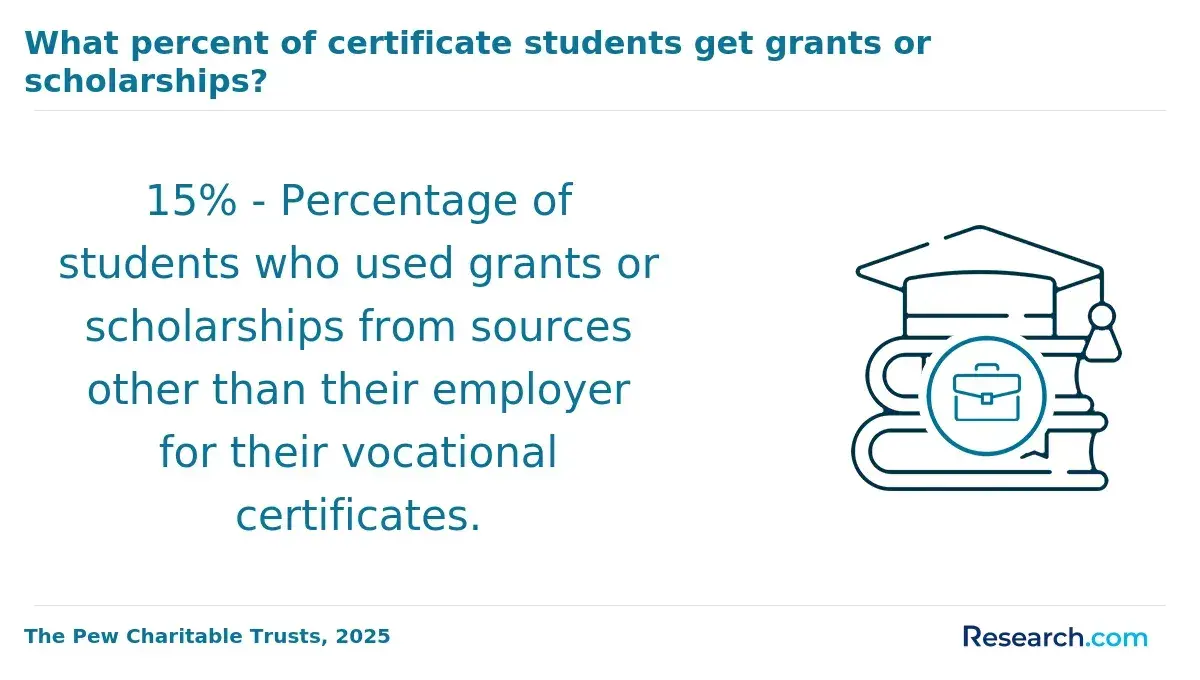
Yes. Transferring credits is one of the most practical ways to shorten an online business administration bachelor’s degree. Nearly 40% of learners in online bachelor’s programs transfer credits from previous studies, making transfer evaluation a major part of degree planning.
Transfer credit can reduce both time and cost, but it is not automatic. Schools decide whether prior coursework matches their curriculum, whether the credits came from an accredited institution, and whether the grades meet their policy. Students should request an official transfer evaluation before assuming how many credits will count toward graduation.
What schools usually review
- Accreditation of the previous institution: Credits are typically more likely to transfer when they come from accredited colleges or universities.
- Minimum grade standards: Many programs require a “C” or higher for transfer credit, though policies vary.
- Course equivalency: General education courses often transfer more easily than specialized upper-level business courses.
- Credit limits: Institutions generally limit how many credits can be transferred, often capping between 60 and 90 credits.
- Residency requirements: Students usually must complete a required portion of credits directly through the degree-granting institution.
How to avoid transfer delays
- Order official transcripts from every college attended, even if you completed only one course.
- Save syllabi for business, accounting, economics, statistics, and upper-level courses because departments may request them.
- Ask whether credits apply to major requirements, electives, or general education; these categories affect your remaining timeline differently.
- Confirm whether professional certifications, military training, standardized exams, or prior learning assessments are accepted.
- Get the final degree audit in writing before building your graduation plan.
One graduate described the process this way: “Navigating the credit transfer process was daunting at first—having to request syllabi and detailed course descriptions felt overwhelming.” The evaluation took time, but once the credits were approved, the student said the result was motivating: “It was reassuring to see previous hard work recognized, and it motivated me to finish faster.”
Which Is Faster: Self-Paced or Scheduled Online Business Administration Bachelor's Degree?
Self-paced programs can be faster for disciplined students who already understand some course material, can study consistently, and are allowed to complete assessments as soon as they are ready. Scheduled online programs are often more predictable, but they usually move at the pace set by the academic calendar. The average duration for a self-paced business administration bachelor’s degree program typically falls closer to four years, compared to the longer, more fixed timelines in scheduled formats.
| Format | Best for | Speed advantage | Main risk |
| Self-paced online program | Independent learners with strong time management and steady weekly availability | Students may move ahead when they master the material instead of waiting for weekly modules | Progress can stall without external deadlines |
| Scheduled online program | Students who want structure, instructor pacing, peer interaction, and clear deadlines | Predictable course sequence helps students stay on track | Acceleration may be limited by fixed start and end dates |
Self-paced online programs
- Flexible learning: Students can often work through course material at their own speed, which may support faster completion.
- High responsibility: The format requires self-discipline because fewer built-in checkpoints can make procrastination costly.
- Potential speed: Students who can study intensively may finish courses faster than they would in a fixed weekly schedule.
Scheduled online programs
- Structured schedule: Courses follow set start dates, deadlines, and weekly expectations.
- Peer interaction: Discussion boards, group projects, and instructor feedback can help students stay engaged.
- Consistent progress: The structure supports steady advancement, often closer to the typical four to six-year range for students who need a guided pace.
The faster choice depends on the student, not just the format. A self-paced option can be slower if a learner lacks time or motivation. A scheduled program can be faster if it keeps the student from falling behind. Students comparing flexible professional degrees may also look at an online construction management master’s program to understand how pacing models vary across career-focused online programs.
How Long Does a Part-Time Online Business Administration Bachelor's Degree Take?
A part-time online business administration bachelor’s degree typically takes longer than a full-time plan, often ranging from three to five years depending on transfer credits, course load, and year-round enrollment. Nearly 70% of online undergraduates opt for part-time enrollment, which reflects how common it is for students to balance college with jobs, caregiving, military service, or other responsibilities.
Part-time study is not just a slower version of full-time study. It changes how students plan their energy, finances, and academic momentum. Taking fewer courses can reduce weekly pressure and help students stay employed, but it may also extend the number of terms in which they pay technology fees, registration fees, or other recurring costs.
Part-time study may be the better fit if you:
- work full time or have an unpredictable work schedule;
- have caregiving responsibilities that limit study hours;
- need to control out-of-pocket costs each term;
- are returning to college after a long break and want to rebuild academic confidence; or
- want more time to absorb business concepts and apply them at work.
A graduate of an online business administration bachelor’s degree program said the part-time route helped her manage school alongside a full-time job and family responsibilities. “It wasn’t always easy to switch from work mode to study mode in the evenings, but pacing myself reduced burnout,” she said. She also noted that taking longer helped her connect coursework to workplace problems: “Taking longer meant I could connect theory to my daily work challenges, which really enriched my learning journey.”
What Affects the Timeline of an Online Business Administration Bachelor's Degree?
The timeline for an online business administration bachelor’s degree is shaped by credit requirements, enrollment intensity, transfer policies, course availability, and personal capacity. Two students in the same program can graduate at different times because their prior credits, work schedules, and course sequencing are different.
Key timeline factors
- Enrollment status: Full-time students generally complete more credits each term, while part-time students spread requirements over more terms.
- Transfer credits: Prior college credit can shorten the remaining path, but only if those credits meet the school’s transfer and degree requirements.
- Course availability: Programs with frequent start dates and year-round courses can help students avoid waiting for required classes.
- Prerequisites: Some upper-level courses require accounting, economics, statistics, or management foundations first. Missing a prerequisite can delay graduation.
- Program flexibility: Accelerated, competency-based, or self-paced models may allow faster progress for students who can handle the workload.
- Personal commitments: Work hours, family responsibilities, health needs, and financial pressure can affect how many courses a student can complete successfully.
- Academic performance: Withdrawals, failed courses, or repeated classes can extend the timeline and increase cost.
The most reliable way to estimate your own completion date is to request a degree audit and map every remaining requirement by term. A general “four-year” or “accelerated” label is less useful than a written plan showing which courses you will take, when they are offered, and what prerequisites must be completed first.
What Is the Workload for an Online Business Administration Bachelor's Degree?
Students in online business administration bachelor’s degree programs should expect a steady weekly workload. Data indicates that students enrolled in online programs typically devote about 15 to 20 hours per week to their studies. The exact number depends on course difficulty, writing requirements, quantitative work, group projects, and whether the student is taking one class or several at the same time.
Business administration coursework is usually broad rather than narrowly technical. Students may study accounting, management, marketing, finance, economics, business analytics, operations, ethics, and strategy. That variety can be useful for career flexibility, but it also means students must switch between reading-heavy, math-based, writing-intensive, and project-based assignments.
Typical workload components
- Weekly study hours: Plan for approximately 15 to 20 hours per week for lectures, readings, assignments, and exam preparation.
- Written assignments: Courses often require discussion posts, short analyses, research papers, business memos, and case study responses.
- Quantitative work: Accounting, finance, economics, and statistics courses may require additional practice time.
- Group projects: Online business programs often use team-based presentations or simulations, which require coordination across schedules.
- Participation: Discussion boards, peer feedback, and virtual meetings can count toward grades and should not be treated as optional.
A realistic schedule is essential. Students who work full time may need to protect evening or weekend study blocks before the term begins. Those taking accelerated courses should expect the same academic expectations in a shorter window, which can make each week more intense.
Do Multiple Start Dates Help Me Finish an Online Business Administration Bachelor's Degree Faster?
Multiple start dates can help students finish faster by reducing idle time between application, admission, and coursework. They do not reduce the number of required credits, but they can prevent students from waiting several months for the next traditional semester. Recent data shows that about 60% of fully online programs feature rolling or multiple-term start options.
Some online business administration programs allow enrollment every eight weeks or quarterly. This flexibility can be especially helpful for transfer students, military-affiliated students, working adults, and students who need to align school with employer tuition assistance or family obligations.
How multiple start dates can shorten the path
- Faster entry: Students can begin after transcripts, financial aid, and admissions documents are ready instead of waiting for fall or spring.
- Fewer gaps: Shorter breaks between terms help students maintain academic momentum.
- Better course planning: More frequent offerings may make it easier to complete prerequisites before advanced courses.
- Recovery options: If a student must skip a term, another start date may be available sooner.
The benefit depends on course availability. A program may advertise multiple starts but still offer certain required courses only once or twice per year. Before enrolling, ask for a projected course rotation, especially for upper-level business classes and concentrations. Students comparing flexible calendars in other online fields may find similar planning issues in an online master’s in counseling program.
Is It Cheaper to Complete an Online Business Administration Bachelor's Degree Faster?
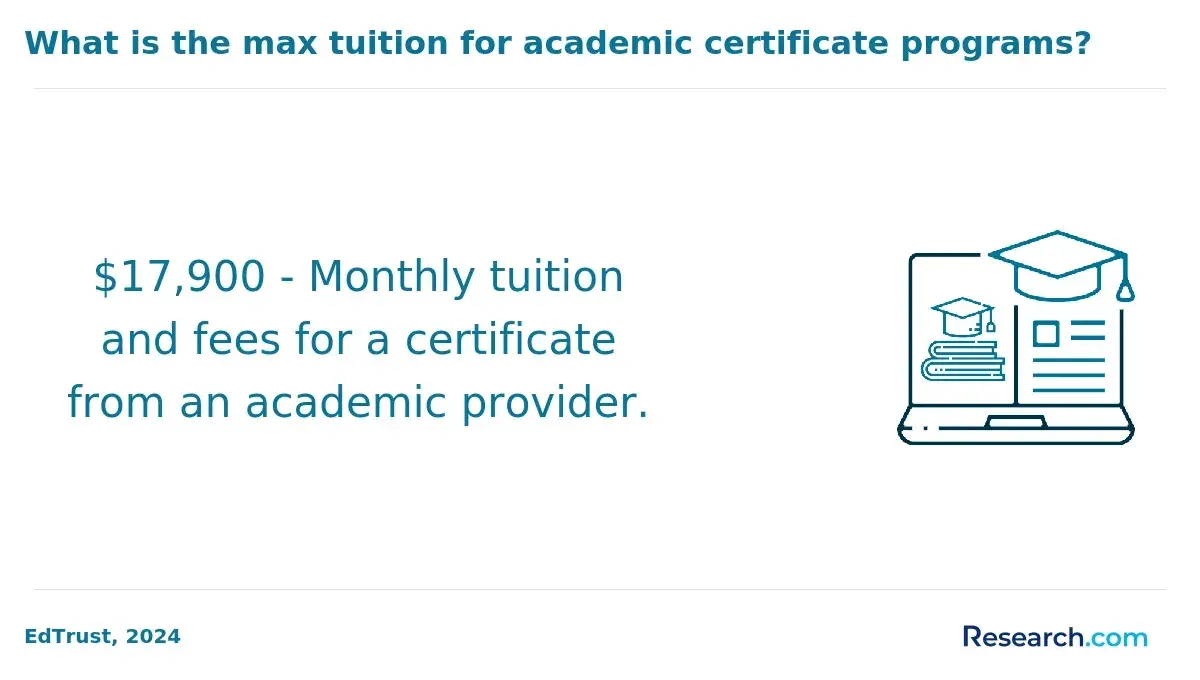
Finishing an online business administration bachelor’s degree faster can be cheaper in some cases, but not always. The average cost per credit for these programs ranges from $300 to $600, so total tuition depends heavily on the number of required credits, transfer credits accepted, and whether the institution charges by credit, by term, or through a flat-rate tuition model.
Speed can reduce costs when it lowers the number of terms in which students pay recurring fees. However, faster study can also increase short-term bills, reduce work hours, and create a higher risk of dropping or repeating classes if the workload is unrealistic.
Cost factors to compare
- Tuition structure: Per-credit tuition makes costs easier to calculate, while flat-rate or term-based pricing may reward students who can complete more credits in each term.
- Term-based fees: Registration, technology, student services, and other recurring fees may be lower overall if a student finishes in fewer terms.
- Financial aid rules: Enrollment intensity can affect aid eligibility, disbursement timing, and satisfactory academic progress requirements.
- Workload intensity: Taking more classes at once may reduce time available for paid work or caregiving.
- Opportunity cost: Graduating sooner may allow earlier career advancement, but that benefit is not guaranteed and depends on the student’s job market, experience, and goals.
The best financial choice is the fastest pace you can complete successfully, not simply the fastest pace advertised. Students comparing tuition models across online STEM and professional programs, such as those researching electrical engineering degree online admissions, should apply the same caution: calculate total credits, fees, time to completion, and the risk of repeating courses.
How Can I Complete an Online Business Administration Bachelor's Degree Faster?
The fastest reliable path is built before enrollment. Students who optimize course sequences and use faster-paced learning options can reduce their graduation time by six months or more compared to traditional paths. The key is to accelerate strategically without taking on a course load that leads to poor grades, withdrawals, or burnout.
Practical ways to shorten your timeline
- Maximize transfer credit early: Submit all transcripts and ask for a written evaluation before registering for classes.
- Follow a full degree map: Plan every remaining requirement by term, including prerequisites, electives, and capstone courses.
- Use summer and intersession classes: Shorter terms can help you earn additional credits without adding another full academic year.
- Choose accelerated course formats carefully: Eight-week sessions can move faster than standard 16-week courses, but they require disciplined weekly study.
- Take a consistent course load: Continuous enrollment prevents momentum loss, even if you choose a manageable part-time pace.
- Clear prerequisites early: Complete foundational courses such as accounting, statistics, economics, and business communication before they block upper-level enrollment.
- Avoid unnecessary electives: Confirm that every course counts toward your degree audit before enrolling.
- Use academic advising often: Meet with an advisor before each registration period to avoid course sequencing mistakes.
If you are still comparing schools, review program cost, accreditation, transfer policies, and course calendars before choosing a business administration degree online. A lower tuition rate is helpful, but the fastest and most affordable program is usually the one that accepts the right credits, offers required courses frequently, and supports the pace you can sustain.
What Graduates Say About Online Business Administration Bachelor's Degree Timelines & Completion Options
- Conrad: "I chose an online business administration bachelor's program primarily because it allowed me to balance work and study without sacrificing my income. The flexibility to pace my courses according to my schedule made it manageable, especially with family commitments. The affordability compared to traditional programs also made it a smart financial decision, and completing the degree really boosted my confidence and opened new doors in my career."
- Walker: "Reflecting on my experience, I found that the accelerated timeline options in many online business administration programs were a major draw for me. Being able to finish faster suited my goal of advancing quickly without getting stuck in a rigid semester system. The program's cost-effectiveness meant I could avoid large student loans, and since graduating, I've noticed a significant improvement in job opportunities and salary negotiations."
- Joseph: "From a professional standpoint, earning my business administration degree online was the perfect solution when relocating frequently for work. The varied completion options gave me the freedom to adapt my studies to my shifting lifestyle. I appreciated the transparent tuition fees upfront, which helped me budget effectively. Since graduation, the credential has greatly enhanced my credibility with employers and allowed me to pursue leadership positions."
Other Things You Should Know About Business Administration Degrees
Yes, some online business administration programs require students to complete prerequisite courses before advancing to core subject matter. These prerequisites often cover foundational topics in math, statistics, or introductory business concepts. If a program includes such requirements, they can extend the total time needed to graduate, especially for students without prior coursework in these areas.
Many accredited online business administration programs include options for internships, cooperative education, or capstone projects to provide real-world experience. While these experiences may not add significantly to the timeline, they can sometimes require scheduling flexibility or additional time outside traditional coursework. Participation in these opportunities is often beneficial for career readiness.
Yes. Many accredited programs accept up to 90 semester credits toward a 120-credit bachelor’s degree, leaving only 30 credits to finish. Schools usually require official transcripts and a minimum grade of C- or better for transfer courses, which can cut completion time by a year or more.
References
- How Long Does It Take to Get a Business Administration Degree? - Team Academy https://teamacademy.nl/how-long-does-it-take-to-get-a-business-administration-degree/
- Online Bachelor of Business Administration: How long does it take? https://www.boisestate.edu/online/2025/05/20/online-bachelor-of-business-administration-how-long-does-it-take/
- Factors influencing students’ decisions to start online businesses in the digital ERA at Thanh Dong University https://learning-gate.com/index.php/2576-8484/article/view/11104
- 7 Factors That Affect Online Business in the Start Up Phase - Eaton Business School https://ebsedu.org/blog/factors-affect-online-business-start-phase/
- Online Bachelor's Degree in Business Administration: Your Best Decision | EU Business School https://www.euruni.edu/blog/online-bachelors-degree-in-business-administration-your-best-decision/
- 5 Tips to Help You Get Your Online Business Degree - University of the Potomac https://potomac.edu/5-tips-to-help-you-get-your-online-business-degree/
- Online Bachelor's in Business Administration https://www.fitchburgstate.edu/academics/programs/online-bachelors-business-administration
- Stevenson University https://www.stevenson.edu/online/about-us/news/how-long-does-it-take-to-get-a-business-degree-online/
- What is the future of bachelor’s degrees in business? https://www.amba-bga.com/insights/what-is-the-future-of-bachelors-degrees-in-business
- How an Online BBA Degree Fits Into Your Busy Schedule https://www.dypatilonline.com/blogs/online-bba-degree-fits-busy-schedule