2027 Highest-Paying Public Administration Master's Specializations Ranked

Co-Founder and Chief Data Scientist
Salary variations across public administration master's specializations reflect more than simple pay scales; they reveal complex interactions between sector demand, technical skill requirements, and credentialing hurdles. Specializations aligned with emerging regulatory frameworks or advanced data management often command premiums due to technical complexity and scarcity of qualified candidates.
Conversely, roles concentrated in less volatile sectors may offer stable but comparatively moderate compensation. Labor market imbalances and employer expectations for leadership capacity or specialized certifications further shape earning potential. This article examines these dynamics, offering insights into compensation trends and workforce alignment that inform strategic specialization choices beyond raw salary figures.
Key Benefits of the Highest-Paying Public Administration Master's Specializations
- Specializations in public administration with strong quantitative training align with a 2024 workforce report showing 37% employer preference for data-literate leaders, intensifying competition but boosting upward mobility in analytics-driven roles.
- Focusing on health policy specialization reveals a sector-specific demand surge post-pandemic, highlighting a real shift in public priorities that impacts employer recruitment strategies and job stability.
- Programs emphasizing regulatory affairs often require extra time and cost investments, reflecting a tradeoff where deeper compliance expertise narrows opportunities but positions graduates as indispensable in complex bureaucratic environments.
What Are the Top-Paying Careers for Public Administration Master's Graduates?
Salary potential for public administration master's graduates hinges on how well their specialization aligns with current labor market dynamics, economic pressures, and evolving regulatory landscapes. Compensation differences reflect not just educational attainment but the strategic positioning of skills in sectors experiencing technological change, compliance intensity, or substantial operational responsibility.
- Healthcare Administrator ($90,000-$150,000): These roles are highly prized due to the increasing complexity of healthcare delivery and regulatory oversight. Professionals managing multi-million-dollar budgets and navigating federal mandates around patient privacy and care standards command strong salaries, as noted by 2024 U.S. Bureau of Labor Statistics data. The blend of leadership accountability and technical expertise in this specialization elevates compensation.
- Urban Planner and Development Manager ($80,000-$130,000): The modernization of urban infrastructure and integration of smart city technologies drives demand for specialists who understand zoning regulations, stakeholder negotiation, and sustainable development. Labor market evidence shows these planners are compensated well, reflecting their critical role in economic growth and environmental impact mitigation within highly regulated municipal environments.
- Public Financial Manager ($85,000-$140,000): High wages correspond with increasing scrutiny on public sector fiscal transparency and accountability. Finance managers with specialization in budgeting and fiscal policy bring scarce expertise that directly influences government efficiency and public trust, justifying their salary premiums seen in recent industry salary reports and government workforce evaluations.
- Homeland Security and Emergency Manager ($75,000-$130,000): These positions command a premium due to their focus on risk assessment, crisis coordination, and adherence to complex federal compliance standards. The hybrid nature of public safety, logistics management, and regulatory adherence places graduates with this specialization in a critical niche with elevated hiring priority.
- Policy Analyst and Program Evaluator ($70,000-$120,000): Experts who convert multifaceted data into actionable public sector strategies are in growing demand. Their analytical skills drive resource optimization and impact measurement, leading to competitive salaries that align with organizational reliance on data-driven decision making, as industry reports confirm.
- Non-Profit Executive Director ($70,000-$125,000): Leadership roles here require navigating donor relations, program sustainability, and regulatory compliance, driving compensation within the upper salary ranges of public administration careers. These leaders balance mission impact with fiscal responsibility, a skill mix that remains rare and highly valued across the nonprofit sector.
- Government Affairs Director ($70,000-$125,000): These specialists operate at the intersection of policy lobbying, legislative negotiation, and public relations, necessitating deep regulatory fluency and stakeholder management. Their strategic influence in shaping policy outcomes reflects in salary data aligned with senior leadership metrics from workforce analyses.
- International Development Manager ($70,000-$125,000): Managing cross-border projects involves navigating complex political, social, and regulatory environments, which federal and global agency reports highlight as a rare skill set commanding strong market salaries. These professionals face tradeoffs of frequent travel and geopolitical risk for elevated compensation.
- Environmental Policy Advisor ($70,000-$125,000): Specialists focusing on environmental regulation, sustainability initiatives, and compliance frameworks are increasingly sought after as climate and regulatory priorities rise. Compensation trends reflect their role in guiding organizations through evolving policy pressures and sustainability mandates.
- Transportation Manager ($70,000-$125,000): Overseeing infrastructure projects, regulatory compliance, and stakeholder coordination in transportation demands a unique blend of operational and regulatory knowledge. The complexity and scale of these projects justify competitive salaries, especially in regions with significant transit or logistical challenges noted in workforce salary analyses.
The variation in salaries among these top-paying public administration careers in the United States highlights how specialization affects employability and long-term growth. Those who focus on sectors where economic pressures, technological shifts, and regulatory complexity intersect tend to reap higher compensation and greater strategic influence. This dynamic advises prospective students and professionals to weigh not only immediate salary prospects but the evolving demands and skill sustainability within each specialization.
Evaluating master's programs should also consider how well curricular offerings align with these workforce realities, including exposure to compliance frameworks, leadership experiences, and data analytical tools critical in high-paying roles. Prospects balancing cost and time investment against access to these specializations may explore options like MBA programs online for complementary skill enhancement, maximizing their adaptability in competitive labor markets.
Which Industries Pay the Highest Salaries for Public Administration Master's Graduates?
Salary variation across industries for graduates with a master's in public administration reflects underlying economic structures, operational risk, and the specialized demands of governance, compliance, and policy management. The value of public administration expertise is notably contingent on the revenue scale, regulatory complexity, and strategic weight assigned to roles within each sector. This dynamic explains why industries dealing with high stakes, intricate regulatory environments, or large-scale funding consistently offer higher compensation than those with narrower operational scopes.
- Federal Government ($95,000-$120,000): The federal sector commands some of the highest salaries for public administration graduates due to the scale and impact of roles involving policy development, regulatory enforcement, and oversight of extensive programs. According to the U.S. Bureau of Labor Statistics (2024), senior leadership positions can surpass $100,000 annually, reflecting the critical responsibility for national governance and complex programmatic management. The sector balances stable compensation with well-defined career ladders, though work intensity can be high given the political and bureaucratic context.
- Healthcare Administration ($90,000-$110,000): Healthcare's regulatory complexity and large budgetary responsibilities drive premium pay for administrators versed in public administration. Hospitals, insurers, and public health agencies depend on skilled leaders to manage compliance with healthcare laws and optimize resource allocation. PayScale (2024) notes health services managers frequently earn six-figure salaries, highlighting the market's demand for professionals who can navigate regulatory intricacies and stakeholder coordination, despite often challenging operational pressures.
- Finance and Consulting ($95,000-$115,000): Consulting firms and financial institutions prize public administration graduates for expertise in government relations, compliance, and policy advising. The need to mitigate regulatory risk and support clients navigating complex governance frameworks supports high starting salaries, often exceeding $95,000. McKinsey's 2024 workforce report emphasizes the premium placed on public administration skills for driving operational efficiencies and governance strategies within these profit-driven, competitive sectors.
- Nonprofit Sector (Large NGOs and Foundations) ($75,000-$90,000): While nonprofits generally offer lower pay, leadership roles in large international organizations can exceed $85,000, balancing mission-oriented work with competitive compensation. The funding constraints and donor-dependence in this sector limit salary growth compared to government or corporate settings, but specialized public administration skills in program evaluation and compliance remain critical, especially for organizations operating transnationally.
- State and Local Government ($70,000-$95,000): States and municipalities offer substantial salaries reflecting responsibility over extensive public service delivery and regulatory enforcement. Budget cycles, political pressures, and diverse stakeholder engagement characterize these roles, with pay scales influenced by geographic cost differences and varying funding structures. Lightcast data (2024) highlights moderate growth in these positions, underscoring steady demand but with less volatility than federal roles.
- Education Administration ($65,000-$90,000): Public and private educational institutions require administrators to oversee regulatory compliance, budgeting, and program implementation. PayScale and the National Center for Education Statistics report salaries in this range, with higher compensation in university systems and specialized public service programs. The sector's emphasis on public accountability and funding complexity rewards public administration expertise but often limits salary ceilings compared to other high-revenue industries.
- Energy and Utilities ($80,000-$105,000): Energy firms face significant regulatory scrutiny and environmental compliance demands, increasing the value of public administration skills in navigating government regulations and stakeholder relations. The combination of technical infrastructure oversight and policy impact justifies competitive salaries, with Robert Half (2024) noting elevated pay for managers who integrate compliance and sustainability mandates within operational strategies.
- Transportation and Infrastructure ($75,000-$100,000): Public administration graduates managing transportation projects or infrastructure policy oversee multi-billion-dollar budgets and complex intergovernmental partnerships. The risk of public accountability and the scale of logistical coordination position these roles as highly compensated within government and private contractors, as supported by industry wage surveys in 2024.
- Technology and Cybersecurity Policy ($85,000-$110,000): The rapid evolution of technology regulation and cybersecurity governance has created niche demand for public administration professionals with policy acumen. Firms and agencies require talent adept in regulatory frameworks and compliance monitoring, with McKinsey's 2024 workforce report identifying this as a growth area promising above-average salaries due to talent scarcity and significant operational risk.
- International Development and Diplomacy ($70,000-$95,000): Roles within international organizations and diplomatic services require nuanced public administration expertise to manage foreign aid programs, trade negotiations, and multilateral policy initiatives. While compensation can vary widely depending on organization size and funding, salaries reflect the complexity and high stakes of governance in diverse geopolitical contexts, with market data indicating competitive pay for seasoned professionals.
Which Public Administration Specializations Have the Strongest Job Outlook?
Job outlooks for public administration master's specializations hinge on how well each field aligns with evolving economic conditions, regulatory shifts, and technological advancements. Strong demand correlates less with current employment figures and more with relevance to future challenges, such as digital transformation, policy shifts, and workforce shortages in critical sectors.
- Healthcare Administration: Healthcare administration remains at the forefront due to persistent demographic trends like aging populations and expanding healthcare infrastructure. According to the U.S. Bureau of Labor Statistics, employment for healthcare managers is projected to increase by nearly 28% through 2031, a rate markedly higher than average. This surge is driven by the need for skilled administrators who can navigate complex regulatory environments, integrate electronic health records, and manage cost-containment efforts in increasingly specialized care facilities.
- Environmental Policy and Sustainability Management: Regulatory emphasis on climate change and sustainability is driving demand for public administrators versed in environmental policy. Growth here, while more moderate (8-12% per BLS projections), reflects stable, long-term public and nonprofit sector investments. Professionals in this arena must reconcile evolving compliance mandates with practical sustainability initiatives, requiring both policy acumen and operational flexibility.
- Urban Planning and Development: With expanding urbanization, urban planning and development specialists hold a consistent place in the labor market, facing forecasted growth near 7-9%. Their role involves mediating between public interests and private investment amid fluctuating municipal budgets. While the field offers substantive policy and management work, it remains sensitive to economic cycles, which can impact hiring and project continuity.
- Emergency Management: Increasing frequency of natural disasters, health crises, and security threats makes emergency management a growing priority. The field is expected to grow around 8-10%, reflecting both governmental and nonprofit demand for crisis preparedness and resilience planning expertise. However, success in this area often demands significant practical experience and interagency coordination skills that extend beyond academic credentials.
A mid-career professional who specialized in emergency management recalled feeling uncertain about the field's stability when natural disasters began to draw more media attention. Early on, the challenge was finding roles that combined real operational responsibility with a manageable work-life balance. Over time, as agencies expanded their emergency preparedness programs and federal funding increased, this professional noticed a shift from sporadic contract work to more stable positions. Yet, the transition required persistent networking and demonstrating hands-on crisis management skills rather than relying solely on academic credentials. The experience underscored how job outlook strength can depend as much on real-world readiness and adaptability as on labor market statistics.
Which Public Administration Master's Specializations Have the Best Long-Term Salary Growth?
Long-term salary growth in public administration master's specializations depends largely on factors such as career progression ceilings, scarcity of advanced expertise, leadership pipeline dynamics, and shifting demand within public and nonprofit sectors. Some specializations may begin with modest entry salaries but experience accelerated compounding returns as industry transformations increase the value of senior-level skills over time.
- Public Financial Management: This specialization consistently ranks highest for long-term salary expansion due to the critical nature of budgeting, auditing, and fiscal policy oversight in government and nonprofit organizations. As financial accountability standards tighten, experienced professionals are more likely to ascend to director-level roles commanding significantly higher compensation, supported by analyses from the U.S. Bureau of Labor Statistics and Glassdoor Economic Research.
- Data Analytics and Policy Evaluation: With the growing integration of big data and evidence-based policymaking, administrators skilled in interpreting complex datasets to shape public programs see substantial salary growth. The demand for data-savvy professionals increases leadership mobility in this field, reflecting trends highlighted by workforce insights from PayScale and Lightcast.
- Healthcare Administration: Driven by demographic shifts and regulatory complexity, specialization in healthcare administration maintains steady compensation gains. The necessity for efficient health policy implementation and service coordination provides resilience against automation and industry flux, yielding stable long-term salary trajectories aligned with research from McKinsey workforce reports.
Specializations centered primarily on traditional public affairs or community engagement typically demonstrate slower salary growth due to market saturation and limited scalability of leadership opportunities. Those evaluating master's degrees should weigh these trajectories carefully alongside their career ambitions and program expenses, recognizing that fields like financial oversight and data competency often offer stronger career advancement and greater alignment with public administration master's career advancement and salary potential in the US. For related considerations in industry-specific education pathways, prospective students may find comparative value in construction management degrees online.
What Skills Lead to the Highest Salaries in Public Administration Careers?
Salary differences in public administration careers hinge less on holding a degree and more on mastering specific, high-impact competencies. Those who develop skills that enable strategic control, budget authority, and complex problem solving routinely access senior roles, experience accelerated advancement, and command premium pay in competitive sectors.
- Financial Management and Budgeting: Expertise in navigating intricate budgets enhances salary prospects by positioning professionals as essential stewards of scarce resources. According to PayScale, those with strong fiscal oversight often move into executive roles where they influence allocation decisions critical to organizational viability.
- Data Analysis and Performance Measurement: Proficiency in quantitative evaluation methods sets candidates apart in organizations prioritizing evidence-based outcomes. Glassdoor Economic Research indicates that individuals who transform data into actionable insights reduce inefficiencies, directly tying compensation to measurable organizational improvements.
- Strategic Leadership and Organizational Development: The ability to guide teams through change and align initiatives with long-term goals differentiates mid-level managers from senior leaders. U.S. Bureau of Labor Statistics data show that leadership skills correlate with faster promotion and higher pay scales, reflecting added responsibility and decision-making scope.
- Policy Analysis and Legislative Knowledge: Deep understanding of legal frameworks increases value in environments shaped by regulation, such as health administration and urban development. Labor market reports suggest that this skill commands a premium where navigating compliance and influencing policy are necessary for operational success.
- Communication and Stakeholder Engagement: Strong negotiation and relationship-building abilities create trust and secure funding, making these professionals critical to sustaining projects and partnerships. McKinsey workforce analysis highlights how these interpersonal competencies translate into roles with greater influence and compensation.
A mid-career professional with a master's specialization in public administration recalled the challenge of applying during a rolling admissions cycle. The wait to hear back extended past their preferred start date, which introduced uncertainty about whether to delay career plans or begin with a less relevant program. The ambiguity forced strategic reconsideration: investing additional time to secure a program aligned with their targeted skill development or opting for immediate enrollment to maintain income continuity. This experience underscored how timing and readiness can shape the trajectory toward acquiring the very skills linked to higher salary potential.
Which Certifications Increase Salary Potential After Graduation?
Certifications serve as strategic labor market signals rather than optional academic add-ons for professionals with a master's specialization in public administration. These credentials often accelerate salary growth by unlocking access to specialized roles, enhancing credibility in competitive hiring processes, and shortening time-to-promotion within technical or leadership tracks. Choosing certifications aligned with market demands and employer expectations is crucial for maximizing return on investment.
- Certified Public Manager (CPM): The CPM credential targets mid- to senior-level public sector managers, validating leadership and management expertise that is highly valued in government agencies. PayScale data indicates CPM holders typically earn 10% to 20% more than non-certified peers, reflecting the credential's role in signaling formal management skills crucial for promotion and recruitment in state and local governments.
- Project Management Professional (PMP): Although originating outside public administration, PMP certification addresses a critical need for standardized project management methodologies across public sector projects, including infrastructure and policy implementation. Glassdoor Economic Research finds PMP holders enjoy salary premiums of 15% to 25%, with the credential's versatility enabling career mobility beyond traditional public administration roles despite demanding ongoing education requirements.
- Certified Government Financial Manager (CGFM): Focused on fiscal management expertise, CGFM certification provides leverage in government finance roles by granting access to higher salary grades and leadership positions. U.S. Bureau of Labor Statistics occupational data underscores that CGFM holders benefit from distinct advantages in salaries tied to sector-specific roles where public financial acumen is non-negotiable.
Graduates evaluating certifications that boost salary for public administration graduates should assess how these credentials align with their specialization and long-term career objectives. Investing in certifications with demonstrated labor market impact can be as influential on employability and earnings as selecting among top professional certifications for advancing public administration careers. For those contemplating broader business acumen alongside public sector expertise, programs such as AACSB online MBA programs may also complement their portfolio strategically.
How Do Online and Campus Specialization Salaries Compare?
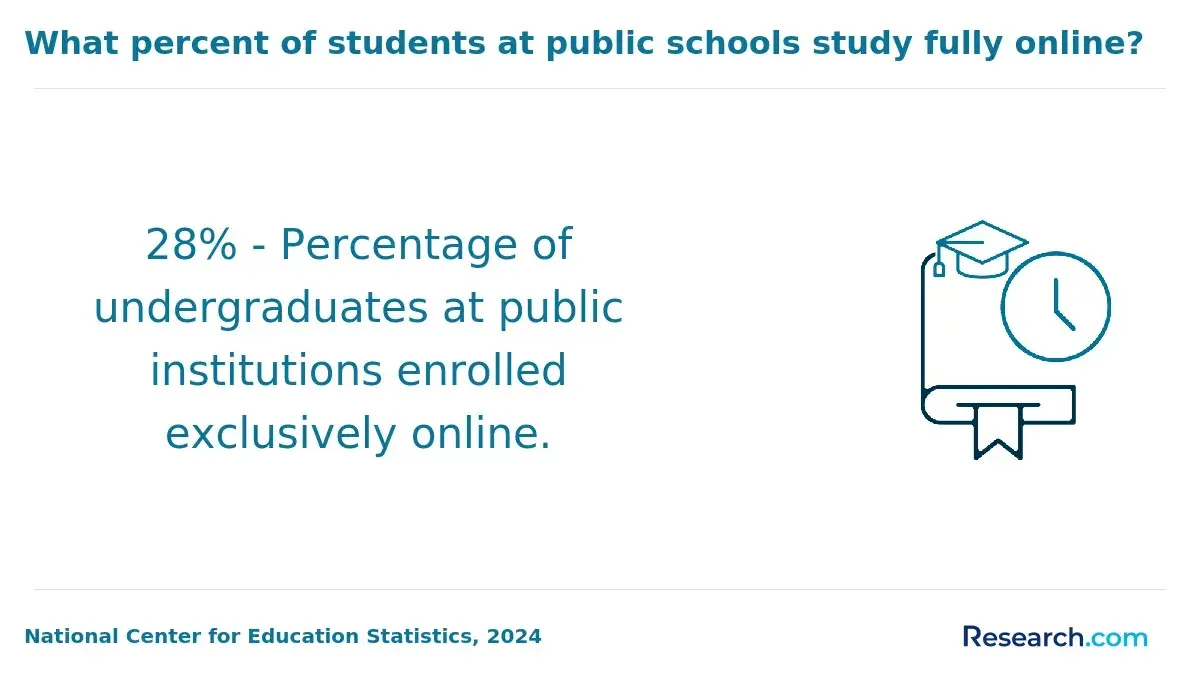
Differences in salary outcomes between online and campus-based master's specializations in public administration are often driven less by the delivery format itself and more by how programs integrate experiential learning, networking opportunities, and employer engagement. Campus programs frequently offer structured internships, cohort-driven collaboration, and localized employer connections that can enhance early career positioning. Conversely, online formats tend to emphasize flexibility for working professionals, which can limit immediate access to traditional pipelines but allow continuous workforce participation during study, influencing compensation trajectories differently. According to a 2024 report by the National Center for Education Statistics, online graduates initially earn about 5% less on average within five years after graduation, although this gap tends to diminish with experience.
For professionals enrolling part-time in online programs, salary growth may begin more gradually due to the balancing of work and study, as well as fewer face-to-face networking opportunities typical of campus cohorts. Early-career benefits associated with in-person internships or job placements in public sector hubs are important factors that often contribute to higher starting wages for campus-based graduates. However, online students frequently maintain employment throughout their studies, which can offset initial pay disparities through uninterrupted career progression and applied skill development. These differences highlight how timing, professional integration, and program structure shape compensation more than the mode of delivery alone.
Employer perceptions also vary by industry and specialization; fields like healthcare administration see nearly equivalent salary outcomes between formats due to steady demand and transferable skills, whereas environmental public administration reflects wider gaps linked to fewer online employer partnerships. Online programs with robust synchronous engagement and project-based curricula can mitigate some traditional disadvantages by signaling rigor and practical readiness to employers. Ultimately, compensation trajectories diverge or converge based on how well programs align labor market signaling, networking access, and specialization intensity with the candidate's professional context and goals.
Which Specializations Are Best for Career Advancement Among Working Professionals?
Career advancement among working professionals in public administration hinges significantly on selecting specializations that align with organizational leadership pipelines and high-impact functional roles. Rather than viewing a master's degree in public administration as a generic credential, choosing targeted concentrations can expedite promotion velocity and access to managerial responsibilities. Certain fields more directly correspond with employer demand for expertise that drives fiscal accountability, regulatory oversight, or strategic planning, all of which correlate with compensation growth and upward mobility.
- Public Finance: Expertise in public finance positions professionals at the nexus of budgeting, debt management, and fiscal policy implementation, roles critically valued across government layers. Data from the U.S. Bureau of Labor Statistics and PayScale underscores that specialists in this area often experience faster promotion tracks due to their ability to enhance financial accountability and optimize resource allocation, skills heavily prioritized in leadership pipelines within municipal and federal agencies.
- Health Policy Administration: Navigating the complexities of healthcare regulations and funding positions graduates for leadership roles in public health departments and related non-governmental organizations. Glassdoor Economic Research highlights that advanced knowledge in this specialization enables professionals to quickly ascend as organizations seek individuals capable of managing evolving regulatory landscapes and expanding public health initiatives, reflecting a clear pathway to higher responsibility and pay.
- Urban Planning and Development: This specialization aligns with growing organizational priorities around infrastructure resilience and community engagement amid demographic and environmental shifts. According to Lightcast data, public administration credentials combined with urban planning expertise grant access to senior roles within metropolitan governments and consulting sectors, where analytical and stakeholder coordination skills are crucial for strategic decision-making and leadership advancement.
Are the Highest-Paying Public Administration Specializations Also the Most Stressful?
High-paying public administration master's specializations often demand elevated responsibility levels that correlate tightly with increased stress. Roles with substantial decision-making authority, particularly in healthcare administration, emergency management, and urban planning, typically involve managing fast-moving crises and adhering to strict regulatory frameworks, which heighten workload intensity. This connection reflects labor market structures where compensation compensates for accountability and the frequent necessity to balance competing stakeholder interests under time pressure.
A 2024 government workforce analytics report indicates that more than 60% of public administration professionals in top-paying roles report high or very high stress linked to accountability and public-facing duties, highlighting how salary often accompanies intensified job pressure rather than purely technical skill requirements.
Stress levels, however, vary considerably within and across specializations depending on organizational context and role design. For example, policy analysis or budget oversight positions may offer competitive compensation but typically feature more predictable workflows and lower crisis frequency, reducing burnout risk. Factors like team structure, technological support, and career stage can moderate the pressure faced by public administrators, underscoring that salary is not the sole indicator of stress intensity in different sectors.
Prospective students evaluating the highest-paying public administration master's specializations and stress levels must account for these nuances, weighing financial rewards against sustainability and professional resilience. This approach aligns with workforce demands, as programs increasingly prepare graduates for real-world tradeoffs, akin to how ASHA accredited SLP programs incorporate both technical competence and practical load management strategies.
How Can Students Align Specialization Choices With Long-Term Career Goals?
Specialization choices within public administration master's programs represent a strategic lever that shapes graduates' career trajectories, earning potential, and access to leadership roles. Those decisions demand careful alignment with labor market demand and personal career direction to avoid limiting long-term mobility or salary growth. Effectively aligning specialization selection with long-term job goals requires understanding evolving industry needs and realistic pathways from academic focus to workplace roles.
- Analyze Labor Market Demand Trends: Focus on specializations tied to sectors exhibiting sustained or growing demand, such as healthcare administration and urban planning, as highlighted by the U.S. Bureau of Labor Statistics and workforce analytics firms. This foresight ensures the specialization remains relevant as employment landscapes shift.
- Assess Skill Transferability: Prioritize specializations that build core competencies like budgeting, regulatory compliance, and data analysis, facilitating mobility across government, nonprofit, and private sectors rather than locking into narrow niches.
- Map Specialization-to-Role Pathways: Investigate which concentrations lead to broader career options-policy analysis often opens consulting and legislative roles-versus narrow tracks like emergency management that may have immediate but limited advancement possibilities.
- Balance Short-Term Access With Long-Term Growth: Evaluate the tradeoff between fast entry into employment versus expansive career horizons, recognizing that some fields offer immediate job openings but fewer transferable leadership opportunities over time.
- Consider Lifestyle and Workload Implications: Different specializations correspond with diverse work conditions; government finance roles often provide stability and structured hours, while nonprofit leadership or crisis roles may demand irregular schedules and impact work-life balance.
Integrating public administration master's programs with long-term job goals therefore involves a multi-dimensional approach combining labor market intelligence, skill valuation, and realistic career mapping. Students who factor these dynamics can make choices that optimize employability and sustainable career growth while aligning with personal ambitions. For those exploring cost-effective educational routes without sacrificing applicability, options like an affordable online general studies degree may complement specialization decisions by adding flexibility and breadth to their credentials.
What Graduates Say About the Highest-Paying Public Administration Master's Specializations
- Otis: "After completing my master's specialization in public administration, I quickly realized that having a solid portfolio of internships and project experiences was far more valuable to employers than just holding a license. Navigating job searches in municipal government taught me that practical skills and demonstrated outcomes often outweigh formal credentials, especially for entry-level leadership roles."
- Ronan: "The flexibility of the online program allowed me to transition smoothly from a nonprofit coordinator role into more senior policy analysis positions without pausing my career. While the salary growth has been steady, I noticed advancement opportunities start to plateau once I hit mid-management, likely because higher ranks still favor candidates with direct certification or specialized licensing."
- Brooks: "Completing my public administration specialization gave me the chance to pivot from education into urban planning. However, the hiring realities in government showed me how competitive roles often require nuanced certifications or experience beyond the master's degree. Balancing remote work options and gaining targeted credentials became key factors as I tailored my career path post-graduation."
Other Things You Should Know About Public Administration Degrees
Specializations with heavier quantitative or legal components, such as budget and financial management or public policy analysis, tend to have more demanding coursework and require a stronger statistical or analytical background. This often means a longer study time or the need for prerequisite knowledge, which can impact working professionals balancing full-time jobs. Prioritizing a specialization that aligns with one's existing skills can reduce time to degree and avoid burnout from unnecessarily steep learning curves.
While higher-paying specializations-like health care administration or homeland security-may offer greater earning prospects, their curricula can be less flexible, often requiring in-person internships or group projects with strict deadlines. Working students must weigh whether sacrificing flexibility for salary is feasible without harming work-life balance. For many, it's advisable to first identify programs with proven flexible delivery before selecting a specialization solely based on pay to ensure completion and sustained performance.
In 2027, the top highest-paying public administration master's specializations include Healthcare Administration, Urban Planning, and International Development. These fields are in high demand due to their strategic importance in both governmental and non-governmental sectors, offering competitive salaries for graduates.
Narrow specializations can enhance early career salary and direct job placement but may limit adaptability if career goals or job markets shift. Conversely, broader degrees provide versatility but might lead to slower initial income growth. For those confident in a specific sector and seeking maximum short-term financial returns, narrow specialization is advisable; others should consider broad programs to preserve long-term professional flexibility and growth potential.
References
- Public Administration Careers Guide | Masters of Public Administration https://www.mastersofpublicadministration.org/careers-for-students
- What Can I Do With a Master’s in Public Administration? https://www.callutheran.edu/programs/articles/what-can-do-with-masters-public-administration/
- What Does a Public Administrator Do? https://www.allbusinessschools.com/public-administration/career-paths/
- Best Online Master’s in Public Administration (MPA) Programs https://www.onlinemastersdegrees.org/best-programs/public-administration-mpa/
- Ranking of the Best Masters, MS & MBA 2025 https://www.best-masters.com/master-public-administration-management-ranking.html
- Salaries & Top Careers for Master's in Public Administration Graduates https://www.gograd.org/resources/public-administration-masters-careers/
- MPA Careers and Salaries https://teach.com/online-ed/government-degrees/online-masters-public-administration/mpa-careers/
- 7 Reasons to pursue a Master’s Degree in Public Administration (MPA) https://dblp.ucnedu.org/blog/7-reasons-masters-degree-in-public-administration/
- Highest Paying Careers & Jobs in Public Administration https://mpadegree.org/highest-paying-careers-jobs-in-public-service-sector/
- Online MPA Careers Guide https://online.aurora.edu/mpa-careers-guide/