2027 Industry Demand for Public Administration Master's Graduates: Job Outlook & Hiring Trends

Co-Founder and Chief Data Scientist
The demand for public administration master's graduates increasingly reflects nuanced employer expectations beyond degree completion. Specialized roles such as policy analyst, urban planner, and public affairs manager require expertise in regulatory compliance, data analytics, and stakeholder engagement. Credential requirements now often include certifications or licenses aligned with governmental standards, particularly in healthcare administration and nonprofit sectors.
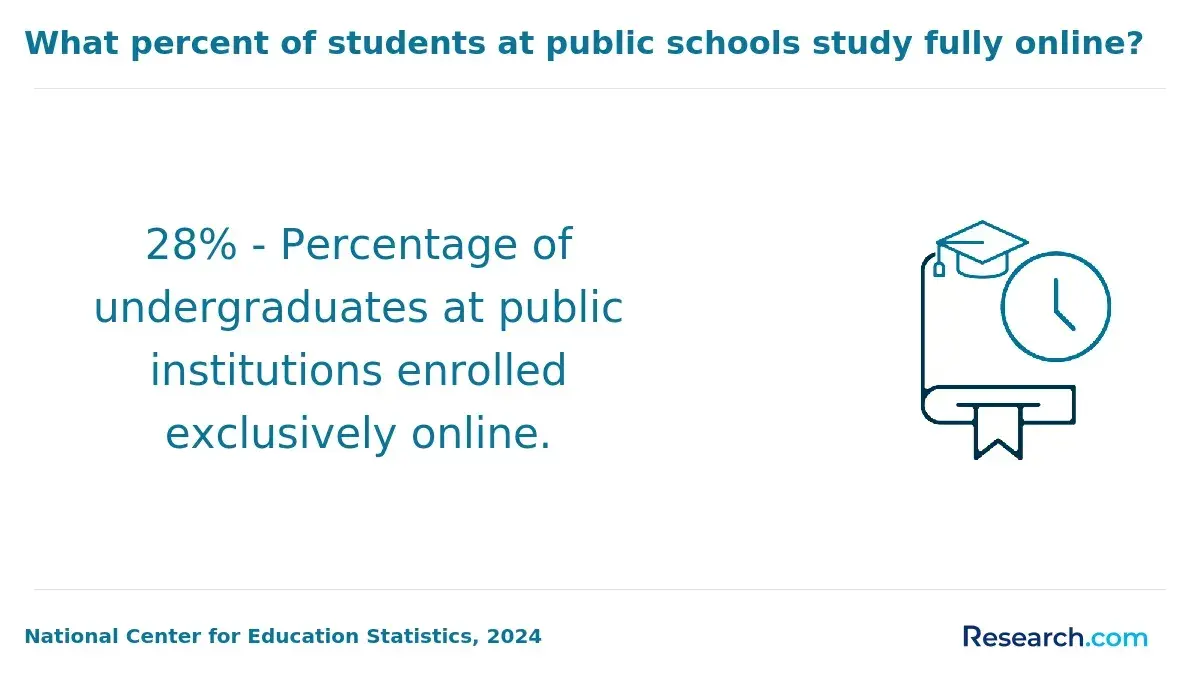
Programs with flexible, online formats respond to a 17% rise in adult learner enrollment reported by the National Center for Education Statistics in 2024, highlighting shifting preferences toward accessible, career-integrated education. This article examines hiring trends, skill priorities, and credential pathways to assess how a public administration master's supports career advancement, financial investment decisions, and alignment with specific job markets.
Key Things to Know About Industry Demand for Public Administration Master's Graduates
- Employers increasingly seek candidates with specialized expertise in budgeting, policy analysis, or grant management, raising credential expectations and narrowing viable roles beyond broad public administration skills.
- Workforce data reveals a growing preference for hybrid and remote management roles, indicating that graduates must develop digital collaboration competencies alongside traditional leadership to remain competitive.
- The 2024 National Center for Education Statistics notes rising enrollment of adult learners in flexible online public administration programs, highlighting a tradeoff between accelerated completion and depth of experiential learning opportunities.
What is the current job outlook for public administration master's graduates?
The current job outlook for public administration master's graduates does not merely reflect steady employment growth but highlights a complex interplay of sector-specific demands, credential expectations, and geographic hiring trends that collectively shape career trajectories.
Understanding these factors offers clearer insight into how graduates must strategically position themselves amid evolving workforce requirements.
- Industry Diversity: Public administration master's graduates find opportunities spread across government agencies, nonprofits, healthcare, and education, with each sector demanding tailored skill sets. This breadth means applicants must often customize their qualifications to match distinct operational priorities rather than expect a uniform career path.
- Specialized Credentials: Certifications like Certified Public Manager (CPM) and Project Management Professional (PMP) increasingly influence hiring decisions, signaling competency in leadership and project oversight beyond academic degrees. Graduates lacking such credentials may face tougher competition for mid-to-senior roles where employers view these certifications as proxies for practical experience and commitment.
- Technology Integration: Proficiency with emerging tools such as geographic information systems (GIS), digital governance platforms, and cybersecurity basics enhances employment prospects. Public administration roles now emphasize managing data-driven initiatives, especially in urban governments adopting smart city frameworks, pressuring candidates to expand technical competencies.
- Geographic and Remote Hiring Variations: Metropolitan regions with growing populations demonstrate sustained demand for public administration professionals focusing on community development and service management. Conversely, rural areas show limited openings, which can require flexibility toward remote work or cross-sector adaptability for those targeting broader job access.
- Experience and Advancement: While a master's degree is fundamental, employers generally expect several years of relevant administrative experience before promotion to senior roles. This reality underscores the importance of internships, strategic networking, and ongoing professional development as integral complements to formal education.
This nuanced hiring landscape influences not only entry opportunities but also salary potential and career mobility, shaping realistic expectations for those pursuing or holding a public administration master's degree in the United States. Graduates navigating these dynamics benefit from understanding the practical tradeoffs between credentials, skill development, and geographic realities, aligning their paths with sectors and roles offering clear advancement prospects.
For those considering broader educational options, exploring the best degrees for the future can provide context on positioning within the wider labor market landscape.
Which industries hire the most public administration master's graduates?
Industries that predominantly employ public administration master's graduates reflect specific organizational and regulatory complexities where advanced policy understanding and management skills are essential.
Demand in these sectors aligns with their operational need for leadership in governance, compliance, and resource allocation rather than mere administrative support roles.
- Government Agencies: Federal, state, and local governments remain the core employers, valuing graduates for their capacity to analyze policy, oversee budgets, and ensure regulatory adherence. Positions here demand navigating layered bureaucracies and delivering public services efficiently, which requires both theoretical knowledge and practical governance skills.
- Nonprofit Organizations: Particularly in community development, health, and advocacy, nonprofits seek professionals skilled in managing grants, stakeholder engagement, and program evaluation. The master's degree enhances strategic oversight and transparent governance to meet mission-driven objectives and funder accountability.
- Healthcare Administration: Increasingly complex healthcare systems require administrators who understand public policy impacts on care delivery while managing interdisciplinary teams and compliance. Public administration training supports leadership roles that integrate policy fluency with operational challenges unique to the healthcare sector.
- Private Sector Roles: Government contractors, urban planners, and corporate social responsibility divisions are growing employers of public administration graduates. These roles emphasize analytical skills for regulatory navigation, community engagement, and balancing public and private interests, offering alternative pathways outside traditional public service.
Each sector's hiring patterns reflect nuanced expectations: government prioritizes policy and regulatory expertise; nonprofits focus on mission alignment and funding strategies; healthcare emphasizes sector-specific leadership; and private firms prize adaptability across regulatory and community frameworks.
For prospective students, understanding these distinctions is critical for aligning educational choices with career paths that deliver long-term value and sustainable advancement within their chosen industry.
What are the most common job titles for public administration master's degree holders?
Job titles for public administration master's graduates reveal how employers differentiate roles by responsibility level, sectoral focus, and skill specialization. These distinctions affect hiring practices, career trajectories, and salary structures, underscoring the importance of understanding the underlying competencies each title implies.
- Program Coordinator and Policy Analyst: These entry to mid-level roles emphasize analytical skills, operational support, and research aptitude rather than leadership. Employers often view them as foundational positions where graduates hone bureaucratic navigation and stakeholder communication, setting a base for advancement without requiring extensive prior management experience.
- City Manager and Public Affairs Director: Titles in this category reflect a jump to supervisory duties and strategic oversight. Candidates must demonstrate fiscal stewardship, personnel management, and the ability to translate policy into practice. Holding certifications like Certified Public Manager can be a decisive factor here, signaling readiness for complex governance challenges.
- Grant Manager and Compliance Officer: Specialist roles like these require detailed knowledge of regulatory frameworks or funding mechanisms. They often command distinct licensure or sector-specific credentials and attract graduates seeking applied administrative functions over broad leadership.
- Chief Administrative Officer and Policy Advisor: These senior-level positions prioritize multi-agency coordination, negotiation skills, and organizational influence. Employers expect extensive experience managing diverse teams and shaping policy environments, emphasizing leadership and strategic vision beyond operational duties.
One graduate recalled researching job titles while considering a career pivot from nonprofit management to government service. Initially focused on "policy analyst" roles, she discovered many relevant job listings used overlapping titles like "administrative manager" and "program director," each emphasizing different competencies.
This led her to reassess how her public administration skills translated into various employer expectations, ultimately guiding her to pursue opportunities that balanced analytical ability with emerging leadership responsibilities. Her experience highlighted how nuanced title distinctions can impact real-world job searches and professional alignment.
How does the salary for public administration master's graduates compare to other advanced degrees?
Salary comparisons for public administration master's graduates reveal how market demand and role specificity influence compensation differently than other advanced degrees. For instance, a graduate working in local government management often faces distinct pay scales compared to peers in nonprofit leadership or federal agency positions, reflecting sector-specific budgeting and priorities.
This variability highlights that salaries in public administration do not solely depend on the degree but are tightly linked to employer type and job function.
- Industry Premium: Degrees like MBAs in finance or technology command higher starting salaries due to private-sector profitability and specialized skill demand, whereas public administration roles, often in public or nonprofit sectors, offer lower initial pay but emphasize mission impact.
- Role Specialization: Public administration careers prioritize managerial competencies and policy expertise instead of certifications or licensure common in healthcare or law fields, which shapes distinct compensation structures tied to demonstrated leadership rather than formal credentials.
- Geographic and Sector Variation: Compensation fluctuates widely by region and employer type, with urban federal roles typically paying more than rural or local government positions, underscoring the importance of location and sector in salary outcomes for public administration professionals.
- Advancement Ceiling: While starting salaries may trail behind other disciplines, years of experience and seniority in public administration often lead to greater job stability and incremental earnings growth, making long-term remuneration competitive in certain leadership tracks.
- Return-on-Investment Tradeoff: Many graduates weigh the financial tradeoffs of public administration degrees, balancing moderated salaries against stable, mission-driven work. Those targeting higher salaries might pursue skill diversification or leadership roles aligned with policy analysis or data management within the field.
These factors demonstrate why public administration master's degree salary growth and career advancement trends reflect nuanced industry demand rather than uniform earning advantages seen in other graduate pathways. For budget-conscious learners seeking flexible options with solid ROI, programs like an online business administration degree may offer alternative routes with distinct financial implications.
What hiring trends are shaping demand for public administration master's talent?
Employers targeting public administration master's graduates increasingly emphasize practical expertise shaped by real-world policy demands rather than solely academic credentials. The competitive landscape favors professionals who integrate technical skills with strategic leadership and sector-specific knowledge, reflecting the growing complexity of public-sector roles.
- Technical Specialization: Master's graduates must demonstrate hands-on ability with data analytics platforms and digital governance tools, as agencies seek candidates who can drive data-informed decisions and streamline public service delivery.
- Leadership Readiness: Organizations prioritize early evidence of managing multi-stakeholder projects and navigating bureaucratic hurdles, with communication and negotiation skills essential for bridging policy design and implementation.
- Credential Signaling: Specialized certifications in budget oversight, regulatory compliance, or urban development often serve as critical differentiators in hiring, validating practical expertise beyond a general degree.
- Sector-Specific Demand: Roles in regulated environments like healthcare or environmental policy increasingly require familiarity with evolving legal frameworks, making niche knowledge a hiring imperative for graduates aiming at these fields.
- Adaptability to Workflow Innovation: With public agencies adopting agile management and collaborative technology, proficiency in these methods is frequently a prerequisite for upward mobility and competitive job positioning.
These factors collectively indicate that public administration master's graduates must strategically align skill development with evolving employer expectations to enhance employability and career progression prospects in nuanced, specialized public sector roles.
What skills and specializations are most in demand for public administration master's roles?
Employers hiring public administration master's graduates have shifted from valuing broad administrative skills to prioritizing specialized competencies that address complex governance challenges. This change reflects real-world organizational needs, where candidates must demonstrate quantifiable impact in specific functional areas to succeed in increasingly nuanced roles.
Key high-demand skills for public administration master graduates include:
- Data-Driven Decision Making: Proficiency with statistical software and geographic information systems (GIS) is vital for interpreting complex datasets. Employers rely on these skills for resource allocation, program evaluation, and producing evidence-based recommendations.
- Financial Management Expertise: Understanding government accounting, budgeting, and fiscal compliance remains essential, especially for roles with budgetary authority or audit responsibilities. This specialization distinguishes candidates competing for senior financial oversight positions.
- Organizational Leadership: Transformational leadership and change management skills are critical for mid-to-senior roles. Graduates comfortable with political dynamics and stakeholder engagement are better prepared to lead reform initiatives and navigate organizational transitions.
- Technology Integration: Digital governance and e-government programs demand knowledge of public record systems, citizen service portals, and cybersecurity basics. Candidates with this competency meet modernization imperatives essential for operational efficiency.
- Policy Development and Advocacy: Strong abilities in drafting and analyzing policy are crucial for bridging administrative functions and political strategy. Employers seek graduates who can influence legislative processes and public interest communication.
This specialization-driven focus directly shapes hiring criteria, promotion trajectories, and salary potential, underscoring that practical, measurable expertise outweighs general management skills in public administration roles. For budget-conscious students and career changers, selecting affordable, accredited online programs with flexible scheduling can optimize return on investment while aligning with these evolving employer priorities. Individuals comparing educational options may also consider resources like the accelerated business degree online listings to gauge program efficiency relative to career goals.
How do employers describe the value of public administration master's graduates?
Employers frequently characterize public administration master's graduates as professionals whose advanced training translates directly into operational impact within complex public sector environments. This degree often influences hiring decisions by signaling a candidate's capacity for specialized functions and strategic leadership beyond what bachelor's-level credentials typically convey.
- Technical Expertise: Graduates are expected to demonstrate proficiency in policy analysis, program evaluation, and regulatory compliance. Employers prioritize candidates who can interpret data, navigate legal frameworks, and apply quantitative tools to improve decision-making.
- Applied Problem-Solving: Practical experience through internships or project-based learning enhances a graduate's ability to address real organizational challenges. Many agencies seek candidates capable of immediately contributing to grant management, budget optimization, or service delivery improvements.
- Leadership Preparedness: Master's-level training often prepares individuals for supervisory roles, with emphasis on strategic planning, conflict resolution, and managing diverse teams. Employers look for evidence of readiness to lead adaptive responses in changing political and economic conditions.
- Credential Differentiation: In competitive labor markets, a master's degree can set candidates apart for mid-level policy or administrative roles. However, hiring managers frequently weigh this against relevant work experience and tangible results, making the degree one factor among several.
- Cross-Functional Communication: Success in public administration roles depends on coordinating multiple stakeholders. Graduates are valued for their ability to integrate technical knowledge with interpersonal skills, facilitating collaboration across government units, nonprofits, and private partners.
One graduate recalled a regional government interview in late 2023, where the hiring panel probed their project portfolio for examples of operational improvements rather than academic theory. The employer emphasized that while the master's credential opened the door, tangible outcomes and applied leadership were decisive. They described needing candidates who could "hit the ground running" in regulatory compliance while navigating internal politics, and noted how less experienced graduates without practical project management faced skepticism despite strong resumes.
This feedback prompted the graduate to highlight hands-on experience more prominently in subsequent applications, recognizing the interplay between formal education and immediate workplace impact as a critical screening filter.
What ROI do public administration master's graduates typically see from their degree investment?
Return on investment (ROI) for graduates of public administration master's programs extends well beyond initial salary hikes, reflecting how quickly and effectively the degree translates into tangible career gains amid variable costs and employment conditions.
For many working adults or career changers, the critical question is how the program's affordability, delivery format, and labor market alignment balance against delayed earnings and debt accumulation to produce meaningful payback.
- Tuition Cost & Affordability: Programs with lower tuition or substantial financial aid reduce upfront debt, shortening the timeline before graduates avoid net losses. This is particularly vital for adult learners who rely on income continuity during enrollment.
- Opportunity Cost: Full-time study can stall income growth, but online flexible formats allow many to maintain their jobs while pursuing degrees, mitigating income disruption.
- Salary Growth & Access to Promotion: Holding a public administration master's often signals readiness for mid- to upper-management roles, though the impact varies by sector and employer recognition of the credential.
- Labor Market Demand: Graduates targeting government agencies, nonprofit sectors, or healthcare administration benefit from relatively steady demand, improving immediate hiring prospects and career stability.
- Credential & Licensing Value: Degrees combined with relevant certifications or state licensure requirements carry added credibility, which can be decisive in competitive hiring processes.
Evaluating these factors together helps candidates judge if a given master's program offers a realistic path to recovering educational costs and securing durable career benefits within their targeted fields.
What job search and hiring strategies work best for public administration master's candidates?
Job search strategy is critical for public administration master's candidates because employers increasingly prioritize specific, verifiable skills over broad academic credentials. Compared with generalist job seekers, successful candidates must align their applications with sector-specific expectations, such as grant management or regulatory compliance, to bypass automated screening filters and stand out in competitive pools.
For example, municipal governments often filter resumes using applicant tracking systems (ATS) keyed to policy analysis terminology, making tailored keyword inclusion essential.
- Credential Positioning: Emphasize applied coursework and capstone projects that address real public sector problems. Highlighting these experiences signals readiness for practical challenges, rather than just theoretical knowledge.
- Employer Targeting: Focus on agencies and organizations known to hire graduates with public administration master's degrees, such as municipal government units or policy think tanks. Researching organizational pipelines helps prioritize applications where hiring managers value relevant sector experience.
- Portfolio Evidence: Assemble project materials like policy briefs and program evaluations to demonstrate tangible impact. Presenting such evidence in interviews shifts assessment from hypothetical skills to concrete results preferred by hiring managers.
- Interview Preparation: Prepare to discuss the regulatory environment, budgeting constraints, and stakeholder dynamics in depth. This level of contextual knowledge separates candidates with operational insight from those relying exclusively on academic credentials.
- Timing Applications: Align job submissions with fiscal year cycles and known recruiting surges in public agencies. Awareness of these rhythms improves visibility during critical hiring windows common in the public sector.
These focused approaches address the reality that effective hiring tactics for public administration graduates must translate diverse academic training into recognized value within complex bureaucratic settings. For budget-conscious adult learners and career changers seeking flexible schedules and strong ROI, understanding such nuances is key when exploring affordable, accredited online programs. Candidates may also benefit from exploring options like easy MBA programs to get into if looking to complement their credentials with flexible, accessible management education pathways.
How will future trends like AI and automation affect hiring for public administration master's graduates?
The integration of AI and automation is reshaping-and not merely replacing-the hiring landscape for public administration master's graduates. Rather than viewing technology as a simple efficiency tool, employers increasingly rely on graduates to apply human judgment and ethical discernment in managing complex, tech-enhanced workflows.
For example, a public agency adopting automated data systems still requires leaders to interpret outcomes for policy impact and ensure equitable service access, highlighting a role-design shift toward strategic oversight rather than routine processing.
Key hiring trends in this evolving context include:
- Technical Fluency: Graduates must navigate digital workflows, use emerging governance technologies, and integrate automation tools, making technical literacy a baseline expectation rather than an optional skill.
- Data-Driven Judgment: Beyond data analysis, the capacity to evaluate the social and ethical implications of AI outputs influences hiring decisions, ensuring accountability in public service delivery.
- Adaptive Leadership: Employers prioritize candidates able to guide teams through technology-driven changes, balancing innovation with public sector values and stakeholder interests.
- Automation-Resistant Skills: Emphasis shifts to tasks requiring strategic planning, nuanced problem-solving, and ethical governance, where technology supports rather than supplants human input.
- Cross-Functional Collaboration: Master's graduates often coordinate between IT specialists, policymakers, and community groups, demanding communication skills that bridge technical and administrative perspectives.
Consequently, understanding the impact of AI and automation on public administration master's hiring is crucial for candidates assessing degree programs that must balance operational relevance and long-term career viability. Many working professionals seek flexible, affordable options such as an EdD without dissertation to enhance skills amidst shifting employer expectations and workforce demands.
What Do Graduates Say About Industry Demand for Public Administration Master's Graduates?
- Otis: "Balancing a full-time job while pursuing my master's in public administration meant I had limited time for internships, which are highly valued by employers in this sector. I chose a program with strong online components to maintain flexibility, but that also meant fewer networking opportunities. Ultimately, I landed a government analyst role by showcasing a portfolio of policy projects rather than relying on prior experience, underscoring how practical skills can sometimes outweigh formal licensure in hiring decisions."
- Ronan: "Switching careers into public administration felt daunting due to financial constraints and the prospect of starting over at mid-level positions. I opted for a program emphasizing certifications and policy internships, which gave me hands-on experience and boosted my resume. While salary growth in entry-level public sector jobs was modest, my practical training opened doors to remote work options and more flexible roles, allowing a smoother transition than I initially expected."
- Brooks: "During my master's in public administration, the workload was intense, and I had to prioritize job-searching over additional credentials. I focused on acquiring relevant experience through short-term public agency projects instead of trying for licensure, which many employers don't always require for career advancement. This pragmatic approach helped me secure a program coordinator role quickly, though I noticed advancement was slower without specialized certifications."
Other Things You Should Know About Public Administration Degrees
Accreditation significantly impacts employer perception and credential value in public administration. Graduates from accredited programs typically have smoother job market entry, as many agencies require or prefer degrees that meet established academic standards. For budget-conscious students, prioritizing accredited programs can prevent investing in a degree that fails to open doors or qualify for key certifications, meaning accreditation should be a primary filter during program selection.
Program flexibility often outweighs specialization for professionals balancing work and study, especially where scheduling conflicts and personal commitments exist. Though specializations can add relevance, a flexible, accredited core curriculum typically offers broader market applicability and easier course completion. For many adult learners, this balance ensures timely graduation without sacrificing quality, which can translate into quicker employment or promotion opportunities.
While a master's degree enhances theoretical knowledge, many hiring managers in public administration emphasize demonstrated practical experience. Candidates who combine academic credentials with relevant internships, project work, or applied leadership roles tend to be favored. Prospective students should weigh program offerings that integrate applied learning or fieldwork heavily, as this can be a critical differentiator in competitive job markets, sometimes even more influential than the reputation of the degree itself.
In 2027, the demand for Public Administration master's graduates is robust, fueled by the need for skilled professionals in government agencies, non-profits, and private sectors focused on public policy and management. Trends indicate a strong preference for candidates who combine policy acumen with real-world experience.
References
- Graduate Recruitment Strategies to Improve Hiring Success https://www.civicrecruitment.co.uk/blog/2025/05/boost-hiring-with-effective-graduate-recruitment-strategies
- 7 Super Exciting Specializations with a Masters in Public Administration https://mpadegree.org/mpa-specializations-with-a-masters-in-public-administration/
- Why get an MPA degree? Six reasons to study a Master of Public Administration https://www.study.eu/article/why-get-an-mpa-degree-six-reasons-to-study-a-master-of-public-administration
- What Does a Public Administrator Do? https://www.allbusinessschools.com/public-administration/career-paths/
- Is Grad School Worth It? A Comprehensive Return on Investment Analysis - FREOPP https://freopp.org/whitepapers/is-grad-school-worth-it-a-comprehensive-return-on-investment-analysis/
- ASPA National Capital Area Chapter https://aspancac.org/ai-at-an-inflection-point-implications-for-the-future-of-public-administration/
- Beyond retention: nurturing talent in Public Administration | Studio Banana https://studiobanana.com/journal/talent-public-administration/
- Mastering Public Sector Recruitment: Government Hiring Success Strategies https://www.phenom.com/blog/public-sector-recruitment-strategies
- Graduates pivot careers due to AI and job automation https://ise.org.uk/knowledge/insights/431/graduates_pivot_careers_due_to_ai_and_job_automation/
- MPA Careers and Salaries https://teach.com/online-ed/government-degrees/online-masters-public-administration/mpa-careers/