2027 Highest-Paying Jobs You Can Get With an Industrial Design Degree

Co-Founder and Chief Data Scientist
Choosing a career with an industrial design degree often hinges on understanding the true financial value of the credential-especially when weighing the benefits of advanced degrees, professional licensure, and certifications. Graduates with master's degrees in industrial design earn on average 20% more than those with only a bachelor's, while certified professionals can command salaries up to 15% higher depending on industry and location. Comparing these outcomes to alternative pathways-such as technical certificates or self-taught routes-reveals significant differences in return on investment. This article examines key factors shaping industrial design salaries and guides readers toward informed decisions aligned with their financial and career goals.
Key Things to Know About the Highest-Paying Jobs You Can Get With a Industrial Design Degree
- Graduate credentials in industrial design yield a wage premium of up to 15% over bachelor-only holders-amplifying earning potential in competitive design sectors.
- Professional licensure and certification boost salaries-certified industrial designers often see income increases exceeding 10%, especially in engineering-driven or regulated industries.
- The return on investment for an industrial design degree surpasses many alternative pathways-long-term earnings growth and industry demand offset upfront education costs.
What Exactly Does a Industrial Design Degree Qualify You to Do in Today's Job Market?
An industrial design degree equips graduates to develop and enhance products that balance functionality, aesthetics, and user experience-roles clearly defined by the U.S. Bureau of Labor Statistics (BLS). Industrial designers apply artistic talent combined with engineering principles to create consumer goods, industrial equipment, and user interfaces. Employers particularly seek candidates with mastery of technical skills such as computer-aided design (CAD), prototyping, and materials science, alongside analytical abilities like market research and user testing. These competencies are vital for standing out in competitive job markets where industrial design career options and salary potential often hinge on such expertise.
The degree also emphasizes critical interpersonal skills. Collaboration, communication, and project management are frequently highlighted in job posting data from LinkedIn Insights and Lightcast as essential for top-paying roles. These soft skills differentiate degree holders from candidates relying solely on practical experience. This blend of technical, analytical, and interpersonal skills creates a strong foundation for various jobs and roles available with an industrial design degree.
- Scope of Practice: Graduates are qualified to design products and interfaces but are not licensed to practice engineering or architecture unless separately certified.
- Licensure Clarification: Unlike architecture, industrial design generally does not require professional licensure, making it a credential-gated career mainly at the degree level rather than by state licenses.
- Misconceptions: The degree does not grant automatic rights to patent inventions or ensure engineering safety certification-these require additional credentials.
- Credential Value: A bachelor's degree is the standard entry point, while master's and doctoral degrees often align with higher salaries and leadership roles in design innovation or strategy.
- High-Paying Careers: Roles such as lead industrial designer, product development manager, and design director typically demand advanced degrees or significant experience and offer the highest earning potential.
Those seeking the fastest degree to get online while targeting financially rewarding careers may find industrial design an appealing option due to these factors.
Which Industrial Design Jobs Command the Highest Salaries Right Now?
- Product Designer: Product designers holding an industrial design degree rank among the highest earners in the field, shaping consumer goods and technology products. The latest BLS OEWS data report median salaries around $75,000 annually, with the 75th percentile at $95,000 and top 10% earners exceeding $120,000. Advanced degrees or a specialization in user experience (UX) design significantly enhance earning potential. Industries such as technology manufacturing and automotive design pay premium wages, especially in metropolitan areas like San Francisco and Detroit. These factors are critical when exploring which industrial design jobs command the highest salaries right now in the United States.
- Industrial Engineer: Industrial engineers with an industrial design background often compete with candidates who hold degrees directly in industrial engineering or other STEM disciplines. Median salaries average $85,000, rising to about $105,000 at the 75th percentile and topping $130,000 for the highest earners. A clear salary advantage emerges when combining an industrial design degree with professional engineering licensure or lean manufacturing certifications. Aerospace and advanced manufacturing sectors rewards these hybrid credentials most lucratively.
- UX/UI Designer: The competitiveness in UX/UI design grows, yet industrial design credentials remain valuable-especially when combined with coding skills or expertise in human factors. Median pay is roughly $70,000, with upper quartile salaries near $90,000 and top-tier designers earning more than $115,000. Tech hubs like Seattle and New York typically offer higher pay, with healthcare technology and fintech sectors presenting strong income growth opportunities. This highlights the importance of top-paying industrial design careers by specialization and location.
- Design Manager: Design managers overseeing industrial design teams command some of the highest salaries, with median incomes at $95,000, rising to $120,000 at the 75th percentile, and topping $150,000 for senior managers. Executive and interdisciplinary degrees-such as an MBA combined with industrial design-further boost earnings. Larger firms in consumer electronics and medical device industries located in key metropolitan markets provide the best compensation packages.
Freelance Industrial Designer: Freelancers show widely variable incomes hinging on client base, portfolio strength, and geography. Median freelance earnings hover around $60,000 but can surpass $100,000 for specialists serving high-end automotive or luxury goods clients. Continuous professional development and active networking within design communities greatly affect earning growth.
Salary potential in industrial design varies notably based on:
- Degree Level: Graduate credentials and certifications raise earning power notably.
- Specialization: Niche areas such as UX, human factors, and engineering cross-skills are lucrative.
- Industry: Higher compensation is typical in technology, aerospace, automotive, and medical sectors.
- Geographic Market: Urban innovation hubs like San Francisco, Seattle, and New York drive top salaries.
- Employer Type: Compensation differs between large firms and startups.
For those seeking paths that blend design skill with strong financial returns, exploring marriage and family therapy online programs may offer an alternative route worth comparison for career advancement and stability alongside industrial design roles.
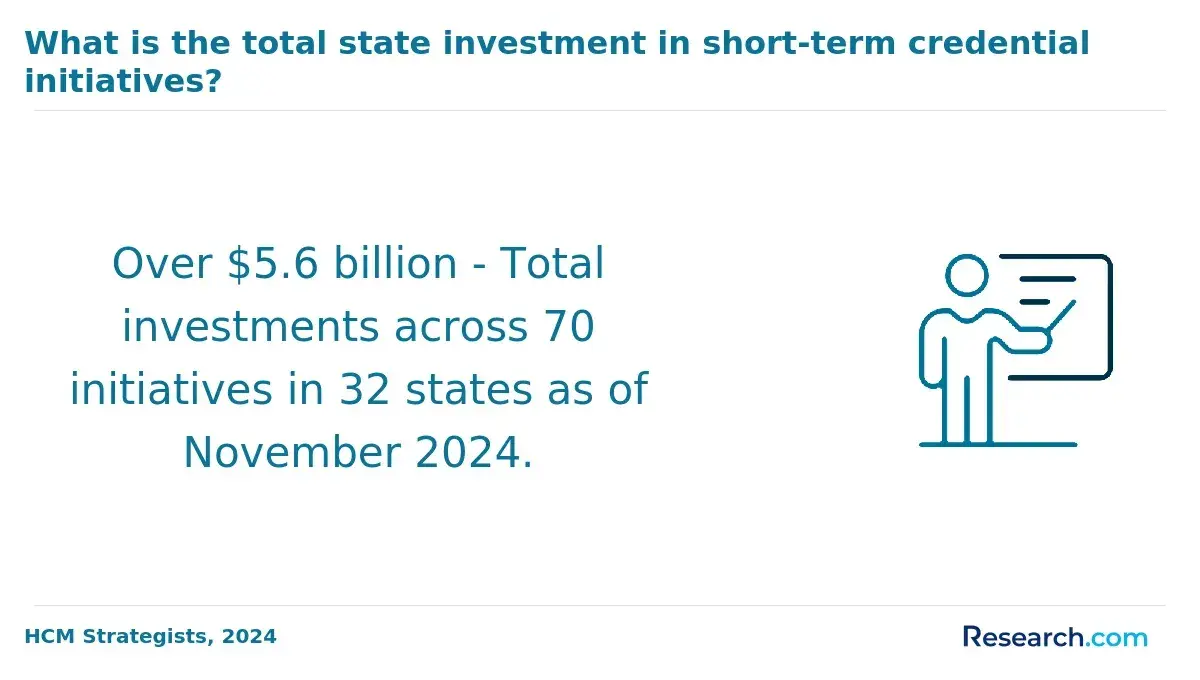
How Does Degree Level-Bachelor's vs. Master's vs. Doctoral-Affect Industrial Design Earning Potential?
- Bachelor's Degree Salary Range: Industrial designers holding a bachelor's degree typically earn between $55,000 and $75,000 yearly. This credential serves as the fundamental entry point for many roles focused on product design, CAD modeling, and prototyping, offering solid but sometimes capped earning potential.
- Master's Degree Salary Increase: Designers with a master's degree enjoy a 15% to 30% salary boost over bachelor's holders. This advanced qualification opens doors to senior-level positions such as project leads, design managers, and specialists in consumer electronics or automotive sectors, where expertise in user experience and materials science is highly valued.
- Doctoral Degree Advantage: Although less common, a PhD in design theory or engineering innovation can propel salaries 10% to 20% higher than those with master's degrees. These roles are often in research-focused industries, academia, or leadership in product innovation, where deep technical knowledge and research skill sets create a distinct earning edge.
- Credential-Dependent Roles: Many top-tier positions mandate graduate credentials-master's degrees are generally required for project managers, design strategists, and human factors specialists. Doctorates are often necessary for research-based jobs or system architect roles. Employers and licensing bodies enforce these thresholds to ensure candidates possess advanced technical and leadership capabilities.
- Time-to-Payoff and Investment: Graduate programs can take 2-4 years and incur tuition plus lost income. Candidates must carefully weigh costs against expected salary gains-for instance, a $20,000 annual master's premium may justify a $50,000 educational investment if the graduate remains in the field for at least five years.
Pathways for Different Backgrounds: Those with a related bachelor's degree typically benefit most from pursuing graduate credentials to reach higher-paying jobs. Career changers should evaluate whether returning for a master's yields enough income growth versus gaining experience in allied domains before committing to further study.
One professional who completed an industrial design degree shared, "Navigating the transition from bachelor's to master's was both exciting and demanding. The coursework challenged me to deepen my technical skills and strategic thinking. Though balancing tuition and foregone earnings felt daunting, I quickly realized the degree significantly widened my job prospects. Employers respected the advanced training, and I moved into a role that paid noticeably more and offered greater creative responsibility. It validated the extra time and financial effort I invested, making the path worthwhile."
Private-sector employers dominate the highest pay brackets for industrial design graduates, particularly within industries characterized by strong innovation demands and high revenues. The technology sector offers premium compensation to designers adept at integrating aesthetic appeal with practical function, often supplementing salaries with bonuses and stock incentives. Automotive companies pay well due to the capital-intensive nature of vehicle design and strict regulatory requirements, rewarding those with expertise in ergonomics or sustainable materials.
- Consumer Electronics: Firms emphasize sleek, intuitive product designs, increasing wages for designers proficient in both physical and digital prototyping.
- Government and Defense: While generally below private industry pay scales, agencies offering roles necessitating security clearances or niche technical skills can provide competitive salaries.
- Self-Employment and Consulting: Designers specializing in medical devices, luxury goods, or other niche markets may command lucrative contracts, though earnings can fluctuate more than in traditional roles.
Salary disparities in industrial design hinge on several market forces. Regulatory complexity-especially in areas like automotive safety-and the technological sophistication of projects elevate demand for highly skilled designers, pushing compensation upwards. Larger organizations typically invest substantially in design talent as a strategic asset, while advanced degrees and professional certifications correlate with notable wage premiums. A master's degree in design management, for instance, frequently results in salaries that surpass those of bachelor's degree holders in equivalent roles.
Industry choice intersects dynamically with job titles and educational qualifications to create wide salary ranges. A senior industrial designer in the technology industry can earn more than twice the pay of an entry-level counterpart employed in nonprofit manufacturing sectors. For those strategizing a career path, focusing on high-growth, innovation-driven industries and acquiring relevant credentials and networks during and after their degree is critical to maximizing earning potential.
Career changers and mid-career professionals should also explore complementary credentials available through programs like the easiest MSW program to diversify skills and target higher-paying opportunities.
- San Francisco Bay Area, California: This region commands top median wages thanks to its cluster of leading tech firms and innovation centers. Although living expenses are exceptionally high, industrial designers here still enjoy competitive real salaries after adjustments.
- Seattle, Washington: Known for its strong technology and manufacturing sectors, Seattle offers elevated wages. While its moderately high cost of living slightly offsets pay gains, the demand for industrial design talent sustains its appeal.
- New York City Metro Area, New York: The metro area features high nominal salaries in various industries such as fashion, consumer products, and entertainment. However, very steep living costs considerably reduce the effective purchasing power of industrial designers.
- Detroit, Michigan: Despite lower nominal earnings, Detroit's significantly lower expenses-alongside a robust automotive design market-translate to well-adjusted salaries that benefit some industrial designers financially.
Portland, Oregon: With its expanding tech and manufacturing presence, Portland's wages, when balanced against a moderate cost of living, are attractive among growing industrial design hubs.
The rise of remote and hybrid work is reshaping how geography impacts industrial design salaries. Digital roles specializing in product design, UX/UI, or prototyping often allow professionals to work from lower-cost areas with minimal salary reductions. Contrarily, positions requiring direct client engagement, physical prototyping, or regulatory compliance tend to remain concentrated in major urban centers.
Choosing between relocating to a high-pay metro and pursuing remote work involves weighing gross income against living expenses. Remote roles may offer better lifestyle flexibility and cost advantages without sacrificing compensation-particularly in digitally focused industrial design fields. This approach helps candidates align career decisions with financial goals and personal circumstances.
When discussing which markets pay best for industrial design, a professional who began her career after graduation shared that navigating these choices was initially daunting. "I wrestled with whether to move to a tech-heavy city or stay near family while working remotely," she reflected. Ultimately, she chose a hybrid path-relocating to a mid-cost city known for emerging design firms while maintaining connections with clients in major metros. "It wasn't just about salary numbers," she noted, "but balancing resources, creative opportunities, and quality of life. Understanding both nominal pay and living costs really guided my decisions and helped me build a sustainable career."
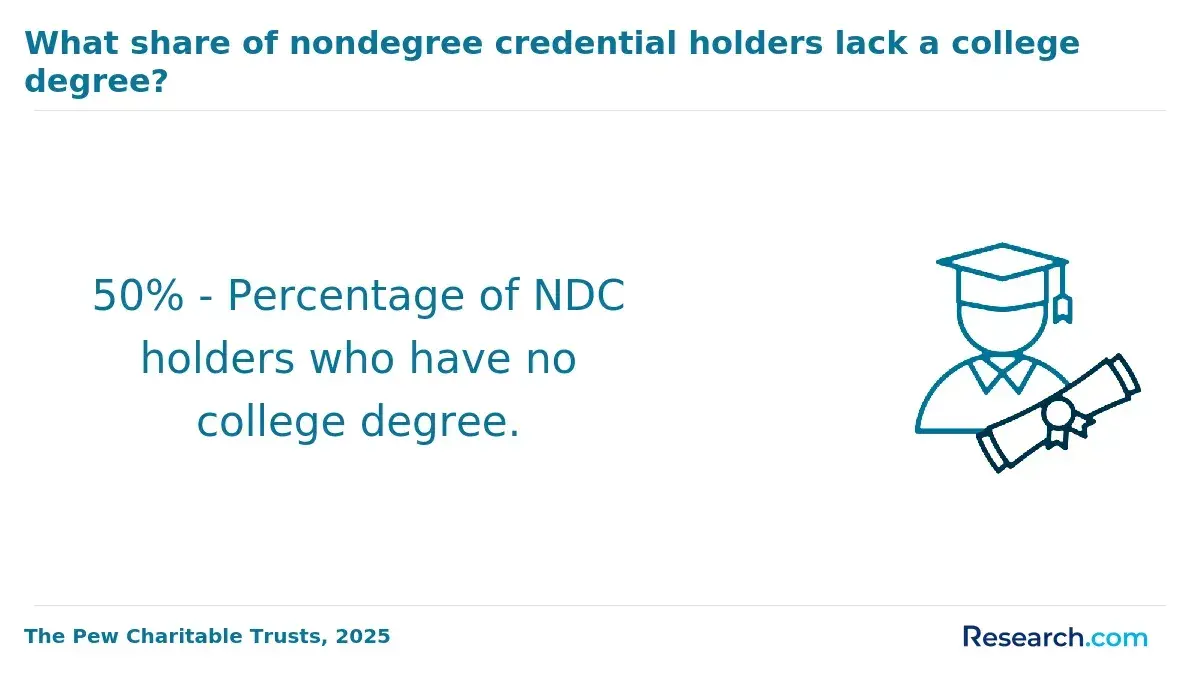
Certifications and licenses often lead to higher salaries for industrial design professionals by validating expertise and dedication. The Certified Industrial Designer (CID) credential from the Industrial Designers Society of America (IDSA) requires applicants to hold a bachelor's degree in industrial design or a related field plus two years of work experience. The exam covers design concepts, ethics, and project management, and renewal is needed every three years via continuing education. Costs vary from $400 to $1,000, depending on membership, with CID holders typically earning 10-15% more than their non-certified counterparts.
The Project Management Professional (PMP) certification benefits designers managing development teams. Eligibility includes 4,500 hours leading projects and 35 hours of project management training. The exam fee is about $555 for non-members, renewing every three years. PMP certification can increase salaries by 15-20% in technical fields, including industrial design.
Professional Engineer (PE) licensure is less typical for industrial designers but valuable for those focused on engineering and safety aspects. It demands an accredited engineering degree, passing the Fundamentals of Engineering exam, and four years of experience before attempting the PE exam. Fees and renewals generally exceed $1,000 every 2-3 years, with licensed professionals often commanding 20% higher pay.
- Credential Credibility: Ensure certifications are accredited by recognized bodies such as ANSI or NCCA to avoid low-quality providers.
- Employer Preference: Investigate which credentials are required or preferred by employers in specific industries and regions.
Return on Investment: Weigh the costs, renewal demands, and salary gains-choosing credentials with solid financial benefits and market recognition.
The salary progression for industrial design professionals typically follows key stages marked by growing expertise and strategic career decisions. Entry-level designers earn between $50,000 and $65,000 annually-reflecting foundational skills combined with a need to gain experience, according to Bureau of Labor Statistics (BLS) data. Early earnings set the stage for continuous growth as professionals develop their portfolios and technical capabilities.
- Mid-Career Growth: Between five and ten years of experience, industrial designers often see marked pay increases, with average salaries ranging from $70,000 to $90,000. This growth reflects enhanced mastery, leadership on projects, and sometimes specialization in high-demand fields such as user experience, automotive, or medical device design.
- Career Inflection Points: Advancing to managerial roles, obtaining advanced certifications, or transitioning into niche practice areas serve as major earnings accelerators. For example, designers who become design managers or acquire credentials in sustainable design typically experience significant salary boosts. The Georgetown Center on Education and the Workforce research highlights that credential attainment strongly correlates with long-term income growth.
- Senior and Peak Earnings: After a decade or more, senior designers involved in team leadership, business development, or industry reputation-building can earn well over $100,000 annually. Industry compensation surveys confirm that combining entrepreneurial initiative with technical and management skills distinguishes high earners at this stage.
- Strategic Differentiation: Top earners balance design expertise with business acumen, leveraging networking and geographic market factors to maximize income potential. Employer size and sector also play critical roles-those in large firms or specialized tech-driven industries tend to command the highest wages.
The highest-paying roles within industrial design commonly align with specializations demanding advanced technical expertise and sector-specific knowledge. Concentrations such as automotive design, medical device design, and user experience (UX) design consistently top wage data reported by the Bureau of Labor Statistics and alumni outcome surveys. These specialized fields involve complex regulatory frameworks and cutting-edge technology, contributing to premium compensation.
Automotive design professionals excel in mechanical systems and materials engineering, paired with an understanding of rigorous safety standards-talents that remain in high demand by manufacturers. In medical device design, expertise in FDA compliance and bioengineering drives significant salary advantages due to healthcare's critical innovations. Meanwhile, UX design leverages rapid growth in tech firms prioritizing human-centered design and interaction prototyping. These concentrations represent key industrial design specializations with the highest-paying roles in the United States.
Students early in their academic journey should assess specializations by evaluating labor market trends, projected growth, and employer demand, rather than personal interest alone. Those already enrolled in general industrial design programs can pursue targeted internships, obtain certifications like Certified Professional Industrial Designer (CPID), or engage in continuing education to transition into lucrative specialties without returning for a new degree.
- Return on Investment: Leading online industrial design programs combine flexible curricula with industry focus, enabling rapid shifts into profitable sectors.
- Certification Impact: Credentials in human factors, CAD software, and regulatory compliance significantly enhance earning potential.
Graduate Premium: Advanced degrees in biomedical or transportation design often yield salary increases exceeding 20% over bachelor's roles.
Exploring career pathways through accredited MFT programs online can similarly illustrate the value of specialized education in achieving financial goals in design-focused fields.
The long-term earning stability connected to an industrial design degree depends heavily on the job market growth forecast, which the Bureau of Labor Statistics (BLS) estimates at a moderate 3% increase over the next decade-slower than average for all occupations. Outsourcing and automation in traditional manufacturing contribute to this restrained growth, especially impacting roles centered on repetitive or routine design tasks.
- Employment Growth: Areas combining creativity with advanced technology-such as user experience (UX) design and digital product development-are growing faster due to innovation-driven industries like consumer electronics and medical devices. Positions focused on legacy manufacturing methods may experience slower growth, reflecting automation's role in reducing manual design tasks.
- Automation Risk: Repetitive design functions face significant threats from software automation. However, jobs requiring human-centered creativity, collaboration, and expertise in human factors engineering or sustainable design have a low risk of automation.
- Demographic & Legislative Demand: Aging populations increase demand for accessible, assistive technologies, while environmental legislation boosts opportunities for designers skilled in sustainable materials and processes.
- Risk Factors: Candidates should note challenges such as outsourcing to low-cost countries restricting entry-level roles in some manufacturing hubs and cyclicality in high-paying design positions tied to industry investment fluctuations. Budget contractions in smaller firms pose employment risks. Credential inflation emphasizes the need for advanced degrees to maintain competitiveness.
Strategic Positioning: Pursuing interdisciplinary skills-blending design thinking, technology fluency, and business acumen-alongside certifications can enhance job prospects and wage premiums. Understanding compensation means balancing salary desire against job security: niche consultants may earn more but face irregular work, whereas in-house designers with broad skills often enjoy steadier income growth.
Those evaluating credential options should also explore accelerated mental health counseling programs online as alternative pathways to stable, credential-gated careers.
Leadership roles in industrial design-such as design manager, creative director, product design director, and chief design officer-are typically situated at mid-to-senior levels within design firms, tech companies, and manufacturing organizations. These positions carry considerable influence over product direction, corporate strategy, and financial decision-making.
- Salary Premium: Bureau of Labor Statistics data shows that industrial design managers and executives earn significantly higher wages than individual contributors, with increases ranging from 30% to 50%. While seasoned industrial designers often see median earnings near $75,000, managers can earn over $110,000, and executives in leading markets frequently surpass $150,000. This premium reflects their expanded oversight of budgets, teams, and strategic priorities.
- Credential and Experience Profile: Advancing to leadership involves a combination of technical mastery and business insight. Professionals often supplement their industrial design degree with an MBA or specialized leadership training. Career progression commonly spans 7 to 15 years, moving through roles such as senior designer, lead designer, and design manager before reaching executive ranks.
Aspiring leaders should seek mentors, take on project leadership early, and plan graduate education carefully to balance cost and timing. Pursuing an MBA or targeted leadership programs mid-career can significantly enhance access to senior positions and top-tier compensation by validating the skills and knowledge required for executive responsibility.
Technological advances, shifting regulations, and demographic changes are driving new, high-growth career opportunities within industrial design. Labor market analysts and workforce research highlight roles linked to sustainable materials and circular economy models as especially promising due to rising environmental mandates and corporate sustainability commitments.
- Smart Product Design: The growing Internet of Things ecosystem creates demand for designers skilled in merging hardware with software, particularly in user experience, embedded systems, and data analytics.
- Healthcare and Assistive Device Design: Aging populations increase need for custom medical and wearable health devices, boosting demand for specialists versed in biomedical regulations and human factors engineering.
- Autonomous Vehicles and Mobility Solutions: Electric and self-driving vehicle development fuels openings for industrial designers with expertise in mechanical systems, human-machine interaction, and safety compliance.
- Augmented and Virtual Reality Product Design: AR/VR's expansion offers new frontiers requiring designers who can fuse physical interface design with immersive software experiences.
Industrial design education is evolving-integrating technology, data science, and sustainability into curricula. Students would benefit from supplementary micro-credentials and boot camps focused on coding, regulatory knowledge, or human-centered design to gain a competitive edge.
Targeting emerging niches carries risks since some anticipated technologies may not deliver stable long-term employment as predicted. Evaluations should balance potential early-mover salary premiums against the durability of market demand.
To maintain insight into high-paying emerging roles, candidates should engage with professional bodies like the Industrial Designers Society of America, and monitor labor market intelligence services such as Lightcast, Burning Glass, and LinkedIn Economic Graph-tools that track evolving occupational trends and certification value in industrial design.
What Graduates Say About the Highest-Paying Jobs You Can Get With a Industrial Design Degree
- Cade: "Graduating with a degree in industrial design definitely gave me a wage premium that I hadn't anticipated-the difference in starting salary compared to peers without a degree was significant. I found that industries like tech and automotive tend to pay far more in cities like San Francisco or Detroit, which really boosted my earning potential. If you're considering where to apply, location and industry type can make all the difference in maximizing your salary."
- Mohamed: "When I first pursued my industrial design degree, I wasn't sure if getting professional certification was worth the extra time and money-turns out, it really paid off. Certified designers tend to command higher salaries and more respect in the field, opening doors to senior roles much faster. Comparing my ROI to some friends who took alternative trades, I can confidently say that the degree combined with licensure was one of the smartest investments I've made."
- Axel: "Reflecting on my journey, the industrial design degree offered a unique return on investment-especially when factoring in long-term career growth over just entry-level pay. Greater professional credentials paved the way to lucrative positions not only in flagship design firms but also in emerging markets where the demand and pay scale are rising. Geography really shaped my experience, showing me how relocating strategically can lead to better salary outcomes and career satisfaction."
Other Things You Should Know About Industrial Design Degrees
In 2027, industrial design graduates can find lucrative opportunities in fields such as product design engineering, UX/UI design, and industrial design management. These roles often offer high salaries, particularly in technology and automotive industries, where innovative design is highly sought after.
Entrepreneurship allows industrial design graduates to leverage their creative skills by launching their own product lines or design consulting services. This path can significantly increase earning potential beyond salaried positions-especially when designs lead to successful patents or commercial partnerships. However, entrepreneurship carries greater financial risk and requires skills beyond design, such as marketing and business management, to achieve higher income levels.
Yes. Most high-paying industrial design employers expect a portfolio with 8 to 12 projects showing research, sketching, CAD, prototyping, and final product outcomes. Hiring managers often review it before interviews, and a strong portfolio can matter more than GPA or school ranking.
Practical experience gained through internships or practicums is critical for industrial design students-they provide real-world skills, professional networks, and portfolio development. Graduates with documented experience often receive higher starting offers and faster career advancement compared to peers without such experience. Employers value demonstrated applied skills highly, making early work experience a strong predictor of initial salary offers and long-term economic success.
- Benefits of an Industrial Design Masters degree https://boards.core77.com/t/benefits-of-an-industrial-design-masters-degree/25720
- Definition of WHICH https://www.merriam-webster.com/dictionary/which
- Industrial Design Market Report 2026 - Global Industry Size, Share, Trends, Opportunity, and Forecast, 2021-2031 https://finance.yahoo.com/news/industrial-design-market-report-2026-095000776.html
- The Ultimate Guide to Industrial Design: Schools, Salaries, Jobs & Mor https://www.tuftandpaw.com/blogs/modern-cat-blog/the-ultimate-guide-to-industrial-design-schools-salaries-jobs-more
- Is Industrial Design a Good Career Path? Salary, Skills & Outlook | ADPList https://adplist.org/career-paths/industrial-design
- How Do Certifications Influence Salary Increases? https://certiprof.com/blogs/news/how-do-certifications-influence-salary-increases
- Career Paths for Industrial Designers | Dienamics https://dienamics.com.au/blog/career-paths-for-industrial-designers/
- Best Industries for Design Engineers to Shape the Future https://www.matchtech.com/resources/blog/best-industries-for-design-engineers/