2027 Higher Education Degree Programs You Can Start Without Meeting All Requirements

Co-Founder and Chief Data Scientist
Many prospective students face the challenge of starting higher education degree programs without meeting all traditional admission requirements-whether due to a GPA shortfall, incomplete prerequisite courses, career gaps, or alternate academic records. About 45% of students admitted through conditional pathways go on to graduate within six years, often achieving competitive salaries aligned with their fields.
Institutions increasingly offer bridge programs, foundational coursework, and alternative credential evaluations to help these students enroll and succeed. This article explores legitimate pathways for early enrollment, detailing conditional admission policies, support systems, and performance expectations, providing a clear roadmap for students seeking flexible entry into higher education programs.
Key Things to Know About Higher Education Degree Programs You Can Start Without Meeting All Requirements
- Conditional admission policies allow students to enroll while completing specific courses or raising GPAs-studies show 45% of transfer students enter under such agreements in 2023.
- Bridge and foundational courses offer tailored curricula designed to address gaps, enabling smoother progression into degree requirements without initial full qualification.
- Alternative credential reviews-such as professional experience or industry certifications-can replace standard prerequisites, reflecting the rise of adult learners and career changers in degree programs.
What Is the Minimum GPA Requirement for a Higher Education Degree Program?
GPA requirements for higher education degree programs vary widely-reflecting institutional selectivity and admission policies. Selective universities often require a minimum GPA of 3.0 to 3.5 on a 4.0 scale, targeting highly competitive applicants. Moderately competitive schools might set thresholds between 2.5 and 3.0, while open-admission colleges frequently accept students with GPAs near 2.0 or lower, emphasizing potential alongside academic history. This broad spectrum accommodates diverse student backgrounds and goals.
Beyond numeric cutoffs, how GPA is evaluated depends on factors such as grade trends and course rigor. Steady academic improvement can offset a lower cumulative GPA, and a slightly lower GPA earned through challenging coursework can be viewed more favorably than a higher GPA in less demanding classes. Some institutions apply grade replacement policies allowing retaken courses to substitute better grades for lower ones, influencing eligible GPA calculations. These nuances are essential for students exploring their options within typical GPA thresholds for conditional admission to higher education.
For those falling below published GPA requirements, consulting an admissions counselor is critical. Counselors can clarify possibilities like requesting a holistic review that considers work experience, extracurriculars, or personal circumstances. Inquiring about conditional admission-where enrollment depends on meeting certain academic benchmarks during a probationary period-can open alternative pathways. Exploring bridge or foundational courses further supports academic success before full admission standards are met.
- Selectivity: GPA requirements rise with institutional competitiveness, reflecting varying admission priorities.
- Grade Trends: Upward academic progress can mitigate below-threshold GPAs in candidate assessments.
- Course Rigor: Harder coursework might justify lower GPA values compared to easier curricula.
- Grade Replacement: Policies permitting grade replacement can improve eligible GPA calculations.
- Advising: Early discussion with admissions professionals opens doors to nontraditional admission paths.
Many students exploring pathways into higher education also investigate options for affordable advanced study-those interested may benefit from resources like the cheapest online doctoral programs. Next, we will explore schools that explicitly offer enrollment pathways for students with academic deficiencies, detailing how these programs support initial success and degree completion.
Which Higher Education Programs Accept Applicants on Academic Probation or With Academic Deficiencies?
Many higher education degree programs offer conditional or provisional admission paths for applicants with academic probation records or transcript deficiencies. These programs accepting students with academic probation provide an opportunity to demonstrate academic potential while under monitored enrollment. They are prevalent in community colleges, regional public universities, and private institutions accredited by recognized regional bodies.
- State University Conditional Admission: Accredited by regional commissions like the Middle States or Southern Association, these universities admit applicants with GPAs commonly below 2.0 under strict first-term requirements. Students usually enroll in 12-15 credit hours while maintaining a set GPA-often around 2.0 or higher. Advisors regularly monitor progress and intervene with academic support as needed.
- Community College Transfer Programs: Open admission policies welcome students with academic deficiencies, pairing coursework with developmental or bridge classes. Students must typically complete 9-12 credit hours with a minimum 2.5 GPA during the probationary term. Academic advisors guide course selection to ensure foundational skill-building.
- Private Liberal Arts College Provisional Tracks: Admission may require comprehensive personal statements explaining academic histories and recommendations affirming potential. Enrollment caps often restrict students to 12 credit hours. Mandatory faculty mentor meetings support academic integration and performance assessment.
- Regional Public Universities with Bridge Programs: These programs admit students who fall short of GPA standards but demonstrate promise through alternate credentials or work experience. A first-term GPA minimum around 2.2 is typical. Students are subject to limited credit loads and required workshops on study skills, accompanied by academic coaching sessions.
- Adult Learner Reentry Programs: Designed for mature students returning after career breaks, these tracks emphasize experiential learning and adult education. Conditional enrollment may require part-time study-6-9 credit hours-and ongoing advising to balance academic and life commitments.
Advisors in these programs frequently impose requirements such as:
- Regular progress meetings to review grades and coursework challenges
- Development of tailored academic improvement plans based on individual needs
- Coordination with tutoring services or workshops to enhance skills
Policies and GPA thresholds vary widely and shift over time-especially between undergraduate and graduate offerings-so prospective students should confirm details directly with institutional admissions offices. Applying with academic deficiencies or a checkered academic history is not an automatic barrier to entry, particularly when framed thoughtfully in a personal statement that contextualizes struggles and is supported by strong references. These strategies strengthen chances of acceptance into programs designed to value potential alongside past performance.
For those considering career changes or exploring options with incomplete records, it is important to also investigate degree programs for applicants with academic deficiencies that align with your goals. Exploring the most lucrative majors within such pathways can guide decisions toward practical and rewarding academic investments.
How Do Conditional Admission and Provisional Enrollment Work for Higher Education Degree Seekers?
Conditional admission allows students to start a degree program despite not fully meeting admission criteria, usually requiring them to complete specific academic conditions-like maintaining a minimum GPA or finishing certain foundation courses within one or two semesters. These stipulations often address gaps such as missing prerequisites or marginal grades. For instance, a student may be told to earn at least a 2.5 GPA in their first term and pass an introductory math class before progressing. Failure to meet these terms can lead to probation or dismissal.
Provisional enrollment is often a temporary status given when official documents-such as transcripts or test scores-are still being reviewed. It grants access to campus resources and initial classes but does not guarantee full admission. If required materials arrive and are approved within the set timeframe, typically one semester, the student's status updates to full admission; otherwise, enrollment may end.
Institutions usually support these students with advisors and bridging courses to help them meet requirements promptly. Prospective students should clarify during admissions discussions:
- Condition Triggers: What criteria led to the conditional or provisional placement?
- Review Timeline: How long before a final decision is made?
- Decision Authority: Who decides if full admission is granted?
A professional reflecting on his Higher Education journey shared, "Starting with conditional admission was daunting-I wasn't sure if I could meet the GPA threshold and complete those prerequisite courses on time. But having clear benchmarks made the path manageable. Advisors were crucial, providing guidance every step. When my transcripts finally cleared the provisional hold, it felt like a new beginning rather than a setback. Achieving good grades in that first year built my confidence and proved those early hurdles were just part of the process." This perspective highlights how such admission pathways, though demanding, facilitate success through structure and support rather than exclusion.
What Alternative Admission Pathways Are Available for Higher Education Programs When Prerequisites Are Not Met?
Alternative admission pathways offer flexible options for students who face challenges meeting traditional criteria-for example, those lacking certain prerequisite coursework or GPA levels. These pathways allow institutions to assess readiness through diverse evidence and experiences.
- Portfolio Review: Favored by creative disciplines such as fine arts, design, and architecture, this route requires applicants to present a curated portfolio that highlights their skills and relevant projects. Submissions may include artworks, written pieces, multimedia creations, or other outputs that align with program standards. Evaluation is typically carried out by faculty or dedicated committees trained to appraise the quality and relevance of these materials.
- Demonstrated Professional Experience: This option is common in fields like business, education, social services, and technology, where documented work history can substitute formal prerequisites. Candidates submit résumés, employer recommendations, or case studies to showcase their expertise. Admissions teams and experiential learning coordinators collaborate to assess how well professional backgrounds align with program learning objectives.
- Prior Learning Assessment (PLA) Credit: PLA credits recognize skills acquired outside traditional classrooms-through military service, certifications, or non-collegiate courses. Adult learners and career changers often benefit from this pathway by providing certificates, training transcripts, and reflective essays. Institutions manage evaluations through PLA offices or academic credit evaluators who verify equivalency with course requirements.
- Placement Testing: Some colleges allow applicants to replace prerequisites with placement exams measuring foundational knowledge in subjects such as math or English. This pathway is prevalent in community colleges and STEM programs. Testing centers administer standardized or institution-developed tests to determine course eligibility and advise on remediation if necessary.
For students seeking alternative admission pathways for higher education programs, engaging directly with department chairs or program directors is critical-many schools offer conditional enrollment options when prerequisites are unmet but may not advertise them online. These conversations help clarify timelines, requirements, and any contingencies tied to early acceptance. Success in navigating such flexible admission policies rests heavily on proactive communication rather than reliance on central admissions offices.
Prospective applicants, especially those interested in specialized fields, may also explore PsyD programs that sometimes incorporate these non-traditional routes into their admission framework.
Which Higher Education Programs Allow Students to Begin While Completing Remaining Prerequisites Concurrently?
Concurrent or co-requisite enrollment permits students to start degree coursework while still completing some outstanding prerequisites. This approach differs from conditional admission, which is an institution's decision to admit students based on meeting future conditions, whereas concurrent enrollment directly allows simultaneous progress in core and prerequisite classes as part of program design.
Typical course pairings include an introductory statistics or research methods class taken alongside a first-semester core course in fields like psychology or business. This strategy supports continuous advancement but demands careful handling of increased academic responsibilities, as juggling multiple courses means managing more assignments, readings, and exams.
Before choosing concurrent enrollment, students should consider several factors to ensure it aligns with their circumstances:
- Academic Policies: Verify if the institution permits concurrent prerequisite enrollment by consulting the course catalog and degree requirements.
- Advising Support: Meet with an academic advisor to understand eligibility rules, course sequencing, and how this path might affect timely progression.
- Degree Audits: Obtain a degree audit to identify which prerequisites remain and how to integrate them with core courses.
- Workload Management: Be prepared for a heavier workload and employ strong time-management skills, particularly when balancing work or family demands.
- Performance Standards: Some programs mandate minimum grades in prerequisite classes to continue advancing in the curriculum.
To manage the dual demands of concurrent enrollment, consider these strategies:
- Prioritize Tasks: Use digital planners or calendars to organize study schedules and deadlines efficiently.
- Set Realistic Goals: Break coursework into manageable steps to sustain progress and avoid burnout.
- Seek Support: Engage tutoring services, study groups, or online resources for challenging material.
- Maintain Communication: Keep instructors and advisors informed about your progress and any obstacles encountered.
A professional who launched a career after completing a Higher Education degree recalled that concurrent enrollment was "both a challenge and an opportunity." She explained, "Balancing the foundational courses with core degree classes meant tightening my schedule and leaning on advisors more than I expected. It wasn't easy managing deadlines when returning to school after time away, but it accelerated my degree completion. Seeing progress in real time kept me motivated, even when juggling family responsibilities." Her experience highlights how concurrent enrollment programs can open doors for learners committed to managing a demanding but rewarding academic path.
How Do Community College Partnerships Help Students Enter Higher Education Programs Without Full Qualifications?
Community college partnerships enable students who lack full admission credentials to start their academic journey by completing the initial years of a bachelor's degree at a two-year institution before transferring to a four-year college. These 2+2 articulation agreements explicitly specify which credits transfer, minimizing confusion and easing admission hurdles.
Dual-enrollment also supports high school and non-traditional students by letting them take college courses early, building transferable credits and skills. Additionally, community college pathway programs focus on developing prerequisites and foundational skills that are crucial for successful transfer applications to bachelor's and graduate programs.
- Prerequisite Completion: Essential courses needed by the target program are completed to prove readiness without having full admission upfront.
- GPA Rebuilding: Students can improve academic standing through community college coursework, signaling sustained academic progress to admissions committees.
- Foundational Skill Development: Critical abilities in writing, mathematics, and reasoning are strengthened, preparing students for advanced studies.
To determine if a target program offers a formal articulation agreement, students should consult admissions offices or transfer advisors. If no agreement exists, individual course planning and communication with admissions counselors can still create viable transfer opportunities.
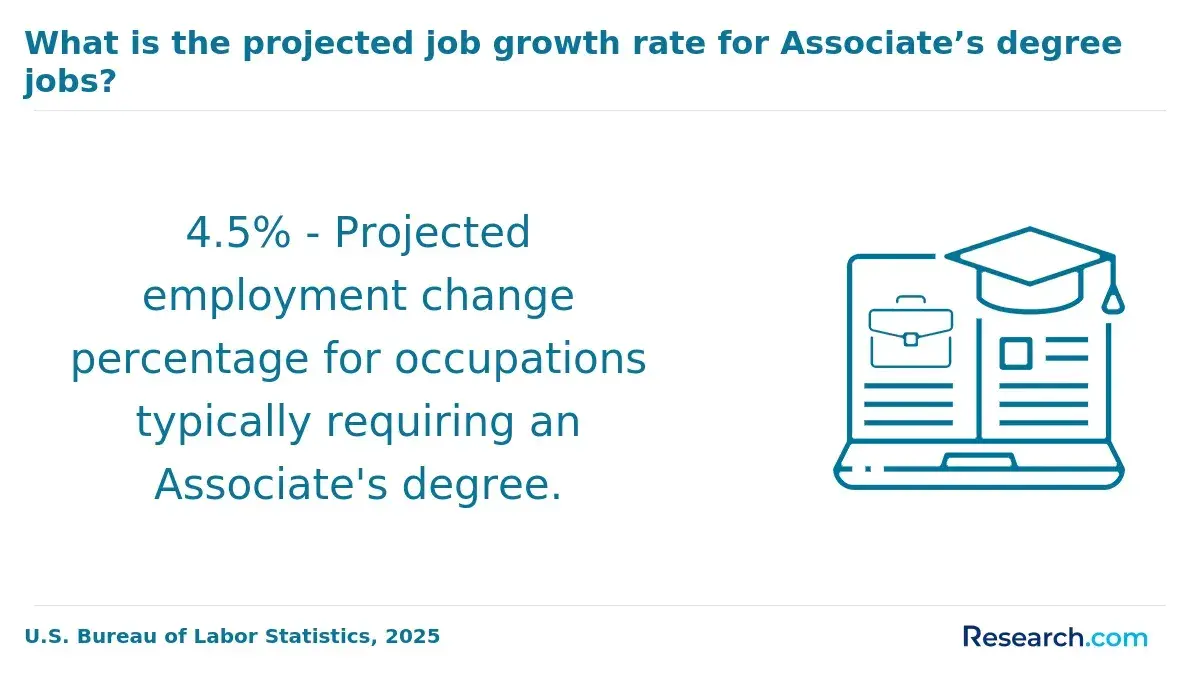
Transfer admission standards commonly allow more flexibility in evaluating community college work than traditional freshman requirements-acknowledging diverse student backgrounds. Data from the National Student Clearinghouse (2023) reports that nearly 40% of bachelor's degree recipients began as community college transfers, highlighting the growing role of these pathways.
What Role Do Personal Statements and Letters of Recommendation Play in Gaining Higher Education Program Access Without Meeting All Requirements?
Personal statements and letters of recommendation serve as vital tools for applicants who fall short of traditional admission benchmarks-such as GPA, test scores, or prerequisite completion-to gain entry into Higher Education degree programs. These components offer candidates an opportunity to present their story beyond numeric metrics, showcasing their readiness and motivation for academic challenges ahead.
A compelling personal statement for conditionally admitted students should include:
- Candidness: Honest reflection on past academic difficulties, framing setbacks as growth experiences rather than failures.
- Forward Focus: Clear explanation of how previous academic, professional, or life experiences have equipped the applicant with the essential skills and resilience needed to succeed in rigorous study.
- Program Fit: Specific reasons illustrating why the chosen Higher Education program aligns with the applicant's goals, interests, and career plans-demonstrating intentional research and commitment.
Letters of recommendation carry considerable weight when quantitative credentials are insufficient. Admissions committees value endorsements from supervisors, mentors, or instructors who know the applicant's intellectual abilities and professional achievements firsthand. Generic character references lack impact in this context.
Key considerations include:
- Recommender Credibility: Select individuals with direct knowledge of academic or workplace performance.
- Specificity: Letters should emphasize concrete accomplishments and examples of perseverance or innovation.
- Alignment: Recommendations supporting themes in the personal statement create a unified and persuasive narrative.
Remember, the personal statement is the primary vehicle for conditionally admitted applicants to control their narrative-demonstrating growth, motivation, and suitability for success.
Which Higher Education Programs Offer Bridge or Foundational Courses That Replace Unmet Admission Requirements?
Many higher education programs provide bridge or foundational courses for students who fall short of standard admission requirements. These offerings accommodate a variety of students-including high school graduates missing specific GPA thresholds, community college transfer students still completing prerequisite coursework, adult learners returning after career breaks, and career changers with strong work histories but incomplete transcripts. These courses serve as pathways into full degree studies, often addressing unmet higher education entry criteria without delaying enrollment indefinitely.
- Non-Credit Boot Camps: Offered mainly by vocational schools or community colleges, these short-term, intensive programs focus on basic academic skills or technical preparation. They usually award certificates of attendance or achievement-not formal academic credits-yet fulfill conditional admission policies. Boot camps are typically low cost and last several days to weeks, providing a swift academic boost before starting a degree.
- Post-Baccalaureate Preparatory Sequences: Common at research universities and four-year colleges, these credit-bearing sequences target students who already hold a degree but require prerequisite knowledge in a specific field. Completion results in transcripted credits that often count toward degree requirements. These programs span one to two semesters and involve tuition costs comparable to regular courses, offering a formally recognized but more expensive option.
- Certificate-Level Prerequisite Bundles: Usually provided by community colleges or continuing education programs, these bundles assemble prerequisite courses into formal certificates. They grant academic credits recorded on transcripts and may transfer to four-year institutions. These certificate programs typically last one or two terms, with moderate tuition fees, offering verification of readiness for higher-level study.
- Self-Paced Online Remediation Modules: Increasingly prevalent across public universities and private colleges, these online options let students fulfill unmet requirements flexibly at their own pace. Credit award varies; when credits are not granted, completion is noted on institutional records separate from transcripts. Costs range from free to modest fees. These modules provide accessible pathways but depend heavily on learner motivation.
Students exploring bridge programs for college admission without standard requirements should note that these offerings often remain absent from general program materials. It is crucial to directly request details about foundational courses and conditional enrollment options from admissions offices. Doing so helps clarify timelines, academic obligations, and financial commitments-especially for those balancing urgency and budget constraints. Researching carefully can also uncover options related to specific degrees-for instance, individuals interested in a human resources master's programs online might find tailored foundational pathways that align with their career goals.
How Does Work Experience or Professional Background Substitute for Academic Requirements in Higher Education Programs?
Work experience can serve as a valuable substitute for unmet academic requirements in higher education programs that use holistic admission reviews. This approach is particularly relevant for students who seek work experience as substitute for academic requirements in higher education or for those pursuing professional background qualifications for conditional admission in higher education programs. Admissions committees look for evidence of readiness through professional experience closely aligned with the desired field of study.
- Industry Certifications: Recognized credentials earned from professional bodies demonstrate specialized knowledge directly relevant to academic goals.
- Field-Specific Employment: Several years of employment in roles tied to the program's discipline indicate practical understanding and commitment.
- Leadership Roles: Managing projects or teams showcases problem-solving skills and responsibility important to academic success.
- Professional Publications or Presentations: Sharing original work at conferences or in journals reflects expertise and critical thinking.
- Relevant Volunteer or Community Service: Engagement in volunteer activities linked to the field highlights dedication and applied knowledge.
Applicants should carefully document this experience through a professional resume tailored for an academic audience, with clear descriptions of responsibilities, achievements, and skills. Supporting materials such as letters of recommendation should emphasize professional competence rather than purely academic performance. Admissions committees may also request portfolios, work samples, or copies of certifications to verify qualifications.
Before investing time in this process, candidates must confirm if the program formally reviews non-academic credentials. Policies differ widely-some programs may not consider professional experience despite its strength.
Students interested in alternative pathways can explore bridge and foundational courses that complement conditional admission options. These programs provide structured academic support and set performance benchmarks that help transition to full enrollment.
For those considering degrees with a quantitative emphasis, such as a mathematics online degree, aligning prior work or certifications with academic requirements can be especially effective for early admission.
What Financial Aid and Scholarship Options Are Available to Conditionally Admitted Higher Education Students?
Financial aid and scholarship opportunities can play an important role in helping students manage the cost of higher education while pursuing their academic goals. Understanding the types of funding available for different admission pathways can help prospective students make more informed decisions about affordability, enrollment, and long term educational planning.
Federal Aid: Students who enter programs conditionally can apply for federal financial aid through FAFSA, provided they enroll at least half-time. Continuing to receive aid requires meeting the institution's standards for satisfactory academic progress during the conditional period.
- Institutional Scholarships: Many colleges provide scholarships targeted at students with unconventional academic records-such as re-entry learners, adult students, or those with gaps in their transcripts. These awards often emphasize the applicant's potential and dedication rather than prior GPA alone.
- Private Scholarships: Various private organizations focus on assisting students following non-traditional educational paths. These scholarships weigh factors such as work experience, community engagement, or career goals, supporting conditional admission candidates beyond academic transcripts.
- Academic Requirements: Maintaining eligibility for ongoing financial aid typically depends on meeting defined academic benchmarks, including successfully completing foundational or bridge courses with minimum grade standards.
- Advisory Consultations: Engaging early with financial aid officers and academic advisors is critical. This ensures a clear understanding of how conditional status affects aid eligibility and enrollment intensity-helping to prevent unexpected out-of-pocket expenses.
How Do Online Higher Education Programs Compare to Campus-Based Programs in Admission Flexibility?
Alternative admission pathways can provide students with flexible options for qualifying for academic programs when standard prerequisites are not fully met. Understanding the different routes available can help prospective students identify opportunities to strengthen their qualifications, continue their education, and pursue long term career goals.
- Admission Flexibility: Online higher education programs-especially those affiliated with large public university systems or for-profit providers-often have more accessible admissions compared to traditional campus-based programs. These institutions may permit conditional enrollment or evaluate alternative credentials, offering a path for students who haven't met conventional entry requirements or whose academic backgrounds are below standard thresholds.
- Prerequisite Waivers: Many online programs grant waivers when applicants demonstrate relevant professional experience or complete foundational "bridge" courses designed to build necessary skills. Conversely, campus programs usually enforce prerequisite completion strictly before granting admission.
- Conditional Enrollment: Provisional acceptance is more common online, allowing students to prove academic capability within a set timeframe to maintain enrollment. Campus admissions tend to be more competitive and final, rarely allowing probationary entry.
- Support Infrastructure: Conditioned online students should assess available resources carefully, given wide variation across programs and formats. Critical support includes: Access to academic advisors who help monitor and guide students through probationary requirements-sometimes streamlined online but potentially less personalized.Tutoring and supplemental instruction options, which may range from robust virtual services to limited or sporadic availability.Disability accommodations and mental health support, essential for success but differing notably between online and campus settings in accessibility and responsiveness.
Flexible admissions do not signal compromised standards. Reputable online programs maintain regional accreditation and provide degree outcomes comparable to campus counterparts. Prospective students should verify accreditation status through official agencies and review graduation and retention rates before selecting programs based on admission ease alone.
What Graduates Say About Higher Education Degree Programs You Can Start Without Meeting All Requirements
- Esteban: "Starting my higher education degree without meeting all the usual admissions criteria felt like a leap into the unknown-yet the program's clear academic obligations made the journey manageable. I quickly learned that maintaining steady progress and meeting specific performance benchmarks wasn't just encouraged but essential to stay enrolled. The timeline expectations were realistic and helped me organize my life around my studies; I felt supported rather than overwhelmed throughout."
- Alexis: "Reflecting on my experience, I appreciate how the program welcomed me despite my initial gaps-this conditional admission was a true second chance. The academic requirements were rigorous but fair, demanding consistent effort and focus. Understanding the timeline upfront set a framework that kept me motivated, while the performance benchmarks served as checkpoints that prevented me from drifting off track-truly a disciplined yet flexible approach."
- Eli: "Professionally, the most valuable insight I gained was how conditional admission in a higher education degree can be a realistic path for candidates like me-those who don't meet every prerequisite right away. The strict performance standards kept me accountable, pushing me to elevate my academic work in ways I hadn't anticipated. Knowing there was a specific timeline to meet these goals shaped my study habits and helped me balance other responsibilities smoothly."
Other Things You Should Know About Higher Education Degrees
Regional accrediting agencies such as the Middle States Commission on Higher Education and the Southern Association of Colleges and Schools Commission on Colleges set guidelines that institutions must follow regarding admission policies. Many reputable programs adhere to these standards, allowing conditional admission based on alternative criteria like standardized test scores or relevant work experience. Program-specific accrediting bodies may also influence how flexible admission standards are applied in fields like education or social work.
Students can strengthen their applications by submitting a detailed personal statement explaining their academic goals and circumstances that prevented meeting all requirements. Highlighting relevant work experience, certifications, or completion of prerequisite courses-even if partial-can demonstrate readiness. Additionally, strong letters of recommendation from educators or employers reinforce the student's potential for success despite nontraditional qualifications.
In 2027, colleges offer various support services for students enrolling without all requirements, such as personalized academic advising, bridge courses to fill knowledge gaps, tutoring services, and mentoring programs. These resources aim to ensure student success and program completion.
Transfer students often undergo a credit evaluation process to determine which previous coursework applies to their new degree path. Academic advisors work closely with these students to identify prerequisite gaps and recommend bridge courses or summer classes for completion. The flexibility of programs varies, but conditional admission is sometimes granted if the student commits to fulfilling prerequisite courses within a specified timeframe.
References
- Alternative Paths in Competitive College Admissions https://www.sparkadmissions.com/blog/alternative-paths-college-admissions/
- Outcome, Not Process, Matters in the On-Campus vs. Online Education Debate https://evolllution.com/opinions/outcome-process-matters-on-campus-vs-online-education-debate
- University Degree or Work Experience: Which Is More Important? https://newinti.edu.my/university-degree-or-work-experience-which-is-more-important/
- Education vs Experience: Why Professional Experience Is Harder to Measure https://www.scholaro.com/db/News/education-vs-experience-339
- University Admission Requirements 2026 (GPA) | Truescho | Truescho https://truescho.com/en/blog/university-admission-requirements-gpa
- Why personal statements in academic admissions are (mostly) a waste of time - Acuity Insights https://acuityinsights.com/personal-statements-academic-admissions-mostly-waste-time/
- Academic Probation and Suspension: GPA Rules at US Universities https://openeducat.org/articles/academic-probation-suspension-gpa-rules-us/
- The DIY Degree: Using Self-Education to Earn a Bachelor’s Degree in 1 Year - Scott H Young https://www.scotthyoung.com/blog/2012/07/04/the-diy-degree/
- Medical University of GdaÅsk https://admission.mug.edu.pl/34207.html
- What studies say about writing effective UCAS personal statements / Advancing Access https://advancingaccess.ac.uk/blog/what-studies-say-about-writing-effective-ucas-personal-statements