2027 Cheapest Higher Education Degree Programs for Working Adults

Co-Founder and Chief Data Scientist
Is it possible to pursue a higher education degree while managing full-time employment and family responsibilities? For working parents balancing tight schedules and budgets, affordability and flexible formats are key. In fact, 45% of adult learners report cost as the primary barrier to returning to school. Many accredited institutions now offer asynchronous courses, generous transfer credit policies, and tuition models designed to minimize debt.
These options enable adults to earn credentials without sacrificing income or stability. This article examines the cheapest higher education degree programs tailored for working adults and highlights essential factors to consider when seeking affordability, flexibility, and long-term career value.
Key Things to Know About the Cheapest Higher Education Degree Programs for Working Adults
- Cheapest higher education degree programs for working adults often feature low tuition, online formats, credit transfer options, and flexible scheduling to accommodate jobs and family commitments.
- Affordable programs offer accessibility, accreditation, and accelerated paths but may sacrifice personalized support or employer prestige compared to traditional degrees.
- Prospective students must assess total costs, financial aid, state policies, accreditation status, support services, and career impact before committing to a program.
What Are the Cheapest Accredited Higher Education Degree Programs Online?
Accredited online higher education degree programs offer working adults flexible and often lower-cost opportunities to earn a degree without interrupting their careers or family lives. With online enrollment steadily growing, over 6 million students now take at least one course online, reflecting the rising demand among adult learners for accessible education. Affordability, combined with flexible delivery, plays a key role in these enrollment decisions.
Several factors influence the value and cost-effectiveness of the most affordable accredited higher education degree programs online. Consider these important elements when comparing options:
- Accreditation Status: Choosing a regionally or nationally accredited institution is essential for ensuring educational quality and transferability of credits. Accreditation affects not only immediate learning but also long-term recognition by employers and other schools.
- Tuition and Fee Structure: Look for transparent pricing models, including per-credit rates or flat tuition fees. Some programs waive additional fees for online students or provide in-state tuition discounts, helping working adults manage education costs more predictably.
- Transfer Credit Acceptance: Programs with generous transfer policies allow students to apply previous college coursework toward their degree, reducing both time and expenses. This is particularly beneficial for working adults resuming their education.
- Scheduling Flexibility: Online formats often offer asynchronous courses that let students study on their own time, accommodating complex work and family schedules. Extended academic support such as advising and tutoring further eases progress and success.
- Financial Aid Opportunities: Many schools provide scholarships, employer tuition assistance, and tailored payment plans for adult learners. Leveraging these resources can make the cheapest online higher education degrees for working adults even more affordable and attainable.
For those interested in accelerated study, programs like a 12 month DNP program online demonstrate how faster completion combined with online access can further enhance affordability and flexibility for working adults pursuing higher education.
How Much Does an Online Higher Education Degree Cost for Working Adults?
The cost of an online higher education degree for working adults varies considerably depending on factors such as tuition structure, type of institution, transfer credits, residency status, and program format. Affordability and flexible scheduling are often key factors for nontraditional learners managing jobs and family, as total costs often include more than tuition alone. According to recent data, nearly 38% of college students are enrolled exclusively in distance education courses, highlighting the growing accessibility of online programs.
Several elements influence the overall expense of pursuing cheap accredited online higher education degree programs:
- Tuition Models: Institutions may charge per credit hour or use flat-rate tuition for a set number of credits each term. Some schools differentiate rates for in-state and out-of-state students, while others offer a uniform online tuition rate to simplify budgeting.
- Transfer Credit Acceptance: Schools with generous policies for accepting transfer credits or awarding credit for prior learning can reduce both the time and cost required to complete a degree.
- Financial Aid and Employer Support: Access to grants, scholarships, and employer tuition assistance programs often greatly offset tuition expenses, lowering reliance on student loans for many working adults.
- Fees and Technology Costs: Additional fees for online platforms, course materials, and proctoring services might add to overall expenses beyond the base tuition.
- Program Format and Enrollment Status: Accelerated courses or competency-based learning options can shorten degree completion time. Part-time enrollment spreads cost over longer periods but offers flexibility, which is crucial for balancing work and family commitments.
When seeking affordable pathways, working adults may also consider specialized degrees such as a healthcare administration masters, which often provide structured, cost-effective online options tailored for busy professionals.
Are Cheap Higher Education Degree Programs Legitimate and Respected by Employers?
Affordability alone does not dictate the value or legitimacy of a higher education degree program. Factors such as accreditation, institutional reputation, curriculum rigor, and alignment with workforce needs shape employer perspectives on online and low-cost degrees. For instance, studies reveal that approximately 75% of employers accept online degrees from accredited institutions, reflecting broader acceptance of flexible learning. Working adults often weigh these aspects differently depending on career ambitions, scheduling constraints, and credential requirements.
Key elements that influence whether affordable programs gain respect from employers include:
- Institutional Accreditation: Accreditation confirms that an institution meets defined academic standards, which boosts employer trust. Degree programs from accredited schools are more likely to be recognized and valued in hiring decisions.
- Programmatic Standards: Beyond institutional accreditation, specialized accreditation for specific fields such as nursing or business demonstrates adherence to rigorous curriculum and industry expectations. This specialized validation reinforces a program's legitimacy.
- Employer Acceptance of Online Credentials: Many employers now acknowledge online degrees, especially from reputable institutions. Acceptance often hinges on the program's quality evidence, such as faculty expertise and academic resources.
- Curriculum Relevance: Programs that align coursework with current industry skills and market demands better prepare graduates for the workplace. This direct workforce relevance enhances employer confidence in the degree's practical value.
- Transfer Credit Policies: Flexible recognition of transfer credits can indicate a program's openness to prior learning and its ability to accommodate working adults' varied educational pathways, increasing its appeal and credibility.
When asked about his experience, a higher education degree graduate recalled, "Balancing work, family, and studies was a constant challenge, but the program's structure made it manageable." He appreciated how the courses developed his communication and problem-solving skills, which he described as critical "soft skills" that employers value. "It wasn't just about learning facts; it was about applying knowledge thoughtfully and adapting to real-world situations," he added, emphasizing the personal growth and professional readiness gained through the program.
What Are the Best Higher Education Degree Programs for Working Adults?
High-quality higher education degree programs for working adults are often characterized not just by affordability but by their flexibility, accreditation, and support for transfer credits. These programs also emphasize strong student services and career relevance, addressing the needs of nontraditional students who balance employment or family obligations. Online and hybrid learning options have greatly increased access to degree completion, with nearly 40% of postsecondary students now enrolled part-time or through remote formats.
Key features that define effective programs for working adults include the following:
- Flexible Scheduling: Programs that offer asynchronous courses enable students to study at convenient times, helping them balance work and personal commitments without sacrificing progress.
- Accreditation and Quality: Accreditation from recognized agencies ensures academic rigor, transferability of credits, and eligibility for financial aid, which is vital for affordable accredited degrees for adult learners balancing work.
- Transfer Credit Acceptance: Allowing learners to apply previous college credits or professional training accelerates degree completion and reduces overall costs, benefiting those with prior education or credentials.
- Comprehensive Student Support: Access to online tutoring, advising, and technical assistance helps adult students overcome challenges often associated with remote or part-time study, improving persistence and success rates.
- Workforce-Relevant Curriculum: Degree paths aligned with current industry demands provide practical skills and knowledge, enhancing employability and long-term career growth.
For those seeking practical nursing degrees, exploring options like LPN programs near me can offer specialized flexible and accredited pathways suitable for working adults.
Which Higher Education Degree Programs Offer the Most Flexible Schedules?
Flexible scheduling options enable working adults to pursue higher education degrees while managing employment, family, and other obligations. Online and hybrid learning models have broadened access by offering more adaptable pathways tailored to diverse needs. Nearly half of adult learners in postsecondary education now engage in online courses, reflecting growing demand for flexible programs.
Several features typically enhance schedule flexibility for adult students, including:
- Asynchronous Coursework: This allows students to complete lectures, discussions, and assignments on their own time without attending scheduled class meetings. Such flexibility is ideal for those balancing varied work and home responsibilities.
- Part-Time Enrollment: Offering reduced course loads per term, part-time options help students progress steadily while minimizing weekly academic demands. This approach supports long-term balance and sustainable advancement.
- Multiple Start Dates: Programs frequently provide several enrollment periods throughout the year, such as fall, spring, and summer, permitting students to begin studies at a time that fits their schedules.
- Hybrid Delivery Models: Combining online with evening or weekend in-person sessions accommodates different learning styles and availability, allowing students to benefit from both formats.
- Transfer Credit Acceptance: Allowing credits from previous coursework shortens time to degree completion and reduces on-campus requirements, making education more accessible for those with prior academic achievements.
When speaking with a professional who completed a degree while working full-time, she emphasized how essential program flexibility was to her success. Balancing a demanding job and family, she valued the ability to attend classes asynchronously and start in multiple terms, which prevented feeling overwhelmed. Reflecting on her experience, she noted, "Being able to learn on my schedule was a game-changer. It wasn't easy juggling everything, but the program's structure made it possible to keep going without dropping out." Her story highlights how well-designed flexible programs can empower working adults to achieve their educational goals despite competing priorities.
What Are the Fastest and Cheapest Higher Education Degree Programs?
Many accredited higher education degree programs are tailored to help working adults finish their studies faster and more affordably by offering flexible schedules, accelerated courses, transfer credit options, and online formats. Balancing cost, speed, and quality is essential for nontraditional students seeking programs that meet their career and personal needs. Currently, adult learners comprise over 40% of college enrollment, highlighting the demand for adaptable learning pathways.
The following features are commonly found in programs designed to support quick and cost-effective degree completion for working adults:
- Accelerated Course Formats: Students benefit from shorter sessions typically lasting 5 to 8 weeks, allowing them to complete more classes annually than traditional semester models. This reduces overall time to graduation while maintaining academic rigor.
- Transfer Credit Policies: Generous acceptance of transfer credits from previous studies or professional training can significantly lessen the number of required courses, lowering both tuition costs and study duration.
- Asynchronous Scheduling: Flexible access to lectures and assignments enables learners to study around work and family commitments without fixed class times, improving retention and progress.
- Competency-Based Education: This model evaluates mastery of skills rather than seat time, allowing experienced or self-directed students to advance quickly through subjects they already understand, accelerating degree completion.
- Prior Learning Assessments (PLAs): Credit awarded for existing knowledge gained through work, military service, or other experiences can reduce the need for traditional coursework, helping to save both time and tuition fees.
Which Schools Accept the Most Transfer Credits for a Higher Education Degree?
Transfer credit policies offer working adults a practical way to reduce both the time and expense associated with completing a higher education degree. By applying prior college coursework, military training, professional certifications, or other learning experiences, students can meet degree requirements more efficiently. Transfer flexibility varies based on institutional accreditation, program design, and evaluation standards; notably, transfer students make up about 37% of all undergraduate enrollment in the United States, reflecting the importance of credit mobility.
The following factors significantly influence how many transfer credits schools may accept for a higher education degree:
- Accreditation Compatibility: Schools tend to accept transfer credits from regionally accredited colleges recognized by the U.S. Department of Education. This assures transferred coursework meets quality criteria, helping prevent the need to retake classes and keeping costs down for adult learners.
- Transfer Equivalency Evaluations: Institutions perform detailed assessments comparing transferred courses to their programs. Transparent equivalency standards allow for smoother credit acceptance, providing working adults greater flexibility in scheduling and reducing redundant coursework.
- Articulation Agreements: Formal partnerships between community colleges and universities simplify credit transfer by predefining course equivalencies. These agreements ease administrative processes and enable cost-effective progression from associate to bachelor's degrees.
- Prior Learning Assessments (PLA): Many schools recognize skills and knowledge gained outside the classroom, including military service or professional certifications. PLA offerings can accelerate degree completion and produce substantial financial savings for nontraditional students.
- Residency Requirements: Some programs mandate a minimum number of credits completed directly at the institution to ensure educational quality. While this may limit total transferable credits, balancing these requirements with transfer options is key to maximizing affordability and flexibility.
What Financial Aid Options Are Available for Higher Education Students?
Financial aid opportunities can play a vital role in helping working adults reduce the cost of earning a higher education degree through grants, scholarships, employer assistance, federal aid programs, and institutional resources. Affordability concerns are a major factor influencing many adult learners returning to school, with nearly 39% of undergraduate students receiving some form of grant aid according to the National Center for Education Statistics. Availability and eligibility for these aids vary based on school, enrollment status, and accreditation.
Several financial aid options commonly support working adults pursuing affordable degrees:
- Federal Grants and Loans: Federal grants like the Pell Grant provide need-based, non-repayable funds that reduce upfront costs. Federal student loans offer subsidized and unsubsidized borrowing options with manageable interest rates and deferment possibilities, allowing students to spread out payments over time.
- Employer Tuition Assistance: Many employers offer tuition reimbursement or payment plans that help online degree students afford their education. These programs often align with career goals and support credential completion without immediate financial strain.
- Scholarships for Adult Learners: Institutions and nonprofits provide scholarships targeting nontraditional students, addressing their unique challenges. These awards reduce tuition costs without incurring debt and may focus on specific career fields or diversity.
- Military and Veteran Benefits: Programs such as the GI Bill offer substantial funding for tuition, housing, and related expenses. These benefits bring financial relief and flexible scheduling options for eligible veterans pursuing higher education.
- Institutional Support: Payment plans can break tuition into manageable installments, while prior learning assessments recognize work or military experience, accelerating graduation and lowering expenses.
Working adults interested in fields like nutrition may explore affordable accredited programs, including a reputable nutrition degree online, which often feature financial aid options tailored to support adult learners balancing education and career.
What Jobs Can You Get With a Higher Education Degree?
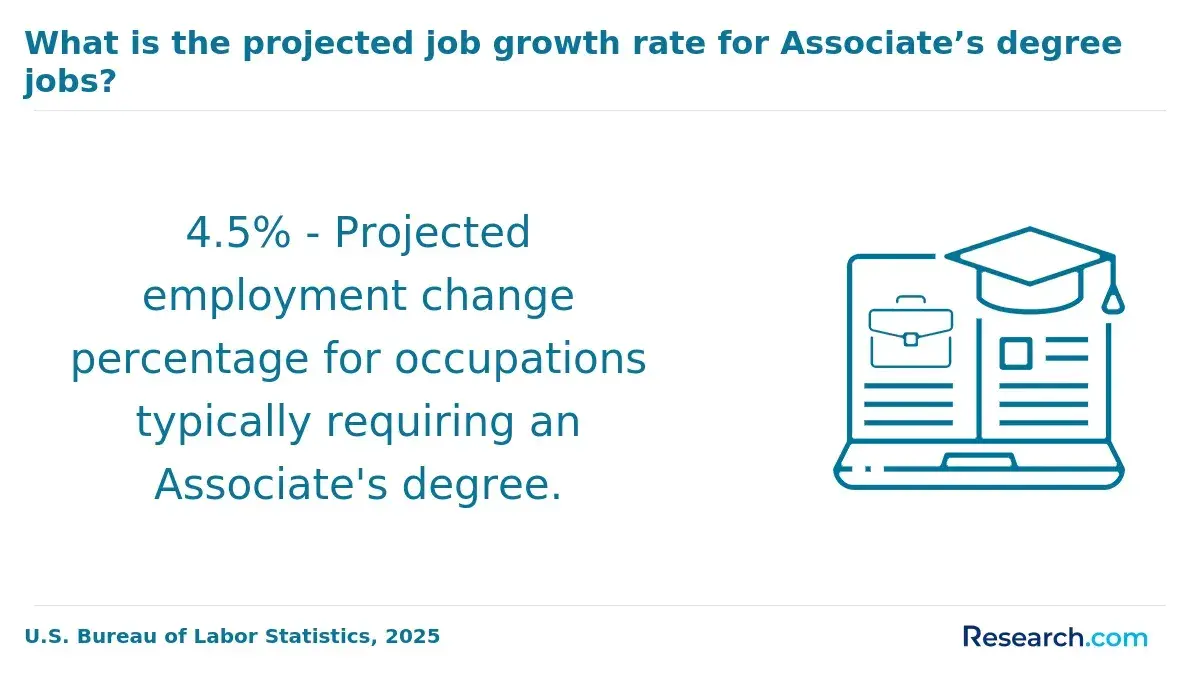
A higher education degree equips working adults with skills and credentials to pursue a broad range of entry-level, mid-level, or specialized roles that align with their backgrounds, professional experience, and career goals. Affordable, accredited programs with flexible scheduling and credit transfer options enable many adult learners to advance professionally or transition smoothly into new fields. The U.S. Bureau of Labor Statistics forecasts 7% employment growth in occupations requiring postsecondary education from 2021 to 2031, reflecting steady demand across sectors.
This degree pathway supports career mobility and skill development in various job categories, including the following:
- Support and Administrative Roles: Positions like administrative assistants, office managers, and human resources coordinators benefit from a higher education foundation that enhances organizational, communication, and multitasking skills relevant across many industries.
- Technical or Specialized Jobs: Fields such as information technology, healthcare support, and technical services often require degrees combined with certifications, offering practical knowledge to meet the demands of fast-growing sectors.
- Management-Track Opportunities: Mid-level supervisory and management roles typically prefer candidates with degrees that cultivate leadership, strategic thinking, and problem-solving abilities essential for overseeing teams and projects.
- Community-Based Careers: Jobs in social services, education support, or nonprofit organizations emphasize interpersonal skills and cultural competency, preparing graduates to address community needs effectively.
- Industry-Specific Occupations: Industries like finance, marketing, or environmental services leverage specialized degree programs to provide targeted technical knowledge and relevant regulatory understanding.
For working adults exploring affordable careers with an online higher education degree, flexible programs that recognize prior credits and experience are critical. Those interested in healthcare-related professions, for example, may find value in specialized offerings such as a nutritionist degree online, which blends affordability with accreditation to support career advancement.
What Should Working Adults Look for When Choosing a Higher Education Degree Program?
Working adults often weigh affordability, flexibility, accreditation, career relevance, and long-term value when selecting higher education degree programs. Online and hybrid learning options have broadened access for nontraditional students, with nearly 41% of undergraduates in 2020-2021 identified as adult learners. These factors help balance academic goals with work, family, and other personal commitments.
Key considerations to evaluate include:
- Accreditation Status: Ensures the program meets recognized quality standards necessary for credit transfer and employer acceptance. Accredited schools typically provide stronger student support services that assist in managing concurrent job and family responsibilities.
- Scheduling Flexibility: Programs featuring asynchronous classes or part-time enrollment accommodate varied work schedules. This flexibility supports sustained progress and may offer accelerated options to shorten time-to-degree.
- Transfer Credit Policies: Robust policies allow previous college or professional credits to count toward degree requirements, reducing both cost and completion time.
- Affordability and Aid: Beyond tuition rates, financial aid, scholarships, employer tuition reimbursement, and payment plan options critically affect accessibility and budget management.
- Workforce Preparation: Alignment with current industry standards and employer recognition enhances credentials' relevance and improves long-term career opportunities.
What Do Students Say About Affordable Higher Education Degree Programs?
- Esteban: "As a working adult balancing a full-time job and family, I found that the most important factor in choosing a higher education program was flexibility. Programs offering evening and weekend classes allowed me to keep my job without sacrificing progress. Also, I made sure the school was accredited and their credits were transferable, which helped me avoid losing time and money on redundant courses."
- Alexis: "When I started looking for affordable ways to earn my degree, verifying the legitimacy of cheap programs was crucial. I researched employer recognition and checked accreditation thoroughly before enrolling. Finding a program that worked around my erratic schedule gave me peace of mind, and focusing on long-term career goals kept me motivated during the toughest semesters."
- Eli: "Exploring higher education options as a nontraditional student made me realize the value of programs that respect prior credits and professional experience. I prioritized schools that offered flexible online courses so I could study without interrupting my career, and ensuring the program was accredited helped me feel confident that my degree would be respected by future employers. Budget considerations were important, but I balanced cost with quality to make the best decision for my future."
Other Things You Should Know About Higher Education Degrees
In 2027, affordable degree programs for working adults are available at both community colleges and four-year universities. Community colleges often provide more budget-friendly tuition, while some four-year institutions have expanded online and evening offerings to accommodate working adults, maintaining competitive pricing.
Many low-cost higher education degree programs provide essential student support services such as academic advising, tutoring, and career counseling. However, the extent of these services can vary widely, so prospective students should research each program's offerings to ensure they meet their individual needs.
Yes, transferring previously earned credits is often allowed and can reduce the time and cost needed to complete a degree. However, credit transfer policies differ between institutions, so working adults should verify transfer agreements and credit acceptance before enrolling.
References
- Top colleges that accept transfer credits easily https://goedmo.com/blog/colleges-that-transfer-credits/
- Careers You Can Pursue with a Masters in Higher Education https://www.pointloma.edu/resources/education/careers-you-can-pursue-masters-higher-education
- Places in Europe where you can get inexpensive higher education https://www.gostudy.eu/en/media/knowledge/education/inexpensive-higher-education-in-europe
- Cheapest Accredited Online Colleges: Complete Guide https://hakia.com/news/cheapest-accredited-online-colleges/
- [2026 ] Guide to College for Working Adults | New England Tech https://www.neit.edu/blog/college-for-working-adults
- Best Accredited Online Universities in 2025 https://www.study.eu/article/best-accredited-online-universities
- 10 Cheapest Accredited Online Colleges (That Employers Actually Respect) | Copilot Careers https://www.copilotcareers.org/blog/accredited-online-schools-with-affordable-tuition-getting-degree-without-going-broke
- All the Ways You Can Pay for College https://accessscholarships.com/blog/ways-to-pay-for-higher-education/
- A comprehensive guide to types of financial aid for college students https://www.citizensbank.com/learning/types-of-federal-financial-aid.aspx
- Best Online Degree Programs for Working Adults https://www.scholaro.com/db/News/best-online-degree-programs-256