2027 Health Education Degree Programs With Rolling Admissions

Co-Founder and Chief Data Scientist
Unlike conventional deadlines that cluster around fixed semesters, rolling admissions offer students greater freedom to apply when ready. This flexibility proves vital for working adults pursuing health education degrees, who often navigate unpredictable schedules and employer-driven timing pressures. According to the National Center for Education Statistics, nearly 40% of undergraduates are considered adult learners, underscoring a shift toward nontraditional enrollment pacing.
For health education, where credentialing timelines and practicum placements intersect with employment opportunities, rolling admissions can reduce delays in licensure preparation and workforce entry. This article explores how these programs balance accessibility with academic and professional requirements to aid prospective students in prioritizing their timing and goals.
Key Benefits of Health Education Degree Programs With Rolling Admissions
- Rolling admissions in health education enable students to strategically align enrollment with evolving public health crises, though this timing flexibility can complicate cohort cohesion and resource allocation within programs.
- Employers increasingly value practitioners who navigate rolling admissions, interpreting it as adaptability and self-directed learning-qualities linked to on-the-job problem-solving in diverse community health settings.
- Extended application windows reduce timing pressure, allowing candidates to plan education around fluctuating personal responsibilities, but this can delay program entry and postpone workforce reentry or career advancement.
How Do Health Education Degree Programs With Rolling Admissions Work?
Rolling admissions in health education degree programs reflect a deliberate shift toward aligning enrollment processes with the unpredictable demands of healthcare labor markets and diverse student circumstances. This approach requires programs to manage intake dynamically, balancing timely workforce entry against resource constraints and student preparedness, which directly shapes enrollment patterns and academic progression.
- Continuous Application Review: Applications are assessed as they are submitted rather than waiting for a fixed deadline. This accelerates admissions decisions but necessitates real-time capacity tracking to avoid over-enrollment during peak periods.
- Resource Allocation Tradeoffs: Faculty, clinical placements, and practicum sites are finite; early applicants generally secure preferable hands-on training opportunities. Late applicants may face limited options, potentially affecting the comprehensiveness of their practical experiences.
- Impact on Student Access: The model favors applicants able to prepare early but can disadvantage those requiring additional time for prerequisites or financial aid processing. Effective communication and support systems are essential to maintain equitable access across diverse applicant profiles.
- Workforce-Driven Timing: Rolling admissions facilitate quicker workforce entry for students who apply soon after meeting admission requirements, which is crucial in health education amid fluctuating healthcare demands and public health priorities.
- Curricular and Cohort Challenges: Staggered start dates complicate curricular sequencing and cohort cohesion, forcing programs to adopt more flexible, modular formats to accommodate varying enrollment times without compromising academic rigor.
- Comparative Enrollment Dynamics: Unlike fixed deadlines that create single cohort starts, rolling admissions diversify start times and student demographics but may reduce peer network stability, affecting student support systems and long-term professional relationships.
In practical terms, a working adult pursuing a health education degree might leverage rolling admissions to minimize disruption to employment by applying immediately after completing necessary coursework, illustrating how this model suits nontraditional students balancing multiple responsibilities.
Prospective students should evaluate how rolling admission requirements and their timing intersect with their own academic readiness and career trajectories to optimize enrollment decisions. For those exploring program options, including pathways with flexible timelines, resources like easy DNP programs offer additional context on navigating health-related graduate admissions.
What Are the Admission Requirements for Rolling Admissions Health Education Programs?
Rolling admissions in health education programs require applicants to submit materials early and complete, as admissions decisions occur continuously rather than in batches. This format favors candidates who can promptly demonstrate academic readiness and relevant experience, since delays or incomplete applications risk missing timely offers. For working adults or nontraditional students, rolling admissions provide flexibility but also demand strategic preparation to align application timing with workforce and program availability.
- GPA Requirement: Applicants must typically present a competitive GPA reflecting sustained academic performance in prerequisite subjects, signaling readiness for the demanding curriculum and subsequent roles in health promotion.
- Transcripts: Official academic records need to document completion of core courses in biology, psychology, or public health fundamentals, as these foundational sciences underpin practical competencies in health education.
- Standardized Test Scores: Although some programs maintain requirements for SAT or ACT scores, a growing number of institutions adopt test-optional policies which shift emphasis to other application components under rolling review cycles.
- Practical Experience: Demonstrated involvement through internships, volunteer work, or employment in health or community settings strengthens applications by evidencing applicant familiarity with sector realities and communication skills valued by employers.
- Letters of Recommendation: These provide evaluators with insight into candidate motivation and interpersonal abilities, crucial for fields requiring community engagement and educational outreach.
- Personal Statement: A timely submitted statement helps differentiate applicants by articulating career goals and alignment with health education's multifaceted demands, affecting competitive positioning during rolling cohort selections.
- English Proficiency and Compliance: Proof of language proficiency and adherence to institutional policies on immunizations or background checks ensure candidates' preparedness for practicum elements and compliance with healthcare standards.
When Should You Apply for Rolling Admissions Programs?
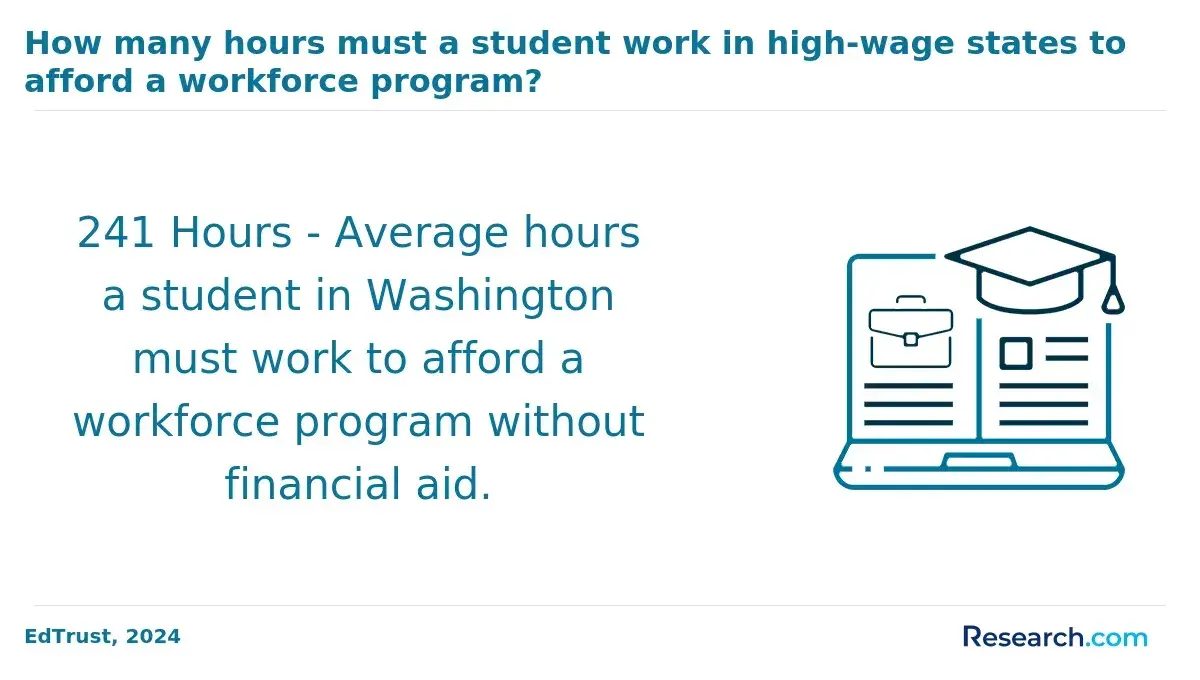
Rolling admissions in health education programs differ substantially from fixed deadline processes because applications are reviewed continuously as they arrive. Early applicants can access a broader range of course offerings and scheduling options since programs start filling their limited seats soon after openings. Additionally, scholarship funds and financial aid tend to be more plentiful at the beginning of the cycle, giving early applicants a potential cost advantage.
However, submitting prematurely without a fully developed application - including a strong personal statement and relevant experience - can put candidates at a disadvantage by triggering delays in review or less favorable comparisons with more polished applicants. Thus, the timing of submission should reflect preparedness rather than a race to apply first, balancing early opportunity against application readiness.
Applicants who come mid-cycle often face reduced seat availability and fewer financial awards but might benefit from admissions staff having clearer insights into the overall applicant pool and program needs. This can advantage candidates whose skills or backgrounds address identified gaps. Conversely, late applicants encounter a tighter reality: many programs may offer only waitlist or conditional placements that restrict start dates or limit access to critical practical experiences like internships.
Given the importance of networking and applied learning in health education careers, delayed entry can curtail those benefits and affect workforce integration. Effective application timing, therefore, hinges on aligning one's readiness and profile with the operational cadence of rolling admissions rather than simply submitting as early as possible.
One applicant I spoke with shared how she initially rushed her submission soon after the admissions window opened, only to receive feedback that her personal statement lacked specificity and her experience description was too general. After pulling her application to revise these elements, she reapplied mid-cycle with a stronger profile and was admitted with a scholarship that had just reopened due to a declined offer. She reflected that waiting to apply until fully ready, despite her early enthusiasm, ultimately positioned her better both financially and academically within the program cohort.
Are Rolling Admissions Common in Online Programs?
Rolling admissions have become notably more prevalent among online health education programs than traditional on-campus options, reflecting operational strategies tailored to digital delivery. Online programs often leverage rolling admissions to manage fluctuating demand and optimize enrollment cycles, allowing for multiple start dates that accommodate students juggling work, family, and other responsibilities. This flexibility aligns with the asynchronous nature of online coursework, facilitating continuous cohort formation instead of rigid academic calendars.
According to a 2022 survey, about 65% of online health-related programs use rolling admissions or extended application windows, a sharp contrast to fewer than 40% of campus-based programs, underscoring institutional preference for scalable, student-centered intake processes typical of remote learning environments. Despite these advantages, rolling admissions are not universal across online health education degrees. Some programs adhere to traditional semester-based cycles to align with clinical practicum requirements, accreditation standards, or institutional policies, which can affect availability of rolling admission health education degrees online.
For students, this means the potential for quicker enrollment through rolling admissions but also the possibility of increased competition as later applicants vie for limited spots in popular cohorts. Early application generally remains advantageous for securing placement. Prospective enrollees should weigh these tradeoffs carefully, especially when considering factors such as workforce reentry timelines and program flexibility. For those prioritizing cost-effective options, reviewing cheap nursing programs with rolling admissions may also provide practical pathways aligned with evolving healthcare labor market demands.
Do Rolling Admissions Schools Have Higher Acceptance Rates?
Rolling admissions policies do not inherently correspond to higher acceptance rates; rather, they reflect an admissions process that reviews applications continuously instead of in a batch by a deadline. The perception of easier admission often arises because rolling admissions can allow for a more fluid intake of students, which might suggest less competition early in the cycle. However, acceptance rates fundamentally depend on institutional factors such as program capacity, demand fluctuations, and planned cohort sizes.
For example, a health education program in a high-demand urban area may fill all available slots early, making late applications far less likely to be accepted despite the rolling timeline, underscoring that timing influences opportunity but not overall selectivity. Application timing can create a strategic advantage when applying early, as more seats remain open, but this is a supply-and-demand dynamic rather than a reduction in admission standards. Institutions with rolling admissions still maintain criteria aligned with workforce needs and institutional priorities, which vary widely across public, private, and specialty health education programs.
Consequently, acceptance rates fluctuate by institution and program focus rather than admission format alone. Students should recognize that rolling admissions offer flexibility but not guaranteed leniency-selectivity and program reputation remain key to employability and long-term career outcomes in health education fields.
How Much Do Rolling Admissions Health Education Programs Cost?
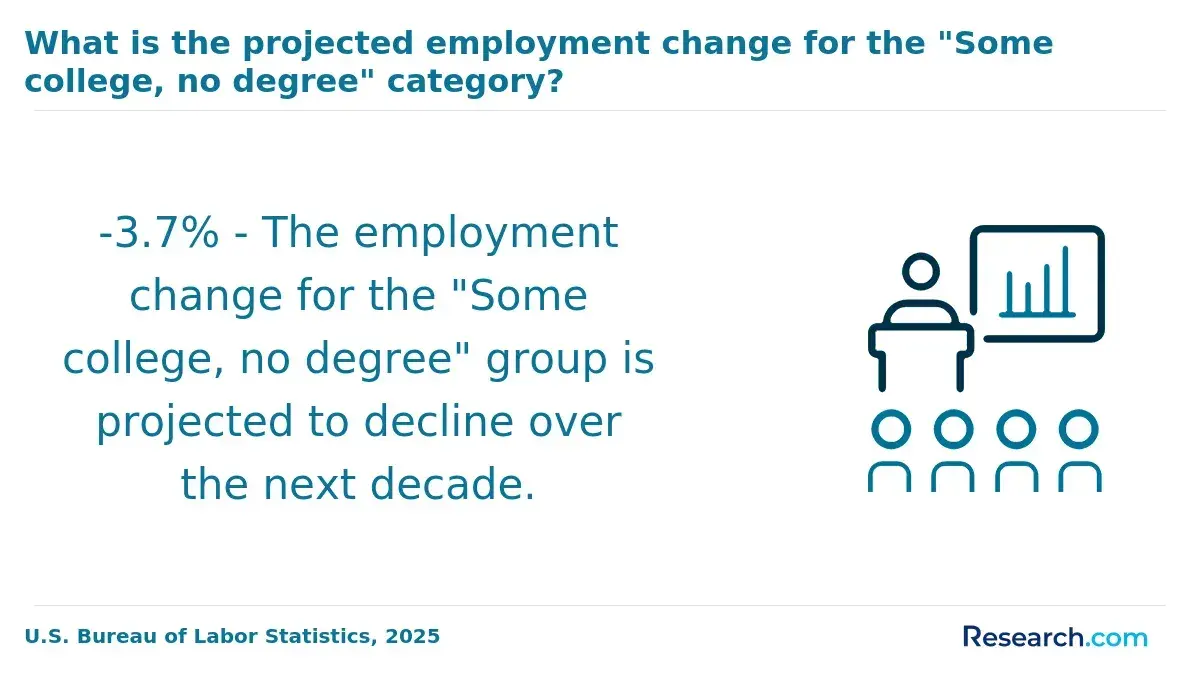
Tuition pricing in rolling admissions health education degree programs typically follows a per-credit-hour model, allowing students to pay only for the credits they take as they progress, which supports flexible pacing for varied life circumstances. Some programs offer flat-rate fees per term or semester, favoring students who enroll full-time or within accelerated cohorts, but rolling admissions itself rarely alters base tuition rates directly; instead, it influences when and how tuition costs are incurred over time. Additional expenses such as technology fees-common in online or hybrid formats-and course-specific charges like lab or clinical fees significantly affect total program costs.
These variable components mean that even with consistent per-credit rates, the financial outlay is shaped sharply by program design and delivery modality. For students balancing work and study, rolling admissions provide cost-spreading advantages by enabling enrollment at multiple points year-round, which can soften financial burden through part-time, self-paced progression. Tuition rates for rolling admissions health education programs generally span from $300 to $800 per credit hour, translating to approximately $36,000 to $96,000 for a full bachelor's degree based on 120 credits, exclusive of additional fees and materials.
In workforce terms, understanding this tuition structure is critical because accelerated or cohort-based models demand condensed payment timelines but may lead to quicker employment eligibility. Prospective students should weigh these tradeoffs when comparing options, especially since programs emphasizing flexible entry often pair with extended timelines. For those researching advanced pathways, such as doctoral-level nursing, exploring resources like the best online nursing PhD programs can provide insight into costs and outcomes aligned with flexible application policies.
Are Career Outcomes Different for Rolling Admissions Students?
Rolling admissions in health education programs serve primarily as an administrative convenience rather than a direct factor shaping career trajectories. Employers and industry standards focus heavily on attributes like program accreditation-such as CAHME or CEPH endorsement-which validate a graduate's readiness and influence employability more than timing of admission. Likewise, specialization within health education fields and opportunities for internships and networking have a far greater impact on securing relevant roles and job stability. Geographic labor market conditions further intersect with these elements, often outweighing any benefits gained simply from when a student started their program.
That said, earlier acceptance via rolling admissions can occasionally accelerate completion and job market entry, potentially translating to a modest early wage advantage. For instance, analysis from the National Center for Education Statistics notes that students starting earlier may enter employment three to six months sooner on average, which could slightly improve initial earnings. Still, this edge is inconsistent and subject to variations in curriculum pacing, part-time enrollment options, and local employer hiring cycles. Ultimately, factors such as program rigor and experiential learning predominantly govern long-term outcomes, making rolling admissions a secondary concern in career planning.
One health education graduate recalled navigating rolling admissions with cautious urgency after delaying application while weighing work commitments. "It was stressful not knowing when I would hear back, and I worried the flexible timeline might mean losing momentum," she explained. She ultimately applied mid-cycle and credits that timing with allowing her to maintain employment until acceptance. Yet she acknowledged that the program's strong emphasis on practicum placements and accreditation shaped her job prospects far more decisively than the admission schedule. "Getting in earlier might've helped a bit," she reflected, "but it was what I did after enrolling that really mattered."
Can Rolling Admissions Programs Lead to High-Paying Careers?
Admission models like rolling admissions offer applicants scheduling flexibility but do not intrinsically affect salary outcomes in health education careers. While enrolling early through rolling admissions might enable some students to graduate sooner and enter the workforce ahead of peers, this timing advantage rarely guarantees higher pay. Instead, income levels are largely determined by specialization within health education-such as community health or health promotion-the caliber and accreditation of the educational institution, and the extent of hands-on experiences like internships or practicum placements.
Employers weigh these factors more heavily than the admissions process itself, emphasizing demonstrated skills, credentials, and relevant professional networks in hiring and compensation decisions. Geographic demand fluctuations and industry growth also significantly shape salary ranges, with median wages for health education professionals typically spanning $45,000 to $75,000 annually depending on locale and position.
Applicants considering rolling admissions programs should recognize that while this pathway may accommodate diverse academic and life circumstances, it neither accelerates advancement into high-paying roles nor substitutes for strategic choices in curriculum, experiential learning, and market positioning. Comprehensive evaluation of these elements, along with career services access and alignment with labor market needs, is essential to enhancing long-term earning potential beyond the practical conveniences of enrollment timing.
What Are the Disadvantages of Rolling Admissions Programs?
Rolling admissions in health education programs can reduce the pressure of strict deadlines but create significant challenges that directly influence student outcomes and workforce readiness. The absence of fixed cutoff dates often results in applicant procrastination, yielding hastily prepared submissions that undermine competitive admissions and financial aid opportunities. This less disciplined timeline can weaken student profiles and distort employer perceptions of candidate preparedness and educational rigor.
In practice, rolling admissions also affect cohort stability. Variable enrollment sizes disrupt consistent peer interaction and networking, which are vital for building collaborative skills and professional ties in health education fields. Employers may view candidates from such irregular enrollment models as less integrated into structured training pathways, potentially impacting hiring decisions. Data from the National Center for Education Statistics show that programs with rolling admissions experience a 15% higher rate of late enrollment dropouts, highlighting difficulties in student commitment and progression management.
These issues extend into decision-making complexities, as students face staggered acceptance offers without comprehensive comparative information on finances or support services. Those managing jobs or family responsibilities are particularly disadvantaged by the uncertainty and rushed choices this system can impose.
Students exploring flexible application timing in health education degrees should weigh these structural limitations carefully. For advanced career tracks, options such as MSN to DNP programs may offer different admission frameworks and clearer progression pathways.
How Do You Choose the Best Health Education Program With Rolling Admissions?
Choosing among health education degree programs with rolling admissions involves more than simply picking schools with open enrollment windows. Decision-makers must weigh how program features translate into tangible career advantages and accommodate complex life schedules. For instance, selecting a program with robust support for nontraditional students can reduce obstacles that often derail adult learners juggling work and family. These practical considerations are crucial when assessing the best online health education programs with rolling enrollment.
- Accreditation status: This validates program quality and licensure eligibility, directly impacting employability and professional certification opportunities.
- Graduation rates: Higher rates suggest effective student support and curriculum rigor; programs exceeding 60% often reflect well-resourced advising and retention strategies critical for diverse learners.
- Course delivery flexibility: Online, hybrid, and asynchronous options allow students to maintain employment or family commitments while progressing steadily toward degree completion.
- Transparent cost structure and financial aid: Clear tuition expectations help manage debt load and long-term financial planning, especially important when considering working while enrolled.
- Employment outcomes and experiential learning: Programs connected to internships or health organizations align with employer preference for candidates possessing practical experience, enhancing job readiness post-graduation.
Additionally, evaluating your options alongside comparative analyses such as Capella RN to BSN vs Chamberlain RN to BSN can provide nuanced insights into how rolling admissions programs vary in delivery, cost, and outcomes within the health education field.
What Graduates Say About Health Education Degree Programs With Rolling Admissions
- Raphael: "Balancing a full-time job while going through the health education program with rolling admissions was tough, but I chose this route because I needed flexibility in my schedule. Although the coursework was demanding, it allowed me to complete an internship that became a pivotal part of my job application portfolio. Post-graduation, I found that employers valued this hands-on experience more than any certifications, which helped me land a role in community health outreach."
- Russell: "After considering the financial strain of traditional degree timelines, I opted for a program with rolling admissions to start sooner and reduce overall costs. The decision proved strategic as I quickly gained foundational skills that opened up several remote positions in health education, though I noticed salary advancement was limited without additional licensure. Navigating these early career trade-offs made me realize the importance of continuous certification alongside the degree."
- Therese: "Switching careers into health education later in life meant I had to be pragmatic about time and workload, which is why the rolling admissions approach attracted me. The program's structure helped me build a diverse portfolio through several internships, yet I experienced firsthand how competitive some roles are, with many employers prioritizing candidates who already held certifications. It was a reality check that guided my decision to pursue additional qualifications after graduating."
Other Things You Should Know About Health Education Degrees
Rolling admission can lead to more varied start dates, but this flexibility often means courses may not follow a traditional semester schedule, impacting the sequence in which you take prerequisite and advanced classes. Students may face gaps between critical courses if program pacing is less structured, potentially extending time to degree completion. For those balancing work or personal commitments, it's important to evaluate whether the program offers consistent course availability or if unpredictable scheduling could disrupt your learning continuity.
Students should consider faculty availability, their personal schedules, and the specific course offerings for each start date. Aligning these factors can optimize learning and access to necessary mentorship and resources, crucial in the fast-evolving landscape of 2027 health education programs.
Rolling admission cohorts often have staggered entry, which can limit peer interaction and reduce opportunities for collaborative projects that build professional networks. In health education, where teamwork and community engagement are key, fragmented class groupings might lessen exposure to diverse perspectives or reduce consistent group work chances. Prospective students should assess whether the program incorporates structured collaboration activities or cohort-building events to mitigate this effect.
Since many internships and practical placements align with traditional academic calendars, students enrolling under rolling admissions might face challenges securing timely field experiences that match their course progression. The irregular start dates may require added effort to synchronize hands-on opportunities with academic requirements, affecting timely program completion or readiness. Prioritizing programs with established internship partnerships and flexible placement options can reduce such mismatches and enhance career readiness.
References
- Rolling Admissions Guide: What, When, Why? https://www.ivywise.com/blog/what-does-rolling-admissions-mean/
- Rolling Admissions: Key Insights https://www.themoodmeter.com/rolling-admissions-pros-cons-and-strategies/
- The Advantages and Disadvantages of Rolling Admissions https://www.petersons.com/blog/the-advantages-and-disadvantages-of-rolling-admissions/
- Training for Health Care Jobs in California: Opportunities for Workers without a Four-Year Degree - Public Policy Institute of California https://www.ppic.org/publication/training-for-health-care-jobs-in-california-opportunities-for-workers-without-a-four-year-degree/
- Medical Schools Without Rolling Admissions https://bemoacademicconsulting.com/blog/medical-schools-without-rolling-admissions
- What Does Rolling Admissions Mean? https://www.ultimatemedical.edu/blog/what-is-rolling-admissions/
- Guide to Colleges with Rolling Admissions https://ingeniusprep.com/blog/a-comprehensive-guide-to-colleges-with-rolling-admissions/
- Everything You Need To Know About Rolling Admission At UCI | United Career Institute | May 2026 https://unitedcareer.edu/rolling-admission-at-uci/
- What Does Rolling Admission in Medical School Mean? | CMU https://cmumed.org/what-does-rolling-admission-mean-where-to-find-a-medical-school-with-rolling-admissions/
- How to Choose a Medical School: A Simplified Guide - American University of Antigua https://www.auamed.org/blog/how-to-choose-a-medical-school-simplified-guide/