2027 General Studies Degree Programs With Rolling Admissions

Co-Founder and Chief Data Scientist
For many working adults, missed deadlines can close doors to traditional academic terms, complicating timely enrollment in degree programs. General studies programs with rolling admissions provide a vital alternative, allowing learners to begin courses without waiting for fixed deadlines. Data from the National Center for Education Statistics shows adult enrollment in postsecondary education increased by over 20% in less than a decade, signaling growing demand for flexible admission models. This flexibility accommodates scheduling challenges often faced by career changers and returning students balancing work and family.
This article explores how rolling admission structures in general studies programs align with diverse timelines and career priorities.
Key Benefits of General Studies Degree Programs With Rolling Admissions
- Rolling admissions in general studies enable students to delay commitment, but this can extend time-to-degree and increase overall educational costs, requiring strategic financial and academic planning to avoid burnout.
- This admission model aligns with workforce needs by allowing mid-career applicants to update skills responsively, though employers may still prioritize candidates with standard academic timelines for certain entry-level roles.
- Flexible intake windows enhance access for individuals balancing work or family, yet require students to proactively navigate course sequencing, impacting graduation pacing and professional development readiness.
How Do General Studies Degree Programs With Rolling Admissions Work?
Rolling admissions in general studies degree programs fundamentally reshape how students engage with higher education by removing fixed entry points and prioritizing ongoing access. This model suits learners whose timelines and commitments diverge from conventional academic cycles yet requires nuanced academic and administrative adaptations to maintain program coherence and workforce relevance.
- Continuous Enrollment Access: Rather than confining applications to traditional semester deadlines, rolling admissions enable students to apply and begin coursework throughout the year. This flexibility accommodates working adults and those balancing family or other personal responsibilities, aligning with diverse life rhythms.
- Workforce Transition Impact: Entering general studies programs as soon as readiness aligns often accelerates students' ability to upskill or pivot careers. For example, a mid-career professional can apply in spring, start immediately, and avoid delays that fixed academic calendars might impose-reducing downtime between education and employment.
- Curricular Adaptability: To support staggered starts, programs often adopt modular course designs and flexible faculty scheduling. This operational shift broadens accessibility but complicates peer cohort formation, potentially limiting collaborative learning experiences that depend on cohort synchronization.
- Institutional Tradeoffs: Rolling admissions require universities to invest in continuous administrative support and resource allocation. While this increases inclusivity and can boost enrollment diversity, it may strain staffing and scheduling systems designed around traditional cohort models, demanding careful planning.
- Student Self-Management Demand: Without a fixed start date, students must exhibit higher self-discipline and time-management to maintain momentum. The absence of a synchronized peer group may reduce social learning benefits, requiring learners to proactively seek community and support structures.
- Contrast to Rigid Programs: Compared to fields like engineering or nursing with strict cohort progression and accreditation deadlines, rolling admissions in general studies present a less linear, more iterative educational path. This flexibility can democratize access but also shifts responsibility heavily onto the learner and institution to maintain alignment.
The timing of applications in general studies rolling admission programs significantly affects enrollment outcomes and student experience. Prospective students benefit from understanding how the absence of fixed deadlines both opens opportunities and imposes demands on their scheduling and motivation strategies. Those interested in maximizing affordability and support options should also explore FAFSA-approved online certificate programs related to their general studies path, as financial timing can be critical alongside admission flexibility.
What Are the Admission Requirements for Rolling Admissions General Studies Programs?
Rolling admissions for general studies programs require applicants to demonstrate consistent academic readiness amid continuous evaluation, which differs from traditional fixed deadlines by allowing a flexible submission timeline. This process offers advantages for working adults or individuals with irregular schedules but also demands prompt preparation to avoid missed opportunities, as selective programs prioritize early applicants. Such timing flexibility, however, does not lessen the expectation that candidates meet criteria aligned with realistic academic and workforce competencies expected of graduates in these multidisciplinary fields.
- High School Diploma or Equivalent: Applicants must provide proof of successful secondary education completion, such as a high school diploma or GED, establishing foundational knowledge necessary for college-level study.
- Transcripts: Submission of official academic records is essential to verify prerequisite coursework or previous college credits, especially for transfer students who need to demonstrate adequate progress toward degree requirements.
- GPA Requirement: While exact thresholds vary, many programs expect a minimum GPA that reflects readiness for broadly framed curricula, balancing accessibility with academic standards.
- Standardized Test Scores: SAT or ACT requirements are frequently optional or waived, reducing barriers but potentially limiting data points for assessing applicant preparedness in quantitative or verbal reasoning.
- Personal Statement: Programs often request essays or statements of purpose to evaluate motivation, career intentions, or contextualize gaps in prior education, critical for those with interrupted or nontraditional academic histories.
- Letters of Recommendation: Though not universally required, these may be solicited to strengthen applications for candidates whose career or life experience must supplement limited academic records.
- English Proficiency: For nonnative speakers, evidence of language competence through tests or credentials ensures effective participation in multidisciplinary study and workforce communication.
This framework reflects a practical balance, demanding applicants not only meet baseline credential standards but also demonstrate adaptability and realistic planning-traits often valued by employers recognizing the versatile yet non-specialized nature of general studies degrees.
When Should You Apply for Rolling Admissions Programs?
Rolling admissions in general studies programs operate through continuous application review rather than fixed deadlines, making timing a strategic factor tied directly to seat availability and financial aid access. Early applicants generally benefit from a broader selection of courses and more scholarship dollars, as decisions happen on a first-come, first-served basis. However, this advantage only materializes if applications are well-prepared; submitting prematurely with incomplete documentation or unclear academic goals can weaken a candidate's competitiveness.
Mid-cycle applicants who have refined their materials may still secure enrollment but face smaller windows of opportunity and reduced funding. Thus, balancing readiness with timing is essential since rushing too soon or waiting too long both carry tangible consequences in terms of program fit and resources.
Delaying application submission until late in the rolling admissions cycle often results in limited class options and diminished financial aid, which can cascade into prolonged program timelines or less optimal course sequencing. Beyond material drawbacks, late applicants risk signaling indecision or poor planning to admissions committees, a factor that indirectly influences perception in professional and academic contexts. For students aligning their studies with specific career or credentialing deadlines, early submission with complete materials offers the clearest path toward timely progression.
Those needing additional time to solidify academic focus might trade some flexibility for preparedness by applying mid-term, accepting that opportunity costs will increase as the cycle advances. Overall, applying for rolling general studies requires nuanced judgment about personal readiness weighed against shifting institutional resources and employer expectations.
One applicant recalled, "I was eager to apply as soon as the window opened but realized my transcripts were delayed and my letters of recommendation weren't ready. Instead of submitting early with a weak file, I waited a few weeks to ensure everything was strong, even though I heard some scholarships were no longer available. It was nerve-wracking to risk fewer seats, but the completeness of my application made a difference in the interview. Looking back, rushing might have cost me a spot, so timing my submission carefully was crucial, even if it meant missing initial aid."
Are Rolling Admissions Common in Online Programs?
Rolling admissions are a strategic response to the operational demands and learner diversity inherent in online general studies programs, making them more prevalent in this format than in traditional on-campus settings. Institutions adopt rolling enrollment to enhance scalability and better manage fluctuating application volumes, particularly for programs that serve nontraditional students balancing work or family obligations. This model typically allows students to begin coursework soon after acceptance, circumventing the delays of fixed semester start dates.
However, rolling admissions are not uniform across all online programs; some schools maintain set deadlines to align with financial aid timelines or internal administrative cycles. Variations also exist depending on whether the focus is on part-time or degree-seeking cohorts, reflecting differing institutional priorities and program designs.
For students navigating the availability of online general studies programs with rolling enrollment, this flexibility often translates into faster access and improved alignment with personal schedules or workforce needs. Yet, increased demand in these rolling admission pathways can intensify competition for limited seats, especially in sought-after programs. Approximately 65% of online bachelor's programs incorporate rolling admissions, signaling a shift but also substantial variation in approach across institutions.
Prospective students should weigh the benefits of adaptable start dates against potential enrollment bottlenecks and consider how such timing impacts credential recognition and integration into the job market. For those researching options in flexible enrollment models, exploring business degrees online offers another perspective on how rolling admissions operate in professional contexts.
Do Rolling Admissions Schools Have Higher Acceptance Rates?
Rolling admissions policies do not inherently correspond to higher acceptance rates, despite common assumptions. This misconception arises because rolling admissions involve reviewing applications continuously rather than after a set deadline, which creates a perception of flexibility mistaken for lowered selectivity. In reality, acceptance rates reflect structural variables like program capacity, applicant demand, and cohort size rather than application timing alone. For example, a general studies program with limited seats and high employer demand may maintain competitive admissions regardless of rolling deadlines, underscoring that acceptance rates are tied to resource constraints and market relevance rather than the admissions model itself.
Application timing in rolling admissions can influence admission chances indirectly, with earlier submissions potentially benefiting from greater seat availability. However, this does not equate to lower academic or professional standards; it chiefly affects competition intensity as later applicants face fewer openings, not diminished criteria. Variability across institutions and general studies program types complicates sweeping conclusions, as some emphasize broad academic exploration attracting diverse applicant pools with different selectivity parameters. Evidence from the National Association for College Admission Counseling indicates no significant acceptance rate difference between rolling and fixed-deadline schools when controlling for selectivity and demand, reinforcing that rolling admissions should be understood as a logistical process rather than a signal of admission ease or workforce advantage.
How Much Do Rolling Admissions General Studies Programs Cost?
Rolling admissions in general studies degree programs do not inherently lower tuition costs but instead affect when students begin incurring those expenses, often spreading financial obligations more flexibly across the academic year. Tuition typically operates on a per credit hour basis, with rates ranging roughly between $200 and $600 depending on whether the institution is public, private, online, or campus-based.
Some programs use flat-rate tuition each term, favoring students who take heavier course loads, while others incorporate additional fees-such as technology fees for online delivery and institutional fees-that can add several hundred dollars per term. These variable cost components mean that understanding the full cost structure is crucial before committing, especially for students balancing work or family responsibilities who may enroll intermittently under rolling admissions schedules.
The total financial experience in rolling admissions general studies programs is further shaped by program format, including online, hybrid, accelerated, or cohort-based designs. Accelerated programs may increase short-term expenses due to compressed timelines but can reduce overall costs by shortening time to degree completion.
Alternatively, slower pacing might reduce immediate financial pressure but extend indirect costs like technology or living expenses. Emerging models like subscription-style or competency-based programs offer flat fees for unlimited course access, potentially improving cost efficiency for motivated learners. Considering the cost comparison of rolling admission general studies degrees alongside workforce demands is important; a flexible timeline can align with employer expectations but may require more careful financial planning to avoid unexpected expenses.
This nuanced balance is akin to decisions faced in areas like a doctorate in leadership, where educational investment timing impacts long-term career outcomes.
Are Career Outcomes Different for Rolling Admissions Students?
Career outcomes for students enrolled in general studies programs with rolling admissions do not show meaningful differences compared to those in traditional fixed-deadline programs. Rolling admissions primarily affect enrollment timing rather than academic quality or career trajectory. Factors such as program accreditation, curriculum rigor, and specialized academic focus within general studies play a far more decisive role in employability. Additionally, real-world work experience, internships, and engagement with professional networks often outweigh the mode or timing of admission when it comes to long-term career success. Geographic location and alignment with labor market needs further influence job prospects more than admission policies.
Although rolling admissions can sometimes enable students to enroll earlier and potentially graduate faster, this flexibility does not inherently translate to better employment outcomes. Graduation timing may accelerate workforce entry in some cases, but this depends heavily on individual circumstances including preparation, course availability, and external job market conditions. The National Center for Education Statistics notes that roughly 65% of graduates holding broad interdisciplinary degrees like general studies find relevant employment within one year, a figure consistent across different admission types. Outcomes vary by institution and student effort more than enrollment mechanisms, with employers prioritizing proven skills and credentials over when or how a student applied.
One general studies graduate recalled hesitating over her application window due to work obligations and uncertainty about enrollment deadlines. The rolling admissions format allowed her to submit materials over several months, but the flexible timeline also created stress about timing her application for optimal financial aid and course selection. Ultimately, she valued the ability to choose when to start but noted that career impact came from her internship and specialization rather than admission timing. For her, rolling admissions was a convenience that offered scheduling relief without changing the core challenge of securing meaningful experience and aligning her studies with job market demands.
Can Rolling Admissions Programs Lead to High-Paying Careers?
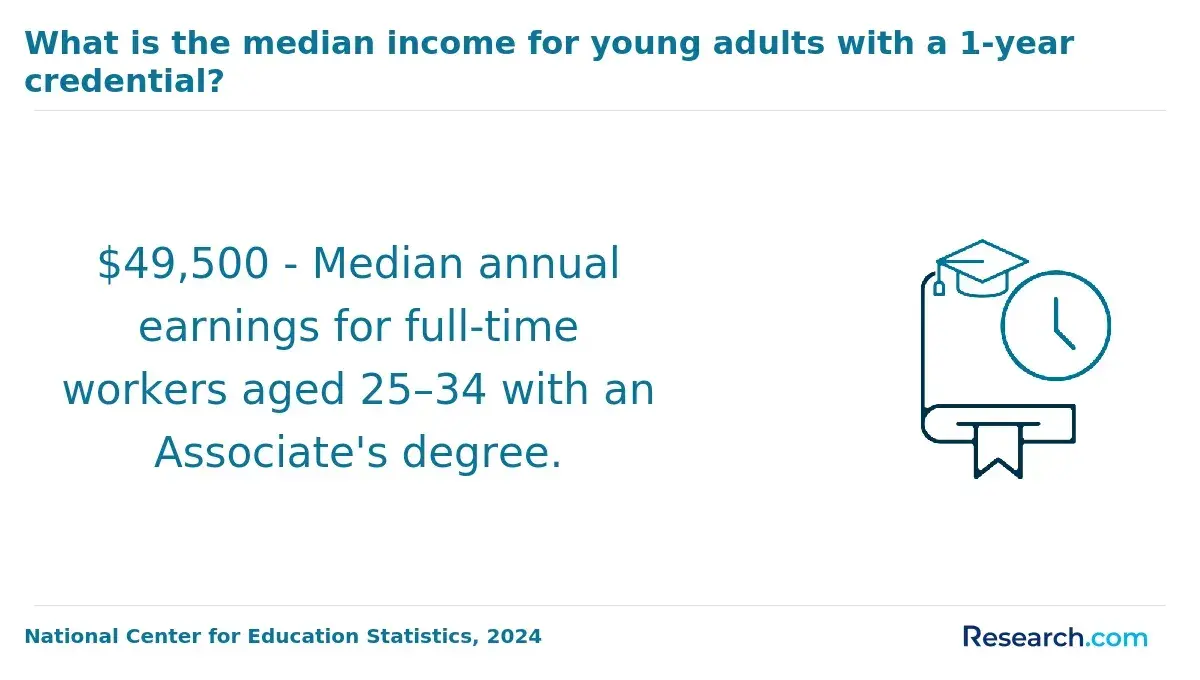
Salary outcomes for graduates of general studies programs with rolling admissions depend far more on program content and post-enrollment factors than the admissions process itself. Rolling admissions merely extend application windows, offering flexibility without impacting core workforce variables like field specialization, institutional prestige, or access to internships and experiential learning. For instance, a student concentrating on multidisciplinary business coursework in a metropolitan region with a strong job market can expect median incomes around $50,000 to $70,000 annually, aligning with industry demand and networking connections rather than the timing or structure of their college's admissions.
While rolling admissions may enable earlier enrollment and potentially faster completion, leading to slightly quicker workforce entry, this timing advantage does not inherently increase earnings. Graduates within the same general studies focus can have widely varying salaries based on skills, experience, and geographic factors, with those in liberal arts or interdisciplinary humanities often earning below $45,000 in less robust labor markets. Employers emphasize practical competencies and relevant experiences over admission timelines, so prospective students should prioritize program quality and career-aligned skills acquisition rather than assuming rolling admissions impact long-term earnings or access to high-paying careers.
What Are the Disadvantages of Rolling Admissions Programs?
Rolling admissions programs in general studies present specific challenges that go beyond mere flexibility. While appealing to students needing adaptable entry points, these programs often compromise structural clarity and timely progression, which are crucial for academic and workforce outcomes. The inherent unpredictability of rolling admissions requires applicants to manage their own pacing and strategic decisions carefully, reflecting key disadvantages in both planning and employability contexts.
- Weaker academic planning and pacing control: Without firm deadlines, students may delay enrollment decisions, leading to procrastination that can extend time to degree completion and potentially jeopardize financial aid eligibility-issues frequently overlooked in discussions of the disadvantages of rolling admissions in higher education.
- Uncertainty in course availability: Because classes fill on a rolling basis, late applicants risk missing core or preferred courses, which may delay graduation or force less optimal scheduling, especially problematic for those balancing work or family obligations.
- Limited peer networking and cohort cohesion: The absence of defined cohorts reduces structured peer interaction, an important component for career development and employer perception regarding discipline and goal orientation in graduates.
- Enrollment timing impacting resources: Data shows around 30% of applicants in rolling admission programs postpone their submission beyond primary enrollment periods, resulting in lost access to scholarships, internships, or support services critical to preparedness and success.
- Irregular advising and support: Ongoing admissions cycles cause fluctuating institutional resource allocation, making it harder for students to secure consistent mentoring and career counseling compared to those in fixed-cycle programs.
These factors illustrate the practical and structural drawbacks crucial for students weighing challenges of rolling admissions degree programs. For those looking into interdisciplinary or flexible pathways, understanding these tradeoffs is vital. Prospective applicants should also consider evaluated options such as online masters human resources programs, which often feature more defined enrollment periods alongside workforce-aligned curriculum and support.
How Do You Choose the Best General Studies Program With Rolling Admissions?
Choosing among general studies programs with rolling admissions requires more than just noting flexible deadlines; the differences in program design and outcomes significantly affect a student's educational trajectory and workforce integration. Applicants must weigh operational realities such as credit transferability and the speed of admission decisions, which have practical consequences for scheduling, financial aid access, and timely enrollment.
- Curriculum flexibility: Programs that let you customize courses to match career objectives or accept prior learning credits shorten time to degree and enhance market alignment, a key factor for students balancing work or prior education.
- Admission timelines: Despite rolling admissions, some institutions may delay application reviews, potentially disrupting financial aid approvals or housing arrangements, underscoring the need for clarity on decision speed.
- Graduation and retention rates: Higher rates often reflect robust academic support, a critical consideration given that only around 60% of bachelor's degree students finish within six years, affecting long-term employability prospects.
- Online learning infrastructure: Access to reliable digital platforms and support services influences persistence, especially for nontraditional students juggling jobs or family commitments.
- Cost transparency: Beware of hidden fees or expensive required materials despite seemingly affordable tuition; understanding total expenses and available financial aid is essential.
- Employer perception: Degrees integrating applied skills or practicums generally hold greater weight in job markets, making it vital to assess how a general studies degree aligns with workforce demands and hiring trends.
For students exploring options in a diverse educational landscape, including fields with specialized demand-for example, environmental engineering degrees online-the evaluation strategy remains to prioritize flexibility, practical outcomes, and transparency.
What Graduates Say About General Studies Degree Programs With Rolling Admissions
- Lawrence: "Balancing a full-time job and family commitments meant I needed a flexible program, so I chose a general studies degree with rolling admissions. While my coursework was broad, the real challenge was building a portfolio that showcased applicable skills, as many employers expected concrete experience over a traditional licensure. Ultimately, I secured a remote position in project coordination, but I'm aware that salary growth might be slower without specialized certification."
- Helene: "With limited funds and the urgency to pivot careers, I opted for a general studies program that allowed quick enrollment. The variety in the curriculum helped me identify which skills fit my goals, but when I applied for internships, I learned firsthand that employers heavily favored candidates with targeted expertise or certifications. This experience pushed me to supplement my degree with additional professional courses to stay competitive."
- Cameron: "I approached a general studies degree cautiously, hoping it would provide a broad foundation without locking me into one path. Managing a heavy workload alongside the program was tough, especially as I juggled side gigs. Although I initially struggled to find roles matching my varied background, the internship I completed during the program proved invaluable, opening doors to a niche marketing assistant role that values versatility over licensure."
Other Things You Should Know About General Studies Degrees
Rolling admissions allow students to start their general studies degree at multiple points throughout the year. This flexibility can enable students to customize their academic pacing and potentially accelerate degree completion based on their personal circumstances and scheduling preferences.
Employers typically do not differentiate between degrees earned through rolling versus traditional admissions; however, the perceived rigor and consistency of the institution's curriculum matter more. Because general studies degrees vary widely in focus, students should emphasize how their coursework aligns with employer needs. Choosing programs that ensure comprehensive coverage and relevant skill development is more impactful than the admissions calendar itself.
Programs with rolling admissions often operate year-round, which can strain academic advising and support resources outside conventional semesters. This may lead to variable availability of services like tutoring or career counseling at critical times. Students should assess whether the institution commits adequate support infrastructure for continuous enrollment and plan accordingly to avoid gaps in assistance.
Prioritizing rolling admissions primarily for scheduling flexibility can be practical but should not override evaluation of program quality and relevance. A flexible start date is valuable for managing work or personal obligations, yet students risk investing time in less rigorous or shallow curricula if they emphasize convenience alone. A balanced approach weighing both scheduling options and academic rigor tends to produce better long-term outcomes.
References
- General Studies Degree Jobs: 10 Careers + Salaries (2026) | Extern https://www.extern.com/post/general-studies-degree-jobs-career-guide
- Rolling Admissions Guide: What, When, Why? https://www.ivywise.com/blog/what-does-rolling-admissions-mean/
- When Should I Apply for College? - OnlineDegree.com https://www.onlinedegree.com/article/when-should-i-apply-for-college/
- The Advantages and Disadvantages of Rolling Admissions https://www.petersons.com/blog/the-advantages-and-disadvantages-of-rolling-admissions/
- Columbia University School of General Studies (GS) https://www.princetonreview.com/college/columbia-university-school-general-studies-1041677
- A General Studies Degree Is a Launchpad for Career Changers https://www.tuw.edu/gen-ed/general-studies-degree-benefits/
- What is a General Studies Degree? https://www.snhu.edu/about-us/newsroom/education/what-is-a-general-studies-degree
- Future Career Outlook: General Studies Degree | ALU https://alu.edu/alublog/future-career-outlook-general-studies-degree-alu/
- General College Admissions Requirements https://www.douglascollege.ca/admissions/requirements-and-assessment-testing/general-college-admissions-requirements
- Guide to Colleges with Rolling Admissions https://ingeniusprep.com/blog/a-comprehensive-guide-to-colleges-with-rolling-admissions/