2027 Fully Online vs Hybrid Taxation Degree Master's Programs: Which Is Better?

Co-Founder and Chief Data Scientist
A working professional seeks to advance their career by earning a master's degree in Taxation but faces the dilemma of choosing between fully online or hybrid programs. The challenge lies in balancing flexible study schedules with the benefits of in-person interaction and networking. Recent data shows that 65% of students in online graduate programs report improved work-life balance compared to traditional formats. However, hybrid formats often provide stronger engagement with faculty and peers. This article will explore the advantages and drawbacks of both formats to help prospective students identify which type best aligns with their learning style, time constraints, and career objectives.
Key Things to Know About Fully Online vs Hybrid Taxation Degree Master's Programs
- Fully online programs offer maximum flexibility, allowing students to access coursework anytime, which suits those balancing work and family without commuting constraints.
- Hybrid programs require scheduled in-person sessions that enhance networking and hands-on learning but limit availability for students with strict time commitments.
- Students with unpredictable work hours or remote jobs benefit more from fully online formats, while those seeking direct classroom interaction and campus resources may prefer hybrid structures.
How Do Hybrid and Online Taxation Master's Programs Differ?
Fully online and hybrid taxation master's programs differ primarily in how instruction, participation, and the overall learning experience are structured. Nearly 60% of graduate programs in business disciplines have adopted hybrid formats, demonstrating a demand for flexible yet interactive education options. The following key points highlight how these two delivery methods compare, including differences in admissions and assessment methods for hybrid versus fully online taxation master's degrees.
- Learning Format: Fully online programs deliver all courses through virtual lectures, discussions, and assignments, allowing students to study from any location. Hybrid programs blend online coursework with some mandatory face-to-face class sessions or campus activities.
- Residency Expectations: Hybrid taxation programs often require periodic campus attendance, such as weekend seminars or short residencies, whereas fully online programs typically involve no physical presence requirements.
- Scheduling Flexibility: Online programs generally offer asynchronous classes students can complete at their own pace, while hybrid programs usually have fixed meeting times aligned with in-person sessions, which can affect work and personal scheduling.
- Participation Methods: Fully online students engage via discussion boards, video calls, and digital collaboration tools. Hybrid students benefit from these methods plus in-person interaction that enhances networking and hands-on learning.
- Campus Engagement: Hybrid formats encourage greater connection with faculty and peers through campus resources, events, and office hours, fostering mentorship opportunities less accessible in fully online settings. Students researching program options may also consider related fields such as bcba programs for comparison.
Which Taxation Master's Program Format Is More Flexible?
Flexibility is a crucial consideration for students choosing between fully online and hybrid taxation master's programs. Recent data from the National Center for Education Statistics shows that over 60% of U.S. graduate students have enrolled in at least one online course, reflecting a significant shift toward adaptable learning environments. Several factors influence how flexible these program formats can be for students managing work, family, and study commitments.
Class Schedule: Fully online programs often provide asynchronous classes, allowing students to access lectures and complete assignments at any time. This accommodates varied personal schedules, unlike hybrid formats which may require fixed class times to coordinate both in-person and virtual sessions.
Location Requirements: Hybrid taxation degree program scheduling options typically include mandatory on-campus sessions, which can limit flexibility due to geographic and commuting constraints. Fully online programs eliminate this concern by enabling students to learn from anywhere, reducing location-related barriers.
Course Pacing: Self-paced learning is commonly offered in fully online programs, letting students progress based on their availability and understanding. Hybrid programs often adhere to more structured timelines, which can challenge students balancing multiple responsibilities.
Attendance Expectations: Online courses usually require virtual attendance, sparing students from travel and rigid attendance policies. Hybrid programs necessitate on-site presence for some classes, which can interfere with work and personal plans.
Travel Commitments: Travel demands inherent in hybrid formats add complexity and reduce flexibility, especially for working professionals or those with family obligations. Online learners avoid such disruptions entirely, benefiting from a more consistent study routine.
For those considering various graduate learning formats, exploring an online accelerated psychology degree may also provide insights into how flexibility can be optimized in fully online studies.
Which Taxation Master's Program Format Is Cheaper?
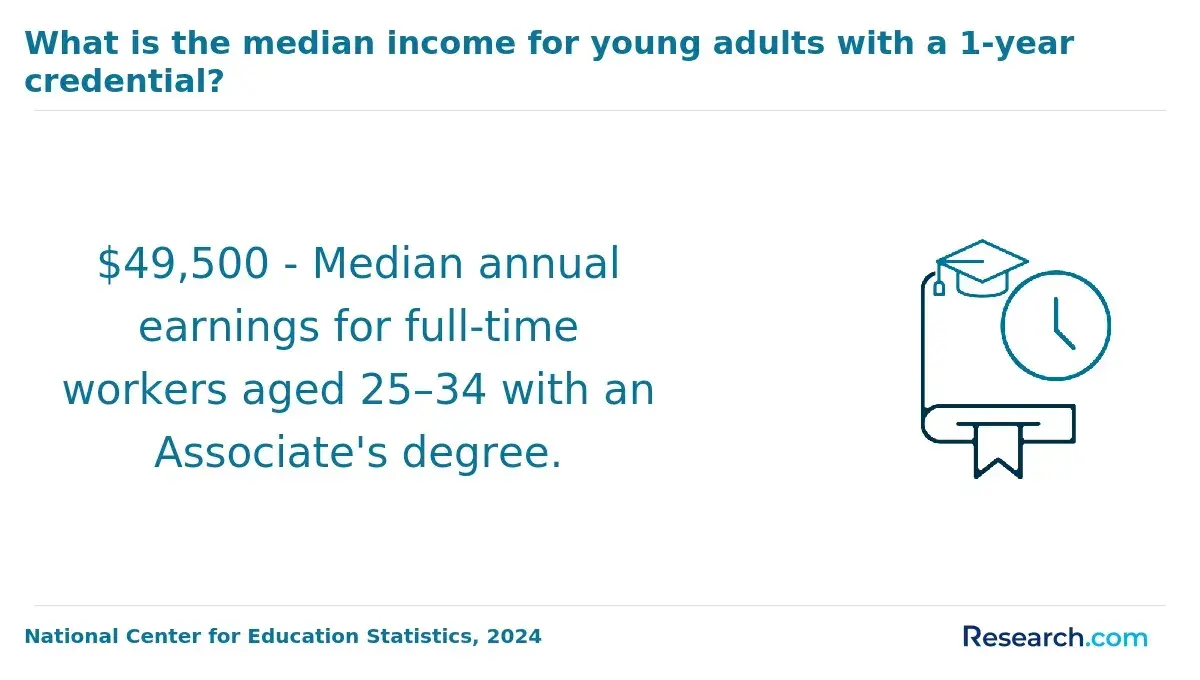
Cost remains a crucial factor for students deciding between fully online and hybrid taxation master's programs. Research indicates that online graduate tuition can be up to 15% lower than on-campus or hybrid options. Several specific expenses determine which format ultimately proves less expensive.
- Tuition Structure: Online programs often charge per credit hour and may offer discounted rates catering to remote students. Hybrid formats sometimes include higher fees due to in-person course components, impacting overall costs.
- Campus Fees: Students in hybrid programs frequently pay additional charges such as technology, activity, or facility fees, expenses that fully online learners typically avoid.
- Commuting Costs: Traveling to campus is a regular requirement for hybrid students, who may incur transportation, parking, or toll expenses. This factor is eliminated for those studying completely online.
- Housing Considerations: Hybrid students living near campus might experience increased rent or housing costs during their studies, while online students can remain at home or in their current residence, reducing living expenses.
- Technology Expenses: Fully online students usually need reliable computers and software access, which can vary in price depending on the program's resources and support offerings.
When discussing affordability with a graduate student who pursued an online taxation master's degree, he emphasized how the flexibility helped him manage part-time work while studying. He shared, "Choosing the online format allowed me to avoid daily commutes and extra campus fees, which really added up over semesters." Despite occasionally missing in-person interaction, he found the savings on housing and travel crucial in making the program financially viable. "It wasn't always easy balancing technology glitches and virtual collaboration, but the cost benefits made it worth the effort," he reflected.
Financial aid availability is a key consideration for prospective students comparing fully online and hybrid taxation master's programs. A 2023 study by the National Center for Education Statistics found that approximately 85% of online graduate students received some form of financial aid, a rate comparable to hybrid students. The variations in aid types and eligibility can influence a student's choice between program formats.
Key factors affecting financial aid for these degrees include:
- Eligibility Criteria: Federal aid programs like FAFSA generally apply similarly to both formats, often requiring at least half-time enrollment to qualify, ensuring access for a wide range of students.
- Types of Aid: While both online and hybrid students may access federal grants and loans, fully online students might have fewer specialized scholarships compared to hybrid students who can benefit from aid tied to campus attendance.
- Institutional Scholarships: Hybrid programs usually offer a broader pool of scholarships funded by campus organizations and alumni due to their on-site components, whereas fully online programs may have limited institutional scholarship options.
- Federal and State Funding: Some state-based aid requires residency and in-person participation, favoring hybrid students, while online students may face restrictions based on these requirements.
- Employer Tuition Assistance: Many employers provide tuition support for both formats, though some prefer hybrid programs assuming greater face-to-face interaction, impacting accessibility for online students.
Those researching financial aid options for fully online taxation master's programs may also consider pursuing an affordable online bachelor's degree to build a cost-effective educational foundation.
Admission standards play a significant role when comparing hybrid and fully online taxation master's programs. While many criteria overlap, some distinctions affect how applicants prepare and apply. The following points highlight five important admission considerations for these formats.
- Academic Prerequisites: Both hybrid and online programs generally require a bachelor's degree from an accredited institution, often favoring accounting, finance, or related fields. Hybrid formats may also expect readiness for face-to-face learning alongside online coursework.
- Professional Experience: Hybrid programs tend to value relevant work experience more, as in-person sessions focus on practical application and networking. Online programs usually offer greater flexibility and can accept applicants with less professional background.
- Letters of Recommendation: Academic or professional references are asked for both formats. Hybrid programs might prefer recommendations that emphasize interpersonal skills and collaboration due to their in-person elements.
- Standardized Tests: GRE or GMAT requirements are often waived for both types of programs, though some hybrid programs maintain stricter criteria to ensure candidates can handle mixed instructional settings.
- Application Deadlines: Online programs frequently provide rolling admissions or multiple start dates to accommodate diverse schedules. In contrast, hybrid programs usually follow fixed timelines aligned with campus calendars.
When discussing admission differences with a professional intending to enroll in a hybrid taxation master's program, she shared how balancing her full-time job with the application process was challenging. She appreciated the clear deadlines but noted the extra effort needed to demonstrate her interpersonal skills through recommendation letters. "It felt important to show that I'm ready for in-person engagement, not just academic ability," she explained. Despite these hurdles, her enthusiasm about the networking opportunities and real-world learning convinced her the hybrid route matched her goals well.
For students selecting between fully online and hybrid Taxation master's programs, recognizing the overlap and distinctions in curriculum design is crucial. According to a 2023 survey by the National Association of Tax Professionals, more than 85% of schools offering Taxation master's degrees maintain consistent core course content regardless of delivery method. Below are key points that illustrate how these program formats align and vary.
- Core Course Content: Both online and hybrid programs generally include the same essential topics, such as corporate taxation, tax policy, and research methodologies, ensuring students acquire a comparable foundational knowledge.
- Elective Options: Fully online students often face a narrower range of electives due to limited resources, while hybrid programs benefit from expanded choices through in-person seminar opportunities on campus.
- Project-Based Learning: Hybrid formats favor hands-on group projects and face-to-face presentations, in contrast to online programs, which rely heavily on virtual collaboration platforms for similar coursework.
- Capstone or Thesis: Expectations for these culminating academic requirements are typically on par between formats, though hybrid students may gain enhanced mentorship from direct faculty interaction.
- Experiential Components: Hybrid students frequently participate in onsite workshops or internships, whereas online learners often engage in simulated case studies or remote practicum experiences as alternatives.
For students exploring fully online taxation master's programs, understanding how exams are administered is essential for selecting the right format. A National Center for Education Statistics report noted that over 60% of graduate students in online business programs encounter timed, proctored assessments, reflecting the emphasis on maintaining exam integrity. Below are five key distinctions in exam conduction between fully online and hybrid taxation programs.
- Online Proctoring: Fully online programs commonly employ advanced proctoring software that monitors test-takers in real time through webcams and screen capture. This technology ensures exam security without requiring physical presence on campus.
- In-Person Exams: Hybrid programs often mandate certain exams be taken on campus, offering structured environments and direct supervision. This approach can reduce technical difficulties and academic dishonesty.
- Timed Assessments: Both program types enforce timed exams; however, fully online formats typically have stricter time constraints to prevent unauthorized collaboration and reduce cheating risks in remote settings.
- Open-Book vs. Closed-Book: Fully online exams tend to favor open-book formats, acknowledging the remote nature and allowing resources during assessments. Conversely, hybrid programs lean toward closed-book exams during in-person sessions to preserve traditional testing standards.
- Integrity Measures: Hybrid courses may combine physical invigilation with digital tools, whereas fully online programs rely heavily on AI-driven monitoring and randomized question banks to uphold academic honesty.
These examination differences shape how students prepare and plan their study strategies, making it important to consider exam formats in alignment with individual learning preferences and schedules when choosing a taxation master's degree program.
Networking opportunities significantly impact the choice between fully online and hybrid taxation master's programs. A recent survey by the National Association of Tax Professionals found that 68% of graduate students experienced stronger professional connections through face-to-face interactions. Below are five key aspects that influence networking benefits in fully online versus hybrid formats for taxation master's programs.
- Peer Interaction: Hybrid programs enable spontaneous and dynamic peer engagement by bringing students together on campus. Fully online taxation master's programs networking benefits rely on forums and video calls, which may limit casual conversations and bonding.
- Faculty Engagement: Direct, in-person mentorship is more accessible in hybrid settings, fostering deeper academic relationships. Online formats typically offer virtual office hours that can be convenient but sometimes lack immediacy and personal connection.
- Alumni Access: Hybrid programs often host campus-based alumni events that enrich networking. Conversely, fully online programs facilitate virtual alumni networks, where engagement might be less immersive.
- Industry Events: Hybrid students benefit from attending in-person conferences connected to their programs, promoting meaningful dialogue. Online students can access webinars expanding their reach, though these can feel less personal.
- Collaborative Projects: On-campus interaction during hybrid programs strengthens teamwork and relationship-building. Online collaboration depends on digital platforms that may challenge the depth and immediacy of connections.
For prospective students balancing schedules and seeking networking growth, exploring cheap online edd programs might provide useful insights into affordable flexible learning options. Considering these key networking factors helps students determine which taxation master's program format aligns best with their career goals and personal preferences.
Employment outcomes are a vital consideration for prospective students comparing hybrid and fully online taxation master's programs. Research indicates that graduates of hybrid programs experience a 15% higher job placement rate within six months of graduation than those in fully online programs. Factors influencing these differences can guide students in evaluating their options.
- Industry Connections: Hybrid programs often build stronger relationships with local accounting firms and tax specialists through in-person events, leading to enhanced job referrals and networking opportunities.
- Internship or Practicum Access: The on-campus component of hybrid programs frequently grants easier access to internships, which provide the practical experience highly valued by employers in the taxation field.
- Alumni Networks: Hybrid students tend to benefit from more active regional alumni communities, fostering mentorship and the sharing of employment leads within localized markets.
- Career Services Support: Personalized career counseling and job placement assistance are often more readily available in hybrid formats, improving students' navigation of the job market.
- Regional Employment Opportunities: Hybrid programs' geographic focus offers access to localized job markets that fully online programs, with their broader national or global orientation, may not provide.
Each factor plays a significant role in shaping job placement rates for hybrid taxation master's programs and should be carefully weighed with personal career goals and learning preferences. For students interested in related fields, resources about affordable degrees like an online construction management masters program can offer additional insights into flexible graduate education options.
Salary potential plays a significant role for students weighing fully online versus hybrid taxation master's programs. Graduates from hybrid programs often start with salaries between $65,000 and $75,000, slightly higher than the $60,000 to $70,000 typical for online-only graduates. Several factors contribute to this variation in earnings.
- Networking Opportunities: Hybrid formats facilitate in-person interactions with classmates and faculty, fostering relationships that may lead to lucrative employment offers.
- Industry Connections: Through local internships or partnerships, hybrid programs grant direct access to potential employers who often provide competitive compensation.
- Program Prestige: Many hybrid taxation programs are affiliated with well-known institutions, enhancing graduates' marketability and salary prospects.
- Experiential Learning: Hands-on activities such as case studies and workshops available in hybrid settings equip students with practical skills highly valued by employers, which can increase earning potential.
- Geographic Flexibility: Fully online students can pursue roles nationwide or remotely, resulting in a wider salary range, whereas hybrid students might focus on regional job markets with more predictable compensation.
What Graduates Say About Fully Online vs Hybrid Taxation Degree Master's Programs
- Roseanne: "Choosing a fully online taxation master's degree was crucial for me because I needed the flexibility to continue working full-time. The lower tuition costs compared to traditional on-campus programs made this option very appealing, allowing me to invest in my education without accumulating significant debt. Since graduating, I've noticed a clear advancement in my career opportunities, especially in consulting roles that demand up-to-date tax knowledge."
- Peter: "My decision to pursue a hybrid taxation master's program stemmed from wanting a blend of in-person interaction and online convenience. I found the cost slightly higher than fully online alternatives, but the networking opportunities during on-campus sessions were invaluable. Reflecting on my experience, the hybrid format helped me stay motivated and provided a solid foundation that has been instrumental in earning my CPA license."
- Jordan: "The fully online taxation master's program fit perfectly into my busy schedule, especially as a parent managing multiple responsibilities. I was impressed by how cost-effective the program was, saving me both time and money compared to a fully in-person degree. Professionally, this degree boosted my confidence and opened doors to leadership roles where advanced tax expertise is essential."
Other Things You Should Know About Taxation Degrees
In 2027, fully online taxation master's degrees typically hold the same accreditation as their hybrid counterparts, as long as they are offered by accredited institutions. Prospective students should verify accreditation status through official accrediting bodies to ensure program credibility and quality.
In 2027, hybrid taxation master's programs often facilitate more direct local internship connections due to in-person components, whereas online programs may offer virtual internships or global networking opportunities, leveraging technology to provide flexible, wide-reaching experiences.
Hybrid taxation master's programs usually require a reliable computer, high-speed internet, a webcam, and access to a learning platform such as Canvas or Blackboard. On-campus visits may also be required for orientation, exams, residencies, or scheduled seminars, depending on the program’s 2027 format.
- MASTER OF TAXATION https://www.villanova.edu/university/law/academics/graduate-tax-program/master-taxation.html
- Should You Get a Master's in Accounting Online or In Person? https://learn.neumann.edu/neuperspectives/should-you-get-a-masters-in-accounting-online-or-in-person
- Which Graduate School Format Is Right for You? https://www.collegexpress.com/articles-and-advice/grad-school/articles/choosing-graduate-program/campus-online-or-hybrid-which-grad-school-format-is-right-for-you/
- Difference between Hybrid, Online & In-Class Degree Programmes | BSBI https://www.berlinsbi.com/blog/what-is-the-difference-between-hybrid-online-and-in-class-degree-programmes
- Online exams (2026) https://www.att.org.uk/online-exams-2026
- Hybrid vs. fully online: how different teaching models impact satisfaction https://www.amba-bga.com/insights/hybrid-vs-fully-online-how-different-teaching-models-impact-satisfaction
- Online vs In-Person Tax Training: Which Works Better? https://ict.net.pk/blogs/online-vs-in-person-tax-training
- Should You Pursue Your Master’s In Taxation Degree Online? https://www.bentley.edu/news/should-you-pursue-your-masters-taxation-degree-online
- Taxation Master’s Programs Online: Review Top Schools https://www.onlinemastersdegrees.org/best-programs/business/taxation/
- Top Master's in Taxation Programs 2025 | Accounting.com https://www.accounting.com/degrees/taxation/masters/best-programs/