
2027 Best Online Taxation Degree Master's Programs for Career Changers

Co-Founder and Chief Data Scientist
Changing careers to taxation can feel daunting for professionals with unrelated degrees facing tight schedules and financial commitments. Online taxation degree master's programs offer the flexibility needed to balance work, family, and studies effectively. According to the National Center for Education Statistics, enrollment in online master's tax programs has grown by 25% over the past five years, reflecting rising demand among career changers. This article reviews the best online taxation master's programs tailored to these individuals, focusing on accreditation, curriculum relevance, and support services to help readers make informed decisions and successfully transition into taxation careers.
Key Benefits of Online Taxation Degree Master's Programs for Career Changers
- Online taxation master's programs offer flexible scheduling, allowing working professionals to balance studies with career and personal commitments effectively.
- These programs accelerate skill acquisition by focusing on practical tax laws and regulations, often completing degrees in 18-24 months.
- Students gain access to global networking opportunities, connecting with diverse professionals and experts, expanding career prospects beyond local markets.
What Are the Best Online Taxation Master's Programs for Career Changers?
Choosing a focused specialization within taxation is a strategic move for career changers seeking to leverage transferable skills and target high-growth niches. The U.S. Bureau of Labor Statistics projects a 6% growth rate in tax-related occupations from 2022 to 2032, highlighting steady demand for specialized expertise.
Below are some of the best online taxation master's programs for career changers, structured around key specializations that align with various backgrounds:
- Corporate Taxation: Ideal for those with business or finance experience, this specialization covers tax laws affecting corporations and multinational entities, allowing students to build on prior knowledge of corporate operations.
- International Taxation: Suited for individuals acquainted with global markets or international law, it focuses on cross-border tax regulations and treaties, making it a natural fit for those with language skills or international exposure.
- Tax Policy and Planning: Appeals to learners interested in public policy or economics, offering a foundation in analyzing tax legislation and strategic planning.
- Estate and Trust Taxation: Designed for professionals with backgrounds in law or financial advising, this specialization emphasizes wealth transfer and trust-related tax implications.
- Tax Compliance and Reporting: Best for detail-oriented individuals from accounting or data analysis, centering on accurate financial documentation and adherence to tax laws.
For those balancing graduate study with career transition goals, exploring online MBA programs affordable in related fields can complement taxation expertise effectively.
What Are the Admission Requirements for Online Taxation Master's Programs for Non-Majors?
Many modern online taxation master's programs emphasize professional potential and transferable skills rather than requiring a specific undergraduate major, making them accessible to career changers. According to the National Association of State Boards of Accountancy, over 40% of taxation graduate students come from non-accounting fields, reassuring prospective students about their eligibility.
- Bachelor's Degree: An accredited bachelor's degree in any discipline often meets the baseline eligibility. Candidates from unrelated fields can demonstrate readiness through supplementary coursework or relevant experiences.
- Professional Resume: A resume showcasing relevant skills, such as analytical thinking and problem-solving, enables career changers to highlight transferable competencies gained from diverse work backgrounds.
- Personal Statement: Submission of a purpose-driven personal statement helps applicants explain their motivation and career goals, reinforcing their commitment to transitioning into taxation.
- Standardized Tests: Some programs require GRE or GMAT scores, though many waive this requirement for experienced professionals to ease entry barriers.
- Bridge Courses: Completion of foundational bridge courses in accounting or finance addresses any academic gaps, ensuring candidates meet core prerequisites for rigorous taxation curricula.
This holistic and flexible admission approach aligns well with the eligibility requirements for non-accounting master's in taxation, supporting those pursuing a degree in 6 months online or through extended study. Career changers can effectively leverage these pathways to enter a growing field with confidence.
How Is the Curriculum Structured for Career Changers in Online Taxation Master's Programs?
Modern online taxation master's programs are thoughtfully structured to guide individuals without a background in accounting or finance through a progressive learning path that develops both fundamental knowledge and specialized expertise. Research indicates that nearly 70% of graduates from these programs successfully enter taxation careers within a year, highlighting the effectiveness of this tiered approach.
- Foundational Bridge Modules: These initial courses introduce basic concepts such as accounting principles, tax regulations, and financial statements, helping learners establish a solid groundwork. This phase ensures that newcomers acquire essential skills before advancing to more complex taxation topics.
- Core Industry Competencies: The curriculum then emphasizes critical subject areas including individual and corporate tax law, federal income tax, and tax research techniques. This sequence equips students with the professional capabilities demanded in taxation roles while building on their earlier learning.
- Applied Capstone Projects: Many programs conclude with hands-on projects or practicums, where students apply theory to practical scenarios. This integrative experience enables career changers to showcase their proficiency by tackling authentic taxation challenges relevant to employers.
Employer attitudes toward online education have notably shifted, reaching a tipping point in recent years. A 2023 survey from the National Association of Colleges and Employers found that 67% of employers now regard online graduate degrees with the same respect as traditional ones. For career changers, the credibility of the institution and proper accreditation outweigh the importance of whether the education was completed online or in person.
This evolving perspective highlights the growing acceptance and value of an online taxation master's degree credibility in professional settings.
Completing a taxation degree online can serve as a strong resume signal, especially for those changing careers. Managing a demanding curriculum while balancing full-time work or other commitments showcases excellent time management and digital fluency-qualities highly valued by employers. Additionally, most prestigious universities award identical diplomas to both online and on-campus students, with no indication of the format, ensuring equal recognition.
For those seeking flexibility without sacrificing respect, exploring affordable EMBA programs and similar online opportunities can be a strategic choice for professional growth.
Online taxation master's degree programs offer a range of pacing choices to fit the unique schedules of professionals aiming to change careers. These programs accommodate various commitments by providing flexible enrollment options and adaptable timelines. In fact, recent data indicates a 25% surge in enrollment in online and hybrid graduate programs since 2019, highlighting the growing preference for convenient digital learning.
- Full-Time Study: Typically, full-time students can finish their online taxation master's degree within 12 to 18 months. This option is ideal for those able to dedicate significant time to coursework, allowing for faster completion compared to part-time paths.
- Part-Time Study: Many students balancing work and family opt for part-time enrollment. This generally extends the program duration to between 24 and 36 months, offering a manageable pace that supports retention and learning without overwhelming schedules.
- Accelerated or Self-Paced: Some programs offer accelerated tracks for individuals with relevant experience or prior credits, enabling them to shorten the time needed. Others provide self-paced formats, granting maximum flexibility to extend studies if needed to accommodate shifting personal or professional demands.
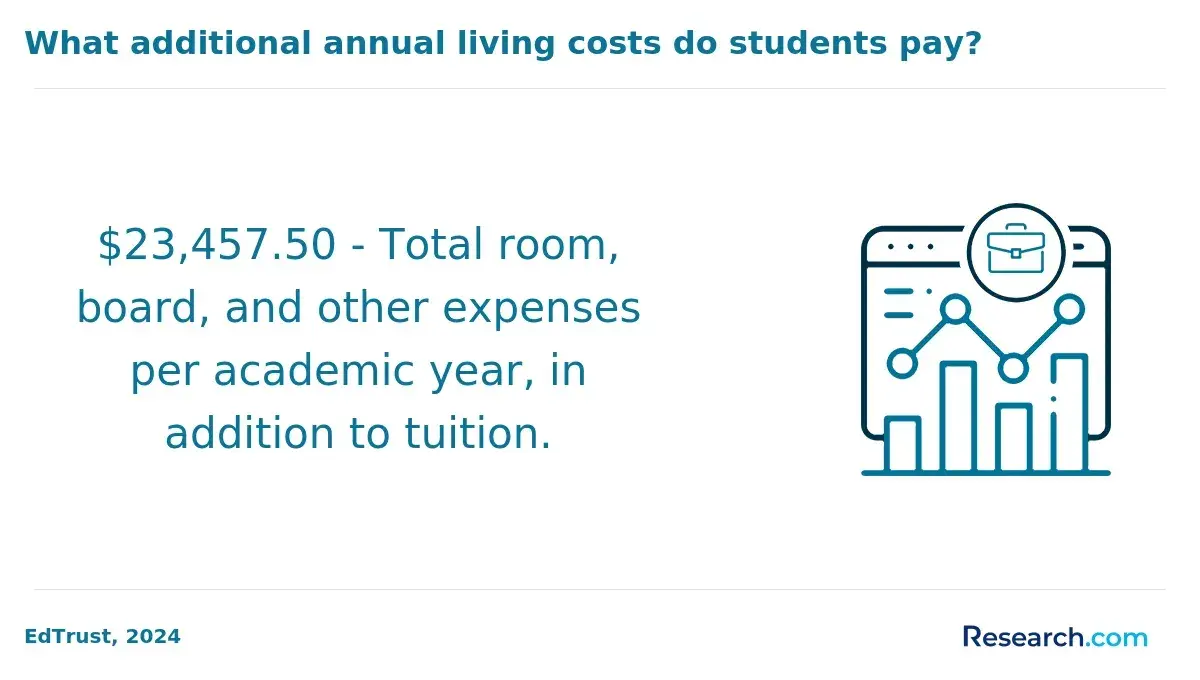
Online degrees in taxation typically cost less than traditional campus programs because they eliminate expenses like facility fees and commuting. Additionally, the flexibility allows many students to keep working during their studies, making the financial aspect more manageable. Current estimates place the total cost of an online taxation master's degree in the U.S. between $15,000 and $45,000.
Several factors influence this price range, including:
- Institution Type: Public universities generally offer lower tuition rates than private ones, which tend to have higher fees due to prestige and resources.
- Credit Requirements: Programs requiring more credit hours or specialized courses naturally raise the overall expense because students must pay for additional classes.
- Additional Fees: Charges for technology, applications, or graduation can add to the total cost and vary by school, impacting the final amount paid.
- Financial Aid Availability: Scholarships, employer tuition reimbursement, or grants can substantially reduce out-of-pocket expenses, making certain programs more affordable.
Choosing a taxation master's program involves weighing these financial considerations alongside accreditation and curriculum strength to ensure a worthwhile investment for career changers.
Online taxation master's programs are strategically designed to transform students' existing professional backgrounds into a specialized skill set necessary for success in the taxation field. Employment of tax examiners and collectors is projected to grow 5% from 2022 to 2032, reflecting steady demand for professionals equipped with advanced taxation credentials.
- Advanced Tax Law Comprehension: This involves mastering federal, state, and local tax codes and regulations, which is essential for advising clients accurately and ensuring legal compliance.
- Tax Research and Analysis: Students develop skills to interpret complex tax statutes and apply analytical methods to solve tax-related challenges effectively.
- Financial Accounting Integration: Understanding how taxation intersects with accounting principles enables precise financial reporting and strategic planning.
- Technology Proficiency: Familiarity with modern tax preparation software and financial databases prepares graduates for technology-driven tax environments.
- Strategic Tax Planning: Graduates learn to design tax-efficient strategies that help individuals and corporations minimize liabilities and optimize financial outcomes.
These competencies equip career changers to confidently enter the taxation industry with a focused, market-relevant expertise.
Graduates of an online taxation master's degree program often leverage their specialized academic expertise and advanced technical skills to bypass traditional entry-level positions. This allows career changers from unrelated fields to enter the workforce as valuable contributors shortly after graduation.
According to the U.S. Bureau of Labor Statistics, tax-related occupations are projected to grow by 5% over the next decade, underscoring growing opportunities for those with strong educational backgrounds but limited prior experience in the field.
Several industries actively recruit taxation master's graduates without experience, recognizing the value of their up-to-date academic preparation and relevant skill sets.
- Finance And Banking Financial institutions often hire taxation graduates to assist with compliance, tax planning, and regulatory analysis. Their current knowledge of tax laws enables them to support complex transactions and risk management effectively.
- Accounting Firms These firms rely on taxation graduates to bolster corporate tax services and audits. Expertise in current tax codes can outweigh direct professional experience when ensuring client compliance and maximizing returns.
- Corporate Legal Departments Legal teams within corporations seek graduates who can contribute to tax law compliance and corporate governance. Analytical and regulatory skills gained through taxation master's studies are especially valuable in this setting.
- Government Tax Agencies Agencies such as the IRS and state revenue departments prioritize candidates with formal taxation education for roles involving tax policy, enforcement, and administration. These organizations appreciate the rigorous training despite a candidate's lack of work history in the field.
- Consulting Firms Consulting companies value taxation graduates for their ability to advise on tax-efficient business strategies, equity structuring, and regulatory challenges, helping clients navigate complex fiscal environments.
For working professionals considering a career pivot, these are among the best career fields for taxation master's degree holders seeking opportunities without prior experience. To support such transitions, flexible and accredited online programs offer accessible pathways. For example, exploring an MLIS highlights how online degrees can facilitate career advancement across various sectors.
A master's degree in taxation serves as a powerful catalyst for salary growth by qualifying career switchers for mid-to-senior level roles that would otherwise be inaccessible. Recent projections report that holders of a master's degree in taxation earn a median annual salary exceeding $90,000, with top professionals surpassing $130,000, providing concrete financial motivation for pursuing this advanced degree after a career change.
- Immediate Post-Graduation Salary Bump: Career changers often experience a 20% to 35% salary increase within the first year after completing a taxation master's. This boost reflects the shift from generalist positions into specialized taxation roles that command higher pay.
- Long-Term Career Trajectory: Advanced taxation credentials accelerate advancement to leadership positions such as tax directors or CFOs. Graduates can reach executive salary levels faster, shortening the typical timeline by several years.
- Regional and Remote Premiums: Graduates from online taxation programs can leverage remote work opportunities to secure high-paying roles across major financial centers, regardless of their physical location. This flexibility greatly enhances earning potential through geographic salary premiums.
For professionals seeking flexibility while changing careers, exploring the masters in criminology online can provide useful examples of accredited programs that combine career pivoting with online convenience. The best online taxation master's programs for career changers similarly deliver both accessibility and strong financial returns.
For professionals shifting careers, selecting an online taxation master's program involves more than earning a degree; it requires bridging prior experience with the specialized skills needed in taxation roles. The field is growing rapidly, with projected job increases of over 20% in the next decade, highlighting expanding opportunities for those prepared to meet these demands.
- Foundational Support: Programs should include introductory coursework designed for students without prior accounting or finance knowledge, ensuring a solid grasp of essential principles before advancing.
- Hands-On Learning: Opportunities to engage with real-world scenarios, such as tax preparation exercises, case studies, or simulations, help students apply theory to practical challenges.
- Accreditation and CPA Alignment: Enrollment in an accredited program aligned with CPA requirements enhances credibility and facilitates certification paths critical to career advancement.
- Career Services: Access to career counseling, networking, and internship placements is vital for those pivoting into taxation to build connections and gain relevant experience.
- Flexible Scheduling: Programs offering part-time or asynchronous formats accommodate working professionals balancing education with other commitments.
What Graduates Say About Online Taxation Degree Master's Programs for Career Changers
- Ronin: "Choosing an online taxation master's degree was a game-changer for me because it allowed me to completely shift gears from a marketing background into finance without quitting my job. The affordability of the program made it manageable, especially with the flexibility to learn at my own pace. Now, I'm confidently working in a new industry that aligns better with my passion for numbers and regulations."
- Peter: "Reflecting on my career change, the online taxation degree was the smartest investment I've made. The program's cost was reasonable compared to traditional on-campus options, and I appreciated how the coursework was tailored for professionals like me looking to transition into the field. It has opened doors to tax consultancy roles I never thought possible before."
- Jordan: "From the outset, I approached the online taxation master's degree with a professional mindset, aiming for a smooth career pivot. The cost efficiency combined with the comprehensive curriculum gave me the tools I needed without overextending financially. Pursuing this degree sharpened my expertise and boosted my credibility, accelerating my promotion within the tax advisory sector."
Other Things You Should Know About Taxation Degrees
Yes, many online taxation master's programs prepare students for key professional certifications such as the Certified Public Accountant (CPA) or Enrolled Agent (EA) exams. These programs often include coursework aligned with certification requirements, making them a valuable step for career changers seeking credentials that enhance employability in the taxation field.
Many online taxation master’s programs waive the GMAT or GRE for applicants with a bachelor’s degree and strong transcripts. Some schools still request scores for conditional admission. Programs often require official transcripts, a resume, and a statement of purpose, with minimum GPAs commonly set at 2.75 to 3.0.
Online taxation master's degrees typically emphasize skills in tax software applications, data analysis, and compliance tools. Coursework focuses on using current financial technology to prepare accurate tax returns, interpret tax laws, and analyze financial data, equipping career changers with practical and market-relevant technical abilities.
- Most Affordable Online Accounting Master's Programs 2025 https://www.accounting.com/degrees/accounting/masters/most-affordable/
- Master of Taxation https://www.uakron.edu/online/degrees/master-of-taxation
- Graduate MST Article: What Can You Do With a MST? https://www.bentley.edu/academics/graduate-programs/masters-taxation/what-can-you-do-masters-taxation
- Taxation, Master of Science https://www.stjohns.edu/academics/programs/taxation-master-science
- Getting a Master's in Taxation: Everything You Need to Know https://www.westerncpe.com/blog-post/getting-a-masters-in-taxation-everything-you-need-to-know/
- Master of Taxation https://www.curtin.edu.au/study/offering/course-pg-master-of-taxation--mc-taxat/
- Taxation Specialization in Accounting - Online https://www.ubalt.edu/schools-and-colleges/merrick-school-of-business/academics/explore-all-programs/oacct-masters-taxation/index.cfm
- Master's in Taxation | Golden Gate University https://ggu.edu/programs/ms-taxation/
- Master of Science in Taxation Online at Bryant University https://www.bryant.edu/graduate/graduate-academics/graduate-programs/master-science-taxation
- Get Taxation Fresher Jobs (Feb 2026) - 707 Taxation Jobs for Fresher - Shine.com, Apply Now! https://www.shine.com/job-search/fresher-taxation-jobs


