2027 From Bank Teller to Branch Management: When Does a BS in Business Administration Make Sense?
Audited and Verified:
Our Editorial and Data Verification Process
Research.com uses government datasets, official education statistics and primary institutional information to support its career and degree guides. Our review process checks factual accuracy, occupational definitions, source dates and the requirements associated with the credentials discussed.
How This Article Was Fact-Checked
Our editorial team verifies salary estimates, employment projections, education requirements and program information against original data providers and official organizations. Salary figures are checked against the relevant occupational definitions and reporting periods. Information about licensure, accreditation and required in-person training is reviewed separately.
Fact-checked and verified on:

Co-Founder and Chief Data Scientist
A teller who wants to manage a bank branch has a practical decision to make: keep building experience, enroll in a bachelor's program, or do both. Branch managers need more than customer-service skills; they oversee staff, operations, risk controls, and business performance.
Yet a degree is not a universal promotion requirement. This guide explains where a BS in Business Administration can strengthen your candidacy, which experience matters most, and how to judge a program's cost and fit before committing.
Key Things You Should Know
- A BS in Business Administration makes the strongest case when target employers prefer a bachelor's degree and you need broader preparation in finance, operations, and people management; it does not replace branch experience.
- A teller may advance without a bachelor's degree where an employer accepts demonstrated performance and internal training.
- Check actual branch-manager postings and promotion policies before enrolling. Branch-manager pay varies by employer and market. Broad management wage figures are not reliable estimates of what a newly promoted bank branch manager will earn.
What is a BS in Business Administration, and can it lead to branch management?
A BS in Business Administration is an undergraduate degree covering business functions such as accounting, finance, management, operations, and data-informed decision-making. It can help a teller understand the business behind branch activity, but it is not a bank-management credential or a promise of promotion.
A branch manager typically supervises employees, addresses escalated customer issues, monitors service and business goals, and ensures that daily activity follows bank policies and applicable rules. Success depends on judgment under pressure and a record of responsible work - not just classroom knowledge.
The degree makes sense if it closes a documented qualification gap or supports advancement beyond a single branch. If your employer chiefly wants supervisory experience, an internal leadership program or targeted training may be more direct. For a broader leadership curriculum, compare a business degree with accelerated organizational leadership college programs, checking which option includes enough finance and operations coursework for your goals.
Does a bank teller need a bachelor's degree to become a branch manager?
Not necessarily. Requirements differ by bank and by position: one employer may require a bachelor's degree, another may prefer one, and another may accept substantial branch and supervisory experience instead. A preferred qualification can still matter when several candidates have similar work records.
Review postings for the branches and employers you would realistically join. Separate required education from preferred education, then ask your manager or recruiter how internal candidates are assessed. If your main gap is supervising staff or managing a sales pipeline, seek an assistant-manager assignment, mentoring, or employer training before assuming a full degree is the only answer.
Keep the goal precise. If you want to leave branch banking for project coordination, affordable online study routes in project management may be worth comparing. That is a different career decision, not a prerequisite for managing a bank branch.
What career path leads from bank teller to branch manager?
A common progression is teller, then a customer-facing role with broader account responsibilities, followed by a lead teller, supervisor, or assistant branch manager role before branch management. Titles and sequences vary. The important change is from completing transactions accurately to coaching others and taking responsibility for branch-wide results and controls.
Use your current job to build evidence for the next step. Ask for appropriately supervised opportunities to train new staff, resolve service problems, explain products within your authority, and help improve a branch process. Record the responsibility you held and the outcome you can substantiate without disclosing customer or confidential bank information.
If your experience points toward back-office operations rather than branch leadership, compare that path on its own terms. Supply chain bachelor's options focused on completion speed may interest someone pursuing a substantial operations career change, but they are not a standard route from teller to branch manager.
Programs vary, but a business core commonly includes accounting, finance, economics, management, marketing, statistics, and business law. For an aspiring branch manager, the most useful courses connect financial information, employee supervision, customer needs, and operational risk. Check the actual catalog rather than assuming every program offers the same depth.
Finance and accounting can improve your ability to interpret business performance. Organizational behavior and human resources can inform coaching and staffing decisions. Operations and analytics can help you examine workflows and service measures. Coursework should complement - not substitute for - your bank's policies, required training, and supervised practice.
Look for applied assignments that let you analyze a service process using approved, nonconfidential information. If a program offers project-management electives, distinguish them from a separate project-management degree; project management bachelor's scholarship options are relevant only if you are seriously considering that alternative program.
An online degree can serve the same career goal if the institution is appropriately accredited, the curriculum develops relevant skills, and you can complete the work while employed. Delivery format alone does not establish quality, and online does not necessarily mean self-paced.
For a teller working variable shifts, the decisive details are scheduled live classes, exam windows, group meetings, course availability, and any campus or internship requirements. Ask whether workplace assignments can use approved, anonymized examples; never assume you may submit customer records or internal bank data.
When you evaluate American online business school options, compare those scheduling rules alongside advising and career support. An otherwise strong program is a poor fit if required sessions consistently conflict with branch hours.
A bachelor's degree commonly takes about four years of full-time study from the beginning. A working teller may need longer at a part-time pace, while applicable transfer credit may shorten the remaining path. Only the school's evaluation and degree audit can show which previous courses satisfy general education, business-core, elective, and residency requirements.
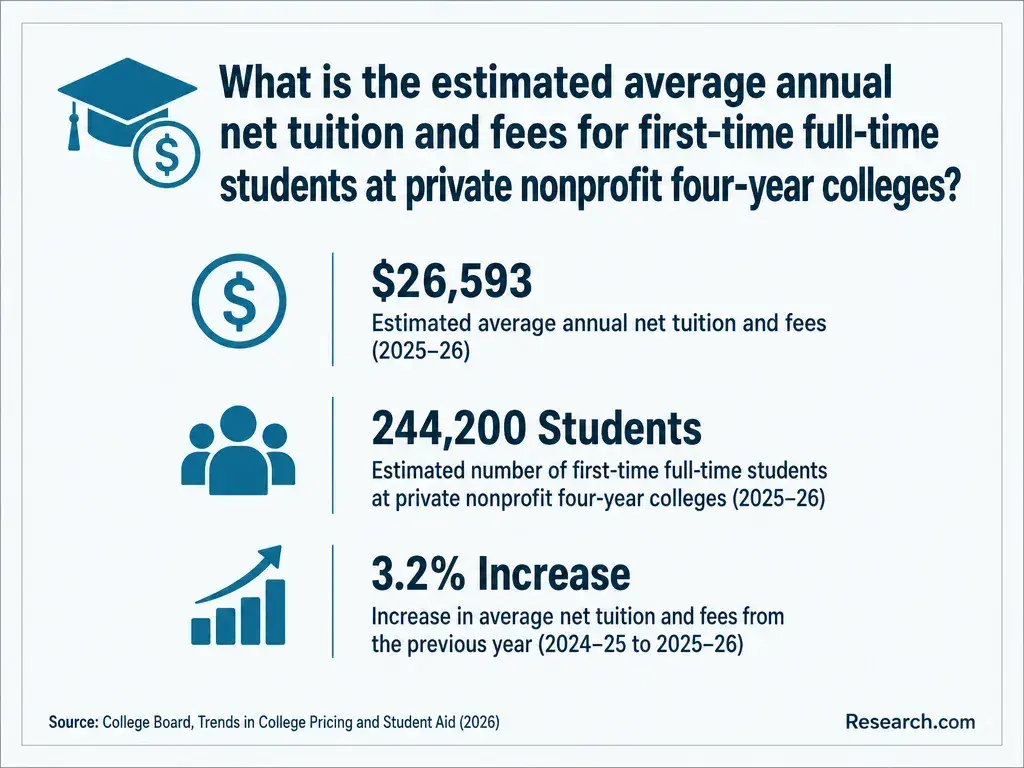
Compare cost to finish, not just advertised tuition. Include remaining required credits, fees, books or software, possible travel, and the cost of borrowing. Ask whether your bank provides tuition assistance, when reimbursement occurs, and whether grades, continued employment, or repayment conditions apply. Aid eligibility and employer benefits must be confirmed before you count them as savings.
Low-cost online business degree programs can provide a starting comparison, but the cheapest advertised rate may not produce the lowest total cost if credits do not apply or required courses delay completion.
Requirements depend on the institution and whether you apply as a first-year, transfer, or returning student. Schools commonly request prior academic records; some business majors also have separate entry standards or prerequisite courses. Professional banking experience may strengthen an application, but it does not automatically satisfy academic requirements or earn credit.
Gather transcripts from every previous college and ask admissions how you would be classified. Then ask the business adviser which mathematics, accounting, economics, or other courses must be completed before entering the major. For a closer look at possible prerequisites, see understanding business administration entry standards. Request a degree audit before relying on a projected graduation date.
Check an institution's recognized accreditation first, particularly if you may transfer credits, seek financial aid, or later pursue graduate study. Business-school accreditation, where present, has a separate scope: verify whether AACSB, ACBSP, or IACBE accreditation covers the school or program you are considering. None of these designations guarantees a branch-management job.
A business degree also does not grant authority to perform regulated financial-services activities. The products you discuss or sell may trigger employer training, registration, or licensing requirements that depend on the activity and applicable rules. Ask the bank which requirements attach to your intended position rather than treating a degree or concentration as a substitute.
The same distinction applies if you compare banking with another field: a guide to aid and tuition at online project management schools can help assess education costs for that separate path, but a project-management degree would not confer banking product authorization.
For a teller, the degree may support applications for branch supervision, assistant management, branch management, or operations roles when paired with relevant experience. It may also help with a move into other business functions, though those positions can require different technical skills or credentials. Apply based on the duties you have performed, not the degree title alone.
There is no single national salary that reliably represents a new branch manager's offer. As context - not a branch-manager pay estimate - the U.S. Bureau of Labor Statistics reports a May 2025 median annual wage of $105,770 for general and operations managers. That broad occupation includes experienced managers across industries, so use local bank postings and actual offers to evaluate the financial return on a degree.
If faster completion is important, American colleges offering fast-track business bachelor's provide programs to investigate. Confirm whether the pace is feasible alongside full-time branch work before using a shorter advertised timeline in your earnings comparison.
How do you choose a reputable business administration degree program?
Start with your target employers' requirements, then compare programs against the gaps you actually need to close. A reputable option should have verifiable accreditation, a curriculum that covers relevant business functions, a workable schedule, clear transfer and graduation policies, and a cost you can sustain.
Before enrolling, request a written degree audit and confirm how often required courses run. Ask whether an official concentration adds credits or delays graduation, and whether applied projects can be completed without using restricted workplace information. Compare employer tuition assistance against the school's payment deadlines.
If speed is a priority, investigate short-term classes toward a bachelor's degree, but check the weekly workload and course sequence. The best choice is the program you can finish while building the supervisory evidence your preferred bank expects - not simply the one with the shortest advertised calendar.
Other Things You Should Know About Business Administration
Yes, if you are comfortable doing so. Ask which qualifications matter for internal promotions and whether tuition assistance or development assignments are available. A degree plan is more useful when it reflects the bank's actual expectations.
Possibly, if a school offers an applicable prior-learning assessment process. Employment alone does not award credit; the institution decides what evidence it accepts and where any credit applies.
It may help if you want deeper financial coursework or a later move into a finance function. For branch leadership, compare its added courses and time against management, operations, and the experience your employer values.
Usually not for someone who has not yet completed a bachelor's degree, because MBA programs generally require one for admission. Even with a bachelor's degree, an MBA does not replace the branch experience needed to manage staff and operations.
- Assistant Branch Managers: How to Become One | Franklin University https://www.franklin.edu/career-guide/financial-managers/how-to-become-assistant-branch-managers
- What Can I Do with a Business Administration Degree? | CTU https://www.coloradotech.edu/degrees/studies/business-and-management/articles/what-can-i-do-with-a-business-administration-degree
- What Does a Bank Teller Do? 7 Tasks You Might Not Know About | Rasmussen University https://www.rasmussen.edu/degrees/business/blog/what-does-a-bank-teller-do/
- Bank Teller: Career Path and Qualifications | investopedia.com https://www.investopedia.com/articles/professionals/121615/bank-teller-career-path-qualifications.asp
- Branch Banking jobs at PNC https://careers.pnc.com/global/en/c/branch-banking-jobs
- Business Administration Degrees (Types, Courses & FAQ) | allbusinessschools.com https://www.allbusinessschools.com/business-administration/degrees/
- Business Administration: Definition and 27 Career Paths | indeed.com https://www.indeed.com/career-advice/finding-a-job/business-administration-definition
- Tellers: Salary, career path, job outlook, education and more | RaiseMe https://www.raise.me/careers/office-and-administrative-support/tellers/
- Banking Career Guide: Jobs, Salaries, Skills, and How to Get Started (Pros and Cons) | Mometrix Blog https://www.mometrix.com/blog/banking-careers/
- Best Associate Degrees in Business Administration | Career Karma https://careerkarma.com/blog/business-administration-associate-degrees/