2027 Forensic Accounting Degree vs Bootcamp vs Certificate: Which Path Leads to Better Career Outcomes?

Co-Founder and Chief Data Scientist
The right forensic accounting pathway depends on what you need the credential to do: help you enter the field quickly, qualify you for more selective roles, raise your salary ceiling, or add a targeted skill to an existing accounting background. A forensic accounting degree, bootcamp, and certificate can all support career progress, but they differ sharply in cost, time, employer recognition, curriculum depth, and long-term mobility.
Recent data shows that individuals with a forensic accounting degree earn on average 30% more than those with only certificates or bootcamp credentials within five years. That does not mean a degree is always the best first move. Bootcamps can shorten the path to job-ready skills, while certificates can be useful for working professionals who need focused training in fraud detection, compliance, auditing tools, or investigative methods. This guide compares the three options across practical decision points: total cost, time to completion, salaries, job placement, admissions barriers, employer preferences, networking, location, and return on investment.
Key Things to Know About Which Path Leads to Better Career Outcomes: Forensic Accounting Degree, Bootcamp, or Certificate
- Degree holders typically command salaries 15-25% higher than bootcamp or certificate completers-reflecting employer preference for comprehensive credentials in forensic accounting roles.
- Bootcamps offer rapid skill acquisition and strong job placement within six months, ideal for career changers seeking quick entry but limited long-term advancement.
- Certificates provide cost-effective upskilling for working professionals-enhancing networking opportunities but generally less impactful on salary growth compared to degrees.
How Does Forensic Accounting Degree Compare to Bootcamps and Certificates in Total Program Cost and Time to Completion?
The main cost-and-time trade-off is straightforward: degrees take longer and cost more, but they usually carry stronger employer recognition; bootcamps are faster and more job-focused; certificates are the shortest and most targeted option. The better choice depends on whether you need a primary credential, a career-change bridge, or a skill add-on.
- Degree programs: Associate and bachelor's pathways usually require two to four years of full-time study. According to the National Center for Education Statistics (NCES), the average total tuition for a four-year bachelor's degree at public institutions ranges from $40,000 to $60,000 for in-state students, with private institutions often charging more. A degree gives students broader accounting preparation, forensic techniques, legal context, ethics, auditing, and general education. It is often the strongest option for learners who want long-term advancement, eligibility for more selective roles, or a credential that hiring systems recognize easily.
- Bootcamps: Forensic accounting bootcamps are designed for speed. They typically last between 8 and 26 weeks and focus on applied skills, case work, software exposure, and job readiness. Review aggregators like SwitchUp report typical tuition costs between $7,000 and $15,000. Bootcamps can be attractive for career changers and working adults, but students should check whether local employers know the program, whether outcomes are independently reported, and whether the curriculum is deep enough for the jobs they want.
- Professional certificates: Certificate programs vary widely. Some are self-paced online options, including FAFSA-approved online certificate programs, while others are instructor-led courses from universities, platforms, or professional groups. Costs typically range from several hundred to around $3,000, and completion may take weeks to months. Certificates work best when they supplement prior education or experience rather than replace a full accounting foundation.
Students comparing pathways should look beyond sticker price. The cost of accounting degree online may be easier to justify when the program is accredited, transferable, and aligned with employer expectations in accounting and forensic roles. A low-cost certificate may be a better choice, however, if the learner already has an accounting degree and only needs a fraud examination or analytics skill.
The common mistake is choosing only by speed. A fast program can be valuable, but it must lead to credible evidence of skill: projects, references, internships, employer connections, or exam preparation. A degree takes longer, but it may reduce friction in hiring systems that screen for formal education.
What Career Outcomes Can Forensic Accounting Degree Graduates Expect Compared to Bootcamp and Certificate Completers?
Forensic accounting degree graduates generally have the strongest outcomes for roles that require accounting depth, audit knowledge, regulatory awareness, and advancement potential. Bootcamp and certificate completers can still reach the field, especially when they already have finance, accounting, compliance, data, or investigative experience, but their outcomes depend more heavily on portfolio quality and employer openness to non-degree credentials.
- Employment rate within six months: Degree holders report employment rates around 80-90%, reflecting the continued value of formal credentials in accounting-related hiring. Bootcamp and certificate completers' employment rates vary more widely between 60-75%, often because outcomes depend on prior experience, local employer relationships, and how narrowly the program defines a forensic accounting placement.
- Median starting salary: Forensic accounting degree graduates usually start between $55,000 and $65,000. Bootcamp and certificate holders generally report starting salaries from $45,000 to $55,000. Non-degree salaries can rise as workers prove their skills, but the first job may be harder to secure without a recognized accounting credential.
- First job title: Degree graduates more often enter junior forensic accountant, audit, financial examiner, or analyst roles with clearer promotion structures. Bootcamp and certificate completers may begin in support, compliance, fraud analyst, accounting assistant, or adjacent investigative roles before moving closer to core forensic accounting work.
Outcome data deserves scrutiny. Bootcamp reports are often self-reported and may suffer from survivorship bias or selective disclosure. Students should ask whether employment data is independently audited, whether part-time and full-time roles are separated, whether unrelated jobs are counted, and whether salary figures reflect base pay or broader compensation.
Credential type matters, but it is not the only factor. Employers also evaluate accounting fundamentals, Excel and analytics ability, writing quality, interview performance, internship experience, geographic market, and evidence of ethical judgment. Learners considering broader business training can compare related options through reputable online business schools when they want a wider finance or accounting foundation.
Which Forensic Accounting Pathway - Degree, Bootcamp, or Certificate - Offers the Highest Starting Salary for Graduates?
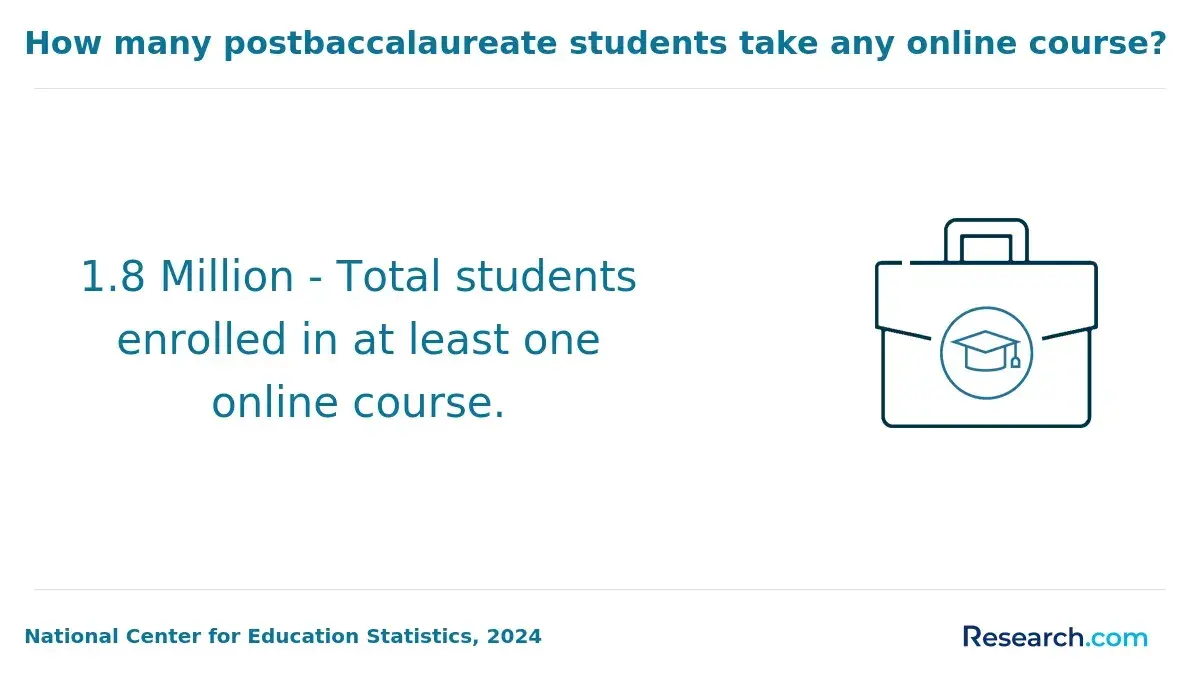
A forensic accounting degree usually offers the highest starting salary. Graduates with bachelor's or master's degrees in forensic accounting or related fields generally start between $55,000 and $65,000 annually, based on data from the Bureau of Labor Statistics, NACE, LinkedIn Salary Insights, and Glassdoor. Bootcamp and certificate completers more commonly begin closer to $45,000 to $55,000, especially when entering through fraud analyst, compliance support, junior forensic accounting, or related accounting roles.
- Degree salary advantage: Entry-level pay for degree holders is commonly 10% to 20% higher than for bootcamp or certificate completers.
- Employer type: Larger corporations, government agencies, banks, insurers, and major consulting firms are more likely to reward degrees with higher starting offers. Startups and smaller firms may be more flexible about credentials but may offer lower starting wages.
- Industry and job title: Financial services and government roles tend to pay more than nonprofits or smaller consultancies. A forensic accountant role typically pays more than a general accounting assistant role, even when both involve fraud-related work.
- Geography: Urban hubs like New York and Washington D.C. often have higher starting salaries because they concentrate legal, financial, regulatory, and consulting employers.
- Career growth: Degree holders usually have faster salary progression when advanced roles require a bachelor's or master's degree, CPA-aligned coursework, audit experience, or management readiness.
- Individual variation: Median salaries hide meaningful differences. Prior accounting experience, internship quality, software skills, communication ability, and willingness to relocate can shift outcomes for any pathway.
One forensic accounting degree graduate described the trade-off clearly: rigorous coursework and part-time work made the path demanding, but the degree improved access to internships, alumni contacts, and employers with higher compensation bands. As he put it, "The structured education not only boosted my confidence but clearly positioned me for roles with better compensation. It wasn't just about the paycheck-it was about gaining trust in competitive markets."
How Do Employers Actually Evaluate Forensic Accounting Credentials: Does a Degree Still Outrank a Bootcamp or Certificate?
Yes, a degree still outranks a bootcamp or certificate for many forensic accounting roles, especially in regulated, compliance-heavy, or government-related settings. Large employers often use degrees as screening tools because they signal a standardized foundation in accounting, auditing, law, ethics, and professional communication.
Research by SHRM and LinkedIn Talent Insights shows roughly 70% of listings require at least a bachelor's degree. This requirement is common in banking, insurance, government agencies, public accounting, and forensic consulting, where employers must manage compliance risk and client trust.
Bootcamps and certificates are more competitive in environments that prioritize applied skills, speed, and technical capability. Startups, boutique consultancies, fintech firms, and investigative analytics teams may treat hands-on experience as comparable or sometimes more important than formal degrees. Surveys indicate 30-40% of such roles view practical skills this way, especially when candidates can show projects, case exercises, fraud analytics work, or relevant software ability.
The skills-first hiring movement has changed some job descriptions, but the shift is uneven. Several tech industry leaders, along with state and federal programs, have promoted skills-first hiring for forensic accounting-related roles. Academic labor research and industry data still show that most successful hires in core forensic accounting roles hold traditional degrees. The change is more visible in adjacent technology or analytics jobs than in roles requiring formal accounting judgment.
Candidates should match credentials to target employers. A learner aiming for government contracting, public accounting, or major consulting should treat a degree as the safer foundation. A learner targeting fraud analytics in a smaller firm may benefit from a bootcamp or certificate, particularly when paired with prior accounting coursework or professional experience. Those comparing formal online options should verify accreditation carefully; resources on accredited online universities can help students understand institutional credibility before enrolling.
What Are the Admission Requirements and Academic Barriers for Forensic Accounting Degree Programs Versus Bootcamps and Certificates?
Degree programs have the highest admissions barriers. Bootcamps and certificates are usually easier to enter, which can be an advantage for working adults, career changers, and learners who need training quickly. The trade-off is that lower admission barriers place more responsibility on the student to evaluate program quality.
- GPA and transcripts: Accredited forensic accounting degree programs often require a minimum GPA of 3.0 and transcripts showing relevant coursework in accounting, finance, or related fields.
- Standardized tests: Many traditional undergraduate programs ask for SAT or ACT scores, while graduate programs may require GMAT or GRE scores. Some schools have become test-optional recently, but applicants should confirm the current policy before applying.
- Letters of recommendation: Degree applicants commonly submit recommendations from faculty, supervisors, or professionals who can speak to academic ability, reliability, and ethical judgment.
- Deadlines and application cycles: Degree pathways often use fixed semester deadlines, formal admissions review, and prerequisite sequencing. This can delay enrollment for students who miss a cycle or need additional coursework.
- Selectivity: Competitive admissions can act as a quality signal, but they also limit access for students with weaker academic records or nontraditional backgrounds.
- Bootcamps and certificates: These options often use open enrollment or simpler screening. They may not require GPA minimums, test scores, or recommendation letters, allowing students to begin faster.
- Quality checks for non-degree programs: Because admission is easier, students should examine instructor qualifications, curriculum relevance, employer partnerships, portfolio requirements, career support, accreditation where applicable, and post-completion outcomes.
A forensic accounting degree graduate recalled that recommendation letters took weeks to gather and maintaining a strong GPA while working part time was stressful. She viewed those hurdles as part of the value: the process prepared her for a demanding field and gave employers confidence that her training was rigorous. By contrast, her peers who chose bootcamps valued the faster start and schedule flexibility.
How Does Curriculum Depth Differ Between a Forensic Accounting Degree, a Bootcamp, and a Certificate Program?
A forensic accounting degree provides the deepest and broadest curriculum. It typically combines accounting fundamentals, auditing, financial reporting, fraud examination, legal procedure, ethics, data analysis, business communication, and general education. Because coursework spans several semesters, students have more time to build judgment, not just technical familiarity. Electives may cover information technology, criminal justice, taxation, compliance, or advanced audit topics. Many programs also include research projects, capstones, internships, or case-based assignments that strengthen analytical writing and professional reasoning.
A bootcamp is narrower but more concentrated. It is built around rapid skill acquisition: applied projects, fraud scenarios, document review, spreadsheet work, investigative workflows, and tools used in accounting or analytics settings. This can be effective for learners who already understand accounting basics or who need practical exposure quickly. The limitation is depth. Bootcamps rarely provide the same coverage of accounting theory, regulation, ethics, reporting standards, or business context that employers may expect in higher-responsibility roles.
A certificate program is the most targeted option. Beginner-level certificates may introduce fraud concepts, software, compliance basics, or accounting workflows. Advanced certificates from professional or industry organizations may validate specialized skills such as fraud detection, audit analytics, or investigative procedures. Certificates are useful for filling a defined skill gap, but they usually do not replace the comprehensive preparation of a degree.
The practical question is not which curriculum is “best” in isolation. It is whether the curriculum matches the learner’s current background. A student with no accounting foundation usually needs a degree or substantial prerequisite coursework. An accountant who wants to move into fraud work may benefit from a certificate. A career changer with finance experience may use a bootcamp to build a portfolio and transition faster.
Which Forensic Accounting Path Produces the Fastest Return on Investment: Degree, Bootcamp, or Certificate?
Bootcamps and certificates often produce the fastest short-term return on investment because they cost less and take less time. Degrees usually offer stronger long-term returns when the learner needs a recognized credential for advancement, higher salary bands, or roles with formal education requirements.
ROI should include both direct costs and opportunity cost. Tuition, fees, materials, and technology are obvious expenses. The less obvious cost is income lost while studying, especially for learners who leave full-time work to enroll in a two- to four-year degree program.
- Recent high school graduate: With no current salary to give up, the opportunity cost is lower. A degree may produce stronger cumulative salary benefits over ten years. Bootcamps and certificates can lead to faster workforce entry and shorter payback periods, sometimes within two years, because of lower costs and quicker completion.
- Mid-career professional: Leaving a $50,000 annual salary to pursue a degree substantially increases opportunity cost. For this learner, a bootcamp or certificate may create quicker ROI, typically producing positive returns within three to five years by reducing income disruption and supporting faster reskilling.
- Part-time learner: Keeping a job while studying reduces opportunity cost. A part-time degree takes longer but may improve promotion potential while preserving income. This can create steady ROI across five to ten years. A part-time bootcamp or certificate can still be useful when the learner needs a faster credential for a specific role or project.
ROI is not only financial. Students should also consider risk. A degree may be slower and more expensive, but it can reduce risk in markets where employers screen for formal credentials. A bootcamp or certificate may pay back faster, but only if the program has credible employer links, transparent outcomes, and a curriculum that aligns with target jobs.
How Do Forensic Accounting Bootcamps and Certificate Programs Compare to Degree Programs on Job Placement Rates?
Job placement rates are difficult to compare unless programs define placement the same way. Degree programs, bootcamps, and certificate providers may all publish employment outcomes, but the numbers can measure different things: full-time forensic accounting jobs, general finance roles, internships, contract work, part-time roles, or any job obtained after completion.
Bootcamps may report strong placement outcomes when they have close employer partnerships, especially in local markets. However, many bootcamp reports rely on self-reported data and may count roles only loosely related to forensic accounting. Students should look for third-party verification, such as CIRR reporting, and should ask exactly which jobs are included.
Degree programs may provide more standardized outcome data through institutional reporting, including IPEDS-related information, career services surveys, or program-level disclosures. Their placement figures may be more conservative, but degree pathways often connect students to internships, alumni referrals, campus recruiting, and accounting employers that prefer formal education.
Certificate programs can support placement when they are tied to a recognized professional skill or employer need. Still, certificate completers often need prior experience or another credential to compete for forensic accounting roles. A certificate alone may be enough for some support, compliance, or fraud analyst positions, but it is less likely to replace a full accounting degree for roles requiring broad professional judgment.
Before relying on a placement number, students should ask programs for:
- the exact definition of “placed”;
- the percentage placed in forensic accounting or closely related roles;
- salary ranges for placed graduates;
- time-to-employment after graduation;
- whether unpaid, part-time, temporary, or unrelated roles are counted;
- whether outcomes are audited or based on internal surveys.
Career support can matter as much as the credential. Resume reviews, interview coaching, alumni introductions, employer events, and internship access can turn training into actual job offers. Students evaluating related legal-investigative pathways may also compare paralegal online programs, but the same rule applies: verify placement quality, not just headline placement rates.
What Role Does Networking and Alumni Access Play in Forensic Accounting Degree Programs Versus Bootcamps and Certificates?
Networking can be a major difference between pathways. In forensic accounting, many opportunities come through internships, referrals, faculty recommendations, professional associations, and alumni working in accounting firms, banks, government agencies, insurers, and consulting groups. The credential teaches skills; the network often helps students get considered.
- Degree programs: Traditional programs usually have the strongest networking infrastructure. Students may gain access to alumni associations, accounting clubs, faculty referrals, internship pipelines, employer information sessions, and career fairs. The value of this network depends on institutional reputation, location, and employer relationships. A university near a financial, legal, or government hub may offer more direct access to forensic accounting employers.
- Bootcamps: Bootcamp networks are smaller but can be practical. Cohorts are often close-knit, instructors may have recent industry experience, and some programs cultivate employer partnerships in analytics, fraud, compliance, or investigative technology. The strongest bootcamp networks tend to be local or niche-specific, so students should ask which employers actually hire graduates.
- Certificate programs: Certificate networks are usually the most limited and fragmented. Some professional certificates connect learners to forums, webinars, association events, or specialized communities. These can be helpful for working professionals, but students often need to be proactive to turn certificate contacts into referrals, interviews, or mentorship.
Networking value is not automatic. Students should ask how many employer events are held, whether alumni actively mentor current learners, whether faculty or instructors make referrals, and whether career services continue after completion. Learners exploring interdisciplinary online options can also review resources such as best online electrical engineering programs USA when they are considering technology-heavy investigative or analytics careers.
How Does Geographic Location Affect Which Forensic Accounting Pathway - Degree, Bootcamp, or Certificate - Leads to Better Outcomes?
Location can strongly affect which pathway performs best. Forensic accounting jobs cluster around financial centers, government agencies, law firms, insurance companies, consulting firms, and corporate headquarters. A credential that works well in one market may be less recognized in another.
- Large metropolitan areas: Cities like New York, San Francisco, and Chicago tend to have more forensic accounting employers, larger hiring pipelines, and more specialized roles. They also tend to favor traditional degrees for regulated or higher-paying positions. At the same time, these markets may support bootcamps because employer density makes local partnerships more useful.
- Bootcamp placement: Bootcamp graduates who stay in the city where they trained often benefit from local employer relationships, hiring events, and instructor contacts. Moving to a market where employers do not recognize the bootcamp can weaken that advantage.
- Regional markets: Mid-sized cities may have fewer employers familiar with alternative credentials, which can make degrees more important. Remote work can help, but it also expands competition because candidates from many locations apply for the same roles.
- Rural areas: Smaller markets often have fewer forensic accounting openings and less awareness of bootcamps or certificates. A degree may carry more recognition, while certificates and bootcamps may be more useful when paired with remote opportunities or existing local accounting experience.
- Remote work: Remote forensic accounting and fraud-related roles can reduce location barriers, but they also increase competition. Candidates need stronger evidence of skill, communication ability, and independent work habits.
Nearly 80% of bootcamp graduates secure jobs locally within six months, which shows how important employer ecosystem density can be for non-degree pathways. Before enrolling, students should search job postings in their target location, review the credentials of recent hires, and ask programs where graduates are actually employed.
What Do Forensic Accounting Industry Professionals and Hiring Managers Actually Prefer When Reviewing Resumes?
Hiring managers usually review forensic accounting resumes in layers. First, they check whether the candidate meets minimum requirements. Then they look for relevant accounting knowledge, investigative judgment, technical skills, work samples, internships, and communication ability. The importance of each factor depends on the employer.
Degree requirements: Large corporations, public agencies, government contractors, banks, insurers, and major consulting firms often use a bachelor's or master's degree as an initial filter. A degree helps satisfy internal compliance standards and gives employers confidence that candidates have covered accounting fundamentals, auditing, ethics, and business communication. Although some organizations announced relaxed degree requirements after 2020, strict degree filters still persist for senior or specialized roles.
- These employers prioritize formal education because forensic accounting work can involve regulatory, legal, and governance risk.
- Degree holders continue to dominate hiring in traditional financial and government institutions.
Skills-first employers: Startups, boutique agencies, fintech firms, and analytics-focused teams may place more weight on practical ability. They often look for fraud analysis projects, spreadsheet models, case write-ups, software familiarity, digital badges, or technical assessments.
- Certificates and bootcamps are more persuasive when paired with tangible work samples and relevant prior experience.
- These employers care less about the label on the credential and more about whether the candidate can solve current investigative and analytical problems.
Credential evolution since 2020: Public commitments to skills-first hiring have expanded some entry points, but the measurable effect in forensic accounting remains limited. The shift is more visible in agile teams and technology-adjacent roles than in senior forensic accounting, audit, or regulatory positions.
- Entry-level and technical support roles may be more open to non-degree candidates.
- Senior roles still heavily favor applicants with traditional degrees and substantial experience.
Resume research strategy: Candidates should not rely only on job ads. Review LinkedIn profiles of recent hires, note their education and career paths, and conduct informational interviews with hiring managers or alumni. This reveals whether an employer truly hires certificate and bootcamp graduates or merely states that it is open to them.
What Graduates Say About Which Path Leads to Better Career Outcomes: Forensic Accounting Degree, Bootcamp, or Certificate
- : "Choosing the forensic accounting degree changed my career path. A bootcamp might have helped me build skills faster, but the degree gave me deeper accounting knowledge and a credential employers immediately understood. The networking opportunities were just as important as the coursework because internships and alumni contacts opened doors to firms I would not have reached on my own. For long-term growth and stronger return on investment, the extra time was worth it. — Baker"
- : "The certificate route fit my situation because I needed focused training without stepping away from work. It cost much less than a degree and helped me qualify for entry-level forensic accounting and fraud-related opportunities. It did not provide the same depth as a full program, but employers valued the specific skills I could explain and apply. For learners who need practical, targeted education, a certificate can be a useful stepping stone. — Matthias"
- : "My forensic accounting bootcamp helped me move quickly. The schedule was intense, but the projects were practical and closely tied to the kind of work I wanted to do. I did not get the broad alumni network a degree program might offer, but I gained current, hands-on skills and was able to pursue jobs much sooner. For students focused on speed, applied learning, and fast return on investment, a bootcamp can be a strong option. — Wesley"
Other Things You Should Know About Forensic Accounting Degrees
Recent high school graduates typically benefit more from pursuing a forensic accounting degree, as it provides a structured, in-depth education coupled with internship opportunities and professional networking. Career changers may find bootcamps or certificates more practical, as these offer flexible, focused training that can accelerate entry into the field without requiring years of study. However, career changers should also consider supplementing certificates with practical experience to improve job prospects.
During recessions or tight labor markets, forensic accounting degrees tend to hold more value due to their recognized rigor and the broader skill set developed over time. Bootcamps and certificates can still offer quick skill acquisition but may face challenges competing with degree holders for limited positions. Employers often favor candidates with degrees during economic downturns because they view them as lower-risk investments.
Forensic accounting degrees come from accredited institutions that meet established educational standards, providing widely recognized credentials. Bootcamps and certificates vary significantly in accreditation-some are industry-recognized, while others lack formal validation-which affects their perceived legitimacy. Candidates should carefully evaluate program accreditation and alignment with professional certification requirements before choosing a bootcamp or certificate path.
References
- Forensic Accountant Career And Salary Information https://www.criminaljusticedegreeschools.com/careers/forensic-accountant/
- Forensic Accounting Career Paths, Skills & Salary Guide https://online.ewu.edu/degrees/business/mba/accounting/career-paths-salary-guide/
- Online Graduate Certificate Programs in Forensic Accounting https://www.forensicscolleges.com/online/certificate-in-forensic-accounting
- Forensic Accounting Degree Requirements (plus Salary Info) https://www.allcriminaljusticeschools.com/specialties/forensic-accountant/
- Forensic Accounting: 5 Amazing Courses and Career Opportunities https://www.jaroeducation.com/blog/forensic-accounting-careers
- Professional Certificates vs College Degrees: What Employers Really Care About https://careerkarma.com/blog/professional-certificates-vs-college-degrees-what-employers-really-care-about/
- Cybersecurity Bootcamp vs Degree: Complete Comparison 2026 https://unihackers.com/compare/bootcamp-vs-degree
- Careers - Vault https://vault.com/professions/forensic-accountants-and-auditors/requirements
- Forensic Accounting career path: Everything from required certifications https://thefinancestory.com/career-in-forensic-accounting-india
- Best Bachelor's in Forensic Accounting | Accounting.com https://www.accounting.com/degrees/forensic-accounting/bachelors/